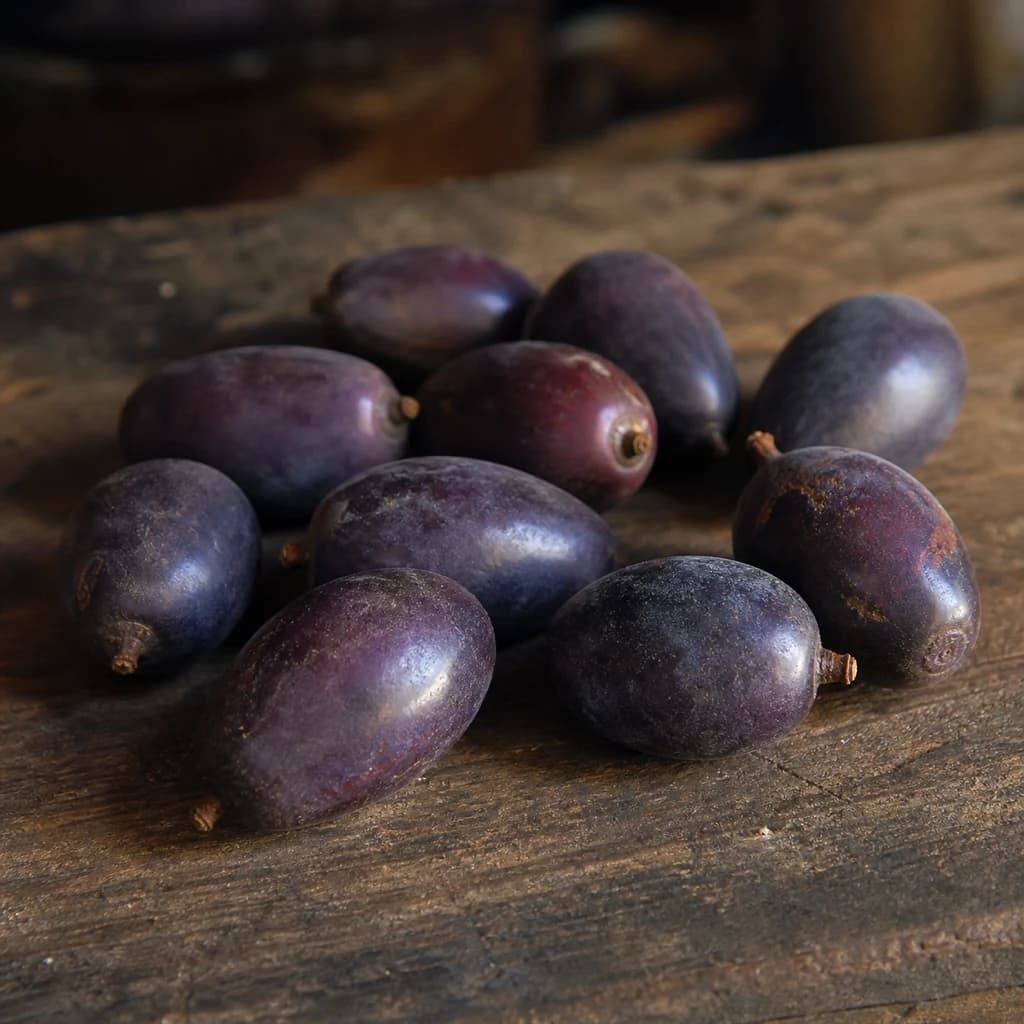
Natural form
Whole safou fruits showing their distinctive dark-purple oblong shape and waxy skin.
Shows the reader the fruit's unmistakable form, color, and size before any preparation.
Produce
Safou (African Pear)
Buttery purple Central African fruit softened in hot water and eaten with maize.
Safou is an oblong, dark-purple fruit native to Central and West Africa, with a single large seed and creamy, buttery flesh. It is softened in hot water or roasted, then eaten with boiled maize, bread, or as a savory snack with salt. Its rich, tangy-savory pulp gives it the names African pear and bush butter.
Safou (Dacryodes edulis) is a Central African fruit prized for its buttery, oily flesh that transforms from raw bitterness into a rich, nutty accompaniment when cooked. Shaped like a small avocado—ellipsoid to oblong, 5–12 cm long—with thin dark purple to black skin and pale yellow to cream flesh, safou is technically a drupe. Its pulp contains 25–33% oil by dry weight, giving cooked fruit its characteristic unctuous texture that has earned it names like "butter fruit" and "bush butter." The flavor is faintly smoky and distinctly nutty, unlike any commonly available Western ingredient.
Safou occupies a unique cultural and culinary niche in the Congo Basin, where it functions less as a snack and more as a savory starch component—comparable in role to boiled potato or plantain rather than to a sweet fruit. The fruit is deeply embedded in subsistence agriculture across Cameroon (the largest producer), Nigeria, Gabon, DR Congo, and Congo-Brazzaville. It is traditionally boiled in salted water until the skin splits, then peeled and eaten alongside maize, cassava, or plantain. Its extreme perishability—2–3 days at room temperature—is the primary reason this oil-rich fruit has never achieved commercial distribution beyond the region, making it a treasured seasonal treat rather than a pantry staple.
When selecting safou, choose fruits with unbroken, unblemished skin and a faint, clean fragrance. A traditional ripeness test used throughout Cameroon and Nigeria: ripe safou sinks in water. The fruit should yield slightly to pressure when ripe. Underripe or poor-quality specimens taste bitter or excessively sour. Once harvested, safou keeps up to two weeks refrigerated, but flavor and texture deteriorate rapidly—the window for peak quality is narrow, which is why traditional markets sell them freshly picked at dawn.
- Measured in
- piece
- Storage
- Fridge
Types & varieties
Purple-skinned variety; most commonly cultivated and marketed across the region
Paler, sometimes greenish-skinned variety; slightly lower oil content but milder, subtler flavor
Elongated fruits reaching up to 12 cm; preferred in some Cameroon communities for roasting
Shorter, rounder shape; often associated with higher oil yield and preferred for oil extraction
Common uses
Tips & pitfalls
- Select fruits with unbroken, unblemished skin; any cracks or fermented odor indicate spoilage—avoid these specimens entirely.
- Use the traditional ripeness test: ripe safou sinks in water. If it floats, the fruit is underripe and will taste bitter when cooked.
- Boil in generously salted water (about 1–2% salinity, roughly 1 tablespoon salt per liter) for 15–20 minutes until the skin splits naturally.
- Do not overcook. The flesh should hold its shape when peeled and have a firm, buttery texture. Overcooked safou becomes mushy and loses its characteristic mouthfeel.
- To roast: place whole fruits directly on hot coals or a hot grill, turning every 2–3 minutes; peel when cool enough to handle and scoop the flesh from split skin.
- If the flesh tastes bitter or sharply sour, the fruit was harvested underripe or is a low-quality specimen—this is a reliable indicator of poor harvest timing.
- Drain the oil that separates from cooked flesh before mashing; this produces a cleaner, less greasy final flavor in preparations like the safou paste served with rice or fufu.
- Store unwashed fruits in a loosely closed plastic bag in the refrigerator crisper drawer; wash only immediately before preparation to prevent surface mold.
Nutrition
Energy
238 kJ · per 100 g
Where the calories come from
Protein
0.4g
1% DV
Carbs
15.2g
6% DV
Fat
0.1g
0% DV
Fiber
3.1g
11% DV
Sugars
9.8g
of which
Sodium
1mg
0% DV
Source · USDA FoodData Central · Pears, raw
View on FDC →In the shops
Matched grocery products
No matched grocery products for Safou (African Pear) yet.
Good to know
- Scientific name
- Dacryodes edulis
- Family
- Burseraceae
- Origin & cultivation
- Congo Basin, Central Africa; centuries of cultivation in Cameroon, Nigeria, Gabon, Republic of Congo, DR Congo
- Primary season
- October–January; secondary season March–April in some regions
- Fruit characteristics
- Ellipsoid to oblong, 5–12 cm long; thin dark purple to black skin; pale yellow, buttery flesh 2–3 mm thick
- Oil content
- 25–33% oil by dry weight; oil extracted commercially for cooking and frying
- Shelf life
- 2–3 days at room temperature; up to 2 weeks refrigerated
- Key producers
- Cameroon (largest), Nigeria, Gabon, DR Congo
Substitutes
- Avocado — Closest texture and mild, buttery character; can be used raw or briefly warmed, though the flavor profile differs significantly—avocado lacks safou's nutty, faintly smoky quality
- Olives (ripe, black) — Provides oily mouthfeel and a savory backbone; best as a flavor accent rather than a direct texture substitution in cooked preparations
- Butternut squash — When mashed with butter and salt, can approximate safou's buttery richness in cooked preparations; the flavor is entirely different but works as a practical substitute in starch-side roles
Also called
African Pear · Bush Butter · Atanga · Ube (Nigerian)
Appears in these dishes
Related
Tomato
Juicy, sun-sweet fruit for sauces, salads, and slow-cooked depth
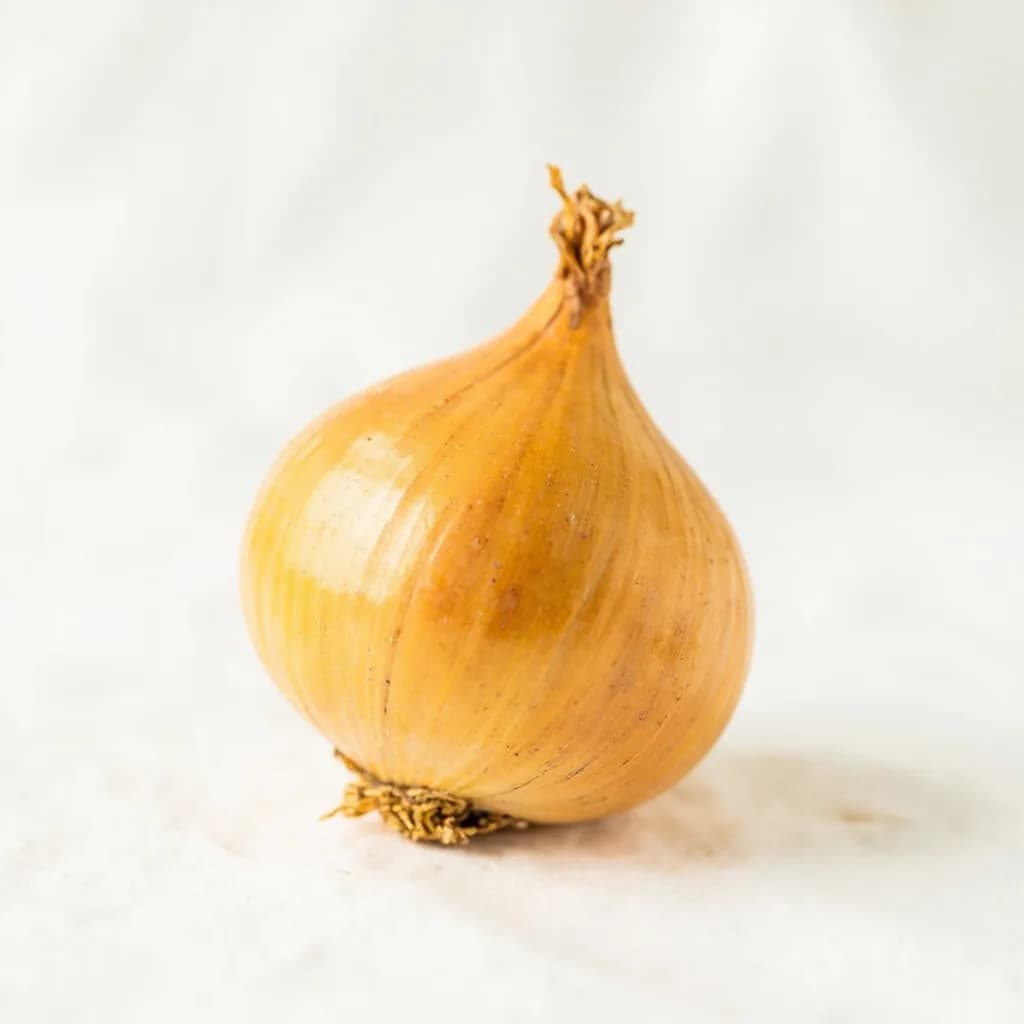
Yellow Onion
The aromatic backbone of soups, sofritos, and braises
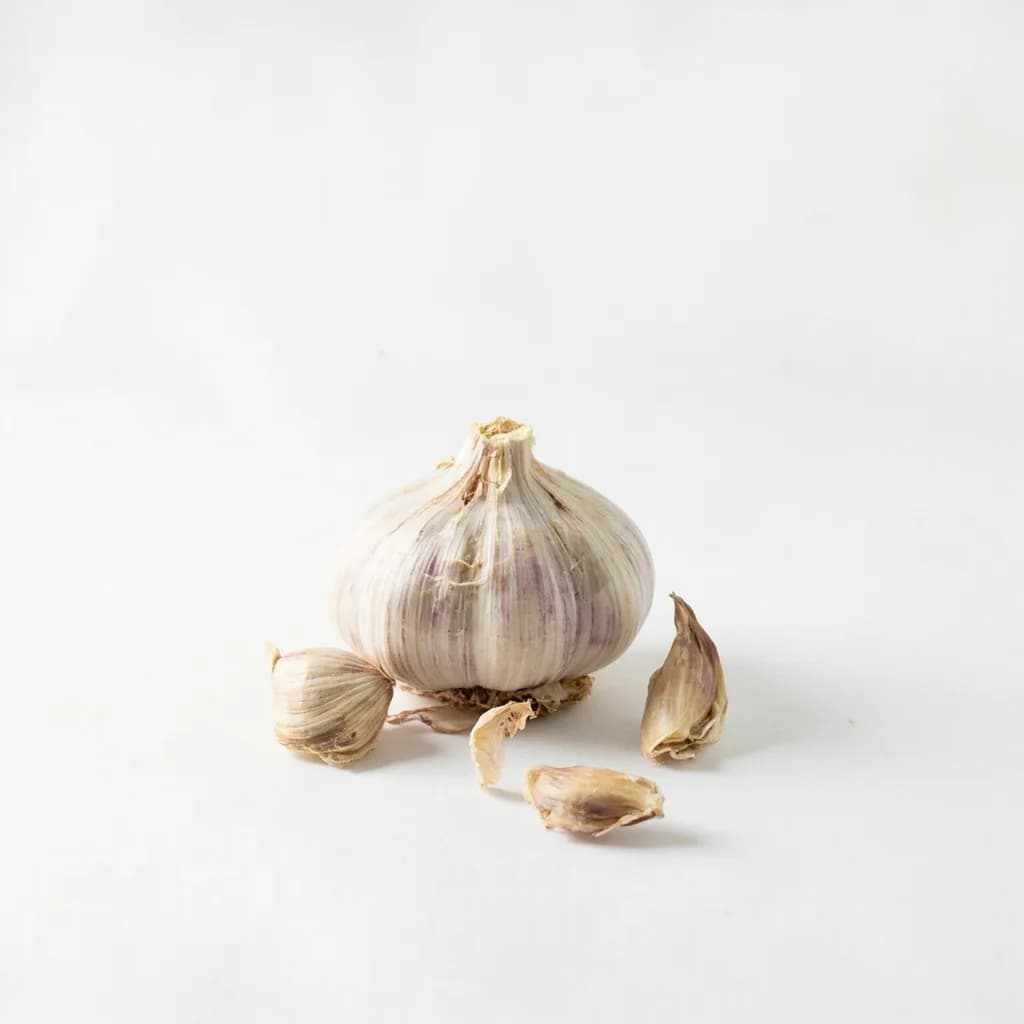
Garlic
Pungent cloves that perfume nearly every savory dish
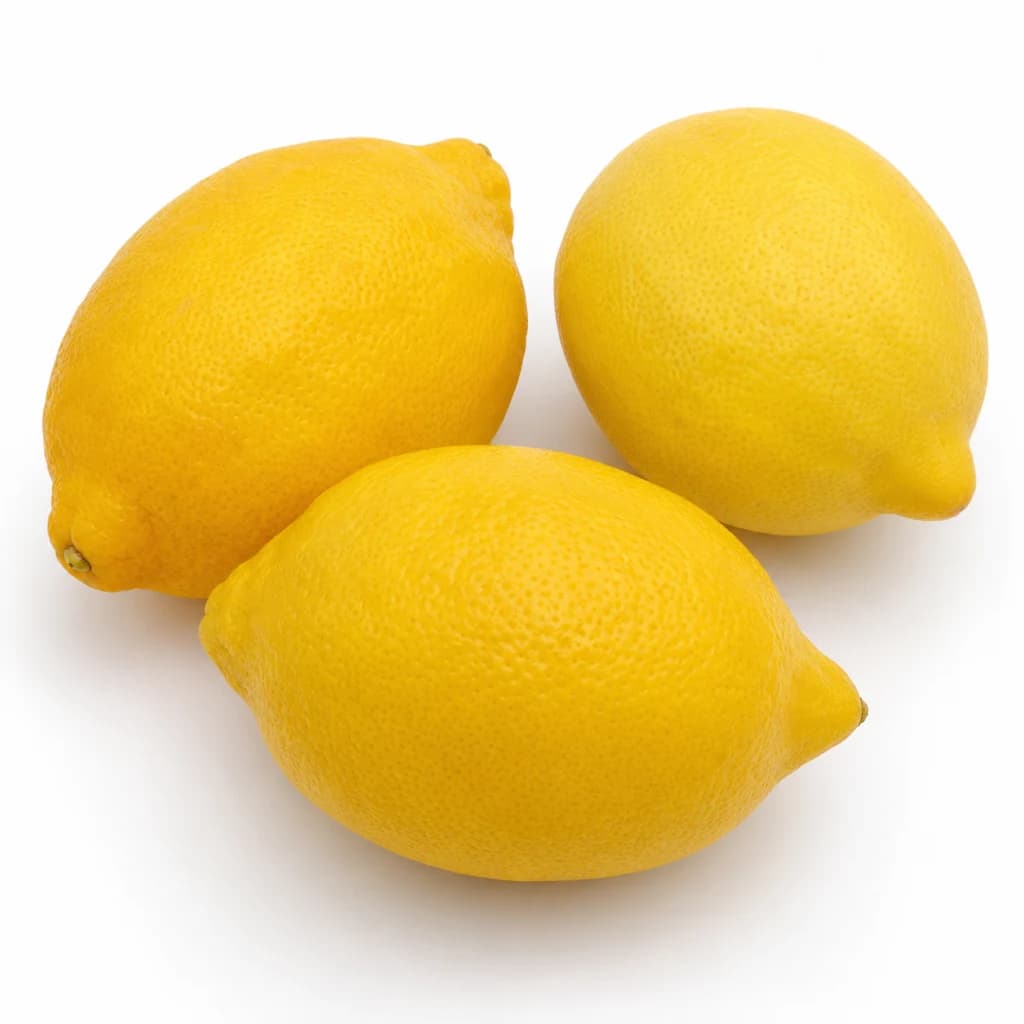
Lemon
Bright, acidic citrus that wakes up almost any dish
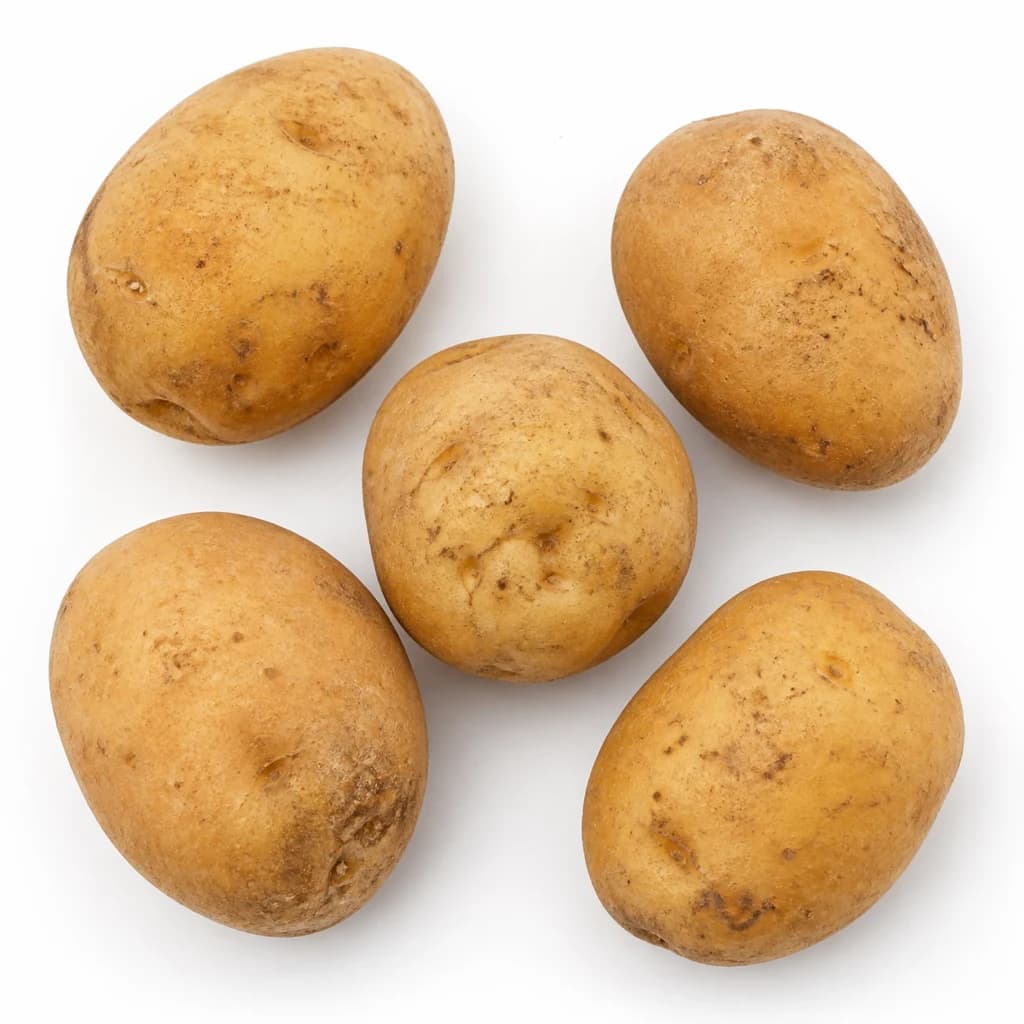
Potato
Humble, hearty staple — roast, mash, fry, or boil
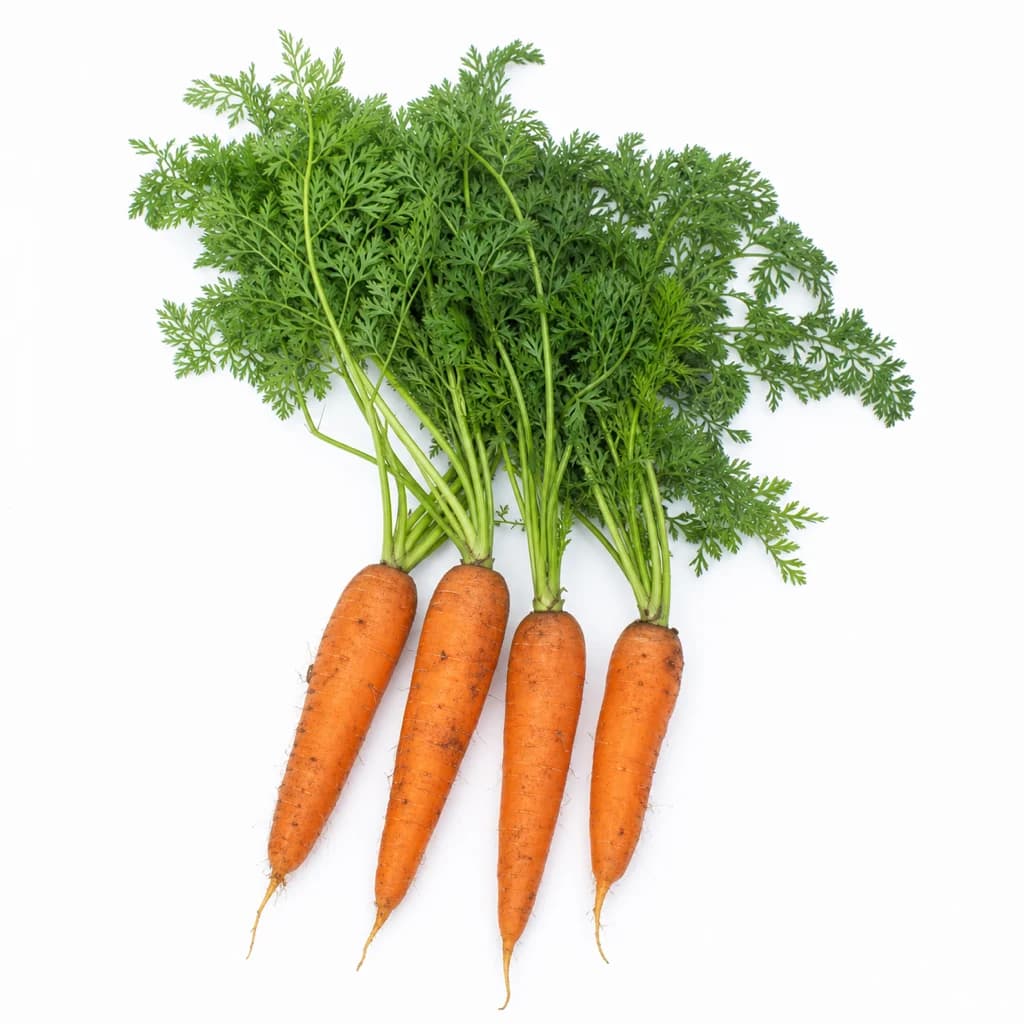
Carrot
Sweet, crunchy root — raw, roasted, or the base of a sofrito
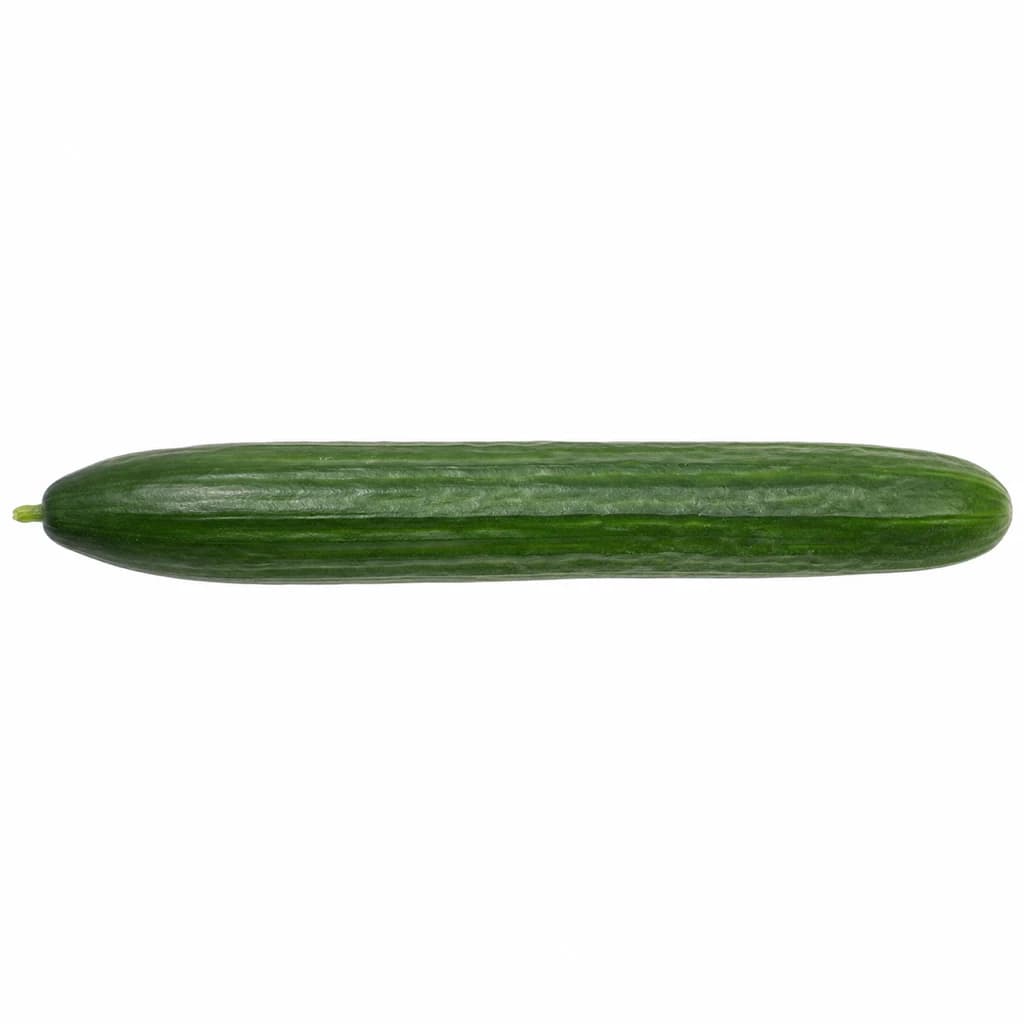
Cucumber
Cool, crisp, and watery — for salads, pickles, and tzatziki

Lettuce
Crisp leaves for salads, wraps, and a fresh crunch