
Natural form
Whole Salame Napoli log showing its natural casing and coarse black pepper studding the surface.
Shows the reader the uncut product as it is sold or stored, with its distinctive rough-textured casing and visible pepper.
Proteins
Salame Napoli
Coarse-ground Neapolitan dry salami, peppery and smoky; sliced for antipasto.
Salame Napoli is a southern Italian dry-cured salami made from coarsely ground pork seasoned with black pepper and often lightly smoked. It is sliced and eaten as part of antipasto, on sandwiches, or with cheese and bread. Its bold, peppery, smoky character distinguishes it from milder northern salami.
Salame Napoli is a coarse-ground dry salami from Naples and the Campania region, distinguished by its bold black-pepper seasoning and characteristic cold-smoking (in the Affumicato variety) that darkens the casing to a greyish-brown. Made primarily from pork shoulder, the meat is ground coarsely enough that flecks of fat remain visible—creating the irregular, meaty texture that distinguishes it from finer-ground salamis like Genoa. The smoking process, when used, imparts subtle wood-fired depth without cooking the meat, while the pepper does more than add heat: it provides a floral, aromatic quality that develops over the curing period. True Salame Napoli should offer supple resistance when sliced, not crumble or feel chalky-dry. In Naples, quality examples are still hung in the traditional manner by norcini (pork butchers), while industrial versions for export can swing too far toward excessive smoke or desiccation. It occupies a specific culinary niche—coarser than Genoa, smokier than soppressata (in the Affumicato version), and more aggressively pepper-forward than both—making it immediately recognizable to those who know it well. Do not confuse it with American pepperoni, which is a different product entirely: smaller in diameter, aggressively spiced, and not traditionally dry-cured to the same degree.
- Measured in
- g
- Storage
- Fridge
Types & varieties
Cold-smoked version; more pronounced smoky flavor, darker exterior casing; the most common commercial variety
Unsmoked or lightly smoked; cleaner pepper notes, brighter red interior color
Hotter pepper blend; noticeably spicier finish while retaining the characteristic coarse texture
Slicing Technique
The coarse grind and dry texture of Salame Napoli make it prone to crumbling if sliced incorrectly. Always slice perpendicular to the length of the salami, using a long, sharp knife and letting the weight of the blade do the work rather than applying downward pressure, which crushes the meat and shatters the fat pieces. A deli slicer set to 3–4mm produces paper-thin, clean cuts ideal for sandwiches and antipasto.
- A dull knife will shred the edges and cause excessive crumbling
- Angle slices slightly for wider, more attractive pieces on a platter
- Sliced salami should be laid flat, not stacked, until served to prevent the edges from drying out
Serving Temperature
Salame Napoli reveals its full aromatic character only at room temperature. The pepper aromatics—the volatile compounds that give the salami its floral, complex finish—are suppressed when the fat is cold and firm. Remove the salami from refrigeration 20 minutes before serving. During this rest period, the fats soften and release the suspended aromatics, producing a noticeably more fragrant and flavorful experience for the eater. This is especially important for the Affumicato variety, where the smoke compounds also need warmth to express themselves fully.
- Room-temperature salami will appear slightly darker and more translucent at the edges
- Cold salami tastes flat and the texture feels waxy rather than yielding
- Do not accelerate warming with heat—ambient kitchen temperature is sufficient
Common uses
Tips & pitfalls
- Slice perpendicular to the length of the salami for cleaner, less crumbly cuts—this dry salami fractures easily when sliced incorrectly.
- Bring to room temperature 20 minutes before serving; cold suppresses the pepper aromatics and the smoke notes in Affumicato varieties.
- For sandwiches, slice paper-thin on a deli slicer; hand-sliced should be no thicker than 3–4mm.
- Store whole salamis hanging in a cool, dry, ventilated space at cellar temperature; do not refrigerate until ready to slice.
- If casing appears dusty or shows a white powdery film, this is normal fermentation bloom—wipe clean with a damp cloth, never rinse.
- Avoid purchasing salami that feels chalky or bone-dry throughout; a properly cured Salame Napoli retains some suppleness.
- Do not stack sliced pieces before serving; lay flat on a plate to prevent the edges from drying and curling.
- Never substitute American pepperoni directly for Salame Napoli in traditional dishes—the smoke level, grind texture, and pepper character are fundamentally different.
Nutrition
Energy
1778 kJ · per 100 g
Where the calories come from
Protein
21.7g
43% DV
Carbs
1.2g
0% DV
Fat
37g
47% DV
Fiber
0g
0% DV
Sugars
1.2g
of which
Sodium
1890mg
82% DV
Source · USDA FoodData Central · approx. Salami, Italian, pork
View on FDC →In the shops
Matched grocery products
No matched grocery products for Salame Napoli yet.
Good to know
- Origin
- Naples, Campania region, Italy
- Primary Meat
- Pork shoulder, coarse ground
- Curing Method
- Dry-cured, typically cold-smoked
- Texture
- Coarse grind with visible fat pieces; supple bite when properly cured
- Seasoning
- Black pepper dominant; may include garlic and wine
- Casing
- Natural intestine, straight or slightly curved
- Color
- Deep red interior with white fat marbling; darker grey-brown smoked casing
Substitutes
- Genoa Salami — Finer grind and milder overall; lacks the pepper-forward character and smoke of Salame Napoli; acceptable only as a texture approximation
- Soppressata — Similar coarse texture but typically not smoked; use Naples Affumicato equivalent for smoke notes
- Pepperoni (US) — Smoky and peppery but often finer cut with more aggressively spiced heat; acceptable only as a pizza topping substitute
- Hungarian Winter Salami — Comparable smoky character and coarse grind; more garlicky, which can overwhelm delicate dishes
Pairs with
Also called
Salami Napoli · Neapolitan Salami
Related
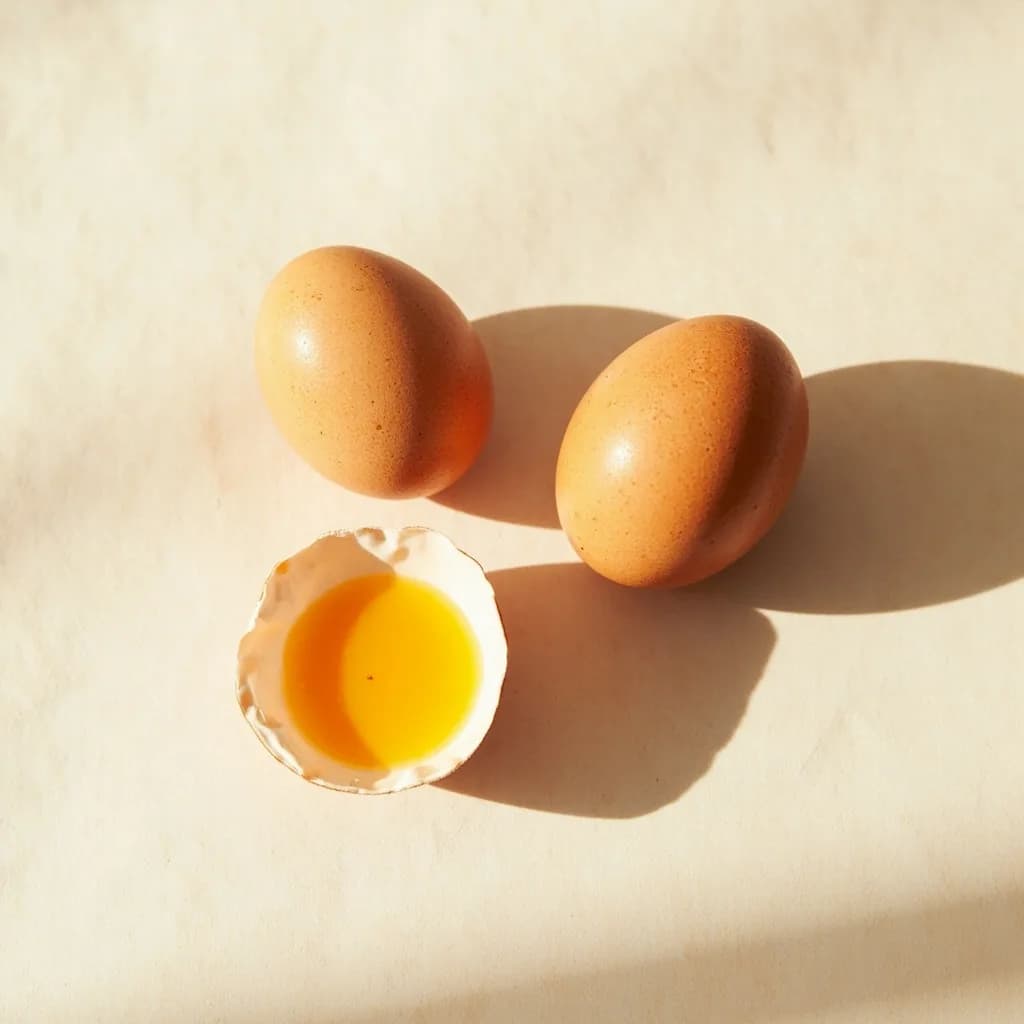
Egg
The kitchen's everything ingredient — bind, leaven, enrich, or fry
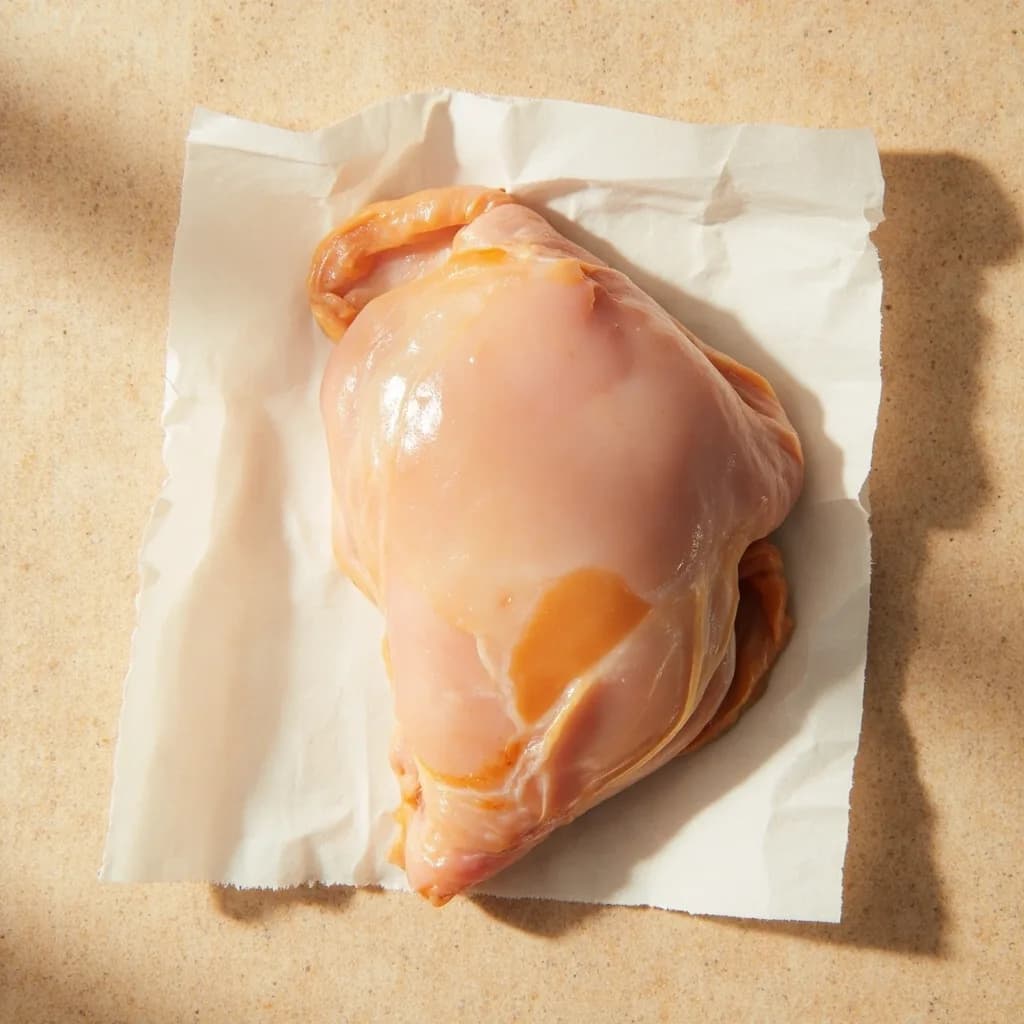
Chicken Breast
Lean, quick-cooking white meat for everyday dinners

Ground Beef
Versatile minced beef for burgers, ragù, tacos, and meatballs
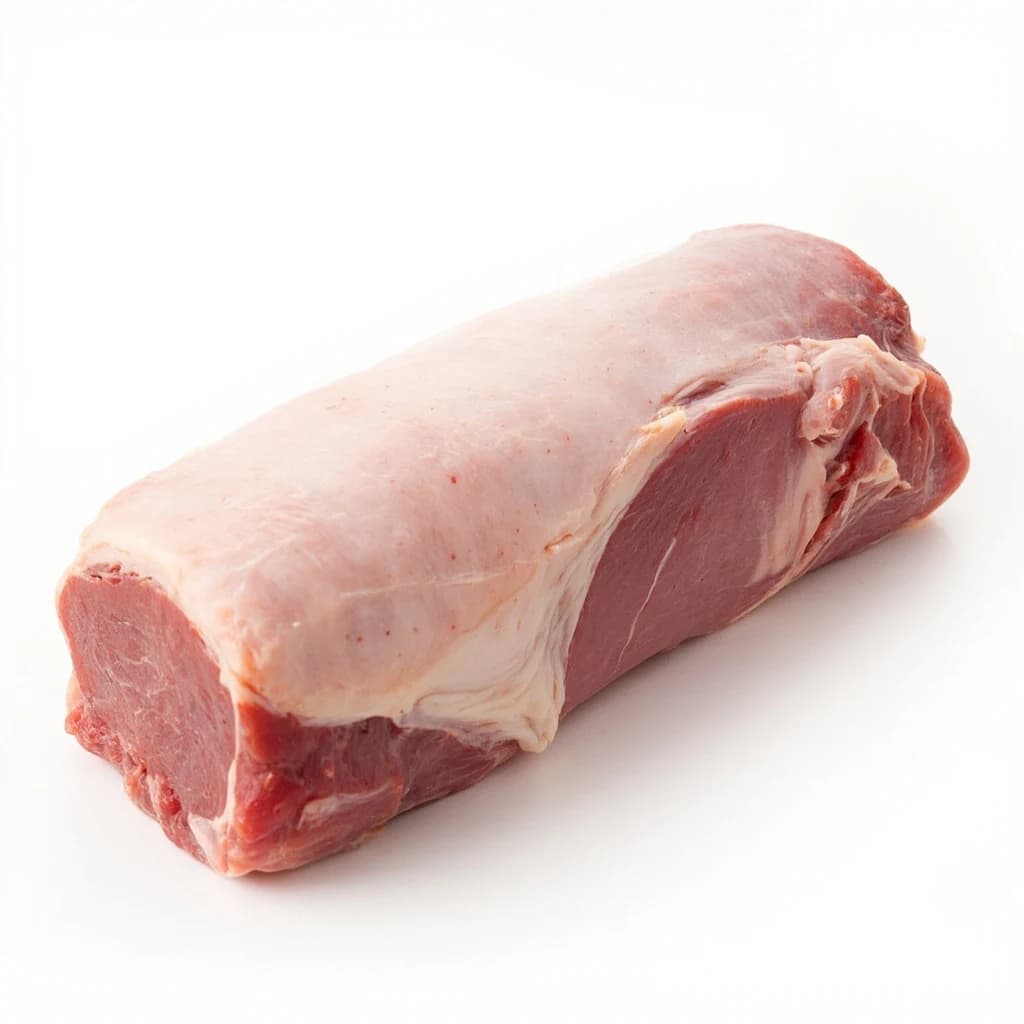
Pork Loin
Lean, tender roasting cut that stays juicy with care
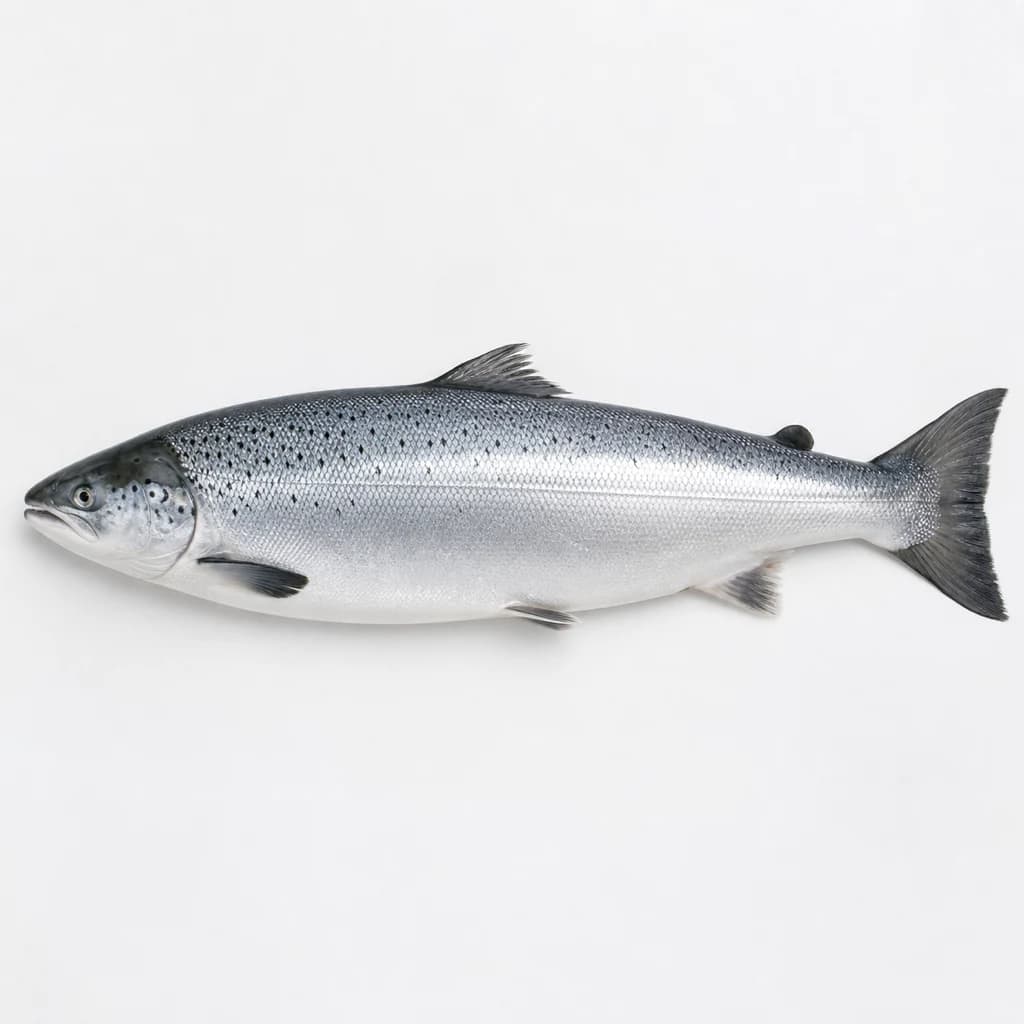
Salmon
Rich, rosy fish that roasts, grills, or cures beautifully

Egg White
Pure protein that whips to airy peaks for meringue and more
Egg Yolk
Rich, golden yolk for custards, mayonnaise, and pasta

Quail Egg
Tiny, speckled eggs for garnishing and elegant bites