Grains & Rice
Scialatielli
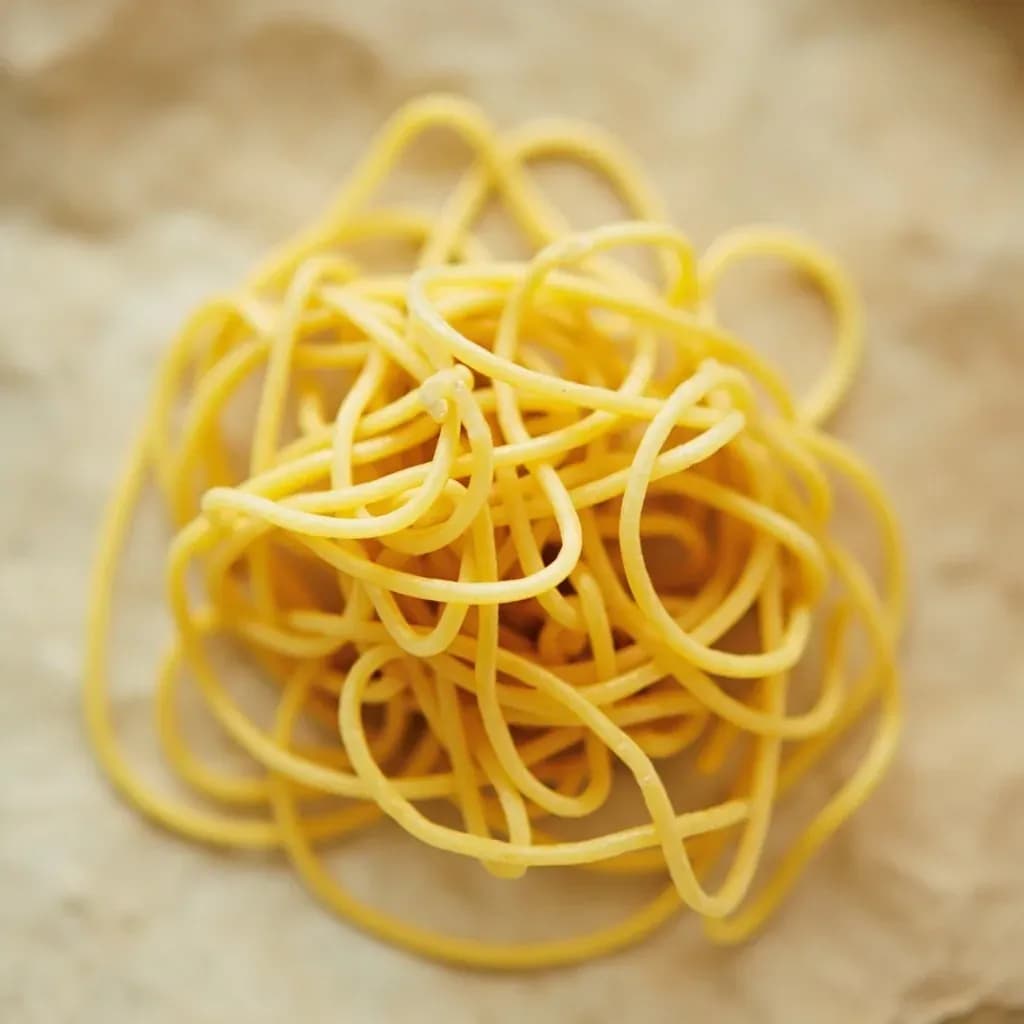
Short, thick fresh pasta from the Amalfi Coast, typical with seafood.
Scialatielli is a fresh egg pasta from Campania's Amalfi Coast, cut into short, thick rectangular strands roughly the length of a finger. The dough often includes milk and chopped herbs, giving a rustic, chewy texture. It is classically paired with seafood sauces (scialatielli ai frutti di mare).
Scialatielli are a short, thick fresh pasta from the Amalfi Coast and Sorrento peninsula in Campania, Italy. They belong to the pasta fresca family but occupy a distinct niche: rolled thin like tagliatelle, then cut into rectangular strips roughly 3–4 cm long and 1 cm wide, giving them more surface area and bite than extruded short pastas. The name derives from the Neapolitan sciallare, meaning to spread or roll out, which describes the pasta-making technique precisely. The dough is simple — 00 flour or all-purpose, eggs, water, and sometimes a small addition of durum wheat semolina — but the rolling and resting process is what defines the finished product. The result is a silky, tender pasta with a slight chew and a rich, buttery, eggy flavor that acts as a neutral vehicle for bold coastal sauces. In Campanian cuisine, scialatielli are inseparable from seafood; the pasta was developed specifically to carry the briny weight of frutti di mare without overwhelming delicate shellfish. Unlike maltagliati, which are cut irregularly from the same dough, scialatielli are cut intentionally and consistently, giving them more predictable cooking and sauce-loading properties.
- Measured in
- g
- Storage
- Fridge
Allergens
Types & varieties
Traditional plain version made with 00 flour and eggs only, no semolina. Silkiest texture and most delicate flavor.
Incorporates durum wheat semolina for a firmer texture, slightly golden color, and better structural integrity with hearty sauces.
Same dough as scialatielli but cut irregularly; a rustic Campanian variant often used interchangeably in seafood preparations.
Rolling and Cutting Technique
The rolling technique is central to scialatielli's character. Roll the rested dough as thin as tagliatelle — you should be able to see your hand through it — then cut into consistent rectangular strips. Use a sharp knife or a pasta cutter; if cutting by hand, aim for strips about 1 cm wide. The goal is uniformity: uneven thickness leads directly to uneven cooking, with some pieces mushy while others remain underdone. After cutting, dust the strips lightly with flour and form loose nests on a floured surface or tray, separating each nest with parchment paper to prevent sticking.
- Roll dough to tagliatelle thinness, not to a thick tagliatelle — thinness is what gives scialatielli its tender bite
- Cut with a sharp knife or pasta wheel; a dull knife compresses the edges and causes the pasta to stick during cooking
- Form nests immediately after cutting and dust with flour; this step is not optional — fresh egg pasta sticks aggressively
Cooking and Finishing
Scialatielli cook in 2–4 minutes in salted water, which is significantly faster than most fresh pastas because of their thin cross-section. Salt the water generously — about 10g per liter — and have your sauce ready before you drop the pasta. The pasta finishes cooking in the pan with the sauce, absorbing flavor and binding with the cooking liquid. Never rinse cooked scialatielli; the starch on the surface is what helps the sauce cling. Transfer directly from the pot to the pan using tongs or a spider, adding a ladleful of pasta water to the sauce to create an emulsified coating.
- Salt the water aggressively; under-seasoned pasta water cannot be corrected after cooking
- Cook 2–4 minutes only; taste the pasta before draining — it should feel tender with slight resistance
- Reserve at least one full ladle of pasta water before draining; this starchy liquid is essential for sauce emulsification
- Add pasta to the sauce, not the reverse; toss and cook together for 30–60 seconds to marry flavors
Common uses
Tips & pitfalls
- The dough should be firm and slightly sticky after kneading; if it feels loose or crumbly, it is under-kneaded or needs more moisture
- Rest the dough at least 30 minutes — skipping this step causes the rolled pasta to crack and spring back when cut
- Roll as thin as tagliatelle, not thick; scialatielli's defining tenderness comes from thin rolling, not from adding more flour
- Cut to consistent widths using a ruler or pasta gauge; a sharp knife or pasta wheel prevents compressed, sticky edges
- Dust lightly with flour and form loose nests immediately after cutting to prevent the egg pasta from sticking together
- Cook in generously salted water and use immediately; fresh scialatielli finishes cooking in the pan with the sauce
- Common mistake: overworking the dough makes the pasta tough — mix just until homogeneous and knead briefly
- Common mistake: adding too much semolina — above 20% makes it dense and chewy rather than silky
- Common mistake: using a too-small pot or too little water, which drops the pasta temperature and causes uneven cooking
- Common mistake: draining pasta in a colander without reserving pasta water — you need that starchy liquid to emulsify the sauce
Nutrition
Nutrition
No USDA FoodData Central match for Scialatielli yet. We surface a per-100 g profile once a generic whole-food entry is matched and verified.
In the shops
Matched grocery products
No matched grocery products for Scialatielli yet.
Good to know
- Origin
- Amalfi Coast and Sorrento peninsula, Campania region, Italy
- Type
- Fresh egg pasta (pasta fresca)
- Shape
- Short, thick, rectangular strips, roughly 3–4 cm long × 1 cm wide × 2–3 mm thick
- Primary Ingredients
- 00 flour or all-purpose flour, eggs, water; sometimes durum wheat semolina is added (up to 20% maximum)
- Flavor Profile
- Rich, buttery, eggy; neutral enough to carry bold sauces without competing with them
- Texture
- Silky and tender when properly cooked, with a pleasing slight chew at the center
- Cooking Time
- 2–4 minutes in well-salted boiling water (fresh); 6–8 minutes (if frozen)
- Shelf Life
- 1–2 days refrigerated, well-wrapped; up to 1 month frozen
- Difficulty
- Moderate; requires proper dough hydration, adequate resting, and consistent cutting technique
- Associated Cuisine
- Campanian and Neapolitan; preparations of the Tyrrhenian coast, especially seafood dishes
Substitutes
- Tagliatelle or fettuccine — Cut to similar width; cook 1–2 minutes longer as they are typically rolled thicker than scialatielli.
- Pappardelle — Wider egg pasta; similar flavor and richness but longer shape; works well with seafood and tomato sauces.
- Maltagliati — Same dough, irregularly cut; an authentic Campanian substitute with rustic character and identical cooking time.
- Fresh linguine — Similar cooking time and texture; different elongated shape but compatible with the same seafood sauces.
Pairs with
Related

White Rice
Fluffy long-grain rice — the neutral base for almost any meal

White Bread
Soft sandwich loaf for toast, sandwiches, and crumbs
Brown Rice
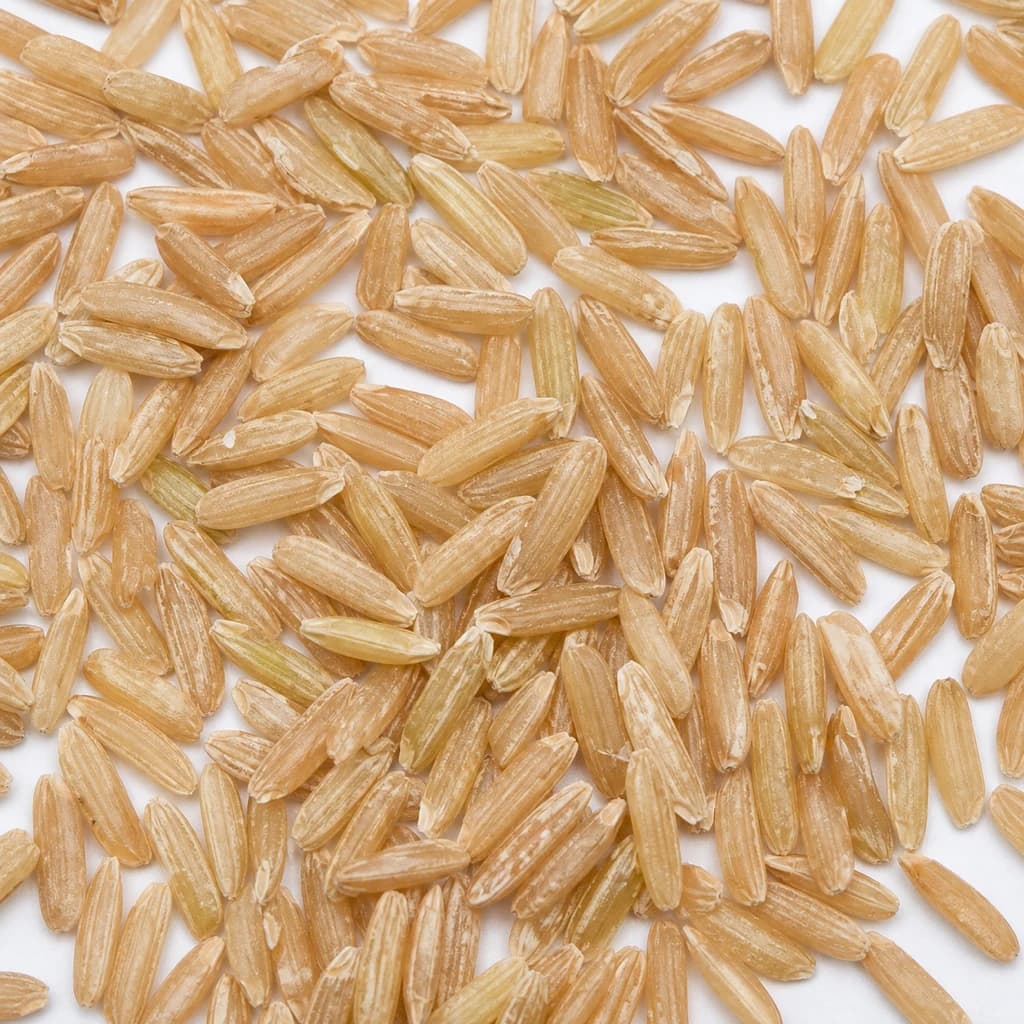
Nutty, whole-grain rice with chew and extra fiber

Basmati Rice
Fragrant, long-grain rice that cooks up light and separate
Jasmine Rice
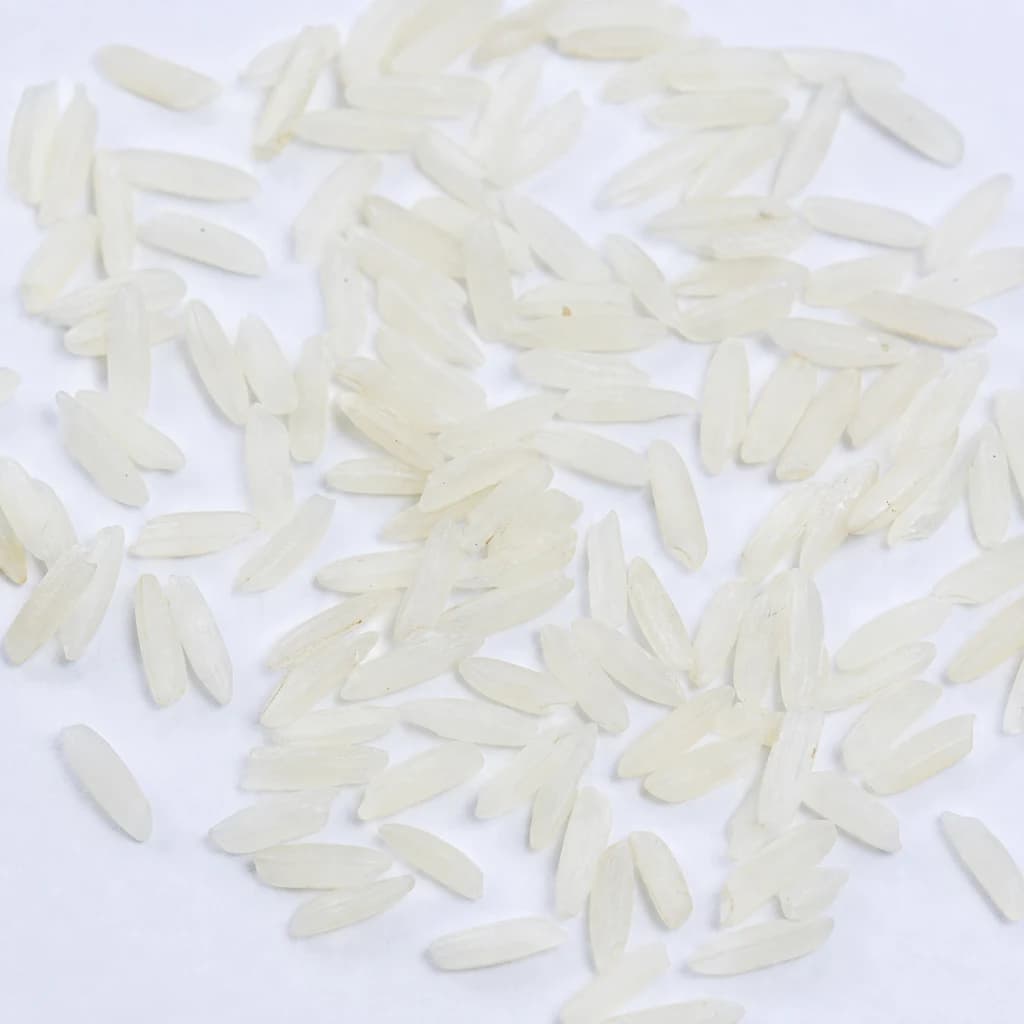
Soft, floral-scented rice that's the pillar of Thai meals
Arborio Rice
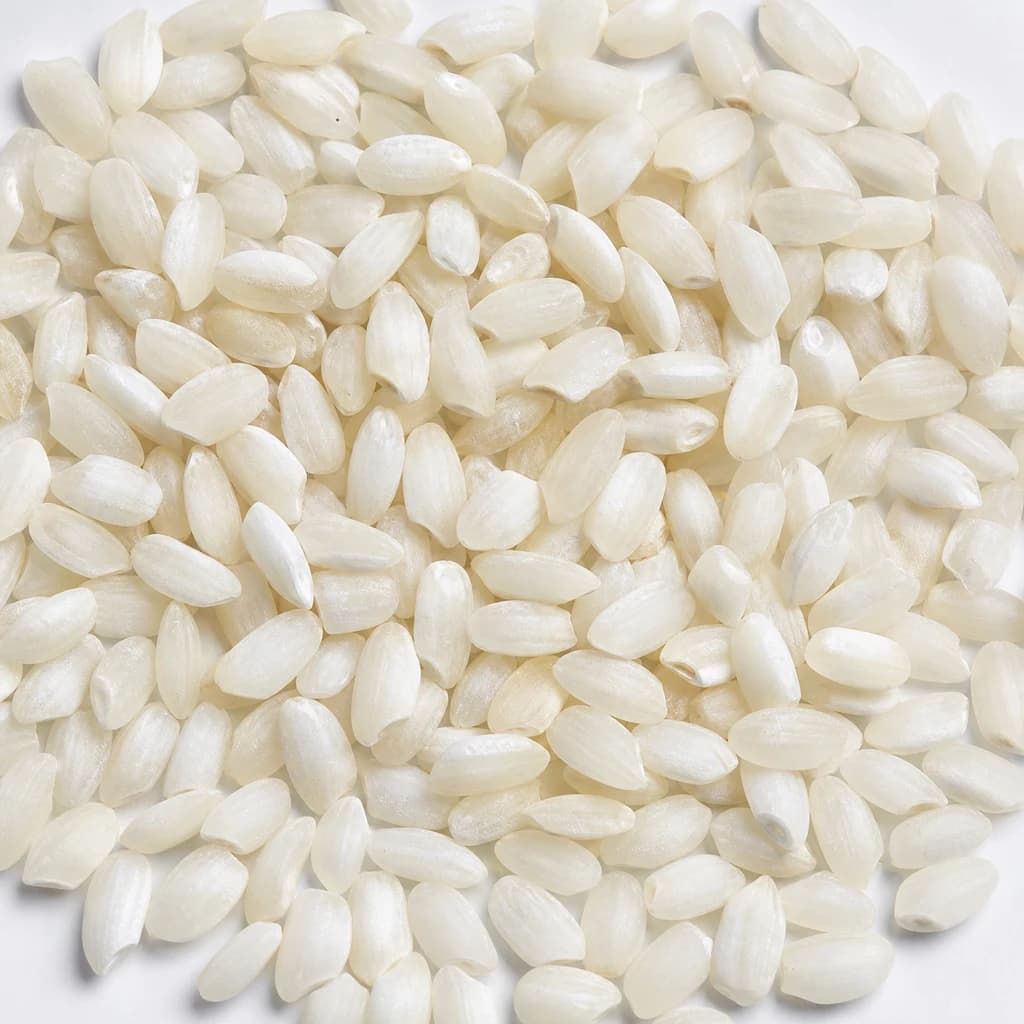
Plump, starchy rice that makes risotto creamy
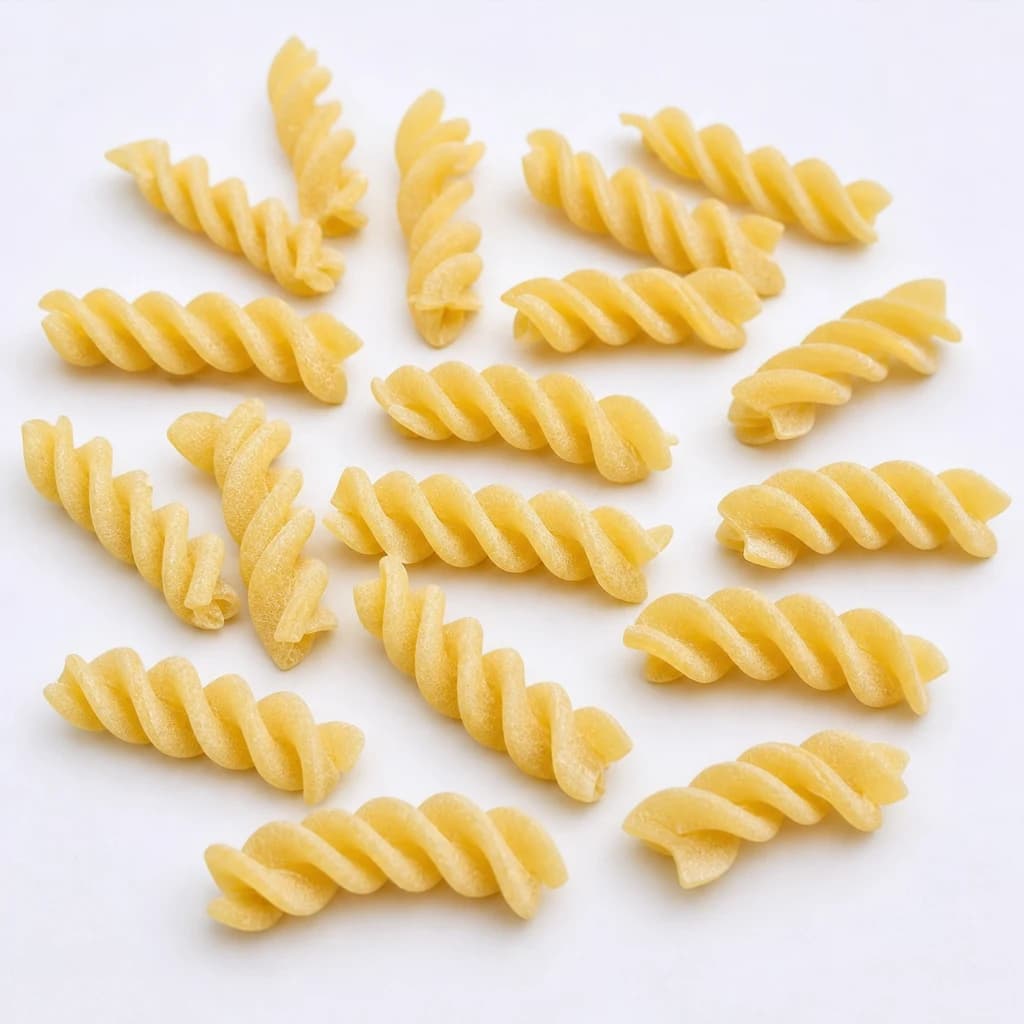
Fusilli
Spiraled pasta that twirls up sauce and dresses cold salads
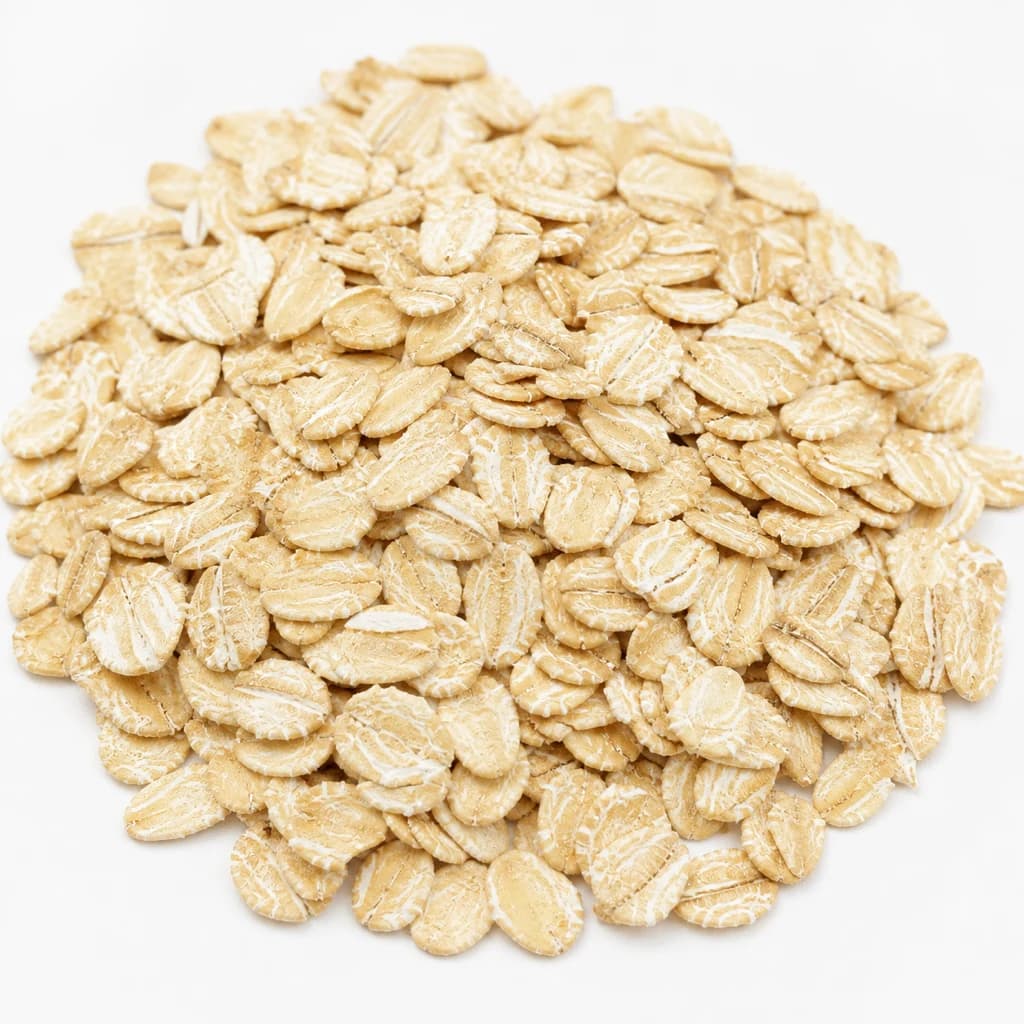
Rolled Oats
Hearty flakes for porridge, granola, and chewy cookies