
Natural form
Whole beef brisket after smoking, showing dark pepper-and-coriander bark crust.
Shows the unsliced brisket's distinctive black spice bark so readers can identify the raw cured form before slicing.
Proteins
Montreal Smoked Meat
Brined, spiced and smoked beef brisket, steamed and piled on rye in Montreal delis.
Montreal smoked meat is beef brisket cured in a salt-and-spice brine, coated with cracked pepper and coriander, then smoked and steamed until tender. It is hand-sliced and stacked high on rye bread with mustard. Similar to pastrami but less sweet and more peppery, it is a Quebec deli icon.
Montreal smoked meat is a coarsely cured, hardwood-smoked beef brisket that represents one of Canada's most distinctive charcuterie traditions. Emerging from the Jewish deli culture of early 20th-century Montreal, it shares a family resemblance to pastrami but diverges sharply in its spice philosophy: where pastrami relies on a black pepper crust, Montreal-style demands a coriander-forward dry rub that defines its character. The brisket undergoes a week-long dry cure, absorbing the signature blend of coarse-ground coriander, black pepper, mustard seed, allspice, and bay leaf before spending hours in low-temperature maple or oak smoke. The result is a deep reddish-brown bark with a peppery, slightly citrusy aroma that is unmistakable in a Montreal deli. Crucially, Montreal smoked meat is never served cold or at room temperature—it is always steamed to order, a step that rehydrates the dense, cured muscle and is considered inseparable from the tradition. A raw 15-pound brisket yields roughly 8 to 9 pounds of finished, sliced meat, so shrinkage is substantial and must be factored into purchasing decisions.
- Measured in
- g
- Storage
- Fridge
Types & varieties
Trimmed of surface fat; denser texture, less juicy but preferred by some for cleaner flavor and easier slicing
Traditional cut with fat cap intact; fat bastes the meat during steaming, yielding a more tender and juicy result
Milder coriander and pepper profile; same technique but gentler hand with spices for palates preferring less heat
Heavier black pepper and occasionally cayenne added; for those who want the spice to assert itself in every bite
Common uses
Tips & pitfalls
- Steam, never microwave — microwaving squeezes out moisture and yields a rubbery, unevenly heated texture; steam 45–60 minutes until meat reaches 140°F internally.
- Slice against the grain at 1/8" to 1/4" thickness for optimal tenderness; slicing with the grain produces tough, chewy pieces that are a common rookie mistake.
- Let steamed meat rest 2–3 minutes before slicing to allow juices to redistribute; slicing immediately guarantees dry, falling-apart pieces.
- The fat cap is functional, not waste — it bastes the meat during steaming and keeps it moist; always ask for it intact when purchasing.
- If buying pre-sliced, request thick-sliced cuts; paper-thin deli slices lose their texture and moisture rapidly compared to hand-sliced portions.
- Reheat leftover sliced meat in a covered skillet over low heat with a splash of beef broth or water to gently steam it back to life.
- Freeze raw brisket in the cure before smoking for best texture; freezing already-smoked and steamed meat degrades the bark and moisture retention.
Nutrition
Energy
1301 kJ · per 100 g
Where the calories come from
Protein
41.7g
83% DV
Carbs
34.7g
13% DV
Fat
3g
4% DV
Fiber
17.5g
63% DV
Sodium
10mg
0% DV
Source · USDA FoodData Central · approx. Meat extender
View on FDC →In the shops
Matched grocery products
No matched grocery products for Montreal Smoked Meat yet.
Good to know
- Main protein
- Beef brisket (whole packer cut, 12–18 lbs)
- Curing time
- 7–10 days dry rub cure
- Smoking
- Hardwood (typically maple or oak), low temperature for several hours
- Steaming
- Mandatory before serving, 45–60 minutes to reach internal temp of 140°F
- Signature spice
- Coarse-ground coriander (dominant), black pepper, mustard seed, allspice, bay leaf, occasionally star anise
- Origin
- Montreal, Quebec, Canada — Jewish deli tradition, early 20th century
- Famous purveyor
- Schwartz's Deli (est. 1928)
- Yield
- Approximately 40–45% weight loss from raw brisket to finished sliced meat
- Storage (raw)
- Refrigerate up to 5 days; freeze up to 3 months (cure first)
- Storage (sliced)
- Refrigerate 3–4 days; vacuum-sealed frozen up to 2 months
- Serving temp
- Always served hot, freshly steamed
Substitutes
- Pastrami — Similar curing and smoking method but uses a black pepper crust rather than a coriander-heavy rub; acceptable substitution though the flavor profile differs notably
- Corned beef — Same brisket cut and cure base but not smoked; acceptable for texture reference, poor for flavor match as it lacks the smoky depth entirely
- Texas-style smoked beef brisket — Smoked beef brisket but typically omits the spice cure and is served without steaming; texturally similar, flavor profile is entirely different
Pairs with
Also called
Viande Fumée · Montreal Brisket
Appears in these dishes
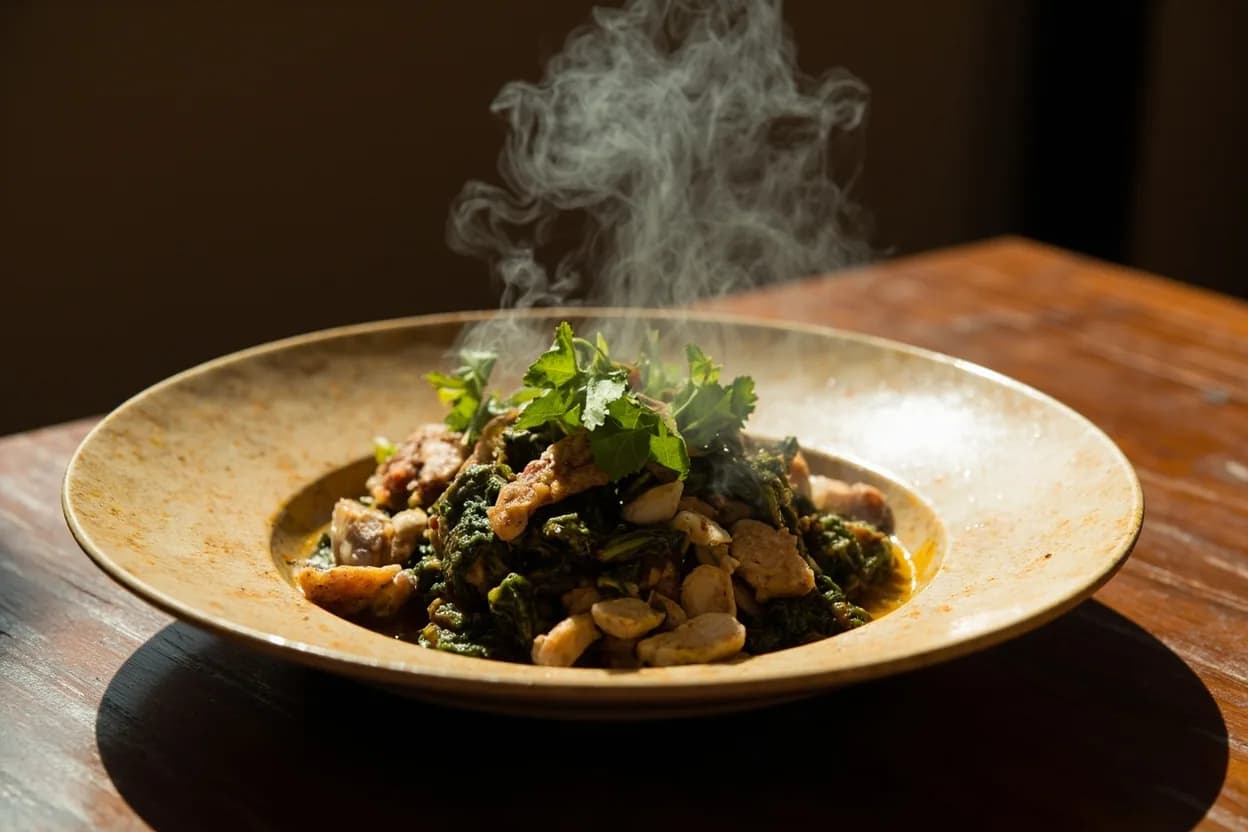
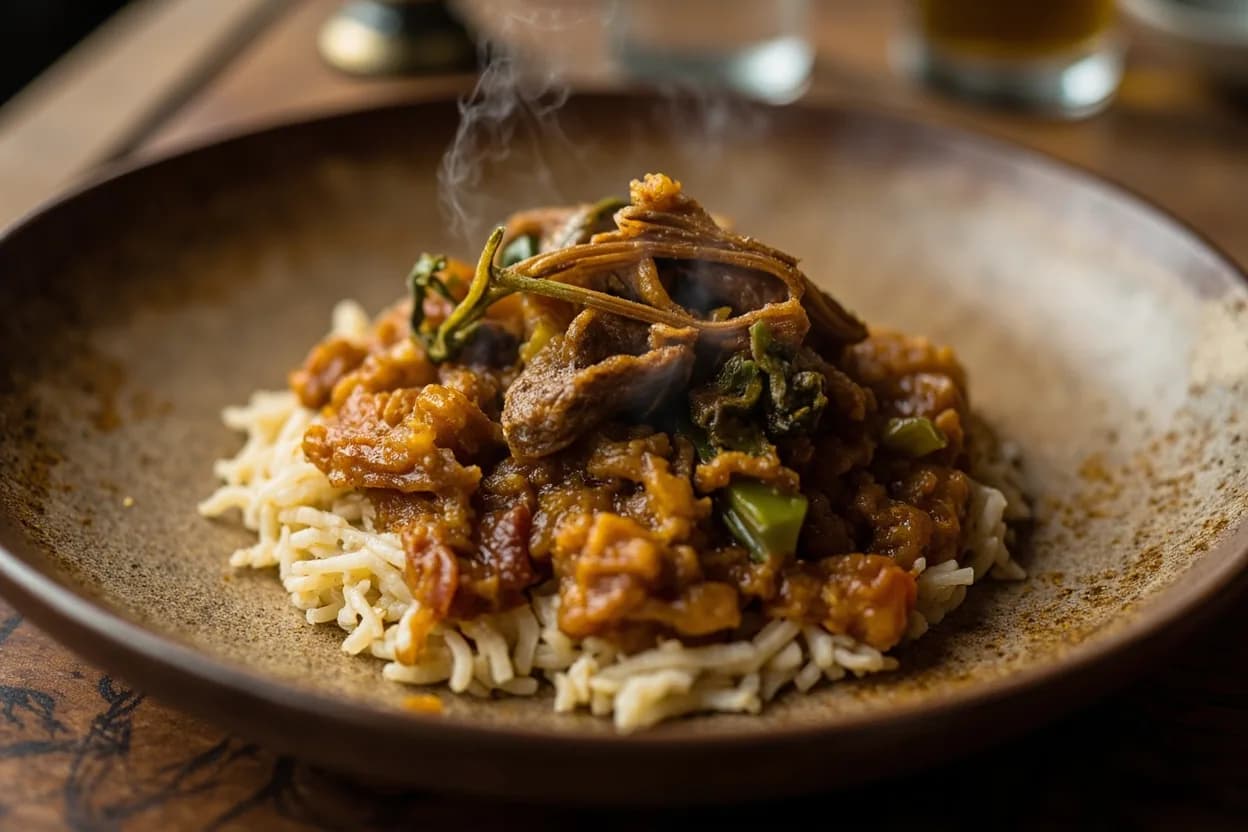
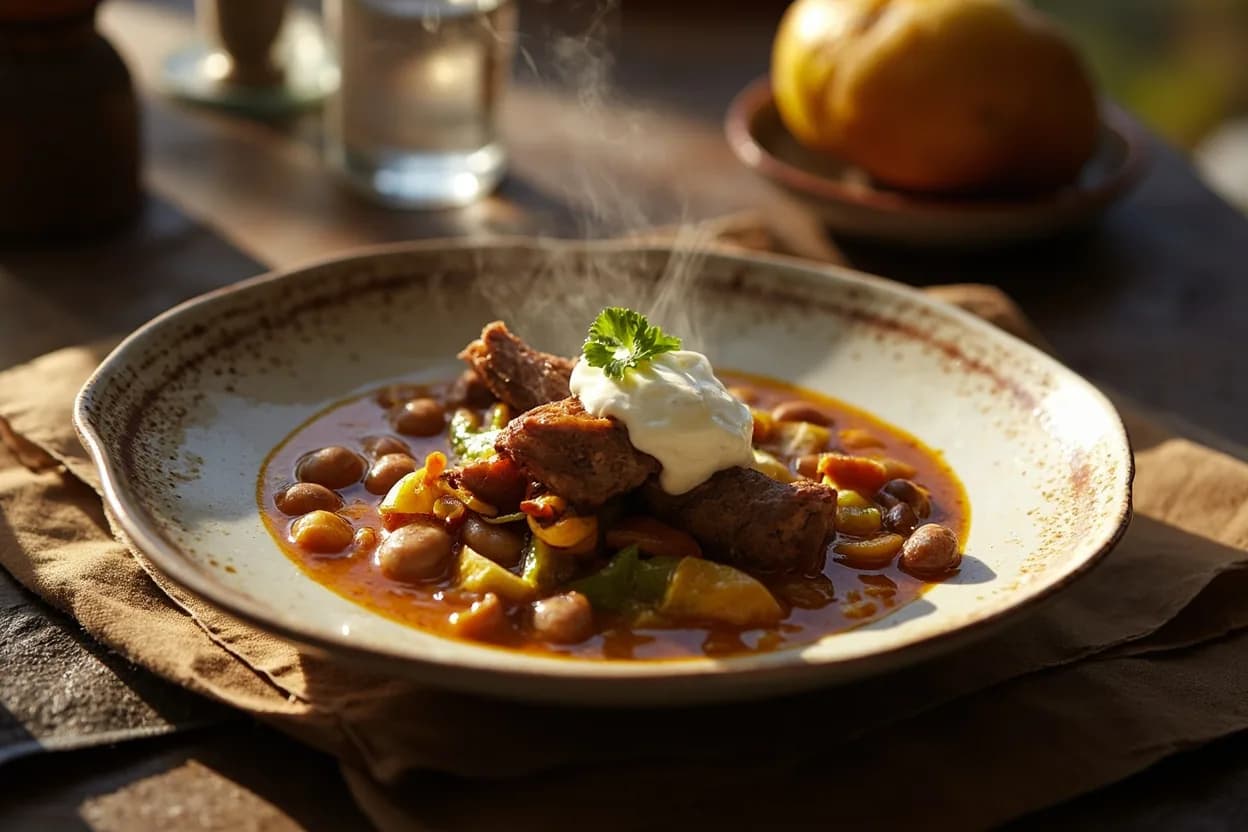
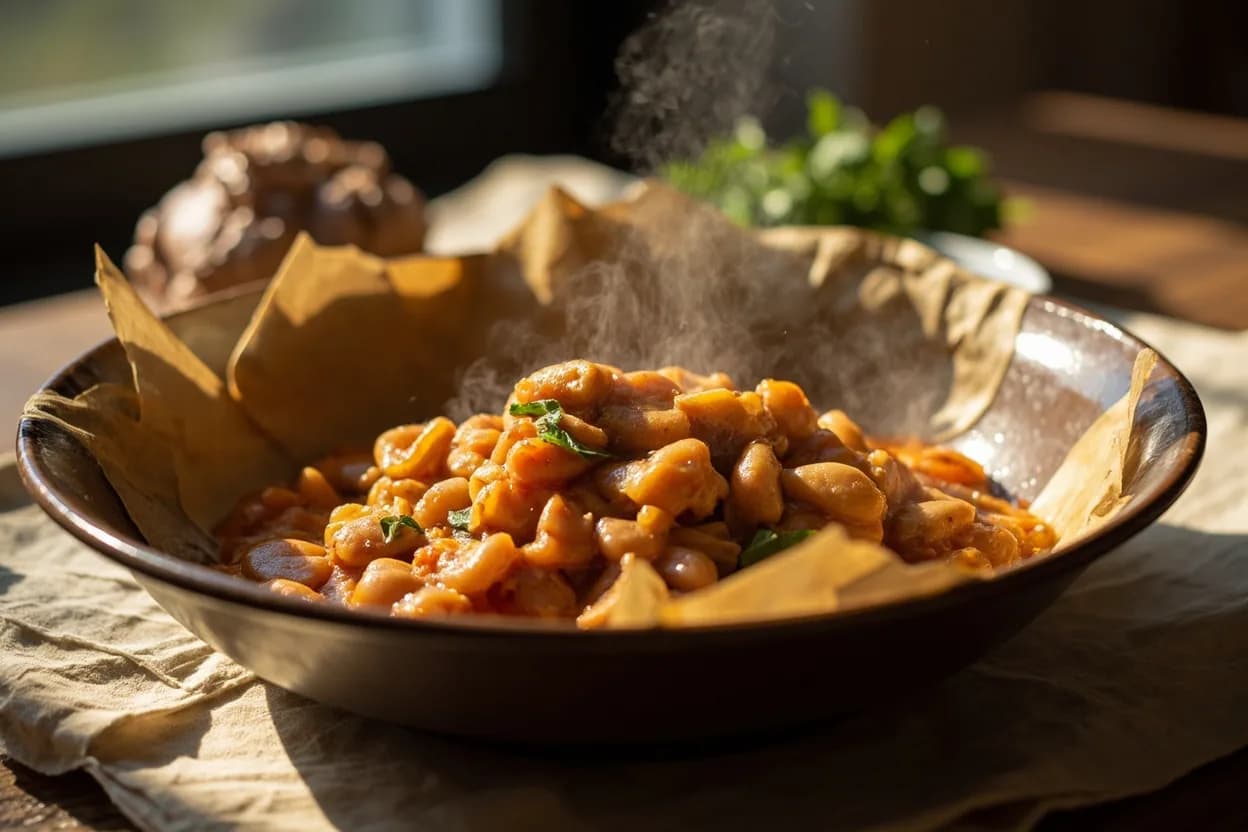
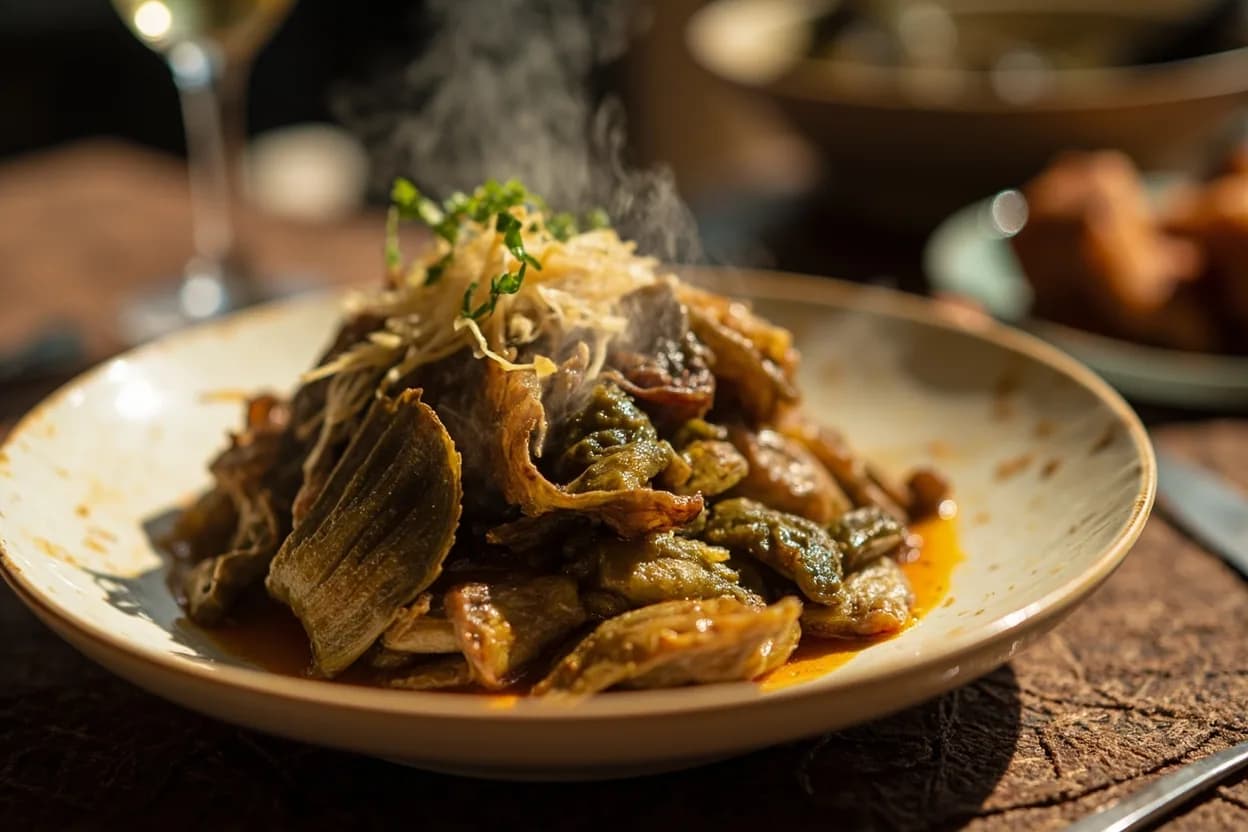
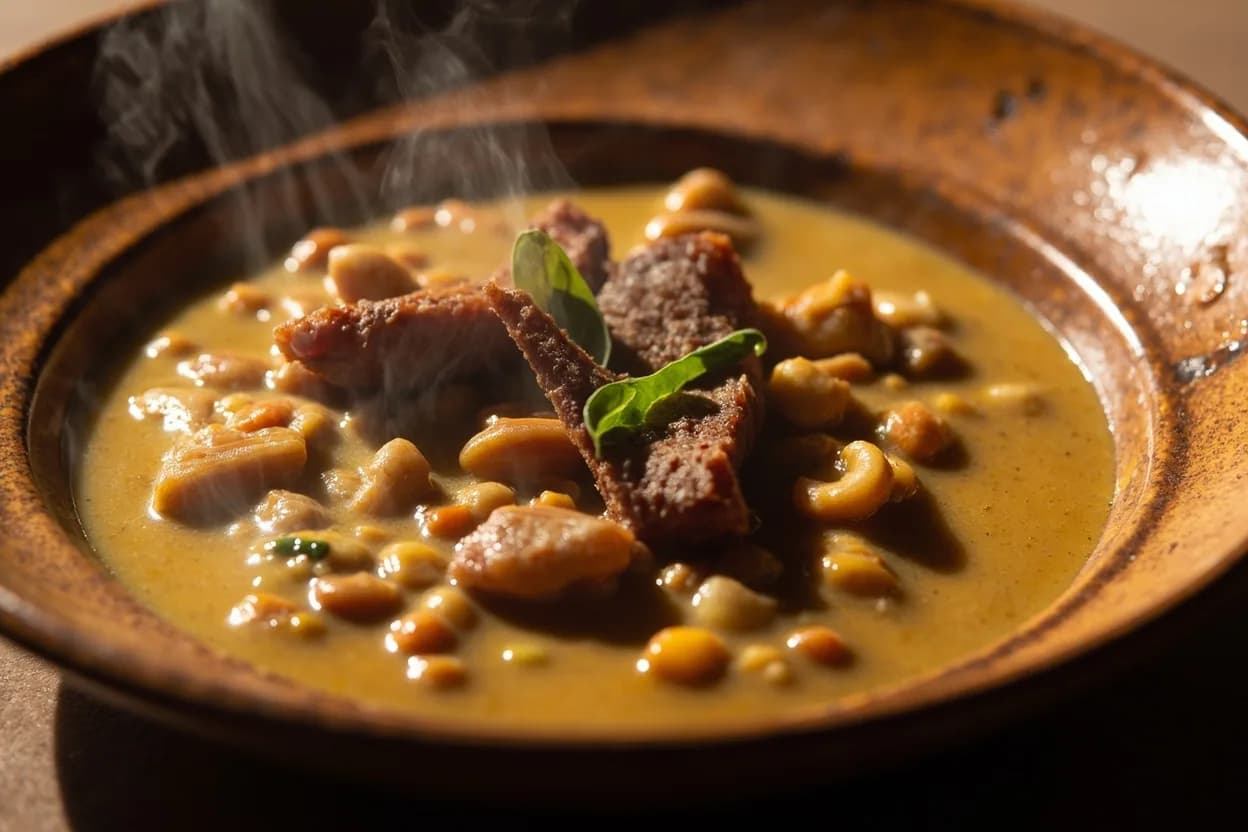
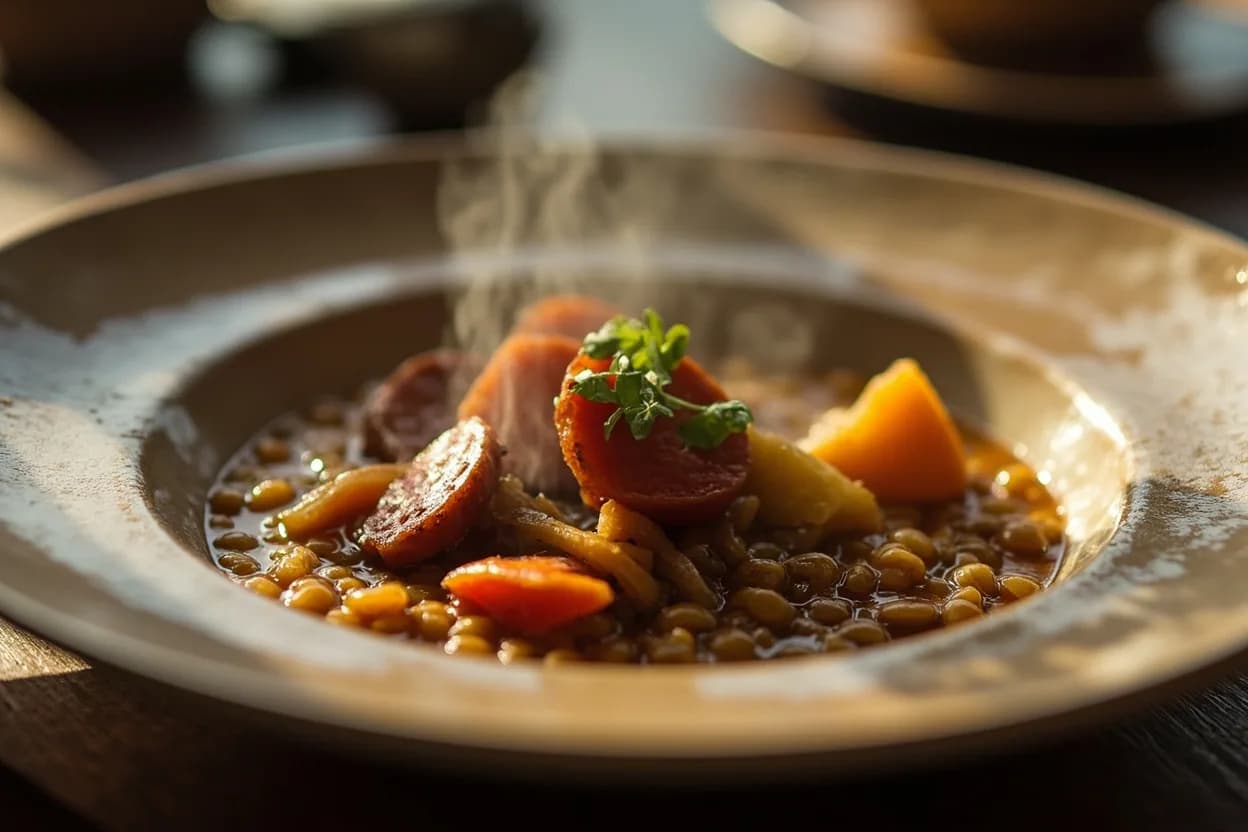
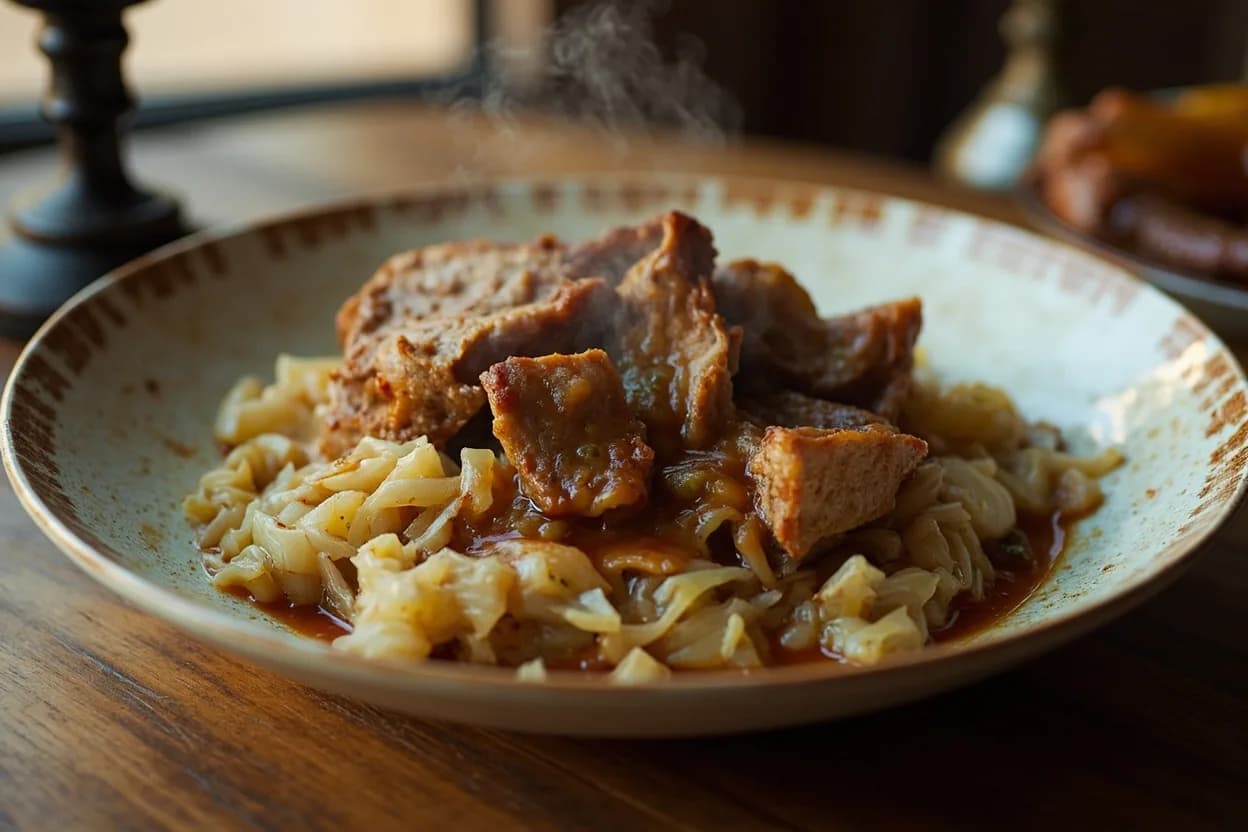
Related

Egg
The kitchen's everything ingredient — bind, leaven, enrich, or fry
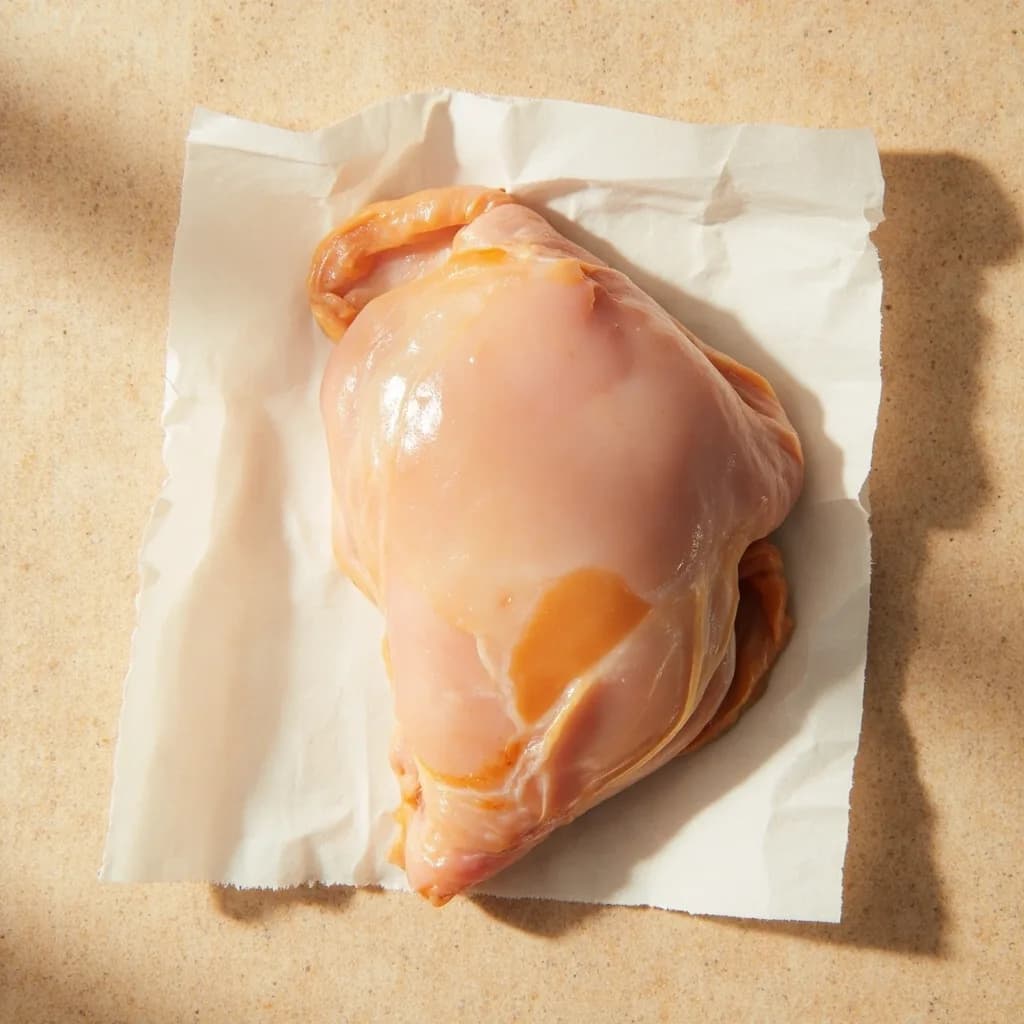
Chicken Breast
Lean, quick-cooking white meat for everyday dinners

Ground Beef
Versatile minced beef for burgers, ragù, tacos, and meatballs
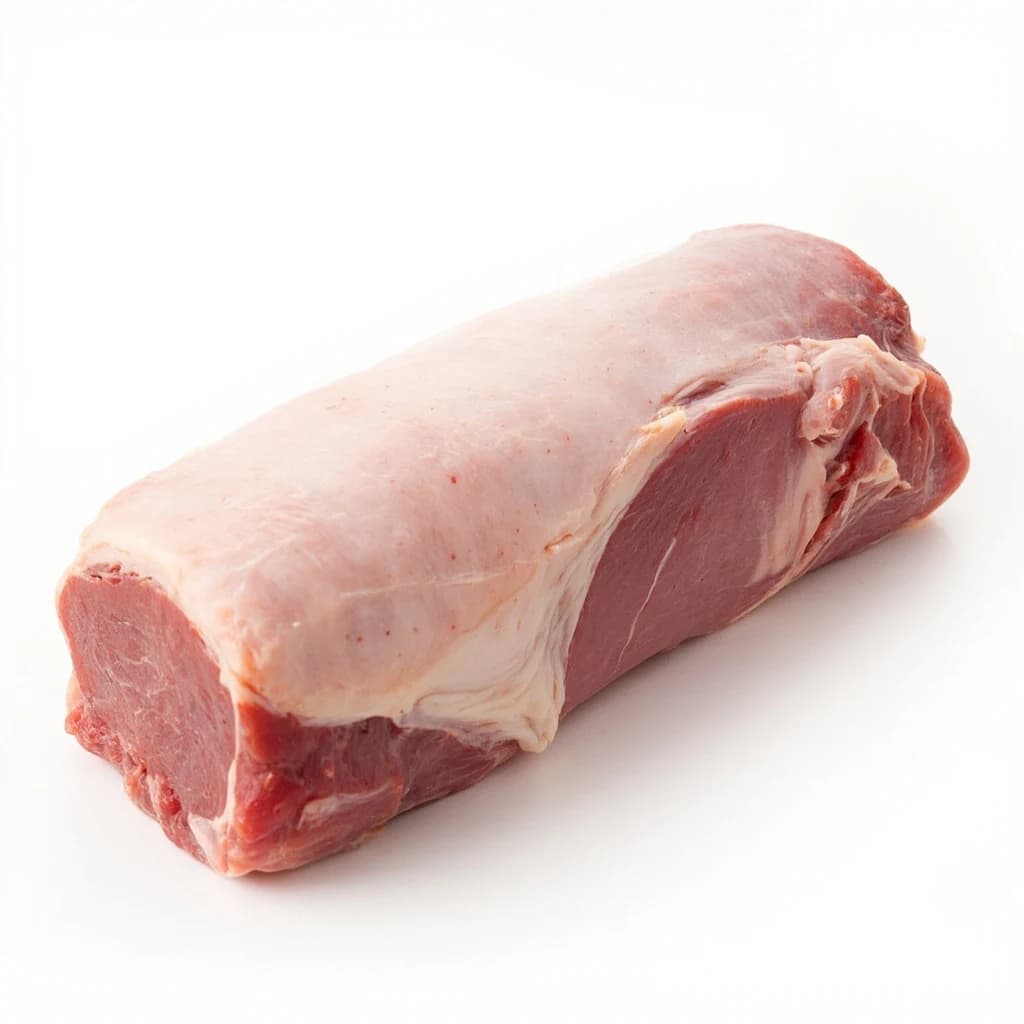
Pork Loin
Lean, tender roasting cut that stays juicy with care
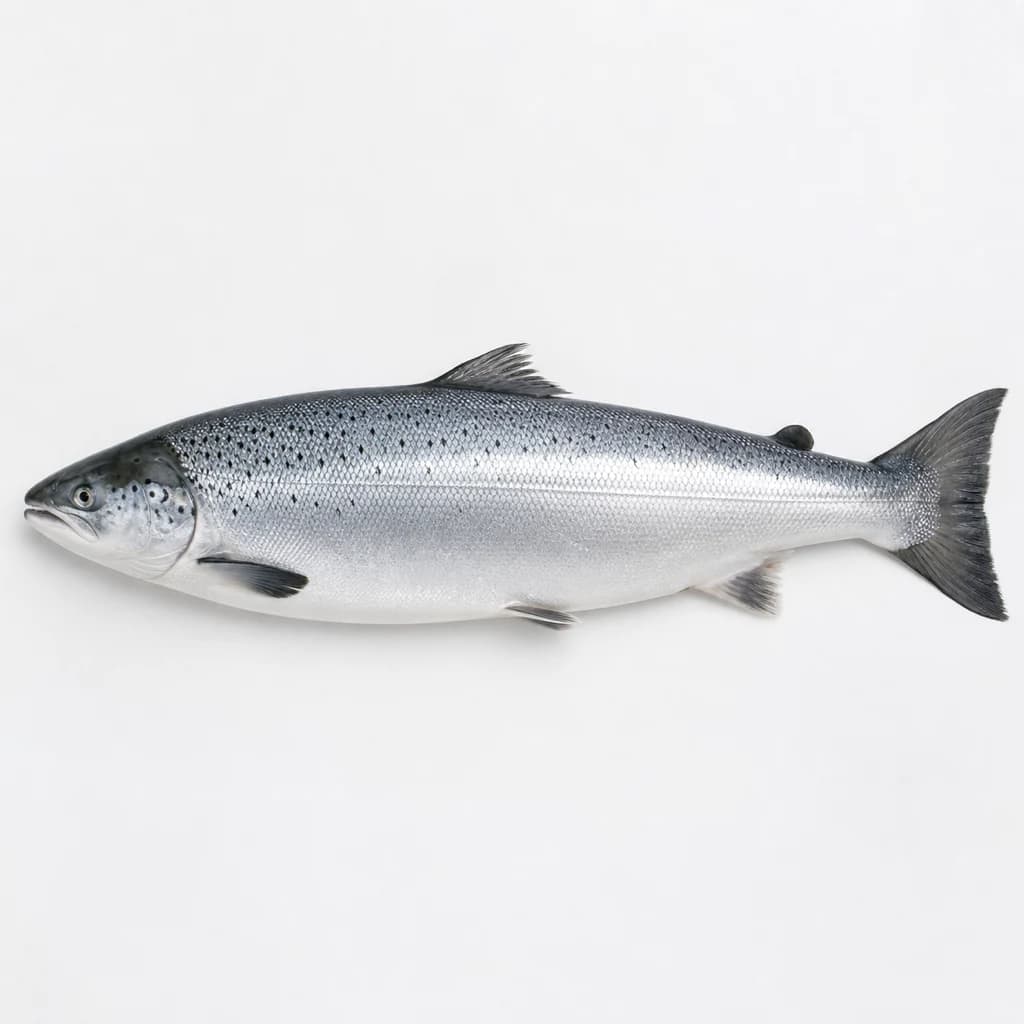
Salmon
Rich, rosy fish that roasts, grills, or cures beautifully

Egg White
Pure protein that whips to airy peaks for meringue and more

Egg Yolk
Rich, golden yolk for custards, mayonnaise, and pasta

Quail Egg
Tiny, speckled eggs for garnishing and elegant bites