Dairy & Eggs
Swiss Cheese
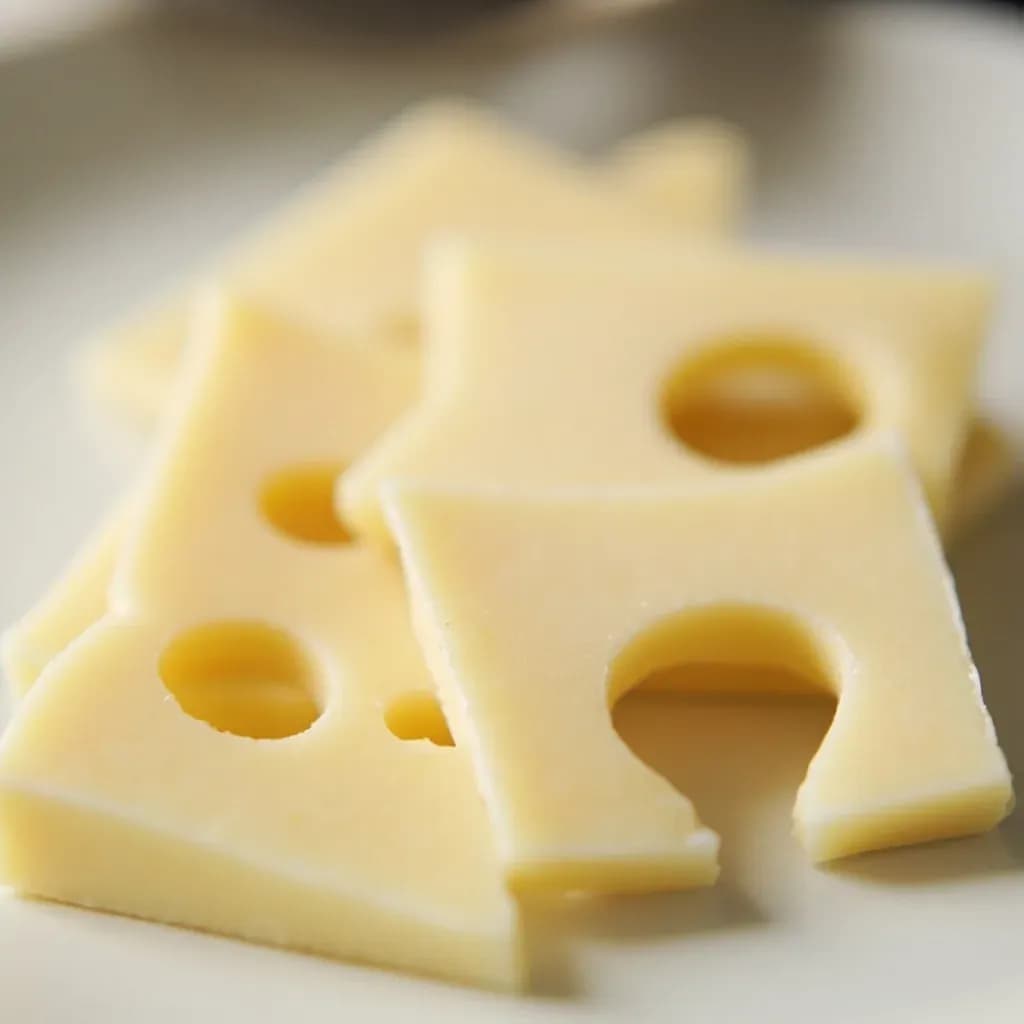
Mild, nutty pale cheese riddled with characteristic holes, sliced for sandwiches and melts.
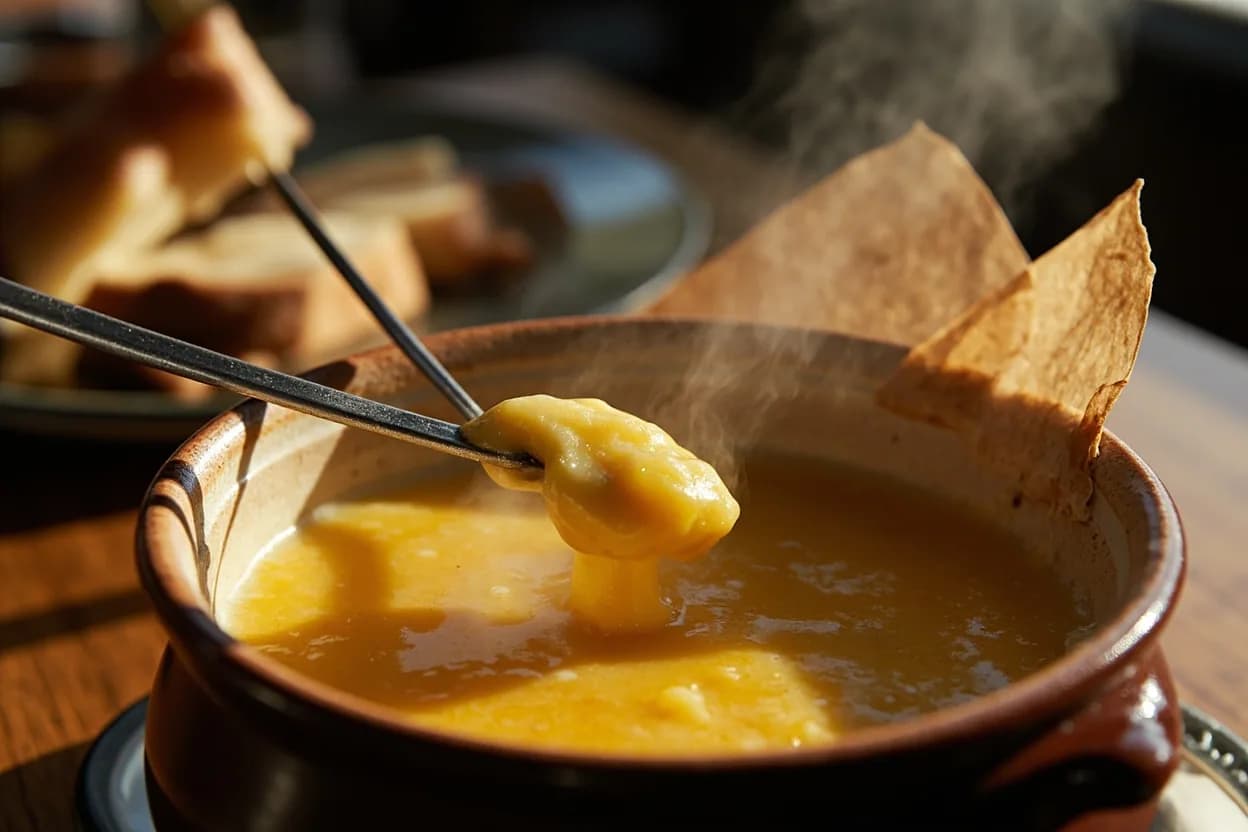
Swiss cheese is a general term, especially in North America, for Emmental-style cow's-milk cheeses with a firm, smooth body and large round holes (eyes) formed by gas-producing bacteria. It is mild, slightly sweet, and nutty, and melts cleanly. It is a sandwich and burger standard and melts into fondue and gratins.
Swiss cheese is the common English name for Emmental-style cheese, a cooked-press cheese originating in the Emme Valley of Switzerland with documented production dating to 1291. Its defining feature is the presence of irregular holes, called "eyes" in dairy science, formed by carbon dioxide bubbles released during fermentation by Propionibacterium freudenreichii bacteria during a 2–6 week ripening period. True Swiss Emmental is made from raw cow's milk, aged in large 80–120 kg wheels, and develops a complex nutty-sweet flavor that intensifies significantly with aging—the difference between a 2-month and 6-month wheel is substantial, with aged versions (12–18+ months) displaying deep, concentrated notes that approach the character of well-aged Parmesan.
In North America, the term "Swiss cheese" most commonly refers to pasteurized American Swiss, a milder cousin developed by Ohio and Indiana creameries in the mid-20th century. These versions use smaller wheels (or are block-formed), cultivate smaller and more consistent holes, and prioritize mildness and sandwich-slicing reliability over the complex flavor development of the European original. Understanding this distinction matters: when a recipe calls for Swiss, the choice between authentic Emmental and American Swiss dramatically affects both flavor intensity and melting behavior. The AOP-protected Emmentaler Switzerland designation guarantees traditional production methods, while similar cheeses from France (Emmental de Savoie) and Germany follow comparable traditions under EU protection.
- Measured in
- g
- Storage
- Fridge
Allergens
Types & varieties
True original; AOP-protected; raw milk; large irregular holes; complex nutty-sweet flavor with prominent eyes
Smaller wheels (12–15 cm); milder and sweeter; popularized by mid-20th century American creameries
Pasteurized-milk version; milder with smaller holes; most common in US grocery stores for sandwich slicing
Reduced-fat Swiss-style cheese; drier texture, less flavor development than full-fat versions
French-produced AOP version; similar method and flavor profile to Swiss original
Denmark produces Swiss-style cheese with slightly different aging and flavor profiles
Common uses
Tips & pitfalls
- Authentic Swiss Emmental has large, irregular holes; small consistent holes indicate American-style production
- Sliced Swiss from grocery stores often contains potato starch or cellulose to prevent sticking—check the ingredient list if avoiding additives
- Press plastic wrap directly against cut surfaces before sealing in a bag to prevent drying; cheese loses moisture and becomes rubbery when improperly stored
- Young Swiss melts smoothly and evenly; aged Swiss holds shape better but delivers significantly more complex, concentrated flavor
- The nutty flavor develops substantially during aging—a 6-month wheel tastes markedly more complex than a 2-month version
- When cooking with Swiss, shredding or slicing thin ensures even melting; thick slabs may not melt through in the center
- American Swiss made with pasteurized milk does not require the 60-day aging rule and has a milder, more consistent flavor profile
- If a recipe needs Swiss to melt smoothly without separating, grate it finely and add it off-heat to hot dishes just before serving
Nutrition
Energy
1644 kJ · per 100 g
Where the calories come from
Protein
27g
54% DV
Carbs
1.4g
1% DV
Fat
31g
40% DV
Fiber
0g
0% DV
Sugars
0g
of which
Sodium
187mg
8% DV
Source · USDA FoodData Central · Cheese, swiss
View on FDC →In the shops
Matched grocery products
No matched grocery products for Swiss Cheese yet.
Good to know
- Origin
- Emmental region of Switzerland, documented production since 1291
- Milk Type
- Cow's milk; traditional Emmental uses raw (unpasteurized) milk
- Fat Content
- 45% fat in dry matter (whole-milk version)
- Aging Range
- Young: 2–4 months; classic: 6–12 months; aged: 12–18+ months
- Hole Formation
- Carbon dioxide from Propionibacterium freudenreichii during 2–6 weeks of ripening
- US Import Rule
- Raw-milk Swiss cheese must be aged 60+ days for USDA compliance
- Storage
- Refrigerate at 4–7°C; wrap tightly with plastic against cut surface; use within 2–3 weeks of slicing
- Serving Temperature
- Bring to room temperature 30–60 minutes before serving for fullest flavor
Substitutes
- Gruyère — Best substitute for cooking; similar Swiss heritage, excellent melting, slightly saltier and more robust nutty flavor
- Comté — French Alpine cheese; similar texture and nutty sweetness; excellent for fondue and cooked applications
- Baby Swiss — Most similar in flavor and texture; melts well though slightly milder than standard American Swiss
- Young Gouda — Dutch cheese; comparable melting behavior; milder and slightly sweeter; widely available in most markets
- Raclette — Swiss-French cheese; similar melting properties; slightly earthier and more pungent when melted
Pairs with
Also called
swiss cheese · emmental · emmentaler
Appears in these dishes

Related

Whole Milk
Rich, full-fat milk for drinking, coffee, sauces, and baking
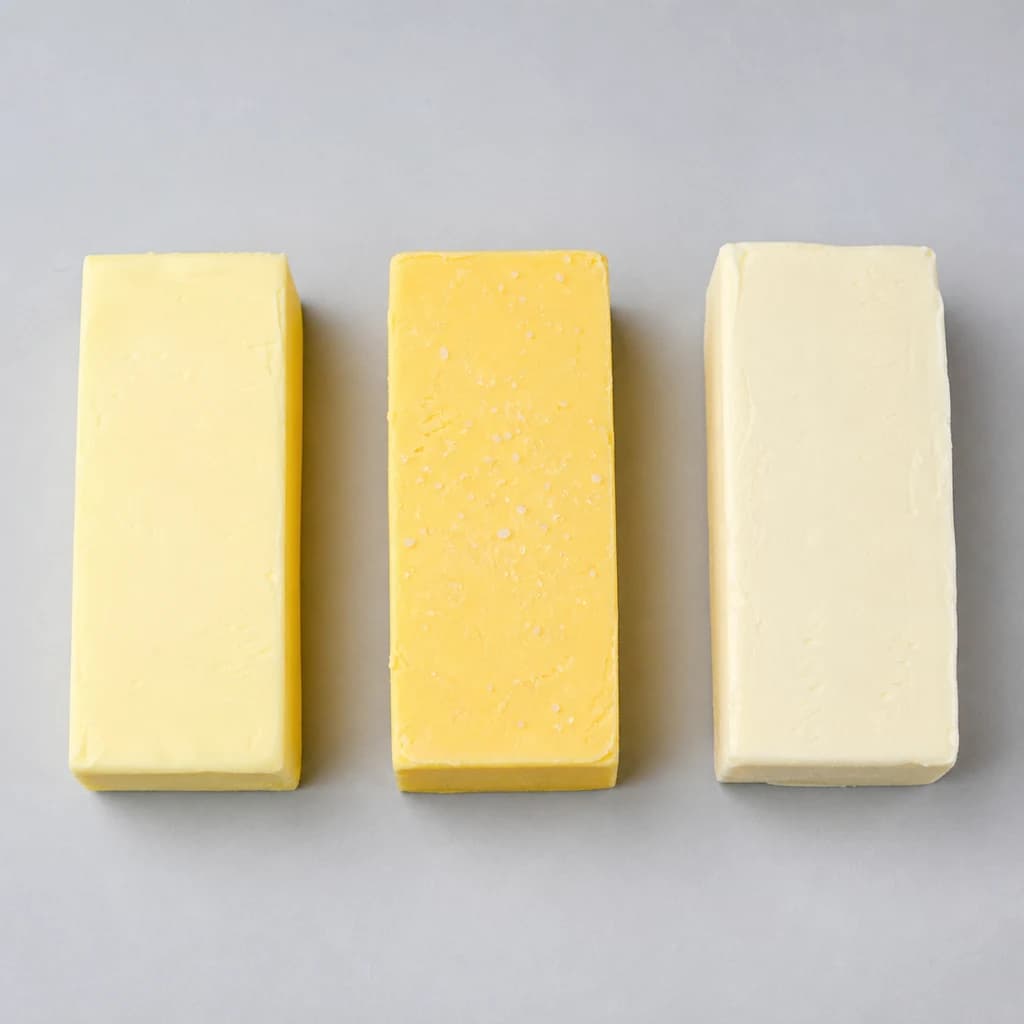
Butter
Golden fat for searing, baking, and finishing a sauce
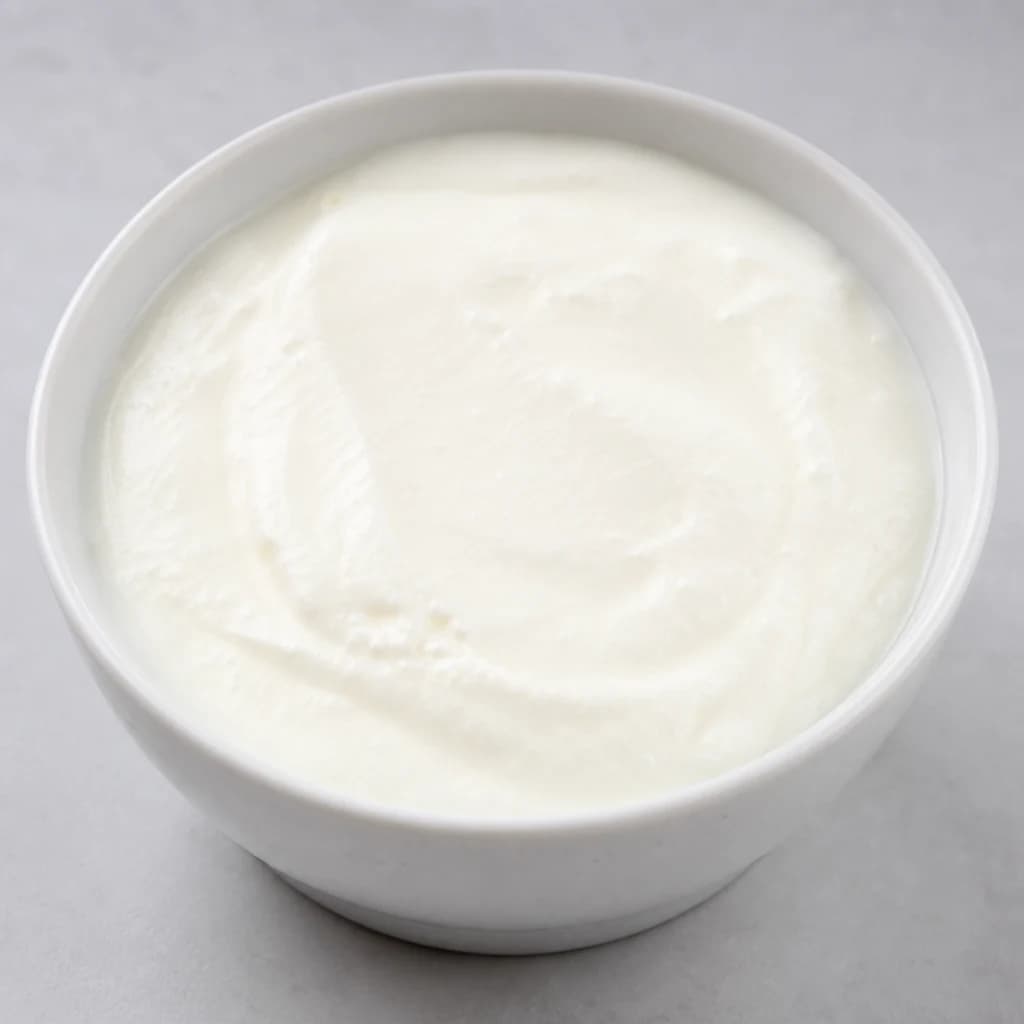
Yogurt
Tangy, creamy culture for breakfast, sauces, and marinades
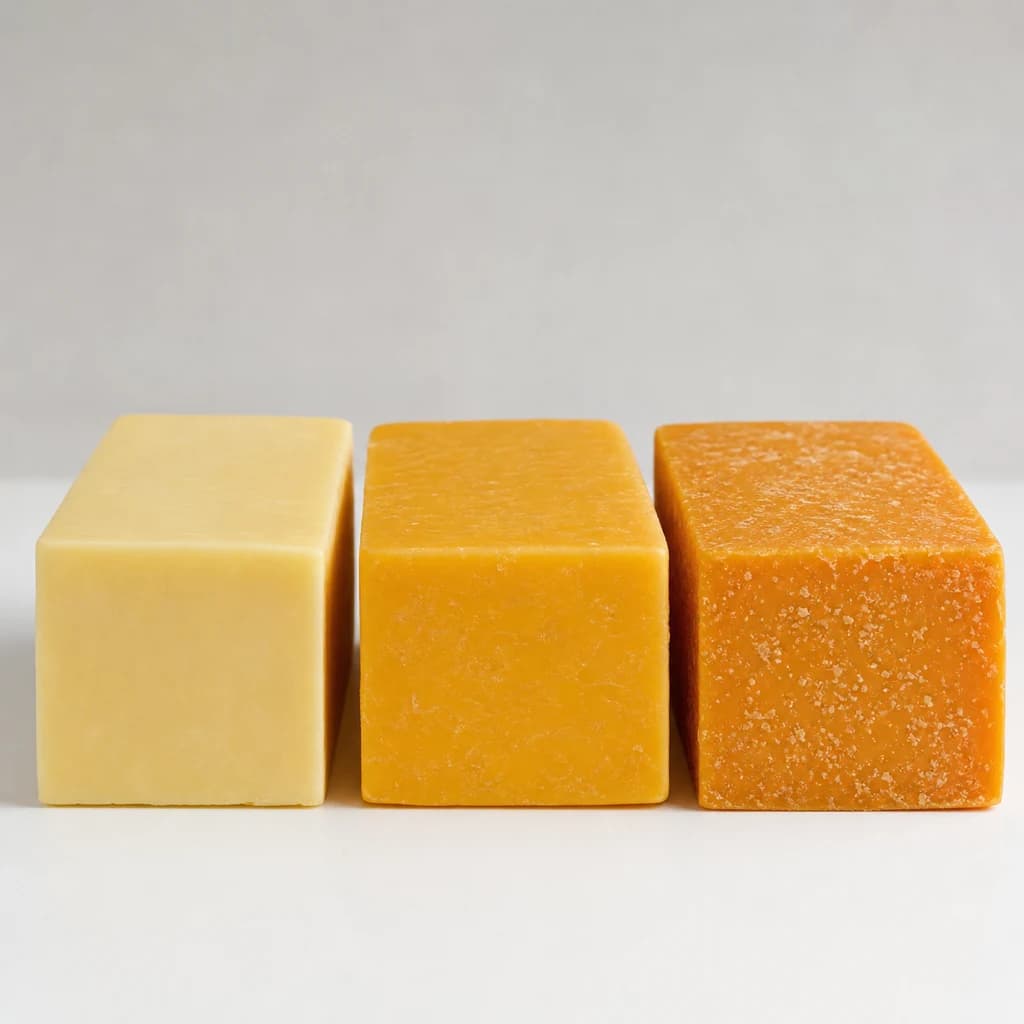
Cheddar Cheese
Sharp, melty cheese for sandwiches, gratins, and grating
Skim Milk
Fat-free milk for lighter drinking, coffee, and cooking
Heavy Cream
Rich cream that whips, enriches sauces, and sets ganache

Sour Cream
Tangy, thick cream for dolloping, baking, and dips
Mozzarella
Soft, milky cheese that melts into stretchy pizza pulls