Grains & Rice
Teff
Tiny ancient Ethiopian grain ground into flour for injera and gluten-free baking.
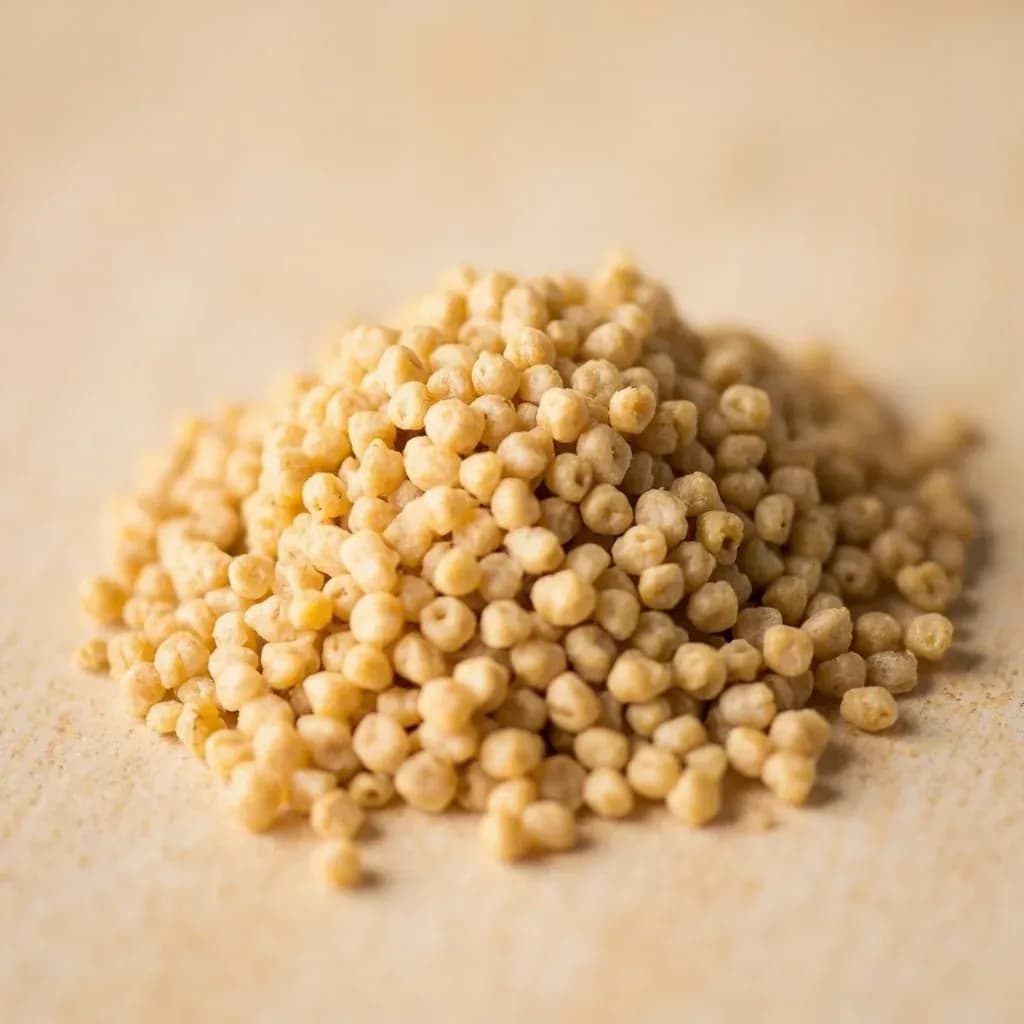
Teff is a tiny, gluten-free ancient grain native to Ethiopia and Eritrea, where it is fermented and ground into flour for injera. Beyond injera, the flour is used in porridges and gluten-free breads and cakes. Despite its minute size it is rich in iron and calcium and has a mild, slightly molasses-like flavor.
Teff is the world's smallest cultivated grain, measuring just 1–2 mm—roughly one-fiftieth the size of a wheat kernel—so tiny that the Amharic word tef translates to "lost," a nod to how easily these grains scatter. Cultivated in the Ethiopian highlands for at least 5,000 years, teff remains the dietary cornerstone of Ethiopian and Eritrean cuisine, providing a substantial portion of daily calories and protein for millions. The grain thrives where other cereals fail, tolerating drought and waterlogged soils alike, which has made it invaluable in challenging growing environments.
Teff is almost always ground into flour—the whole grain is simply too small for practical hand-processing—but what it lacks in convenience it compensates for in nutrition. It delivers 12–14% protein with a complete amino acid profile, substantial iron and calcium, and generous fiber. Naturally gluten-free, it has become a valued ingredient in gluten-free baking, though its small size means high oil content, so flour spoils quickly without refrigeration. The flavor ranges from mildly nutty and slightly sweet in ivory varieties to robustly earthy in dark brown types, giving cooks meaningful choice depending on the dish.
In gluten-free baking, teff flour behaves differently from wheat: it lacks gluten's elastic structure, so it performs best as part of a blend. Typically 15–25% teff flour combined with binding starches and structural flours produces breads, pancakes, and crackers with improved flavor and nutrition. The whole grain cooks relatively quickly—15–20 minutes—because water penetrates the tiny kernels rapidly. For celiac cooking, always seek certified gluten-free products, as teff is frequently grown and milled alongside wheat, barley, and rye in some regions.
- Measured in
- g
- Storage
- Pantry
Types & varieties
Mildest, lightest flavor; most commercially available; ideal when you want teff's nutrition without a prominent grain taste in baked goods.
Slightly stronger nutty flavor; the most common variety in Ethiopia; versatile for breads, porridges, and everyday cooking.
Called 'qossal' in Ethiopia; most robust, earthy flavor; traditionally preferred for rural injera; highest antioxidant content.
More common in South Africa; distinctive reddish hue; slightly sweeter; excellent in porridges and as a wheat flour alternative.
Teff in Gluten-Free Baking
Teff's high protein and fiber content make it nutritious, but its lack of gluten means it cannot stand alone as a wheat flour replacement. The grain absorbs more liquid than wheat flour—reduce total liquid by 10–15% when substituting teff flour for even a portion of wheat flour in a recipe. For best structural results, blend teff flour with a starch (tapioca or potato starch) for binding and a structural flour (sorghum, buckwheat, or rice flour) for body. A reliable starting ratio is 15–25% teff flour in a gluten-free blend. In pancakes and waffles, teff performs well at higher percentages since these batters don't require the same structural lift as yeasted breads.
- Reduce liquid by 10–15% when using teff flour in place of wheat flour
- Blend teff with tapioca starch and sorghum flour for structurally sound gluten-free breads
- Teff flour produces denser, more moist baked goods than wheat—expect a different texture
Making Injera: The Fermented Flatbread
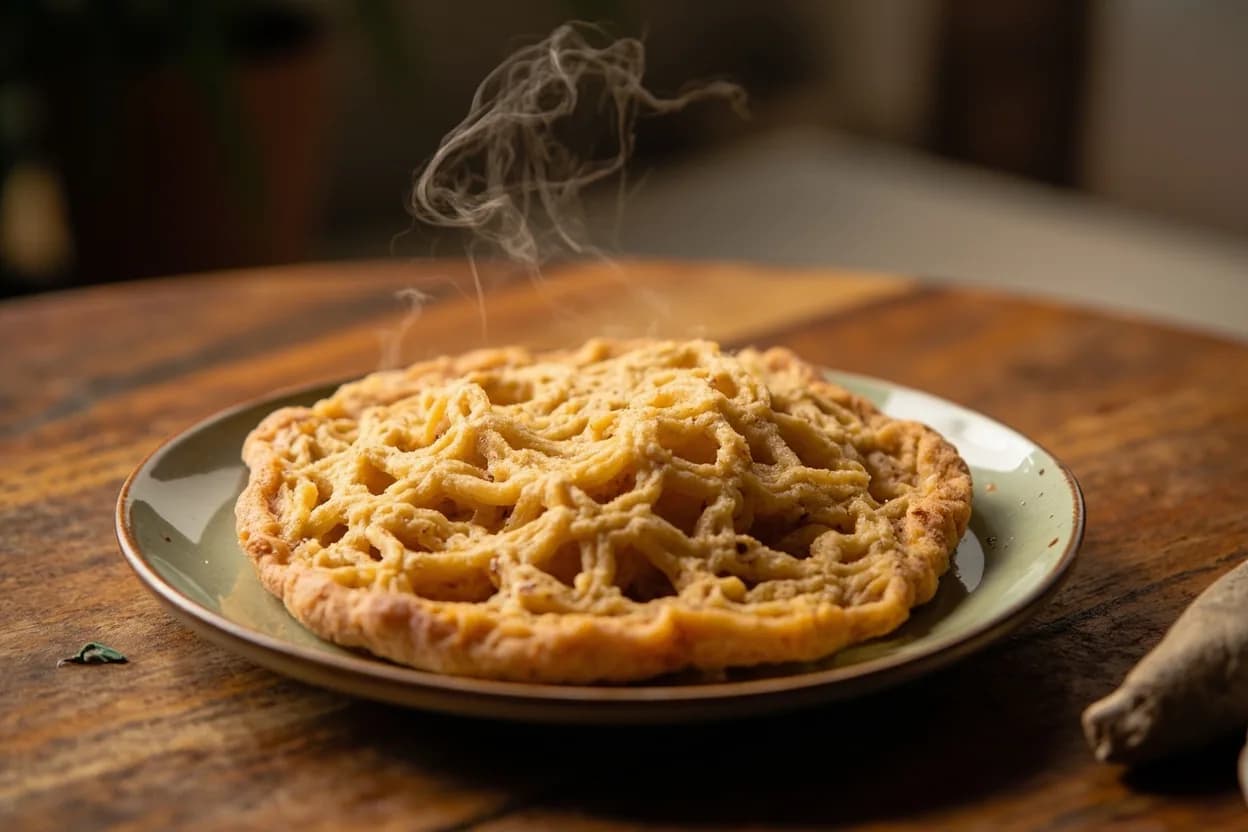
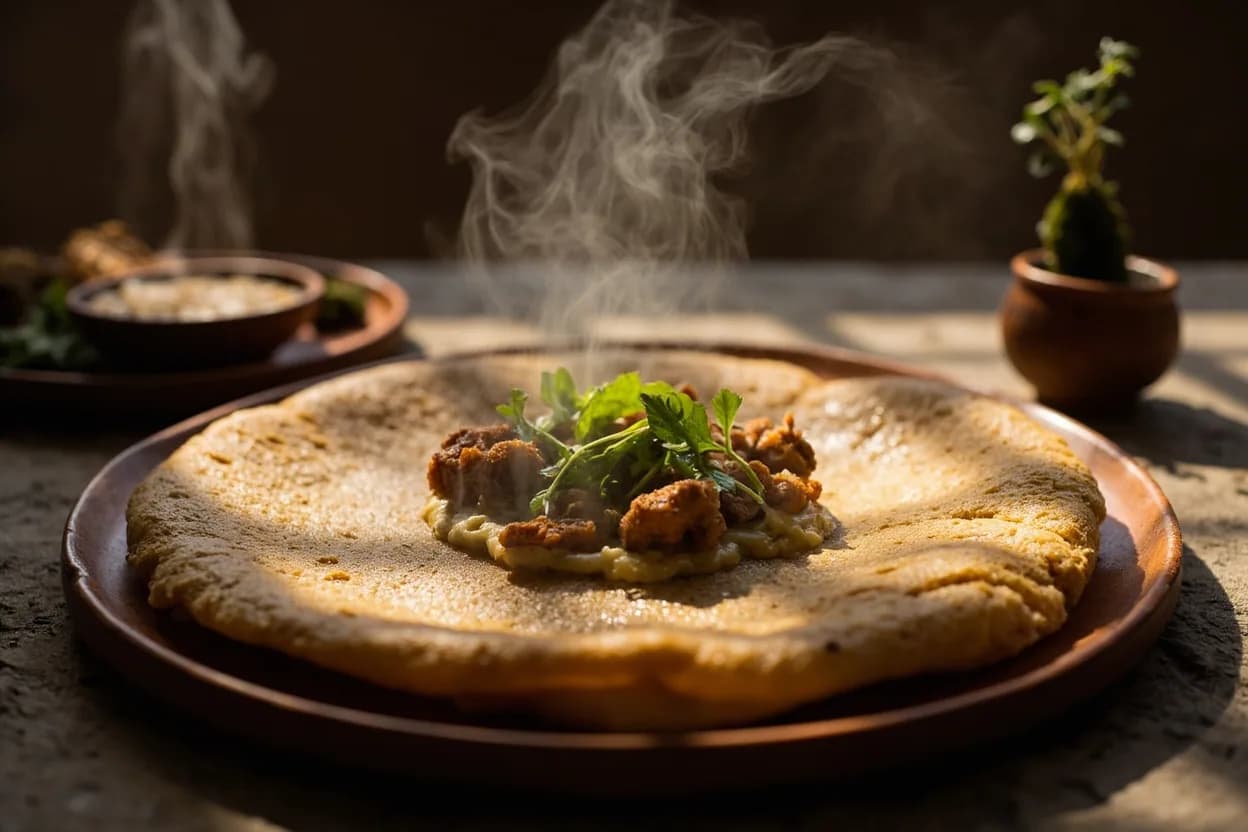
Injera is the fermented, spongy flatbread that defines Ethiopian cuisine, and teff is its essential ingredient. Traditional injera uses 100% teff flour (or a teff-dominant blend) and relies on wild yeast fermentation over 2–5 days. Longer fermentation produces a tangier, more complex flavor and better CO2 production, creating the characteristic honeycomb surface with its signature large pores. Modern home cooks sometimes accelerate fermentation with a small amount of commercial yeast or a tablespoon of sourdough starter, reducing time to 24–48 hours. The batter should be thin—pouring consistency—and will bubble and rise before spreading onto a hot, dry griddle or injera skillet.
- Start fermentation 2–5 days ahead; longer = tangier flavor and better rise
- Batter should be thin like crepe batter before cooking
- Cook on medium-high without fat, covered briefly to steam the surface
Common uses
Tips & pitfalls
- Toast whole teff in a dry skillet 2–3 minutes before cooking or grinding to deepen the nutty flavor—this is standard practice in Ethiopian cooking.
- Store teff flour in the freezer if you won't use it within a month; the high oil content causes rancidity quickly at room temperature.
- When using teff flour as a thickener, add it gradually and expect it to thicken more upon cooling; start with 1 tablespoon per cup of liquid.
- The whole grain cooks in just 15–20 minutes because water penetrates the tiny kernels rapidly—no need for long simmering like larger grains.
- Soak whole teff 2–4 hours before cooking for a smoother porridge, or whisk teff flour directly into boiling liquid for instant results.
- Common mistake: using teff as the sole flour in gluten-free baking—it needs partners like tapioca starch and sorghum to hold together.
- Common mistake: skipping the liquid reduction when substituting teff flour for wheat; the result will be gummy and dense.
- For injera, resist the urge to rush fermentation—under-fermented batter produces flat, dense bread with minimal pore structure.
Nutrition
Energy
1536 kJ · per 100 g
Where the calories come from
Protein
13.3g
27% DV
Carbs
73.1g
27% DV
Fat
2.4g
3% DV
Fiber
8g
29% DV
Sugars
1.8g
of which
Sodium
12mg
1% DV
Source · USDA FoodData Central · Teff, uncooked
View on FDC →In the shops
Matched grocery products
No matched grocery products for Teff yet.
Good to know
- Scientific name
- Eragrostis tef
- Origin
- Ethiopia and Eritrea (Abyssinia), cultivated for 5,000+ years
- Grain size
- 1–2 mm; smallest cultivated grain (~1/50th a wheat kernel)
- Primary growing regions
- Ethiopia (95% of world production); South Africa, India, Australia, US (Idaho, Kansas)
- Key nutrients
- 12–14% protein, iron, calcium, fiber; complete amino acid profile
- Gluten status
- Naturally gluten-free—verify certification for celiac use
- Flour shelf life
- Refrigerate: 3–6 months; freezer: 6 months; whole grain (airtight, dark): 2–3 years
- Yield
- 1 cup whole teff → ~3–4 cups cooked; flour substitutes 1:1 by volume in most recipes
Substitutes
- Sorghum Flour — Closest in neutral flavor and baking behavior; use 1:1 ratio; best choice for gluten-free baking blends to replace teff.
- Millet Flour — Similar nutty flavor; use 1:1 ratio; tends to produce drier baked goods—combine with a starch for moisture.
- Brown Rice Flour — Mild flavor; use 1:1; produces drier results; combine with tapioca starch for better texture in baking.
- Buckwheat Flour — Stronger flavor but similar gluten-free profile; use 2/3 amount (more absorbent); excellent for pancakes and rustic breads.
- Amaranth Flour — Nutty, slightly earthy; use 1/3 amount (very absorbent); best combined with milder flours in small proportions.
Pairs with
Also called
Tef · Teff Grain
Appears in these dishes
Related

White Rice
Fluffy long-grain rice — the neutral base for almost any meal

White Bread
Soft sandwich loaf for toast, sandwiches, and crumbs
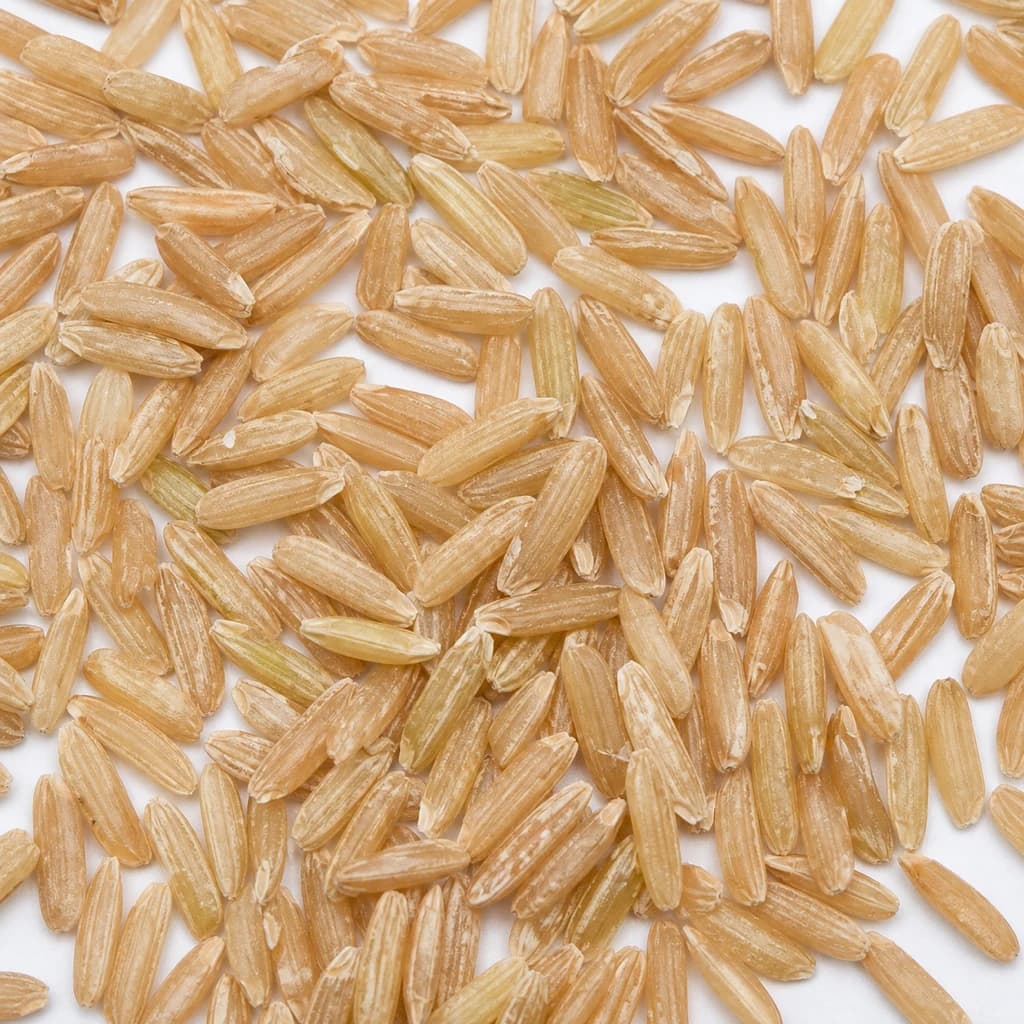
Brown Rice
Nutty, whole-grain rice with chew and extra fiber

Basmati Rice
Fragrant, long-grain rice that cooks up light and separate
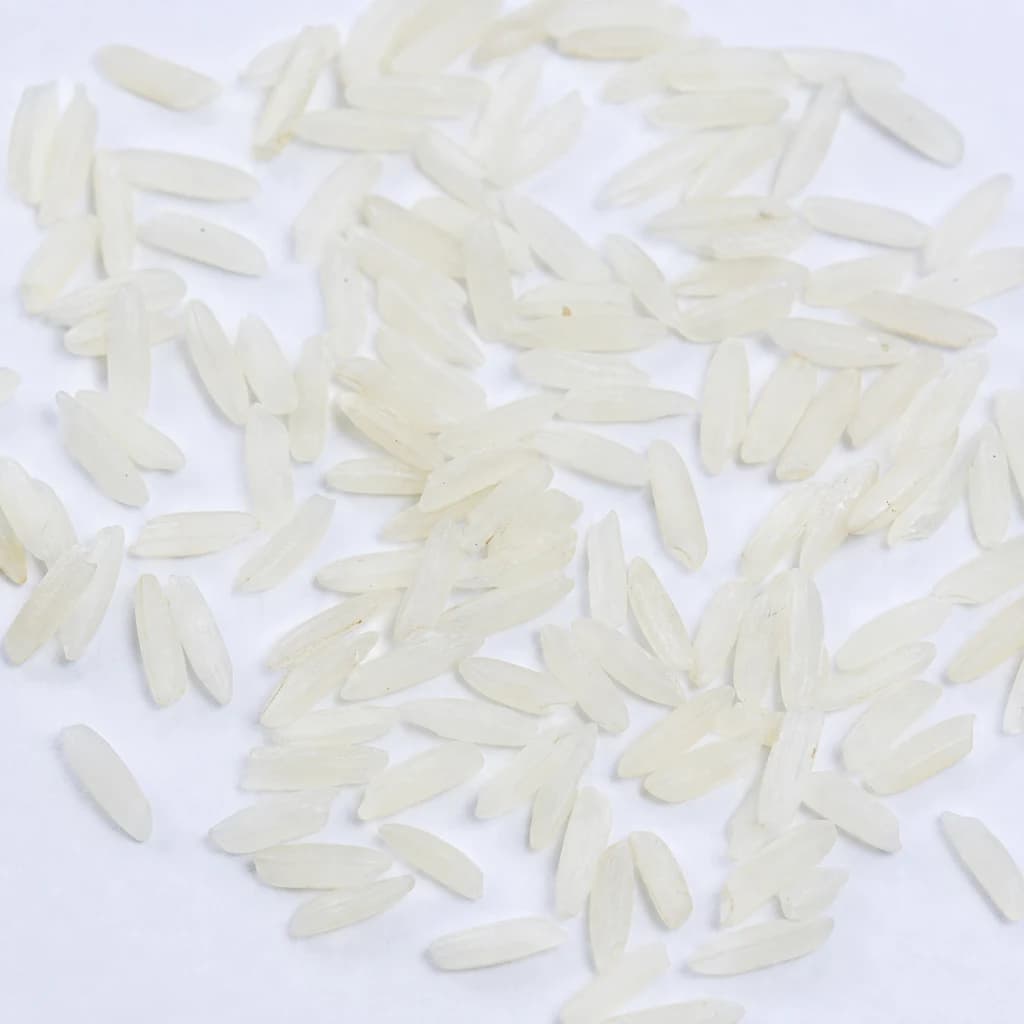
Jasmine Rice
Soft, floral-scented rice that's the pillar of Thai meals
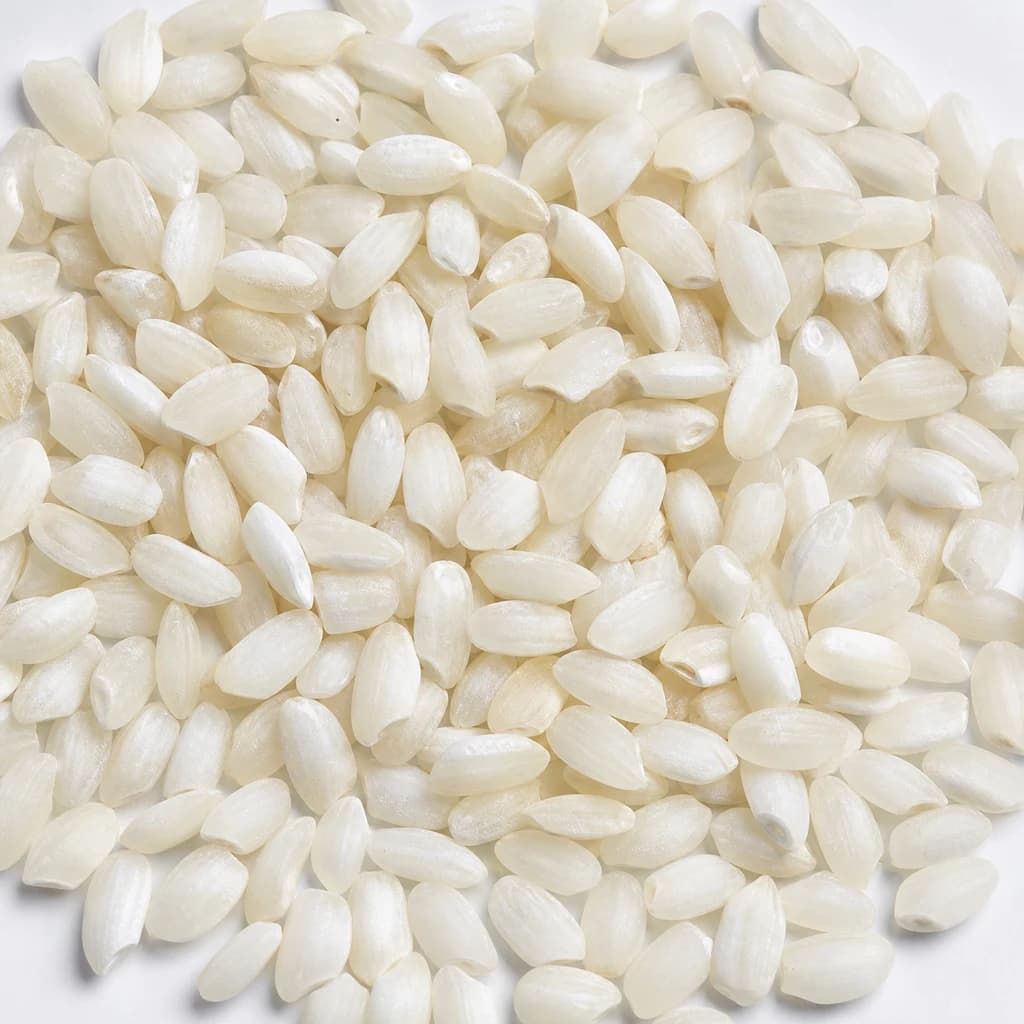
Arborio Rice
Plump, starchy rice that makes risotto creamy
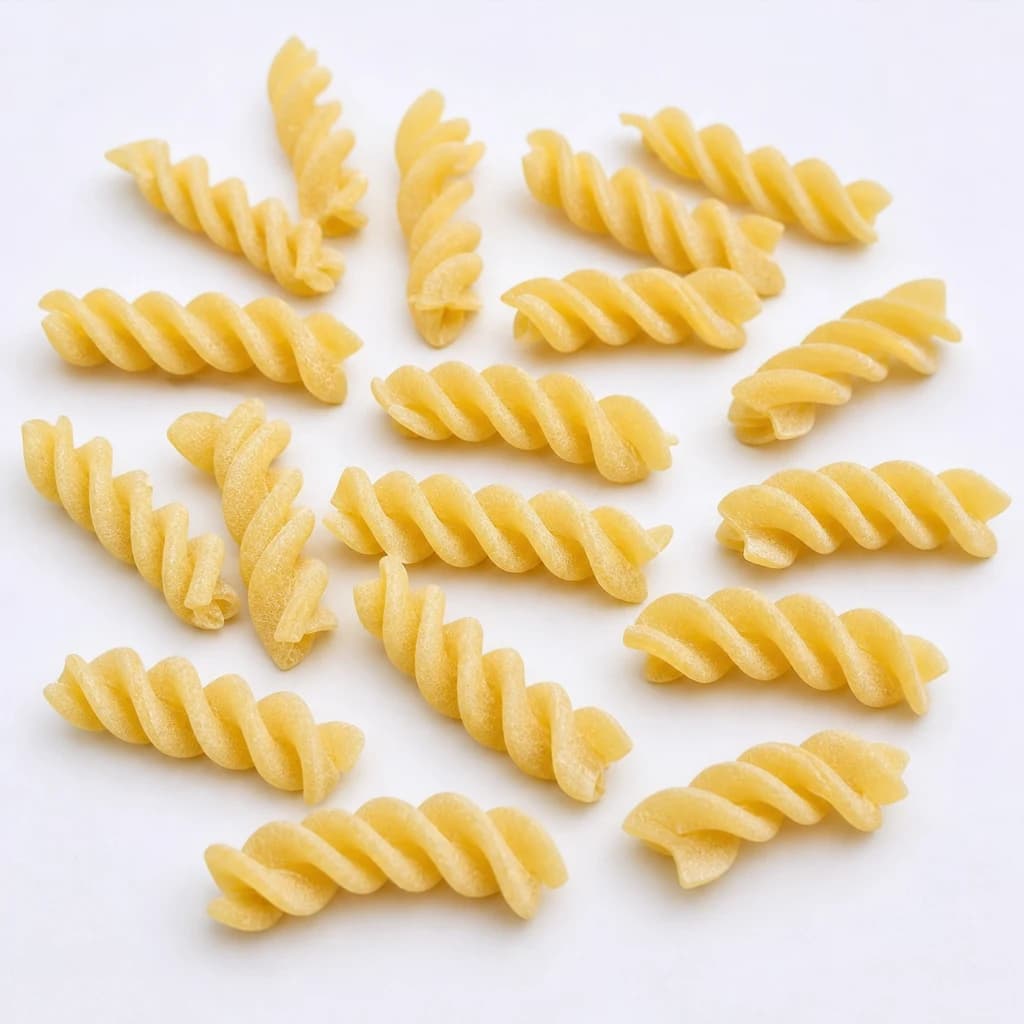
Fusilli
Spiraled pasta that twirls up sauce and dresses cold salads
Rolled Oats
Hearty flakes for porridge, granola, and chewy cookies