Dairy & Eggs
Urdă (Whey Cheese)
Romanian soft whey cheese like ricotta, sweet and mild, used in pastries and pancakes.
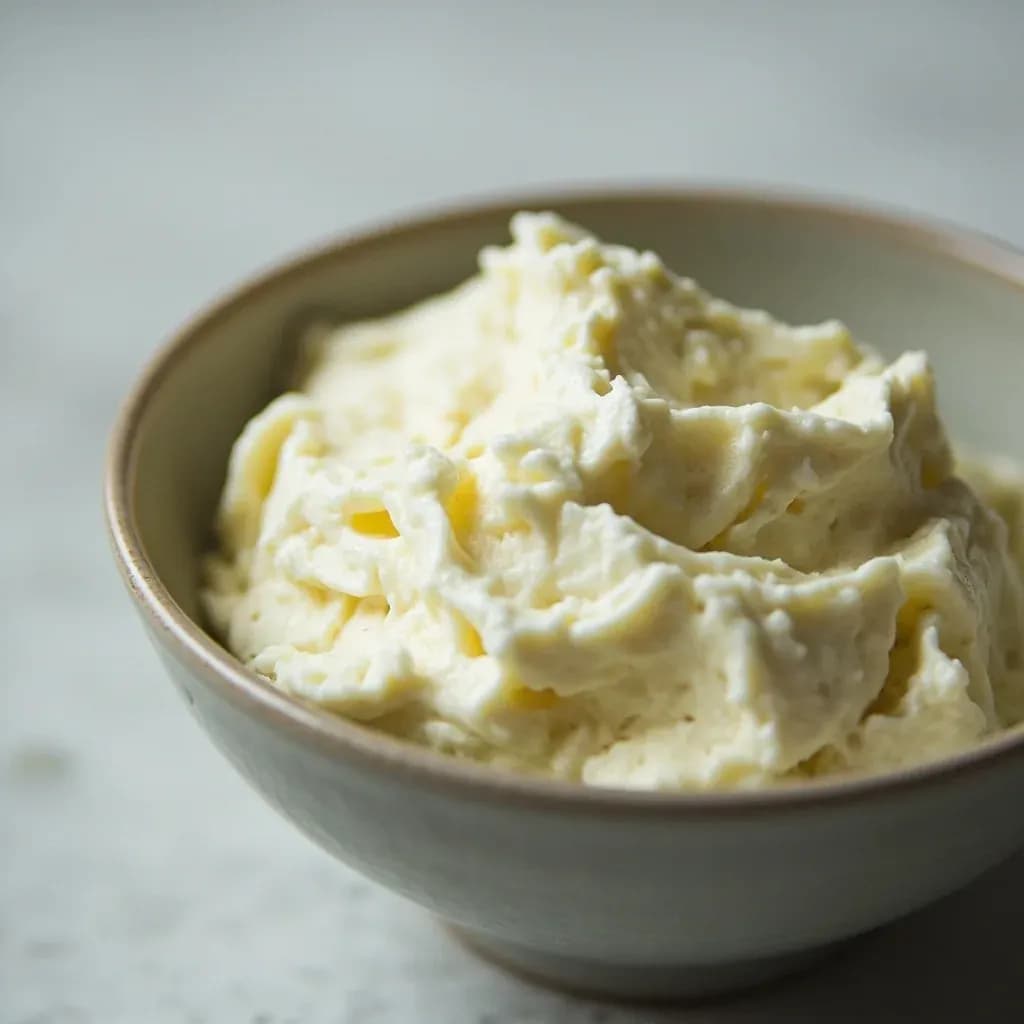
Urdă is a Romanian and Balkan whey cheese made by reheating the whey from making other cheeses until soft fresh curds form, much like ricotta. It is soft, white, mild, and slightly sweet. It is used as a filling for pastries (plăcintă), pancakes (clătite), and dumplings, or eaten fresh.
Urdă is a fresh whey cheese central to Romanian and Balkan dairy traditions, made by heating whey—separated during the production of caș or other fresh cheeses—to 80–90°C, at which point the albumin proteins coagulate and rise as delicate white curds. Unlike ricotta, which combines whey with milk or cream, true urda is made from whey alone, giving it a lighter, sweeter profile with a clean lactic tang. It is a traditional farmhouse byproduct, and its quality depends entirely on the freshness and quality of the whey from which it is pulled.
In Romanian kitchens, urda holds a place of honor at festive tables, particularly Easter and Christmas, where it appears in stuffed pastries, sweet pancakes, and alongside honey and walnuts as a simple seasonal treat. Its mildness makes it extraordinarily versatile—it absorbs flavors without dominating them—while its soft, fine-grained texture ranges from very moist when fresh to slightly firmer when drained. The perishability is fundamental to its character: authentic urda has no need for stabilizers, and any hint of ammonia or sourness signals age or improper handling.
Understanding urda means recognizing it as a living ingredient, one that rewards attention from purchase to plate. Seek it from producers or markets where turnover is fast; the best urda is sold within days of making, still cool from the dairy, and it will smell cleanly milky with a gentle sweetness. Its simplicity is its virtue—this is a cheese that asks only for good honey, ripe fruit, or buttery pastry to become something memorable.
- Measured in
- g
- Storage
- Fridge
Allergens
Types & varieties
Made from cow's milk whey; the most common variety with the mildest, sweetest flavor
Made from sheep's milk whey; richer and slightly more buttery with deeper character
Made from goat's milk whey; tangier and lighter with a more pronounced acidity
Fresh, sold within days of production; very moist and ideal for immediate culinary use
Slightly dried or lightly aged; firmer texture, more concentrated flavor, better keeping quality
How to Choose Good Urdă
The single most important skill with urda is knowing how to select it. Always taste before buying when possible. Quality urda should taste clean and sweet with a gentle lactic tang—never sour, bitter, or ammonia-like. The texture should be cohesive but soft, not dry or gritty. Avoid any batch that has been frozen; ice crystals rupture the delicate protein structure and leave an unpleasant graininess that no amount of draining will fix. At markets, look for urda sold in small rounds or loose in paper-lined baskets, which allows air circulation and signals freshness. Industrial versions with extended shelf life may contain stabilizers that dull the flavor and alter the texture—these are acceptable for everyday use but lack the character of traditionally made urda.
- Smell it: clean and milky indicates freshness; ammonia signals age
- Press gently: fresh urda should hold together softly without exuding liquid
- Taste it raw: if it lacks sweetness, it is likely old
- Ask the vendor: when was it made? Fast turnover is your best guarantee of quality
- Avoid frozen: even partially frozen urda has compromised texture
Working with Urdă in the Kitchen
Urdă behaves best when you respect its delicate nature. For pastry fillings that require a firmer, more rollable consistency, drain fresh urda through cheesecloth for 1–2 hours at room temperature, or place it in a strainer over a bowl and refrigerate overnight. This removes excess moisture without losing the characteristic sweetness. For spreads and toppings, use urda at room temperature—cold urda tastes flat and muted compared to when it has warmed slightly and opened up its flavor.
- Drain before using in pastries to prevent soggy bottoms
- Season sweet fillings with vanilla, lemon zest, or rum—never salt
- Blend smooth for a consistent filling texture
- Add to batters or doughs at the end to preserve the light character
- Do not cook urda at high heat, which can toughen the proteins and create a rubbery texture
Common uses
Tips & pitfalls
- Always taste before buying: quality urda should taste clean, sweet, and slightly milky with no ammonia or sour off-notes
- Drain fresh urda through cheesecloth for 1–2 hours if it seems too wet for pastry fillings
- For a firmer consistency suitable for rolling, place urda in a strainer over a bowl and refrigerate overnight
- Season sweet fillings with vanilla sugar, lemon zest, or rum flavoring rather than salt
- Avoid urda that has been frozen—ice crystals destroy its delicate texture and create a gritty mouthfeel
- When substituting ricotta, choose whole-milk ricotta and drain it well; urda is typically sweeter and less rich
- If urda tastes too bland, it may be old; fresh urda should have a pleasant natural sweetness
- Use at room temperature for spreads; cold urda can taste flat compared to when it is slightly warmed
Nutrition
Energy
1628 kJ · per 100 g
Where the calories come from
Protein
25.6g
51% DV
Carbs
1.6g
1% DV
Fat
31.1g
40% DV
Fiber
0g
0% DV
Sugars
1.6g
of which
Sodium
800mg
35% DV
Source · USDA FoodData Central · approx. Cheese, fontina
View on FDC →In the shops
Matched grocery products
No matched grocery products for Urdă (Whey Cheese) yet.
Good to know
- Origin
- Romania and surrounding Balkan region
- Primary Milk
- Cow's milk whey; also sheep or goat whey
- Type
- Fresh whey cheese (lactic albumen cheese)
- Flavor
- Sweet, mild, slightly tangy, clean and milky
- Texture
- Soft, moist, fine-grained, slightly crumbly when drained
- Color
- White to ivory
- Fat Content
- Low to moderate, varying by milk source
- Shelf Life
- Refrigerate; best within 2–4 days fresh
- Traditional Season
- Year-round; peak production aligns with lambing/kidding seasons (spring) and major holidays
- Production Method
- Whey heated to 80–90°C; albumin proteins coagulate and rise as soft curds, then drained
Substitutes
- Ricotta (whole milk) — Best substitute; choose fresh, drain if needed; slightly less sweet but similar texture and use in both sweet and savory applications
- Quark (full-fat) — Acceptable substitute in sweet and savory applications; similar mild flavor and soft texture, though slightly tangier
- Fresh cottage cheese (small curd) — Acceptable but has a grainier texture; blend for smoother consistency if using in pastries or spreads
Pairs with
Also called
urdă · urda · urda cheese
Related

Whole Milk
Rich, full-fat milk for drinking, coffee, sauces, and baking
Butter
Golden fat for searing, baking, and finishing a sauce
Yogurt
Tangy, creamy culture for breakfast, sauces, and marinades
Cheddar Cheese
Sharp, melty cheese for sandwiches, gratins, and grating
Skim Milk
Fat-free milk for lighter drinking, coffee, and cooking
Heavy Cream
Rich cream that whips, enriches sauces, and sets ganache

Sour Cream
Tangy, thick cream for dolloping, baking, and dips
Mozzarella
Soft, milky cheese that melts into stretchy pizza pulls