Natural form
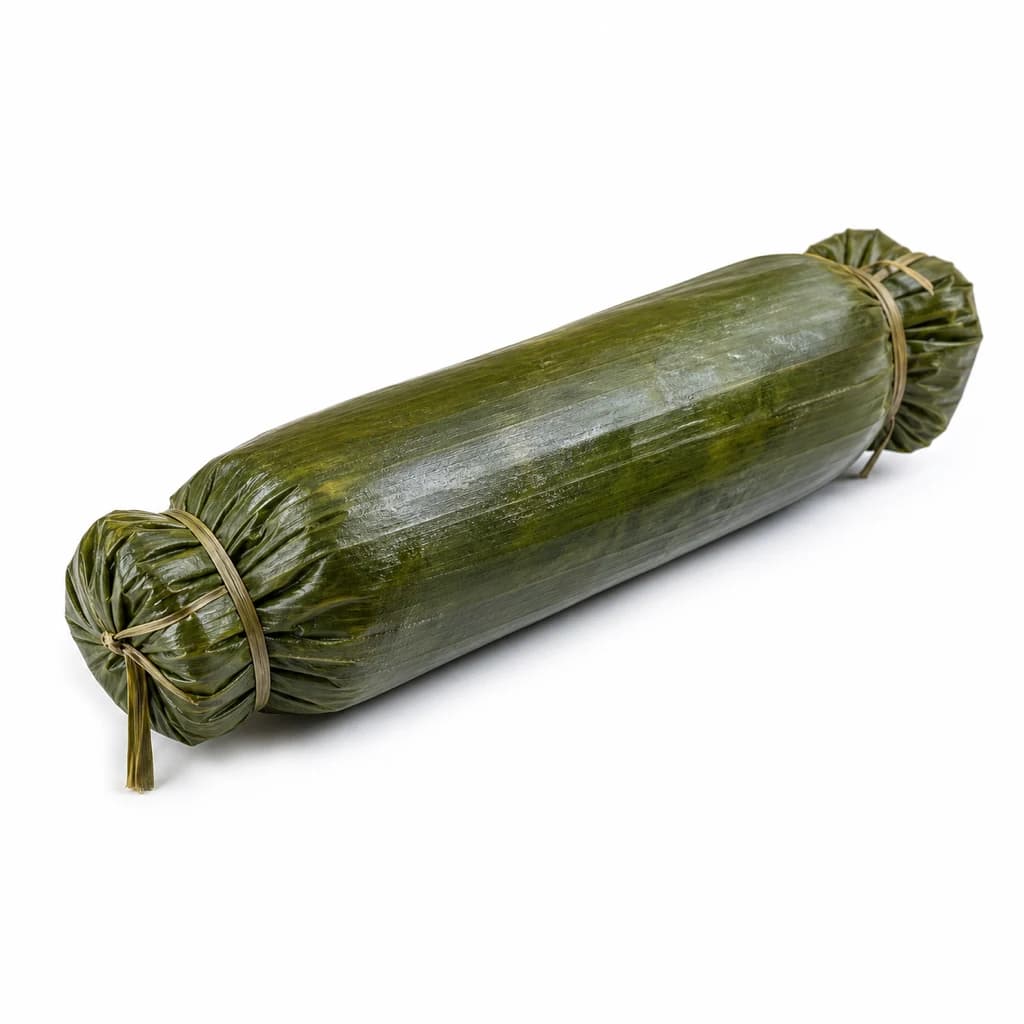
Whole Chả Lụa log still wrapped in dark green banana leaf, showing cylindrical shape and tied ends.
Shows the traditional banana-leaf wrapping that defines the sausage before it is sliced, teaching readers to recognize it in a market.
Proteins
Pork Sausage (Chả Lụa)
Vietnamese steamed pork sausage with a springy, smooth texture, sliced for bánh mì.
Chả lụa is a Vietnamese pork sausage made from finely pounded lean pork and fish sauce, wrapped tightly in banana leaf and steamed. It has a smooth, springy, almost bouncy texture and mild savory flavor. It is sliced and eaten in bánh mì, with rice, or on noodle dishes.
Chả lụa is a steamed pork sausage, but unlike its Western counterparts, it contains no casing. The name derives from lụa—silk—referring to the remarkably smooth, almost fabric-like texture achieved by pounding lean pork into a fine, cohesive paste before steaming. This technique, traditionally done in a large clay mortar, aerates the meat and creates the characteristic springy bite that slices cleanly without crumbling. The sausage takes a cylindrical form during steaming, yielding pale pinkish-white logs with a glossy surface that are easy to portion and serve.
In Vietnamese cuisine, chả lụa functions as a workhorse protein—versatile enough for sandwiches, soups, cold cut platters, and fried rice. Its mild savoriness and clean flavor make it an ideal canvas for bold accompaniments like pickled vegetables, fresh herbs, and chile. Regional preparations vary: northern versions tend toward lighter seasoning, while southern cooks typically add more fish sauce for depth. The sausage's neutral palette also makes it visually versatile, holding its own against colorful garnishes without overwhelming them.
Quality matters enormously here. Avoid products listing excessive fillers, extenders, or stabilizers—the ingredient label should read simply: pork, seasoning, and perhaps a starch or egg as binder. When made properly, chả lụa has a fine, tight grain and bounces back slightly when pressed. Over-processed versions become pasty, waterlogged, or dense. Once you understand what this ingredient should feel and taste like, you'll spot inferior products immediately.
- Measured in
- g
- Storage
- Fridge
Allergens
Types & varieties
Includes ground pork skin for a slightly more textured bite and added richness
Made with pork head meat; richer flavor, coarser texture, higher fat content
Fried rather than steamed; crispier exterior—this is a different preparation with distinct textural properties
How to make chả lụa at home
The key to proper chả lụa lies in developing the paste correctly. Start with pork butt or shoulder trimmed to roughly 15–20% fat—too lean produces a dry, dense sausage; too fatty yields an oily, soft result. Cut the pork into 1-inch cubes and chill until firm. Work in batches: either pound by hand in a large mortar (the traditional method that aerates and lightens the paste) or pulse in a food processor, scraping the bowl frequently. Stop when the meat reaches a fine, sticky consistency—it should clump together and pull away from the bowl sides. Over-processing makes it pasty and causes the sausage to weep liquid during steaming. Season with fish sauce, sugar, salt, and white pepper, then mix thoroughly until uniform. Form into cylinders on banana leaves or foil, wrapping tightly to exclude air. Steam over vigorously boiling water until the internal temperature reaches 160°F (71°C), about 30–45 minutes depending on thickness. Cool completely before unwrapping and slicing—refrigerating for 30 minutes firms the texture for clean cuts.
- Use pork with 15–20% fat content for optimal moisture and spring
- Pound or pulse until paste is sticky and cohesive but not smooth and pasty
- Wrap tightly to exclude air—any pocket will cause uneven steaming
- Steam to 160°F internally; overcooking makes the sausage tough and dry
Buying and storing
When purchasing commercially made chả lụa, read the ingredient label. Quality versions contain pork, seasoning, and possibly a starch or egg. Be wary of products with long ingredient lists featuring extenders, artificial colors, or excessive preservatives. The sausage should feel firm and dense, with visible grain when sliced. Avoid any product with a slimy surface or sour odor.
Store tightly wrapped in the refrigerator for up to one week. For longer keeping, wrap in freezer-safe packaging and freeze for up to three months. Thaw overnight in the refrigerator before use. The texture remains excellent when properly stored—both fresh and frozen.
- Check ingredient lists for minimal, recognizable components
- Avoid products with slimy surfaces or off smells
- Refrigerate up to 1 week; freeze up to 3 months
- Thaw overnight in refrigerator for best texture retention
Common uses
Tips & pitfalls
- Pound the pork paste until it becomes genuinely sticky and cohesive—this develops the smooth, silk-like texture and prevents grainy results
- Do not over-process in a food processor; stop when the meat is fine and cohesive, or it will become pasty and release too much moisture during steaming
- Use pork with 15–20% fat for the best moisture content and springy bite; too lean yields a dry, dense sausage
- If using a food processor, pulse in short bursts and scrape the bowl frequently to ensure even processing without overheating the meat
- Traditional recipes call for pounding by hand in a large clay mortar, which aerates the meat and creates a lighter, more tender texture than mechanical methods
- Steam until the internal temperature reaches 160°F (71°C); over-steaming causes the sausage to become tough and dry
- Let the steamed sausage cool completely before slicing—refrigerating for 30 minutes firms it up considerably for clean, precise cuts
- Wrap tightly in banana leaf or foil before steaming to maintain shape and impart subtle herbal notes from the leaf
Nutrition
Energy
1213 kJ · per 100 g
Where the calories come from
Protein
13.9g
28% DV
Carbs
3g
1% DV
Fat
24.3g
31% DV
Fiber
0g
0% DV
Sugars
1.2g
of which
Sodium
563mg
24% DV
Source · USDA FoodData Central · Sausage, Italian, pork, mild, raw
View on FDC →In the shops
Matched grocery products
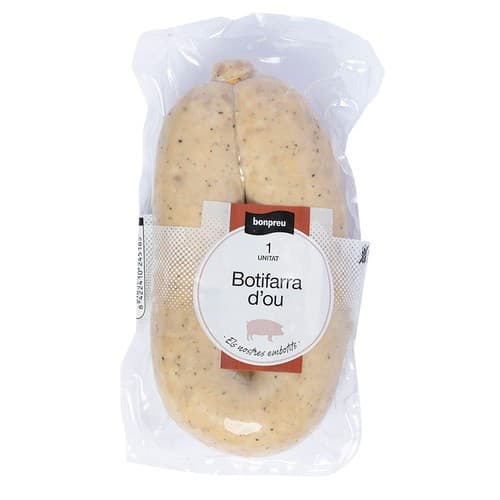 €3.79
€3.79Egg Sausage
BONPREU · kg · Bonpreu
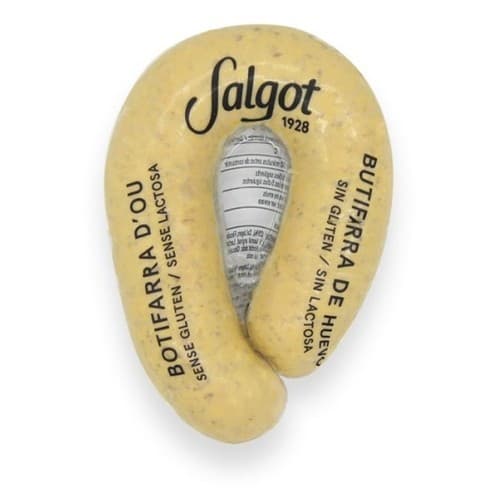 €4.99
€4.99Egg Sausage
SALGOT · kg · Bonpreu
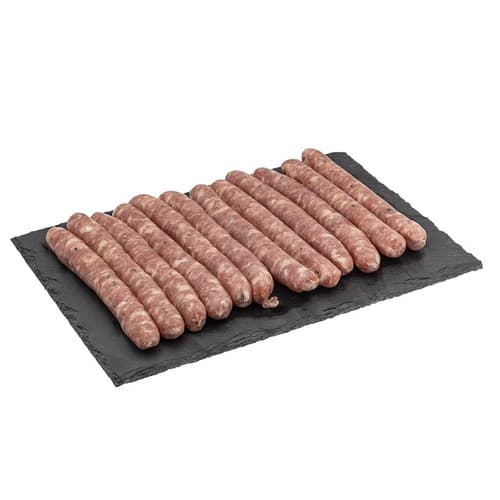 €5.99
€5.99Pork Sausage
BONPREU DE L'ERA · kg · Bonpreu
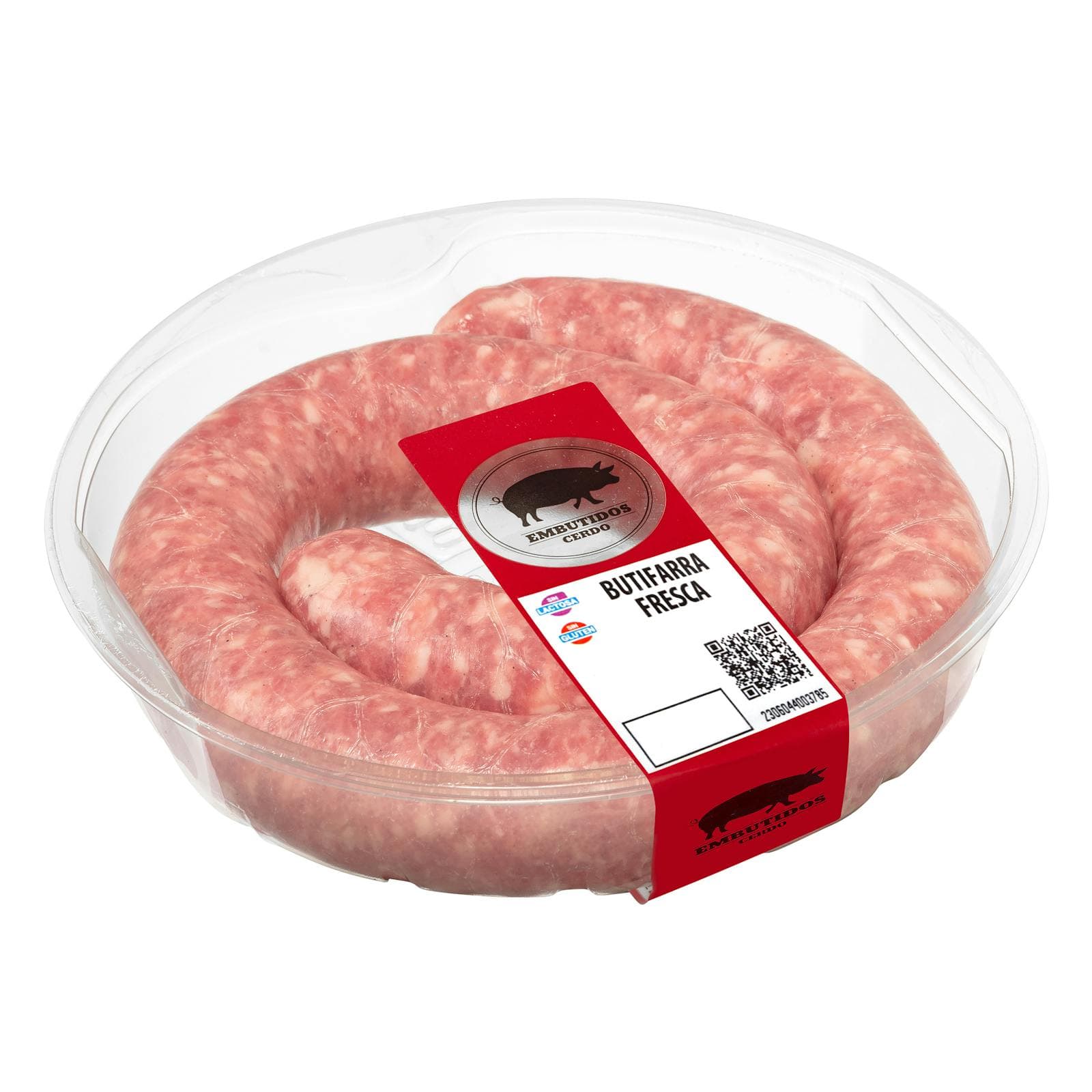 €3.62
€3.62Fresh Sausage
640 g · Mercadona
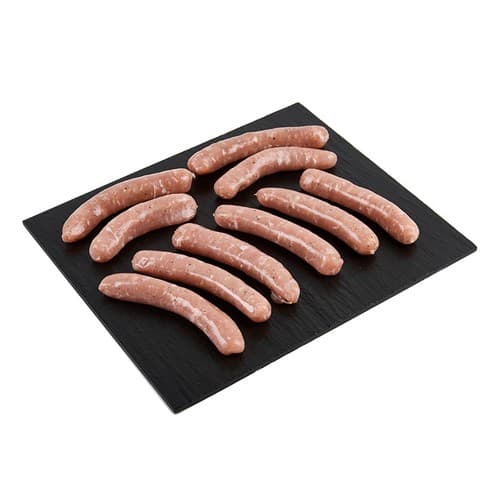 €6.75
€6.75Rabbit Sausage
BONPREU · kg · Bonpreu
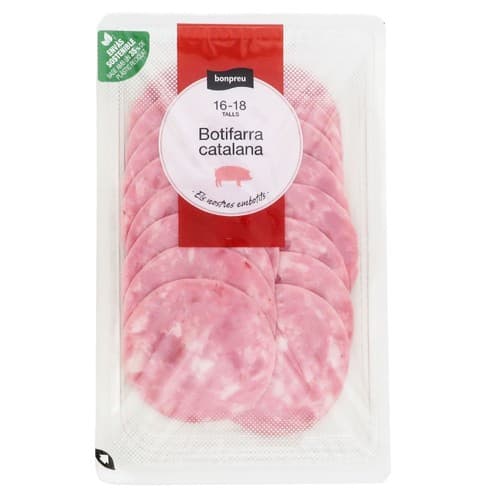 €1.89
€1.89Catalan Sausage
BONPREU · kg · Bonpreu
Good to know
- origin
- Vietnam
- primary protein
- Lean pork (pork butt or shoulder)
- cooking method
- Steamed to 160°F (71°C)
- texture
- Smooth, springy, fine-grained; slices cleanly without crumbling
- traditional wrapper
- Banana leaf (now commonly aluminum foil)
- flavor profile
- Savory, slightly sweet from sugar, mild umami from fish sauce
- cooked color
- Pale pinkish-white with a glossy surface
- refrigerator storage
- Up to 1 week tightly wrapped
- freezer storage
- Up to 3 months
Substitutes
- Mortadella — Similar smooth, sliceable texture; less savory, lacks the pork and fish sauce character; acceptable in bánh mì when necessary
- Baked ham — Sliced deli ham; different flavor profile and softer texture; suitable for non-traditional applications
- Smoked pork roll — Uses pork and tapioca starch; smokier flavor, firmer texture; not an ideal substitute but workable
Pairs with
Also called
Chả Lụa · Giò Lụa · Vietnamese Ham
Appears in these dishes
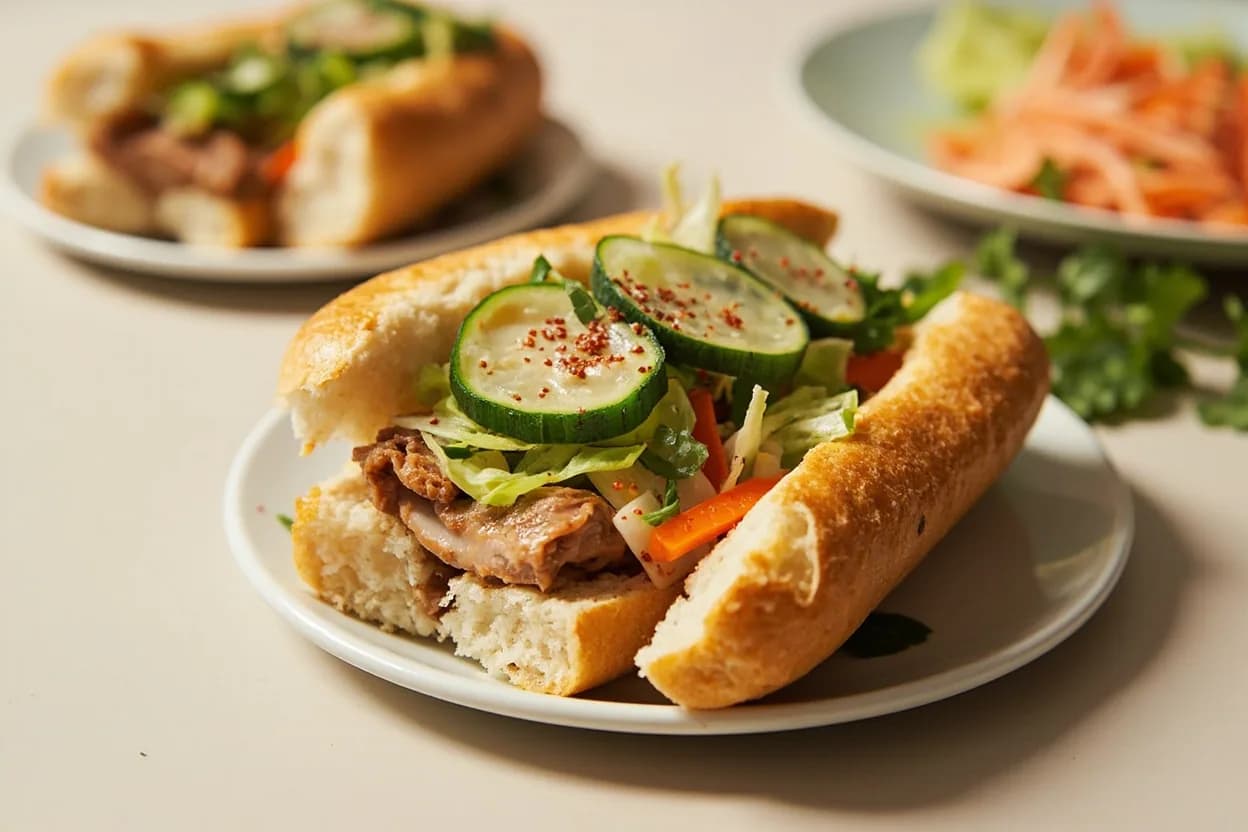
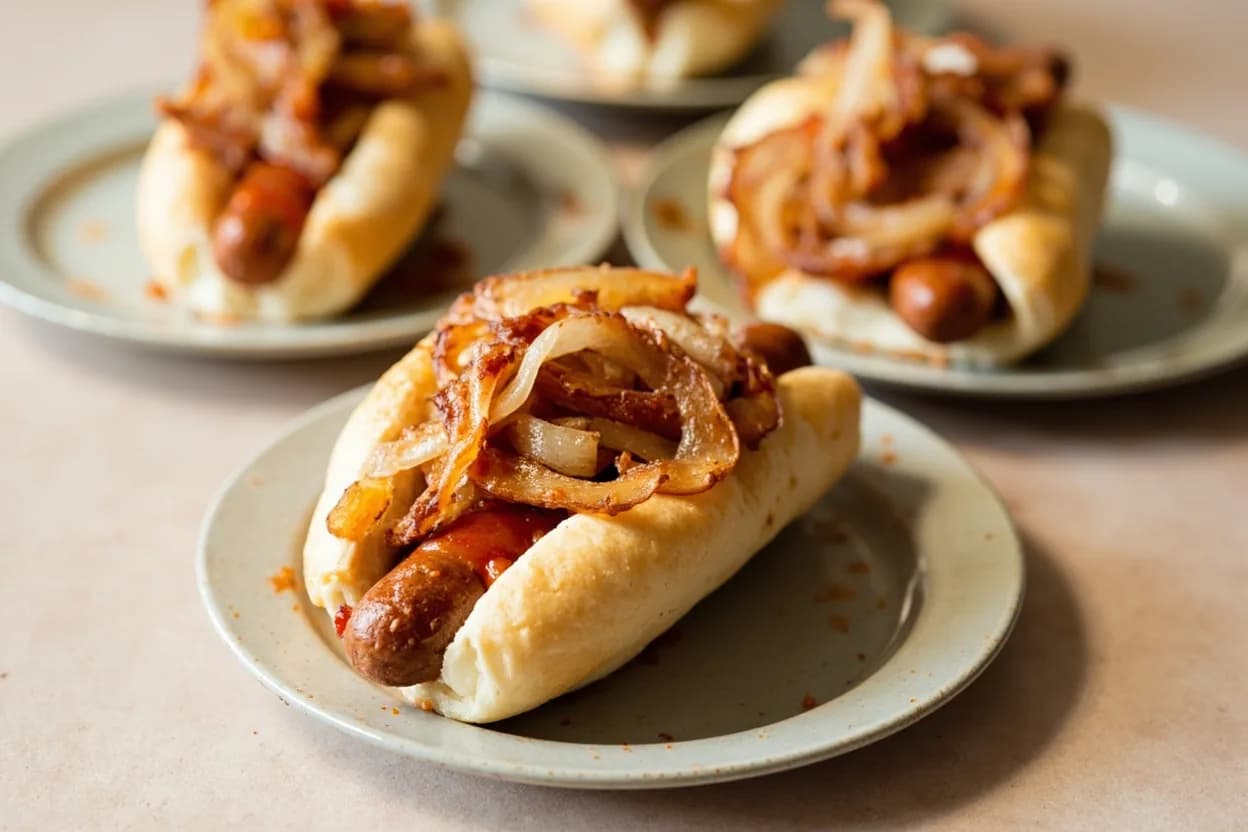
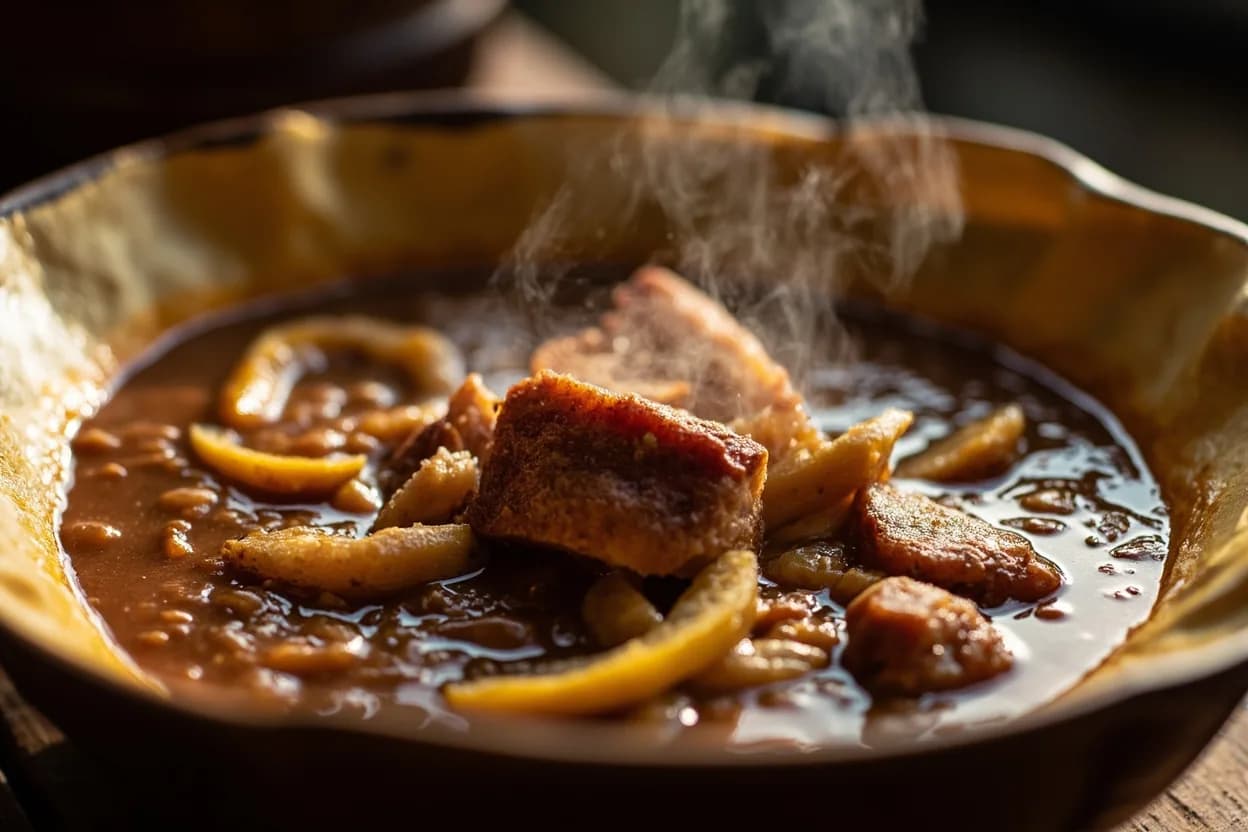
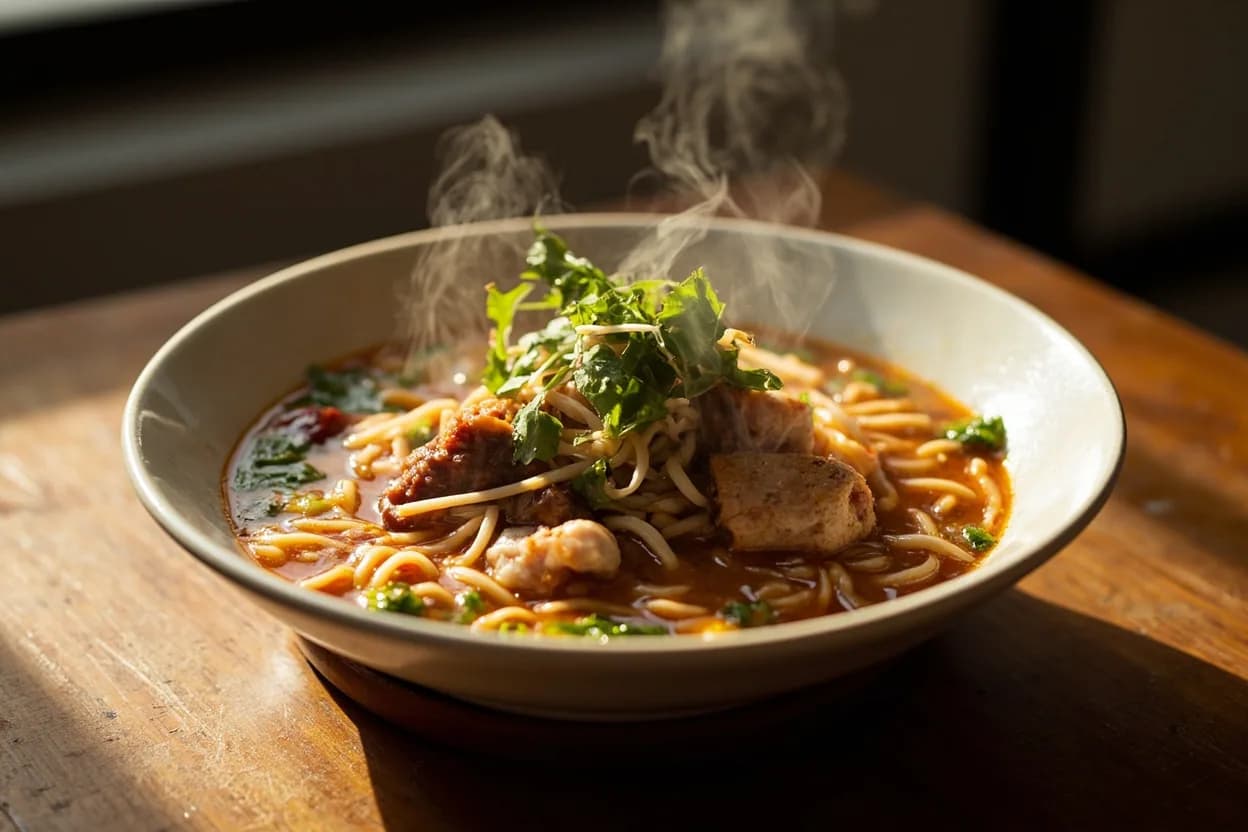
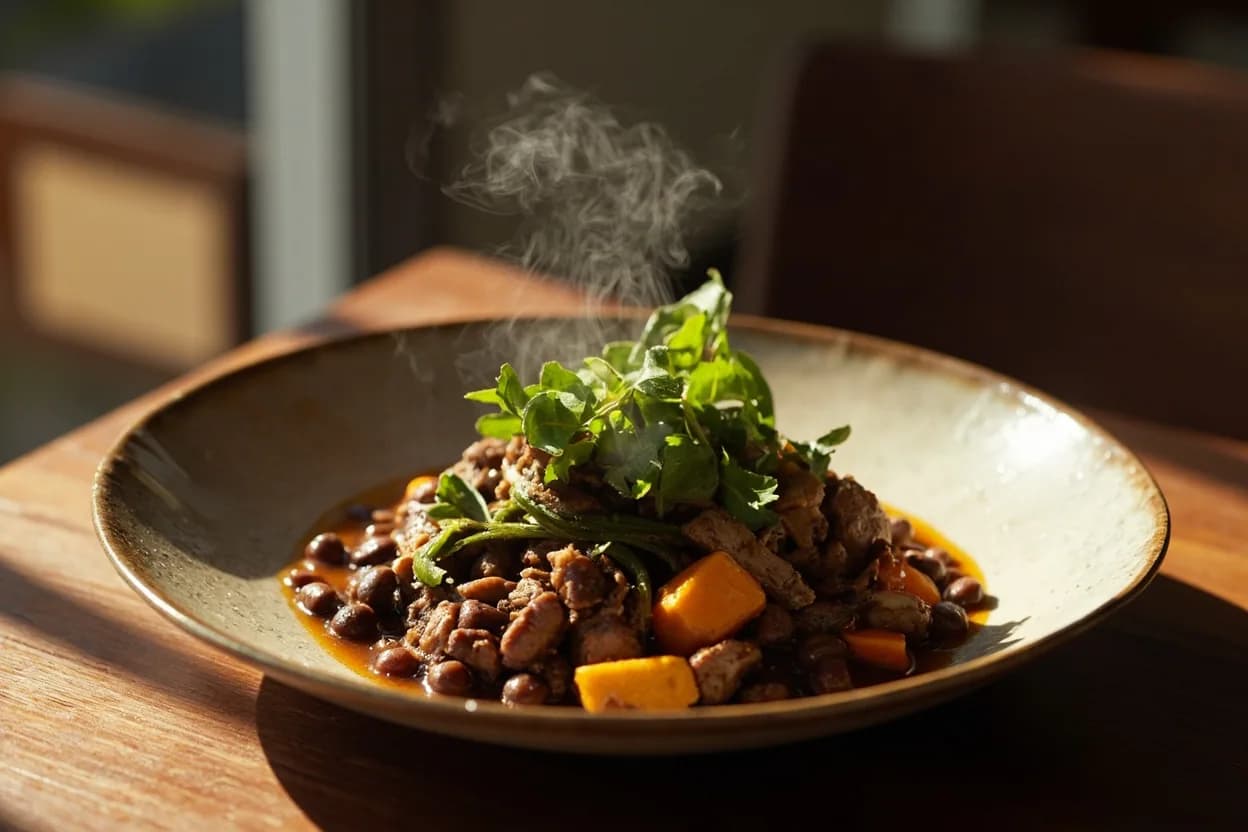
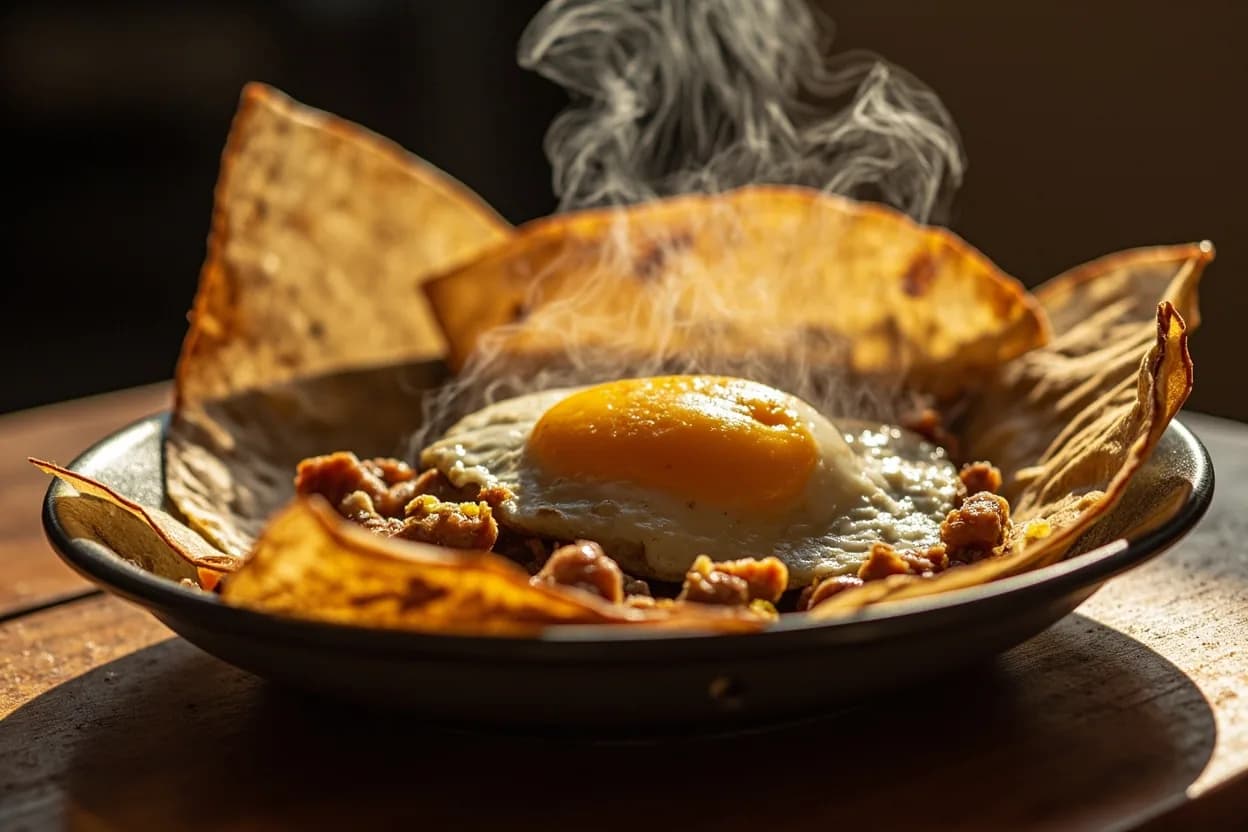
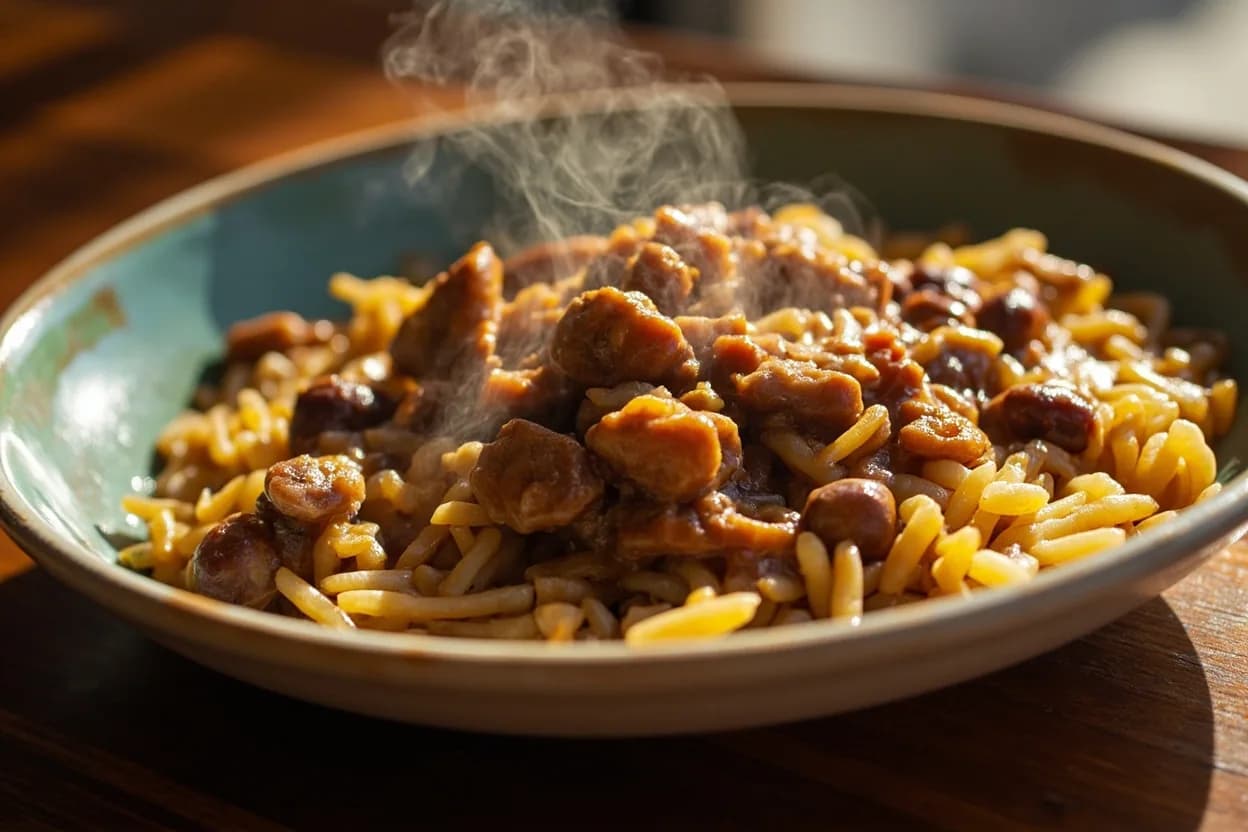
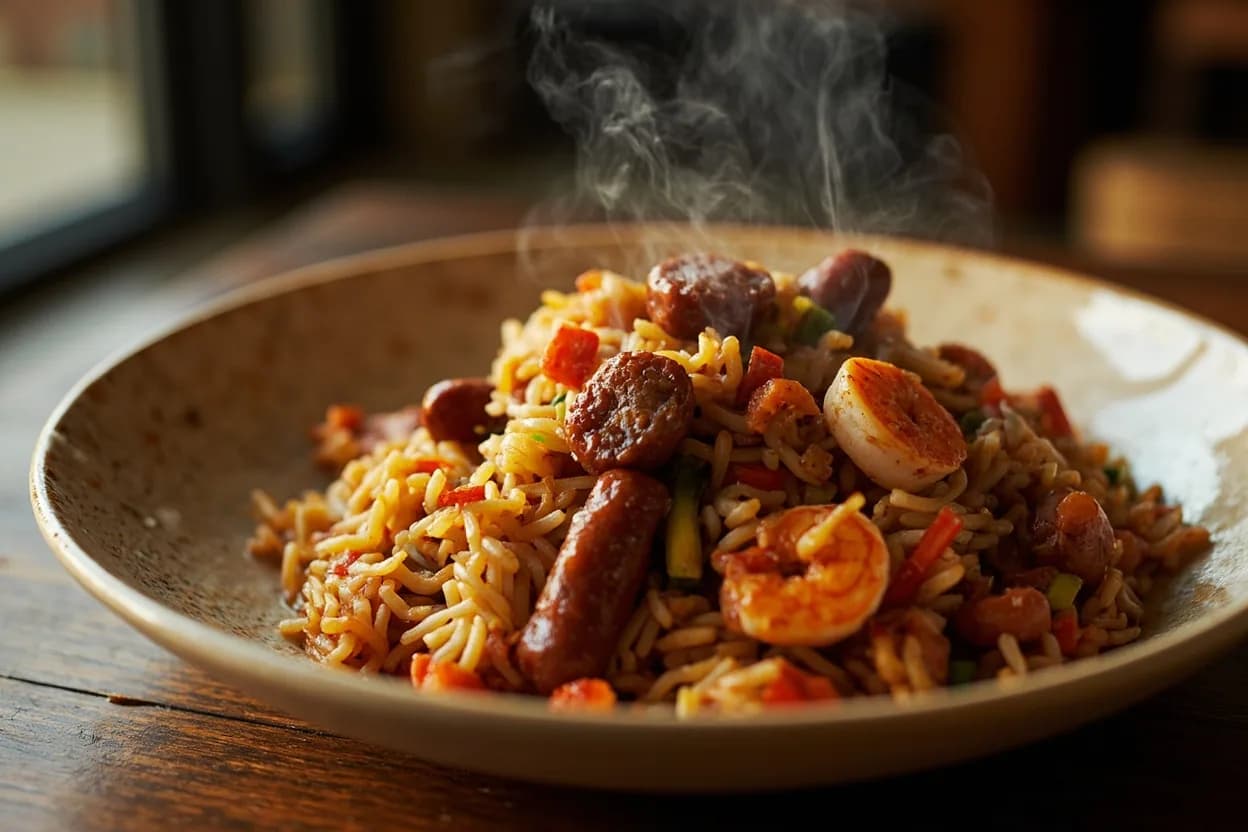
Related
Egg
The kitchen's everything ingredient — bind, leaven, enrich, or fry
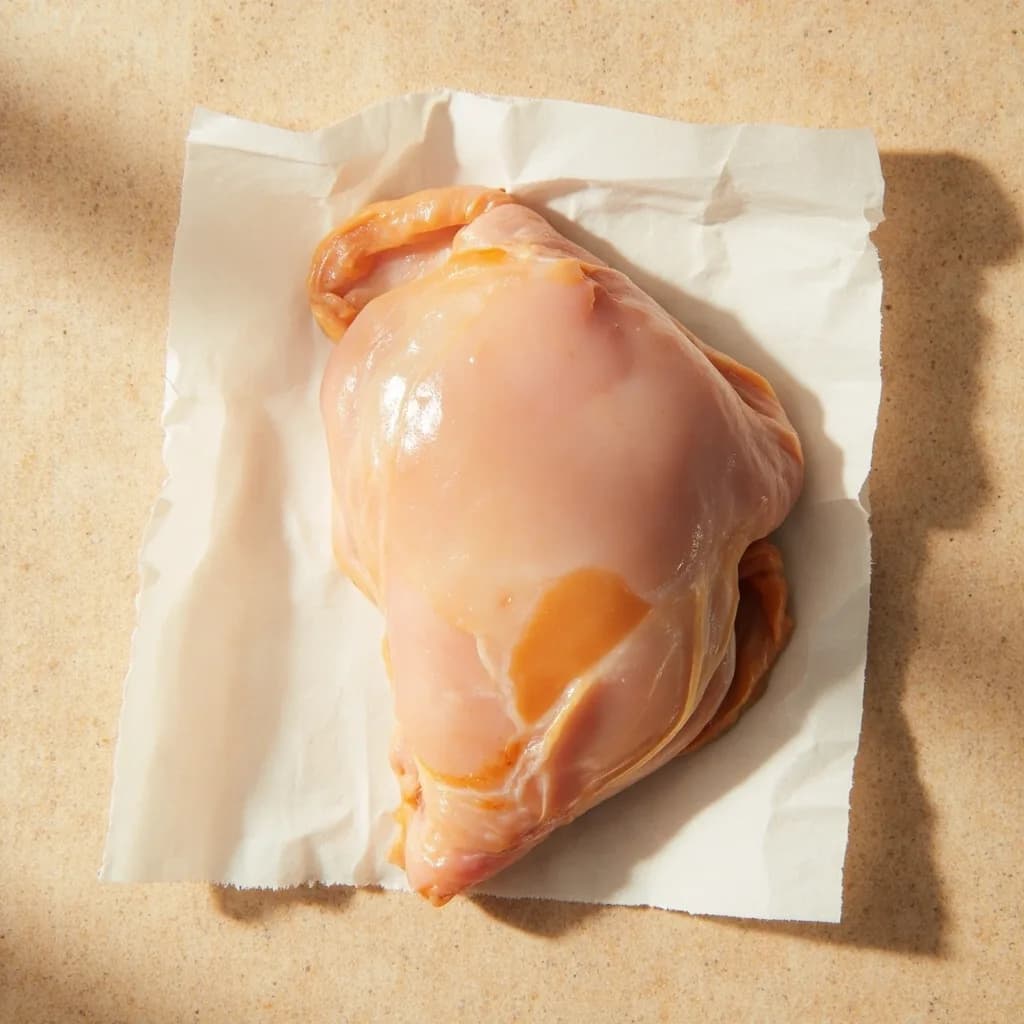
Chicken Breast
Lean, quick-cooking white meat for everyday dinners

Ground Beef
Versatile minced beef for burgers, ragù, tacos, and meatballs
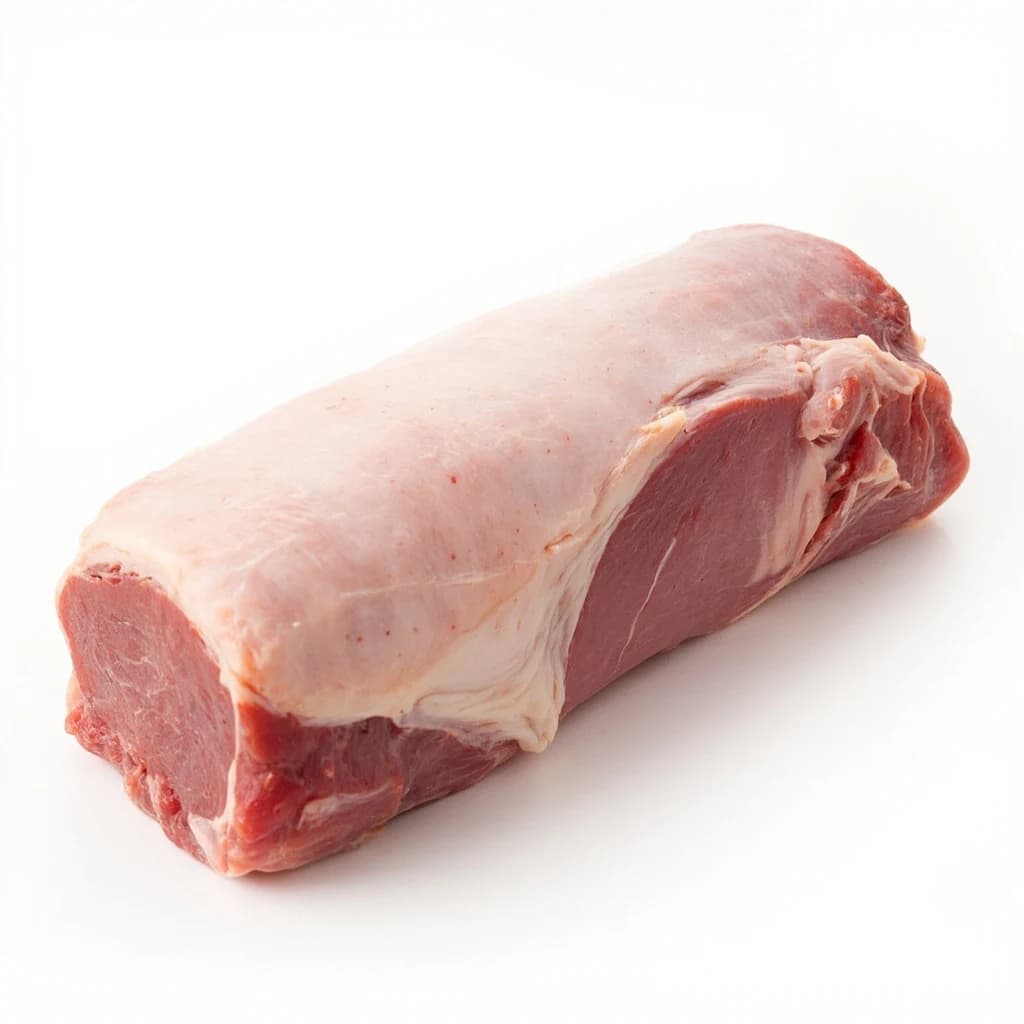
Pork Loin
Lean, tender roasting cut that stays juicy with care
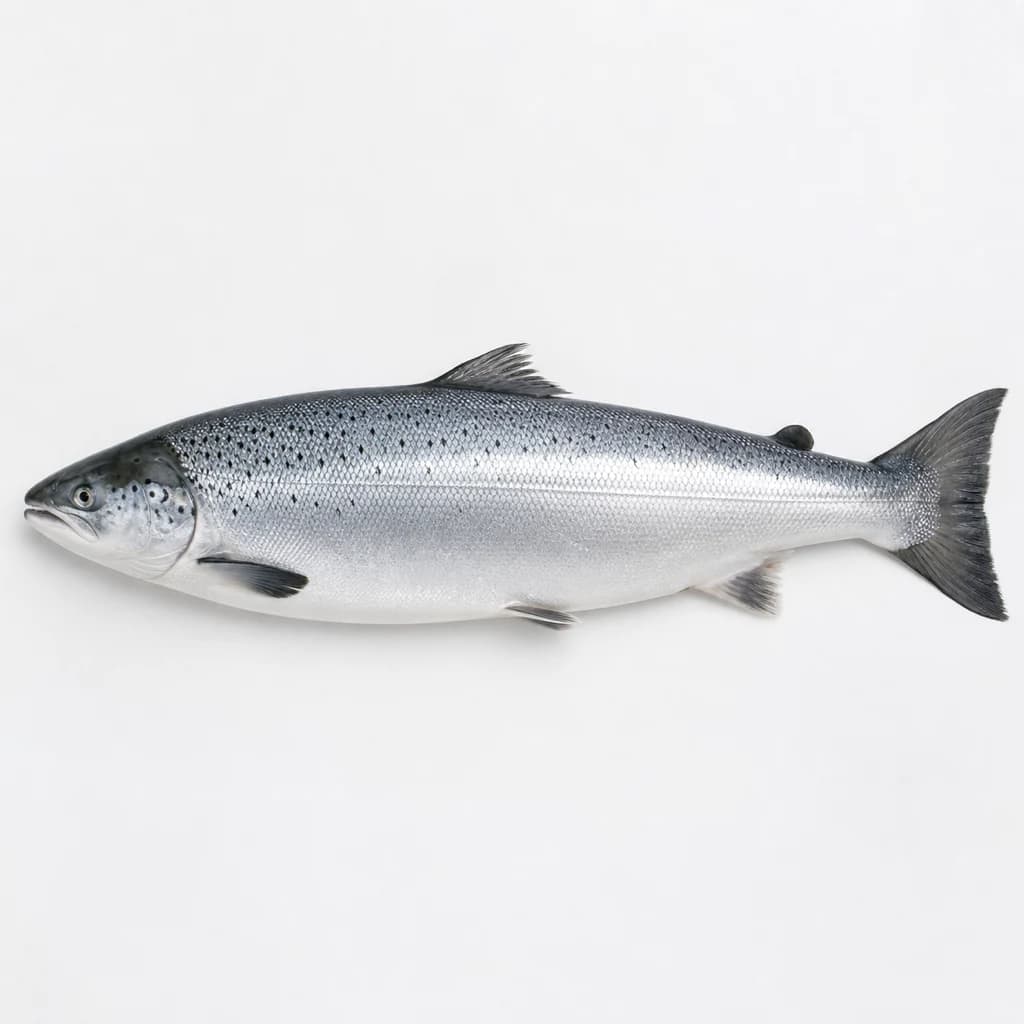
Salmon
Rich, rosy fish that roasts, grills, or cures beautifully

Egg White
Pure protein that whips to airy peaks for meringue and more
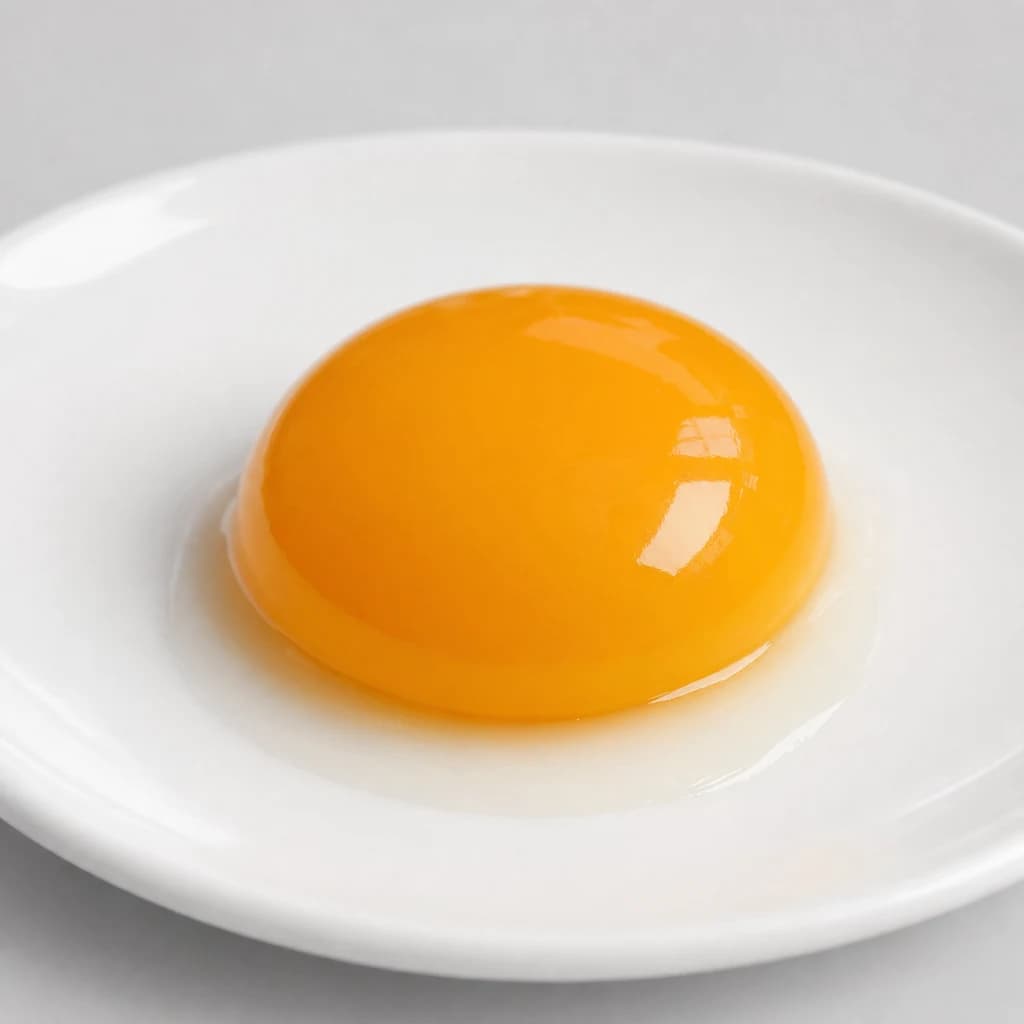
Egg Yolk
Rich, golden yolk for custards, mayonnaise, and pasta

Quail Egg
Tiny, speckled eggs for garnishing and elegant bites