
Natural form
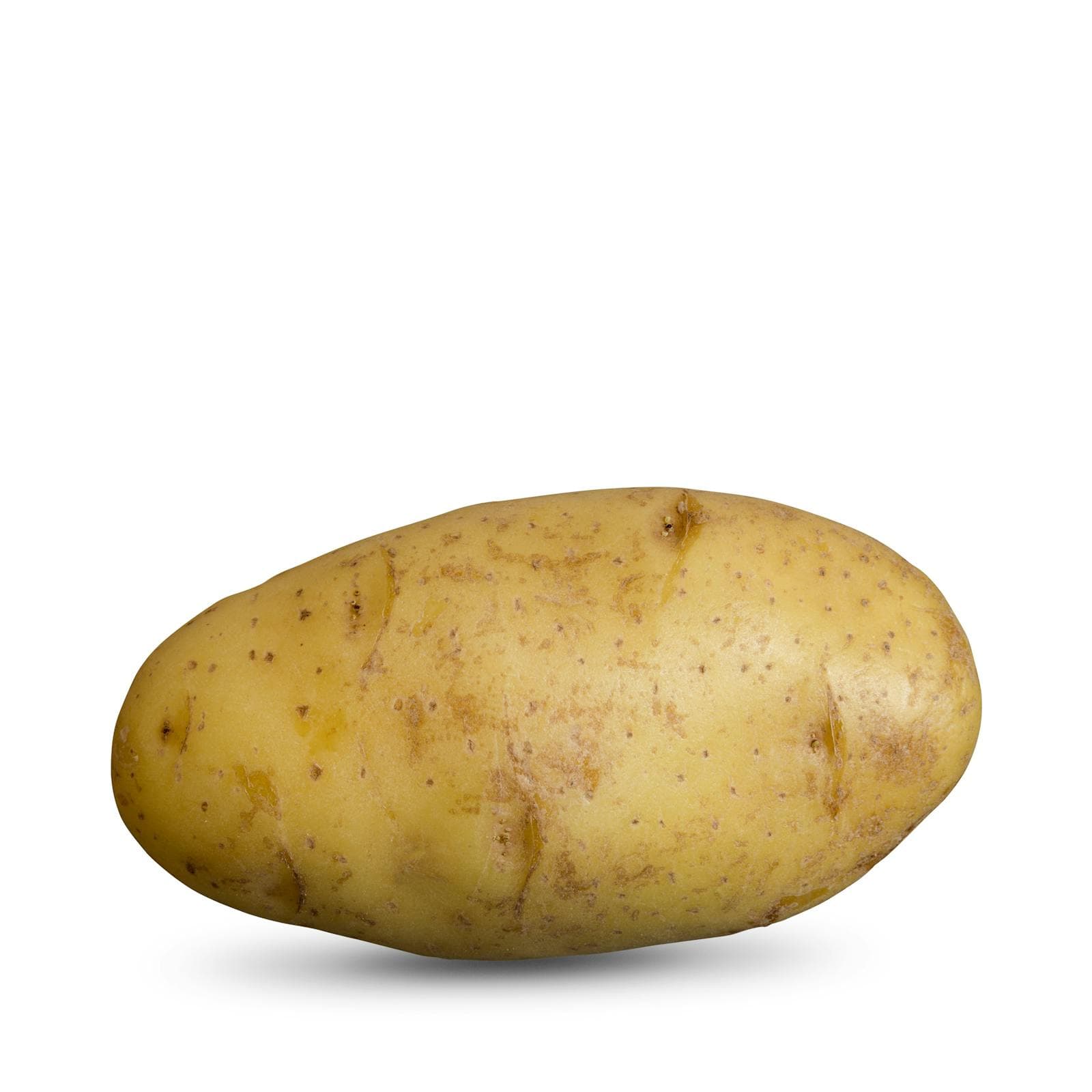
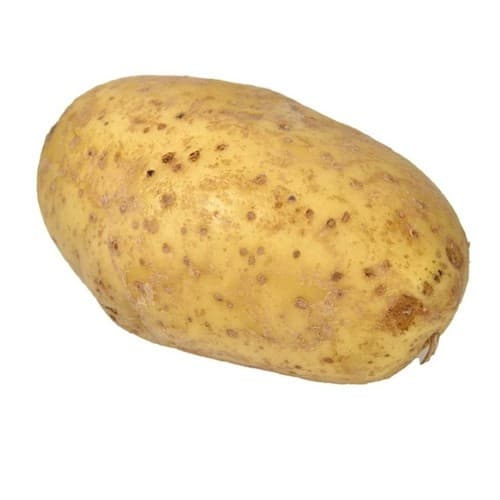
White potatoes in their unwashed state, showing pale tan skin and oval shape.
Shows the reader exactly what to expect when selecting white potatoes at a market — unprepped, true-to-life appearance.
Produce
White Potato (Papa Blanca)
All-purpose pale-fleshed potato, boiled, mashed, fried, or roasted across countless dishes.
The white potato is a versatile, pale-skinned, white-fleshed potato with a mild flavor and balanced starch that suits almost any preparation. It is boiled, mashed, roasted, and fried, and in Peru the papa blanca is served boiled under sauces like papa a la huancaina. Its neutral taste and creamy texture make it a dependable everyday staple.
White potato (Solanum tuberosum) is the workhorse of the home kitchen—a medium-starch tuber with thin, light-brown skin and white-to-cream flesh that has fed civilizations for over 8,000 years in the Andes before becoming a global staple. Unlike high-starch russets, which excel at baking but fall apart in liquid, or waxy new potatoes that hold their shape even when overcooked, white potatoes occupy a productive middle ground: their 15–17% starch content gives them enough body to mash smoothly without turning gluey, while their firm texture holds up during boiling, roasting, or extended simmering in stews. This versatility is precisely why serious cooks keep a bag on hand. Papa Blanca—the specific Andean variety still common in Peruvian and Latin American cuisine—runs slightly more waxy than commercial American whites and is prized for dishes like causa rellena and locro, but the broader category of white potatoes (including Yukon Gold, Kennebec, and Bintje) covers nearly every kitchen need. The key distinction from russets matters most in specific preparations: white potatoes produce a creamier, more cohesive mashed potato and hold their edges in salads where a russet would crumble, but they lack the fluffy interior a russet develops when baked.
- Measured in
- piece
- Storage
- Pantry
Types & varieties
Hybrid with light yellow flesh; often grouped with white potatoes; slightly waxy, good for boiling and roasting with a buttery flavor
Large, oblong, smooth skin; excellent all-purpose variety; widely grown in the U.S.; holds shape well when boiled
Dutch variety; pale yellow flesh; versatile; traditional for pommes frites in France and Benelux
The specific Andean variety; small to medium; very white flesh; slightly waxy; essential in Peruvian causa rellena, locro, and other Latin American preparations
Round, white-skinned; good for boiling and baking; mild, clean flavor
Japanese white potato; very smooth, almost wax-like texture; prized for new potato dishes and gratins
Commonly used for potato chips; medium-starch, white-fleshed
California variety; oblong, white-skinned; good all-purpose cooker
Understanding Starch Content and Cooking Behavior
Medium-starch white potatoes behave differently from both high-starch russets and waxy red potatoes. When cooked, their cell walls separate rather than completely disintegrating, giving you a creamy but not gluey texture in mashed potatoes and firm-but-tender pieces in salads and stews. This makes them the most forgiving potato for home cooks who want a reliable result across multiple preparations without thinking deeply about variety.
- High-starch (russets): Best for fluffy baked potatoes and light mashed potatoes; fall apart in stews
- Medium-starch (white potatoes): Best for creamy mashed potatoes, gratins, potato salads, and roasting
- Low-starch (waxy reds): Best for potato salads and boiling; dense texture doesn't mash smoothly
The Papa Blanca Distinction
True Papa Blanca is not simply a marketing term—it refers to the specific Andean cultivar still grown throughout Peru and Bolivia. It tends to be slightly more waxy than commercial white potatoes in American markets, with very white flesh that bruises easily and a delicate flavor that absorbs accompanying ingredients without overpowering them. In Peruvian cuisine, Papa Blanca is the foundation of causa rellena (a layered potato dish with seafood or chicken salad between coats of seasoned mashed potato) and locro (a hearty stew). When the recipe specifies Papa Blanca, it is worth seeking out at Latin grocery stores rather than substituting a standard commercial white potato, particularly for dishes where the potato is the centerpiece rather than an accompaniment.
- Look for Papa Blanca at Latin American grocery stores or specialty importers
- If unavailable, Yukon Gold or Superior are the closest commercial substitutes in texture and mild flavor
- Avoid russets as a substitute for Papa Blanca in traditional preparations—the texture is wrong for causa or locro
Common uses
Tips & pitfalls
- Store potatoes in a cool, dark, well-ventilated place; light causes solanine (greening) and produces bitter, potentially toxic compounds that cannot be cooked away.
- Never refrigerate white potatoes—cold temperatures convert starches to sugars, causing discoloration and off-flavors when cooked, particularly evident when frying.
- Keep potatoes away from onions—both emit ethylene and moisture that accelerate sprouting and decay in each other.
- For evenly cooked boiled potatoes, start in cold salted water and bring to a gentle boil; starting in boiling water creates uneven doneness with a raw center and waterlogged exterior.
- To prevent gray discoloration in cooked potatoes, hold boiled or mashed potatoes covered with a cloth (not plastic wrap) or a thin layer of cold water until ready to serve.
- For crispier roasted potatoes, parboil until just fork-tender, drain, then shake the pot vigorously to rough up the surface—this creates more crust-forming surface area.
- When making mashed potatoes, warm the butter and use warm milk or cream; cold dairy shocks the potatoes and produces a gluey texture.
- White potatoes oxidize (brown) quickly after peeling if left exposed to air; drop into cold water immediately if not cooking right away.
- For fluffier mashed potatoes, steam rather than boil—this preserves more starch structure and results in lighter texture.
- Do not use white potatoes when you want a fluffy baked potato with a dry, crumbling interior—reach for a russet instead.
Nutrition
Energy
289 kJ · per 100 g
Where the calories come from
Protein
1.7g
3% DV
Carbs
15.7g
6% DV
Fat
0.1g
0% DV
Fiber
2.4g
9% DV
Sugars
1.2g
of which
Sodium
16mg
1% DV
Source · USDA FoodData Central · Potatoes, white, flesh and skin, raw
View on FDC →In the shops
Matched grocery products
 €0.40
€0.40Potato
210 g · Mercadona
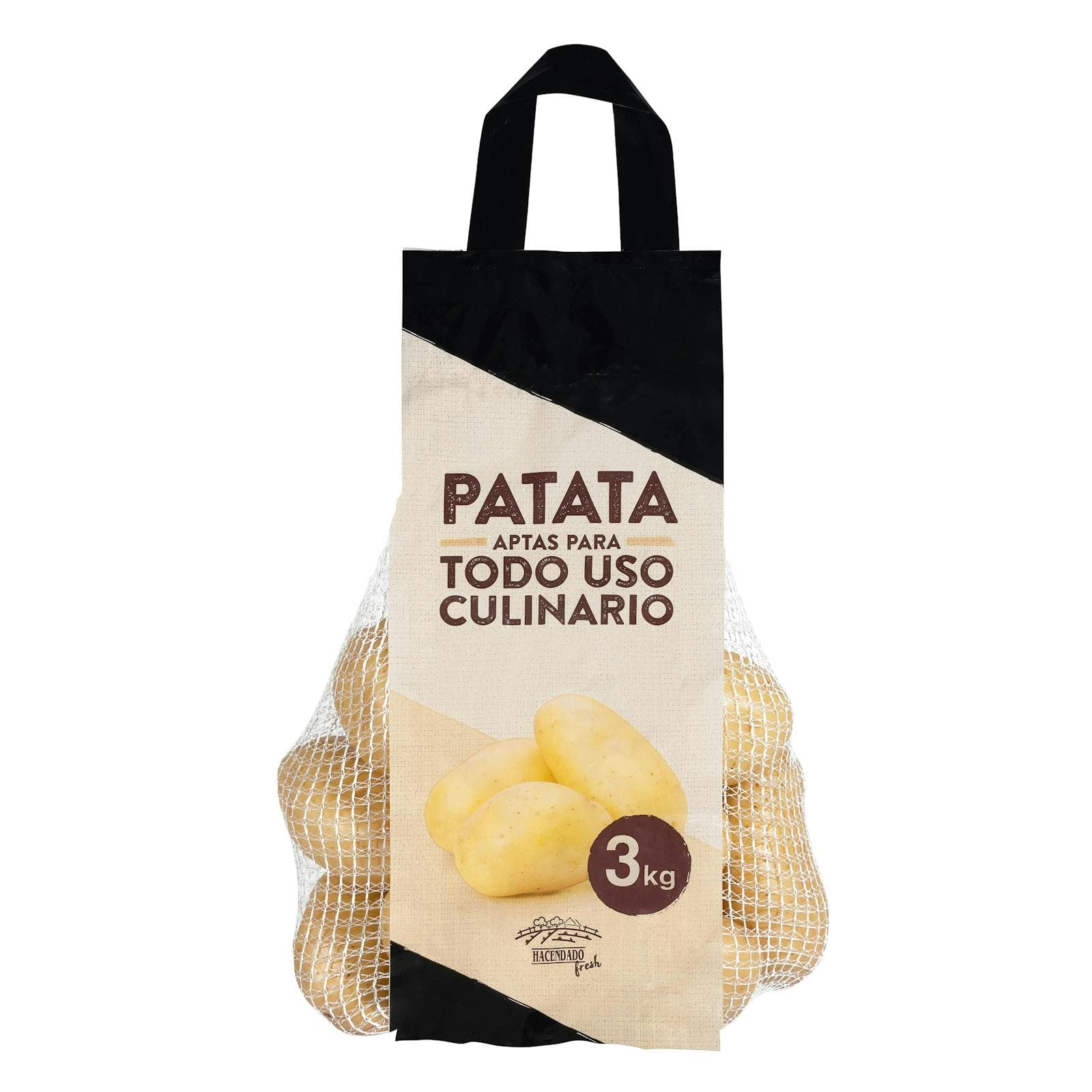 €4.65
€4.65Potatoes
3 kg · Mercadona
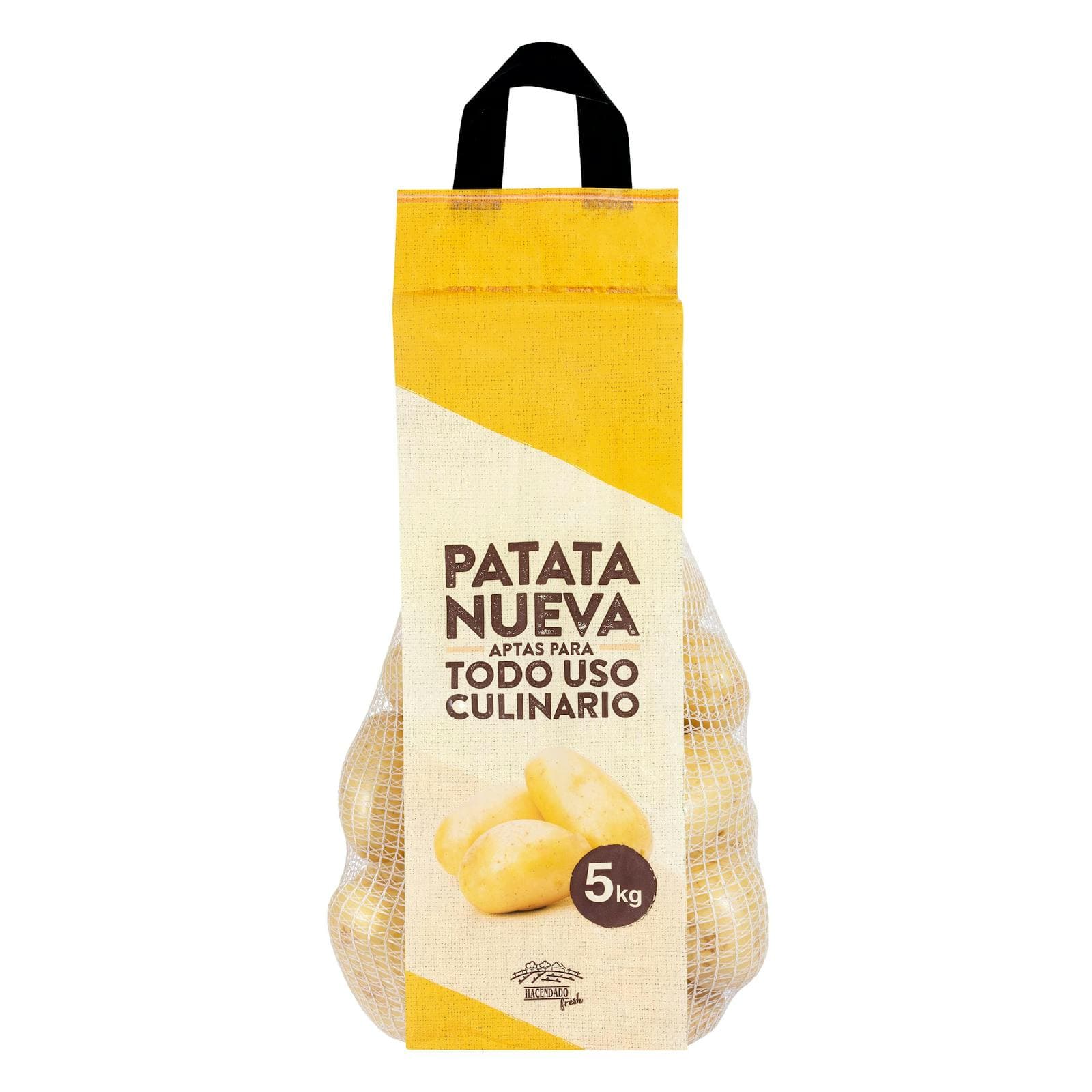 €5.60
€5.60Potatoes
5 kg · Mercadona
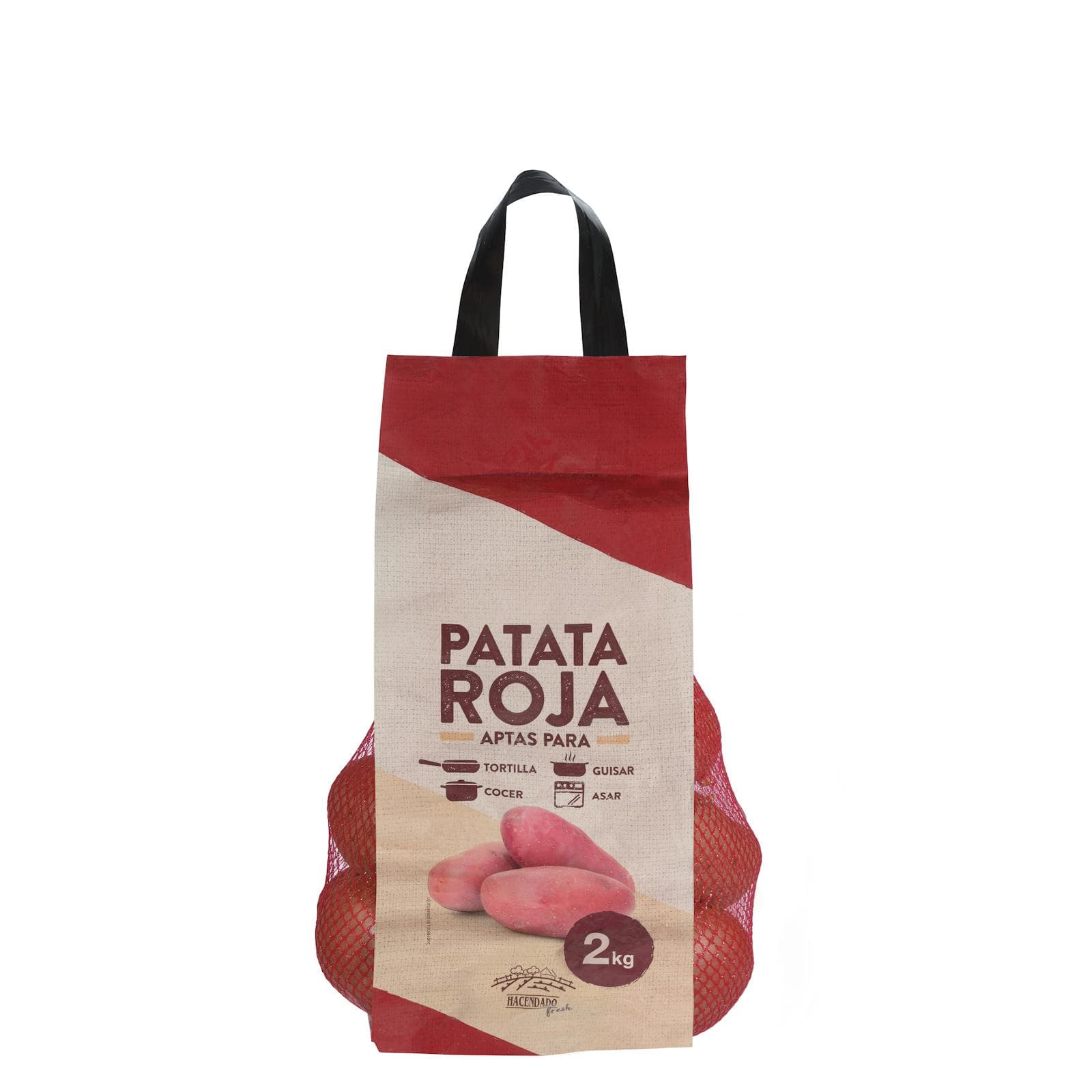 €3.80
€3.80Red Potatoes
2 kg · Mercadona
 €0.45
€0.45Potato 1 unit
Bonpreu
 €0.70
€0.70Potato 1 unit
ud · Bonpreu
Good to know
- Scientific Name
- Solanum tuberosum
- Origin
- Andes Mountains of South America (Peru, Bolivia); cultivated for over 8,000 years
- Starch Content
- Medium (15–17%); prevents glueyness when mashed but holds shape when boiled
- Skin
- Thin, light brown to beige; generally peeling optional
- Flesh Color
- White to cream
- Shelf Life
- 2–3 weeks in cool (45–50°F), dark, well-ventilated storage; never refrigerate
- Specific Gravity
- 1.055–1.065 (medium); ideal for multiple cooking methods
- Best Cooking Methods
- Boiling, mashing, roasting, gratins, stews, gnocchi
Substitutes
- Russet Potato — Higher starch; acceptable for mashing and frying, but may become too soft for potato salads or gratins where you want clean slices
- Yellow Finn or Yukon Gold — Slightly waxy; best direct substitute for boiling and roasting; offers a slightly richer, buttery flavor that works in most preparations
- Red Potatoes — Waxy; acceptable for boiling and salads; not ideal for mashing due to denser texture; avoid when a fluffy or creamy result is desired
- Sweet Potato (white varieties) — Not a true substitute; different flavor and texture profile; usable in some savory preparations but fundamentally different cooking behavior
Pairs with
Also called
Papa Blanca · White Potato
Appears in these dishes
Related
Tomato
Juicy, sun-sweet fruit for sauces, salads, and slow-cooked depth
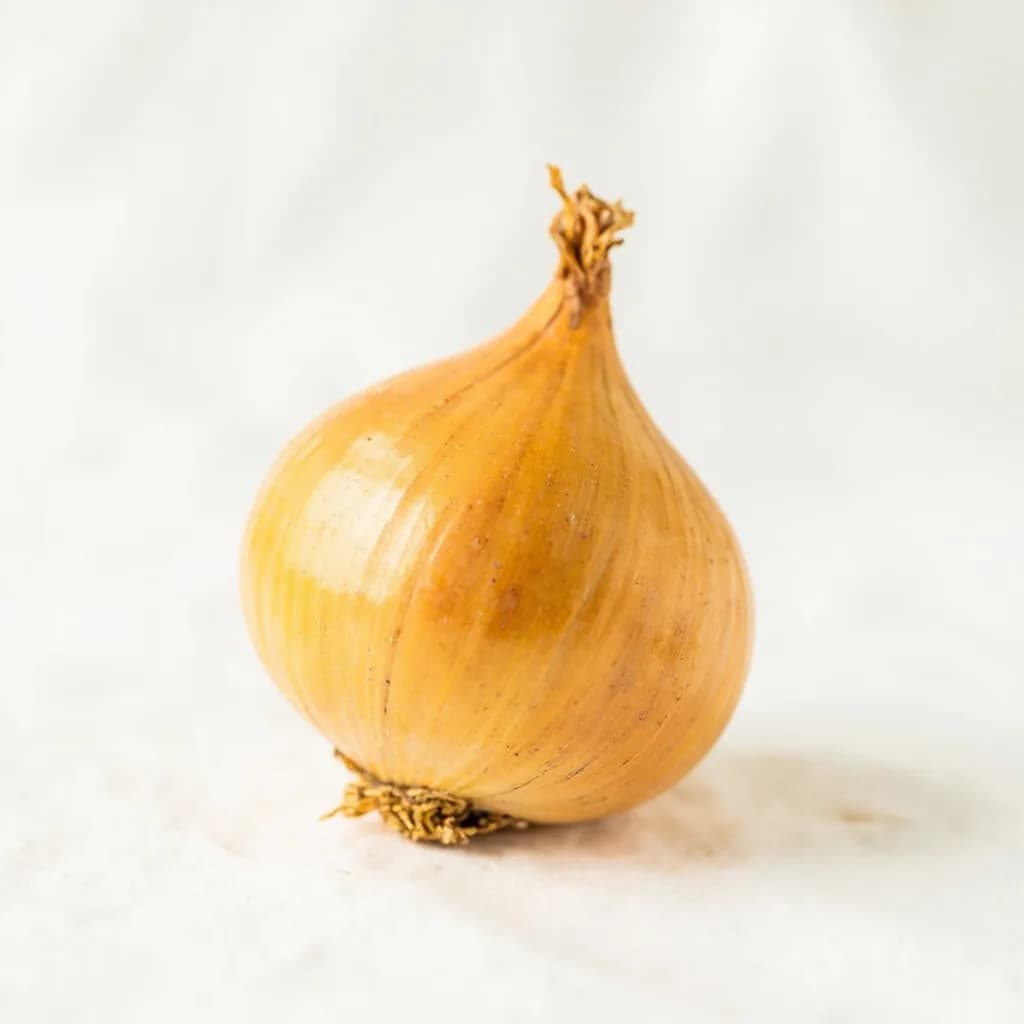
Yellow Onion
The aromatic backbone of soups, sofritos, and braises
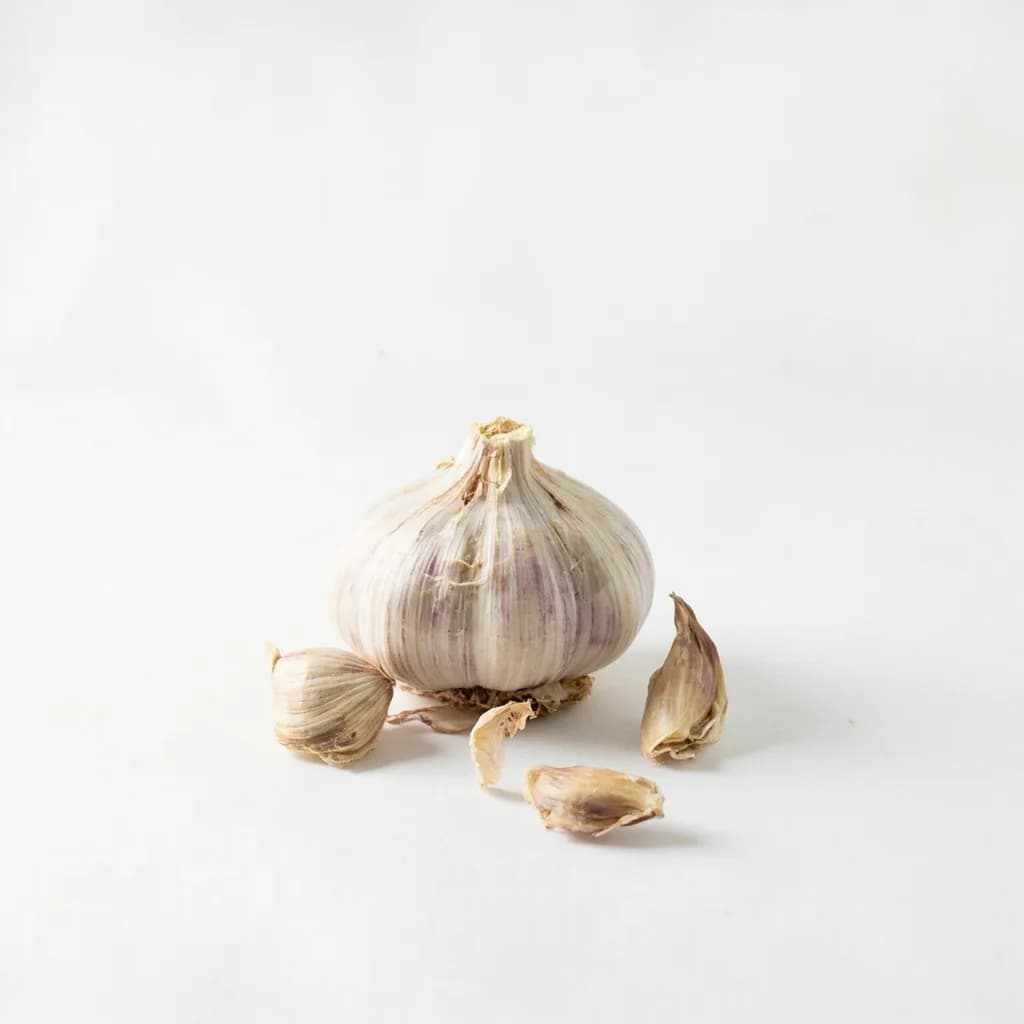
Garlic
Pungent cloves that perfume nearly every savory dish
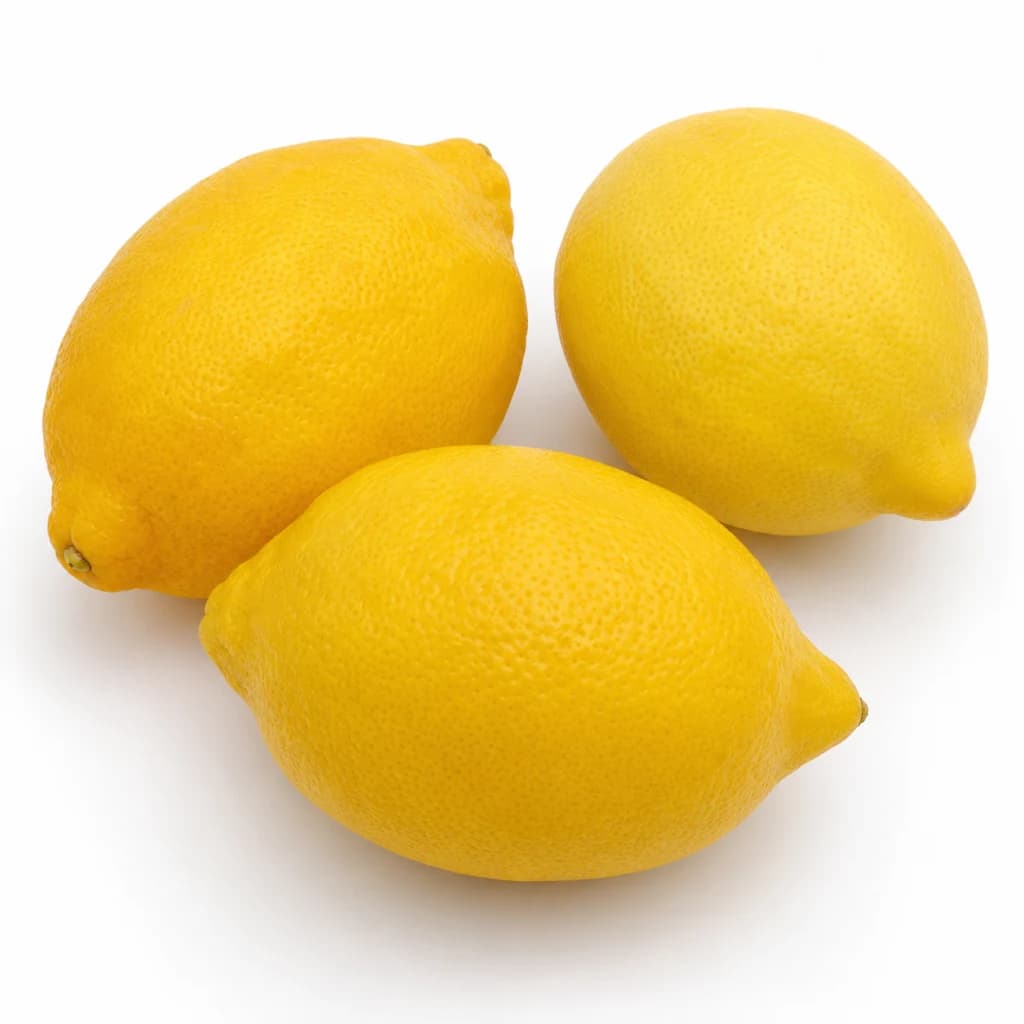
Lemon
Bright, acidic citrus that wakes up almost any dish
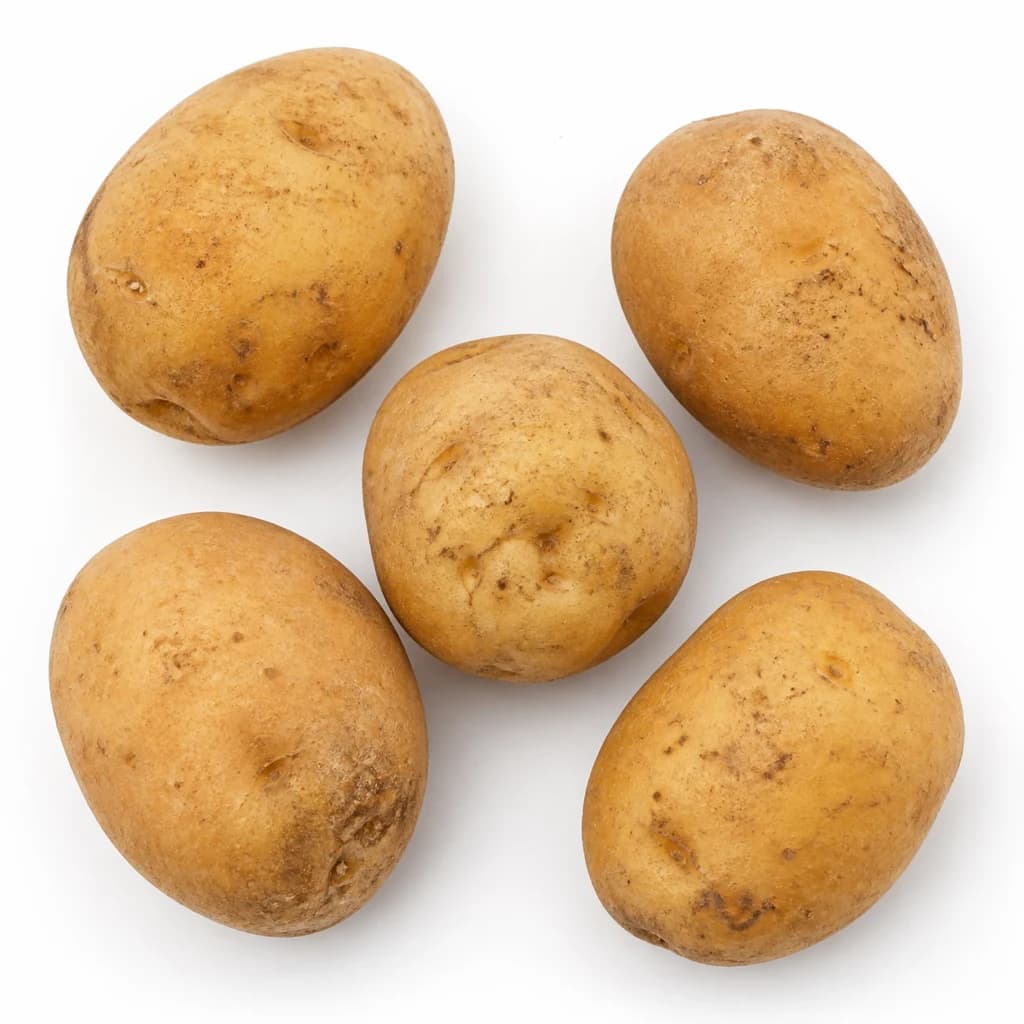
Potato
Humble, hearty staple — roast, mash, fry, or boil
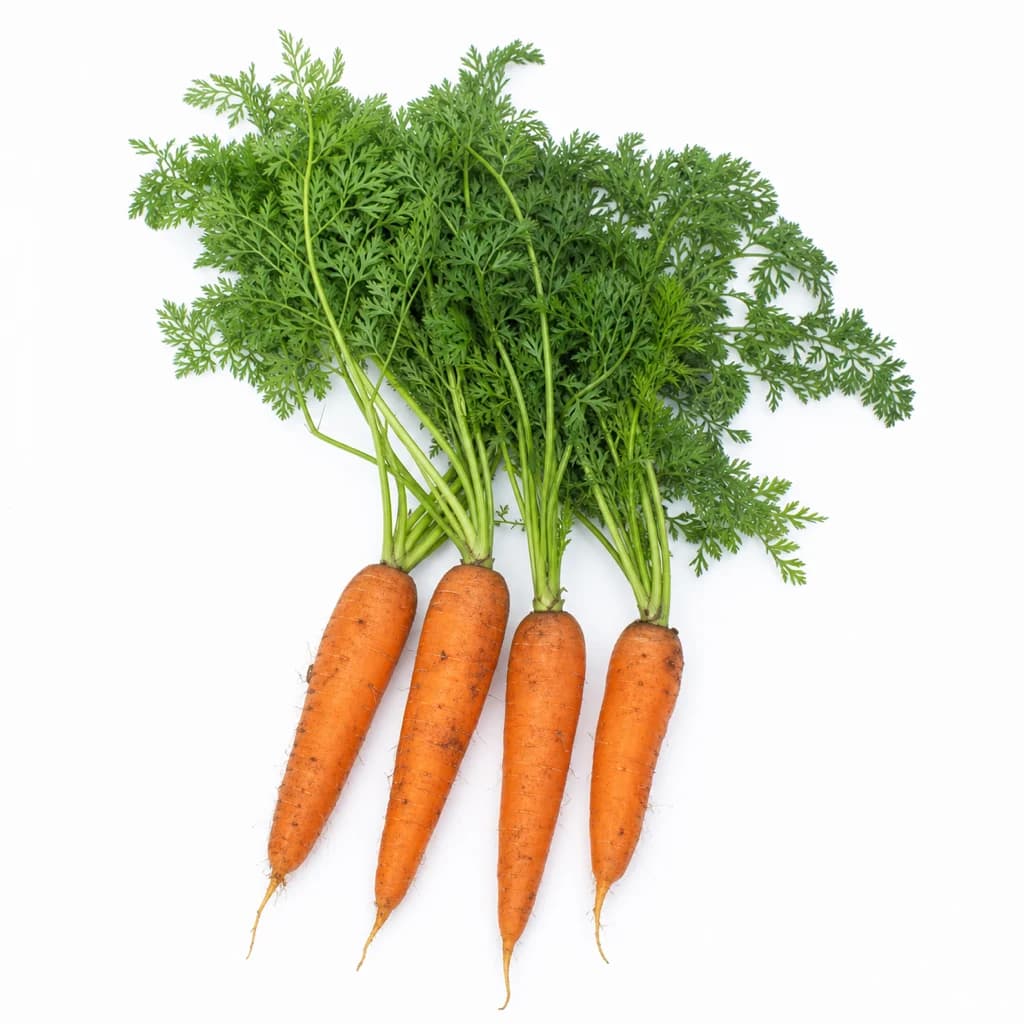
Carrot
Sweet, crunchy root — raw, roasted, or the base of a sofrito
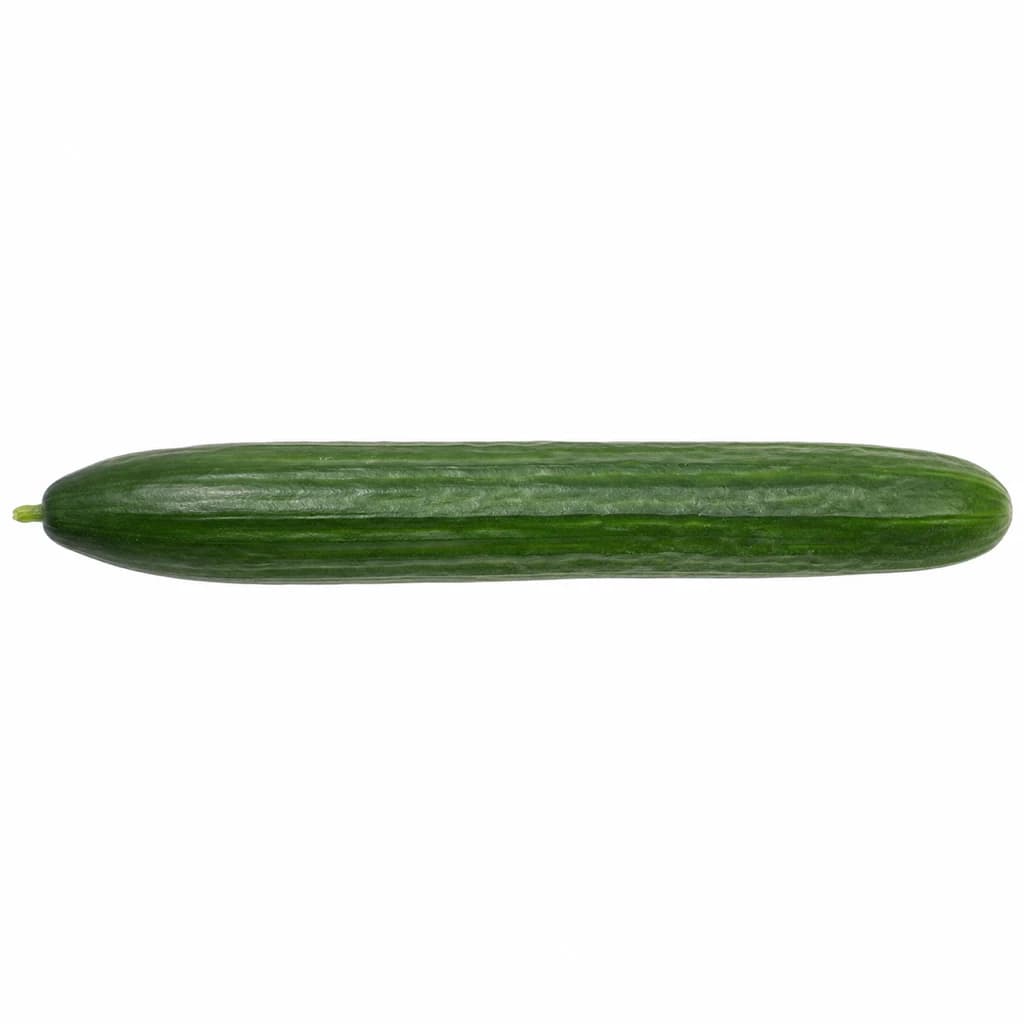
Cucumber
Cool, crisp, and watery — for salads, pickles, and tzatziki

Lettuce
Crisp leaves for salads, wraps, and a fresh crunch