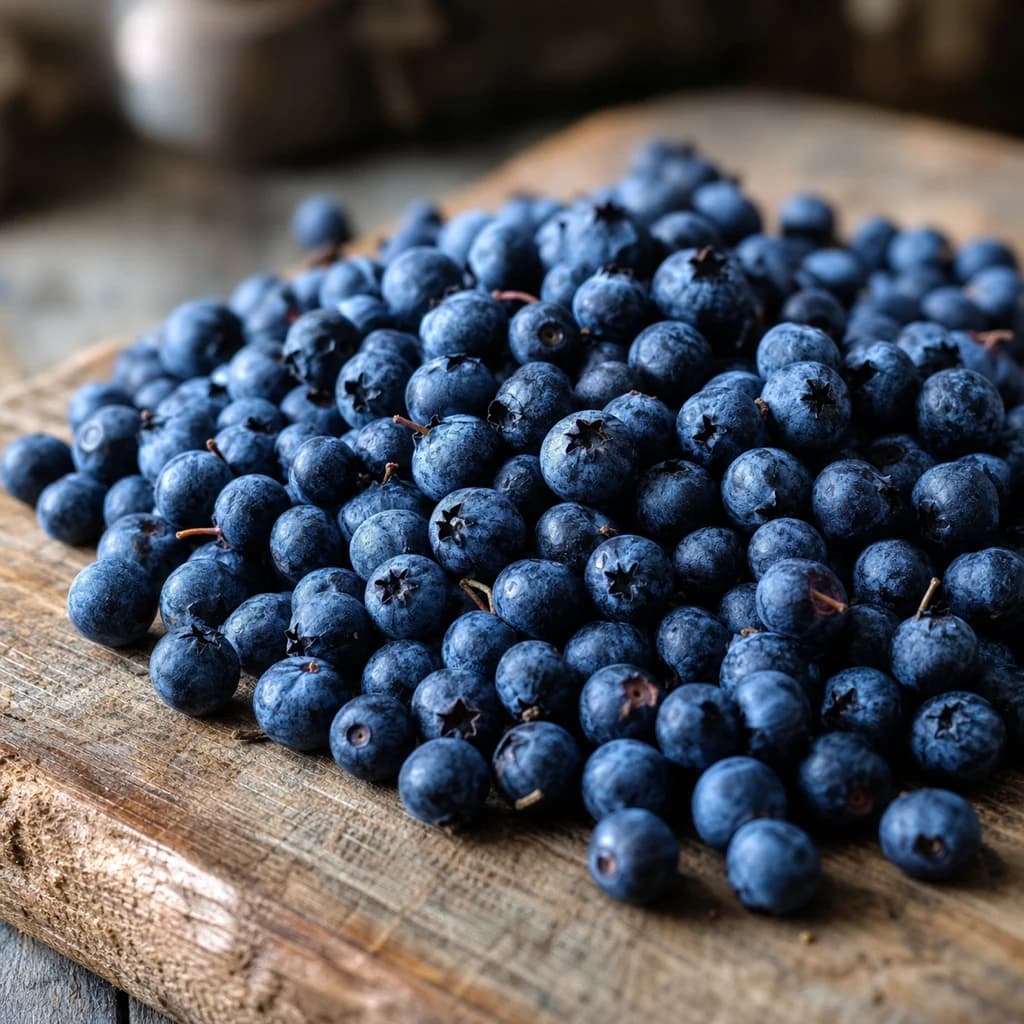
Natural form
Wild blueberries shown fresh off the bush, clusters of small dark-blue berries with dusty bloom.
Shows the berry's defining small size, deep color, and dusty bloom that distinguish wild from cultivated blueberries.
Produce
Wild Blueberry
Small, intensely flavored blueberry used fresh or frozen in baking and jams.
Wild blueberries are smaller and more intensely flavored than cultivated blueberries, with a deeper, sweet-tart taste. Common in northeastern North America (bleuet sauvage in Quebec), they are eaten fresh, baked into pies and muffins, and cooked into jams and sauces. They freeze well and hold their shape and color in baking.
Wild blueberries (Vaccinium angustifolium) are a distinct species from the cultivated highbush blueberries found in most supermarkets. Growing low to the ground on semi-woody shrubs in native blueberry barrens—primarily in Maine and the Canadian Maritime provinces—these petite berries develop intense, complex flavor in acidic, nutrient-poor soils. The flavor concentration comes from their smaller size and higher skin-to-flesh ratio, making every berry pack significantly more punch than their cultivated cousins. Commercially, wild blueberries are almost always sold frozen (individually quick frozen, or IQF), which preserves their flavor and nutrients; fresh wild blueberries remain a seasonal specialty available primarily at farmers' markets in growing regions during July and August.
What sets wild blueberries apart is their anthocyanin content—these pigments responsible for the deep blue-purple color and antioxidant properties are present in significantly higher concentrations than in cultivated varieties. The flesh ranges from white to purple-tinged, and the skin-to-flesh ratio means these berries burst more readily and release their color and flavor more intensely in cooking. When a recipe specifies wild blueberries, substituting cultivated blueberries without adjustment will yield a disappointingly mild result. As a rule of thumb, use roughly 1.5 times the amount of cultivated blueberries to approximate the same berry impact, or reduce the wild blueberry quantity slightly when adapting a wild-blueberry recipe to cultivated ones.
Wild blueberries perform differently in the kitchen than cultivated varieties. Their higher natural pectin content and lower moisture mean they behave distinctively in jam-making and resist bleeding in applications with longer bake times. However, their more delicate structure also means they burst more readily—gentle handling and minimal mixing after incorporation are essential to keeping them intact in batters and doughs.
- Measured in
- g
- Storage
- Freezer
Types & varieties
The primary commercial wild blueberry; small, intensely flavored, grown natively in Maine and Canada
Hybrid of lowbush and highbush, developed for northern home gardens; disease-resistant, compact plants, berries slightly larger than true wild varieties
Modern Canadian cultivated lowbush variety with larger fruit and excellent flavor retention after freezing
Common uses
Tips & pitfalls
- Always add frozen wild blueberries directly from the freezer to batters and doughs to prevent them from bleeding and sinking during baking.
- Toss berries lightly in flour or cornstarch before folding into thick batters (like muffin or cake batter) to help distribute them evenly and prevent clumping.
- Because wild blueberries burst more readily than cultivated ones, handle gently and avoid overmixing batter after adding berries.
- When making jam, wild blueberries require less added pectin than cultivated varieties due to their higher natural pectin content and lower moisture.
- For a more intense berry flavor in baked goods, compensate by reducing the total fruit content slightly—wild blueberries deliver stronger flavor per berry, and too many can overwhelm delicate batters.
- To prevent a blue-gray discoloration in dairy-based applications (like yogurt or cream pies), add a small amount of lemon juice to brighten the color and prevent the anthocyanins from reacting with milk proteins.
- Do not wash fresh berries until just before using; excess moisture accelerates spoilage.
Nutrition
Energy
238 kJ · per 100 g
Where the calories come from
Protein
0.7g
1% DV
Carbs
14.5g
5% DV
Fat
0.3g
0% DV
Fiber
2.4g
9% DV
Sugars
10g
of which
Sodium
1mg
0% DV
Source · USDA FoodData Central · Blueberries, raw
View on FDC →In the shops
Matched grocery products
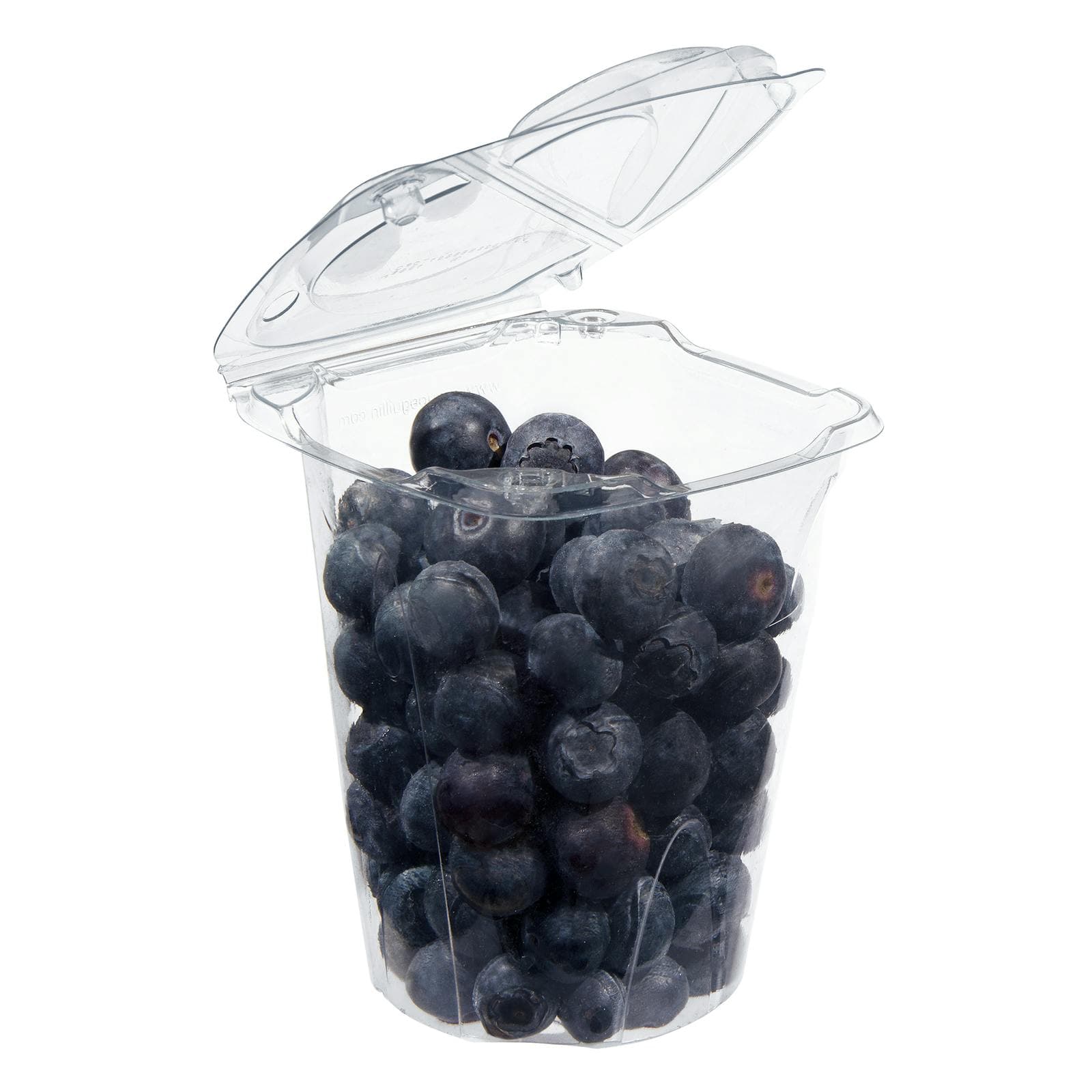 €3.20
€3.20Blueberries
225 g · Mercadona
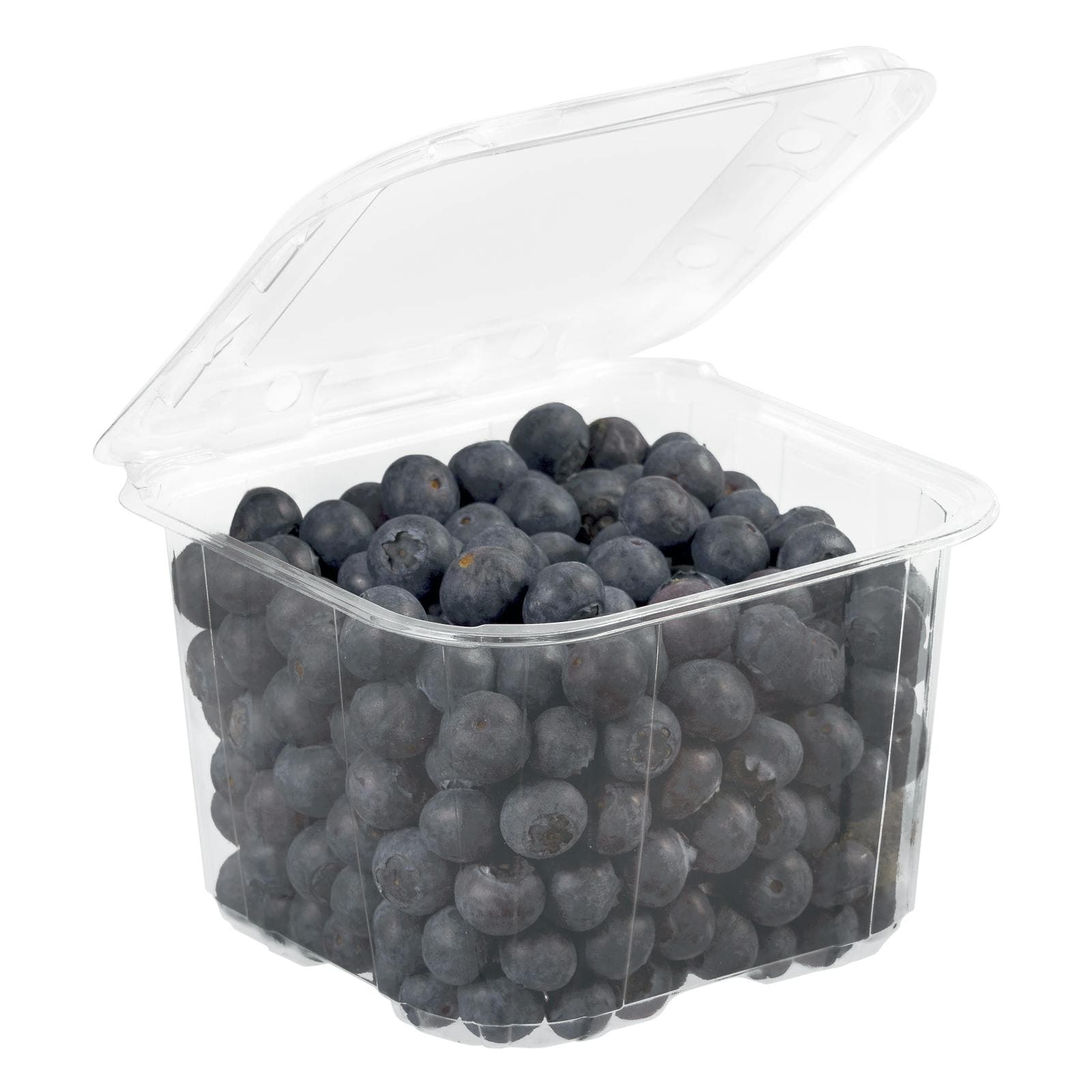 €6.00
€6.00Blueberries
500 g · Mercadona
 €2.99
€2.99Ecological Blueberries in Terrine 125g
LA COLLITA · kg · Bonpreu
 €2.59
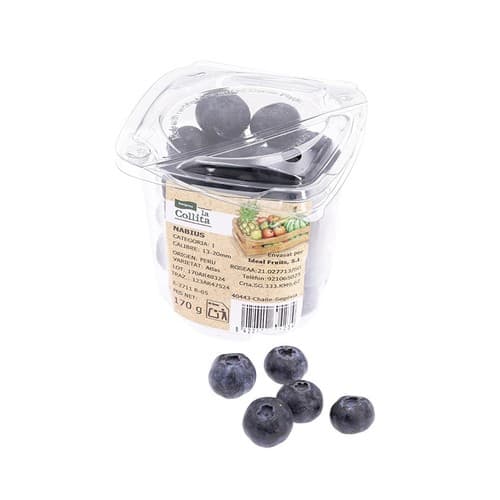
€2.59LA COLLITA Nabius Terrine 170 g
LA COLLITA · kg · Bonpreu
Good to know
- Species
- Vaccinium angustifolium (lowbush)
- Origin
- Northeastern North America; Maine and Atlantic Canada produce most of the world's supply
- Size
- 1/4 to 1/2 inch diameter—about half the size of cultivated blueberries
- Season
- Fresh: July through August; frozen available year-round
- Flavor
- More concentrated and complex than cultivated blueberries; higher sugar-to-acid ratio, deeper berry flavor
- Color
- Deep blue-purple skin; flesh ranges from white to purple-tinged
- Anthocyanins
- Significantly higher than cultivated varieties; responsible for intense color and antioxidant content
- Yield
- 1 pint fresh = approximately 2 cups; 1 pound frozen = approximately 3 cups
- Storage (fresh)
- Refrigerate unwashed in a single layer; use within 1–2 weeks
- Storage (frozen)
- Freeze unwashed on a sheet pan until solid, then transfer to airtight bags; 10–12 months
Substitutes
- Cultivated (highbush) blueberries — Larger and milder; use 1.5× the amount specified for wild blueberries to approximate the same berry impact
- Bilberries — European wild blueberry with similar size and intense flavor; harder to find in North America but closest flavor match
- Frozen cultivated blueberries (unthawed) — Can substitute directly for frozen wild blueberries in baking; expect slightly larger berries and milder flavor
- Huckleberries — Smaller, more seeded, and tarter; excellent substitute in pies and preserves but add a slight resinous note
- Blackberries — Different berry character but similar intensity; use in similar applications; reduce quantity slightly as they are juicier
Pairs with
Also called
Bleuet Sauvage · Lowbush Blueberry
Appears in these dishes
Related
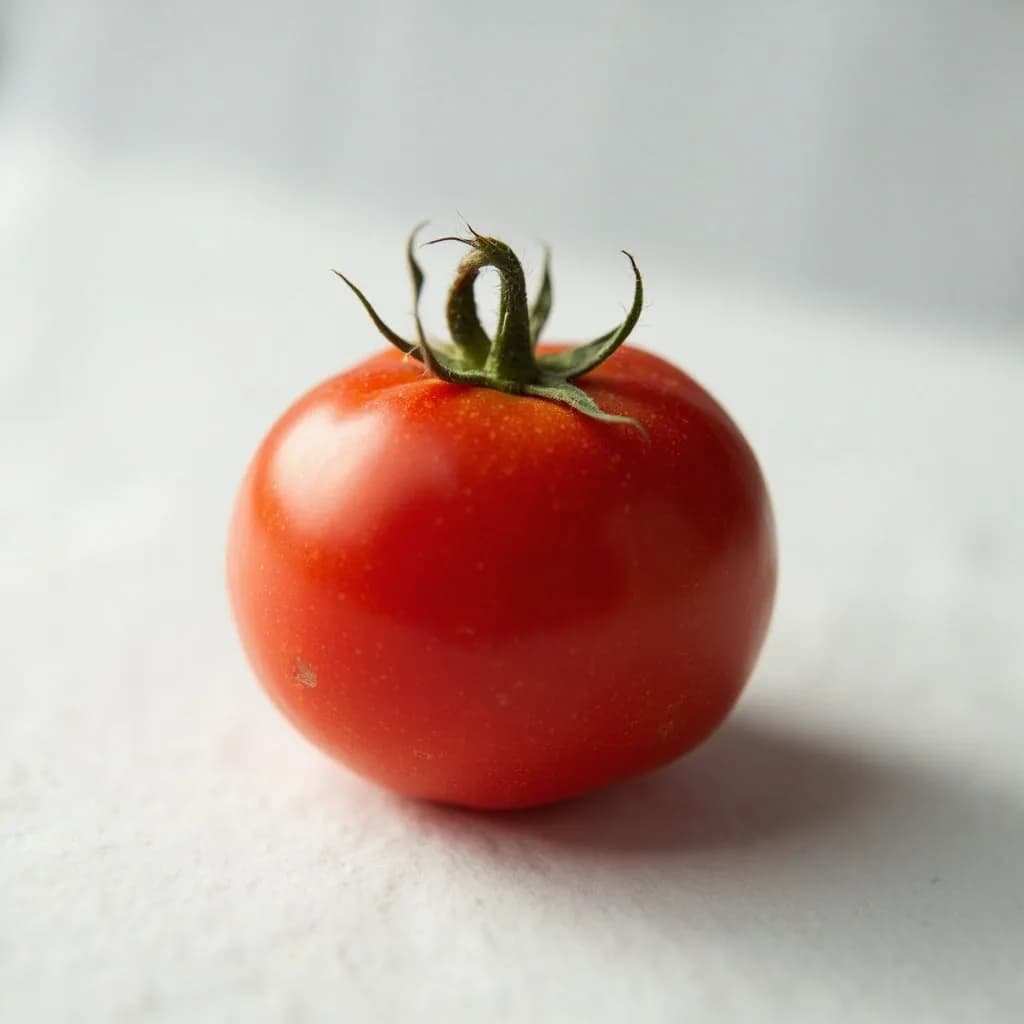
Tomato
Juicy, sun-sweet fruit for sauces, salads, and slow-cooked depth
Yellow Onion
The aromatic backbone of soups, sofritos, and braises
Garlic
Pungent cloves that perfume nearly every savory dish
Lemon
Bright, acidic citrus that wakes up almost any dish
Potato
Humble, hearty staple — roast, mash, fry, or boil
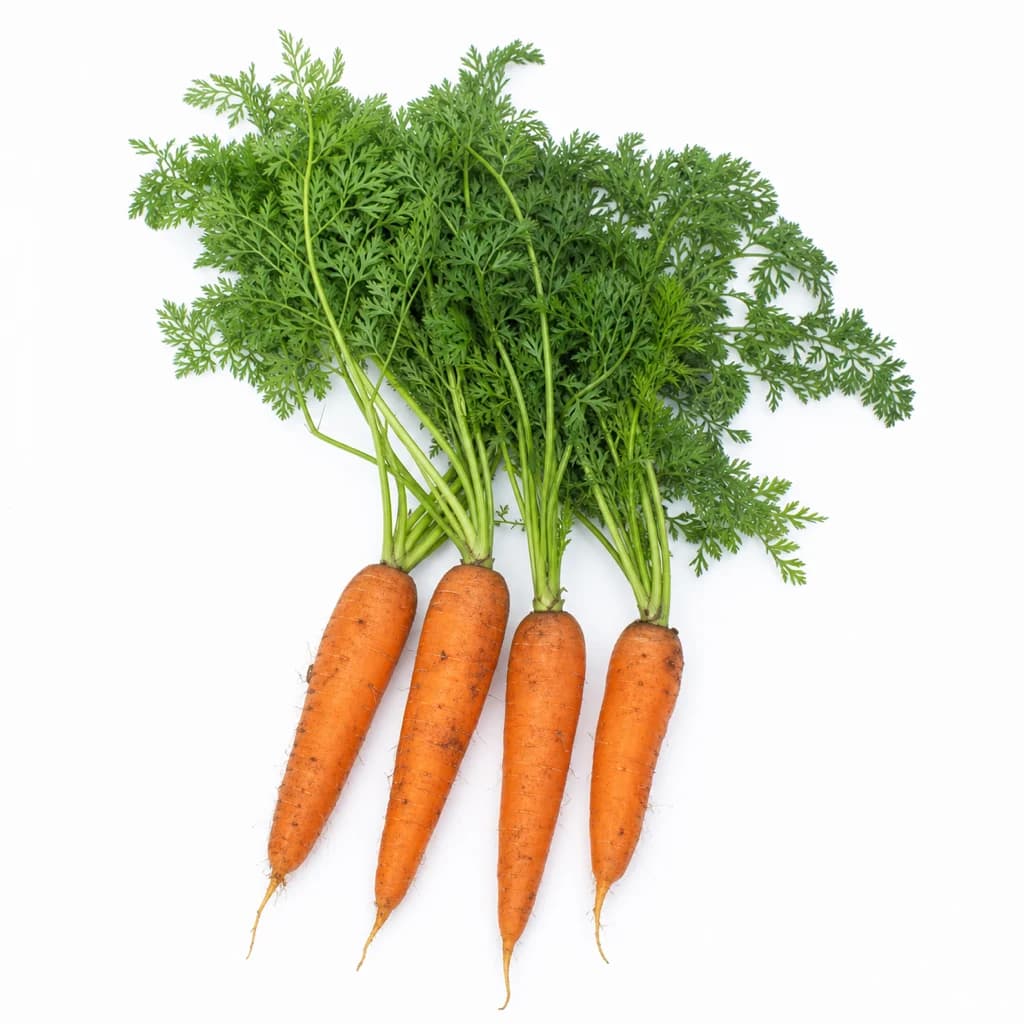
Carrot
Sweet, crunchy root — raw, roasted, or the base of a sofrito
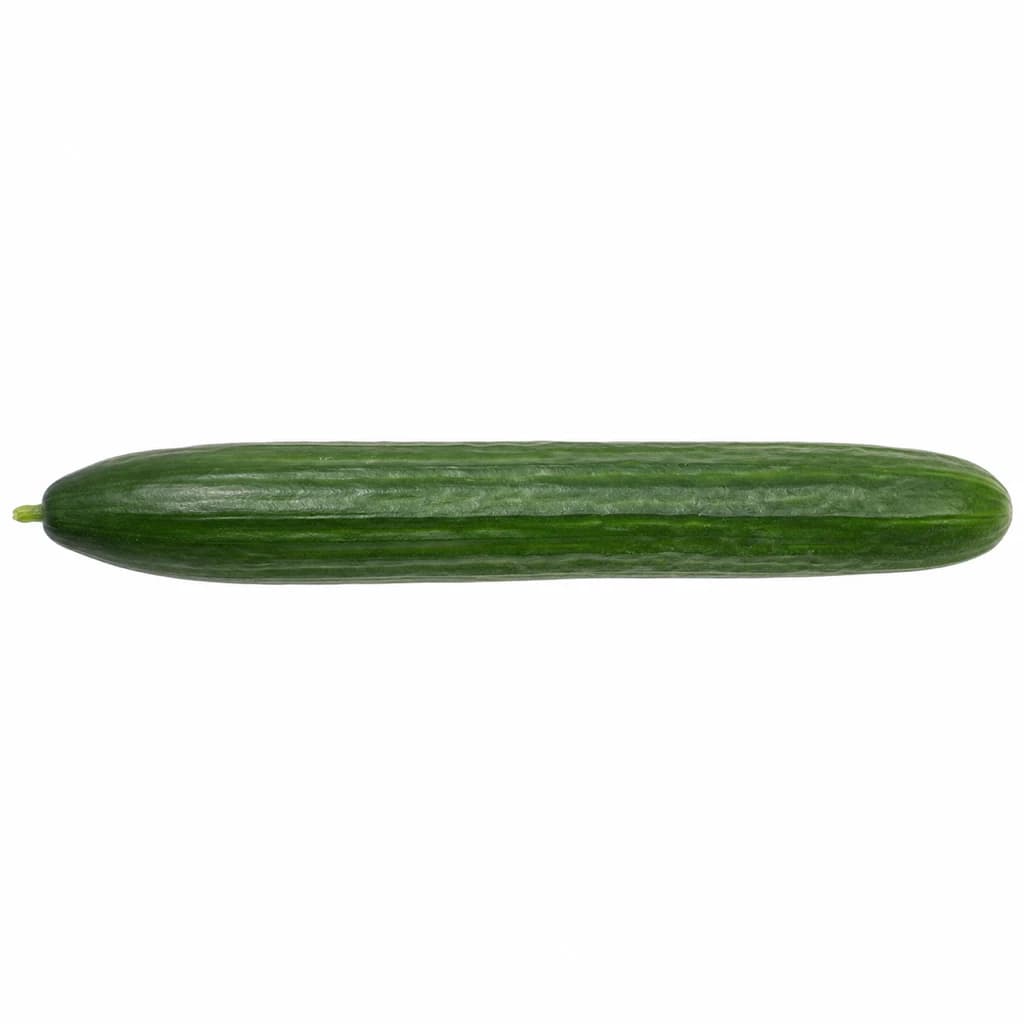
Cucumber
Cool, crisp, and watery — for salads, pickles, and tzatziki

Lettuce
Crisp leaves for salads, wraps, and a fresh crunch