
Natural form
Live wild clams with tightly closed shells, showing the hard grey-brown exterior before cooking.
Shows the defining freshness indicator — shells clamped shut — and the ribbed, grey-brown exterior that distinguishes wild hard-shell clams.
Proteins
Wild Clam
Foraged hard- or soft-shell clam, steamed, added to chowders, pasta and seafood broths.
Wild clams are bivalve shellfish gathered from sandy and muddy shorelines rather than farmed, with sweet, briny meat. They are purged of grit, then steamed open, tossed into pastas like vongole, or simmered into chowders and seafood stews. Freshness is key — they must be alive and tightly shut before cooking.
Wild clams are bivalve mollusks harvested from tidal flats, estuaries, and coastal waters rather than cultivated in aquaculture settings. Unlike their farmed counterparts, wild clams develop complex, site-specific flavors that reflect the mineral composition and salinity of their native waters, giving them a more pronounced briny, mineral character with a clean oceanic sweetness that varies by harvest location. Their availability fluctuates with weather and environmental conditions—storm runoff or red tide events can close harvesting beds for days or weeks—making them a seasonal and sometimes unpredictable ingredient that rewards attention to sourcing and freshness.
The two broad categories encountered in cooking are hard-shell clams (quahogs) with thick, ridged exteriors, and soft-shell clams (steamers) with thin, brittle shells and protruding siphons. Both require thorough cleaning: aggressive scrubbing under cold running water followed by purging in salted ice water to expel sand trapped in the mantle cavity. Once cleaned, they cook quickly—shells open in 5 to 10 minutes of steaming—and the liquid released (clam liquor) is one of the most valuable byproducts; straining it through cheesecloth yields a briny foundation for chowders and sauces. The challenge and reward of cooking wild clams lies in this freshness imperative: they must reach the pot within 24 to 48 hours of harvest, and any shells that remain tightly closed after cooking should be discarded as the clam was likely dead before preparation.
- Measured in
- g
- Storage
- Fridge
Allergens
Types & varieties
Mercenaria mercenaria; shell is thick and ridged; marketed by size—littleneck (smallest), topneck, cherrystone, and chowder clam (largest); ideal for raw serving, chowders, and baked dishes.
Mya arenaria; thin, brittle shell with protruding neck (siphon); famously used for steaming; requires thorough sand-purging before cooking.
Spisula solidissima; large, thick-shelled Atlantic species; meat is tough and often used for clam strips or diced in chowders; typically processed commercially.
Ensis species; elongated, narrow shell; prized for sweet, delicate meat; difficult to harvest, often hand-dug on Pacific beaches at low tide.
Panopea generosa; massive clam with long siphon; wild-harvested in Pacific Northwest; meat is crisp and slightly sweet; often sliced raw for ceviche or sashimi.
Saxidomus species; Pacific coast variety; thick, oval shell; meat is firm and mild; excellent for steaming or frying.
Mactromeris polynyma; cold-water Atlantic species; small, round shell; sweet, tender meat; commonly used in seafood salads and sushi.
Understanding Clam Size Classifications
Hard-shell quahogs are graded by size, which determines their best use. Littlenecks (the smallest, about 1 to 1.5 inches across) are prized for raw service on the half shell with a squeeze of lemon. Topnecks fall in the middle range and work well for both raw and light cooking applications. Cherrystones (1.5 to 2 inches) are the go-to choice for chowders, pastas, and steamed dishes where you want substantial meat without the toughness of larger specimens. Chowder clams—the largest—have tougher flesh better suited to being chopped or ground for soups, where extended cooking breaks down their texture. When purchasing by count, ask your fishmonger for the size that matches your intended preparation.
- Littleneck: 1 to 1.5 inches — raw on half shell, garnishes
- Topneck: 1.5 inches — versatile for raw or light cooking
- Cherrystone: 1.5 to 2 inches — chowder, pasta, steaming
- Chowder clam: 2+ inches — chopped for chowders, baked dishes
Common uses
Tips & pitfalls
- Purchase live clams the day you plan to cook them; tap shells—if they don't snap shut, discard the clam.
- Store live clams in a single layer in an open container in the refrigerator, covered loosely with damp burlap or newspaper; do not seal in plastic or submerge in freshwater.
- Soak in well-salted ice water (approximately 1/3 cup salt per quart) for 30–60 minutes to encourage sand expulsion before cooking.
- Scrub shells aggressively with a stiff brush under cold running water, paying attention to the hinge and any crevices where sand lodges.
- For steamers, steam just until shells open, 5–8 minutes depending on size; overcooking makes the meat rubbery and the liquor cloudy.
- Save clam liquor (the liquid inside the shell) by pouring it through a fine-mesh strainer lined with cheesecloth to remove any grit; use it to enrich chowders and sauces.
- When shucking for chowder or fried clams, reserve the clear liquor from inside the shell—it's more flavorful than the milky liquid released during cooking.
- Test doneness by checking if shells are fully open; if any shells remain closed after 10 minutes of steaming, discard them as they may be dead before cooking.
Nutrition
Nutrition
No USDA FoodData Central match for Wild Clam yet. We surface a per-100 g profile once a generic whole-food entry is matched and verified.
In the shops
Matched grocery products
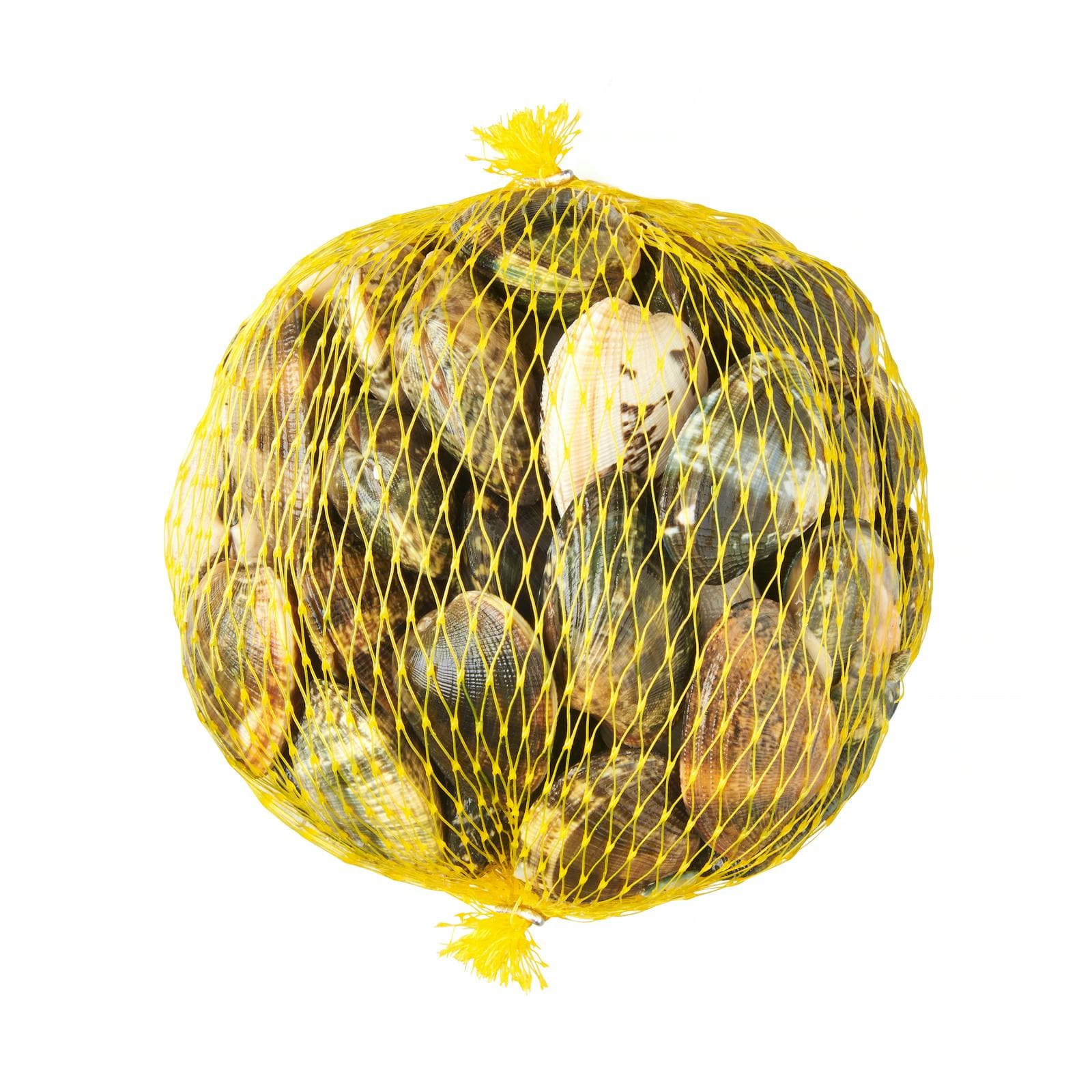 €10.70
Japanese Clam
500 g · Mercadona
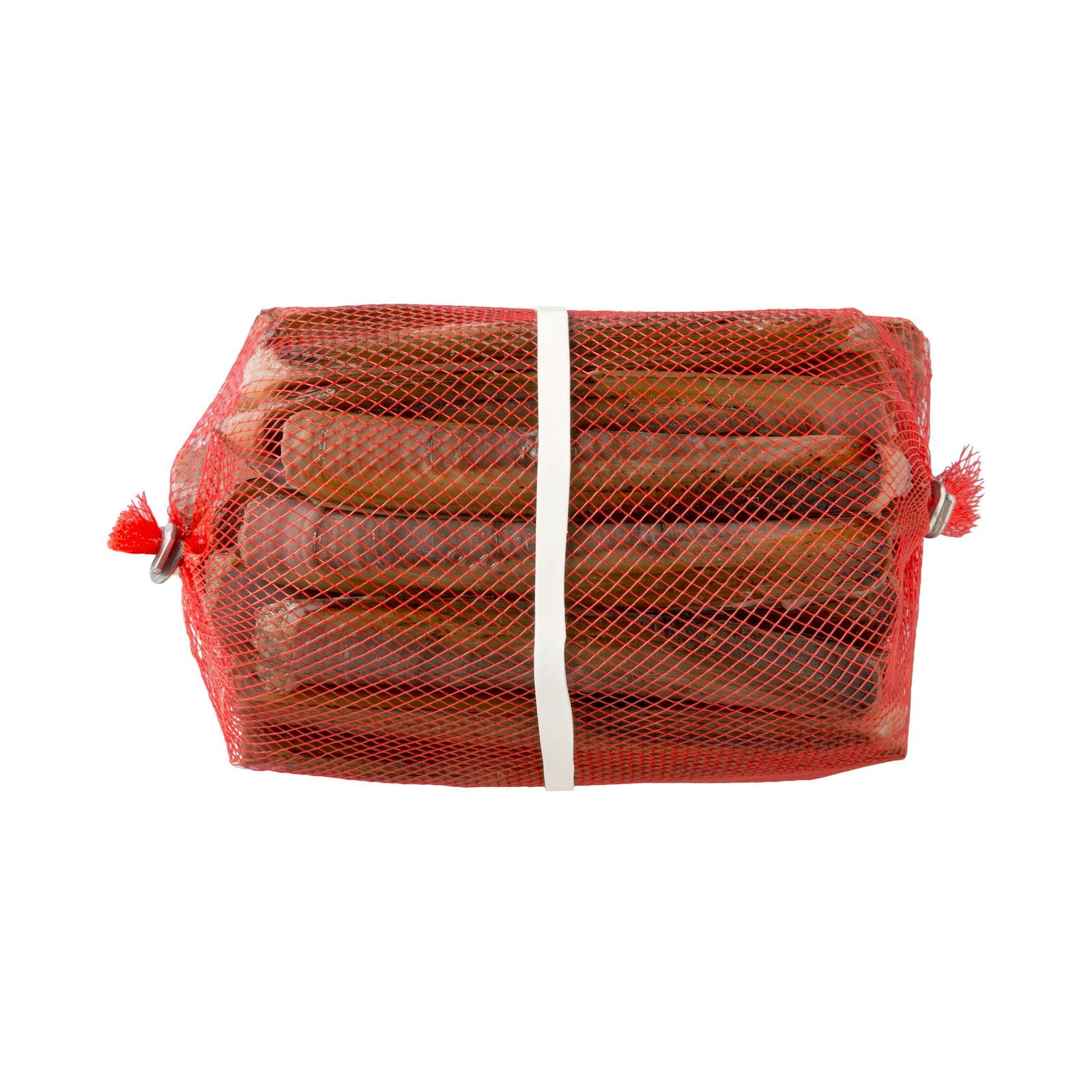 €4.50
€4.50Razor Clams
500 g · Mercadona
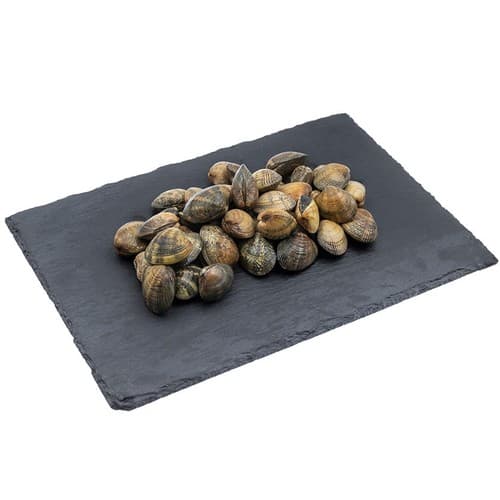 €7.50
€7.50Japanese Clam
ud · Bonpreu
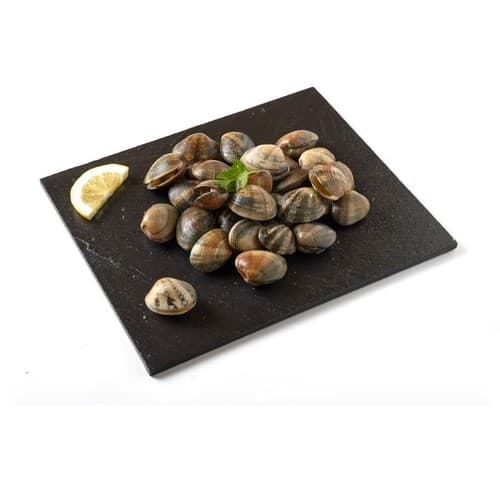
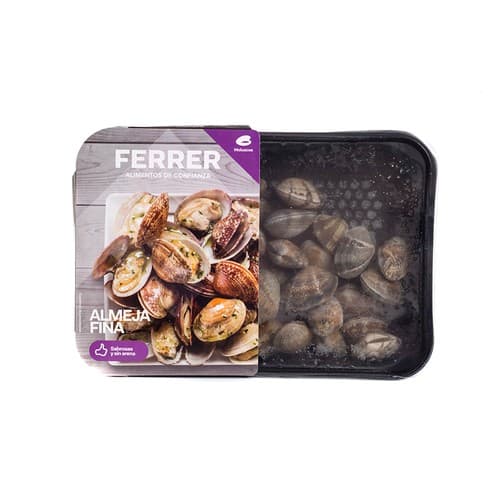 €8.65
€8.65Fine Clams Ferrer
FERRER · kg · Bonpreu
 €3.35
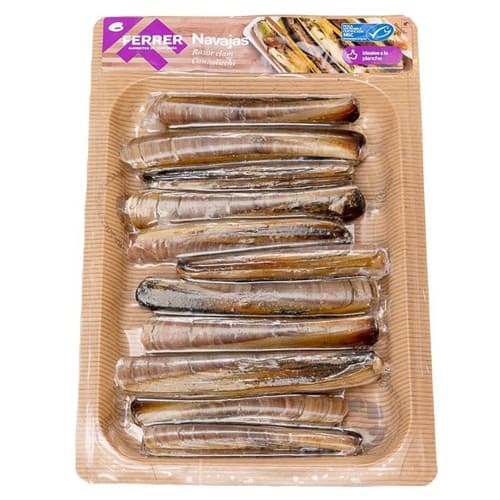
€3.35FERRER Razor Clams
FERRER · kg · Bonpreu
 €14.99
Japanese Clam (unit)
Bonpreu
Good to know
- Source
- Foraged from tidal flats, estuaries, and coastal waters; not cultivated in aquaculture settings.
- Habitat
- Atlantic and Pacific coastal regions, buried in sandy or muddy substrates in intertidal zones.
- Season
- Year-round with peaks in cooler months (fall through early spring) when water temperature drops and clams are less stressed.
- Flavor
- Pronounced briny, mineral, with a clean oceanic sweetness; intensity varies with water salinity.
- Texture
- Tender yet slightly firm when cooked; flesh ranges from translucent to opaque depending on preparation.
- Shelf Life
- 2–3 days live in refrigerator, shells closed and stored in breathable container over damp newspaper.
- Doneness Indicator
- Shells open when clam is cooked; discard any shells that remain tightly closed after cooking.
- Safety Note
- Must be cooked within 24–48 hours of purchase; discard any clams that smell sour or have damaged shells.
- Nutritional Profile
- High protein (~10g per 3-oz serving), low fat, excellent source of vitamin B12, zinc, and iron.
Substitutes
- Manila Clam (farmed) — Closest flavor and texture; smaller, rounder shell; farmed in tidelands but behaves similarly in recipes.
- Cockles — Small, round, hard-shell bivalves; sweeter and more delicate; excellent in pasta or steamed; adjust cooking time as they are smaller.
- Mussels — Different texture and stronger flavor, but work in chowders and steamed seafood dishes; cook only until shells open.
- Baby clams (canned or frozen) — Convenient for chowder and dips when fresh are unavailable; choose quality brands packed in clam juice; drain and rinse before using.
Pairs with
Also called
Foraged Clam · Vongole
Related

Egg
The kitchen's everything ingredient — bind, leaven, enrich, or fry

Chicken Breast
Lean, quick-cooking white meat for everyday dinners

Ground Beef
Versatile minced beef for burgers, ragù, tacos, and meatballs

Pork Loin
Lean, tender roasting cut that stays juicy with care

Salmon
Rich, rosy fish that roasts, grills, or cures beautifully

Egg White
Pure protein that whips to airy peaks for meringue and more

Egg Yolk
Rich, golden yolk for custards, mayonnaise, and pasta

Quail Egg
Tiny, speckled eggs for garnishing and elegant bites