Natural form
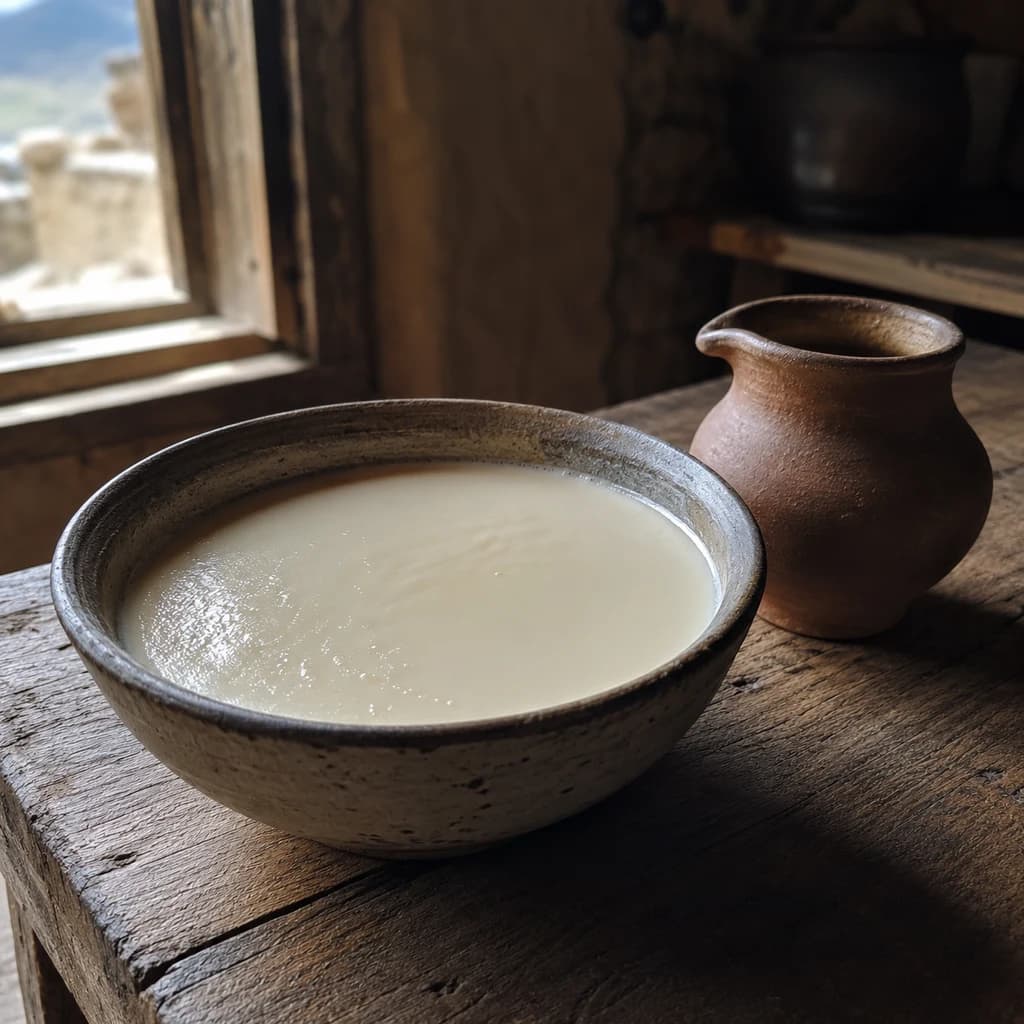
Fresh yak milk poured into a wide ceramic bowl, showing its ivory-cream color and thick consistency.
Establishes the visual identity of raw yak milk — its distinctive off-white hue and noticeably thicker body compared to cow milk.
Dairy & Eggs
Yak Milk (Dri Milk)
Rich, high-fat milk from the female yak (dri), used for Himalayan butter, cheese, and tea.
Yak milk comes from the dri, the female yak, and is far richer in fat and protein than cow milk, giving it a creamy, slightly sweet, faintly grassy taste. In Tibetan and Nepali highland kitchens it is churned into yak butter, curdled into hard chhurpi cheese, and added to tea and porridge. Its density makes it ideal for the high-energy foods needed at altitude.
Yak milk, known as dri milk in Tibetan, is the milk of the female yak (Bos grunniens), a long-haired bovine native to the Tibetan Plateau and Himalayan highlands. It is the foundational dairy of Tibetan, Nepali, Bhutanese, and Mongolian cuisine, underpinning iconic preparations like butter tea and the region's distinctive hard cheeses. The milk's most defining characteristic is its fat content—typically 5 to 8 percent, roughly double that of most commercial cow milk—which makes it exceptionally efficient for churning butter and lends extraordinary richness to every application. Flavor-wise, yak milk is faintly sweet with a subtle mineral tang imparted by the highland grasses and herbs the animals graze on, creating a more complex taste than lowland dairy.
Unlike conventional dairy, yak milk is produced in small quantities by animals that roam at extreme altitudes. A single dri yields only one to one-and-a-half liters per day, compared to the gallons a dairy cow produces, which explains its scarcity outside the Himalayan region. The milk is highly seasonal: production peaks in summer and early autumn when yaks are grazing at their highest elevations, then drops sharply in winter. Fresh yak milk keeps only one to two days under refrigeration, so traditional preservation methods—drying into cakes or powder called pkama, and fermenting into cultured dairy—were developed to extend its usability through harsh winters. These traditional forms travel well and reconstitute reliably, making yak dairy a year-round staple despite the seasonal milk supply.
- Measured in
- ml
- Storage
- Fridge
Allergens
Types & varieties
Raw or lightly boiled; used immediately for drinking, tea, or as a base for butter and cheese
Dehydrated milk cakes or powder; reconstituted with warm water; keeps for months and travels well at high altitude
Natural or starter-induced fermentation, similar to kefir or clabber; used as a drink and a starter for cheese
The most celebrated product; churned from the cream; essential for Tibetan butter tea and cooking
Pressed, salted, and dried cheese; keeps for years; eaten as a snack or used in cooking
Milder, similar to paneer or fresh farmer cheese; used in soups and dumplings
Rehydrating Dried Yak Milk (Pkama)
Dried yak milk is the practical solution for using this ingredient outside the Himalayan region. The reconstitution process is straightforward but requires attention to technique to achieve proper texture.
- Use approximately 1 part dried milk to 4 parts warm water as your baseline ratio
- Add the powder to warm water gradually, whisking continuously to prevent clumping
- Allow the mixture to rest for 10–15 minutes after mixing, then whisk again before using
- The result approximates fresh yak milk in fat content and works well for most culinary uses
- Store any unused reconstituted milk cold and use within 48 hours
Making Butter from Yak Milk
Yak milk's higher fat content and smaller fat globules make it churn more quickly than cow milk. This efficiency is an advantage, but it also means the process requires less time than you might expect.
- Do not over-churn—stop as soon as butterfat separates from the buttermilk
- If you continue past this point, the butter will break into butterfat solids and buttermilk, losing its smooth, cohesive texture
- The resulting yak butter has a higher smoke point than cow butter and stores longer without going rancid
Common uses
Tips & pitfalls
- When substituting yak milk in recipes calling for cow milk, expect richer flavor and noticeably higher fat—adjust other fats in the recipe downward
- Dried yak milk (pkama) reconstitutes best with warm water and a brief rest; whisk thoroughly to avoid lumps
- The small fat globules in yak milk churn into butter more quickly than cow milk—do not over-churn or the butter will break into buttermilk and grainy solids
- In hard cheese making, yak milk's higher protein and lower lactose content require slightly longer fermentation and pressing times than cow milk
- Store fresh yak milk cold and use within 48 hours; its minimal processing means it spoils faster than pasteurized cow milk
- Avoid boiling yak milk aggressively when using it for drinking—it develops a pronounced cooked flavor; gentle warming is preferable
- When using fresh yak milk in baking, reduce the total fat in the recipe since the milk itself contributes significant richness
Nutrition
Energy
452 kJ · per 100 g
Where the calories come from
Protein
6g
12% DV
Carbs
5.4g
2% DV
Fat
7g
9% DV
Fiber
0g
0% DV
Sodium
44mg
2% DV
Source · USDA FoodData Central · approx. Milk, sheep, fluid
View on FDC →In the shops
Matched grocery products
No matched grocery products for Yak Milk (Dri Milk) yet.
Good to know
- Fat content
- 5–8%, roughly double that of most commercial cow milk
- Protein content
- 4.5–5.5%, higher than cow milk
- Lactose
- Slightly lower than cow milk; often better tolerated by the lactose-sensitive
- Flavor
- Richer and more complex than cow milk; faintly sweet with a subtle mineral tang from highland grazing
- Typical yield
- 1–1.5 liters per day, far less than a dairy cow
- Shelf life
- 1–2 days refrigerated when fresh; dried or fermented forms keep for months to years
Substitutes
- Water buffalo milk — Closest in fat content (5–8%) and functionality; readily available in South Asian markets; best all-around substitute
- Whole goat milk — Similar richness and slight tang; lower fat but acceptable for drinking and cooking applications
- Half-and-half blended with whole cow milk — Mix equal parts whole milk and heavy cream to approximate the fat content; use when neither yak nor buffalo milk is obtainable
- Coconut cream + whole cow milk — For dairy-free cooking, combine full-fat coconut milk with cow milk to add richness; the flavor profile shifts notably
Pairs with
Also called
Dri Milk (Female Yak Milk) · Dri Milk
Related

Whole Milk
Rich, full-fat milk for drinking, coffee, sauces, and baking
Butter
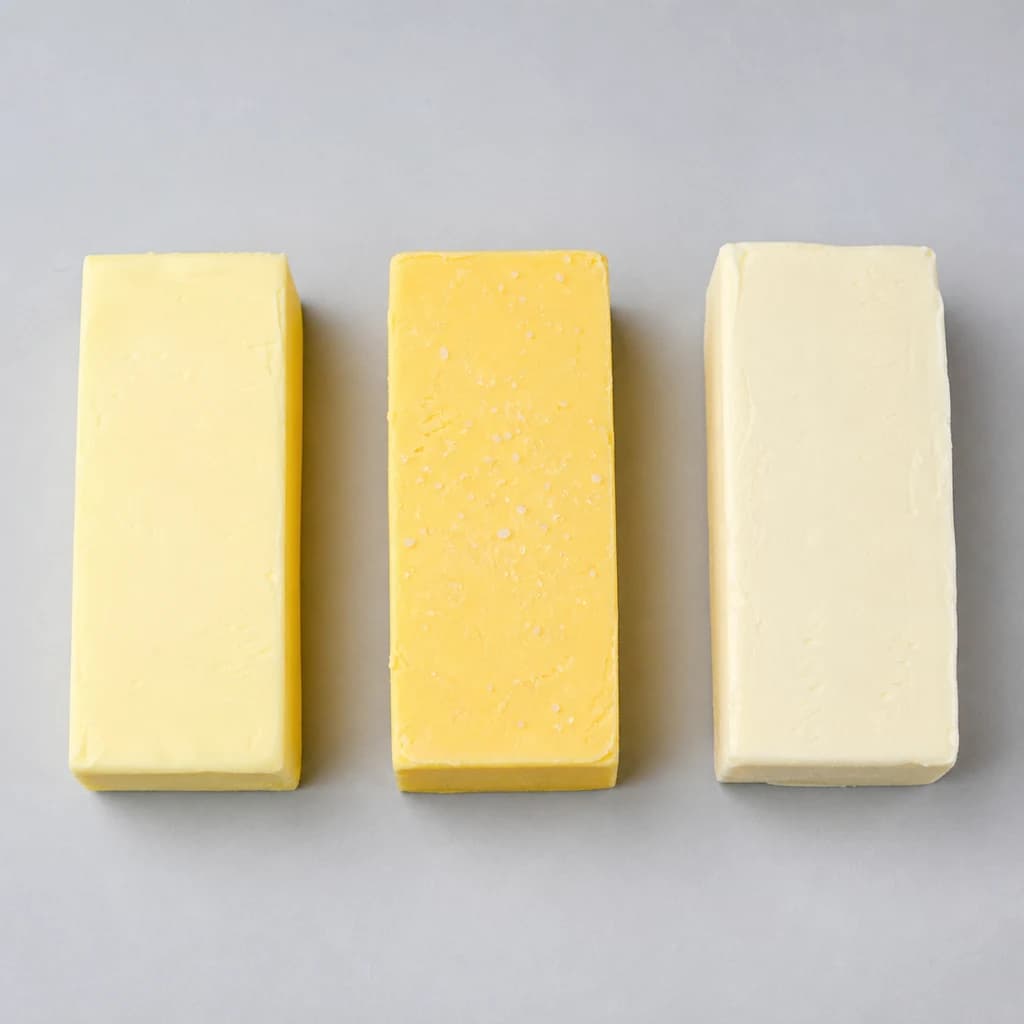
Golden fat for searing, baking, and finishing a sauce
Yogurt
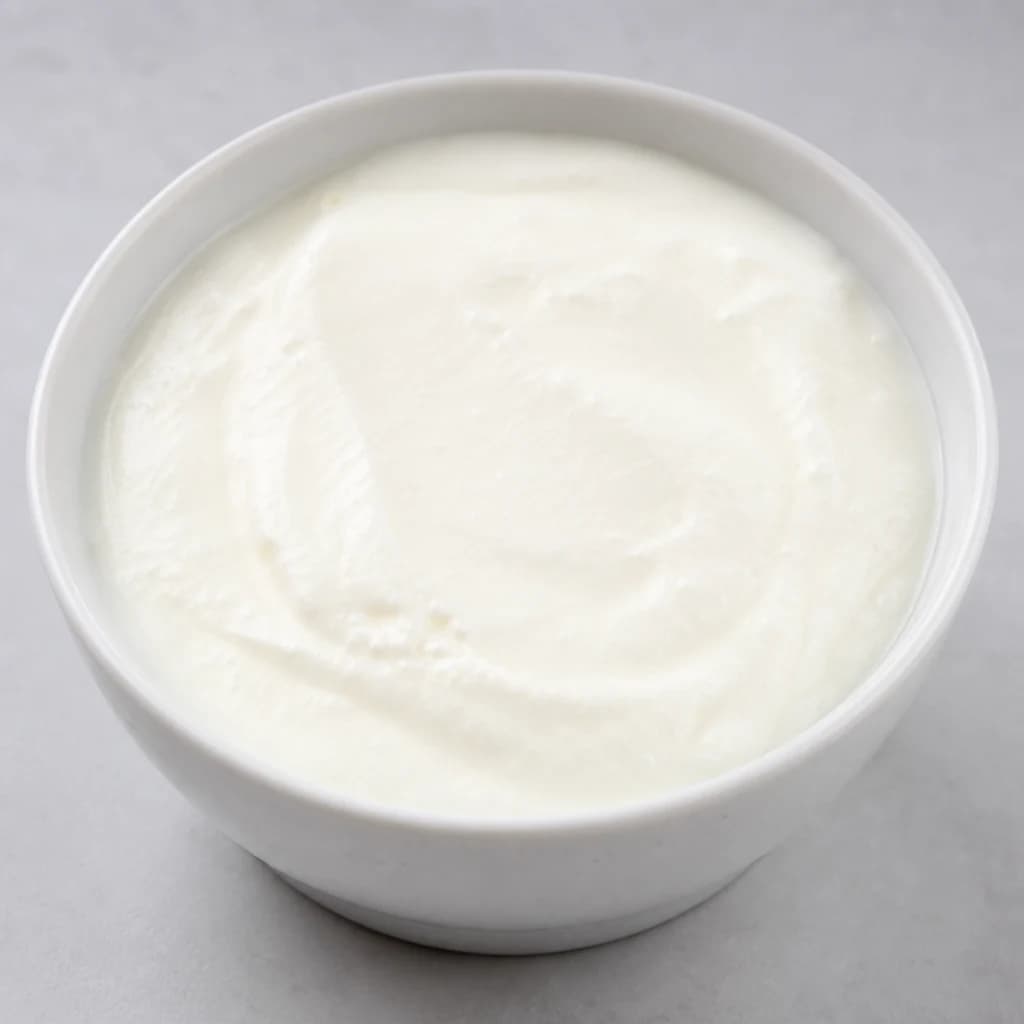
Tangy, creamy culture for breakfast, sauces, and marinades
Cheddar Cheese
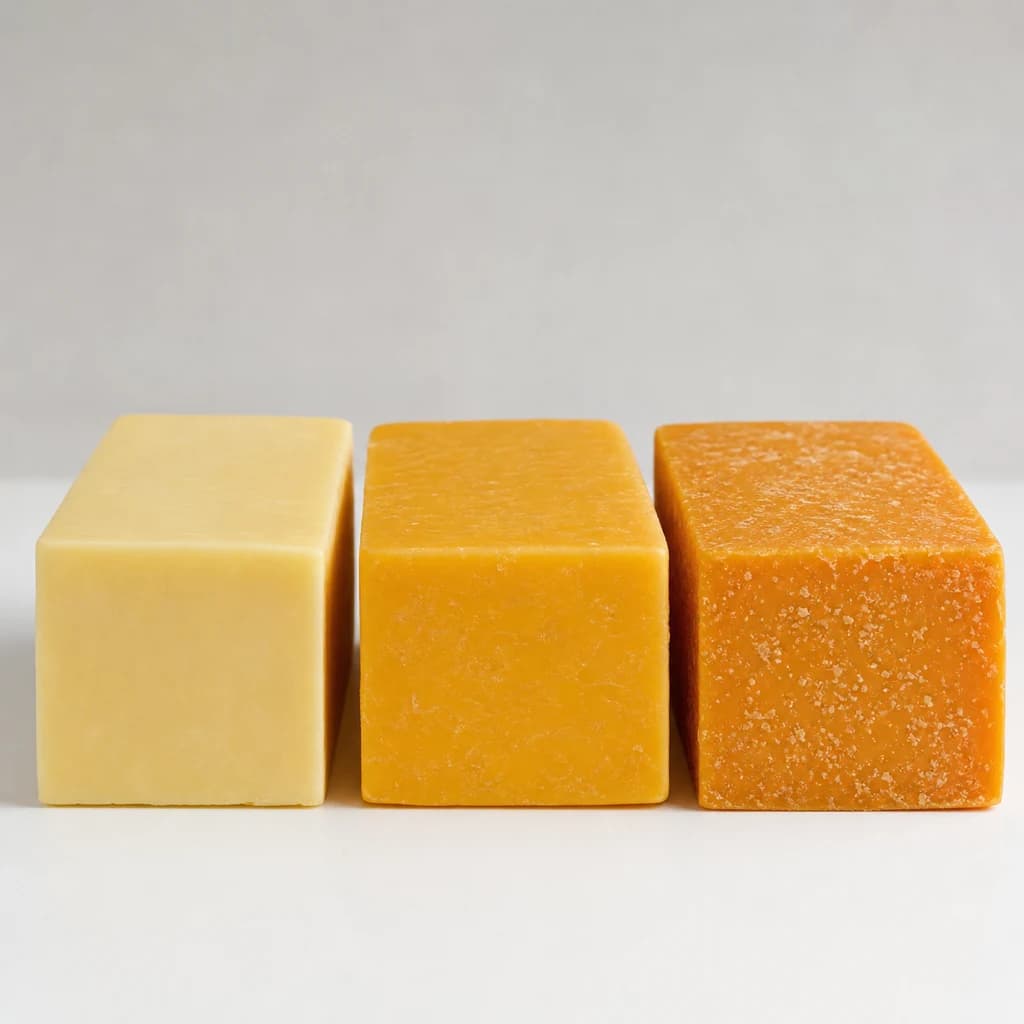
Sharp, melty cheese for sandwiches, gratins, and grating
Skim Milk
Fat-free milk for lighter drinking, coffee, and cooking
Heavy Cream
Rich cream that whips, enriches sauces, and sets ganache

Sour Cream
Tangy, thick cream for dolloping, baking, and dips
Mozzarella
Soft, milky cheese that melts into stretchy pizza pulls