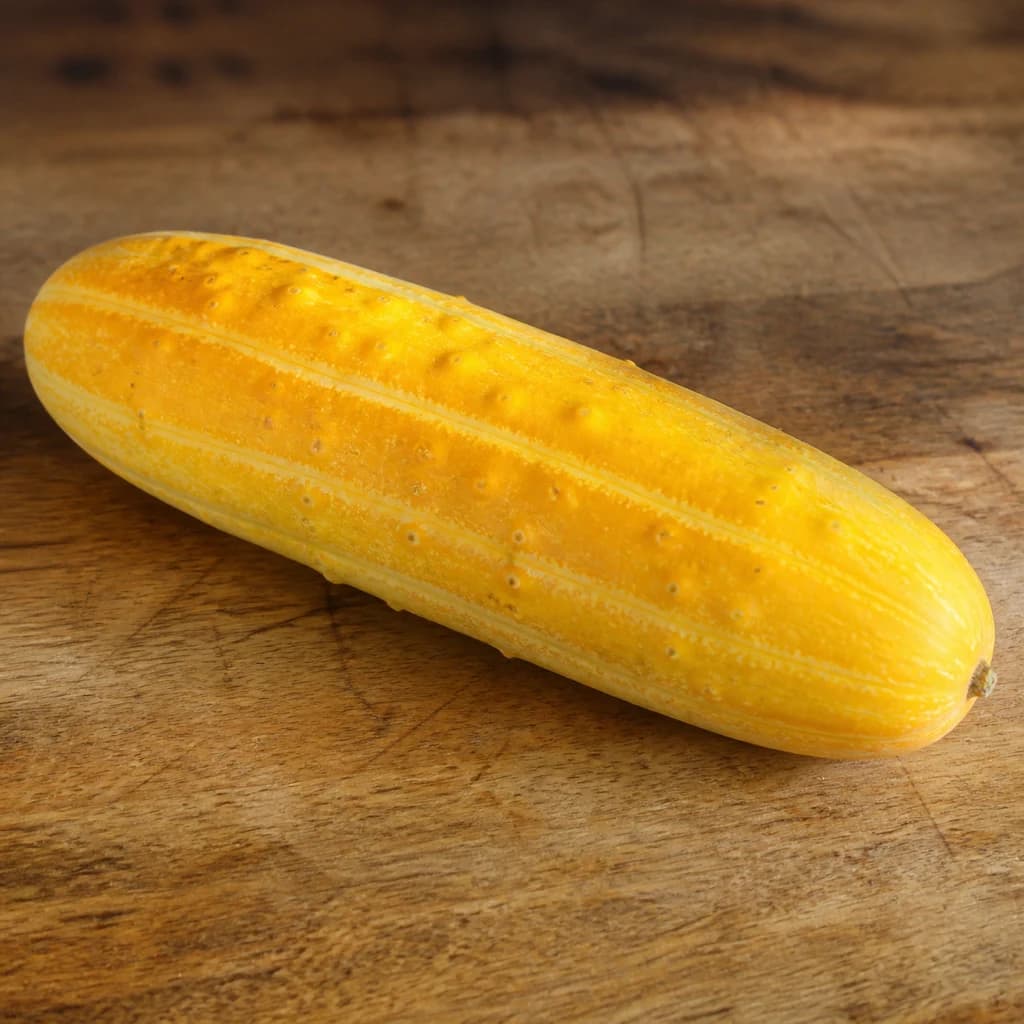
Natural form
A whole vellarikka rests on a wooden surface, showing its thick golden-yellow skin and large size.
Establishes the unmistakable golden-yellow skin, oblong shape, and substantial size that distinguish vellarikka from common green cucumbers.
Produce
Yellow Cucumber (Vellarikka)
Large mature yellow-skinned cucumber from South India, mild and used in curries and sambar.
Yellow cucumber, called vellarikka in Kerala, is a mature variety with thick golden skin and crisp pale flesh. Unlike salad cucumbers it is typically cooked, going into curries, sambar, kootu, and pachadi. Its mild flavor and high water content make it refreshing and well-suited to spiced South Indian dishes.
Vellarikka, commonly known as yellow cucumber, is a cooking cucumber (Cucumis sativus) prized across South India, particularly in Kerala and Tamil Nadu, where it holds a respected place in the traditional kitchen. Unlike the crisp, eat-raw cucumbers bred for Western salads, vellarikka is a mature, firm-fleshed variety selected specifically for its ability to hold shape during cooking and its mild, faintly sweet flavour that readily absorbs spice profiles. The golden-yellow skin indicates full maturity and higher carotenoid content compared to green cucumbers. The flesh inside ranges from white to pale green, with small, tender seeds that are generally edible when the cucumber is young. At 15–25 cm, it is substantially larger than a salad cucumber and considerably denser in texture. In Kerala's festive sadya (feast) spread, vellarikka is one of the essential vegetables for sambar, and it appears across the spectrum of South Indian coconut-based curries. Its value in the kitchen lies not in dramatic flavour but in neutral, absorbent flesh that carries tamarind, coconut, mustard, and curry leaf flavours without competing with them — the same role that potato or white radish plays in other regional cuisines.
- Measured in
- piece
- Storage
- Fridge
Types & varieties
Standard yellow cucumber used across Kerala and Tamil Nadu; interchangeable in most recipes
Tamil regional name; may refer to the same variety with slight regional variations in size or skin thickness
How to Select and Store
Choose firm cucumbers with an even yellow to golden-yellow colour and no soft spots or sunken areas. Some surface roughness or natural ridging is normal and not a defect. The cucumber should feel heavy for its size, indicating good water content. Avoid any with wrinkled or shrivelled ends — this signals age and dehydration. For storage, place unwashed vellarikka in a loose plastic bag in the crisper drawer of your refrigerator. Do not seal tightly; airflow prevents moisture buildup that leads to rot. Use within five to seven days for best quality in cooked dishes. Never store at room temperature, especially in warm climates — the cucumber will lose firmness and develop off-flavours within a day.
- Select: firm, heavy, even yellow colour, no soft spots
- Avoid: wrinkled ends, shrivelled skin, sunken areas
- Store unwashed in crisper drawer, loosely bagged
- Use within 5–7 days
Preparation Before Cooking
Vellarikka requires straightforward but necessary prep work. Peel the thick yellow skin completely — it becomes fibrous and slightly bitter when cooked. Cut the cucumber in half lengthwise and scoop out the seed cavity with a spoon. If the cucumber is young and fresh, the seeds will be small and tender; you can leave them in. For larger, more mature specimens, removing the seeded centre prevents a watery dish and ensures even cooking. Cube or slice according to your recipe. If making thoran or any dry stir-fry, salt the prepared pieces lightly, let them sit for five minutes, then squeeze out the released water with your hands before cooking — this step is essential for a non-soggy finished dish.
- Always peel the yellow skin before cooking
- Halve and seed for larger cucumbers; seeds are optional for young fruit
- Salt and squeeze for dry dishes like thoran to remove excess water
- Cut to uniform size for even cooking
Common uses
Tips & pitfalls
- Always peel the thick yellow skin before cooking; the skin can be fibrous and bitter when cooked
- Remove seeds only if they are large and mature; young vellarikka has tender, edible seeds
- Salt the cubed cucumber briefly and squeeze out excess water before cooking if making thoran — this prevents a watery dish
- Add at the end when cooking sambar if you prefer firmer pieces; cook longer for a softer texture
- Do not overcook — vellarikka becomes mushy quickly, unlike harder vegetables
- The mild flavour means it absorbs spices well; do not undersize your tempering
- When selecting, choose firm cucumbers with even yellow colour and no soft spots; some surface roughness is normal
- If unavailable, regular cucumber is the closest substitute but will produce a different texture in cooked dishes
- Refrigerate unwashed and use within five to seven days for best cooking results
- Do not substitute regular cucumber at equal volume in dry dishes — reduce quantity and add it later in cooking to avoid mushiness
Nutrition
Energy
63 kJ · per 100 g
Where the calories come from
Protein
0.7g
1% DV
Carbs
3.6g
1% DV
Fat
0.1g
0% DV
Fiber
0.5g
2% DV
Sugars
1.7g
of which
Sodium
2mg
0% DV
Source · USDA FoodData Central · approx. Cucumber, with peel, raw
View on FDC →In the shops
Matched grocery products
 €0.40
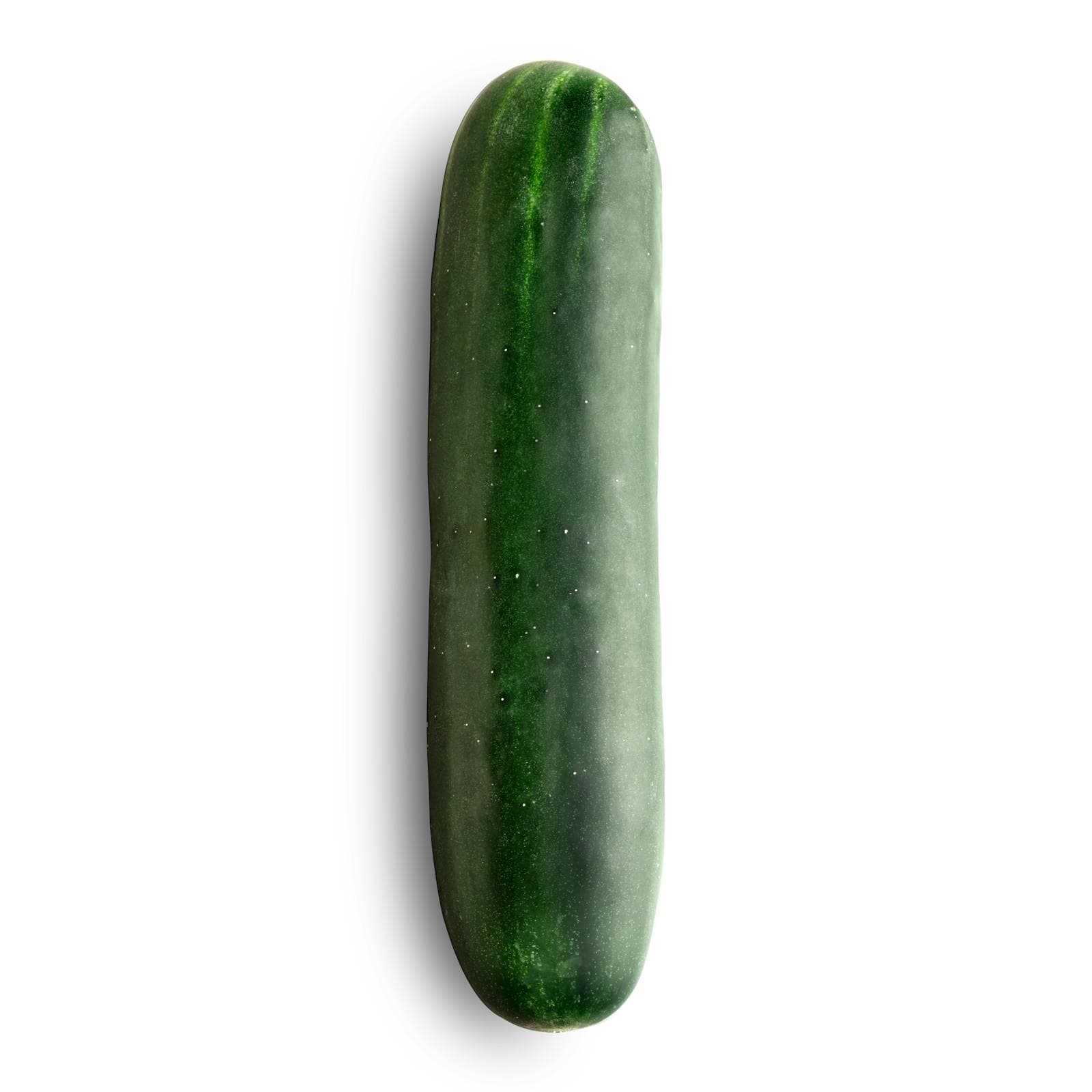
€0.40Cucumber
210 g · Mercadona
 €1.13
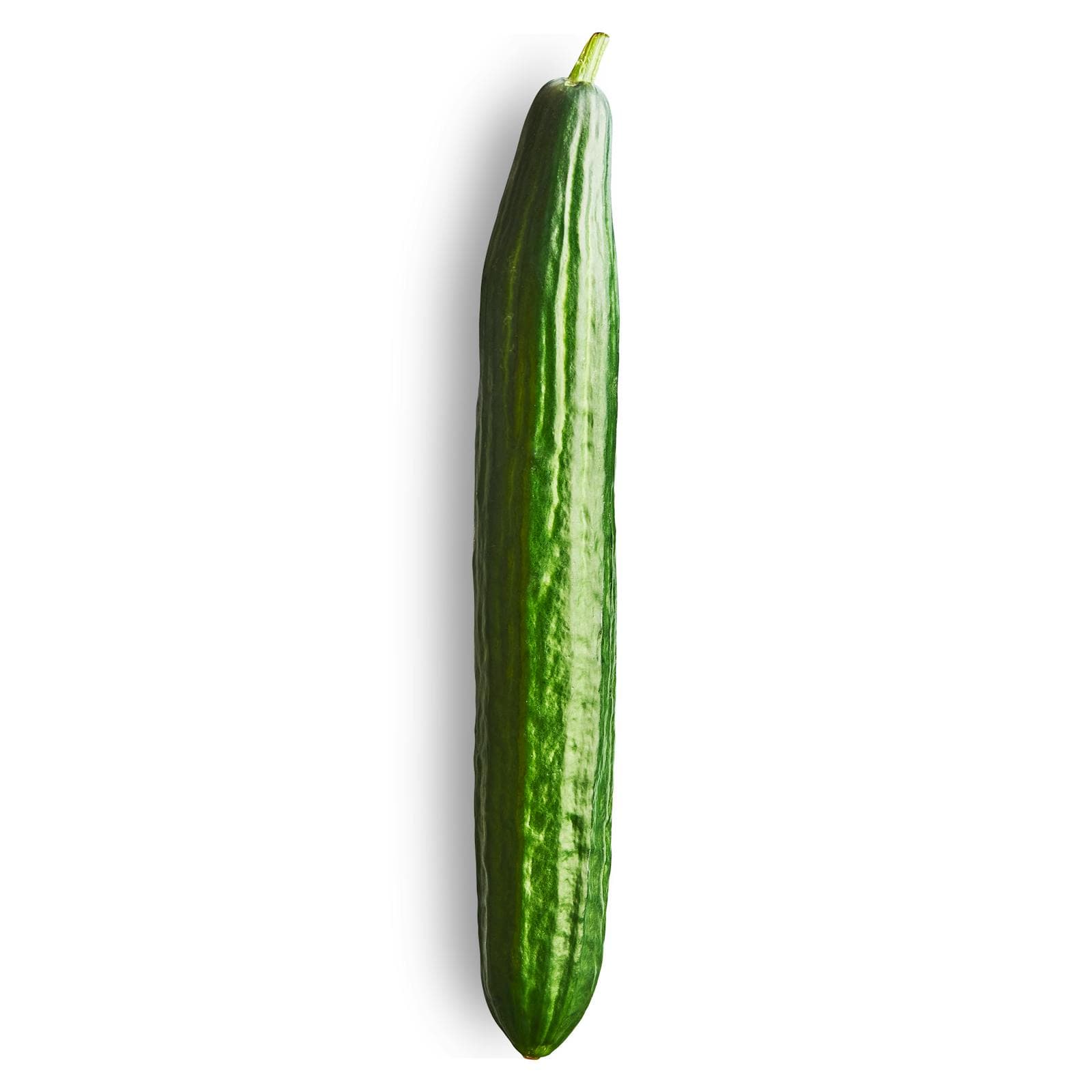
€1.13Dutch Cucumber
425 g · Mercadona
 €0.59
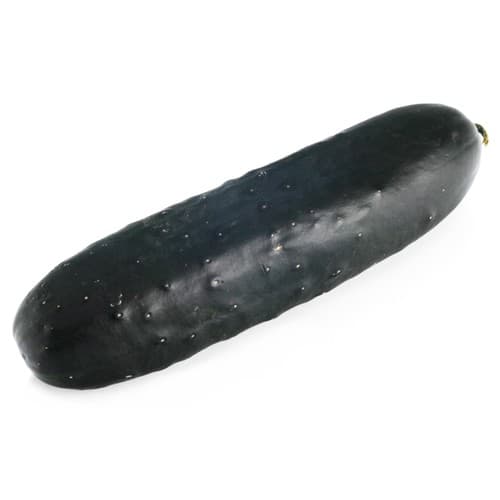
€0.59Cucumber 1 unit
Bonpreu
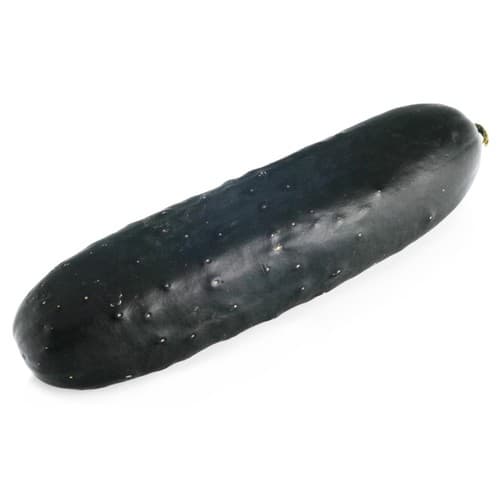 €0.66
€0.66Cucumber 1 unit
ud · Bonpreu
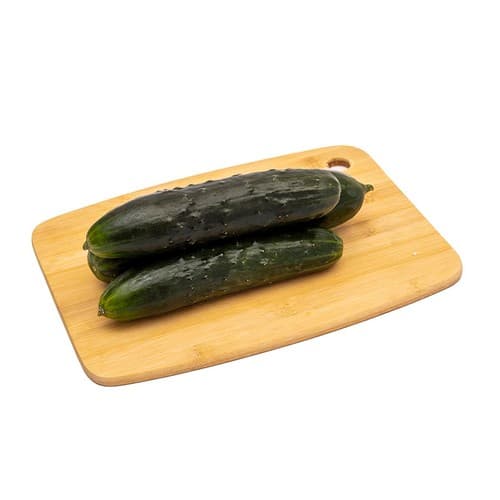 €3.39
€3.39La Collita Organic Cucumber Tray 600 g
LA COLLITA · kg · Bonpreu
Good to know
- Common Names
- Vellarikka (Malayalam), Vellari (Tamil), Yellow Cucumber, Yellow Skin Cucumber
- Scientific Name
- Cucumis sativus
- Origin
- South Asia; predominant in Kerala and Tamil Nadu
- Primary Region
- Kerala, Tamil Nadu, Karnataka (South India)
- Peak Season
- Year-round in tropical regions; peak summer harvest
- Color
- Yellow to golden-yellow skin; white to pale green flesh
- Typical Size
- 15–25 cm long; larger and more mature than salad cucumbers
- Flavor
- Mild, faintly sweet, less watery than common cucumber
- Texture
- Firm flesh; small edible seeds; denser than green cucumbers
- Storage
- Refrigerate unwashed in crisper drawer; use within 5–7 days
- Yield
- Approximately 70–75% edible after peeling and seeding
- Perishable
- High; degrades quickly at room temperature
Substitutes
- Regular Green Cucumber (Kera) — Can replace vellarikka in sambar but will be more watery; reduce cooking liquid and expect softer texture
- Yellow Zucchini — Similar firmness when cooked; flavour is slightly nuttier; acceptable in curries and thoran
- Yellow Summer Squash — Comparable cooking properties; texture becomes tender similarly; valid in South Indian preparations
- Chayote (Bangalore Vellarikka) — Firm white flesh that holds shape in sambar; mildly sweet; a credible cooked-vegetable substitute
Pairs with
Also called
Vellarikka · Curry Cucumber · Madras Cucumber
Related
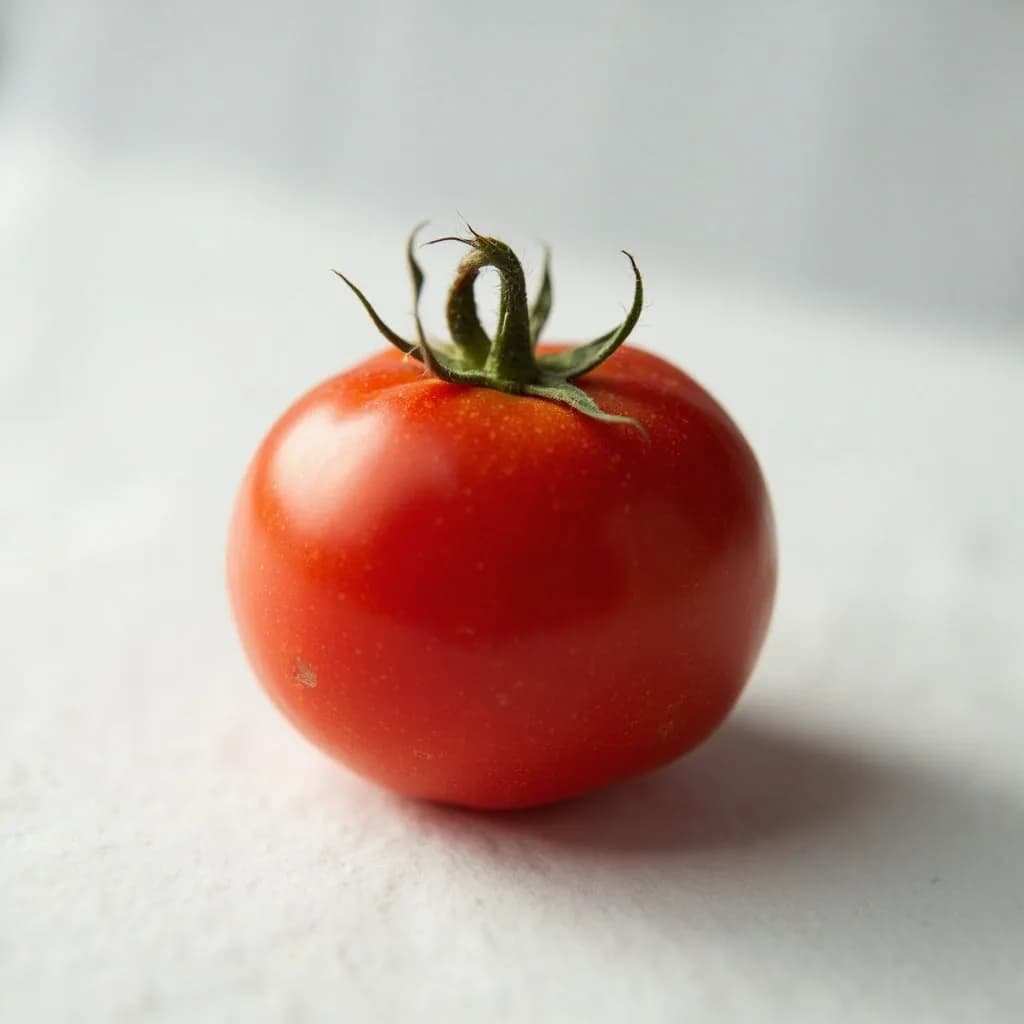
Tomato
Juicy, sun-sweet fruit for sauces, salads, and slow-cooked depth
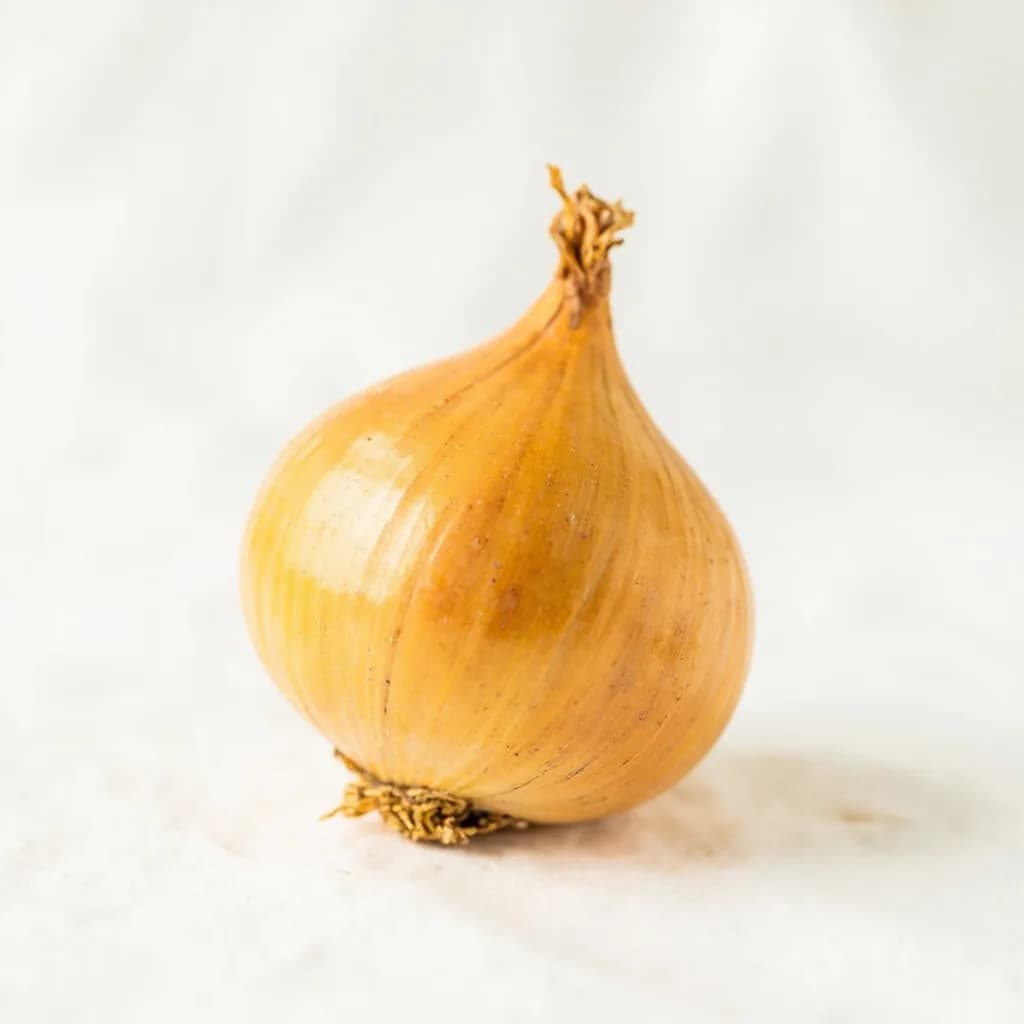
Yellow Onion
The aromatic backbone of soups, sofritos, and braises
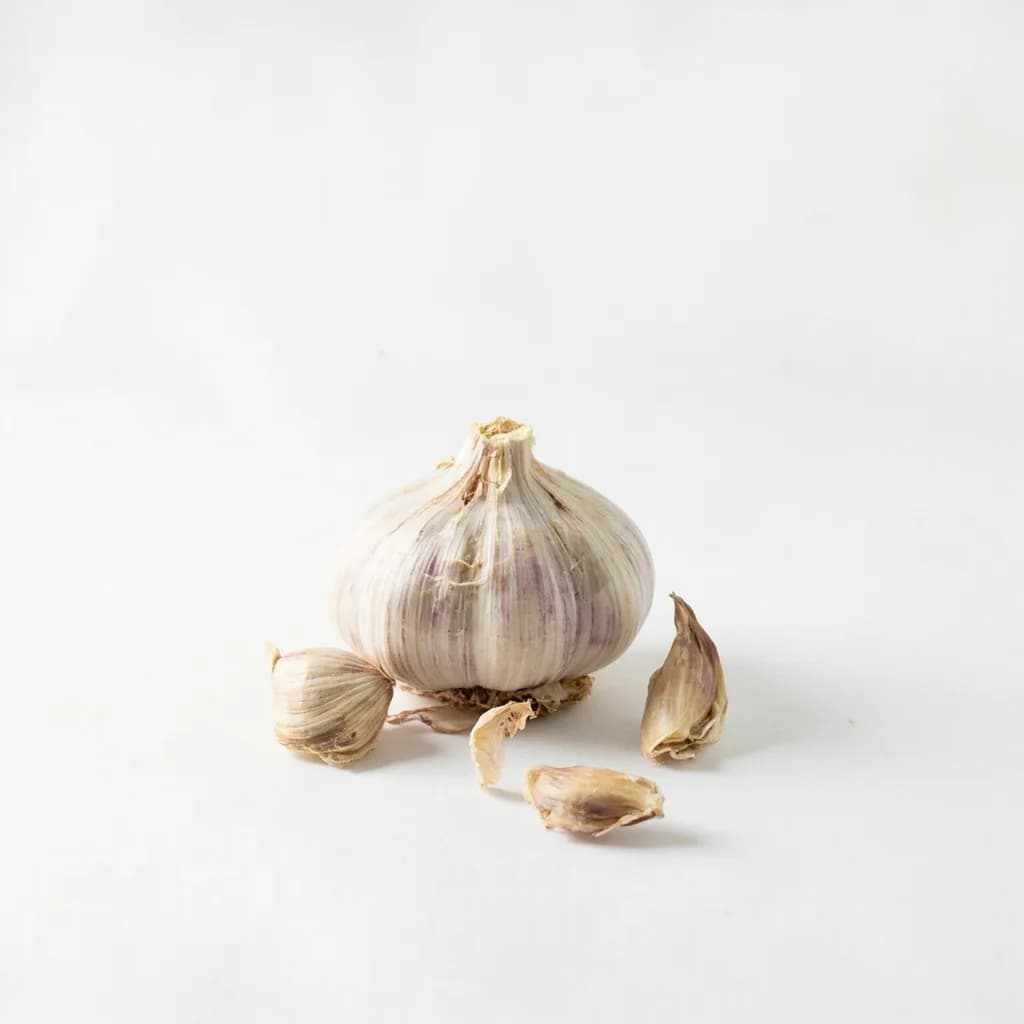
Garlic
Pungent cloves that perfume nearly every savory dish
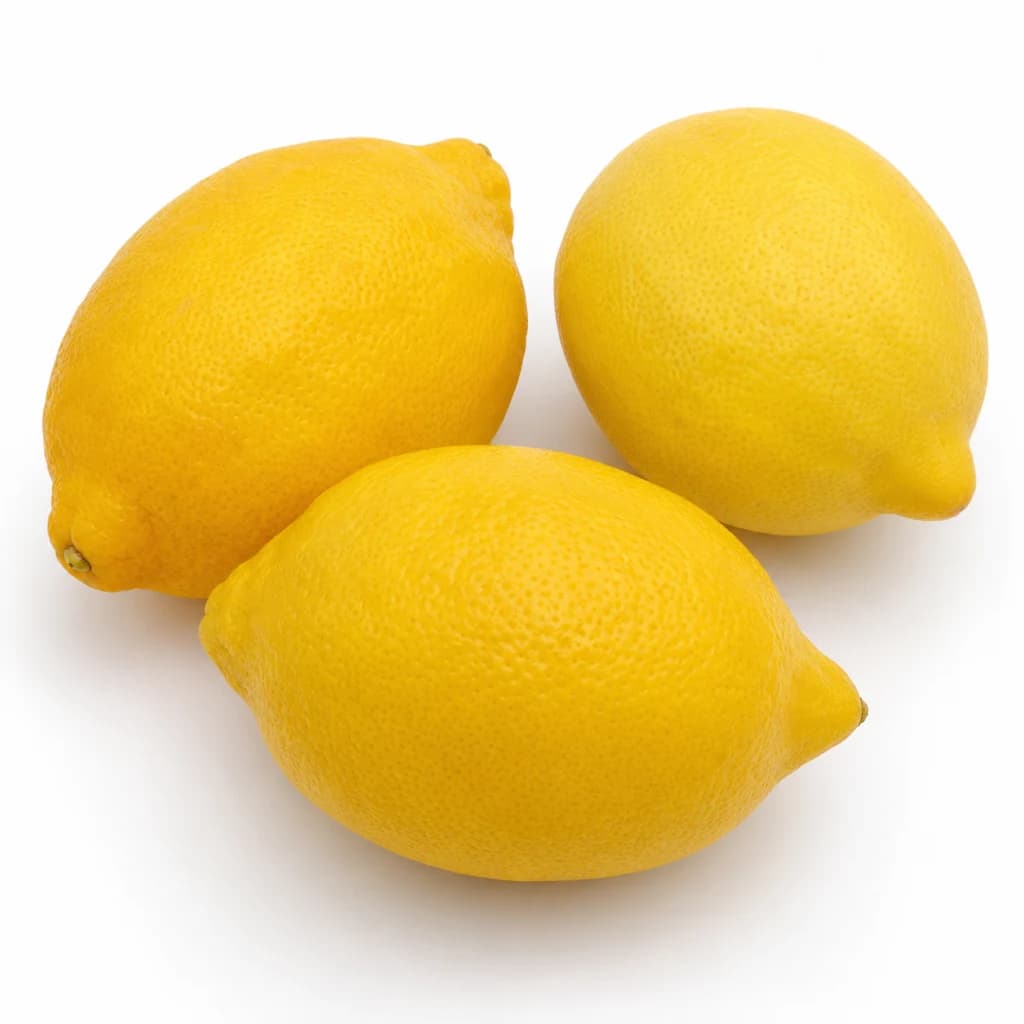
Lemon
Bright, acidic citrus that wakes up almost any dish
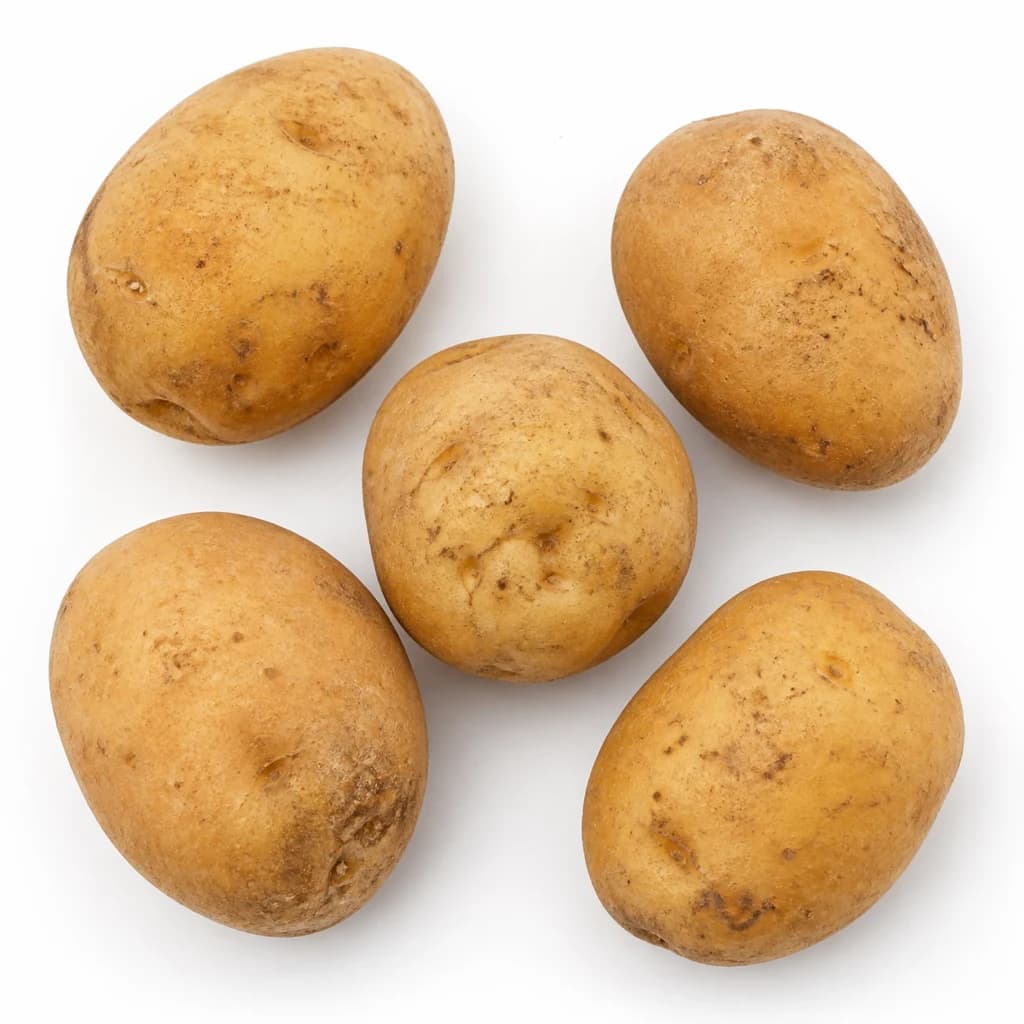
Potato
Humble, hearty staple — roast, mash, fry, or boil
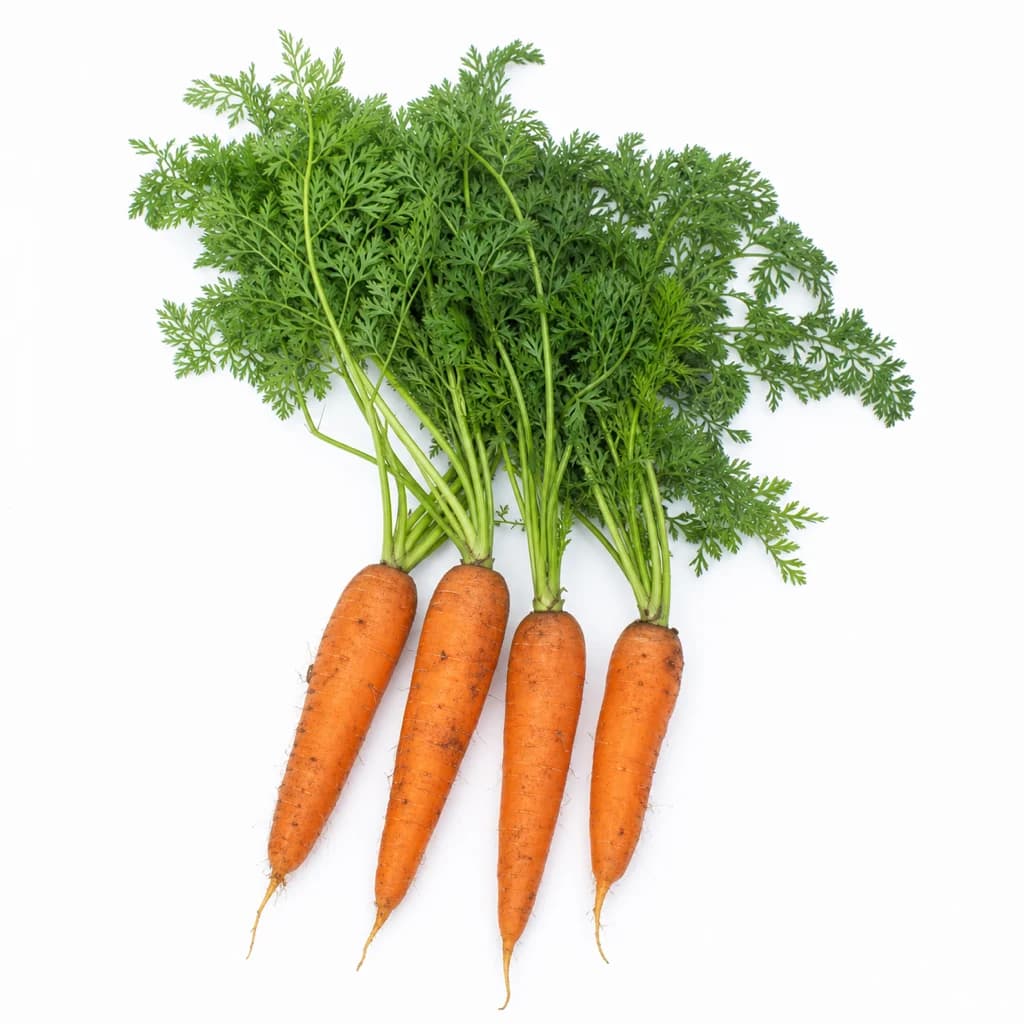
Carrot
Sweet, crunchy root — raw, roasted, or the base of a sofrito
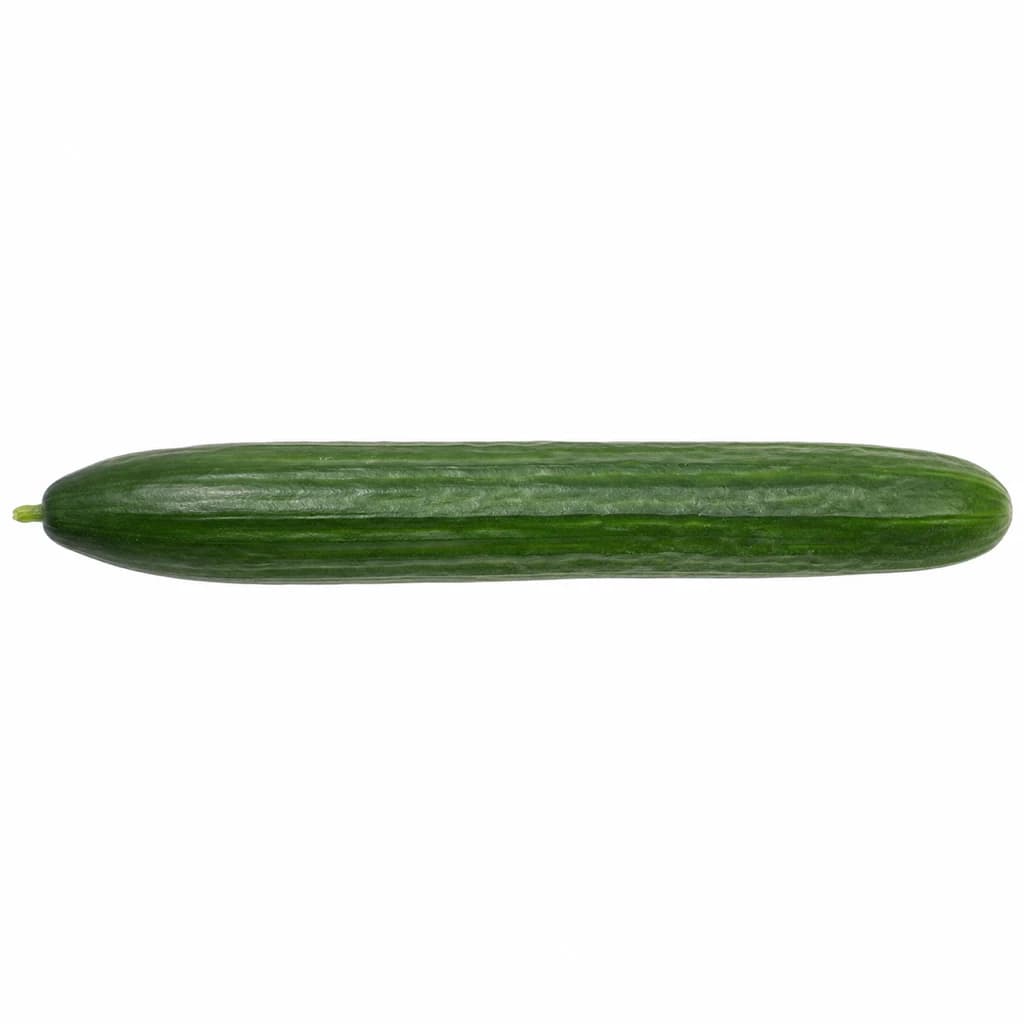
Cucumber
Cool, crisp, and watery — for salads, pickles, and tzatziki

Lettuce
Crisp leaves for salads, wraps, and a fresh crunch