Legumes & Beans
Yellow Pea
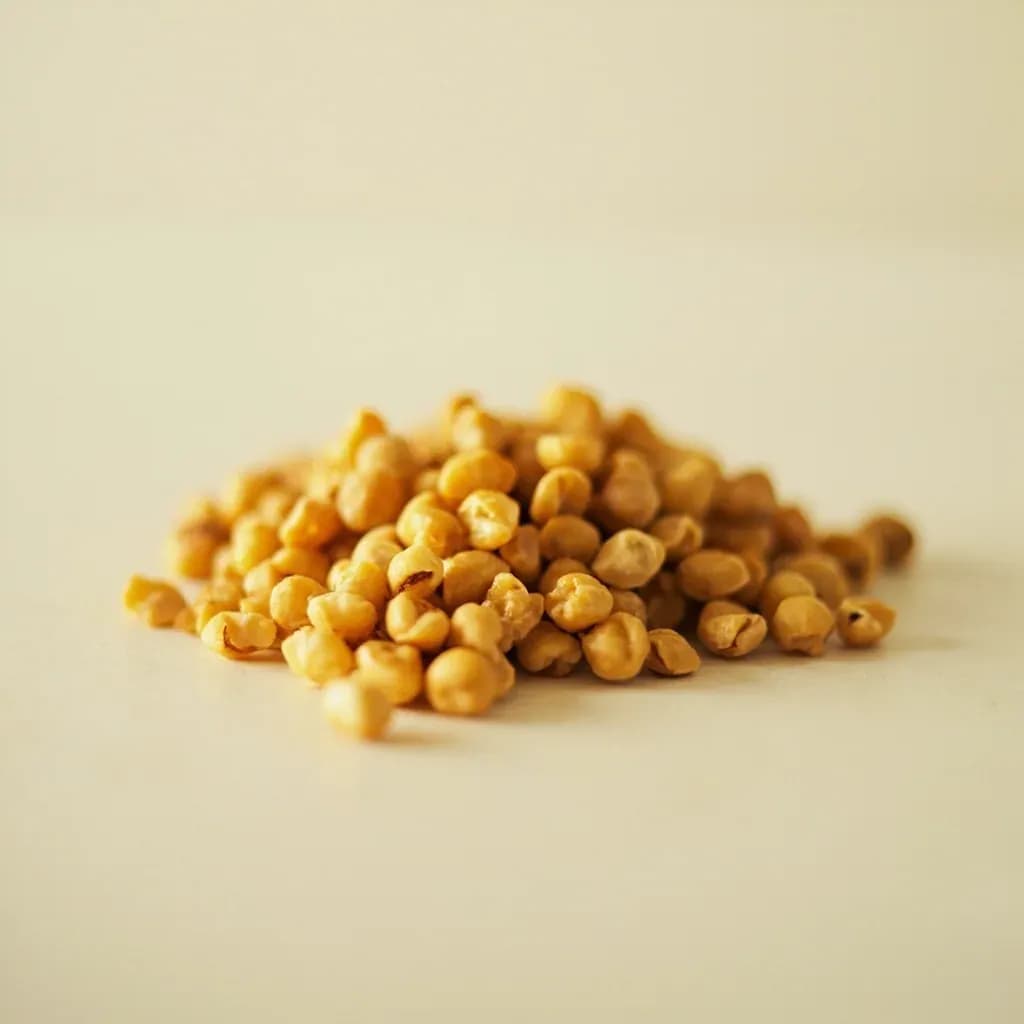
Whole dried yellow peas for hearty soups and traditional pea dishes.
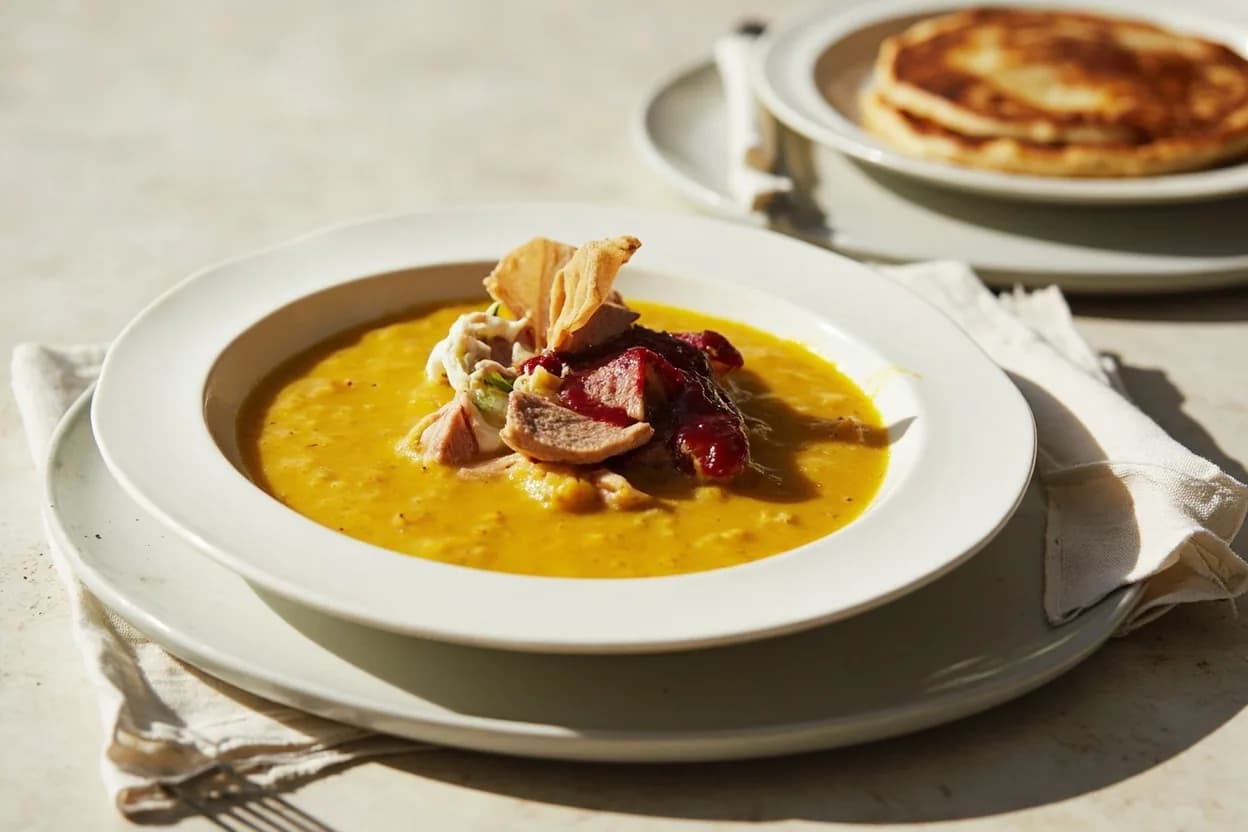
Yellow peas are whole dried field peas with an earthy, mildly sweet flavor, used across Northern and Eastern Europe. They are soaked and simmered into thick soups such as Swedish ärtsoppa and Czech pea dishes, or cooked into purees. The whole form holds more shape than the split version.
Yellow peas are a dried legume made from Pisum sativum harvested at full maturity, then dehulled and split for culinary use. Unlike fresh garden peas, dried yellow peas have concentrated and rearranged starches that give them exceptional thickening power and a tendency to break down into a creamy, almost porridge‑like consistency when cooked. The yellow color signals higher starch content compared to the greener, sweeter green split pea variety. They are a pantry staple across Scandinavia, Britain, Canada, and South Asia, serving as affordable, high‑protein anchors for soups, stews, and dishes like Swedish ärtsoppa, British pea and ham soup, and Indian dhals.
What sets yellow peas apart is their behavior in the pot. They do not require soaking for safety—unlike kidney beans—yet soaking dramatically cuts cook time and yields a more even, tender result. Their starches gelatinize readily, making them superb for thickening and pureeing into silky soups, while they also hold their shape reasonably well when cooked without overstirring. The cooked texture is soft and creamy, with a mild, slightly earthy flavor and subtle sweetness that takes well to bold seasonings.
In the kitchen, yellow peas sit between true thickeners like lentils and firmer legumes like chickpeas. They are not as assertive as whole beans, making them approachable for weeknight cooking while still delivering satisfying body and protein—approximately 24–26 g per 100 g dried. Their neutral base adapts readily to different culinary traditions, from smoky British broths to spiced South Asian curries to simple Scandinavian stews with pork.
- Measured in
- g
- Storage
- Pantry
Types & varieties
The standard market form; dehulled and split for faster, more even cooking
Not split; require longer soaking and cooking; used in some traditional recipes
Same species (Pisum sativum) but a different variety retaining green color; slightly sweeter and more vegetal
Soaking: When and Why
Soaking yellow peas is optional, not mandatory, but it profoundly affects the cooking experience. A 2–8 hour soak in cold water rehydrates the peas and leaches some surface starches, cutting cook time by roughly half and producing a more uniform, tender texture throughout. Soaking is especially worthwhile when cooking unsoaked peas for 90 minutes or more and you want to avoid the risk of uneven doneness, where some peas remain chalky and starchy while others have softened. Simply drain and rinse soaked peas before adding them to fresh cooking liquid.
- Cold water soaking for 2–8 hours is sufficient
- Soaking in warm water speeds the process but is not necessary
- Drain and rinse soaked peas before cooking with fresh liquid
- Even without soaking, yellow peas do not require the long soaking times of other legumes
Salt and Acid: The Timing Rule
Never add salt or acidic ingredients until the peas are fully tender. Salt and acids (tomatoes, lemon juice, vinegar) interfere with starch gelatinization and pectin breakdown, essentially locking the peas in a hard, chalky state. You will end up with a pot of undercooked, unevenly textured peas no matter how long you simmer them. Season and acidify only after tasting confirms the peas are completely soft. This rule applies whether you are making a simple soup or a complex dhal.
- Add salt only after peas are fully tender
- Wait to add tomatoes, lemon, or vinegar until the end of cooking
- Season in stages during the last 10–15 minutes if possible
- If a recipe demands early seasoning, use it as a sauce addition after cooking
Common uses
Tips & pitfalls
- Never add salt or acidic ingredients (tomatoes, lemon, vinegar) until after cooking—salt and acid prevent starch breakdown and leave peas hard and chalky
- Soaking is optional but strongly recommended; it cuts cook time roughly in half and produces more even texture throughout
- Simmer gently, never boil vigorously—aggressive boiling fragments the peas before they have a chance to cook through evenly
- Yellow peas thicken significantly as they cool, sometimes becoming nearly paste‑like; this is normal; thin with water or broth when reheating
- Skim the foam that rises during the first 10–15 minutes of cooking for a cleaner, clearer soup
- Test for doneness by tasting—undercooked peas have a distinctly raw, starchy quality; fully cooked peas should be creamy and tender throughout
- Older dried peas take significantly longer to cook; if your peas are more than a year old, expect extended cooking times
- A bay leaf or two added during cooking can help neutralize some of the oligosaccharides that cause gas, though the effect is modest
Nutrition
Energy
339 kJ · per 100 g
Where the calories come from
Protein
5.4g
11% DV
Carbs
14.5g
5% DV
Fat
0.4g
1% DV
Fiber
5.7g
20% DV
Sugars
5.7g
of which
Sodium
5mg
0% DV
Source · USDA FoodData Central · approx. Peas, green, raw
View on FDC →In the shops
Matched grocery products
No matched grocery products for Yellow Pea yet.
Good to know
- Scientific name
- Pisum sativum
- Origin
- Mediterranean region; major producers include Canada, Russia, and the United States
- Form
- Dried, dehulled, and split; pale yellow to cream color
- Protein content
- 24–26 g per 100 g dry weight
- Cook time (soaked)
- 45–60 minutes
- Cook time (unsoaked)
- 90–120 minutes
- Yield
- 1 cup dried yields approximately 2.5–3 cups cooked
- Storage
- Up to 2 years in a cool, dry place; cooked peas keep 4–5 days refrigerated
Substitutes
- Green split peas — Nearly identical cooking behavior; slightly sweeter and more vegetal in flavor; interchangeable in virtually all applications
- Red lentils — Cook faster and break down more readily into a smooth puree; better for silky soups and dhals; not suitable where whole, soft peas are desired
- Yellow lentils (toor dal) — Smaller and flatter; excellent for Indian curries and dhals but with a different texture and slightly nuttier flavor
- Chickpeas — Firm texture and much longer cooking time; not a close substitute in most applications
Pairs with
Also called
Hrách · Dried Yellow Pea · Dried Pea · Whole Yellow Pea
Appears in these dishes
Related
Black Beans
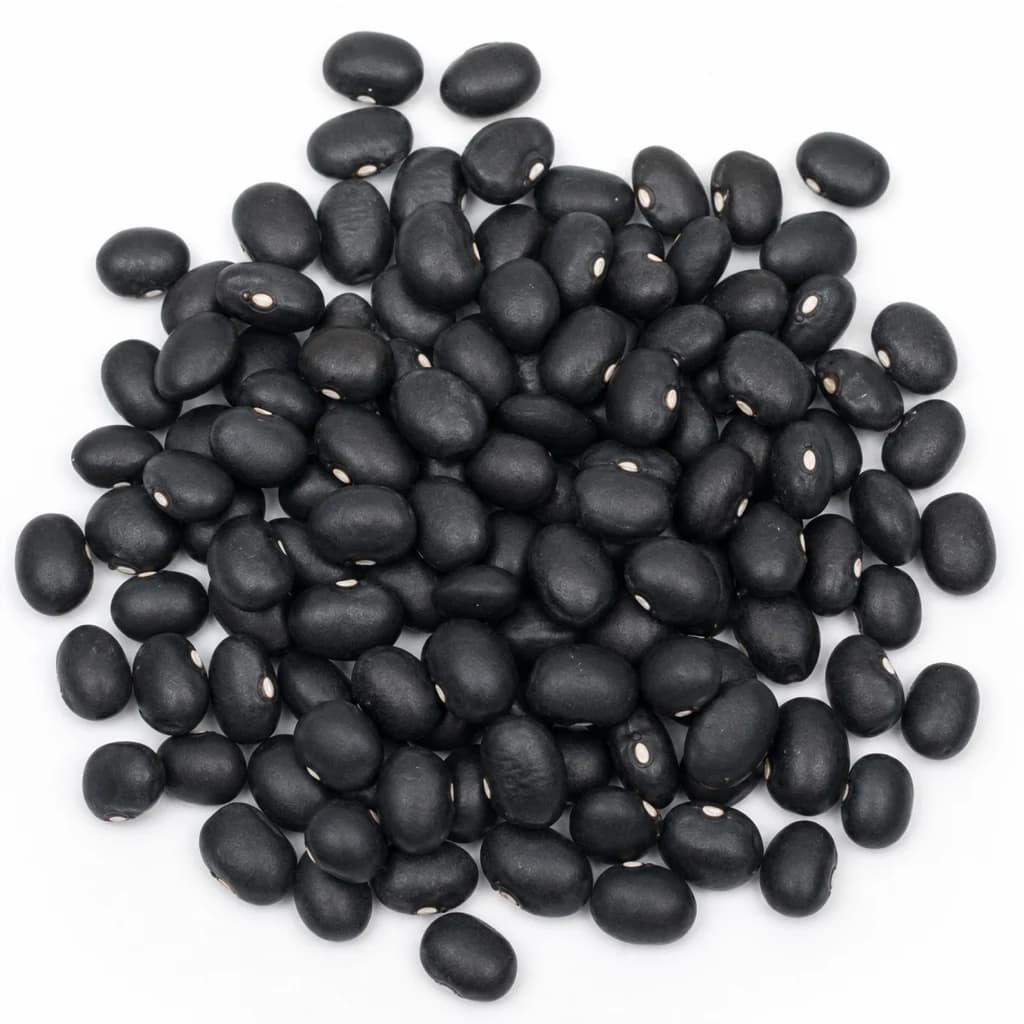
Earthy, creamy beans for bowls, soups, and tacos
Kidney Beans
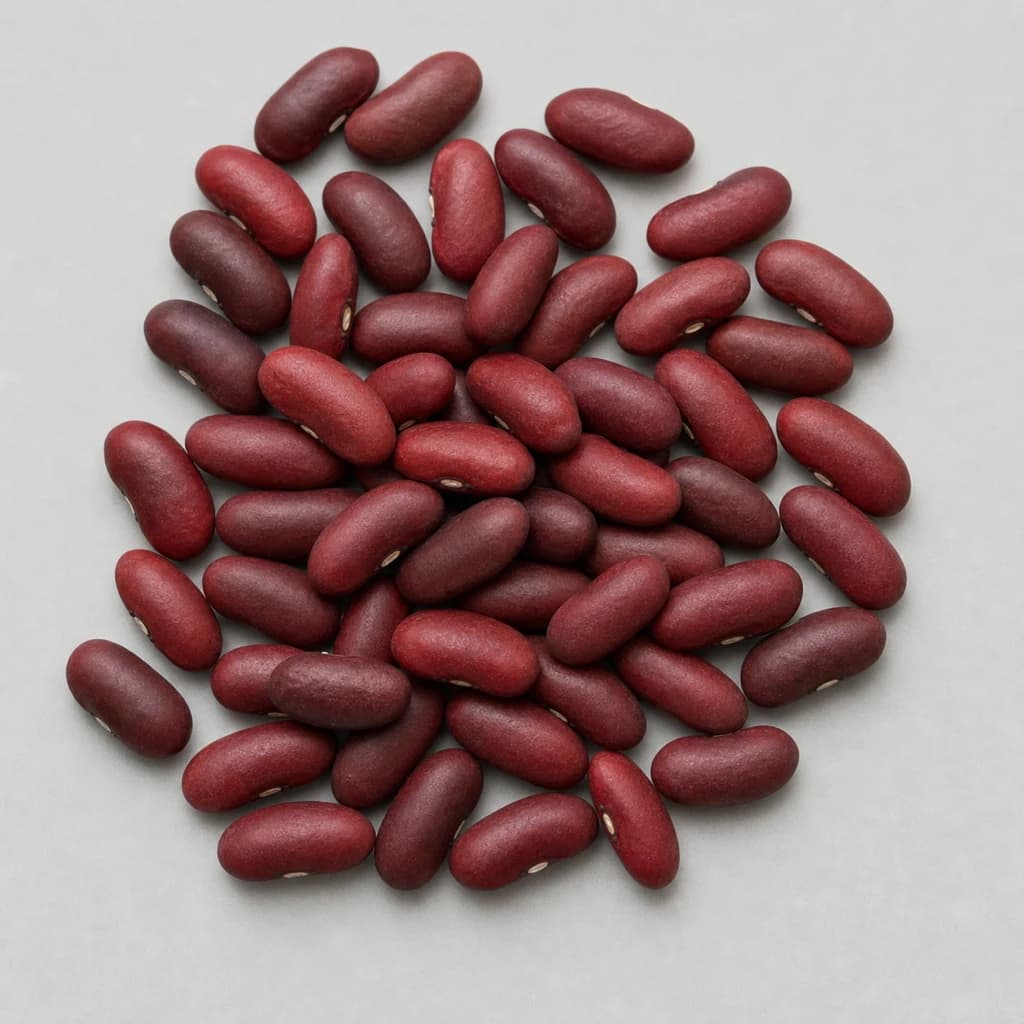
Hearty red beans that hold their shape in chili and stews
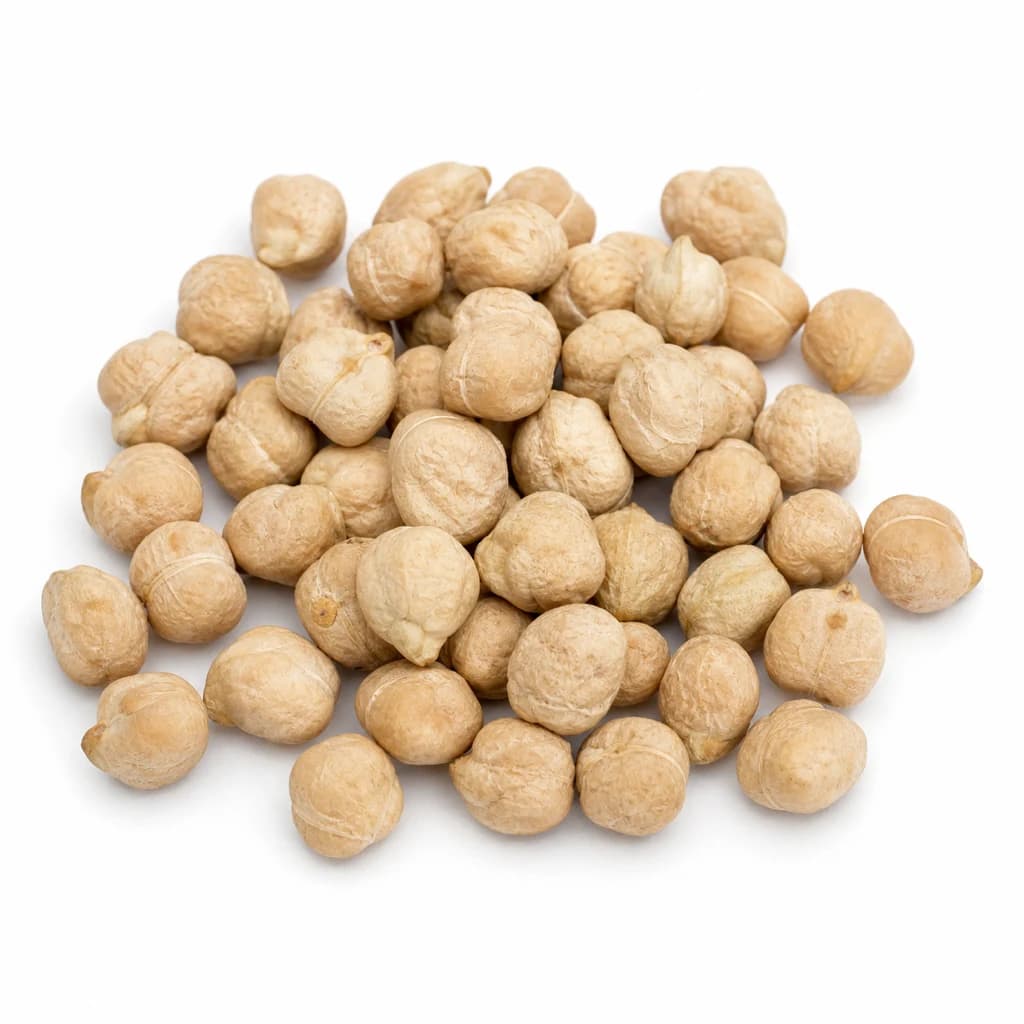
Chickpeas
Nutty, versatile beans for hummus, curries, and roasting
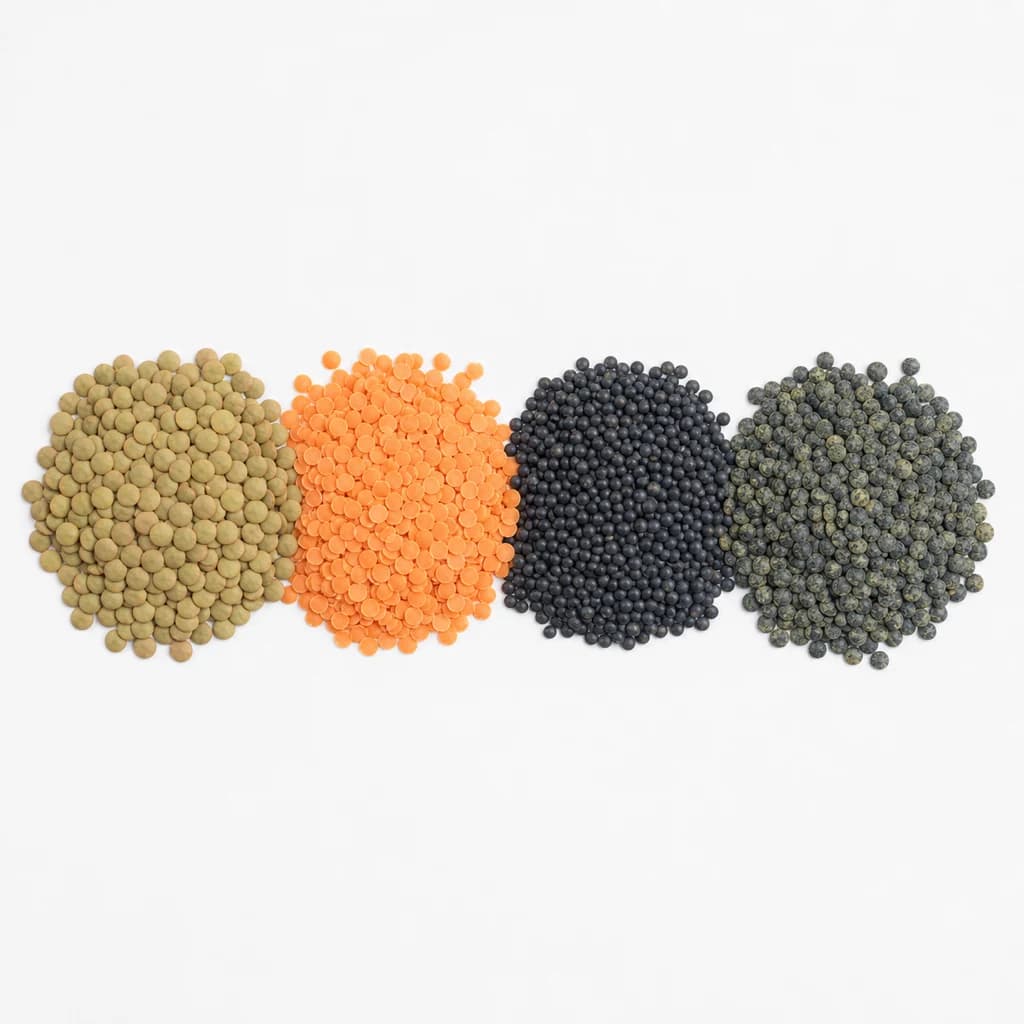
Lentils
Quick-cooking pulses for soups, dals, and hearty salads

White Beans
Creamy, mild beans for soups, stews, and silky purées
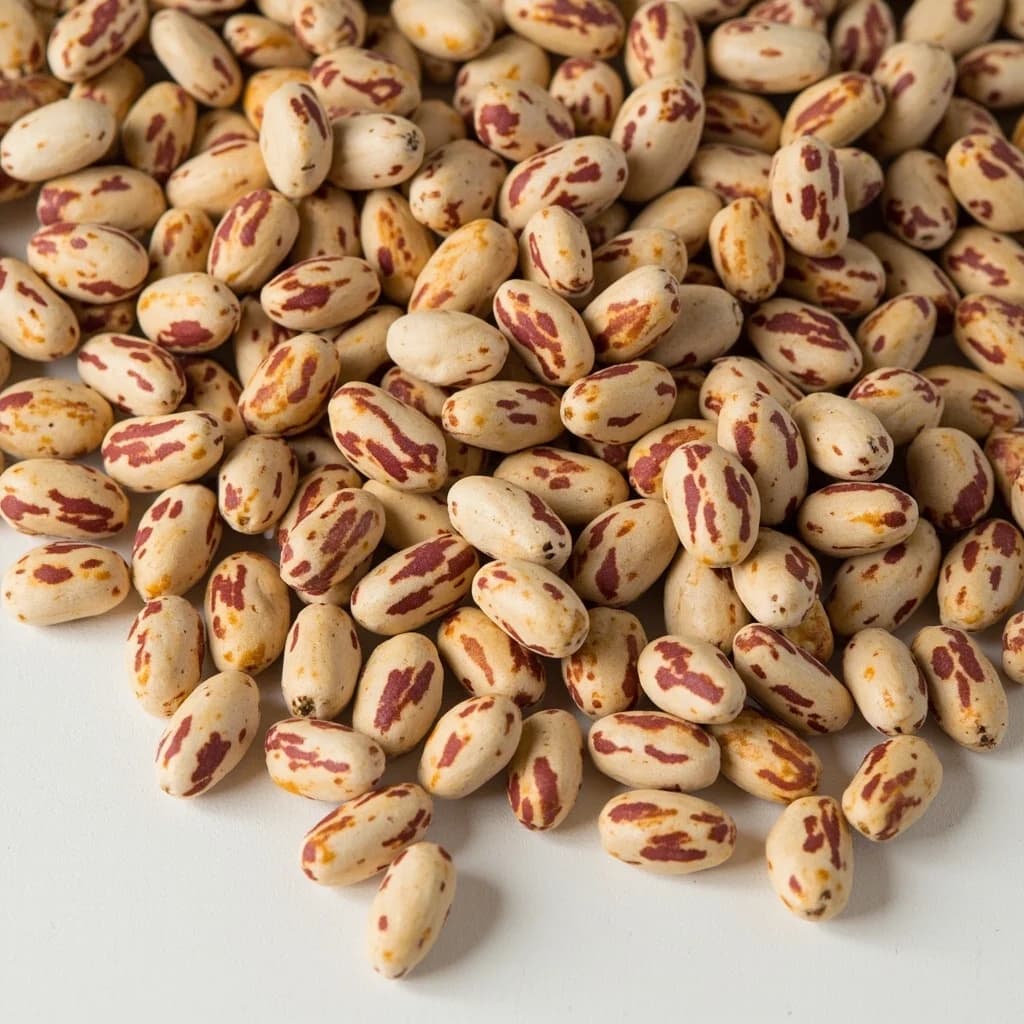
Pinto Beans
Creamy, speckled beans for refried beans and stews

Split Peas
Quick-cooking peas that melt into thick, comforting soups
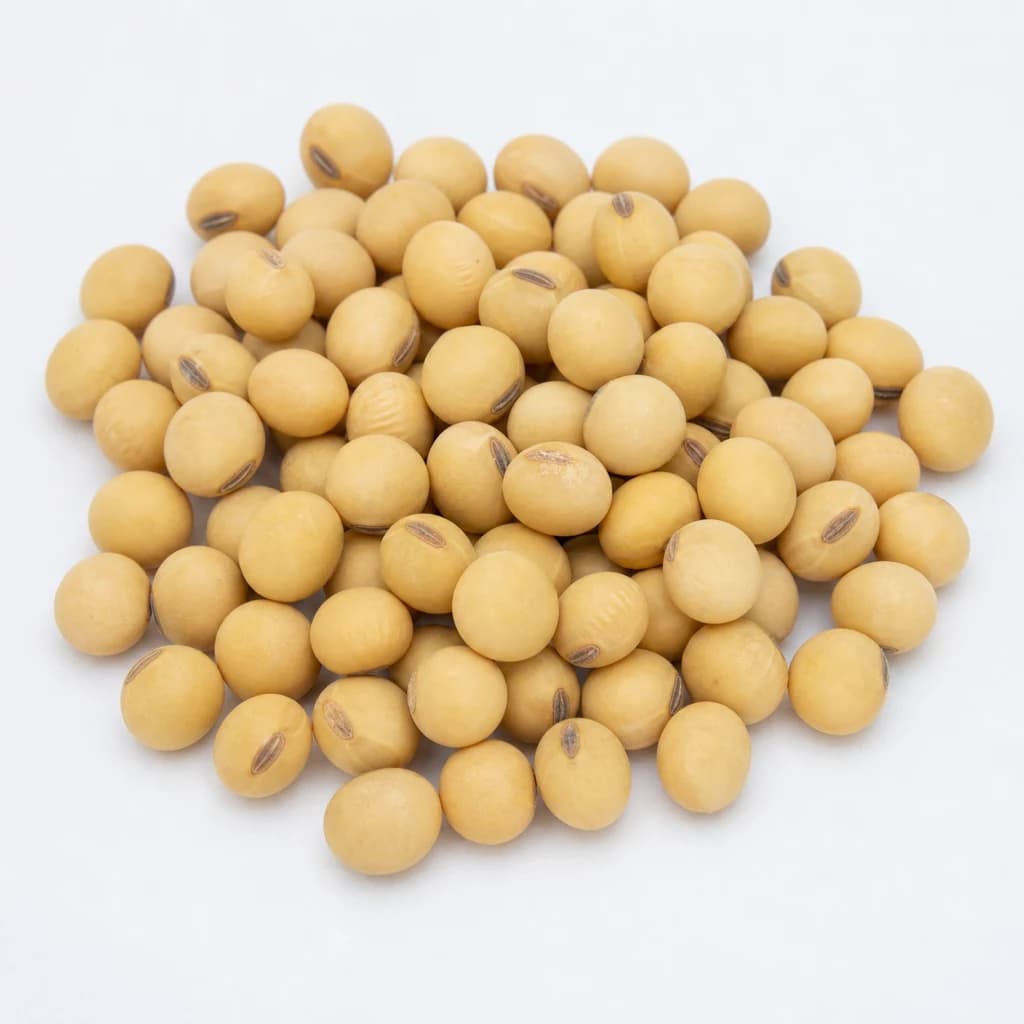
Soybeans
Protein-packed beans, the base for tofu and miso