 Spanish
Medium · Hot
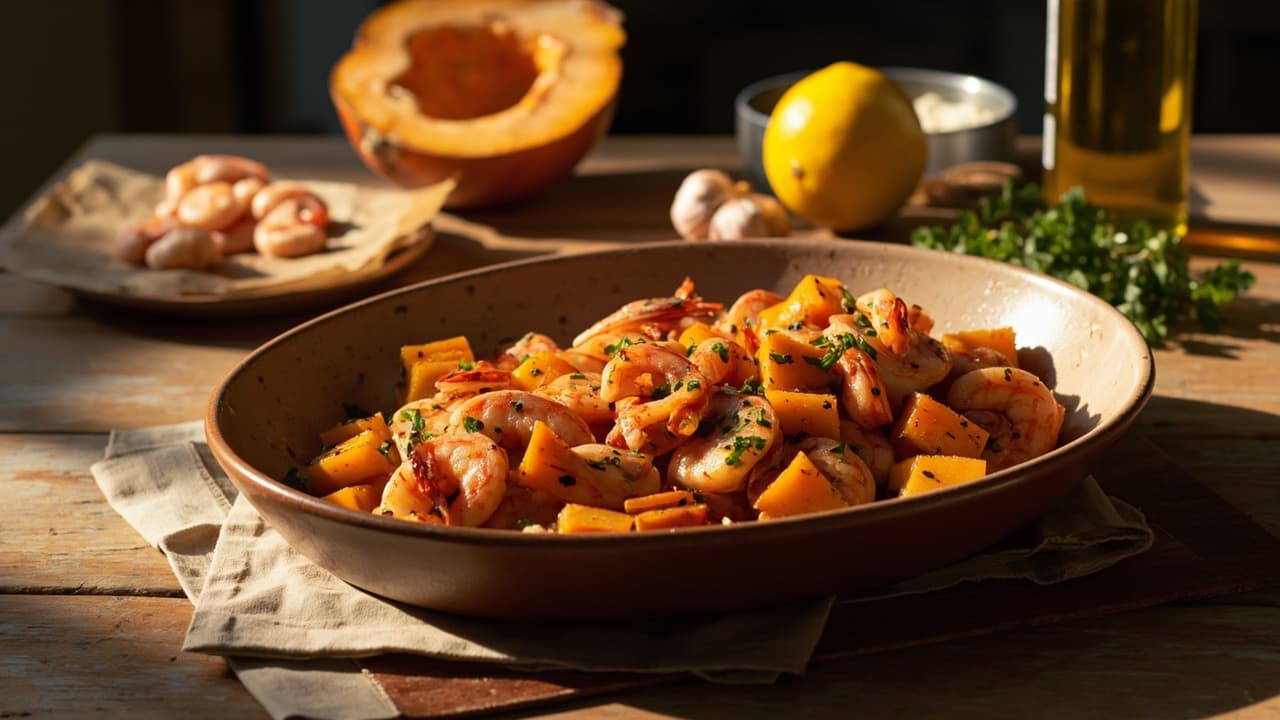
Butternut Squash and Shrimp Tapa with Smoked Paprika
Caramelized butternut squash cubes crowned with plump, smoked-paprika-seared shrimp, finished with a bright lemon-herb drizzle. A coastal tapas plate that honors the sea without hiding it.
Prep
15 min
Cook
30 min
Total
45 min
Method
1
Heat oven to 200C (400F). Toss butternut squash cubes with 3 tbsp olive oil, salt, and black pepper until evenly coated.
2
Spread in a single layer on a baking sheet. Roast 25-30 minutes, turning once at the 15-minute mark, until golden at the edges and tender when pierced.
4
While squash roasts, pat shrimp dry with paper towels. Toss with smoked paprika and a pinch of salt.
5
6
7
Transfer roasted squash to a serving platter or wide tapas dish. Arrange seared shrimp on top.
A
Nutri-Score
Excellent balance
A–E · lower is better · score -2
Calories
328
per serving
High in protein · 26gLow sugar · 5g
Protein
26g
Carbs
20g
Fat
18g
Sat. fat
7g
Fiber
7g
Sugar
5g
Sodium
1148mg
Dairy FreeGluten FreeLow CarbPescatarianAnti InflammatoryHeart HealthyWeight ManagementBalanced MacrosHigh ProteinOmega 3 Rich
Nutri-Score is a general nutritional-balance guide, not medical or dietary advice.
E
Environmental impact
Very high impact
A–E · lower is better · includes estimates
kg CO2e
2.9
per serving
ECarbonBEU all-round· carbon sets the grade
Water
19m³
Land
41Pt
Runoff
0.9g P
shrimp, peeled and deveined drives 93% of this recipe’s estimated footprint.
Carbon from Poore & Nemecek 2018; water, land & runoff from Agribalyse — modelled averages for comparing recipes, not a measurement of your groceries.
Flavor Profile
6
Umami
4
Sweet
5
Salty
3
Sour
1
Bitter
4
Spicy
Textures
CrispyFirmTender
Aromas
CitrusHerbalPungentRoastySmoky
Kitchen Equipment
Techniques
Safety & Storage
Allergen Warning
Shellfish (shrimp) is present. This is a potentially life-threatening allergen for sensitive individuals. Clearly label dishes containing shrimp and confirm guest allergies before service.
Cooking Temperature
Shrimp must reach an internal temperature of 63°C (145°F) throughout. Use a calibrated probe thermometer. Do not rely on visual appearance alone—shrimp should be pink and opaque with no translucent centers.
Cross Contamination
Raw shrimp juice must not contact ready-to-eat foods, utensils, or surfaces. Designate separate cutting boards and tools. Sanitize all contact surfaces after handling raw shellfish.
Storage
Keep shrimp refrigerated at 4°C (40°F) or below until cooking. If purchased frozen, maintain frozen state until ready to use. Do not refreeze thawed shrimp.
High Risk Population
Shellfish allergies can cause anaphylaxis in susceptible individuals. Very young children, elderly persons, and immunocompromised individuals are more vulnerable to foodborne illness from undercooked seafood.
Handling
Pat shrimp dry before seasoning and cooking. Moisture on the surface causes steaming rather than searing, resulting in a less developed crust and potentially rubbery texture.
Shelf Life
Sautéed shrimp is best consumed immediately. If holding for service, keep at safe temperature above 60°C (140°F). Discard any shrimp that has been held in the danger zone (4-60°C / 40-140°F) for more than 2 hours.
Pro Tips
Technique
Trust the heat: let your skillet get properly hot before the shrimp touches it. You want that pan to whisper, not shout — a gentle shimmer means it’s ready to give the shrimp a proper sear without sticking.
Substitution
If smoked paprika isn’t to hand, a pinch of regular paprika with a whisper of cumin will carry the warmth, though you’ll lose that lovely coastal smoke. The dish adapts, but the spirit remains.
From the chef
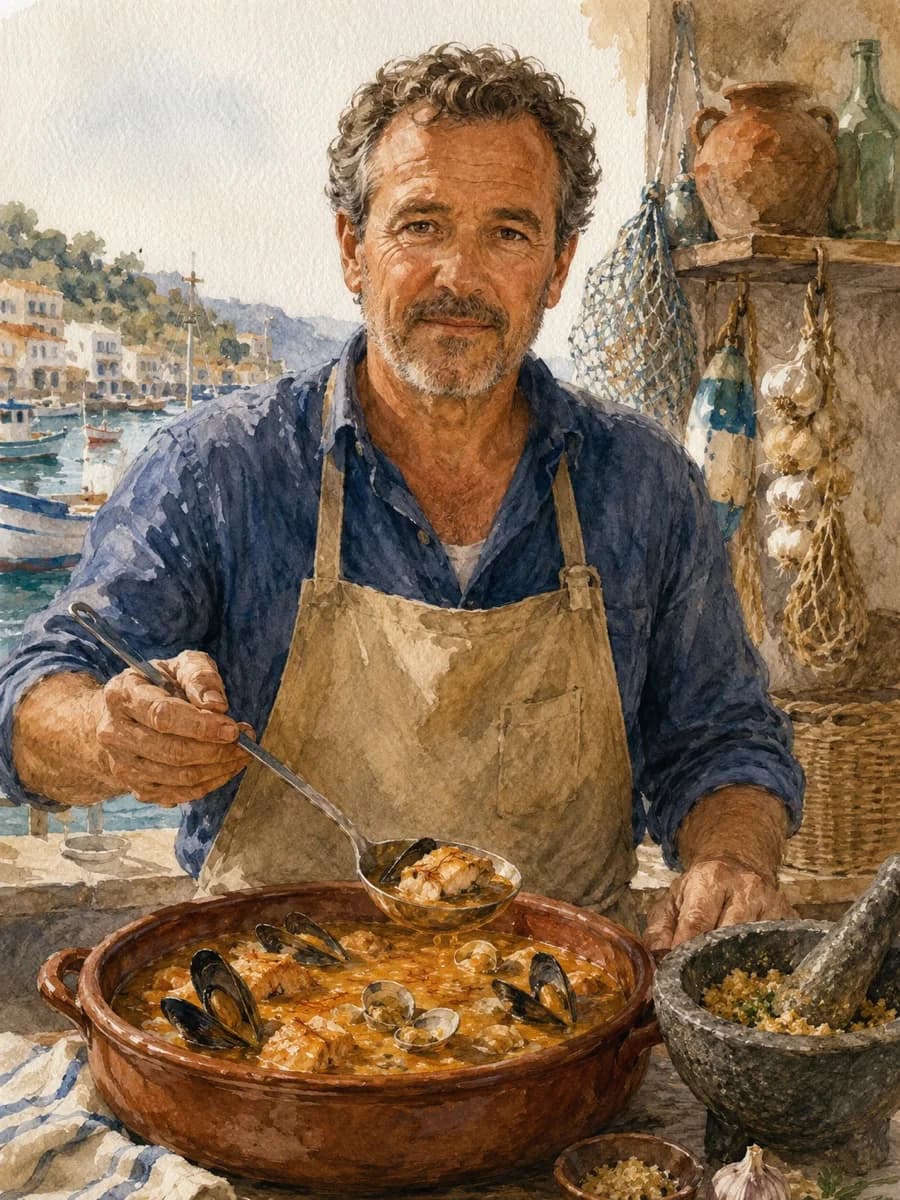
At the market, I learned to read the sea in what remains at day’s end — the fish that didn’t sell, the shrimp with the deepest rose color. This tapa began as an experiment with what the autumn brings: that golden squash, sweet as the last warm days. The shrimp deserves more than a boiler’s fate, and smoked paprika gives it a gentle coastal smoke, like a driftwood fire down at the harbor edge.
TagsTapasSeafoodSpanishWeeknight DinnerRoastedPan SearedMediterraneanGluten Free
AllergensShellfish
Source: generated · June 13, 2026