 Japanese
Medium · Hot
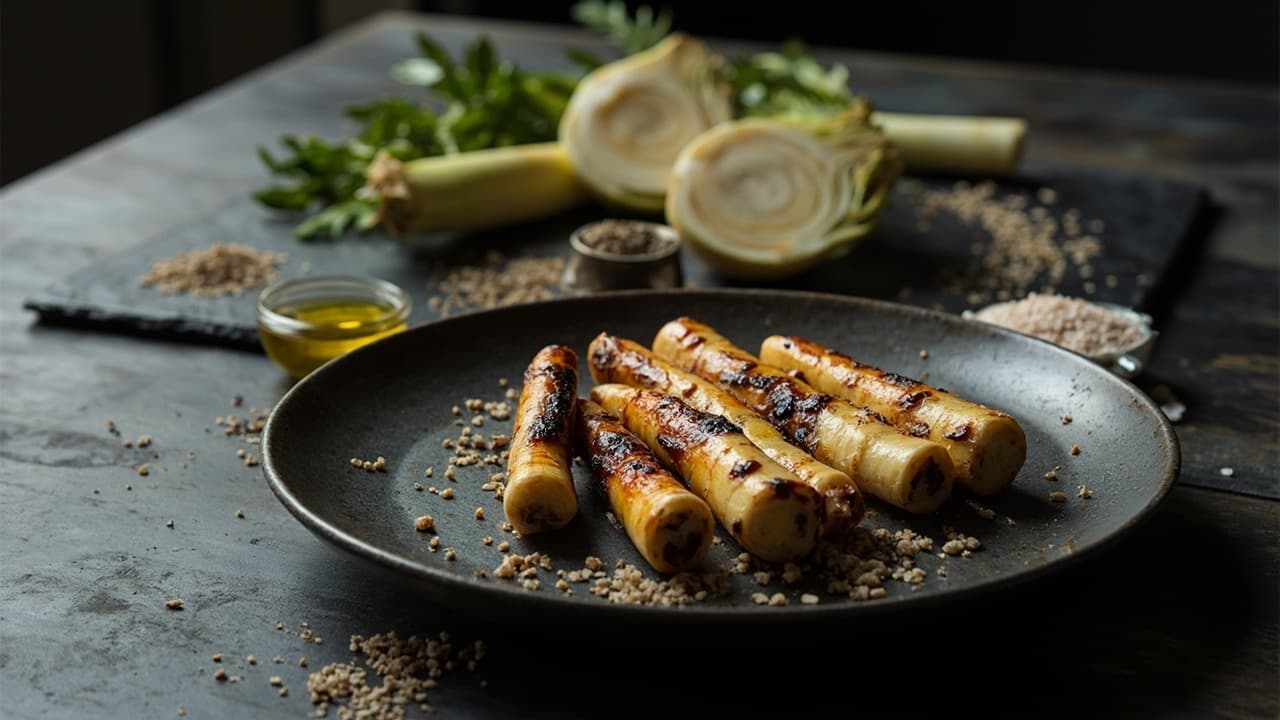
Binchōtan-Roasted Parsnip with Fennel Salt
Whole parsnips roasted over clean binchōtan heat until caramelized and tender, finished with a aromatic fennel salt that honors the vegetable's natural sweetness.
Prep
20 min
Cook
25 min
Total
45 min
Method
1
Light binchōtan in your brazier and allow the coals to reach full ignition — the surface covered in white ash, radiating clean radiant heat with no flame. This takes 15-20 minutes. The heat should feel intense when you hold your hand 15cm above.
2
Trim the parsnips, leaving the skins on. Scrub well under cold water and pat dry. If large, halve lengthwise to ensure even cooking.
3
In a dry skillet over medium-low heat, toast the fennel seed until fragrant and slightly darkened, about 2 minutes. Transfer to a mortar and let cool completely.
4
Grate the fennel bulb on the fine side of a box grater to yield 1 tablespoon of fresh fennel. Add to the cooled fennel seed along with the salt.
5
6
7
Internal temperature should reach 93C when tested at the thickest point. The exterior will be deeply caramelized with char marks; this is intentional and clean char, not smoke.
8
Transfer the roasted parsnips to a serving platter. Drizzle with olive oil and shower generously with fennel salt while still hot.
B
Nutri-Score
Good balance
A–E · lower is better · score 1
Calories
138
per serving
High in salt · 3555mgSource of fibre · 8gLow sugar · 6gLow saturated fat · 1g
Protein
2g
Carbs
25g
Fat
4g
Sat. fat
1g
Fiber
8g
Sugar
6g
Sodium
3555mg
Dairy FreeGluten FreeHigh FiberLow ProteinVeganHigh Sodium
Nutri-Score is a general nutritional-balance guide, not medical or dietary advice.
A
Environmental impact
Very low impact
A–E · lower is better · includes estimates
kg CO2e
0.1
per serving
ACarbonAEU all-round· both agree
Water
0.1m³
Land
3.7Pt
Runoff
0.01g P
Parsnip drives 66% of this recipe’s estimated footprint.
Carbon from Poore & Nemecek 2018; water, land & runoff from Agribalyse — modelled averages for comparing recipes, not a measurement of your groceries.
Flavor Profile
5
Umami
5
Sweet
6
Salty
1
Sour
2
Bitter
1
Spicy
Textures
CrispySmoothTender
Aromas
EarthyHerbalNuttySmoky
Kitchen Equipment
Primary Tool
Binchotan BrazierBinchotan BrazierCast Iron SkilletIron Wire Yakitori GrillFine Box GraterMortar And PestleServing PlatterTongsBamboo Skewers Or Metal Skewer For Doneness TestBinchotan Charcoal
Safety & Storage
Cooking Temperature
Allow binchōtan coals to reach full ignition with white ash covering the surface before roasting. Internal temperature of parsnips must reach 93C at the thickest point to ensure proper doneness.
Equipment Safety
Binchōtan braziers reach extreme temperatures. Place on stable, heat-resistant surfaces away from flammable materials. Never leave unattended during use.
Handling
Use heat-resistant tongs for all turning and handling of parsnips over hot coals. Allow parsnips to cool slightly before serving to prevent burns from char temperature.
The iron wire grill and metal tongs will be extremely hot after roasting. Allow all equipment to cool completely before cleaning or storage.
Storage
Store fresh parsnips in a cool, dark place or refrigerator. Use within 1-2 weeks for optimal freshness and texture.
Allergen Warning
This recipe contains no major allergens (milk, eggs, fish, shellfish, tree-nuts, peanuts, wheat, soy, sesame, mustard, celery, lupin, mollusks, sulfites, or gluten). However, verify all ingredient sources for allergen cross-contact if serving to sensitive individuals.
Pro Tips
Technique
Resist the urge to move the parsnips too often. The magic happens in the stillness between turns—let each side develop a proper char before you touch it. Patience with fire is not waiting; it is listening.
Substitution
If you cannot find fresh fennel bulb, increase the fennel seed to 2 tablespoons and add a small pinch of ground anise to compensate. The salt will still honor the parsnip's sweetness.
From the chef
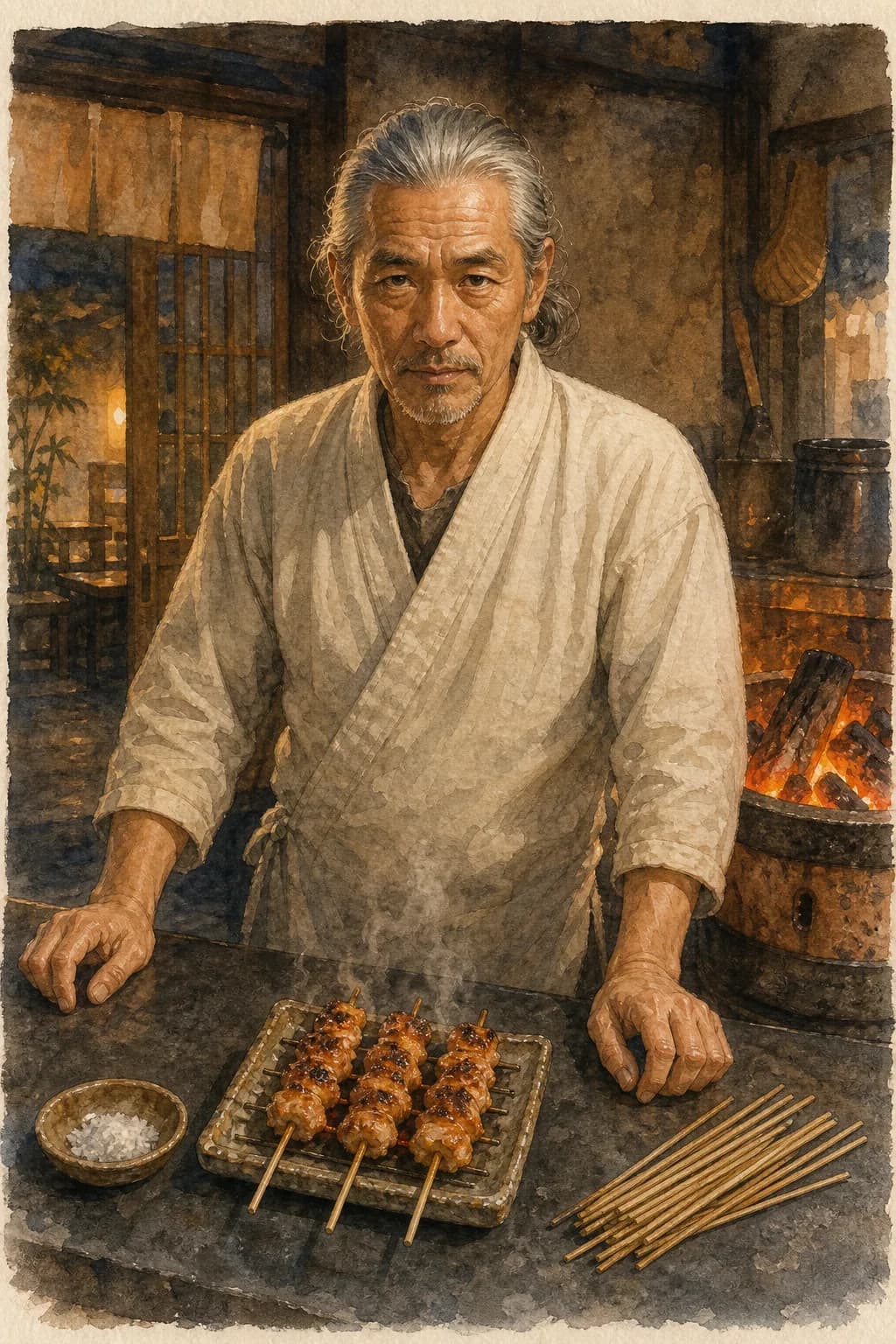
In Kagoshima, we say the fire speaks first and the ingredient answers. When I roast parsnips over binchōtan, the white coals draw out their sugars slowly, caramelizing without aggression. The fennel salt is not a garnish but a conversation—two vegetables from the same family, meeting in their most honest form over clean heat.
TagsBinchotanCharcoal RoastedHigh HeatRoasted VegetableFennelParsnipSimpleClean EatingUmamiAromatic
Source: generated · June 12, 2026