 Japanese
Medium · Warm
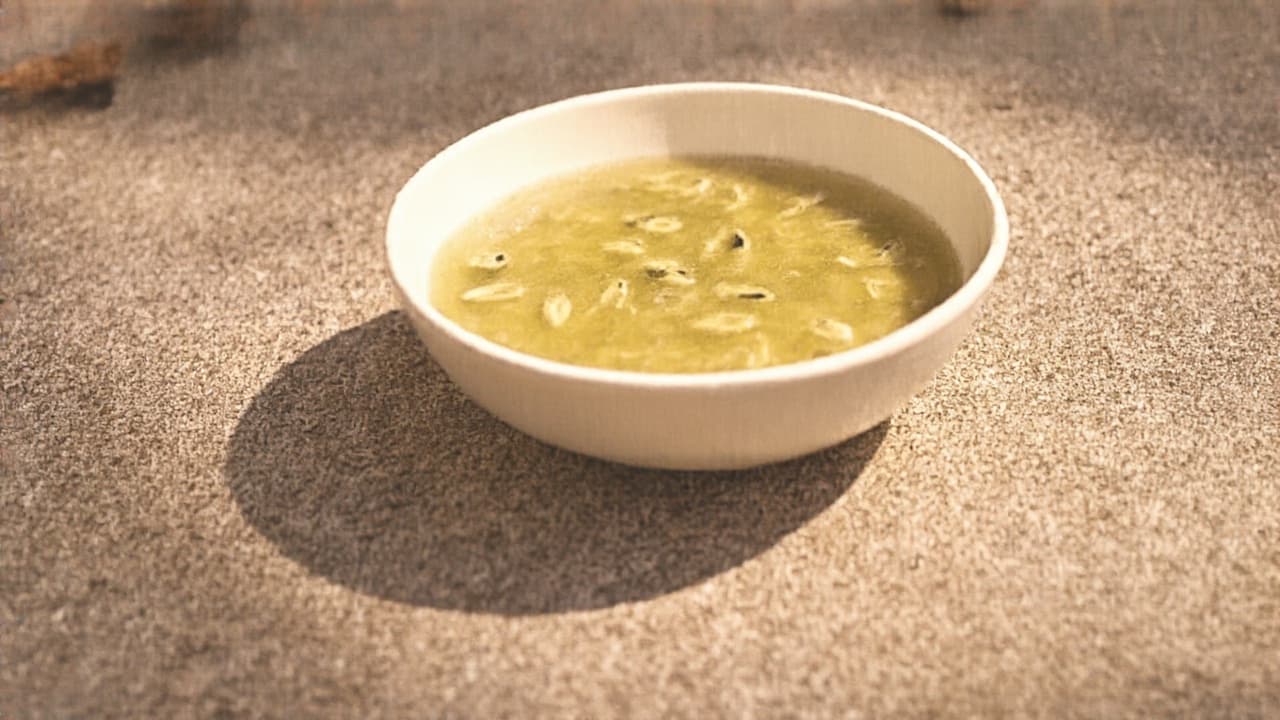
Seasonal Vegetable Nimono
A gentle Japanese simmered dish where seasonal vegetables absorb a savory-sweet dashi broth. Pure, clean flavors that celebrate what is ripe.

Prep
15 min
Cook
25 min
Rest
5 min
Total
45 min
Method
Preparation
1
Peel and cut carrots into 1-inch rounds. Trim radishes and halve if large. Wipe mushrooms clean and quarter them.
Blanching
Simmering
3
In a wide saucepan, combine chicken broth, soy sauce, honey, rice vinegar, and salt. Bring to a gentle simmer over medium heat.
4
Resting and Finishing
6
Remove from heat. Cover and let vegetables rest in the broth for 5 minutes to absorb the flavors.
7
Drizzle sesame oil over the vegetables. Garnish with sesame seeds. Serve warm or at room temperature with the remaining broth.
A
Nutri-Score
Excellent balance
A–E · lower is better · score -8
Calories
76
per serving
Source of protein · 3gLow sugar · 11g
Protein
3g
Carbs
15g
Fat
2g
Sat. fat
2g
Fiber
7g
Sugar
11g
Sodium
353mg
Gluten FreeDairy FreeLow FatHeart HealthyDiabetes FriendlyLow CaloriePlant Forward
Nutri-Score is a general nutritional-balance guide, not medical or dietary advice.
A
Environmental impact
Very low impact
A–E · lower is better · includes estimates
kg CO2e
0.1
per serving
ACarbon
Radish drives 51% of this recipe’s estimated footprint.
Carbon from Poore & Nemecek 2018; water, land & runoff from Agribalyse — modelled averages for comparing recipes, not a measurement of your groceries.
Flavor Profile
6
Umami
4
Sweet
5
Salty
2
Sour
1
Bitter
0
Spicy
Textures
TenderSilkySoft
Aromas
EarthySavoryNutty
Kitchen Equipment
Primary Tool
Wide SaucepanCounter FootprintSmall
Safety & Storage
Allergen Warning
This dish contains soy and sesame. Both are major allergens requiring clear labeling. Use dedicated utensils and preparation areas when cooking for individuals with these allergies.
Cross Contamination
Sesame seeds can persist in shared equipment. Thoroughly clean all utensils, cutting boards, and surfaces that contact sesame ingredients before using for allergen-free preparations.
Storage
Cool the dish rapidly after cooking and refrigerate within 2 hours. Store in airtight containers. The soy-based broth and vegetable proteins require proper refrigeration to prevent bacterial growth.
Shelf Life
Consume refrigerated leftovers within 3-4 days. Reheat thoroughly until steaming hot throughout before serving.
High Risk Population
Young children and elderly individuals may have difficulty chewing sesame seeds. Consider grinding seeds or omitting for these populations. The soy content may affect those with soy allergies or sensitivities.
Handling
When blanching vegetables, ensure water reaches a full rolling boil. During the simmering phase, maintain gentle boiling and stir occasionally to ensure even cooking and prevent sticking.
Infant Safety
This recipe contains raw honey. Do not serve to infants under 12 months of age due to the risk of infant botulism from Clostridium botulinum spores.
Pro Tips
Technique
The simmer should be gentle — never boiling. A few bubbles rising occasionally is enough. High heat toughens the vegetables and disrupts the quiet conversation between dashi and season.
Substitution
If dashi is unavailable, dissolve one teaspoon of instant dashi powder in the chicken broth. The flavor will be slightly different, but still kind to the vegetables.
Seasonal
In winter, add kabocha squash and burdock root. In summer, try edamame and Kyoto cucumber. Let the season guide your hand.
From the chef
Nimono is washoku at its most honest — vegetables and dashi, nothing hidden. In autumn, I reach for daikon and carrot. In spring, fresh peas. The dish does not ask for attention; it asks only that you pay attention to what is ready now.
TagsSimmeredSeasonalUmami RichVegetable ForwardWashokuLow CalorieHealthyGluten Free AdaptableHome Style
AllergensSoySesame
Source: generated · June 10, 2026