Southeast Asia (Central Thailand)
Central Thai
Also: Bangkok Cuisine, Thai Cuisine (mainstream), Royal Thai, Central Plains Thai
The globally dominant face of Thai cooking — a precise architecture of sweet, sour, salty, and spicy balanced through coconut milk curries, bright fish-sauce dressings, and aromatic stir-fries born along the Chao Phraya river.
Central Thai cuisine is the food of the Chao Phraya river basin, centered on Bangkok and the surrounding provinces of Ayutthaya, Nonthaburi, Pathum Thani, and the central plains. It is the cuisine that became 'Thai food' internationally — partly through the influence of the royal palace kitchen tradition (which formalized many dishes), partly through Bangkok's role as the nation's capital and media center, and partly through Thailand's remarkably successful mid-20th century restaurant export program. Its defining grammar is the simultaneous balancing of four tastes — salty (fish sauce, shrimp paste), sour (lime, tamarind), sweet (palm sugar, coconut milk), and spicy (fresh bird's eye chilies) — within a single dish. It is distinct from Northern Thai (slower braised dishes, no coconut milk), Northeastern Thai/Isan (fermented fish, dry preparations), and Southern Thai (turmeric, deep spice, fiercer heat).
The flavour base
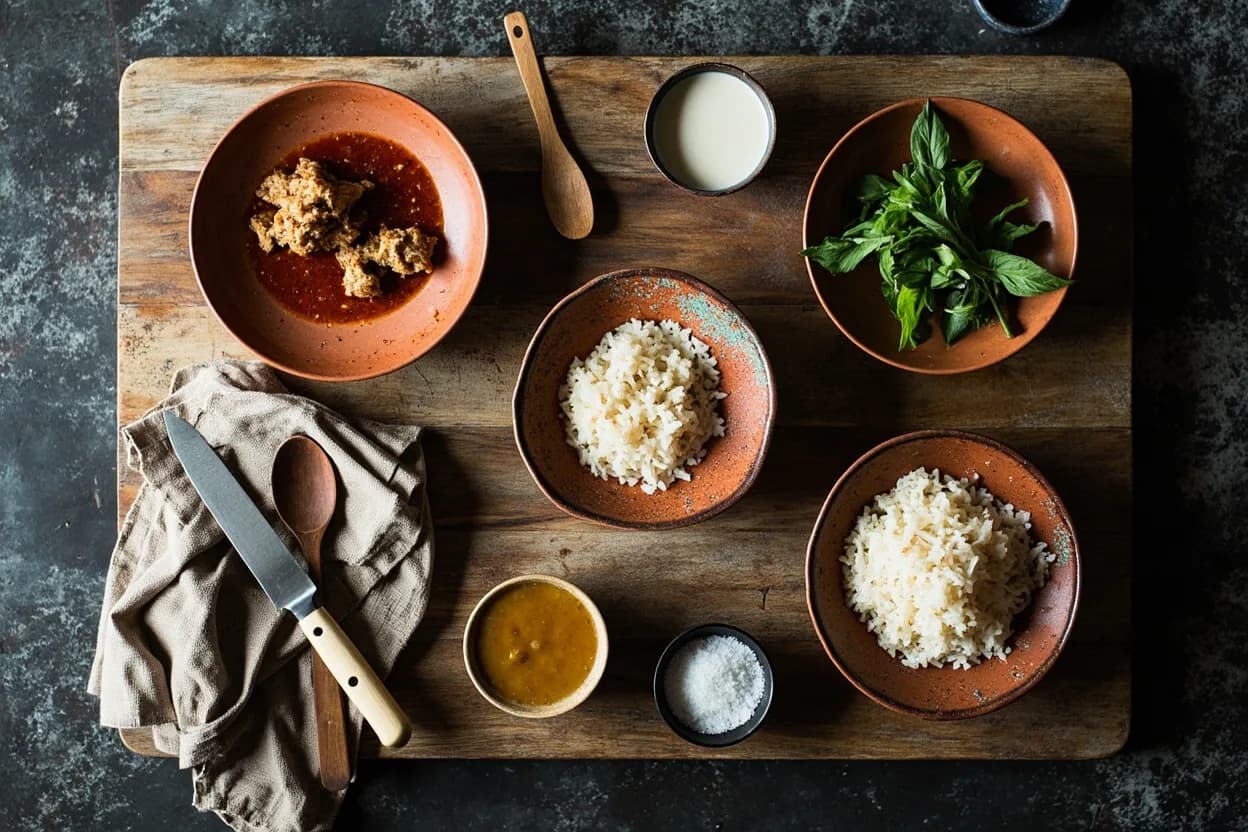
Fish sauce (nam pla) and shrimp paste (kapi) as the umami and saline foundation; lemongrass, galangal, kaffir lime leaf, and Thai basil as the aromatic scaffold; coconut milk for fat, sweetness, and body; lime juice and tamarind for acid; palm sugar for sweetness; fresh bird's eye chilies and dried dried spur chilies for heat.
Pantry staples
Key ingredients
Signature techniques
Signature dishes
Central Thai on the table

At the table
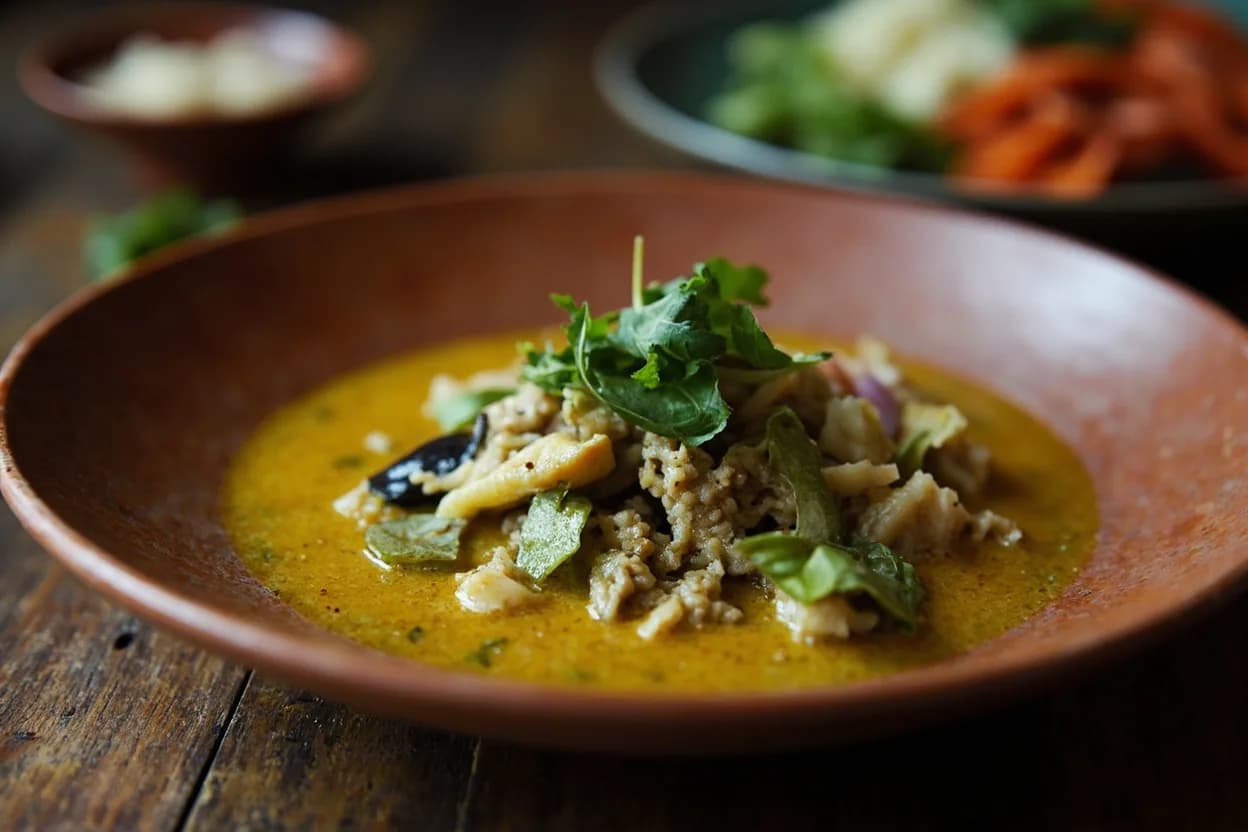
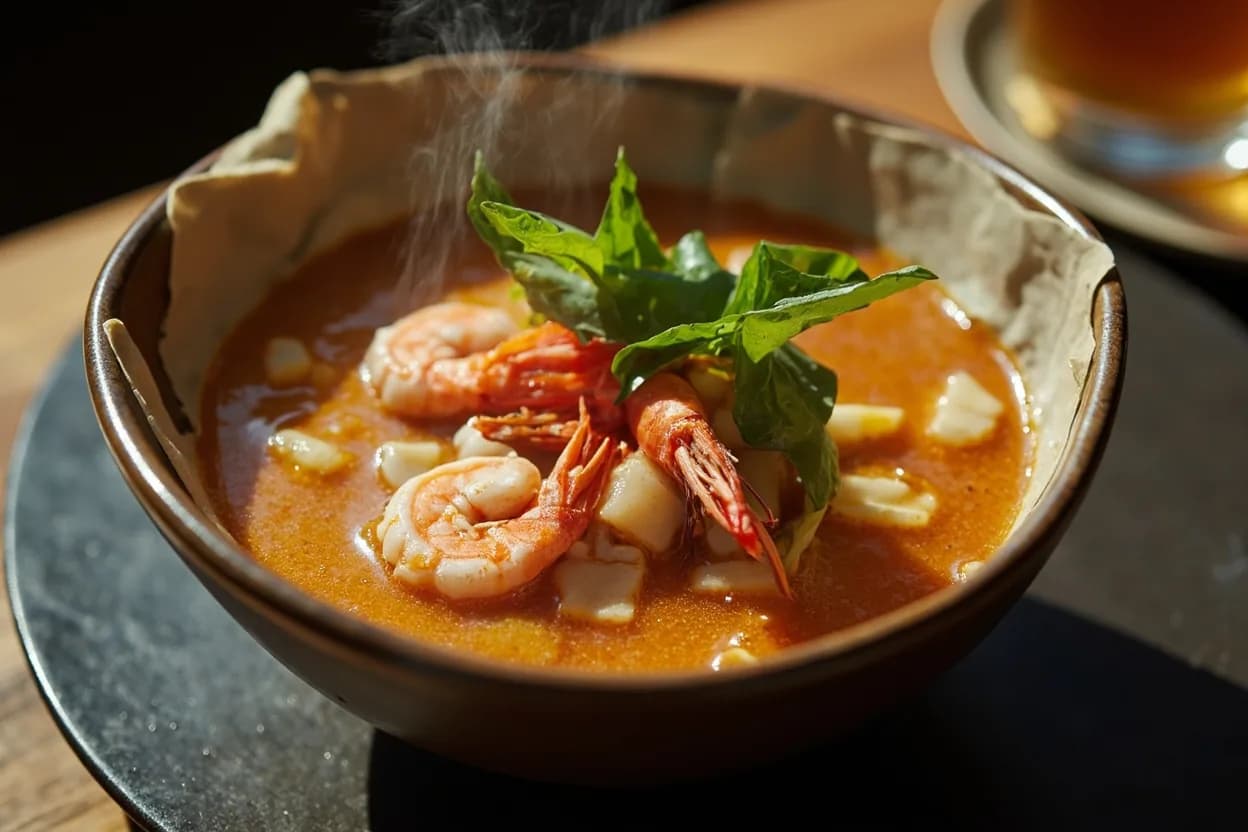
Thai meals are communal: dishes are placed at the center and shared simultaneously rather than in courses. A typical family meal includes a soup (kaeng or tom), a stir-fry, a salad or yam, and a curry, all eaten with jasmine rice. Individual noodle dishes (pad Thai, khao man gai) are street-food and single-serving formats. Street food (from mobile vendors and fresh market stalls) is a structural part of daily eating — millions of Bangkokians eat most meals from street carts, not home kitchens. Desserts (khanom) are distinct, typically coconut- and rice-flour-based, and served separately.
History & context
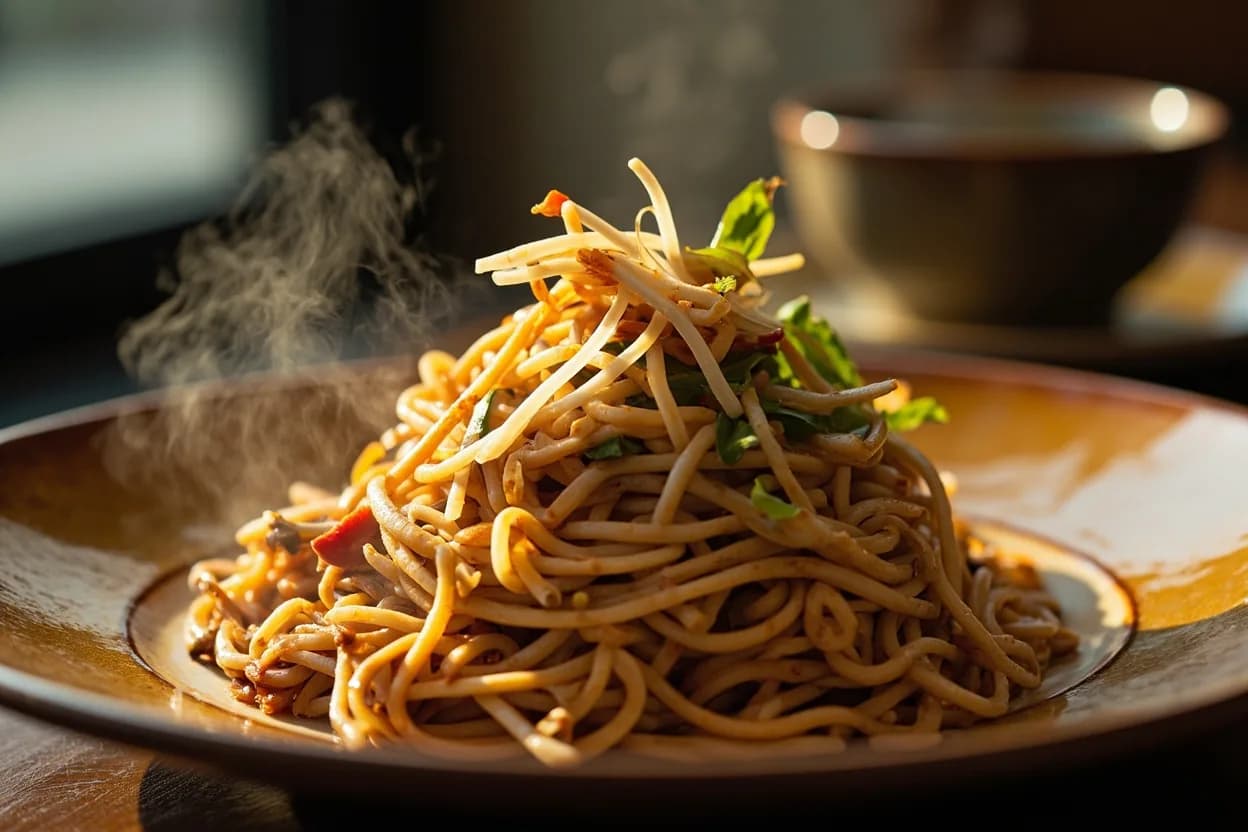
The Central Thai culinary tradition coalesced under the Ayutthaya Kingdom (1351–1767), where royal court culture absorbed culinary influences from China (wok techniques, tofu, noodles), India (spice-paste curries via Muslim traders), Persia (massaman's warm spices), and Portugal (egg-yolk sweets, chili peppers). The Siamese court was documented by Dutch and French visitors in the 17th century as maintaining an elaborate kitchen culture with dedicated departments for carving, sauce-making, and royal presentation. When Bangkok was established as the new capital in 1782 under Rama I, the court kitchen culture migrated and intensified. The cuisine was further shaped by massive Chinese immigration (particularly Teochew-speaking immigrants from Guangdong) in the 19th and early 20th centuries, contributing the noodle, tofu, and soy-sauce repertoire now considered inseparable from 'Thai' cooking. Pad Thai itself was a government invention: in the 1940s, Prime Minister Plaek Phibunsongkhram promoted a standardized noodle dish as a tool of national unity and rice conservation during wartime, effectively creating a 'national dish' through state policy. Global export of Thai restaurant culture beginning in the 1980s (partly Thai government-supported through 'Global Thai' and later 'Thai Kitchen to the World' programs) enshrined Central Thai as the internationally recognized face of Thai cuisine.
Regional variations
- Bangkok city cooking
Most influenced by Chinese-Thai (sino-Thai) techniques; greater use of soy sauce, oyster sauce, and noodles; street-food culture most dense and innovative; Royal Thai cuisine's refined presentations accessible via upscale restaurants.
- Ayutthaya
Historical capital; roa pla (river fish preparations) prominent; kaeng som (sour tamarind curry) a regional variant; slightly more conservative and less sweet than contemporary Bangkok palates.
- Central Plains (Nakhon Pathom, Suphanburi)
Rice-farming heartland; duck preparations prominent; slightly simpler, home-style versions of Bangkok dishes; khanom (sweets) culture very strong.
Related cuisines
- Northern Thai
No coconut milk; khao niaw (glutinous rice) dominant; influenced by Lanna, Burmese, and Yunnanese traditions; khao soi and sai oua sausage are markers of divergence.
Fermented fish (pla ra) more prominent than fresh fish sauce; glutinous rice; dry, roasted preparations; Lao linguistic and cultural roots; more rustic and intensely fermented.
Fiercer heat; turmeric and dried spices more present; Muslim influence strong in halal curries; sour curry (kaeng tai pla — fermented fish innards) marks the divergence point from Central Thai.
- Cambodian
Shares the aromatic paste (kroeung) logic; similar lime-galangal-lemongrass base; amok (steamed coconut curry) parallels Central Thai kaeng; less sweet, slightly more bitter.
Canonical recipes
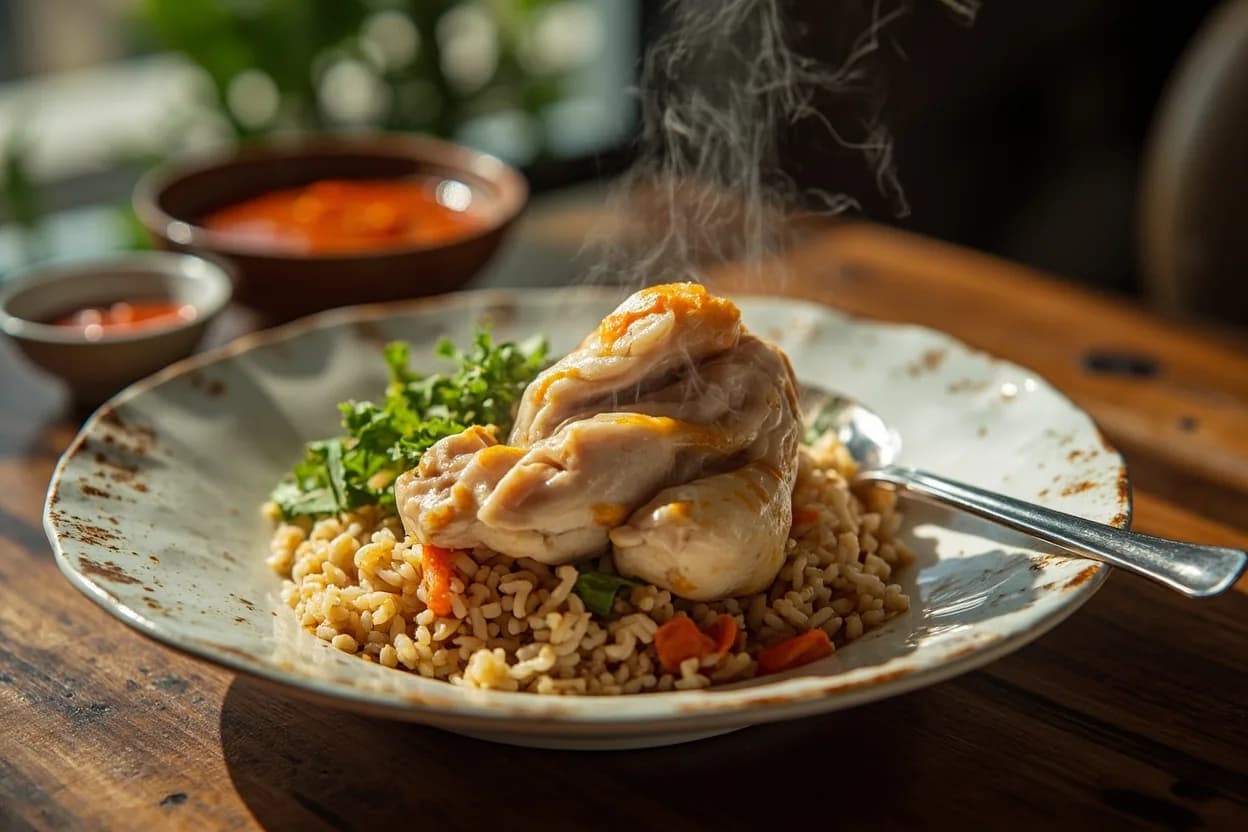
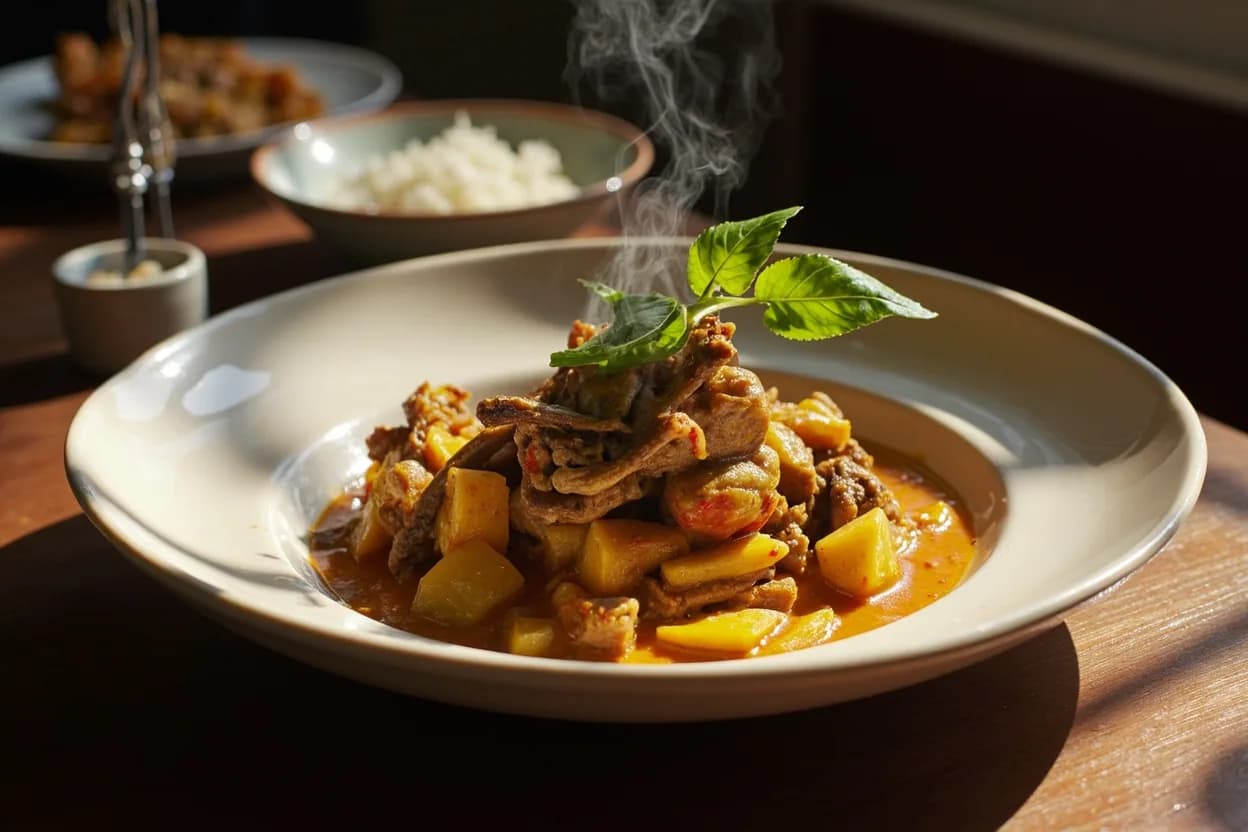
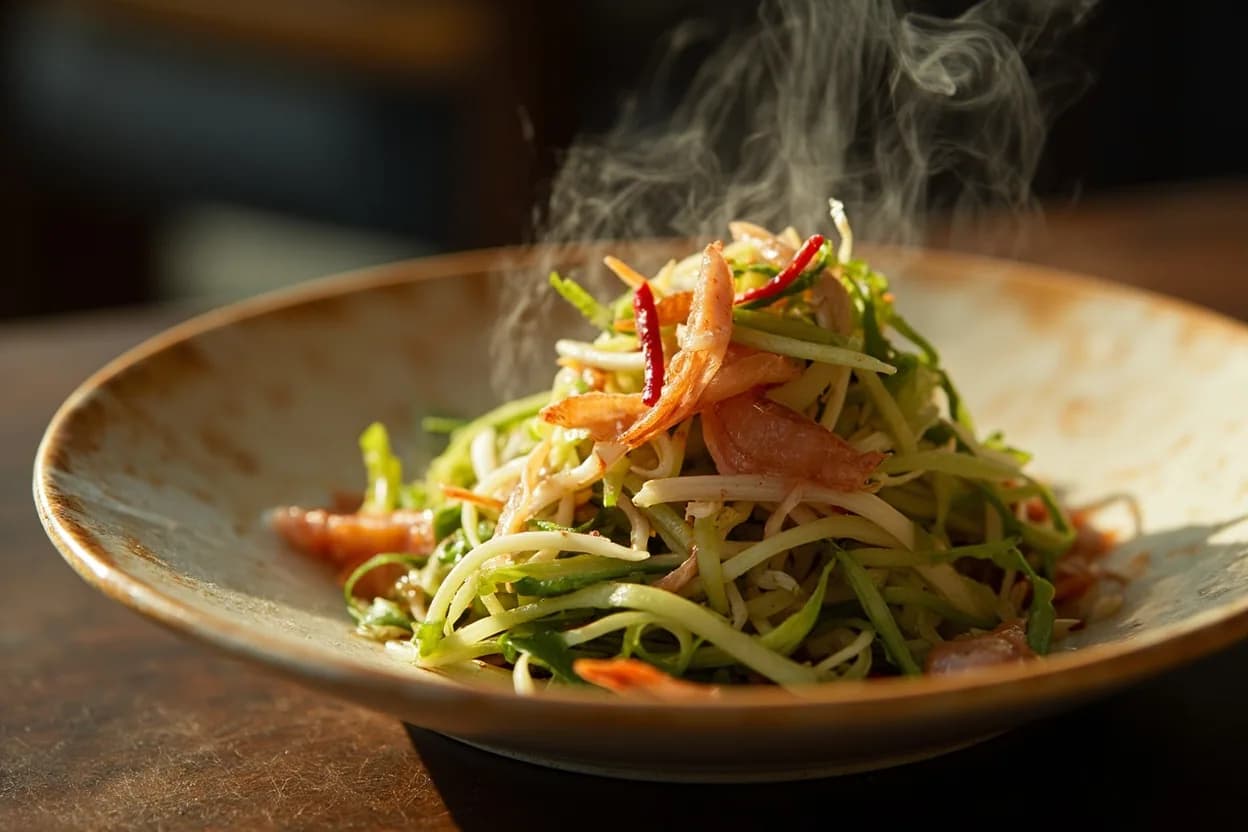
The dishes that define Central Thai, documented in the Canon.
References
- 1.Thompson, David — Thai Food (2002, Ten Speed Press)
- 2.Thompson, David — Thai Street Food (2010, Ten Speed Press)
- 3.McDermott, Nancie — Real Thai: The Best of Thailand's Regional Cooking (1992, Chronicle Books)
- 4.Kasma Loha-unchit — It Rains Fishes: Legends, Traditions and the Joys of Thai Cooking (1995, Pomegranate)
- 5.Brennan, Jennifer — The Original Thai Cookbook (1981, Richard Marek)
Confidence: high
Notes
The four-flavor doctrine
Central Thai cooking is distinguished less by specific ingredients than by the obsessive requirement to hold four tastes in simultaneous tension: salty, sour, sweet, and spicy. Any dish that privileges one at the expense of the others is, by Thai culinary logic, incomplete. This is not a background principle but an active, real-time practice — Thai cooks taste and adjust multiple times during cooking, and the condiment tray (fish sauce, lime wedges, sugar, dried chile flakes) at every Thai table invites diners to re-balance the dish to their own palate.
Pad Thai as constructed national identity
The global dominance of pad Thai as the 'face' of Thai cuisine is in large part a 20th-century political construction. Prior to the 1940s government campaign, Thais ate noodle dishes primarily at Chinese-Thai shops; pad Thai was one among many. Its promotion as a specifically Thai (not Chinese) national dish during a period of strong nationalist sentiment under Phibun deliberately minimized the dish's obvious Chinese-Thai genealogy. This history makes pad Thai an unusually legible case study in how national cuisines are invented and exported.