East Africa / Indian Ocean
Malagasy
Also: Madagascar Cuisine, Gasy Cooking, Malagache
A singular Austronesian-Bantu-Arab fusion where rice is eaten three times a day and romazava — a broth of beef with bitter greens — stands as the national dish of an island unlike anywhere else.
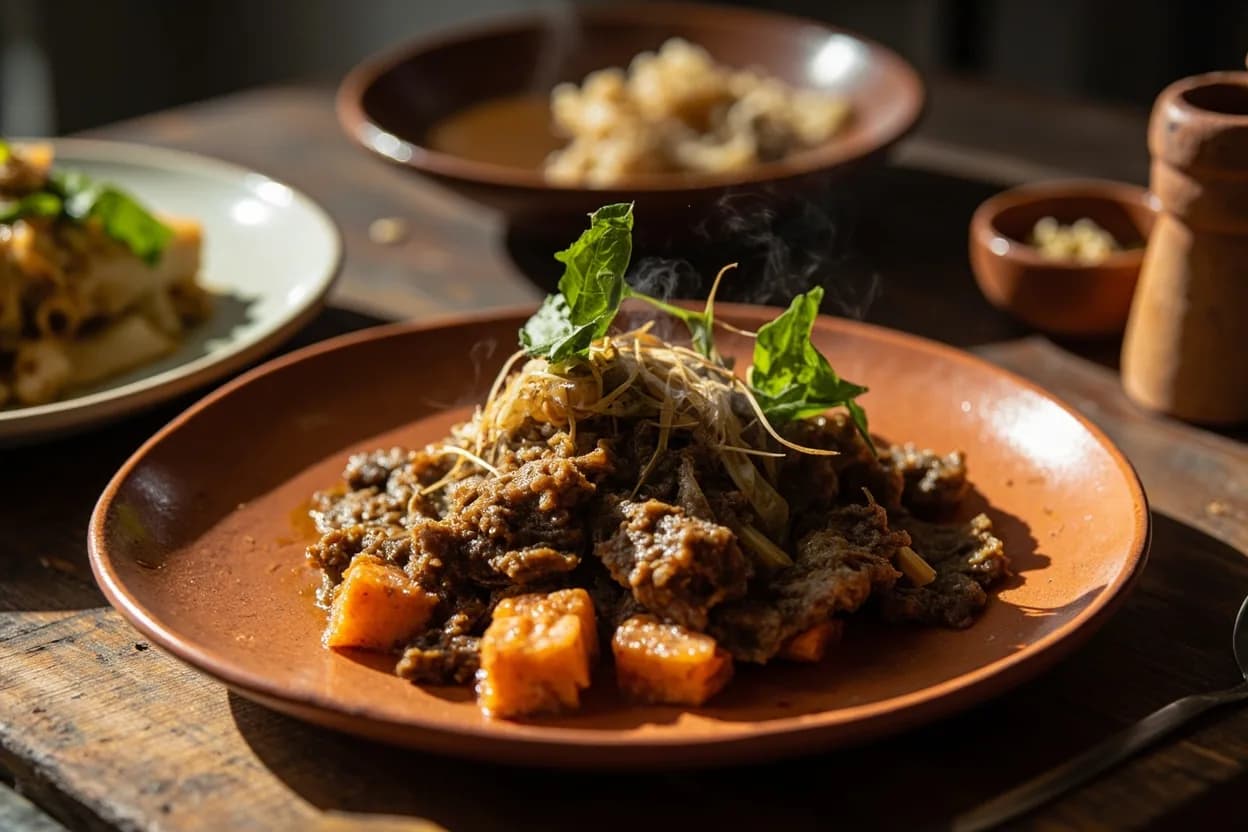
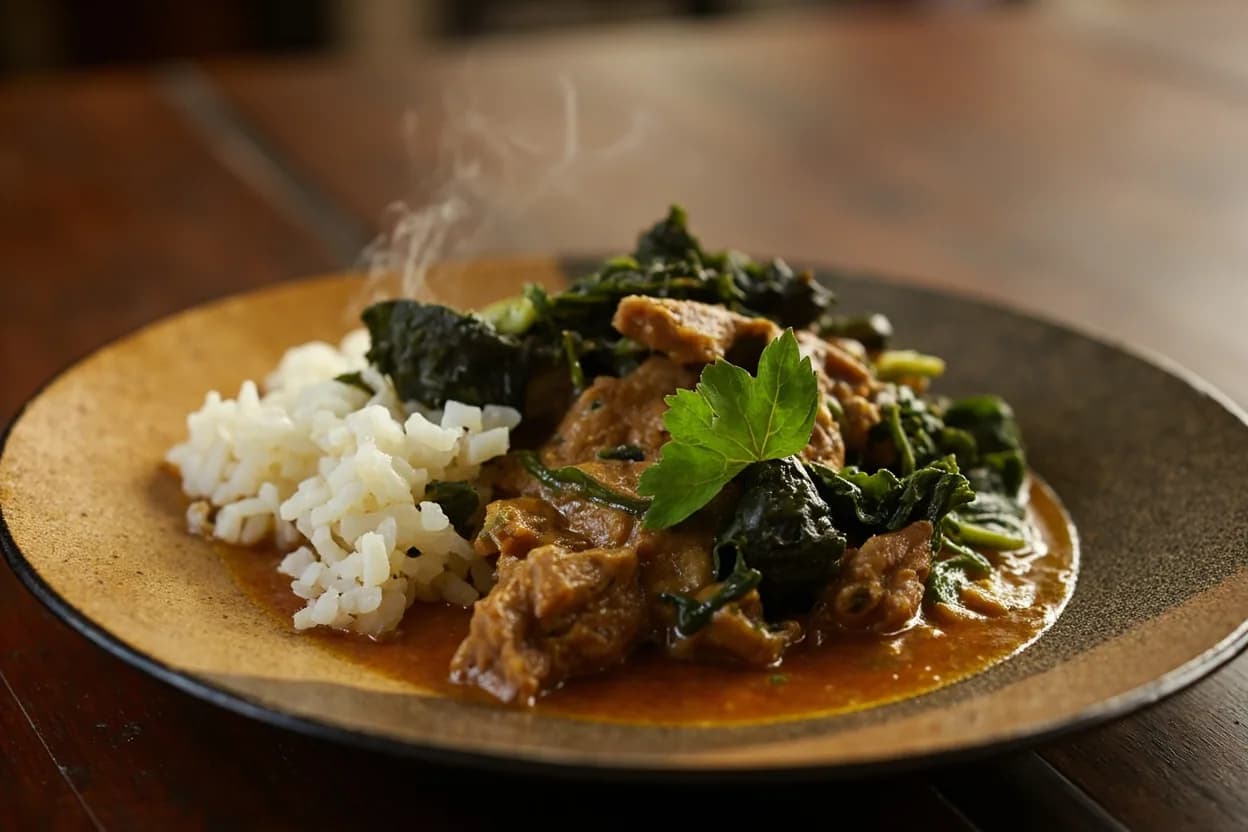
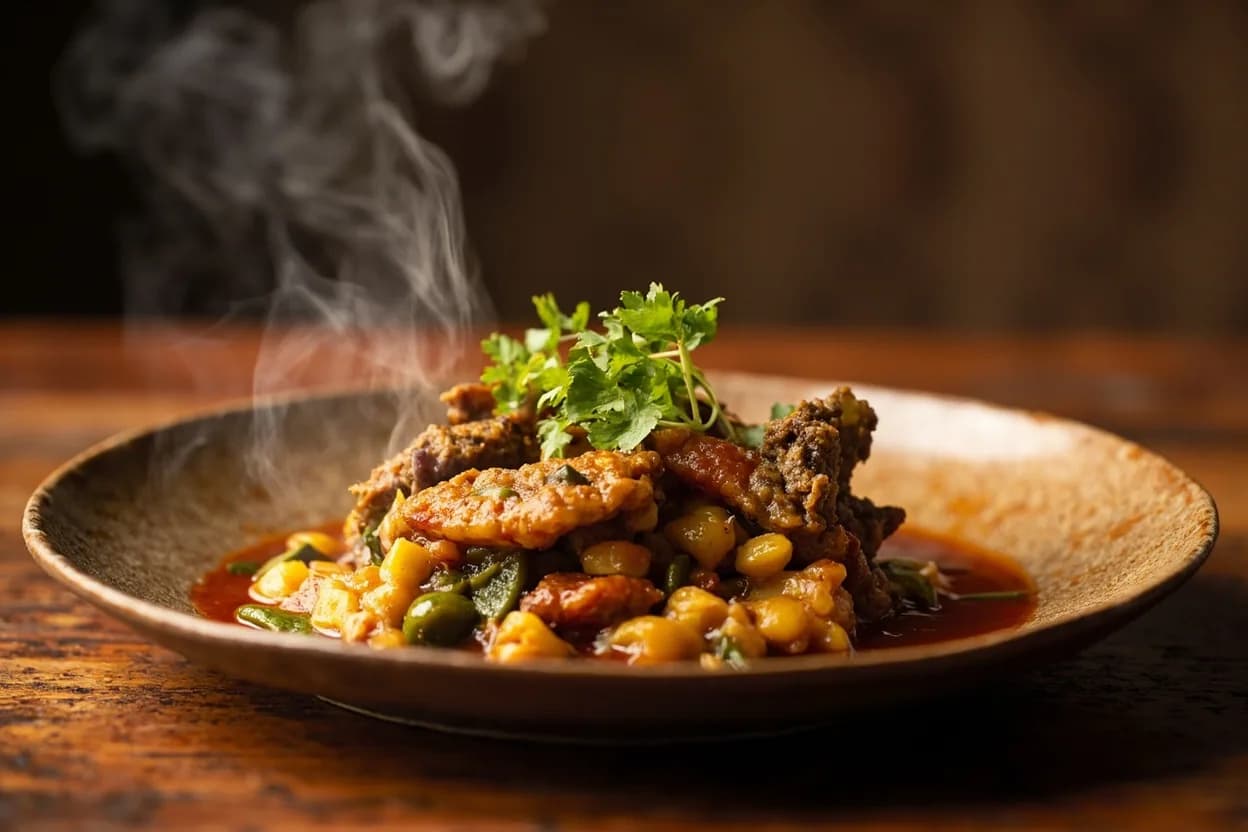
Malagasy cuisine is the most botanically distinct in Africa, shaped by the island's isolation and its improbable settlement history: Austronesian (Malay-Polynesian) seafarers arrived around 2,000 years ago, followed by Bantu-speaking Africans, Arab traders, and eventually European colonizers. The result is a food culture that resembles Southeast Asian rice-centrism at its core while drawing on African ingredients and Arab spice influence. Rice (vary) is not a side dish — it is eaten at every meal, often thrice daily, and Malagasy distinguish dozens of rice varieties by name. The national dish romazava, a clear broth with beef and mixed wild greens, reflects this restraint: austere, pure, and deeply aromatic.
The flavour base
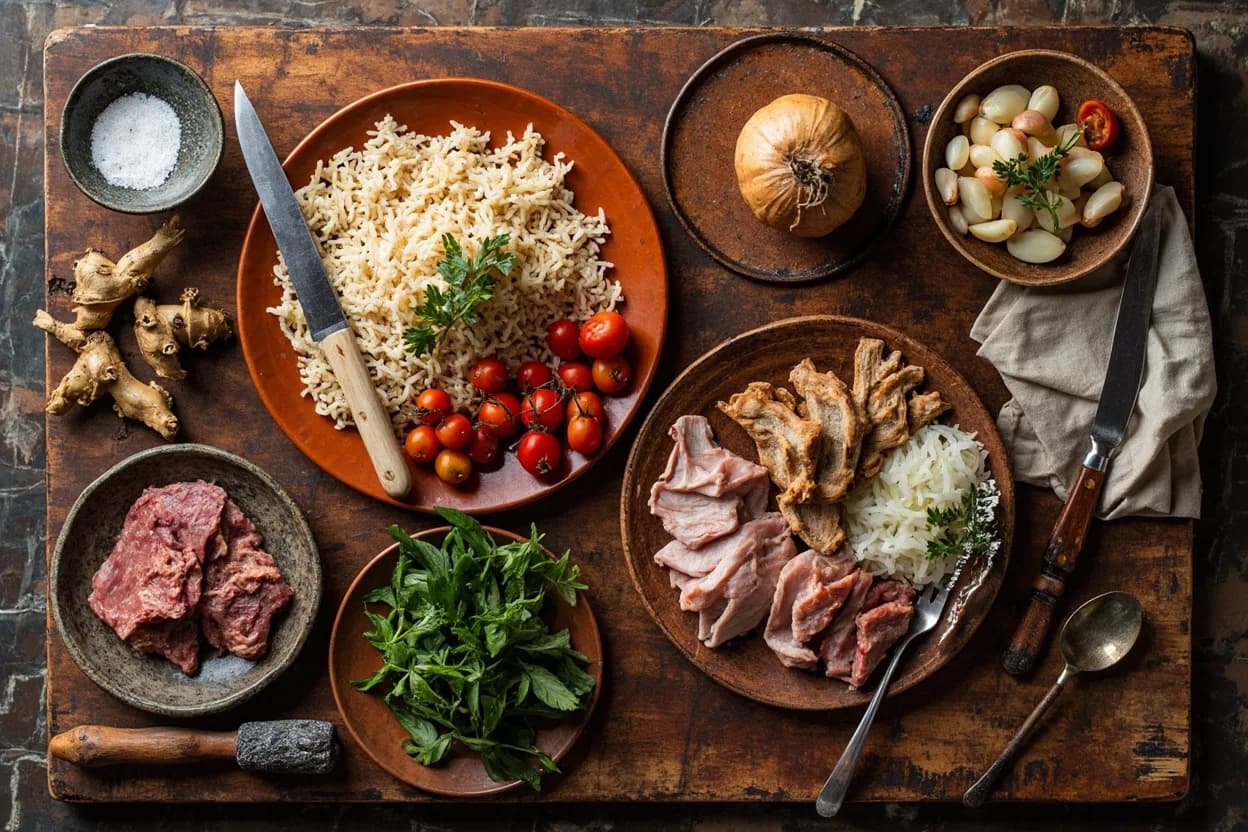
A 'romazava base' of ginger, garlic, tomato, and onion sautéed in oil forms the foundation of most meat and vegetable dishes; coconut milk anchors coastal preparations; fermented shrimp paste (toaka) seasons some regional stews.
Pantry staples
Key ingredients
Signature techniques
Signature dishes
Malagasy on the table
At the table
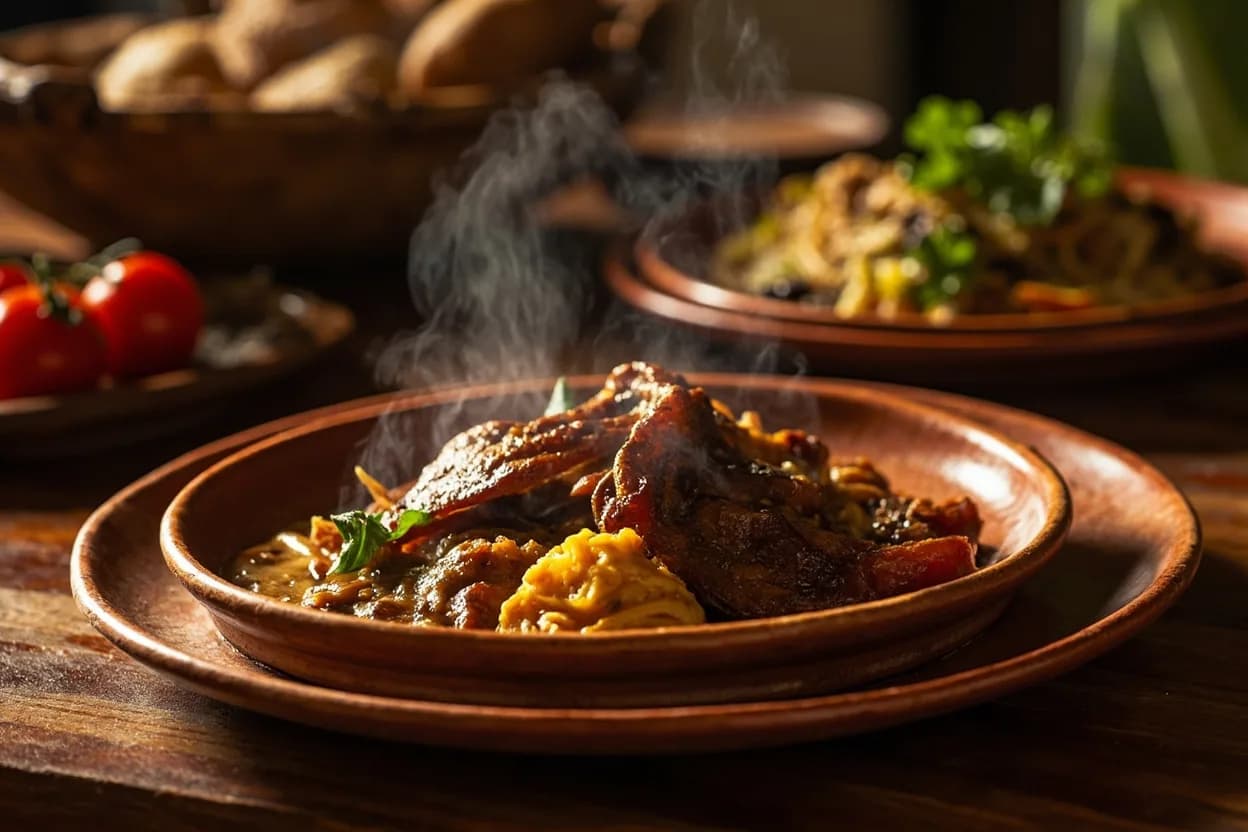
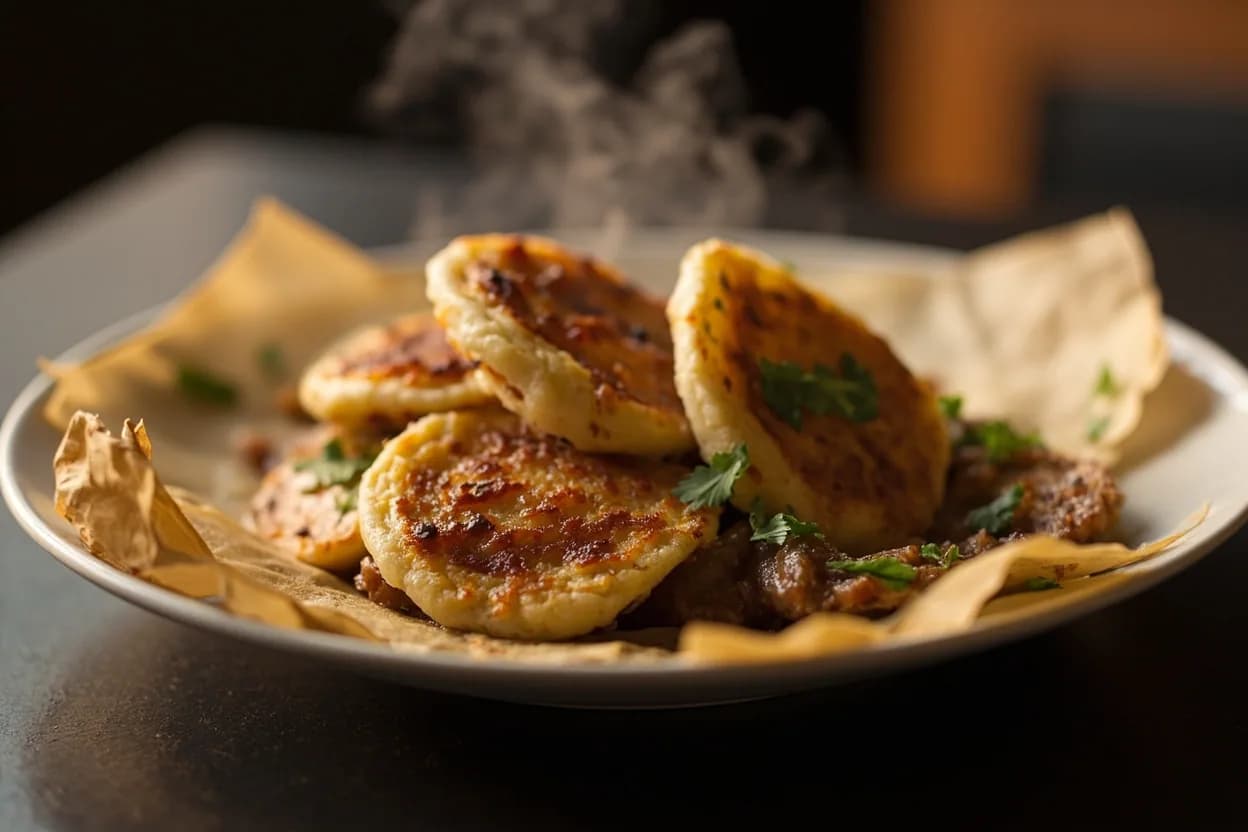
Every Malagasy meal is built around rice; laoka (side dishes of protein and vegetables) are accompaniments, not the main event. Meals are served simultaneously — rice in a communal bowl, laoka in separate small dishes around it. Breakfast may be rice with yesterday's leftovers or mofo gasy (fried rice cakes). Ranon'apango — the water used to rinse the scorched rice crust (ranovola) — is drunk as a beverage between meals. Meal times are regular and family-centered; street food is modest by regional standards.
History & context
Madagascar's settlement history is unlike any other territory of comparable size. Genetic and linguistic evidence points to Austronesian (Bornean) migrants arriving by canoe around 500–1000 CE, who brought with them wet rice cultivation, zebu cattle (from the African mainland), Southeast Asian spices, and the rice-centric meal structure that endures today. Bantu-speaking Africans arrived soon after, adding East African culinary habits. Arab dhow traders from the 7th century onward introduced Islam to coastal communities and spice use (ginger, turmeric, cloves). French colonization (1896–1960) added baguettes, coffee culture, and French culinary technique to urban centers, particularly Antananarivo. The island's biodiversity — over 90% of its species are endemic — has produced unique wild greens and aromatics that give Malagasy cuisine ingredients found nowhere else on Earth.
Regional variations
- Highlands (Imerina / Merina)
Least spiced zone; romazava, ravitoto, and rice dominate; zebu beef is the prestige protein; French culinary influence strongest in Antananarivo.
- East Coast (Betsimisaraka)
Humid rainforest coast; heavier coconut milk use; freshwater prawn (orana) stews; abundant tropical fruit — litchi, jackfruit, mango.
- West Coast / Menabe (Sakalava)
Drier savanna; zebu pastoralism central; smoked and dried meats (kitoza) prominent; mangrove shellfish and crab.
- South (Mahafaly / Antandroy)
Arid spiny forest region; cassava and drought-resistant crops dominate; zebu sacrifice central to ceremonies; minimal spicing.
- Northwest (Nosy Be)
Island tourist zone with strong Comorian and Arab influence; ylang-ylang and vanilla in cooking; seafood-forward.
Related cuisines
- Indonesian
The Austronesian settlement link is the deepest connection in world cuisine: rice-centrism, ginger use, and some vocabulary for dishes map directly to Borneo/Java.
- Comorian
The Comoros archipelago shares Indian Ocean trade routes, Arab spice heritage, and rice-centered meals with Madagascar; coconut and fish preparations overlap substantially.
- East African Swahili
Bantu culinary strand — cassava, smoked fish, coconut — connects Madagascar to mainland Swahili coast cooking.
- Réunionnaise
French colonial history and Indian Ocean geography create overlap in curry use, rum culture, and fusion approaches in both island cuisines.
Canonical recipes
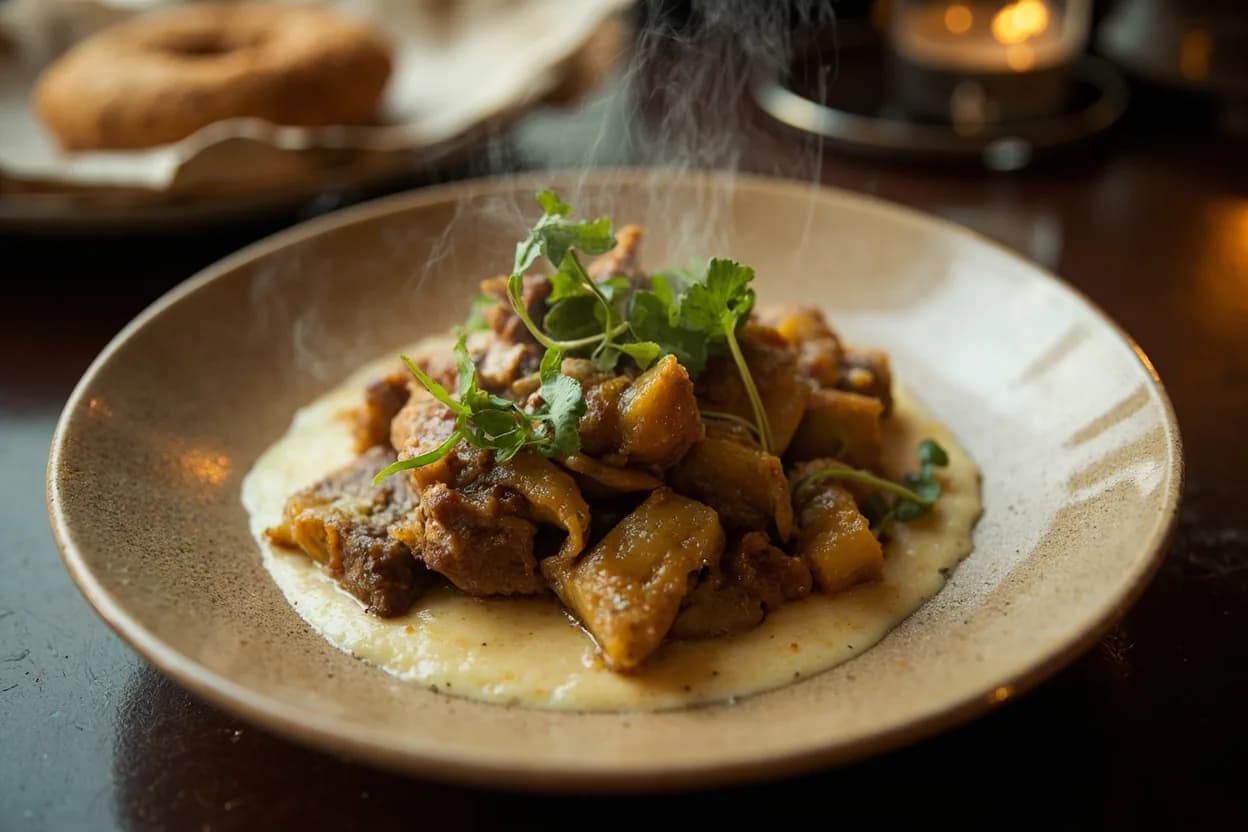
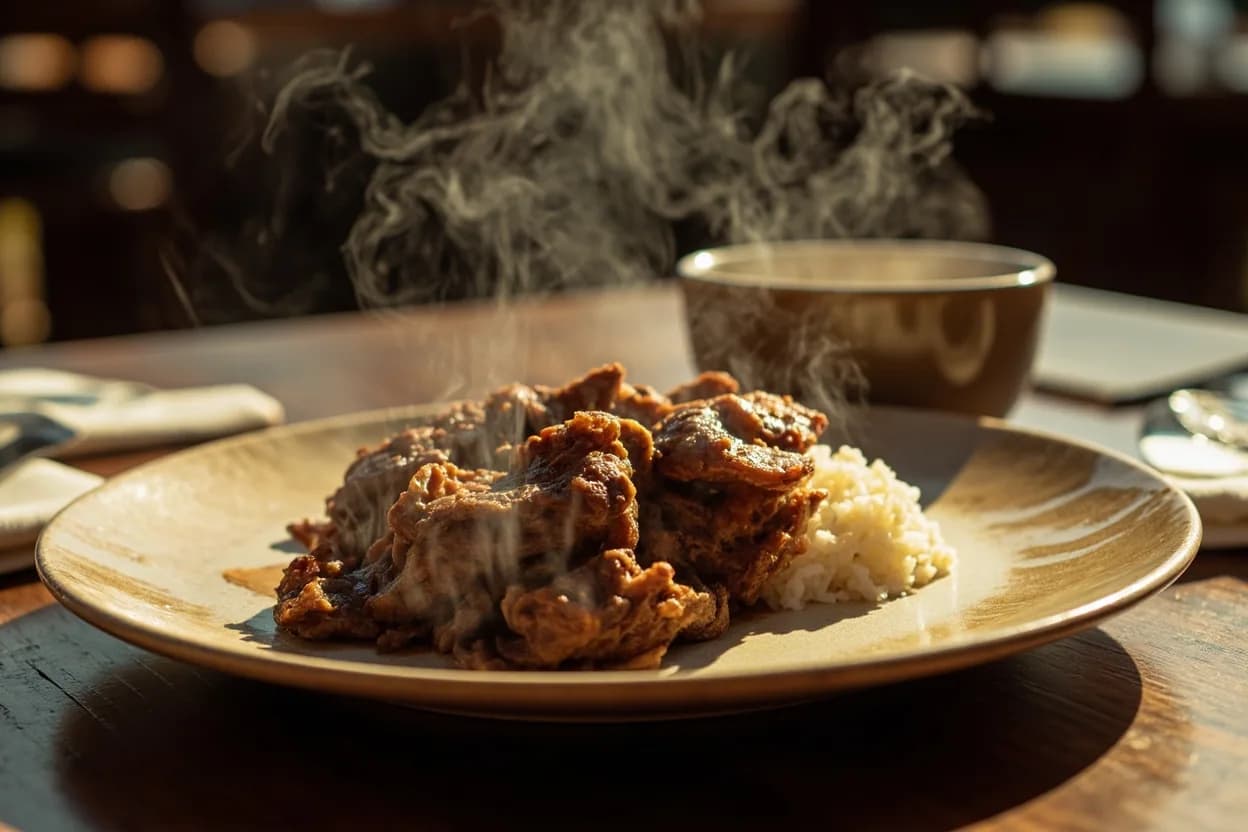
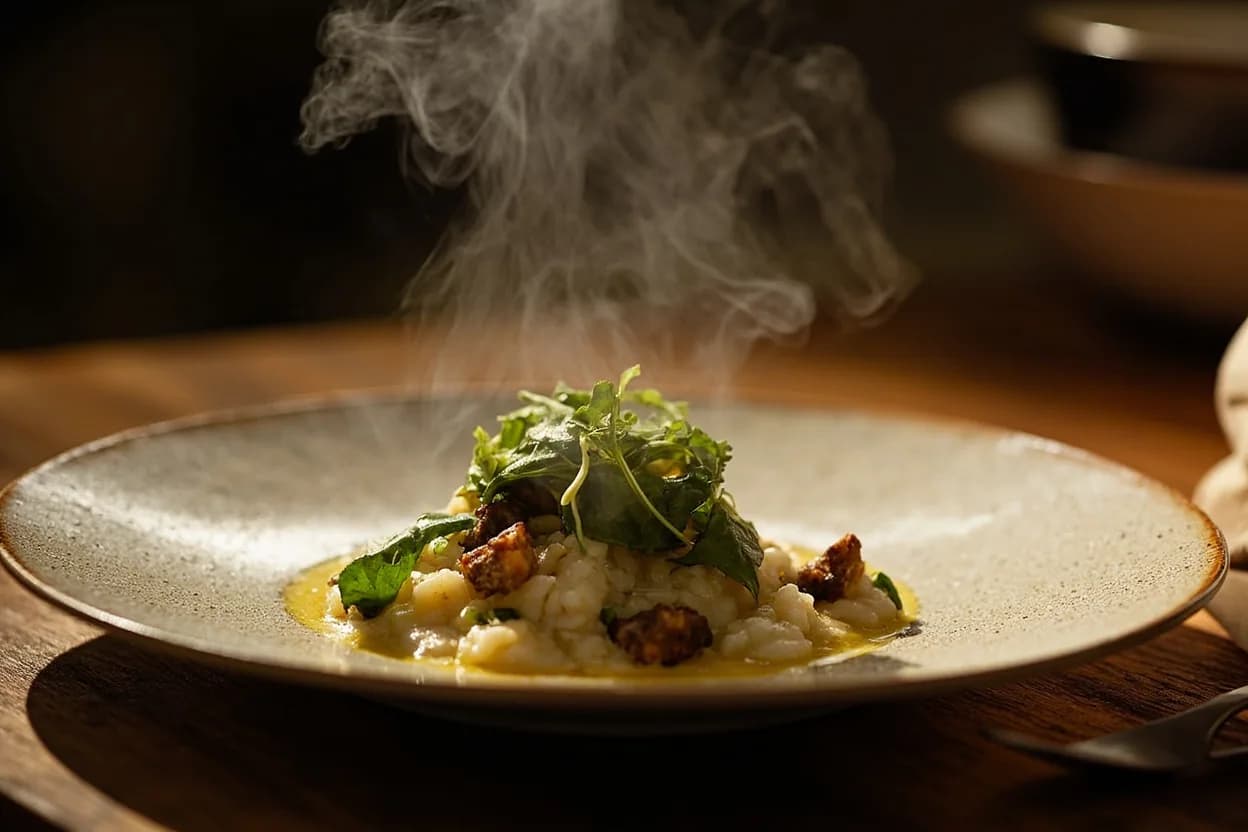
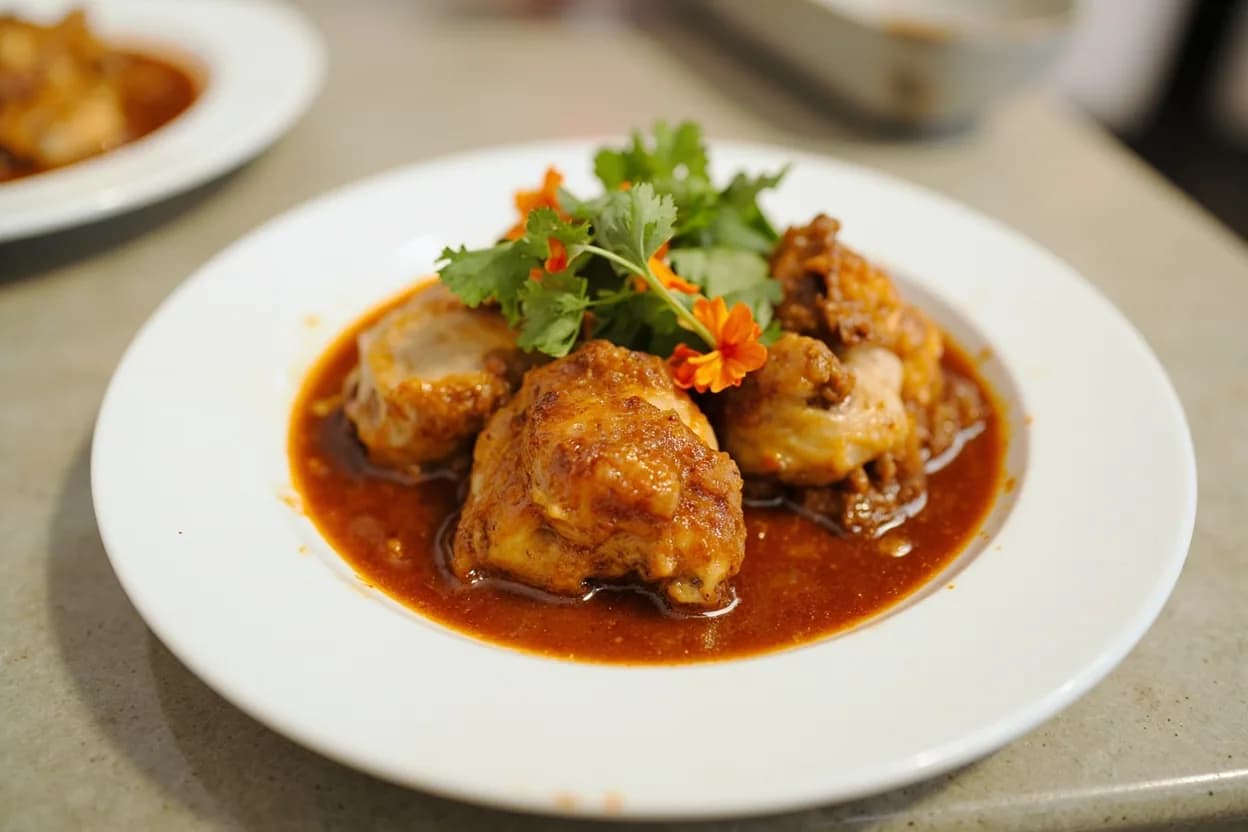
The dishes that define Malagasy, documented in the Canon.
References
- 1.Mireille Andriantsoa, 'La Cuisine Malgache', Editions Tropiques, Antananarivo, 2008
- 2.Murray, S.P., 'The History of Madagascar', Cambridge University Press, 2012
- 3.Roger Blench, 'The Austronesians in Madagascar and their interaction with the East African coast', Studi Africanistici, 2006
Confidence: high
Notes
Rice as identity
No other country in the world consumes more rice per capita than Madagascar. The Malagasy word for 'eating a meal' is 'mihinam-bary' — literally 'to eat rice.' Visiting without rice at the table implies poverty or insult; omitting it from a meal is culturally inconceivable for most households.
Laoka: the side-dish philosophy
Laoka is not a word for any single dish — it is the grammatical category of 'everything that accompanies rice.' A proper meal has at least one protein laoka (meat, fish) and one vegetable laoka (greens, beans). The cook's skill is judged by the variety and depth of laoka, not by the rice itself, which is expected to be simply perfect.
Vanilla and the export-domestic gap
Madagascar produces over 80% of the world's vanilla, yet vanilla is rarely used in traditional Malagasy home cooking — it is an export crop. Local sweet preparations use coconut and cane sugar. Vanilla appears primarily in tourist-facing and French-influenced desserts.