Northern Europe
Scandinavian (New Nordic)
Also: Nordic cuisine, New Nordic, Scandinavian cuisine, Nordic food
A cuisine of extreme latitude — built on fermentation, foraging, and preservation — that ancient preservation techniques and a radical fine-dining movement have together made one of the world's most discussed food cultures.
Scandinavian cuisine spans Denmark, Sweden, Norway, Finland, and Iceland, encompassing both a centuries-old tradition of survival cooking (cold-smoking, pickling, salting, fermenting, and drying to last the winter) and a contemporary fine-dining movement that has used this tradition as the foundation for global culinary influence. The 'old' Scandinavian table is defined by herring in multiple cured and pickled forms, rye bread, dairy, game, and root vegetables; the 'New Nordic' movement, crystallized by Noma's opening in Copenhagen in 2003 and the New Nordic Manifesto of 2004, elevated this preservation and foraging ethic into a culinary philosophy emphasizing locality, seasonality, and radical ingredient honesty. Both streams co-exist: the smørrebrød lunch counter in Copenhagen and the Michelin-starred tasting menu are equally authentic expressions of Nordic food culture.
The flavour base
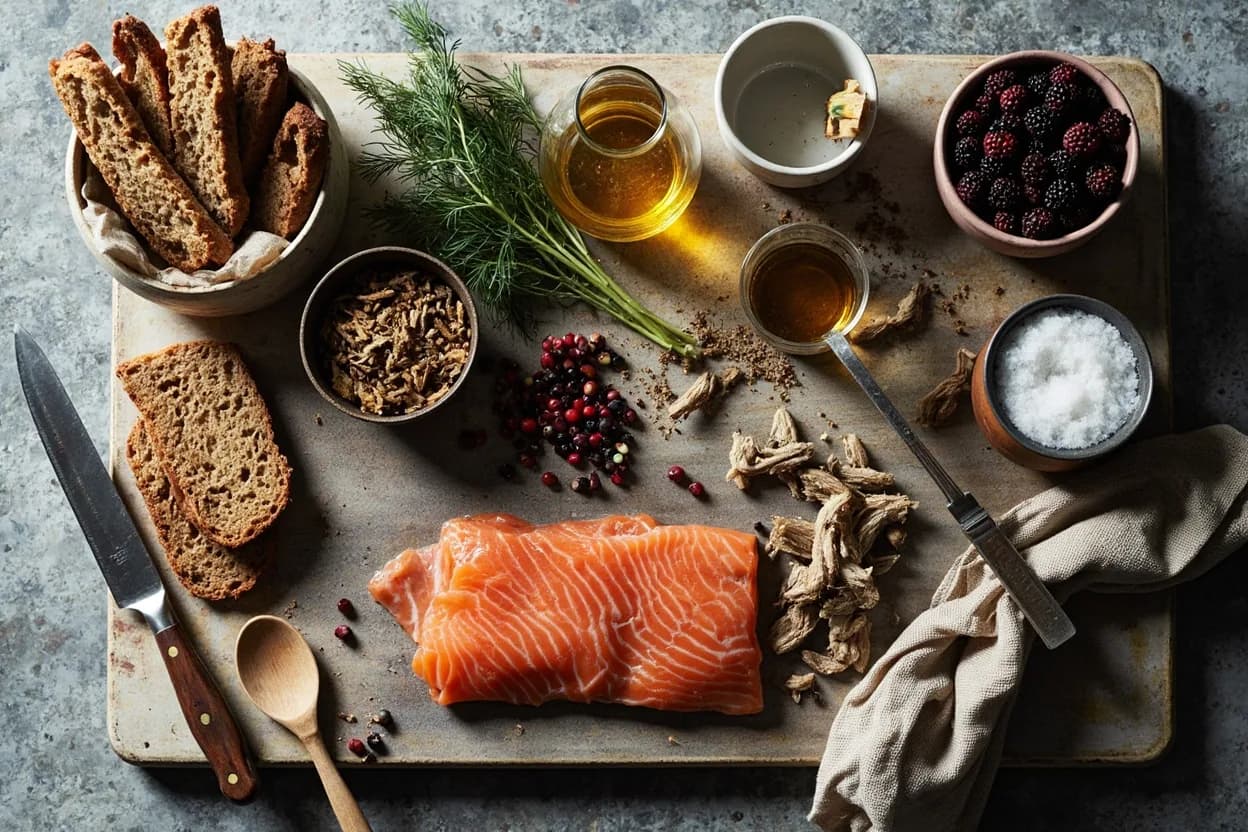
The core Scandinavian aromatic grammar is built on dill, allspice, bay, and the acid notes of fermentation (vinegar brines, lacto-fermented vegetables, whey). Butter and cream provide fat richness; smoked and cured proteins contribute depth. New Nordic cooking added an expanded foraging vocabulary — wood sorrel, spruce tips, sea buckthorn, kelp — and a more aggressive use of fermentation (koji, lacto, oxidized cream) as a flavor-building tool.
Pantry staples
Key ingredients
Signature techniques
Signature dishes
Scandinavian (New Nordic) on the table

At the table
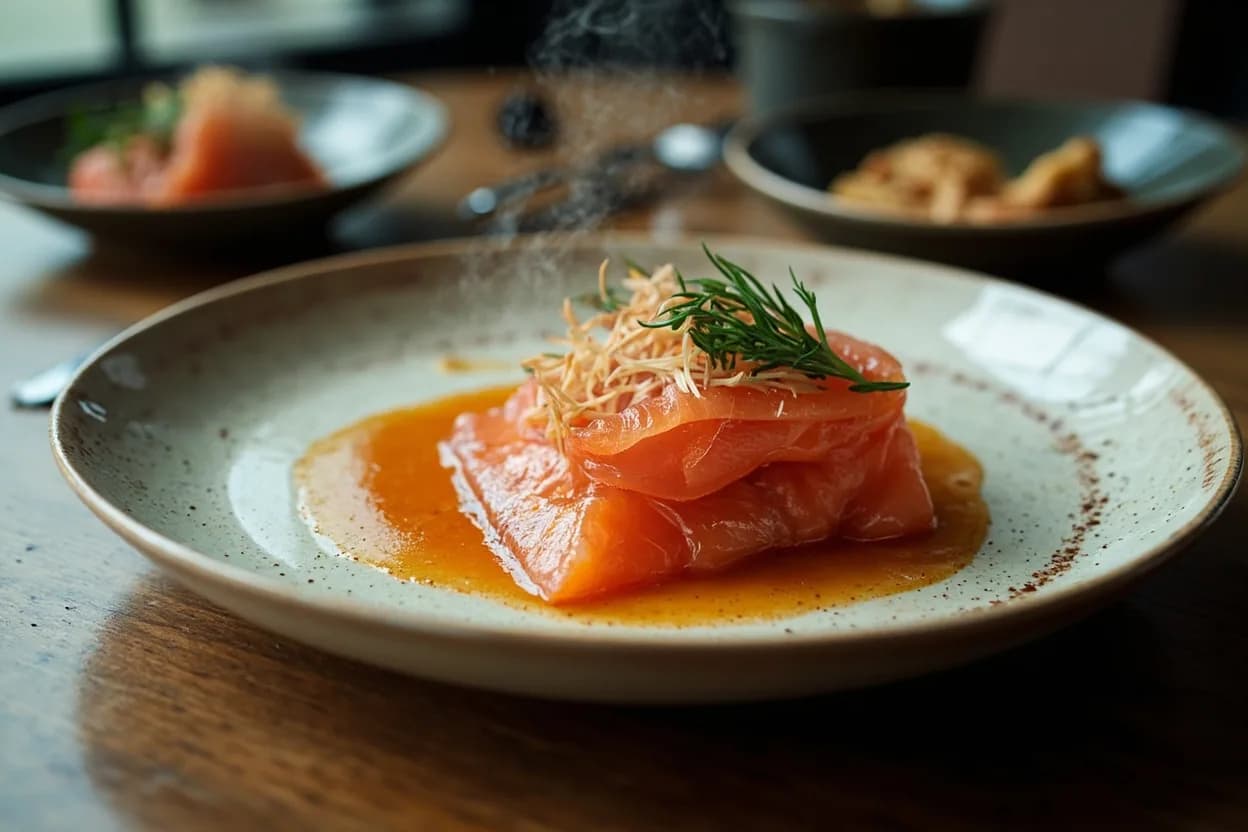
The traditional Nordic cold table (smörgåsbord / smørrebrød) structures the meal as a sequence of small assembled dishes eaten in a prescribed order — pickled herring first, then other seafood, then cold meats and cheese, then hot dishes. In Danish smørrebrød culture, open-faced sandwiches are ordered individually from a menu and brought in sequence. In contemporary Scandinavian homes, weekday eating is simple (open sandwiches for lunch, a hot dinner of meat, potatoes, and vegetables), while weekend and festive meals are elaborate multi-dish affairs. The Christmas table (julbord in Sweden, julebord in Norway, julefrokost in Denmark) is the year's most significant food event.
History & context
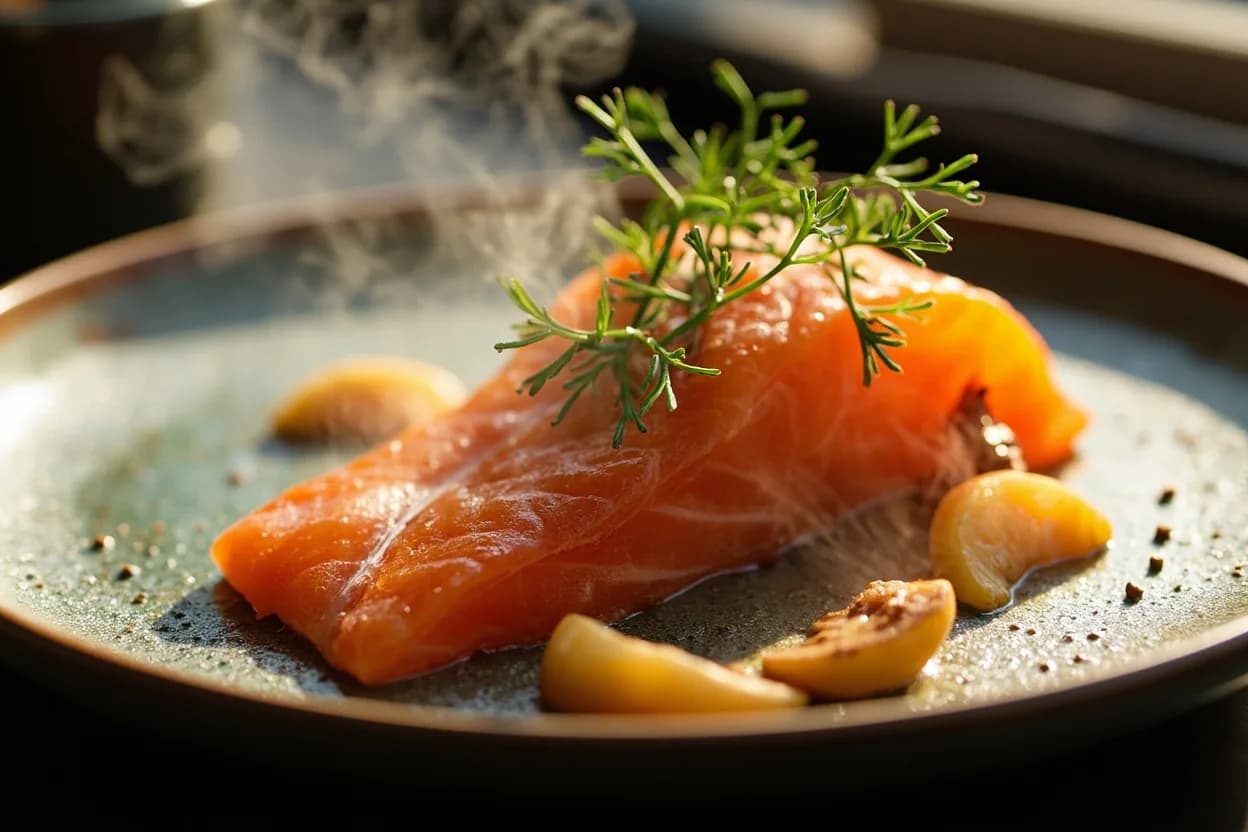
The Viking Age (8th–11th centuries) required exactly the preservation skills that still define the Nordic table: salt cod (stockfish and klippfisk), dried meat (jerky), fermented fish (gravad preparations), and pickled vegetables sustained communities through months of Arctic winter. Medieval trade — particularly the Hanseatic League's herring trade in the Baltic — made herring the economic foundation of Scandinavian food culture for centuries. The 17th–18th century saw Swedish court cooking absorb French influence (the smörgåsbord's hot dishes owe much to this), while rural food remained profoundly local. 20th-century modernization and American-influenced food culture eroded traditional cooking in mid-century. The New Nordic Manifesto (2004), signed by chefs including René Redzepi and Claus Meyer, reclaimed this tradition as a creative foundation: Noma won the World's 50 Best Restaurants title four times (2010, 2011, 2012, 2014), placing Copenhagen at the center of global culinary discourse.
Regional variations
- Denmark
The smørrebrød tradition is most elaborate and institutionalized in Denmark; Danish pastry (wienerbrød), pork as the dominant meat, and a rich dairy culture (Danish butter, cream cheeses).
- Sweden
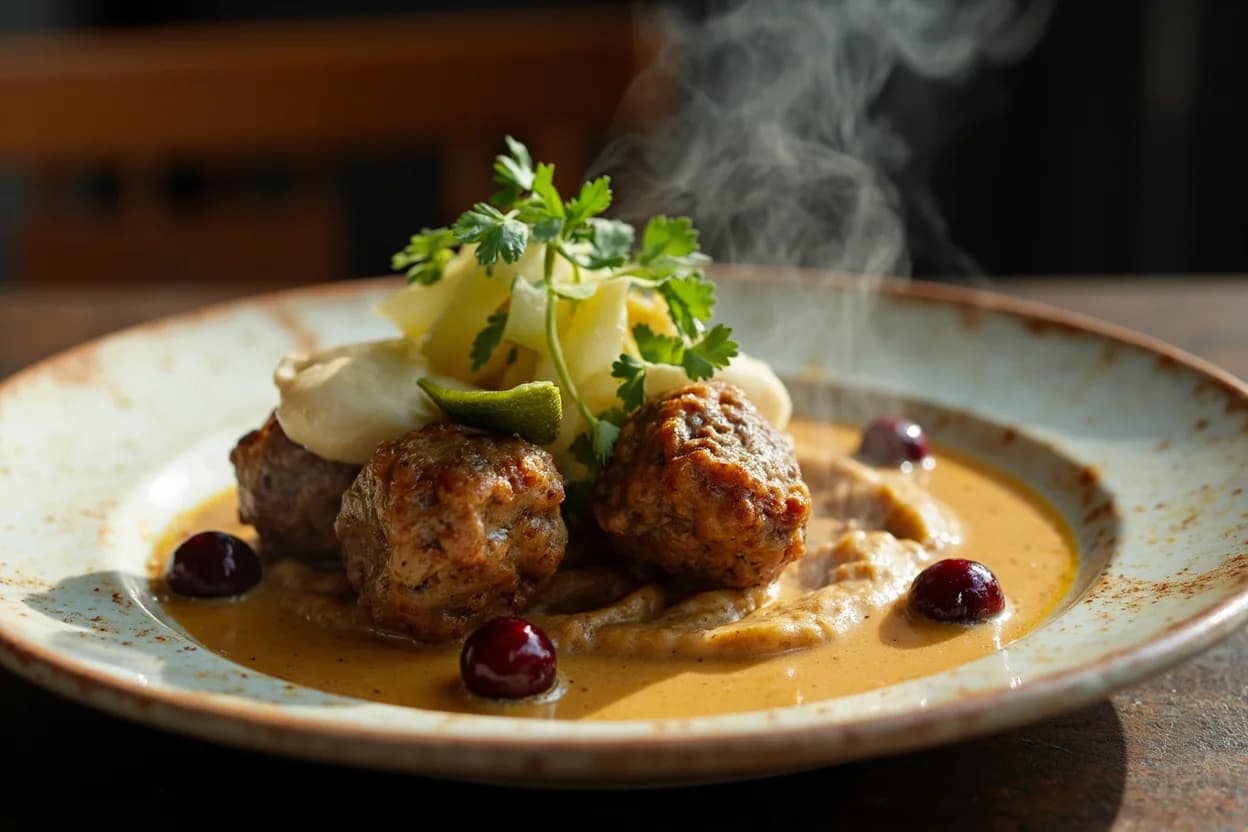
The formal smörgåsbord tradition, lingonberry culture, meatball and cream gravy canon, and surströmming (fermented herring) as a divisive national ritual; Värmland and Dalarna are heartlands of rustic Swedish farmhouse cooking.
- Norway
Stockfish (air-dried cod, lutefisk), rakfisk (fermented trout), and the brown cheese (brunost/gjetost) tradition are distinctly Norwegian; Norwegian salmon aquaculture has shaped global ingredient supply.
- Finland
Stronger Baltic and Russian influence; rye as the absolute staple (ruisleipä); sautéed reindeer, Karelian pasty (rice-filled rye pastry), and the distinctive Finnish coffee culture (world's highest per-capita consumption).
- Iceland
Most extreme in its preservation tradition — hákarl (fermented Greenlandic shark), skyr (strained dairy), and lamb are the pillars; geothermal cooking (hot spring bread) is a living tradition.
Related cuisines
- German
Shares the rye bread, pork-smoking, and pickling traditions through common Germanic cultural heritage and Hanseatic trade links.
North Sea herring trade created parallel herring curing traditions; both have strong dairy and bread cultures.
The Baltic states share the rye bread, fermentation, herring, and cold-smoking traditions of Scandinavian food culture through centuries of shared trade and intermittent political union.
- New Nordic (fine dining)
The restaurant movement that grew from Noma and the 2004 Manifesto now has global influence separate from its geographic origins — Nordic-inflected cuisine appears in restaurants worldwide.
Canonical recipes
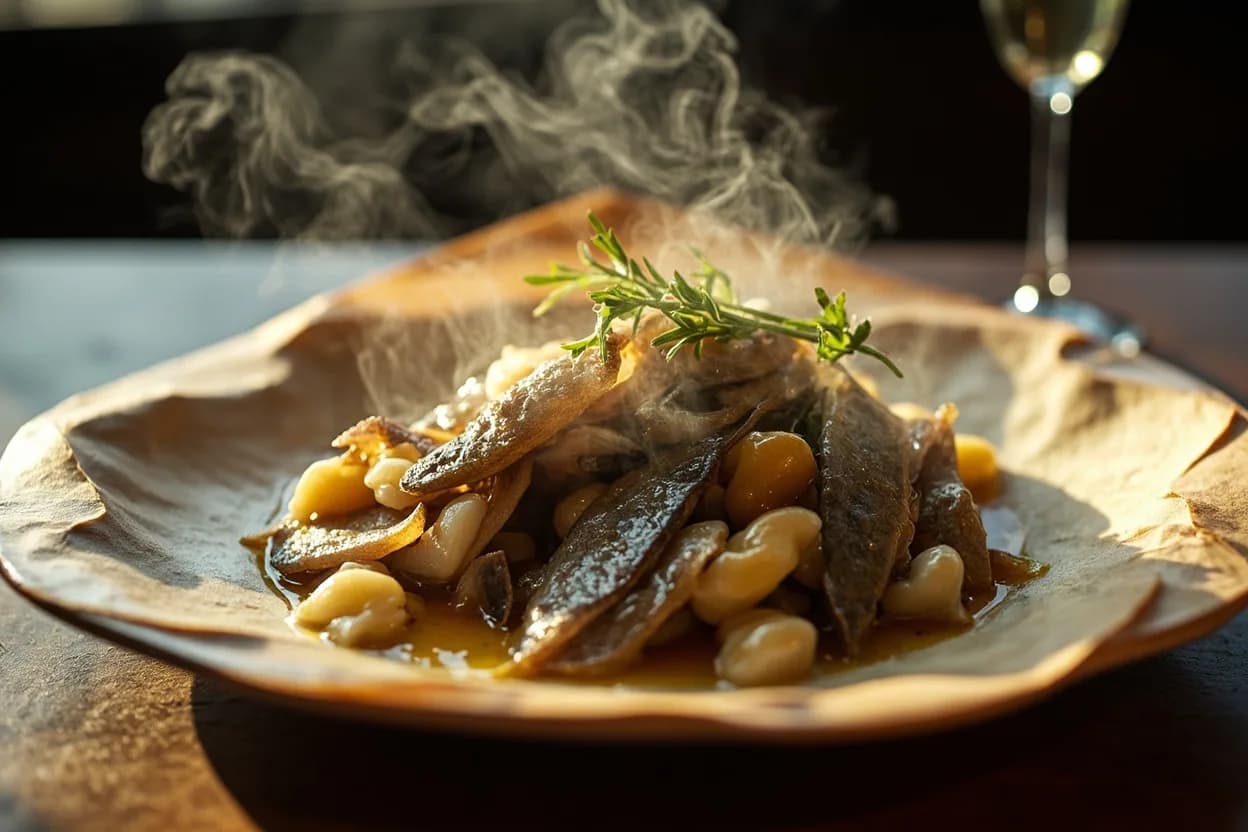
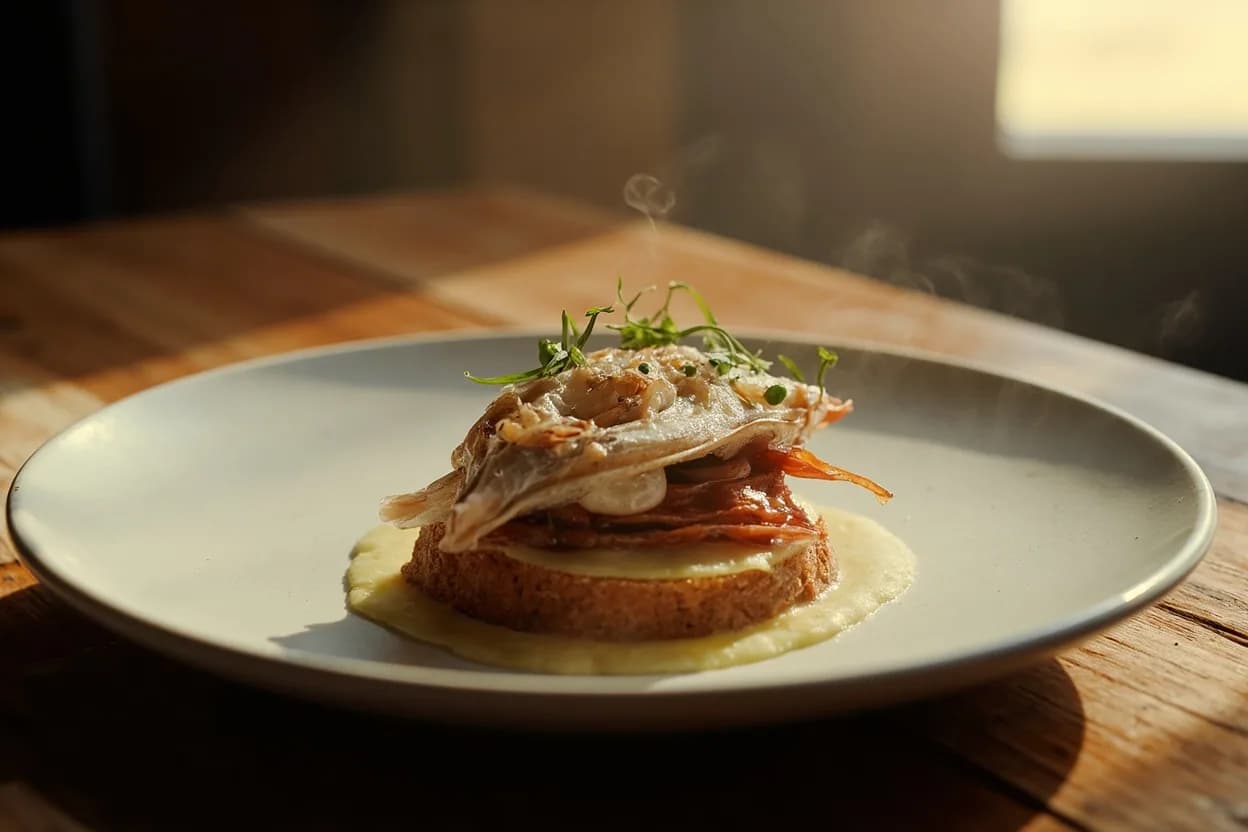
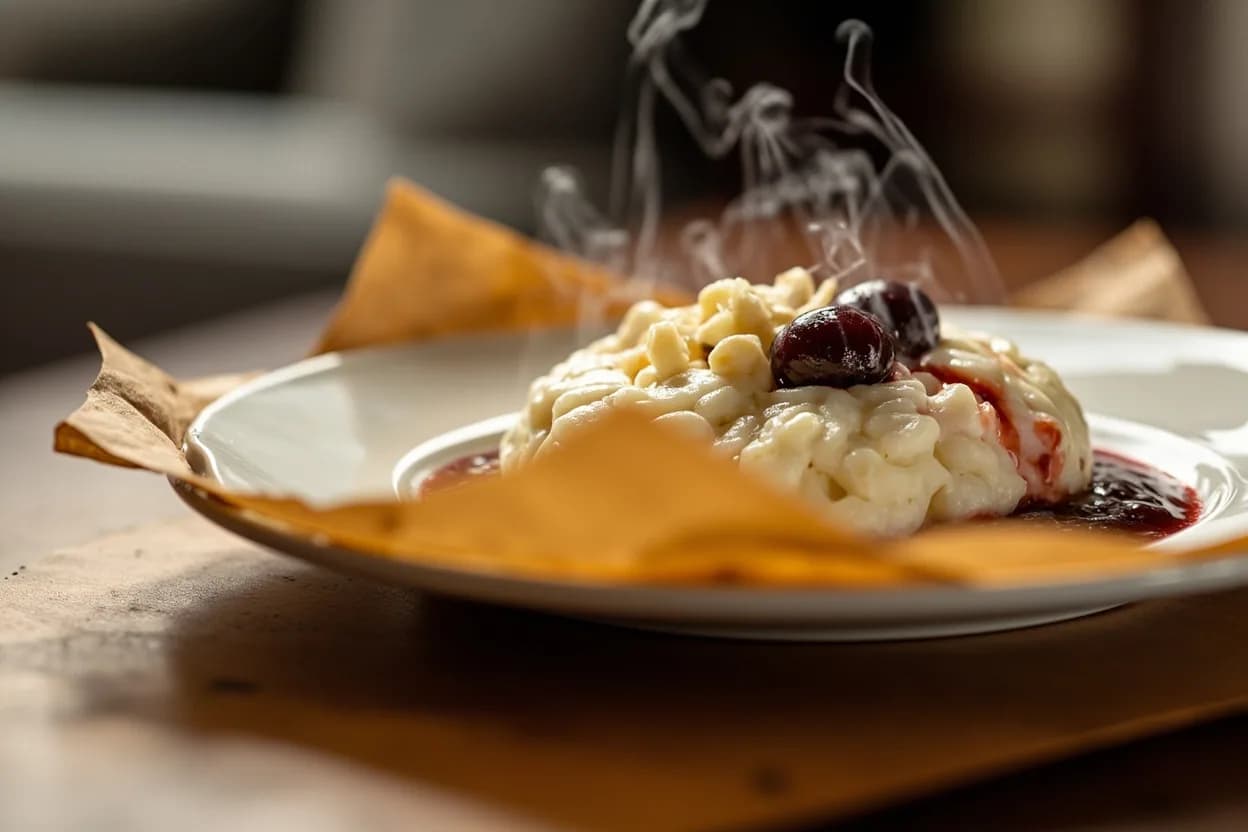
The dishes that define Scandinavian (New Nordic), documented in the Canon.
References
- 1.The Nordic Cookbook — Magnus Nilsson
- 2.Noma: Time and Place in Nordic Cuisine — René Redzepi
- 3.Smörgåsbord: The Art of Swedish Breads and Savory Treats — Johanna Kindvall
- 4.The New Nordic — Simon Bajada
- 5.The Oxford Companion to Food — Alan Davidson
Confidence: high
Notes
The New Nordic Manifesto, 2004
The ten principles signed by Nordic chefs in 2004 called for purity, freshness, simplicity, and ethics in Nordic cooking, as well as the exploration of Scandinavian products in conditions not discovered by others, the combination of the best Nordic farming and fishing traditions with impulses from outside, and the development of a new food culture that is primarily defined by Nordic values. The manifesto was as much a political document as a culinary one — it argued that the Nordic countries had an underrecognized food heritage worth defending and developing. Within a decade it had generated a global movement.
Smørrebrød: rules and order
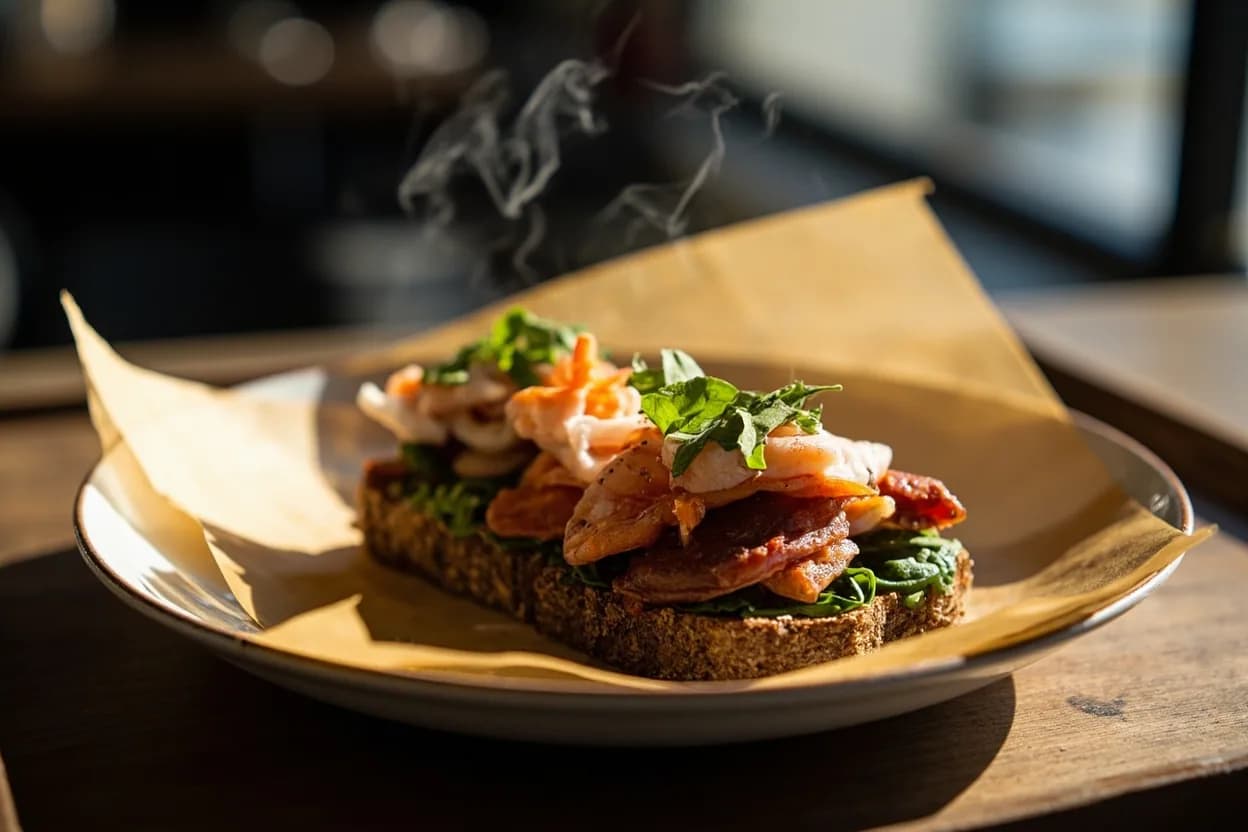
The Danish smørrebrød is not simply an open sandwich — it is a codified tradition with sequence rules. Herring always comes first (multiple variations: pickled, matjes, fried with remoulade); then other cold seafood (shrimp, smoked salmon, smoked eel); then hot and cold meats (roast pork with red cabbage and cucumber, roast beef with horseradish and crispy onions, liver pâté with beetroot and bacon); then cheese. Rugbrød (dense, slightly sour sourdough rye) is the canonical base for herring and meat; franskbrød (white bread) for some preparations. Aquavit and cold Carlsberg are the traditional accompaniments.