Southeast Asia
Singapore Hawker
Also: Singapore street food, hawker centre food, Singaporean cuisine
A UNESCO-listed multicultural street-food ecosystem where Chinese, Malay, and Indian cooking traditions converge at open-air hawker centres.
Singapore hawker cuisine is not a single culinary tradition but a curated ecosystem: hundreds of independently operated stalls, each often mastering one or two dishes across generations, housed in government-built open-air centres (and their predecessors, street-side push-carts). The food reflects Singapore's ethnic composition — majority Hokkien, Teochew, and Cantonese Chinese, alongside Malay, Tamil Indian, and Hainanese communities — and the way these traditions cross-pollinated in a dense urban port city. UNESCO recognized the hawker culture, not just the food, in 2020, acknowledging the social function of these centres as the city-state's shared dining room.
The flavour base
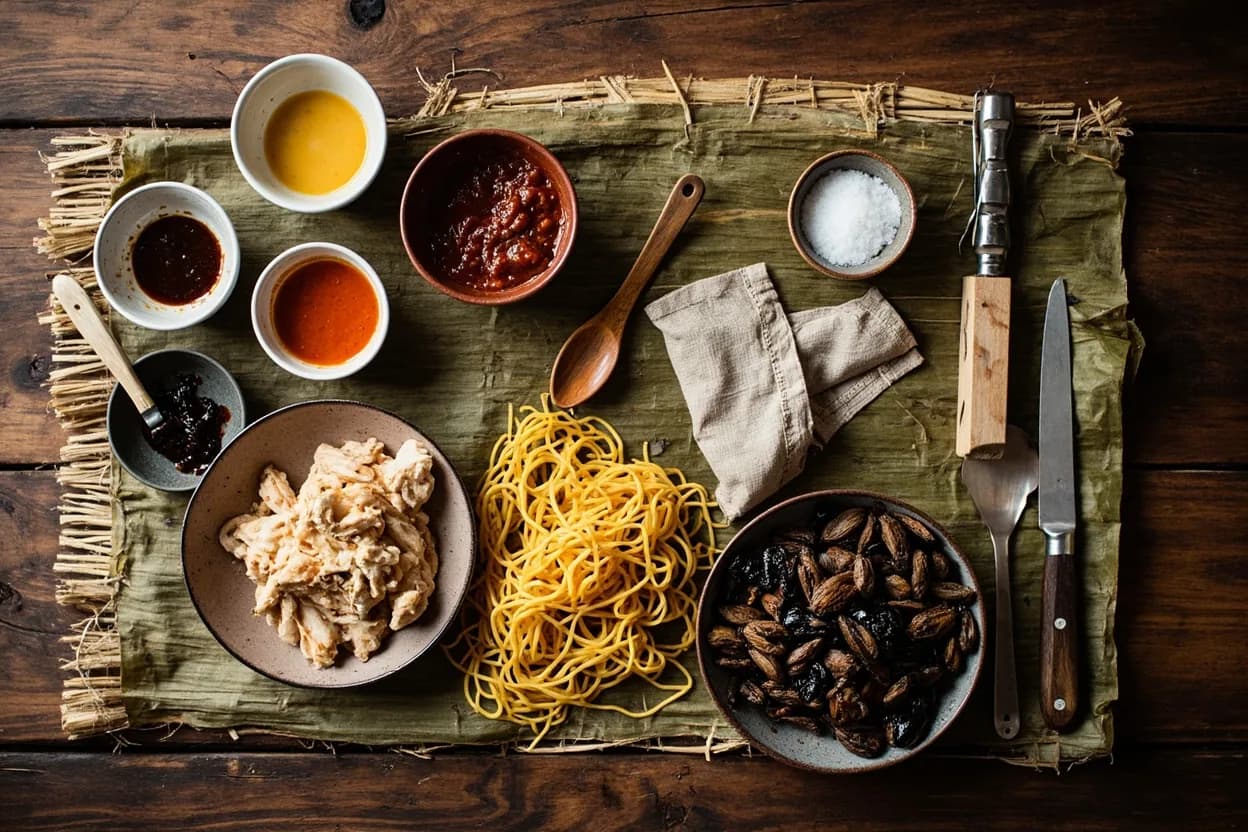
Depends on the stall: Teochew fish-sauce-and-preserved-vegetable base; Hokkien garlic-lard-soy wok base; Malay rempah (blended aromatic paste) of shallots, lemongrass, galangal, and dried chili; Hainanese chicken stock as a universal broth.
Pantry staples
Key ingredients
Signature techniques
Signature dishes
Singapore Hawker on the table
At the table
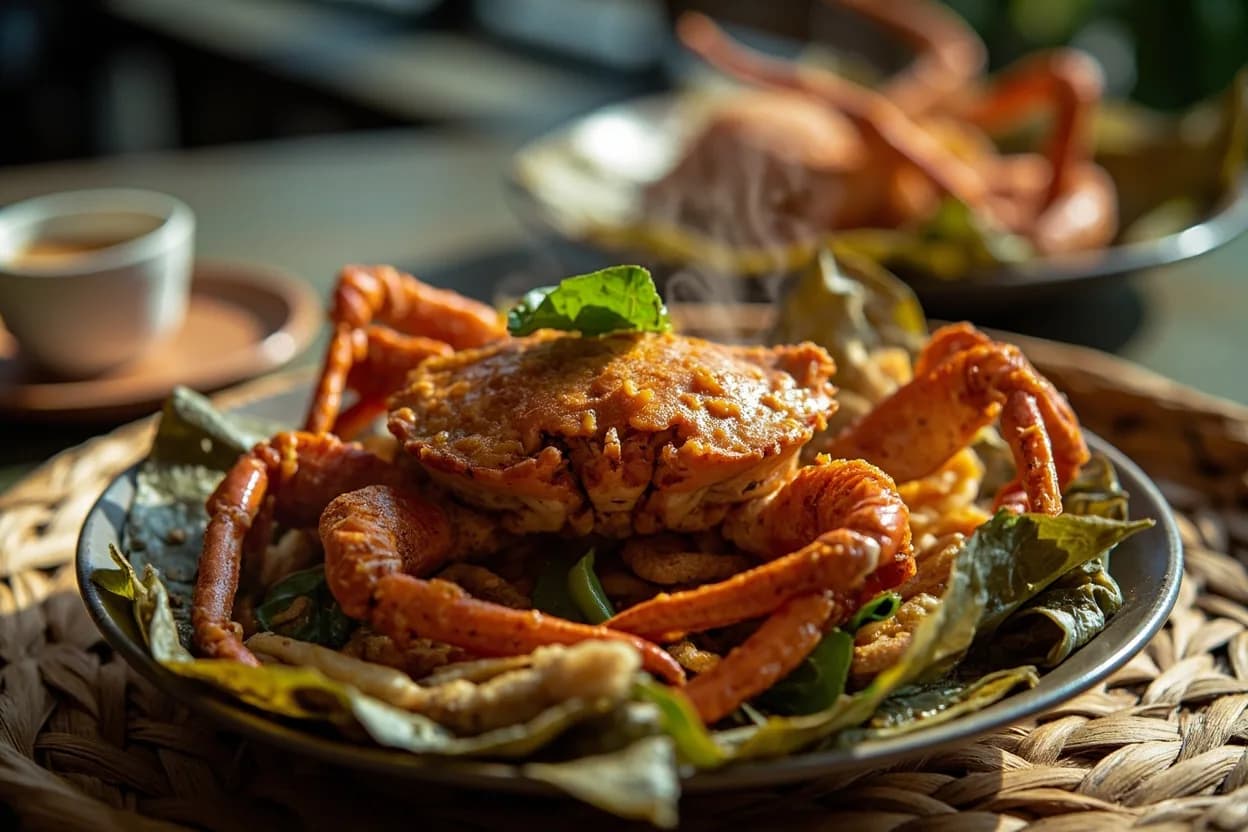
No formal meal structure — hawker centres operate from early morning through late night, with breakfast, lunch, dinner, and supper stalls often operating side by side. Each diner selects dishes from different stalls and eats at communal tables. Tissue packets or umbrellas left on tables signal seat reservation (chope culture). Rice or noodles anchor most meals; soup dishes appear at every hour.
History & context
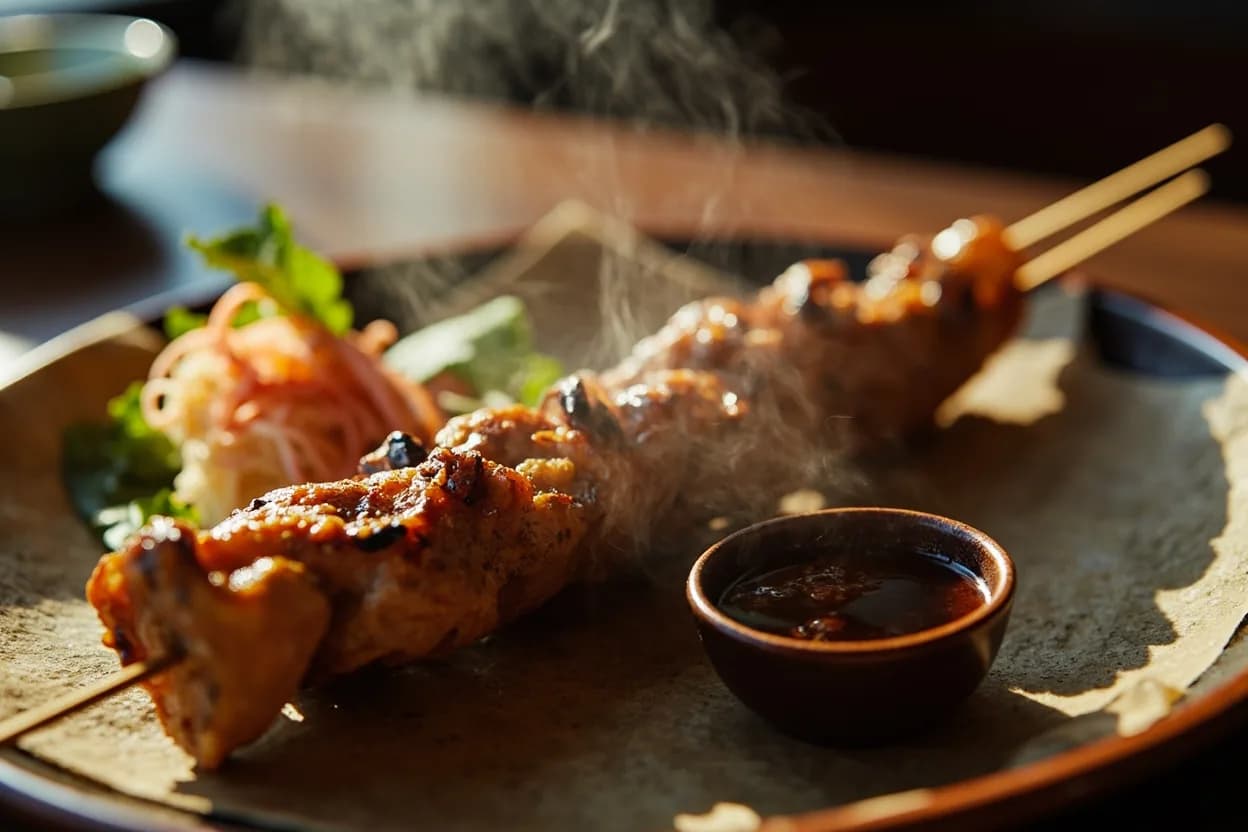
Singapore's hawker food evolved from itinerant street vendors who served the immigrant labor force arriving in the colonial port through the 19th and early 20th centuries. Hainanese migrants dominated chicken rice and coffee stalls; Teochew traders brought fish porridge and braised duck; Hokkien hawkers developed wok-fried noodle dishes; Malay sellers operated satay grills and nasi lemak carts. By the 1960s, tens of thousands of unlicensed street vendors operated throughout the city. The government of Lee Kuan Yew resettled them into purpose-built hawker centres from 1971 onward — simultaneously improving sanitation and accidentally preserving a culinary culture that might otherwise have been gentrified out of existence.
Regional variations
- Penang influences
Many Penang Hokkien migrants settled in Singapore; Penang-style char kway teow (with cockles, wetter, less dark soy) and Penang laksa (assam/tamarind-based) exist alongside Singapore variants.
- Malay-dominant stalls
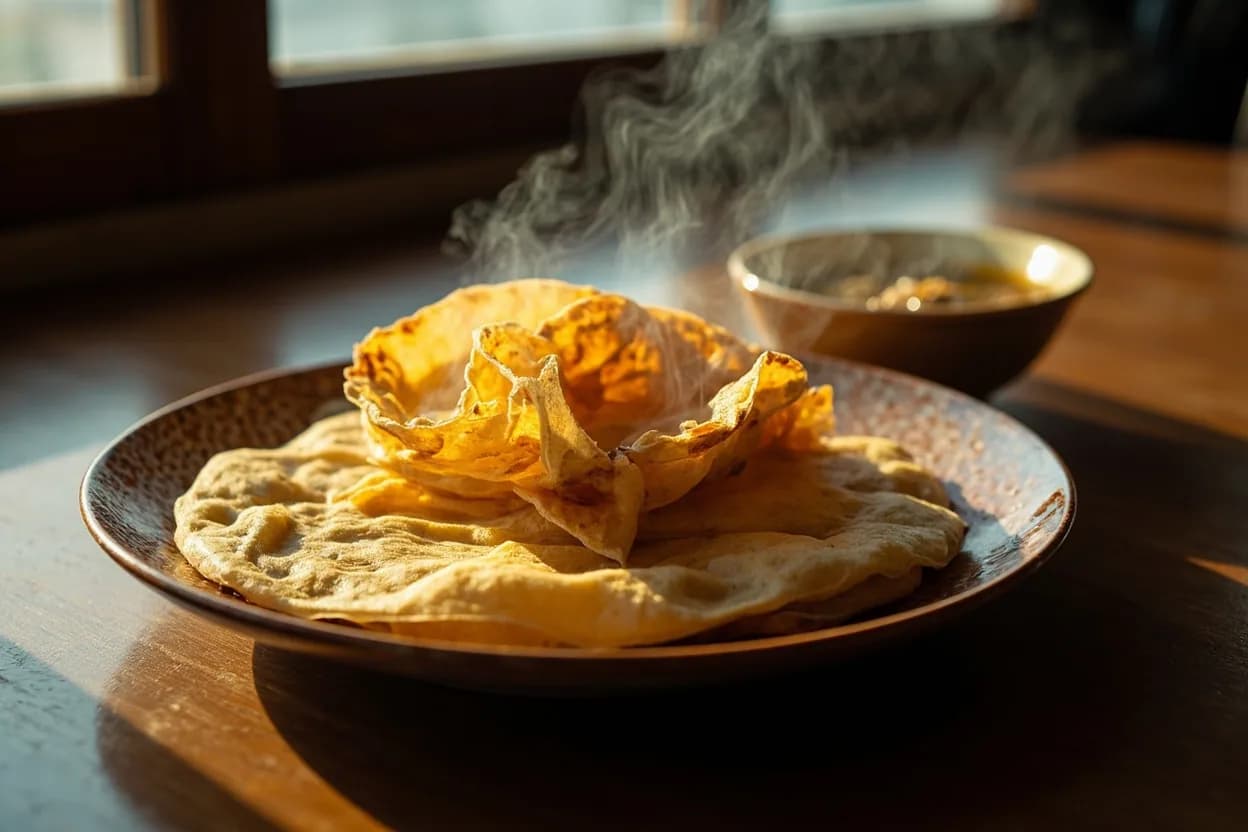
Geylang Serai and Tekka Centre hawker areas skew heavily Malay and Indian respectively, producing nasi padang, murtabak, and roti john alongside mainstream dishes.
- Old-school vs. air-conditioned food courts
Traditional HDB-estate hawker centres (e.g. Old Airport Road, Maxwell) are culturally distinct from modern air-conditioned food courts in malls — older centres tend to carry legacy stalls with 40–60-year pedigrees.
Related cuisines
- Hokkien Chinese
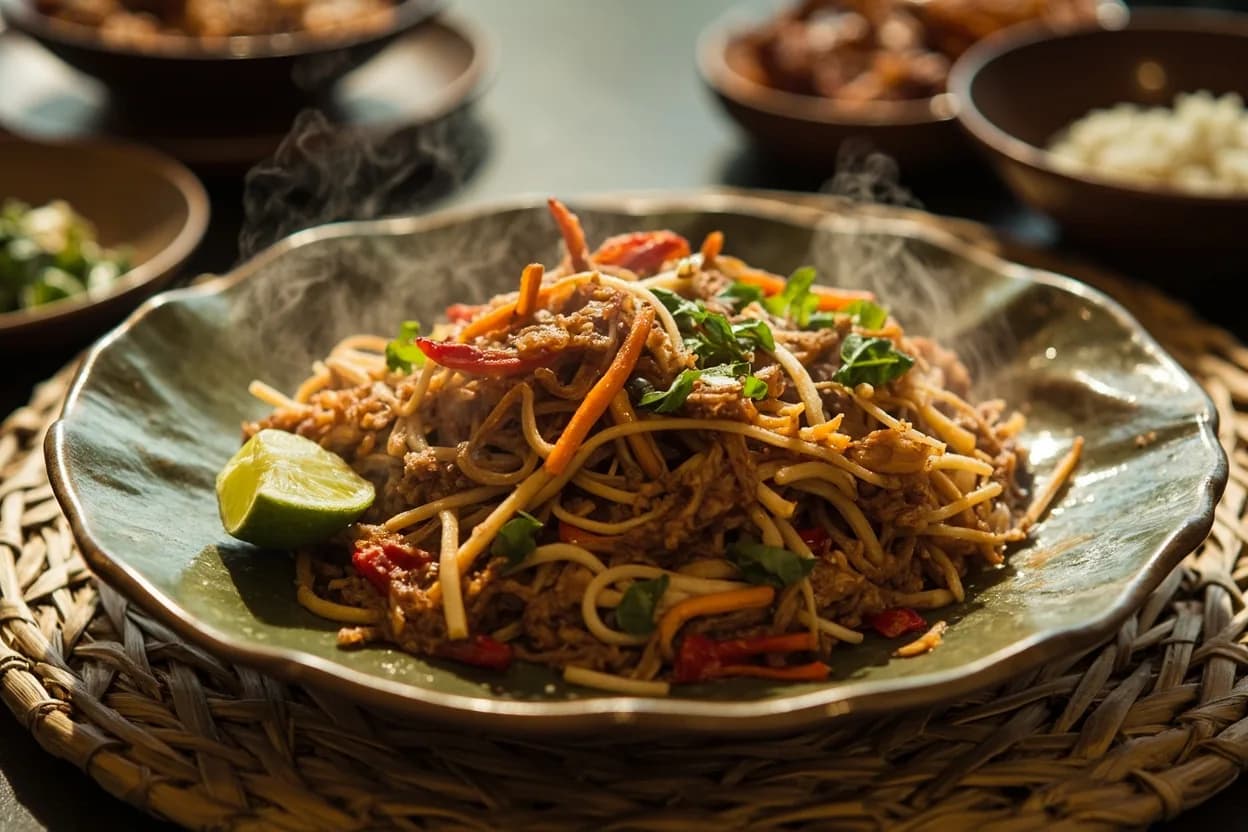
The largest source tradition — char kway teow, hokkien mee, and bak kut teh are directly Hokkien in origin.
- Hainanese
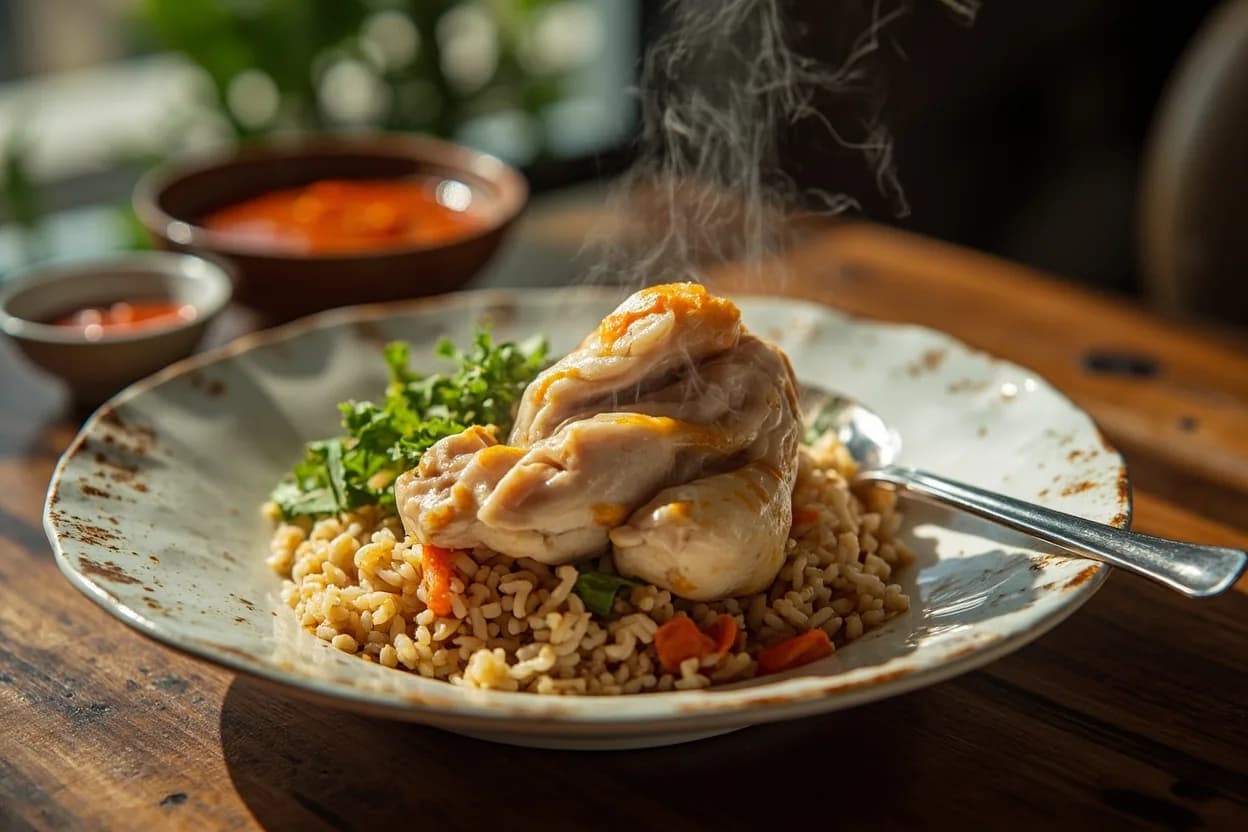
Hainanese chicken rice is Singapore's de facto national dish and a direct Hainanese migrant tradition.
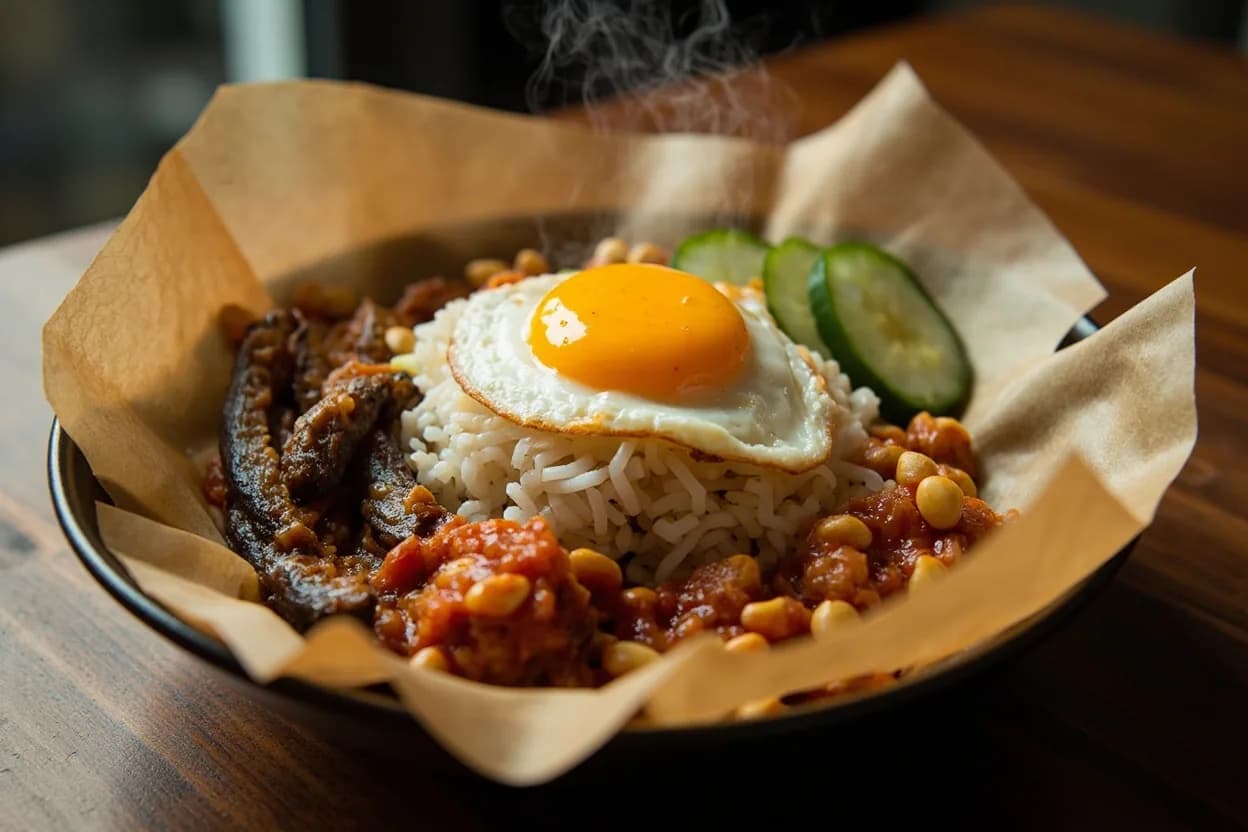
Nasi lemak, satay, and the rempah tradition are the Malay substrate; the two traditions have also merged (e.g. Malay-Chinese mee goreng).
- Penang Hawker
Parallel hawker culture in Penang shares many dishes but diverges in seasoning — Penang's Hokkien mee is a prawn-stock soup; Singapore's is a wok-fried dish.
- Nyonya / Peranakan
Peranakan laksa lemak (curry laksa) is a cornerstone of Singapore hawker menus; the Peranakan community fused Chinese and Malay cooking in coastal Singapore from the 15th century onward.
Canonical recipes
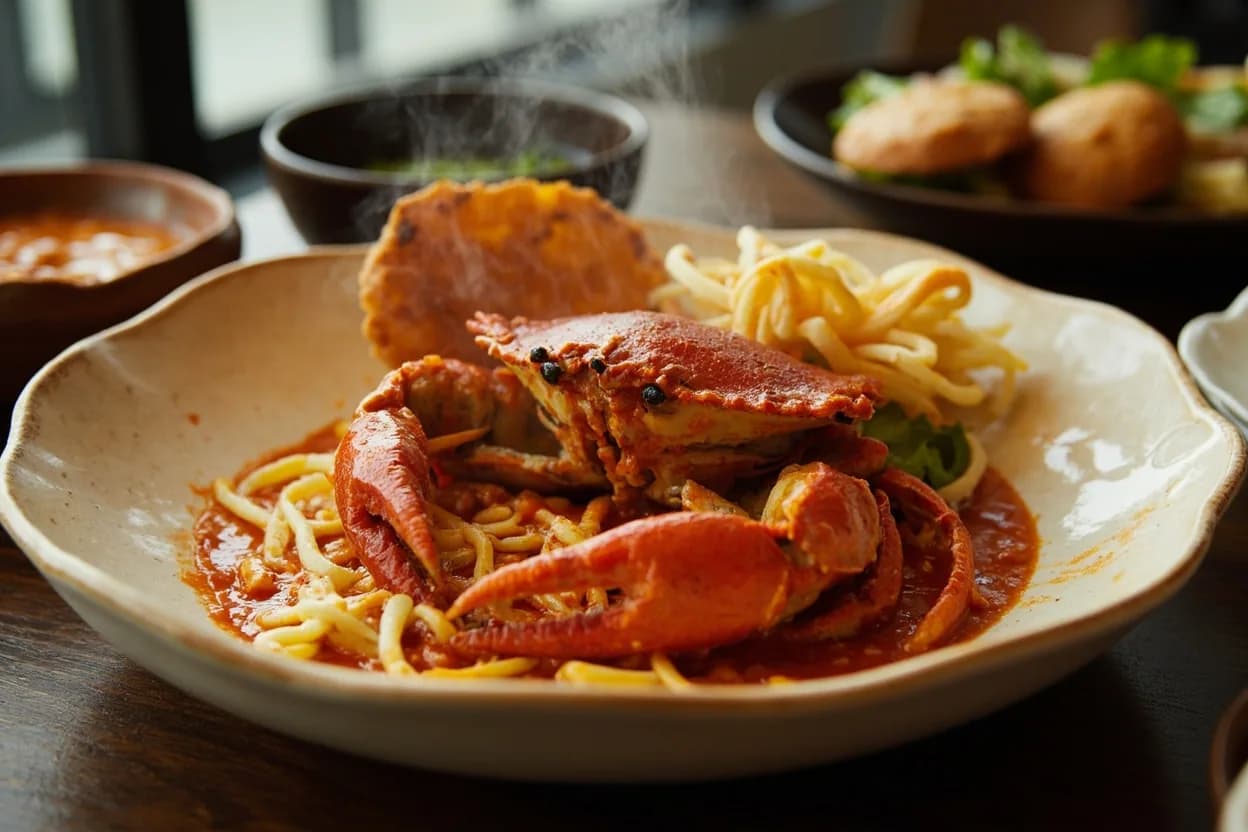
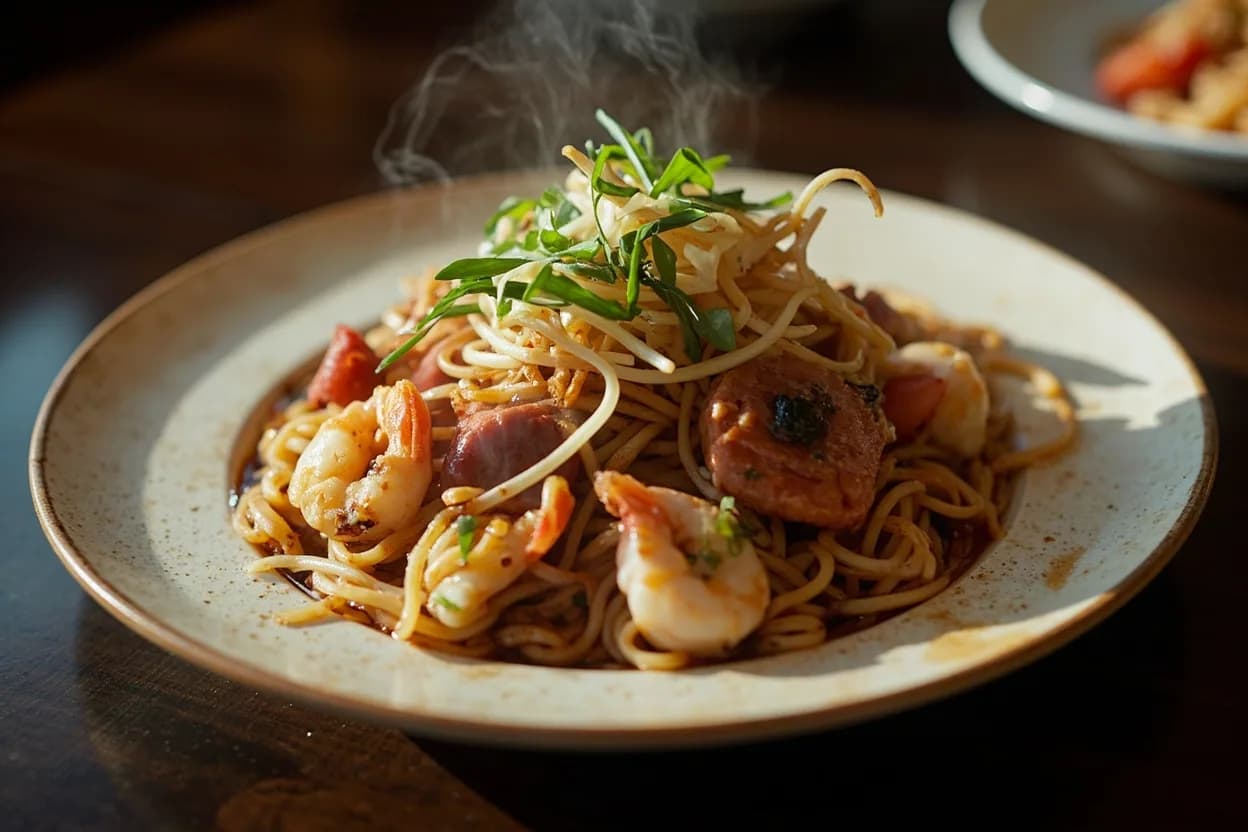
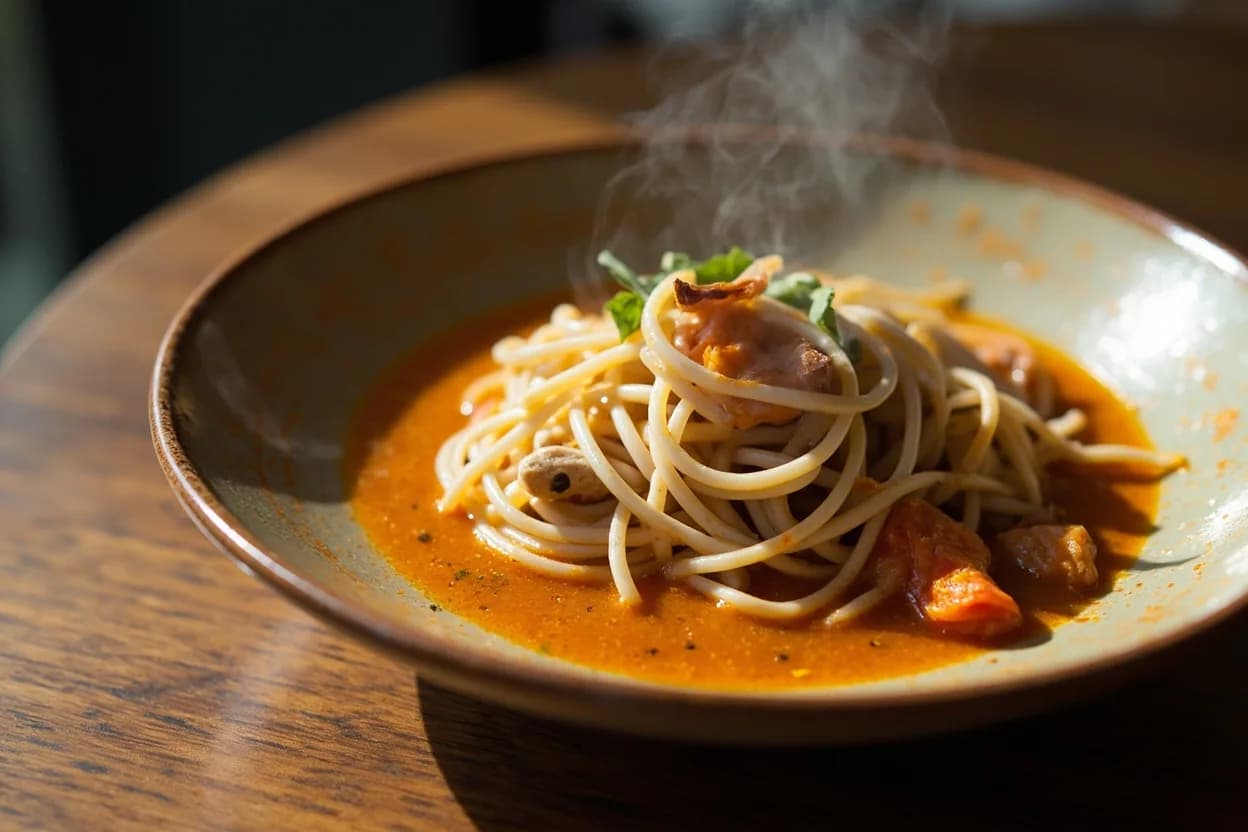
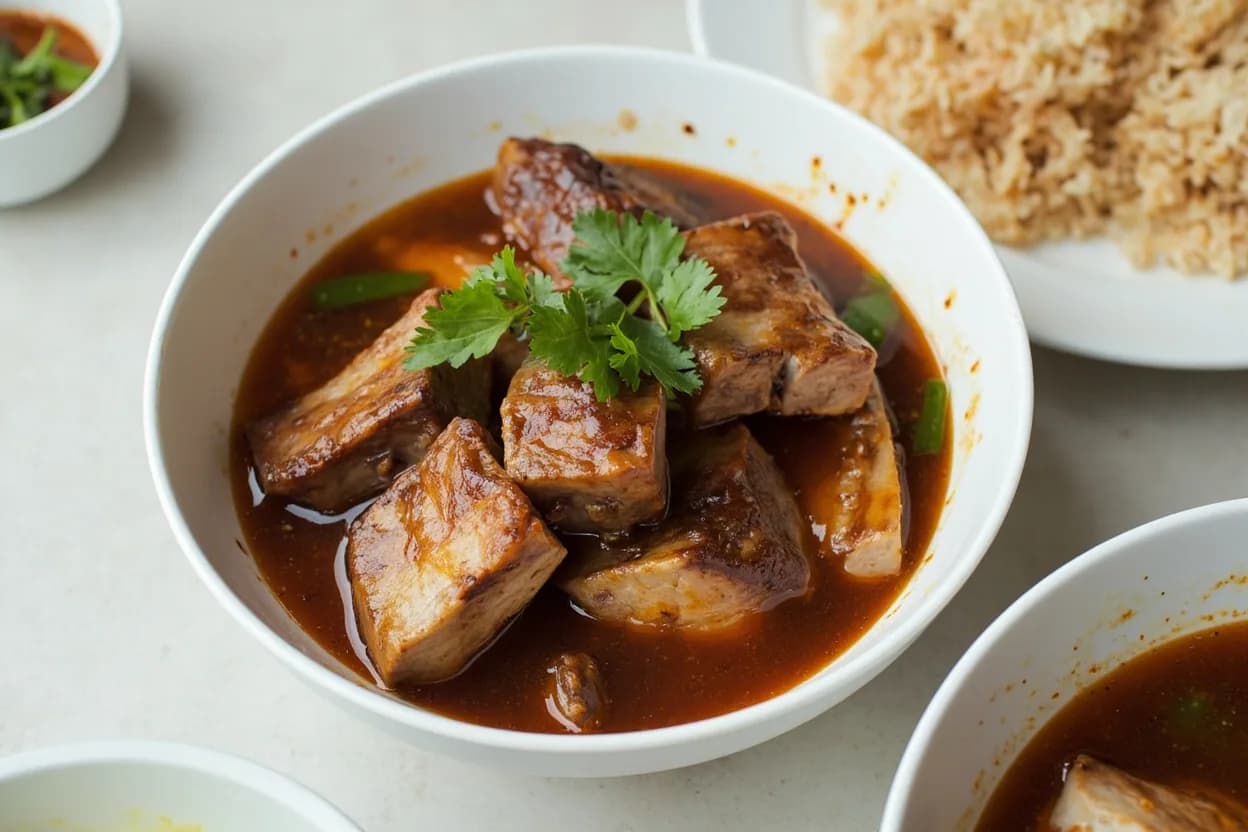
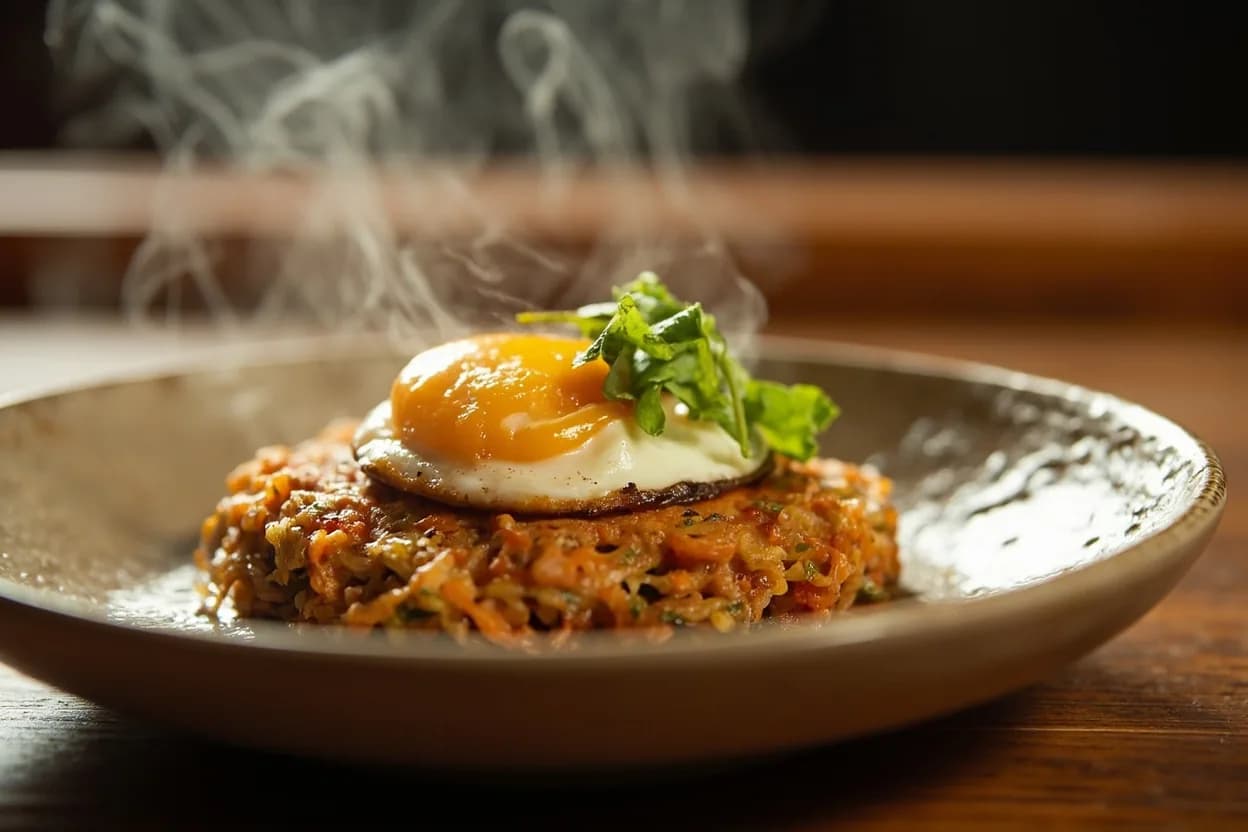
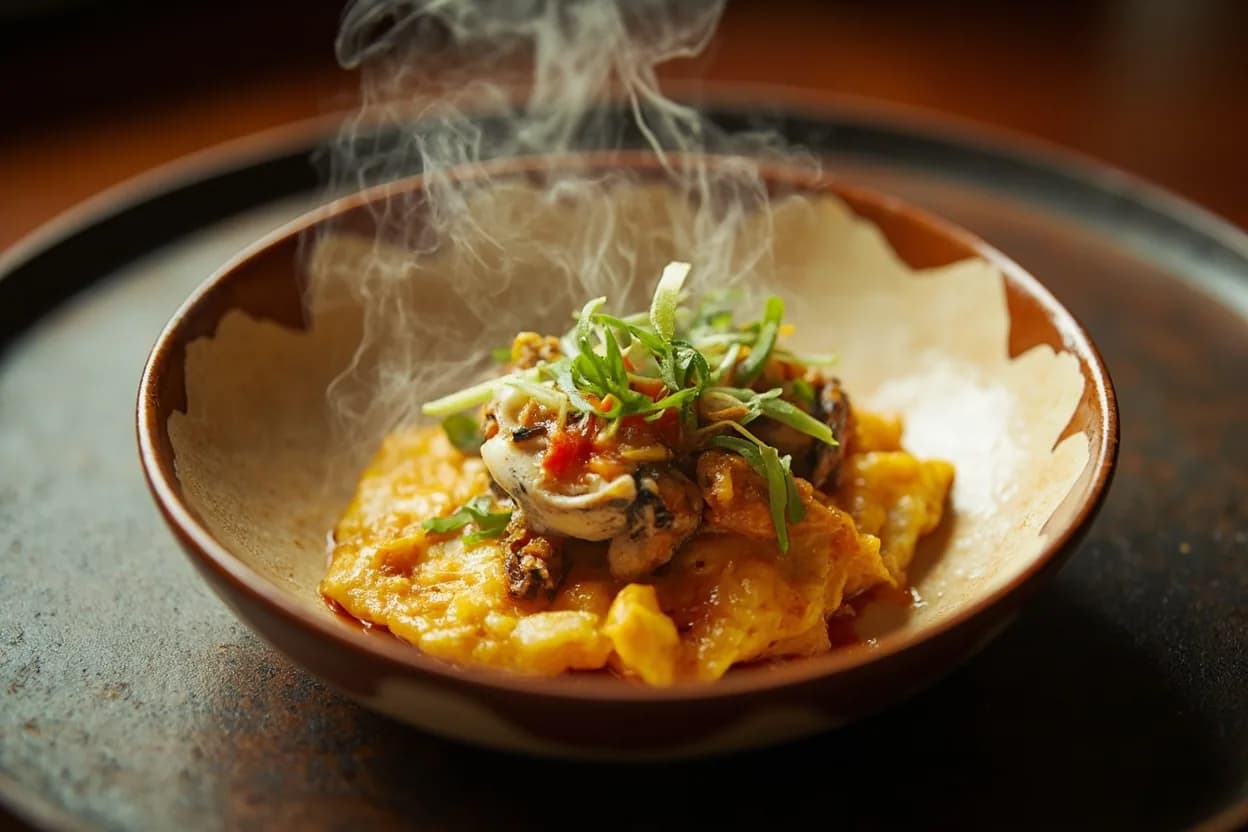
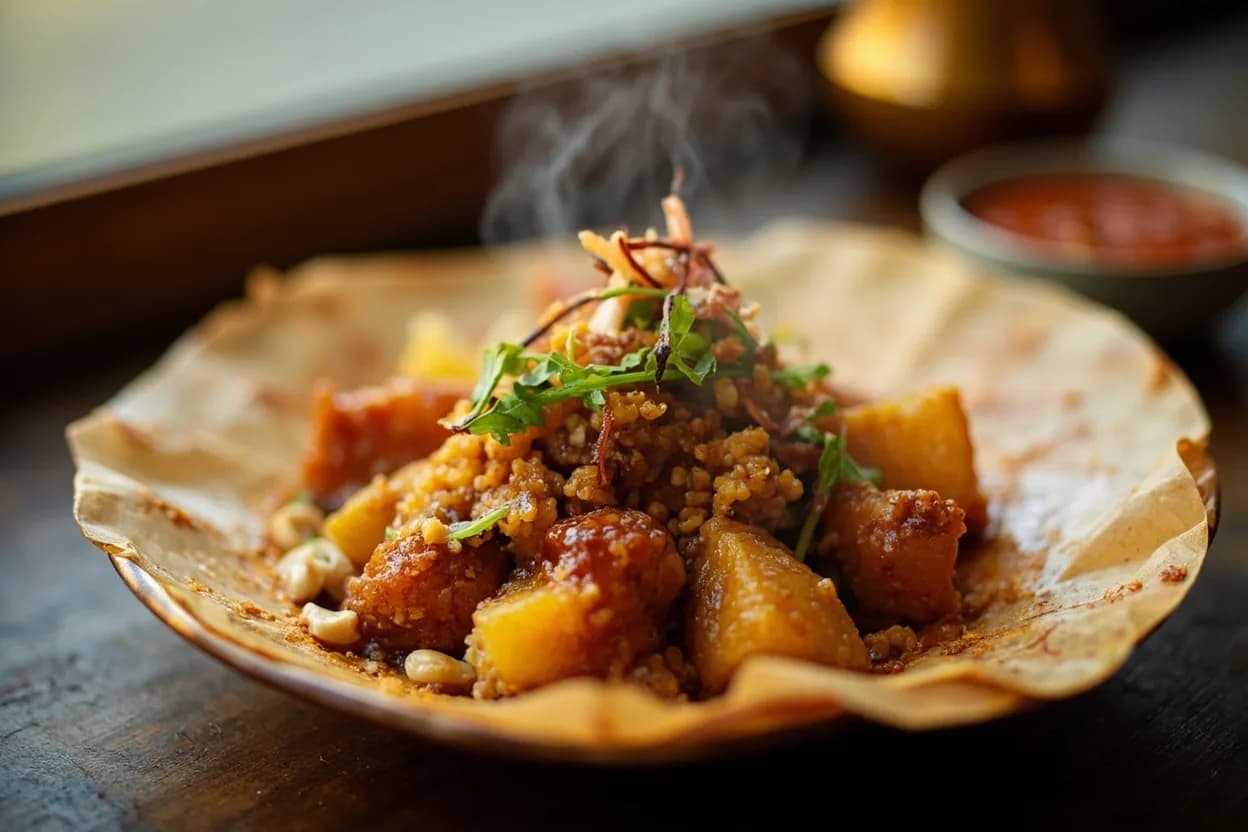
The dishes that define Singapore Hawker, documented in the Canon.
References
- 1.The Food of Singapore — Wendy Hutton
- 2.Singapore Street Food — David Thompson
- 3.UNESCO Intangible Cultural Heritage — Hawker Culture in Singapore (2020)
- 4.Shiok! Exciting Tropical Asian Cooking — Susanne Goh
Confidence: high
Notes
Wok hei and the hawker advantage
The extreme BTU output of hawker-centre commercial burners — far beyond what domestic stoves can produce — is inseparable from the flavor of char kway teow and hokkien mee. The smoky, slightly charred quality (wok hei, literally 'breath of the wok') cannot be faithfully replicated at home and is one reason hawker cooking resists domestication even among Singaporeans who grew up eating it daily.
Chope culture
The practice of reserving a hawker table with a packet of tissue paper is so embedded that 'tissue packet culture' has entered academic discussions of Singaporean civic behavior. It is simultaneously practical (solo diners need to queue at multiple stalls) and a site of generational debate about social norms.