South Asia
Tamil Nadu
Also: Tamil cuisine, South Indian cuisine (Tamil)
Temple-town South India at its most elemental: rice and lentil on a banana leaf, the daily liturgy of sambar and rasam, and a spice grammar rooted in black pepper, curry leaf, and tamarind.
Tamil Nadu cuisine is one of the oldest continuously practiced culinary traditions in the world, anchored by rice as the sacred grain, tamarind as the dominant souring agent, and a trifecta of black pepper, dried red chilli, and curry leaf as aromatic foundation. Meals are served on fresh banana leaf, eaten with the right hand, and structured around a precise sequence of dishes that balances digestive logic with religious symbolism. The cuisine encompasses multiple distinct traditions — Brahmin vegetarian (Iyengar and Iyer), Chettinad spice-merchant cooking, Kongu Vellalar farming food, Nadar community sweets, and coastal fisher communities — each with deep internal coherence.
The flavour base
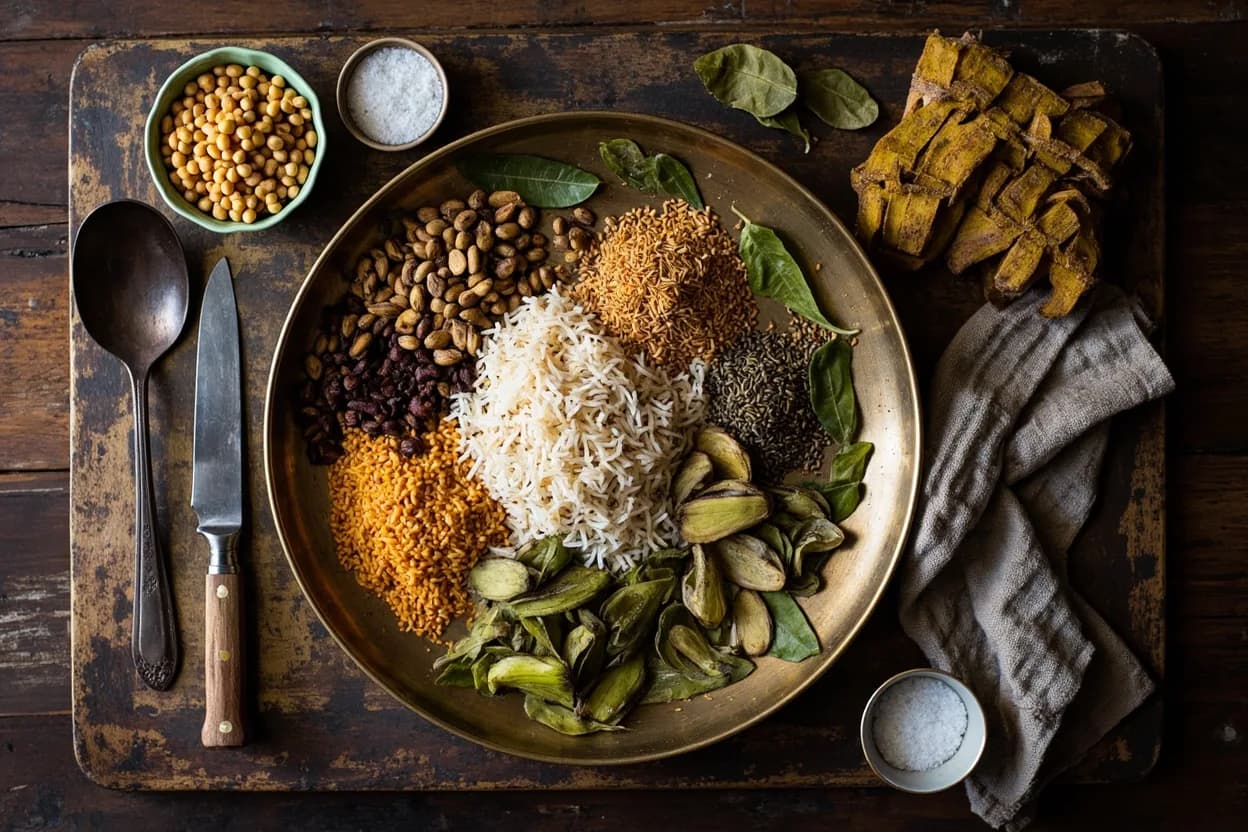
Tamarind-based souring; mustard seeds and curry leaf sizzled in sesame or coconut oil as the aromatic base; black pepper for heat in Brahmin traditions; dried red chillies in Chettinad and coastal styles.
Pantry staples
Key ingredients
Signature techniques
Signature dishes
Tamil Nadu on the table
At the table
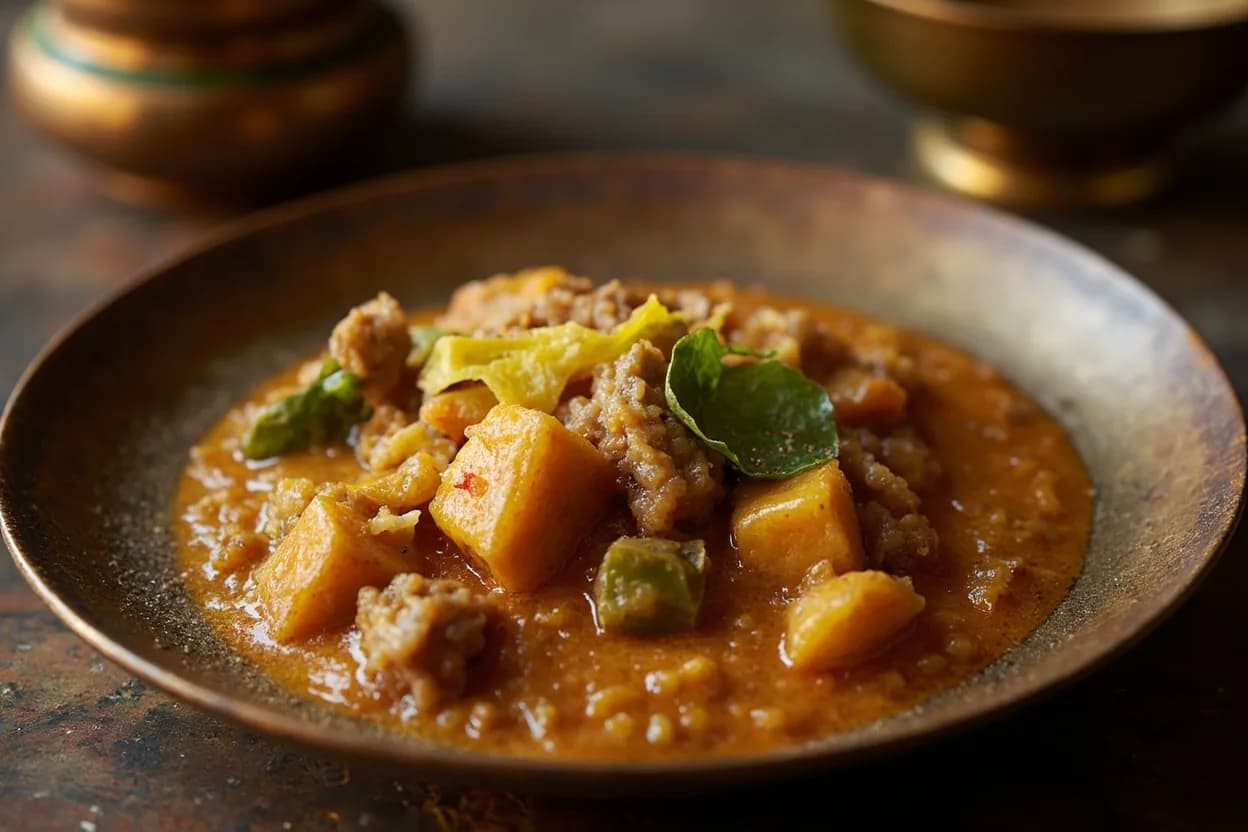
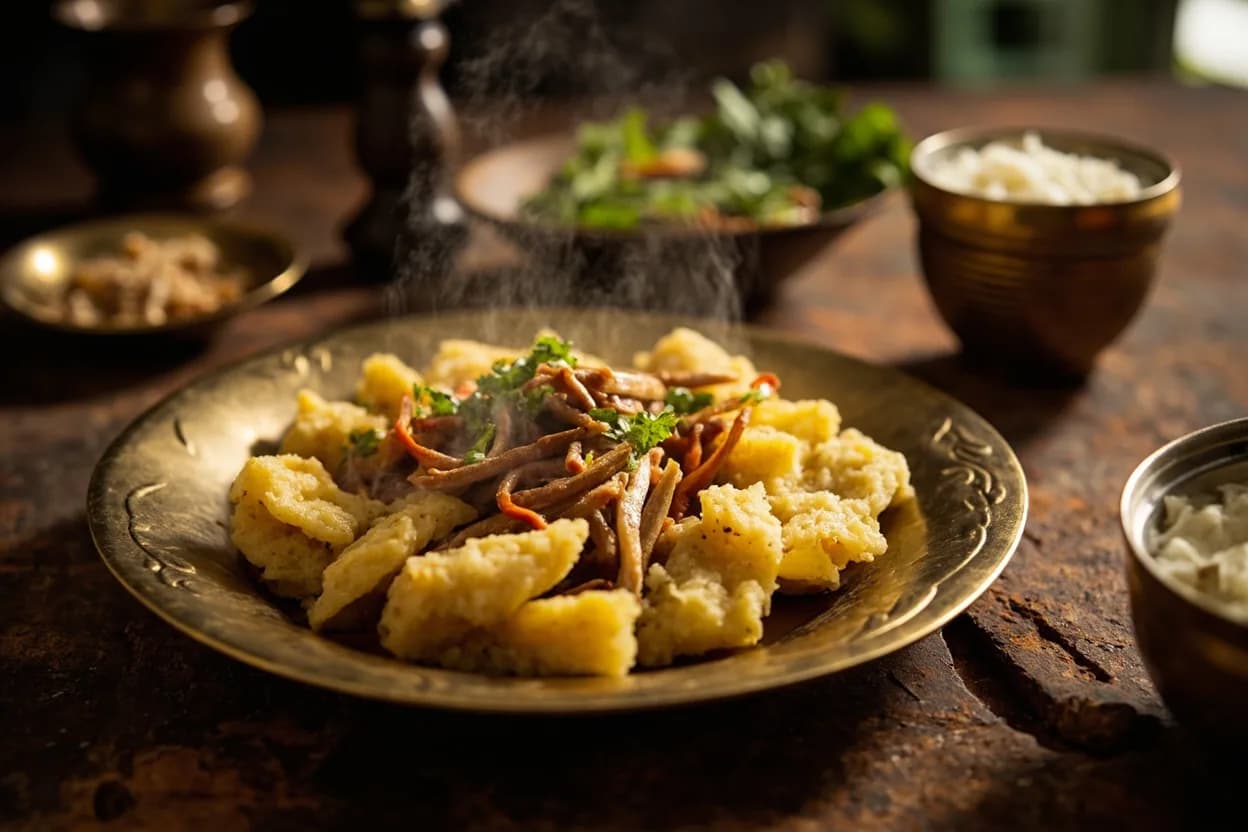
The full Tamil meals-on-banana-leaf (sappadu) begins with rice in the center; small portions of thuvaiyal (chutney), kootu (dry vegetable), poriyal, pappadam, and pickle surround it. Sambar is poured over rice first; rasam follows; curd rice closes the meal as a digestive. Tiffin culture (morning snacks of idli, dosa, vada, upma) is an equally serious tradition. Coffee — strong, sweet filter coffee in a davara tumbler — is the meal's bookend.
History & context
Tamil culinary tradition is documented in Sangam-era poetry (approximately 3rd century BCE to 3rd century CE), which describes feasts, rice agriculture, and the emotional significance of food. The Agastya and Bhakti traditions embedded food preparation in religious practice — temple prasadam kitchens (matam) evolved into the large-scale cooking systems that underpin today's restaurant tiffin culture. Chettinad's distinctive cuisine emerged from the mercantile Chettiar community's 19th-century spice trade networks across Southeast Asia, bringing back star anise, kalpasi (stone flower), and marathi mokku (dried flower pods) that are now uniquely Chettinad. Tamil Nadu's influence on global South Indian restaurant food has been enormous — most 'South Indian food' served internationally follows Tamil templates.
Regional variations
Fiercely spiced, meat-forward (especially Kuzhambu gravies and pepper chicken); unique spice vocabulary including kalpasi, marathi mokku, and kavuni arisi.
- Kongu (Coimbatore-Erode belt)
Farming community food; jaggery-sweetened chutneys, bamboo rice, ragi (finger millet) staples, and hearty one-pot dishes.
- Brahmin (Iyengar/Iyer)
Strictly vegetarian, no onion or garlic; sambar uses asafoetida as aromatic substitute; elaborate festival foods of rice-based sweets and pithas.
- Coastal Tamil Nadu
Fish-dominant; dried fish (karuvaadu) used as seasoning; prawn and crab in coconut-tamarind gravies; meen kulambu is the defining dish.
Related cuisines
A sub-tradition within Tamil Nadu, distinct enough to be a separate entry; shares the tamarind-pepper base but with far greater spice complexity and meat emphasis.
Shares coconut, curry leaf, and banana-leaf service; diverges in coconut oil dominance and heavy use of coconut-based gravies.
- Sri Lankan Tamil
Closely related diaspora cuisine; heavier coconut milk use, distinctive string hoppers (idiyappam) tradition, and Jaffna-specific curry powders.
- Karnataka
Neighboring state sharing tiffin culture, filter coffee, and rice-lentil staples; diverges in the use of bisi bele bath and Udupi temple cooking style.
Canonical recipes
The dishes that define Tamil Nadu, documented in the Canon.
References
- 1.The Penguin Food Guide to India — Charmaine O'Brien
- 2.Feast: Food of the Islamic World — Anissa Helou
- 3.Indian Food: A Historical Companion — K.T. Achaya
- 4.Tasting India — Christine Manfield
Confidence: high
Notes
The rasam continuum
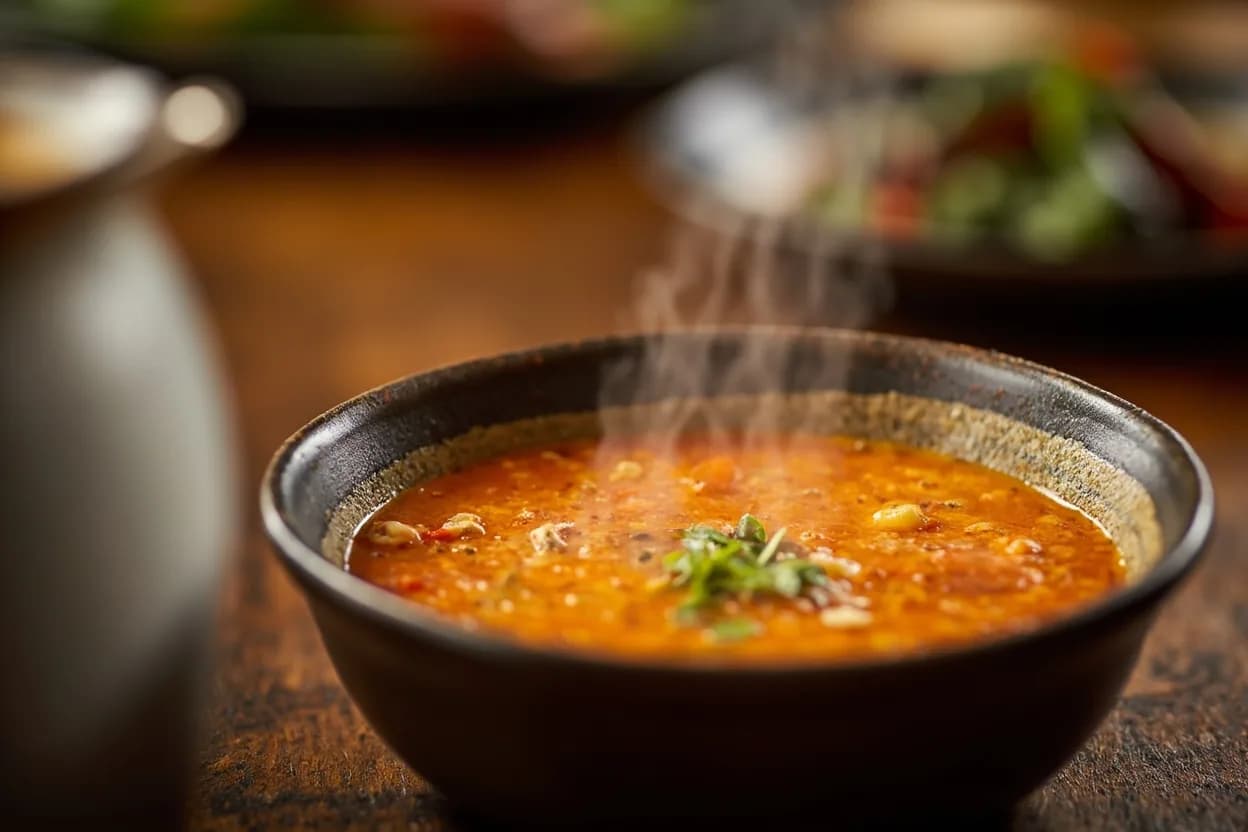
Rasam is the defining test of Tamil culinary mastery. At its simplest it is tamarind water, tomato, and pepper — a thin digestive broth. In skilled hands it becomes a multi-layered liquid that changes character from morning (peppery, gingery) to evening (more tamarind-forward), adapted to the diner's health and the season. The ratio of pepper to tamarind to tomato is a cook's signature.
Temple kitchen infrastructure
Tamil Nadu's temple cuisine — especially the Tirupati Balaji temple (one of the world's largest food operations by volume) and the Meenakshi temple in Madurai — has shaped cooking techniques and standardized preparations that feed hundreds of thousands daily. This institutional kitchen culture is part of why Tamil tiffin and thali cooking has been standardized and exported so effectively.