
Natural form
Fresh nakati stems and leaves showing the plant's dark green, lightly serrated foliage.
Shows readers exactly what to look for when buying or foraging raw African nightshade.
Produce
African Nightshade (Nakati)
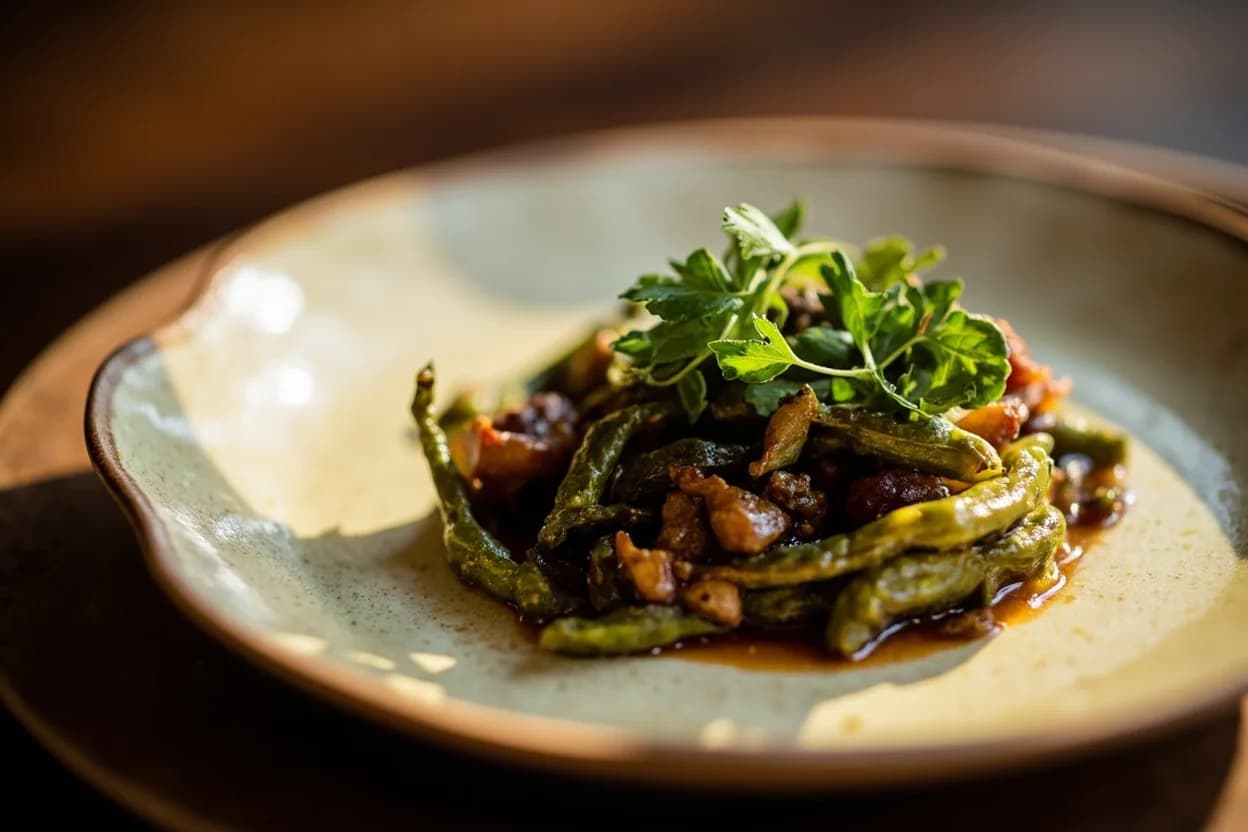
Bitter East African leafy green (nakati) cooked down as a nutritious side.
African nightshade, known as nakati in Uganda, is a leafy green grown for its edible, mildly bitter leaves. The leaves are boiled and then simmered or sautéed, often with groundnut paste, onion, and tomato, and served alongside staples like ugali or matoke. It is a common, vitamin-rich traditional vegetable across East Africa.
African Nightshade, known as nakati in Uganda and throughout East Africa, is a bitter leafy green from the Solanum genus that anchors a wide range of traditional preparations across the region. It belongs to the Solanaceae family alongside tomatoes and eggplant, but unlike its relatives, only the leaves and young shoots are the primary culinary target. Nakati is both a sustenance crop and a cultural touchstone—the characteristic bitterness is prized rather than masked, and the greens feature prominently in the classic "greens and sauce" meal structure that defines everyday cooking in Uganda and Kenya. The plant is fast-growing, drought-tolerant, and thrives in poor soils, making it a reliable food-security vegetable that self-seeds readily in tropical climates.
In the kitchen, nakati behaves like other cooked greens but with a more pronounced earthiness and bitterness that mellows considerably with proper preparation. The leaves are tender when young but become tough as they mature, and they cook down dramatically—approximately 1 kg of raw leaves reduces to 150–200 g of finished greens. Raw leaves contain solanine and other alkaloids that are significantly reduced through thorough cooking, so nakati is never eaten raw. The bitterness varies by species and growing conditions; wet-season leaves tend to be more tender and less bitter, while drought-stressed plants develop stronger flavor. The cooking water, far from being discarded, is mineral-rich and usable as a soup base or poultry feed.
Nakati's versatility spans simple sautéed sides to complex stews. The defining preparation across Uganda is nakati prepared with groundnut paste—a rich, slightly sweet sauce that tempers the greens' bitterness and creates a deeply satisfying relish typically served with starches like cassava, plantain, or millet. In Kenya and Tanzania, nakati appears in bodobodo (quick-fried greens with onions and tomatoes), mixed-green relishes, and coconut milk-enriched stews. The greens are also dried for long-term storage, reconstituted in the dry season when fresh produce is scarcer, and incorporated into porridges for nutritional enrichment. This is a vegetable that rewards understanding its behavior: how it cooks, how it pairs, and how to manage its bitterness for the best results.
- Measured in
- g
- Storage
- Fridge
Types & varieties
The most widely consumed species in East Africa; smaller, more deeply lobed leaves; the classic nakati of Ugandan cuisine.
Distinctly hairy leaves with orange berries; common in Tanzania and Kenya; slightly milder bitterness than S. nigrum.
Larger, smoother leaves and taller growth habit; increasingly cultivated commercially; standard in Kenyan and Malawian markets.
Widely distributed across Africa; smaller plants with black berries; leaves consumed throughout West and Central Africa as well.
Common uses
Tips & pitfalls
- Always cook nakati thoroughly—raw leaves contain solanine and alkaloids that are significantly reduced by heat; never eat them raw.
- To reduce bitterness, blanch leaves in boiling water for 2–3 minutes, drain, refresh in cold water, then proceed with your recipe. Repeat blanching once for very bitter varieties.
- Do not discard cooking water—it contains leached minerals and soluble vitamins. Use it as a soup base, or let poultry drink it.
- Harvest leaves in the morning for maximum freshness and turgor; avoid wilted, yellowing, or insect-damaged leaves.
- For sun-drying, spread cleaned leaves in thin layers in direct sunlight for 2–4 days until completely brittle; store in airtight containers away from moisture and light.
- When cooking with groundnut paste, add it toward the end of cooking to prevent it from becoming sticky or gummy; stir gently once added.
- Do not confuse with toxic nightshade species—consume only known edible Solanum varieties from trusted sources; the edible African species are taxonomically distinct from deadly nightshade (Atropa belladonna).
- For dried nakati, reconstitute by soaking in warm water for 15–20 minutes before cooking; the texture will be slightly different from fresh but the flavor is comparable.
Nutrition
Nutrition
No USDA FoodData Central match for African Nightshade (Nakati) yet. We surface a per-100 g profile once a generic whole-food entry is matched and verified.
In the shops
Matched grocery products
No matched grocery products for African Nightshade (Nakati) yet.
Good to know
- Botanical family
- Solanaceae (nightshade family)
- Species
- Solanum nigrum complex—primarily S. nigrum, S. villosum, S. scabrum, and S. americanum
- Edible part
- Leaves and young shoots only (berries of some varieties are edible when fully ripe and blackened, but the leaf is always the primary target)
- Flavor
- Mildly to moderately bitter, earthy, and slightly savory; bitterness varies by species and growing conditions
- Season
- Year-round in tropical climates; peak leaf production during wet seasons
- Typical yield
- Leaves shrink dramatically when cooked—1 kg raw leaves yields approximately 150–200 g cooked
- Storage
- Use within 1–2 days; refrigerate unwashed in a perforated bag; can be sun-dried for long-term storage
- Difficulty
- Low; grows easily and tolerates poor soils; cooking requires only basic technique
Substitutes
- Amaranth leaves — Closest in texture and cooking behavior; milder flavor, so season more aggressively if using as a 1:1 substitute.
- Cowpea leaves (doodo) — Similar cooking method and widespread availability in East Africa; comparable nutritional profile; interchange freely in stews.
- Pumpkin leaves (malakwang) — Same flavor category (bitter leafy green); cook identically; slightly more robust leaves that hold up better in long braises.
- Swiss chard — Better substitute outside East Africa; comparable cooking method and behavior, but lacks the characteristic bitterness—add a touch of lemon or vinegar to approximate the flavor.
- Dandelion greens — Reasonable bitter-green substitute outside the region; may require 5–10 minutes longer cooking to soften sufficiently.
Pairs with
Also called
Nakati · African Nightshade · Black Nightshade
Appears in these dishes
Related
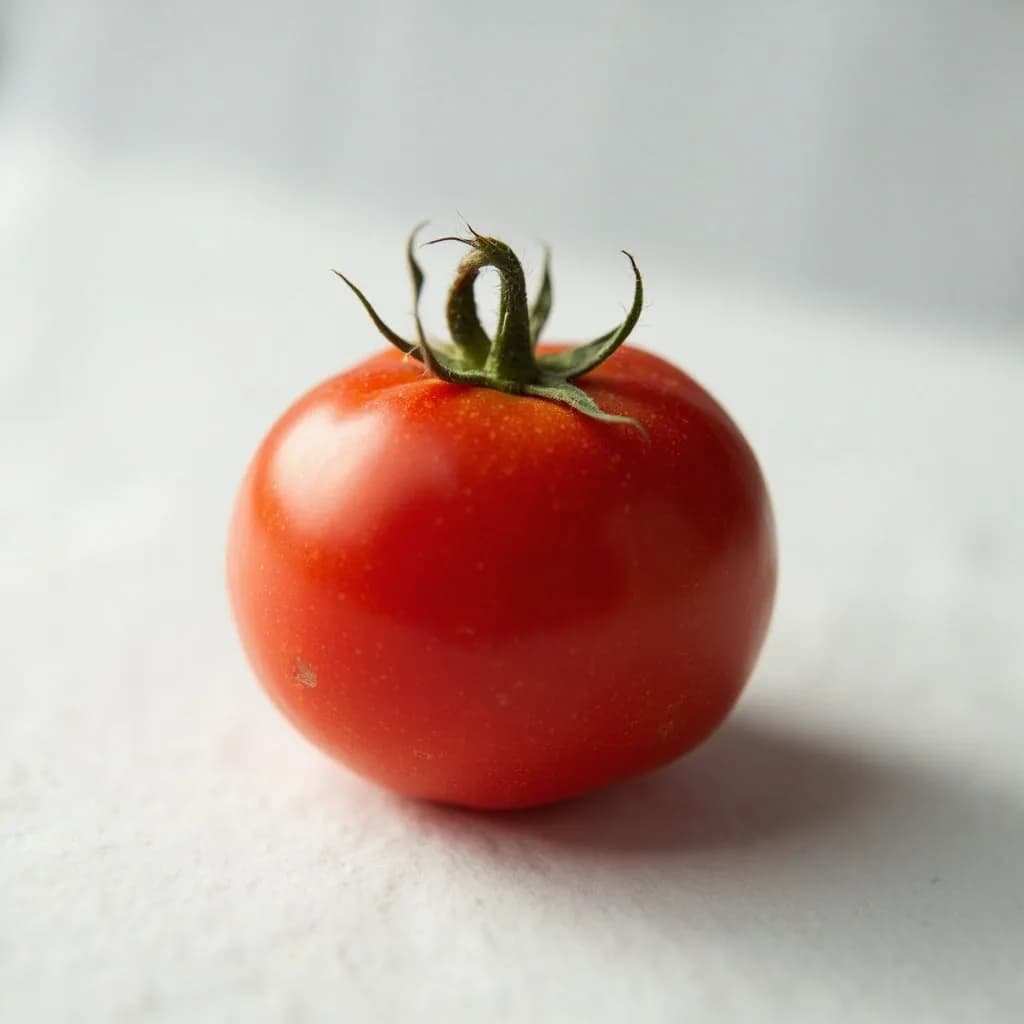
Tomato
Juicy, sun-sweet fruit for sauces, salads, and slow-cooked depth
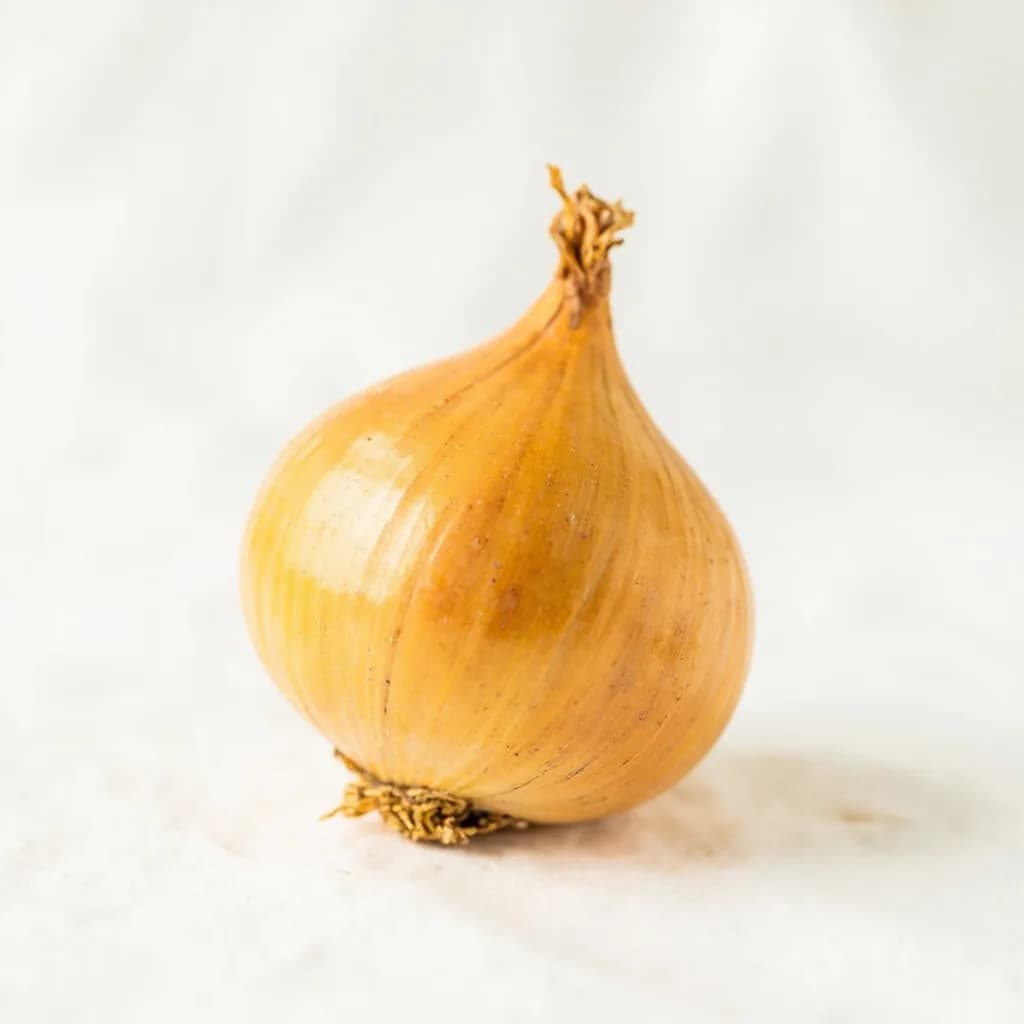
Yellow Onion
The aromatic backbone of soups, sofritos, and braises
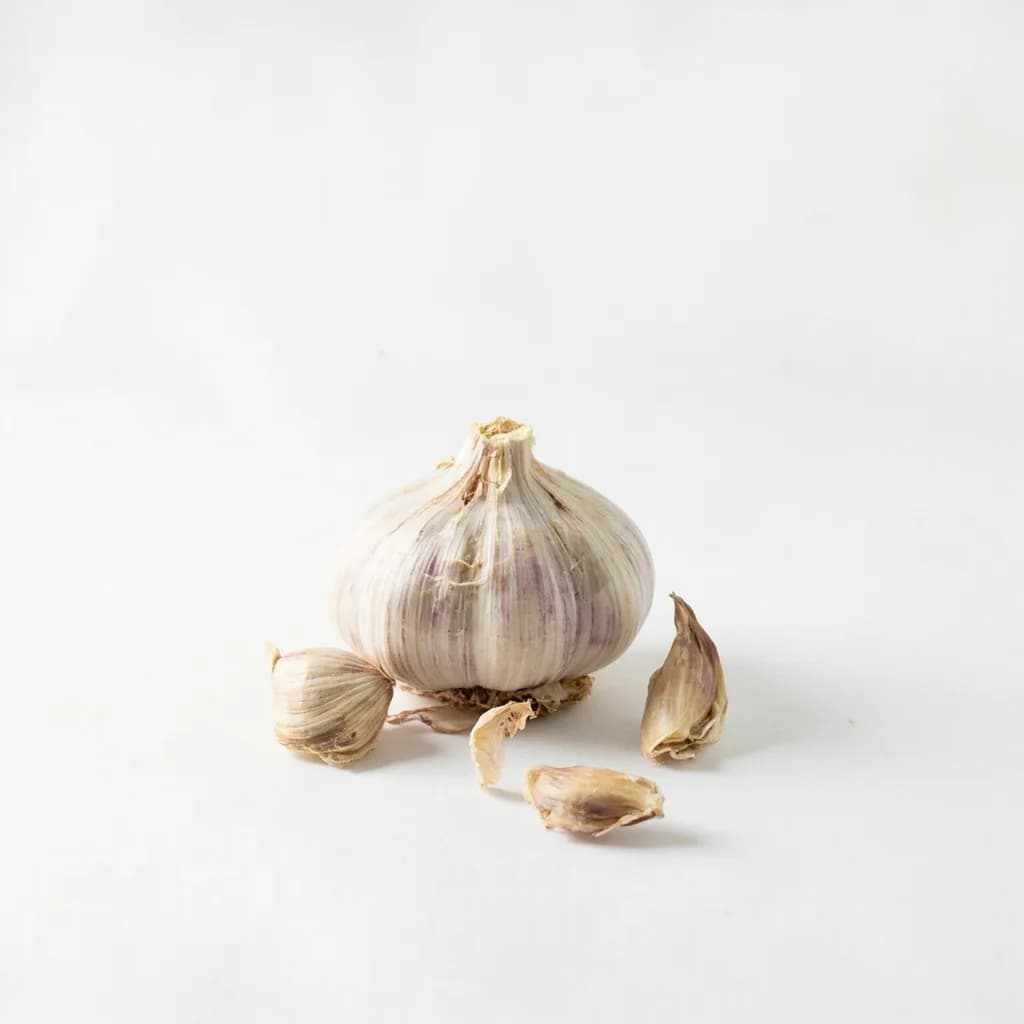
Garlic
Pungent cloves that perfume nearly every savory dish
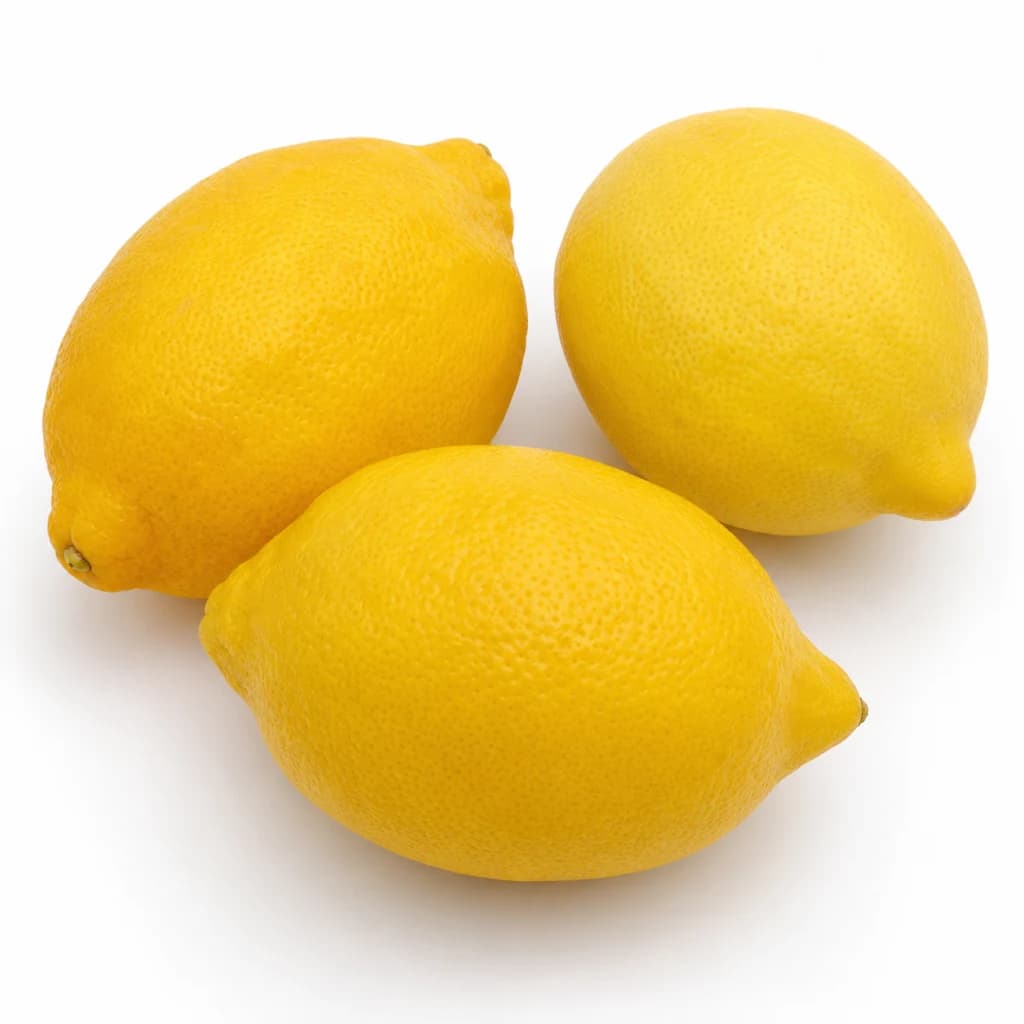
Lemon
Bright, acidic citrus that wakes up almost any dish
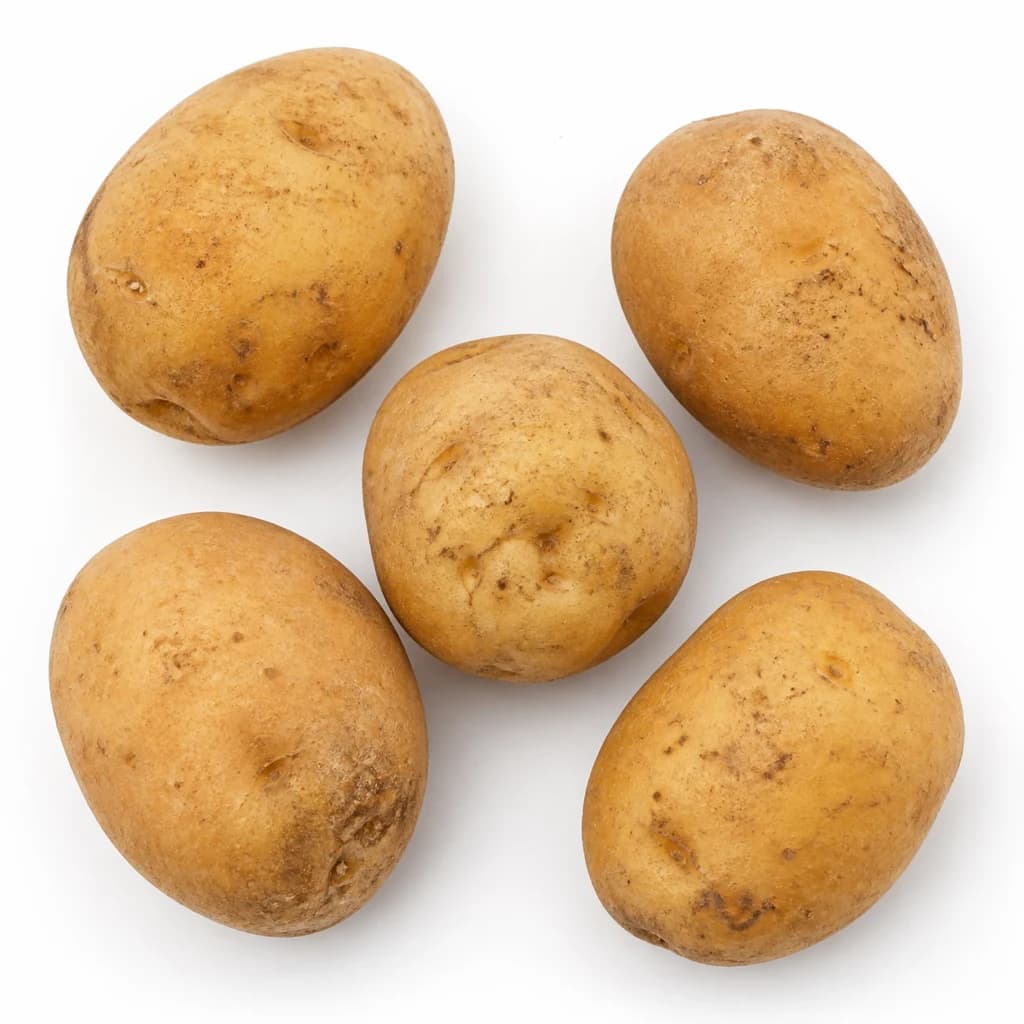
Potato
Humble, hearty staple — roast, mash, fry, or boil
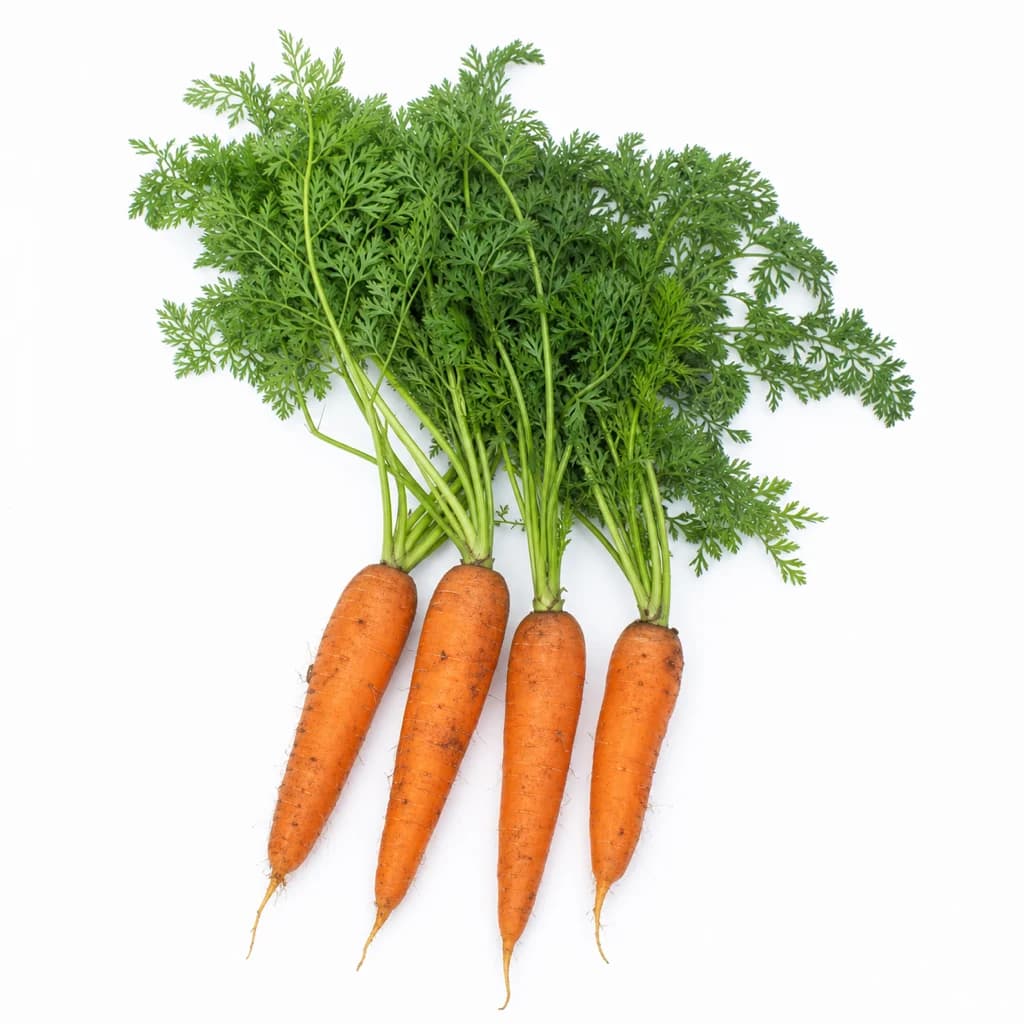
Carrot
Sweet, crunchy root — raw, roasted, or the base of a sofrito
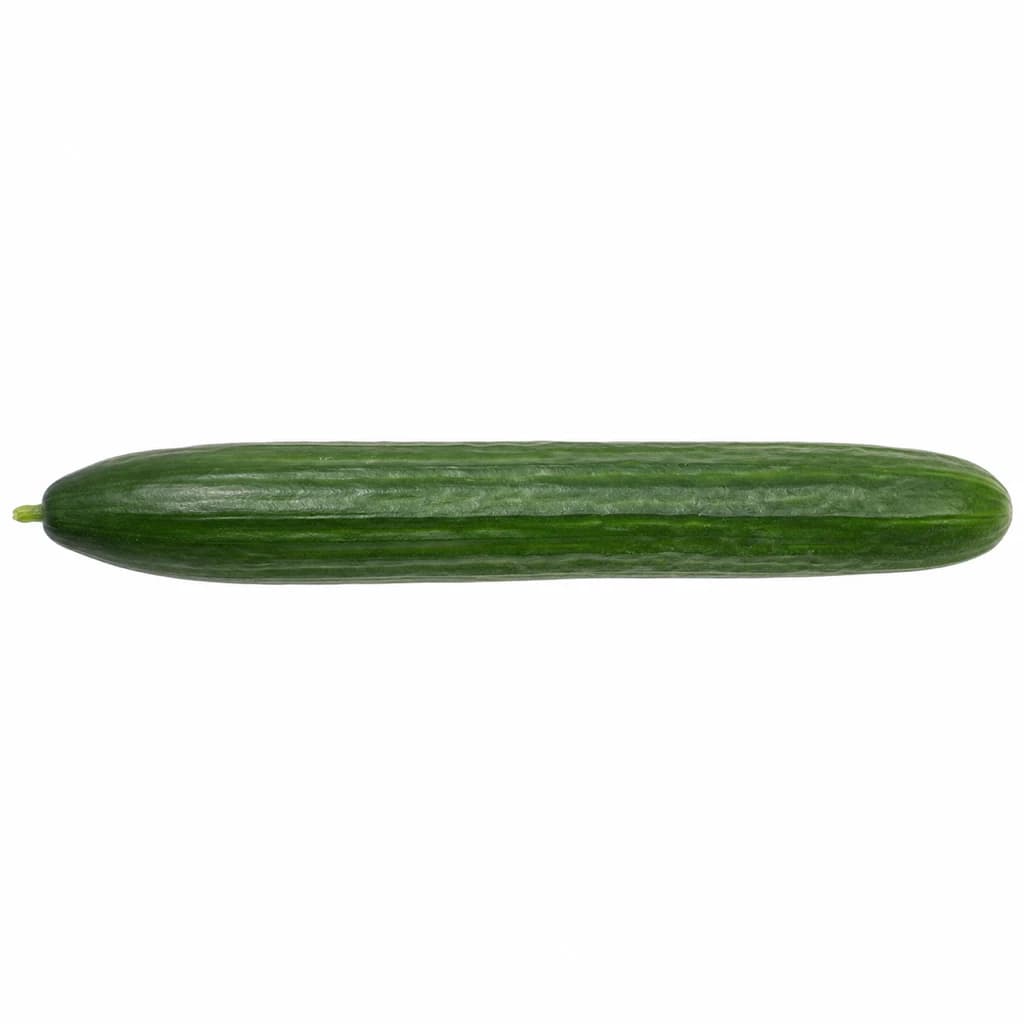
Cucumber
Cool, crisp, and watery — for salads, pickles, and tzatziki

Lettuce
Crisp leaves for salads, wraps, and a fresh crunch