
Natural form
Akkawi cheese blocks submerged in cloudy brine inside a ceramic crock.
Shows the defining brine-packed storage form and the smooth white rind that distinguishes Akkawi from drier cheeses.
Dairy & Eggs
Akkawi Cheese
Smooth, salty white Levantine brine cheese eaten fresh or desalted for sweets like knafeh.
Akkawi is a smooth, supple white brine cheese from the Levant, named for the Palestinian port city of Acre. Sold packed in salty whey, it is sliced for breakfast and sandwiches, and is desalted then used in sweet pastries such as knafeh and qatayef because it melts into stretchy strands. It is mild and milky with a firm, sliceable texture.
Akkawi is a firm, white brine cheese originating from the Levant—strongly associated with Palestine and historic Greater Syria—named after the coastal city of Akko (Acre). It belongs to the family of white pickled cheeses common throughout the Eastern Mediterranean, but it occupies a particular culinary throne as the defining cheese of knafeh al-nabulsiyeh, the iconic Palestinian dessert. Made primarily from cow's milk (also buffalo or sheep's milk in traditional preparations), Akkawi is pressed and salted, then stored and sold submerged in brine, which preserves it and intensifies its clean, salty, mildly tangy flavor.
The cheese's texture is smooth and sliceable, firm enough to hold its shape when heated—making it more versatile than crumbly feta—yet yielding enough to become plush when soaked in sugar syrup in desserts. Its saltiness is its signature: deliberately pronounced in brine, which serves both as preservative and flavor developer. When called for in sweets, the cheese is desalted through repeated soaking and rinsing; when used in savory preparations, it is employed either fresh from the brine or briefly fried, where it browns attractively without disintegrating. Industrially produced throughout the Levant, Akkawi is now widely available in Arab grocery stores and Middle Eastern markets internationally, typically sold in sealed brine bags or vacuum-packed containers.
- Measured in
- g
- Storage
- Fridge
Allergens
Types & varieties
The standard form; sold in sealed bags or containers of brine
Soaked and rinsed to remove excess salt before use in desserts
The most common commercial variety
Richer, slightly more indulgent; harder to find outside the region
Desalting Akkawi for Sweets
Achieving properly desalted Akkawi is essential for knafeh and other sweet preparations. The process requires patience and tasting throughout.
- Cut the cheese into thin slices or small cubes to increase surface area for salt leaching.
- Submerge in cold water for 30–60 minutes, then drain completely.
- Repeat the soak-drain cycle 3–4 times over several hours, or soak overnight in the refrigerator for milder salt reduction.
- After each cycle, taste: the cheese should be pleasantly salty but not briny; continue repeating until the balance is right for your recipe.
- Never use the soak water—it contains extracted salt and must be discarded entirely.
Common uses
Tips & pitfalls
- To desalt for knafeh: cut into thin slices, soak in cold water for 30–60 minutes, drain, repeat 3–4 times over several hours or overnight; taste and repeat if still too salty.
- Never use the brine for sweet preparations; discard it entirely after desalting.
- Store submerged in its original brine in the coldest part of the refrigerator.
- When frying, the cheese will hold its shape better than halloumi but still browns nicely.
- Commercial Akkawi is often vacuum-sealed in brine; once opened, transfer to a sealed container with fresh brine (4–5% salt solution) if not used immediately.
- If the cheese arrives with an unusually intense brine smell, it is normal; the salt is the preservative.
- The cheese should smell clean and mildly tangy; any sour or off odors indicate spoilage.
Nutrition
Energy
1628 kJ · per 100 g
Where the calories come from
Protein
25.6g
51% DV
Carbs
1.6g
1% DV
Fat
31.1g
40% DV
Fiber
0g
0% DV
Sugars
1.6g
of which
Sodium
800mg
35% DV
Source · USDA FoodData Central · approx. Cheese, fontina
View on FDC →In the shops
Matched grocery products
No matched grocery products for Akkawi Cheese yet.
Good to know
- Origin
- Levant region, strongly associated with Palestine and historic Greater Syria
- Milk Base
- Traditionally cow's milk; also made from buffalo or sheep's milk
- Type
- White brined cheese, sold and stored submerged in salt brine
- Color
- White
- Flavor
- Salty, mildly tangy, clean
- Texture
- Smooth, firm, sliceable; holds shape when heated
- Shelf Life
- Weeks in refrigerated brine; desalted cheese keeps 3–5 days refrigerated
- Traditional Use
- Fresh as a table cheese and desalted for knafeh
- Arabic Name
- جبنه عكاويه (Jibneh Akkawi)
Substitutes
- Nabulsi Cheese — Another Palestinian brine cheese; similar saltiness and texture; best direct substitute
- Halloumi — Cypriot brine cheese; holds shape when cooked but has a more elastic bite; reduce salt by soaking before use
- Ricotta Salata — Mild, crumbly, and less salty; acceptable in salads and sweets but not a direct texture match for frying
- Feta — Tangier and more crumbly; works in salads and some sweets but not for knafeh layers
Pairs with
Also called
Baladi Cheese · Akawi Cheese
Appears in these dishes

Related

Whole Milk
Rich, full-fat milk for drinking, coffee, sauces, and baking
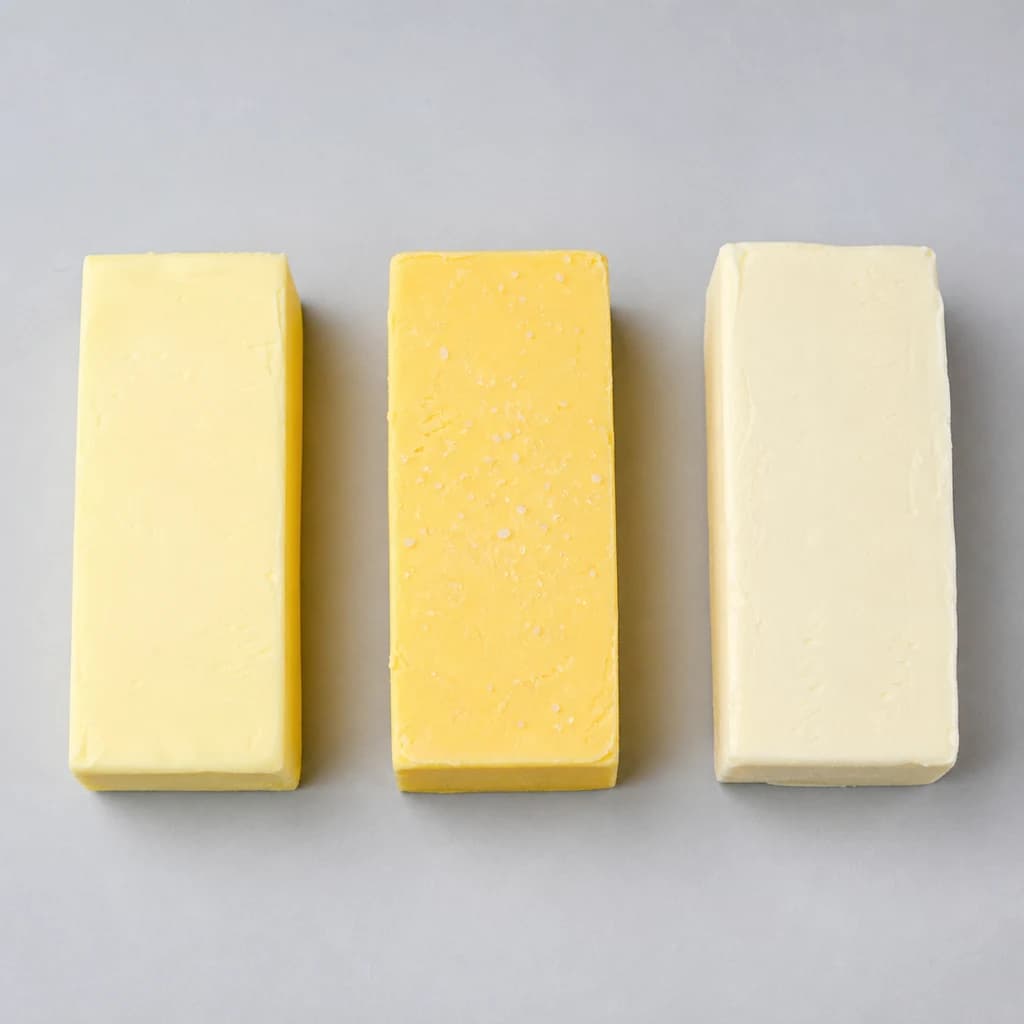
Butter
Golden fat for searing, baking, and finishing a sauce
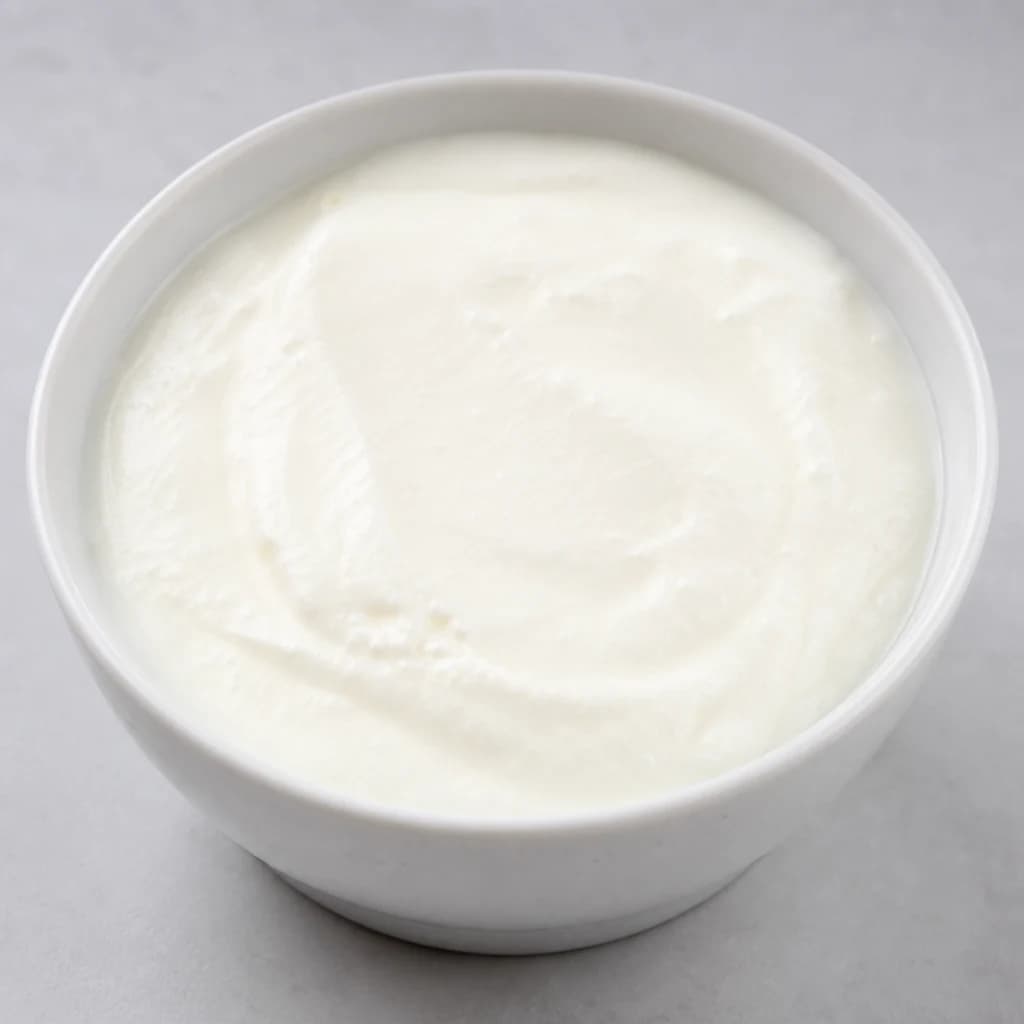
Yogurt
Tangy, creamy culture for breakfast, sauces, and marinades
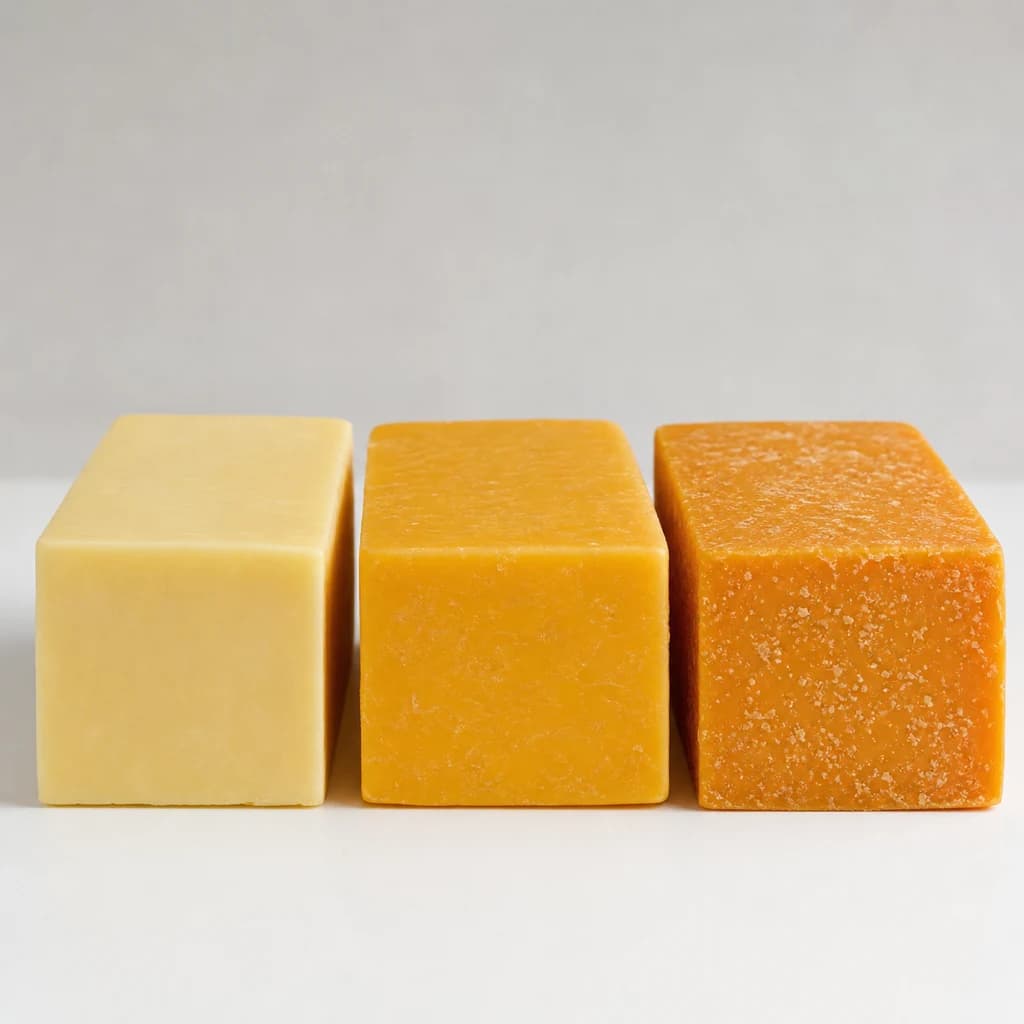
Cheddar Cheese
Sharp, melty cheese for sandwiches, gratins, and grating
Skim Milk
Fat-free milk for lighter drinking, coffee, and cooking
Heavy Cream
Rich cream that whips, enriches sauces, and sets ganache

Sour Cream
Tangy, thick cream for dolloping, baking, and dips
Mozzarella
Soft, milky cheese that melts into stretchy pizza pulls