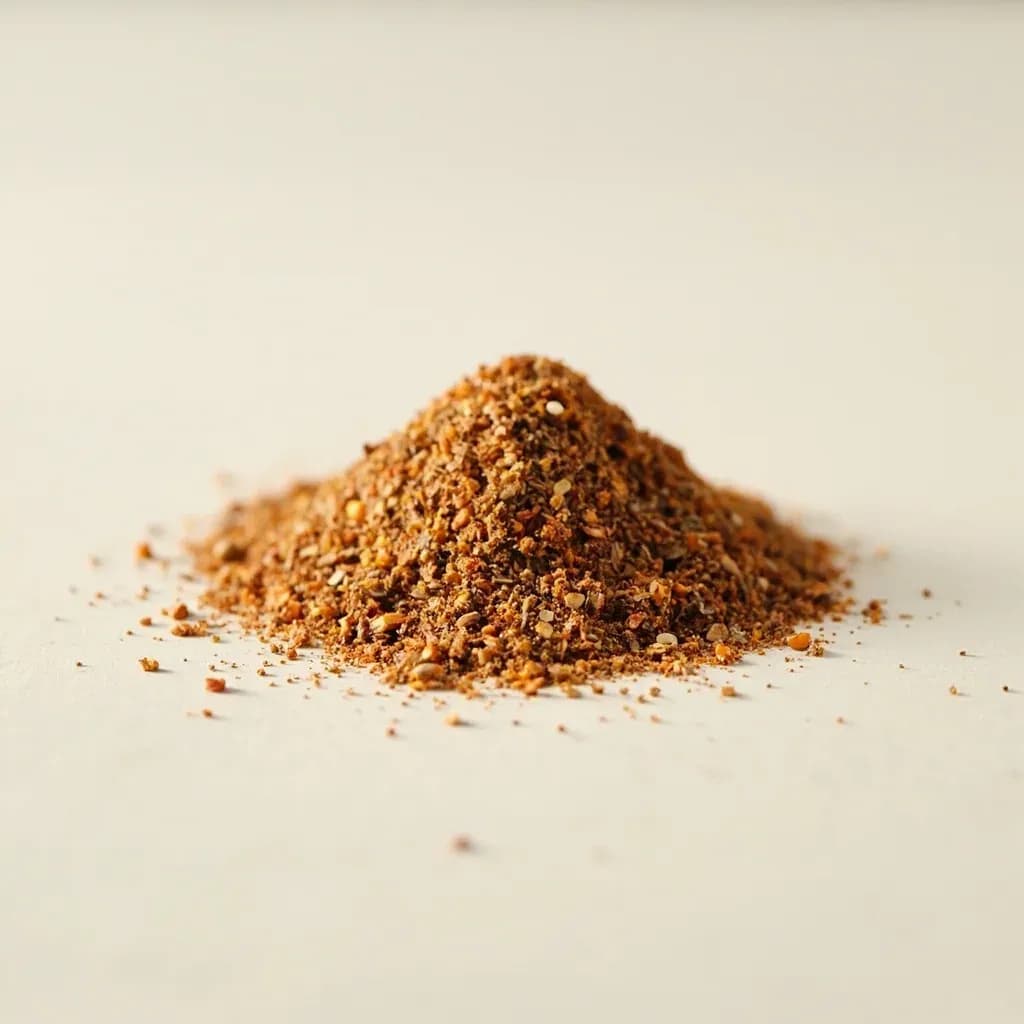
Spices
All-Purpose Seasoning
General savory blend of salt, herbs, garlic and spices for everyday seasoning.
All-purpose seasoning is a versatile blend typically combining salt, garlic and onion powder, dried herbs and assorted spices. It is used as a convenient one-shot seasoning for meats, vegetables, soups and rice. Caribbean and Western versions differ, but all aim to season a dish in a single sprinkle.
All-Purpose Seasoning is a pre-mixed dry blend built on a salt‑herb‑garlic backbone, typically combined with onion powder, black pepper, paprika, and often celery seed or dried herbs. It emerged as a mid‑20th‑century convenience product when commercial spice companies began packaging these combinations for speed and consistency, filling the practical gap between plain salt and single‑spice jars. Home cooks appreciated having one jar for everyday seasoning; restaurant kitchens developed proprietary versions to streamline prep work.
The blend's defining characteristic is its salt‑forward nature—most commercial versions run 40–60% salt by weight—which makes it an efficient seasoning vehicle but also the primary nutritional consideration for sodium‑conscious cooks. The other ingredients contribute savory depth, mild heat, and aromatic complexity without overwhelming the dish. Because the components are finely ground and thoroughly mixed, the blend distributes evenly through food, making it particularly useful for dry rubs, surface applications, and seasoning during cooking.
Regional and brand variations give the category real diversity. Montreal‑style blends favor cracked garlic and dill with a coarser grind; Southern US versions often incorporate more celery salt; European iterations tend toward milder herb profiles. Commercial brands like Lawry's, Johnny's, and Spike each have their own signature balance. Salt‑free alternatives and customizable homemade blends address the growing demand for lower‑sodium options without sacrificing the convenience of a pre‑mixed seasoning.
- Measured in
- g
- Storage
- Pantry
Types & varieties
Salt‑forward base with garlic, onion, paprika, and black pepper; the most common and widely available form in grocery stores
Heavy on cracked garlic, dill, and black pepper; coarser grind than standard seasoned salt; originally from Canadian delis and steakhouses
Lower salt or salt‑free; emphasizes herbs like thyme, oregano, and basil; formulated specifically for plant‑based dishes
Include dried lemon or orange zest alongside the salt‑herb base; add brightness to grilled proteins and roasted vegetables
Contain smoked paprika or hickory salt; popular for grilled meats, roasted vegetables, and corn on the cob
Herb‑heavy, no‑salt‑added version marketed as an all‑purpose vegetarian seasoning; built on a blend of dried vegetables, herbs, and spices
Common uses
Tips & pitfalls
- Add early in the cooking process so the salt dissolves fully and flavors integrate—sprinkling on at the very end produces uneven seasoning distribution
- Shake or stir the blend before each use: settling causes the heavier salt to sink and the lighter herbs to rise, leading to inconsistent flavor throughout a dish
- Be aware of sodium contribution when combining with other pre‑salted ingredients like soy sauce, store‑bought broth, or canned tomatoes—the cumulative effect can easily oversalt a dish
- Store away from the stove and oven; direct heat accelerates the loss of volatile aromatic compounds in ground spices
- For homemade blends, toast whole spices briefly in a dry pan before grinding for noticeably brighter, more aromatic results
- Do not treat this as a substitute for multiple distinct seasonings in recipes where each spice plays a structural role—curry pastes, Cajun roux, and similar complex preparations require individual spices to develop properly
- If monitoring sodium intake, build your own blend with a reduced‑salt base or use finished dishes to season at the table rather than during cooking
Nutrition
Energy
1301 kJ · per 100 g
Where the calories come from
Protein
10.8g
22% DV
Carbs
68.5g
25% DV
Fat
6.7g
9% DV
Fiber
28g
100% DV
Sodium
18mg
1% DV
Source · USDA FoodData Central · approx. Spices, cardamom
View on FDC →In the shops
Matched grocery products
No matched grocery products for All-Purpose Seasoning yet.
Good to know
- Base ingredients
- Salt, garlic powder, onion powder, black pepper, paprika, and often celery seed or dried herbs
- Typical sodium content
- About 40–60% of blend is salt by weight in most commercial versions
- Form
- Finely ground dry powder, free‑flowing; most contain anti‑caking agents like silicon dioxide; some include MSG
- Shelf life
- 2–3 years sealed; 6–12 months after opening in an airtight container away from heat and light
- Key commercial brands
- Lawry's, Johnny's, Spike, McCormick, Tone's, Weber
- Storage
- Cool, dark, dry pantry; always seal tightly and keep away from stovetop heat, which accelerates flavor loss
- Salt‑free alternatives
- Mrs. Dash varieties, homemade blends with salt substitutes, or Spike vegetarian formulations
- Regional character
- Montreal blends are garlic‑forward; Southern US versions favor celery salt; European profiles lean milder on herbs
Substitutes
- Salt + garlic powder + black pepper — Simple three‑ingredient replacement; adjust proportions to taste—roughly 3 parts salt to 1 part each garlic and pepper
- Italian seasoning + garlic salt — Mix equal parts; works well for Italian‑American dishes and vegetable seasoning applications
- Seasoned salt + additional cracked black pepper — Closest match for recipes calling for Montreal‑style seasoning needs
- Cajun or Creole seasoning — Higher heat level than most all‑purpose blends; suitable for savory dishes where a bit of spice is welcome
- Homemade blend — Combine 2 tbsp each salt, paprika, garlic powder, onion powder, 1 tsp each black pepper, celery seed, and dried thyme; store in a sealed jar
Also called
all-purpose-spice · seasoning-blend
Appears in these dishes
Related
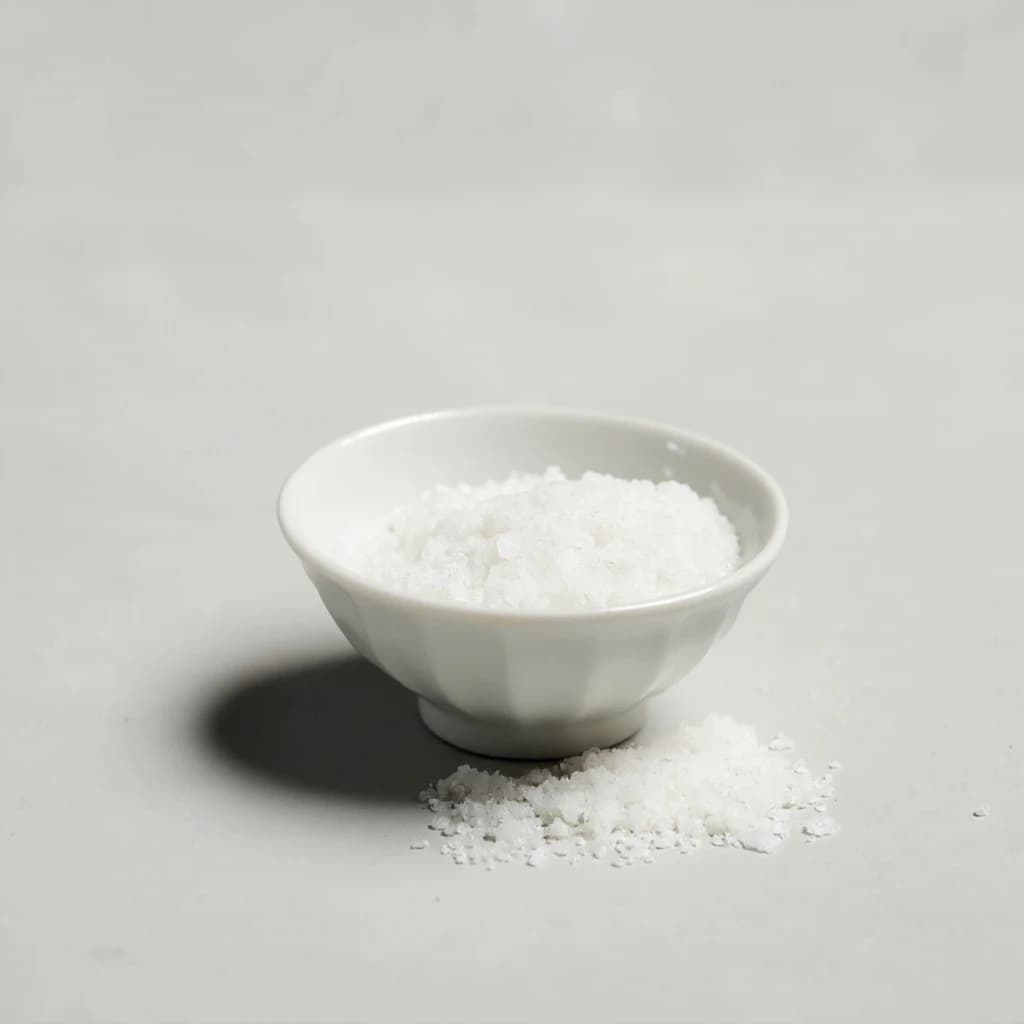
Salt
The one seasoning that makes everything else taste like itself

Black Pepper
Pungent, woody heat — best cracked fresh over anything savory
Amchur
Dried unripe mango ground to a tart, fruity souring powder
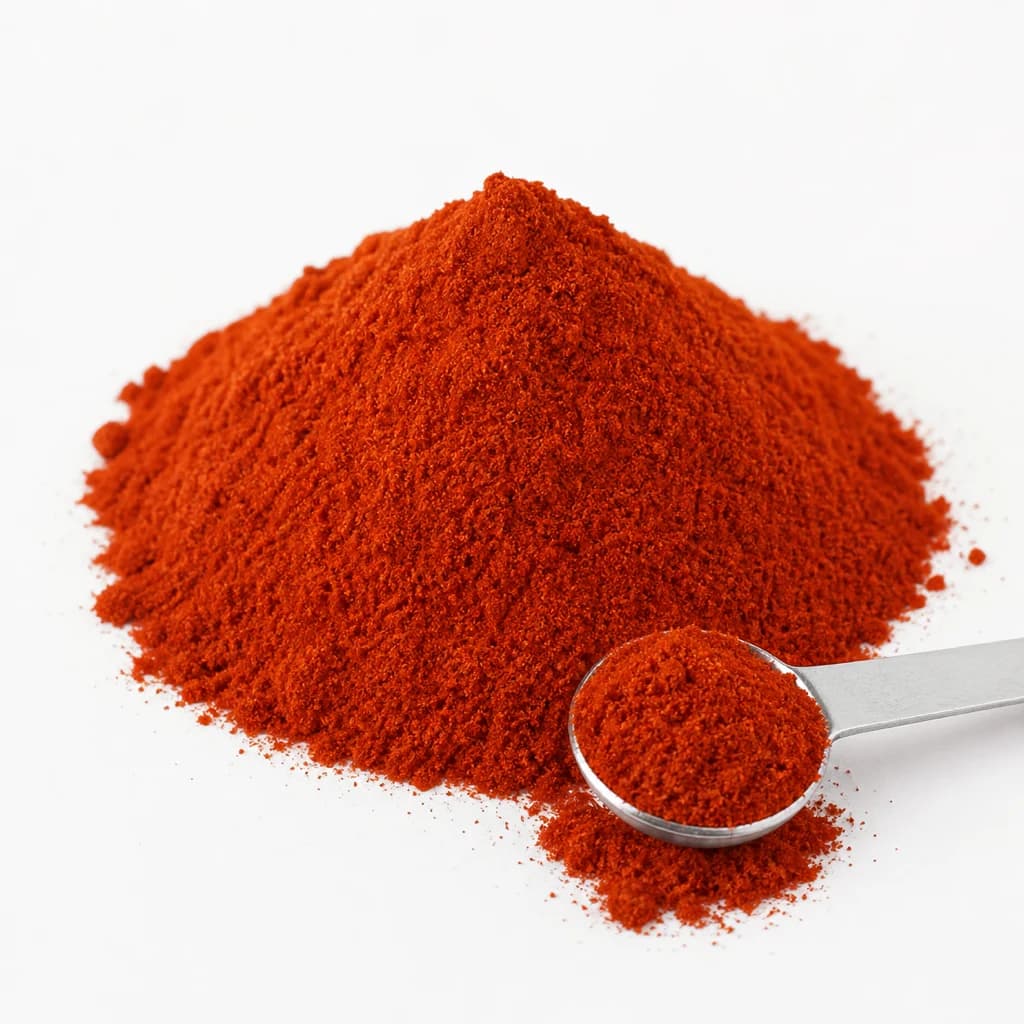
Paprika
Sweet, vivid ground pepper for color and gentle warmth
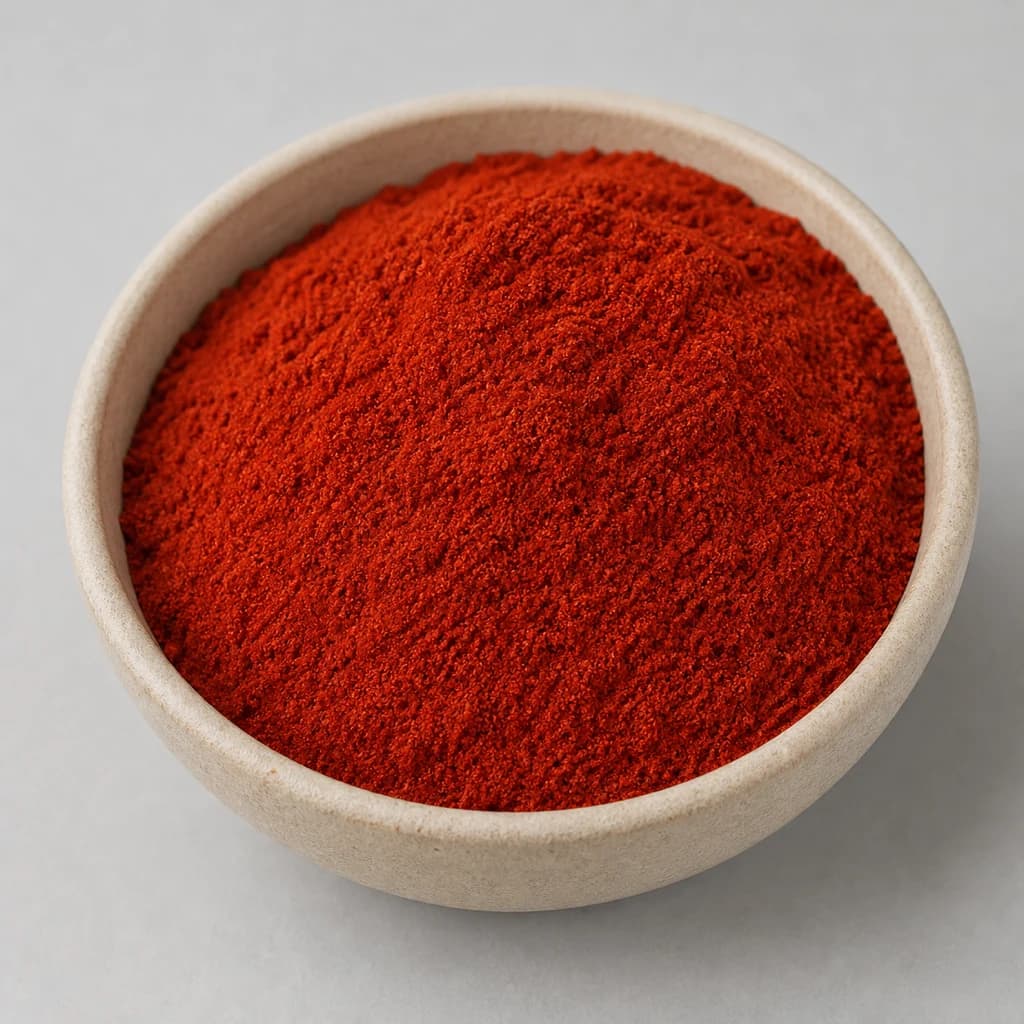
Smoked Paprika
Deep, smoky ground pepper for a campfire warmth
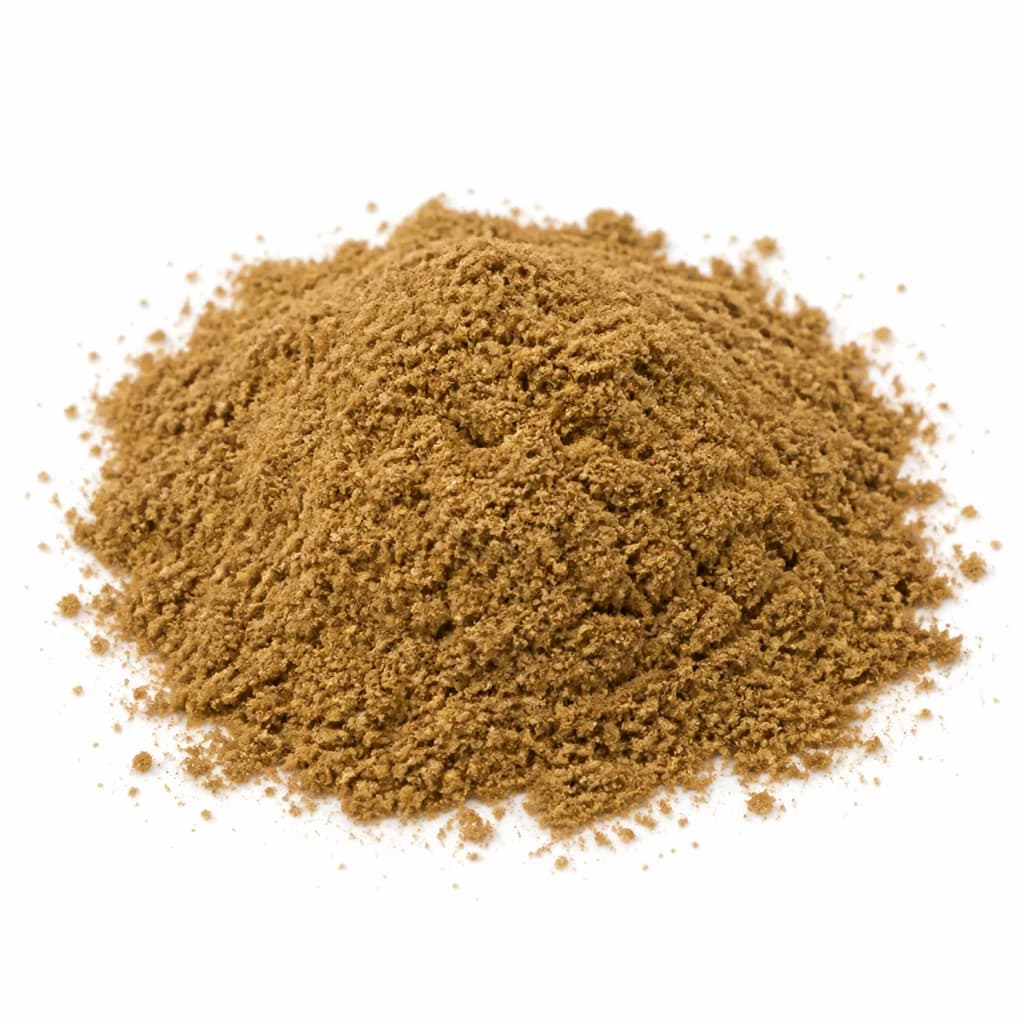
Cumin
Warm, earthy spice central to curries, chili, and tacos
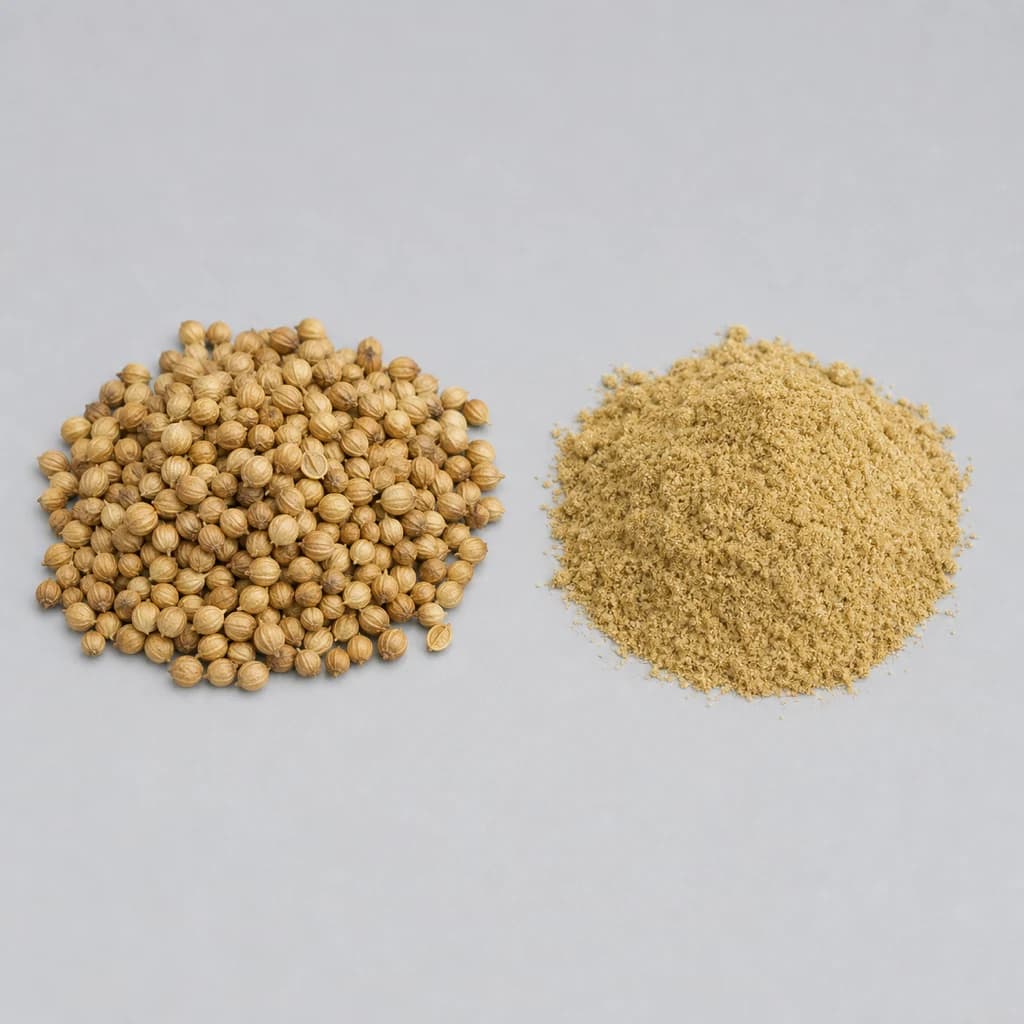
Coriander Seed
Citrusy, warm seed for curries, pickles, and rubs
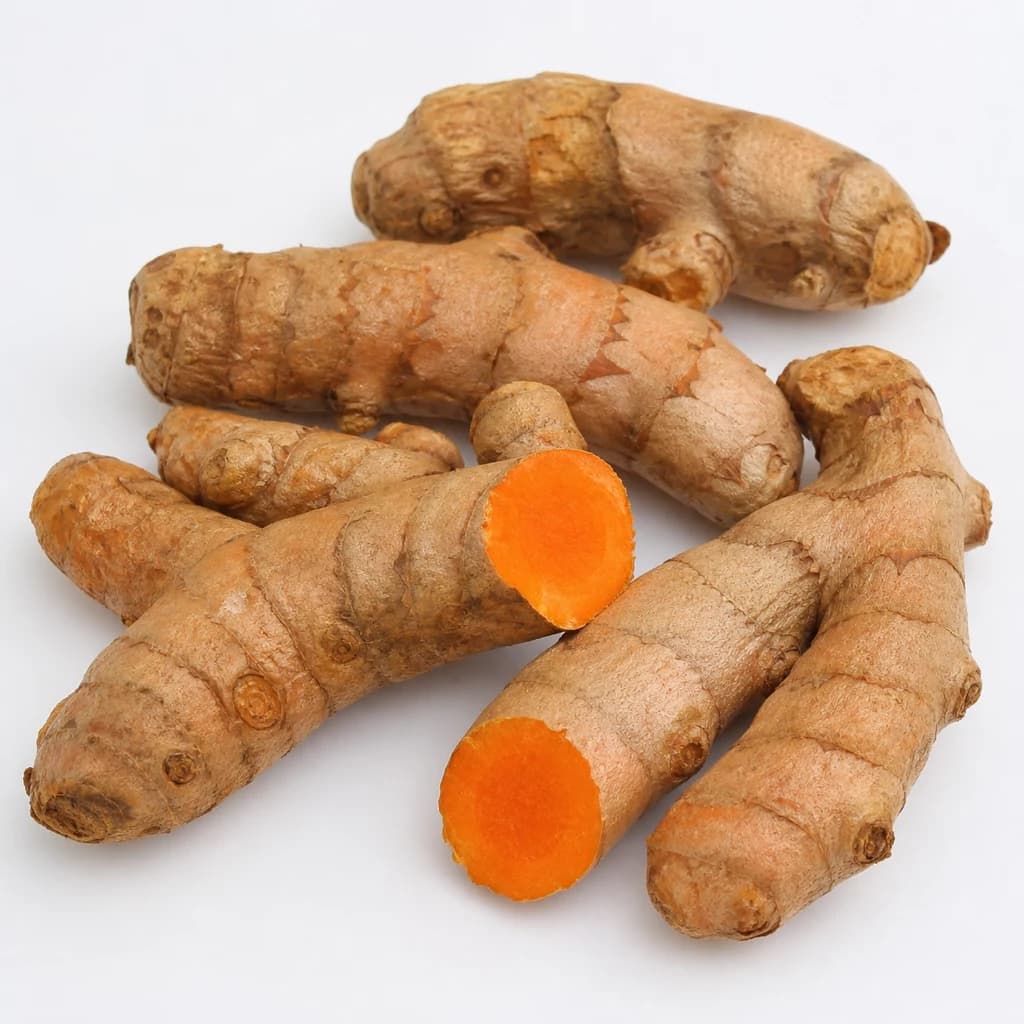
Turmeric
Golden, earthy spice for curries, rice, and color