Baking
Almond Paste
A dense blend of ground almonds and sugar, less sweet than marzipan; it enriches frangipane, fillings, and macaroons with moist, marzipan-like body.
Almond paste is the workhorse ingredient behind many of the great European pastries: the dense, slightly coarse mass of finely ground blanched almonds bound with sugar that gives frangipane its nutty depth, kransekake its chewy rings, and Battenberg cake its tender crumb. Unlike marzipan, which it resembles at a glance, almond paste is calibrated for baking rather than confectionery work — it carries roughly twice as much sugar as nut, a ratio that, combined with its coarser grind, makes it taste less sweet on the palate, more aromatic, and sturdier when it meets butter, eggs, and oven heat.
In the bowl it behaves like a hybrid: pliable enough to roll or pipe, dense enough to hold its shape in a tart shell, and absorbent enough to soak up butter and eggs without turning greasy. The grind is the key to its function. A coarser grind gives fillings body and a satisfying bite; a longer, wetter process produces a smoother mass that melts seamlessly into batters. Commercial pastes lean toward the firmer end, often dusted with cornstarch to keep them manageable, while homemade batches can be tuned to whatever the recipe needs.
The distinction from marzipan is worth fixing in mind early, because it is the single most common source of recipe failure. Marzipan is almond paste pushed further on the sugar and grind axes: more sugar, finer grind, a silky modeling-clay texture meant to be eaten as candy or draped over a cake. Almond paste is the rougher, nuttier building block designed to be baked. Swapping one for the other changes sweetness, texture, and how the filling sets in the oven.
- Measured in
- g
- Storage
- Wrapped Airtight, Refrigerated After Opening
Allergens
Find it in
Suits
Types & varieties
The classic French almond paste, around 50% almonds, used as the base for macarons, frangipane, and certain petits fours.
Raw marzipan mass, the foundation from which Lübeck-style marzipan is finished.
Italian raw almond paste, often used in torta di mandorle, soft amaretti, and cassata fillings.
Used for kransekake rings, klejner, and almond fillings in Danish and Norwegian pastries.
Firmer commercial blocks with less fat and moisture, intended to be grated or sliced for baking.
Spreadable tubes or logs, looser with added glucose or oil, designed for direct filling of pastries.
Blanched almonds pulsed with confectioners' sugar and a splash of egg white or corn syrup; texture ranges from coarse to smooth depending on processing time.
Odense, Solo, King Arthur, Bob's Red Mill, and Barry (professional and catering sizes).
Almond Paste vs. Marzipan
The two are close cousins built from the same ingredients, but they are not interchangeable. The differences come down to ratio, grind, and intent. Standard almond paste runs roughly one part almond to two parts sugar (about 33% nut) with a coarser, almost grainy texture; marzipan is closer to one part almond to one part sugar (around 50% nut) and is ground to a silky, almost waxy smoothness. Almond paste is built to be baked into something — it holds its structure inside a tart shell and stays tender under heat, and its coarse texture keeps the sugar from flooding the palate. Marzipan is built to be eaten as is, shaped into figures, or used as a thin decorative covering on cakes, where its sweetness, fine texture, and plasticity are the point. The practical test: if your recipe will be heated with butter and eggs, you want almond paste. If the recipe says to roll, model, or eat it raw, you want marzipan. Reading the ingredient list helps too — premium pastes list almonds first or use a 50/50 split, while cheaper versions push sugar to 70% or higher and lean on almond extract for flavor.
Making Almond Paste at Home
A food processor makes a respectable batch in about ten to fifteen minutes of active work. Pulse blanched almonds with superfine or confectioners' sugar (roughly 1 part nuts to 1.5–2 parts sugar by weight, depending on how sweet and paste-like you want the result) until you have a coarse meal, then add a small amount of pasteurized egg white, corn syrup, or a teaspoon of neutral oil and keep processing until the mass just starts to clump. Stop before it goes glossy and oily — that is the moment the paste turns into almond butter, and there is no going back. If the mixture feels sandy and will not hold together when pinched, add binder a teaspoon at a time. For a deeper, almost marzipan-like flavor, toast the blanched almonds in a dry pan over low heat until they smell fragrant, then cool them fully before grinding. Wrap the finished paste tightly in plastic and chill for an hour before using; it firms up considerably once cold.
Reading the Label
Two almond pastes sitting side by side on a shelf can perform very differently. Look for the order of ingredients: almonds should be listed first, or at least before sugar in a 50/50 paste. A high-almond paste (40% or more) browns better in the oven, tastes nuttier, and absorbs butter without going slick. Pastes with sugar listed first are essentially candy and will read as cloying once baked into a filling. Also check for added almond extract or bitter almond oil — these boost aroma but can taste sharp if the paste is already going into a strongly flavored dessert. For most baking work, a mid-to-premium paste with almonds listed first is worth the small price difference.
Common uses
Tips & pitfalls
- Bring paste to room temperature before creaming it; cold paste will lump and tear the butter when beaten into frangipane.
- Cream the paste with softened butter (often equal weights) before adding eggs to produce a smooth frangipane with no pockets of unblended paste.
- Do not overprocess homemade paste in the food processor — once the oils release, you will end up with almond butter, and the batch is unsalvageable as a paste.
- If a homemade batch feels dry, add pasteurized egg white or corn syrup a teaspoon at a time until it just holds together when pinched between your fingers.
- Wrap tightly in plastic wrap then a layer of foil before freezing to keep the paste from drying out or picking up freezer odors.
- Lightly oil or wet your hands, knife, or scoop when portioning sticky paste; cornstarch-dusted tools also help with very soft tubes.
- For pastry work, choose paste with a higher almond percentage (40–50%) — it browns better and tastes nuttier than sweet blends heavy on sugar.
- When substituting store-bought paste in a recipe that calls for raw almonds plus sugar, reduce the added sugar elsewhere in the recipe by about a quarter to keep the final sweetness balanced.
Nutrition
Energy
1916 kJ · per 100 g
Where the calories come from
Protein
9g
18% DV
Carbs
47.8g
17% DV
Fat
27.7g
36% DV
Fiber
4.8g
17% DV
Sugars
36.3g
of which
Sodium
9mg
0% DV
Source · USDA FoodData Central · approx. Nuts, almond paste
View on FDC →In the shops
Matched grocery products
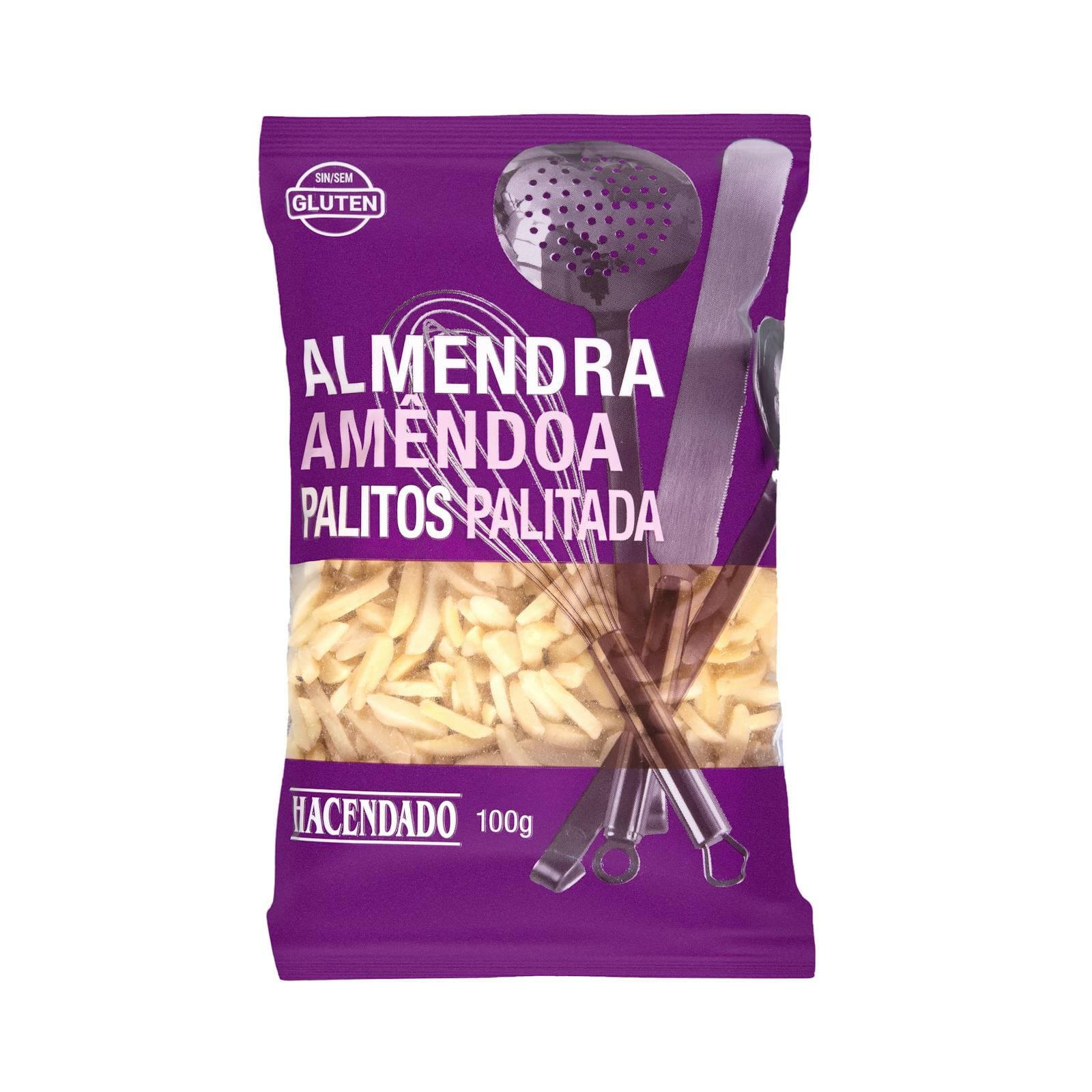 €1.85
€1.85Almond Sticks
Hacendado · 100 g · Mercadona
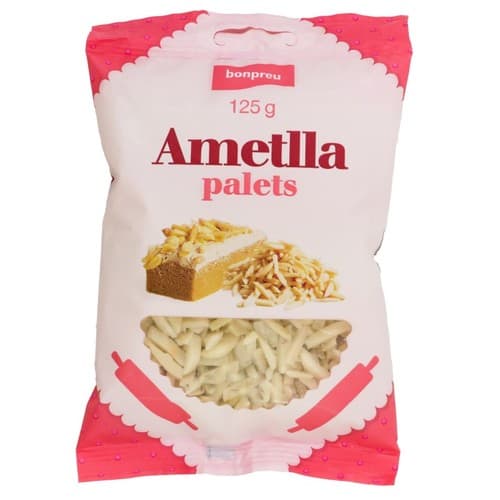 €2.19
€2.19Palet Almonds
BONPREU · kg · Bonpreu
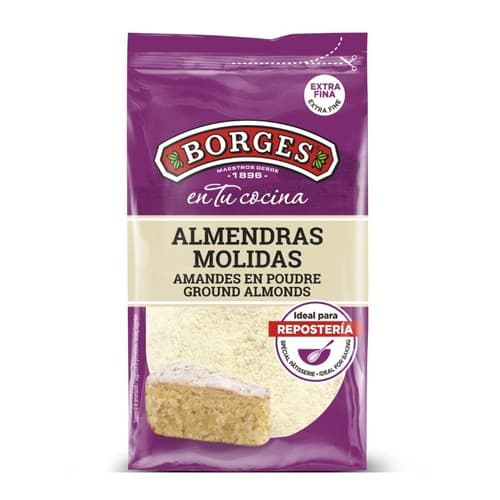 €4.25
€4.25Whole Almonds
BORGES · kg · Bonpreu
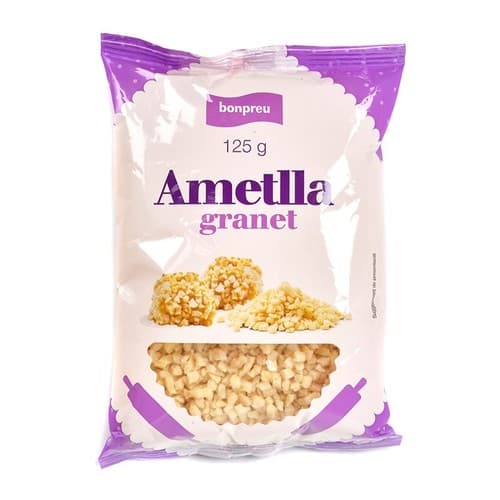
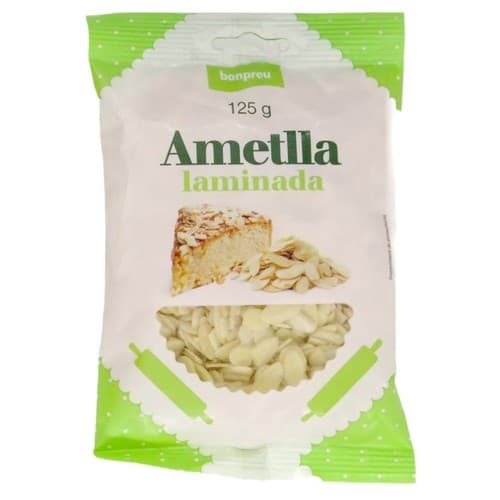 €2.15
€2.15Sliced Almonds
BONPREU · kg · Bonpreu
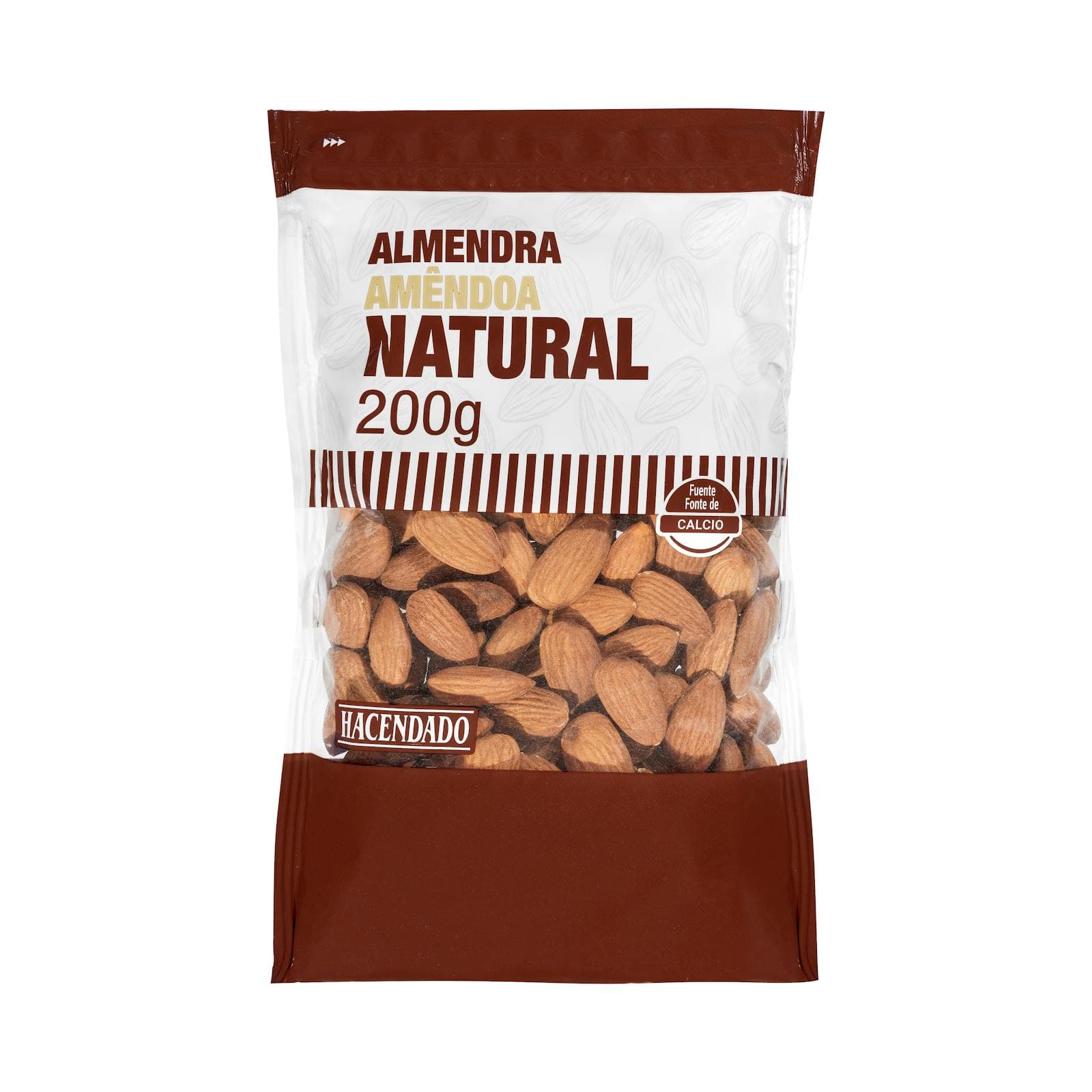 €2.30
€2.30Natural Almond
Hacendado · 200 g · Mercadona
 €2.65
€2.65Raw Almond Pieces
BONPREU · kg · Bonpreu
Good to know
- Composition
- Finely ground blanched almonds bound with sugar; typically 25–35% almonds by weight in standard pastes, up to ~50% in premium versions
- Sugar-to-almond ratio
- Roughly 2:1 sugar to almonds in standard paste; marzipan runs closer to 1:1, which is why marzipan reads sweeter and silkier despite more almond content
- Texture
- Dense, slightly coarse, pliable but not silky — coarser and more rustic than marzipan
- Color
- Pale cream to ivory, depending on whether the almonds were blanched and whether a small amount of bitter almond has been added
- Form sold
- Blocks, tubes, or logs; some brands roll the surface in cornstarch to prevent sticking
- Shelf life (commercial, sealed)
- Refrigerated 2–3 months once opened; frozen up to 6 months wrapped tightly in plastic then foil; 9–12 months unopened at cool room temperature due to high sugar content
- Yield from raw almonds
- 1 cup (140 g) blanched almonds yields roughly 230–250 g of finished paste once sugar and binder are added
- Binders used
- Pasteurized egg white, invert sugar, glucose syrup, or a small amount of almond oil to hold the mass together
- Equipment
- Food processor for home batches; industrial melanger rollers or stone grinders for commercial brands
Substitutes
- Marzipan — The closest swap, but sweeter and smoother; reduce other sugar in the recipe by roughly 20–25% and expect a denser, more fragrant result.
- Ground almonds + confectioners' sugar — Mix 1 part ground almonds with 1 part powdered sugar plus a few drops of egg white or corn syrup; mimics paste in frangipane and cookie dough.
- Cashew paste — A neutral alternative for those avoiding almonds; milder and sweeter, works in cookies but lacks almond's signature flavor.
- Pistachio paste — Used in place of almond paste in Italian and Sicilian baking; richer and more expensive, and the green color will change the look of the final dish.
- Hazelnut paste (praliné) — Coarser, oilier, and darker; suitable for cookies and cake batters but not for pale pastries like frangipane.
- Almond butter + powdered sugar — Combine equal parts to approximate paste; a convenient pantry substitute, slightly oilier and more intensely almond-flavored.
Pairs with
Also called
pâte d'amande · ground almond paste
Appears in these dishes
Related

All-Purpose Flour
The do-anything flour for bread, cakes, sauces, and dredging

Bread Flour
High-protein flour for chewy, well-risen breads
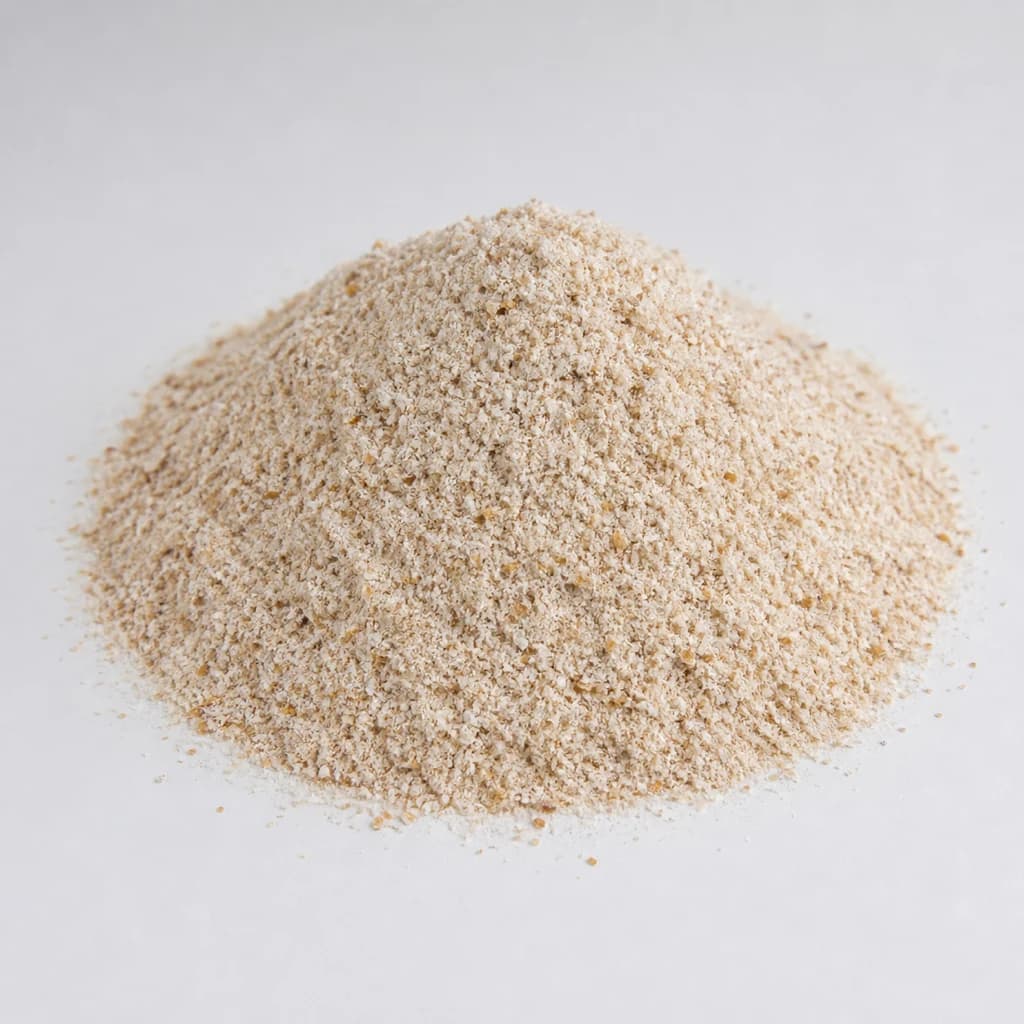
Whole Wheat Flour
Nutty, whole-grain flour for hearty breads and bakes
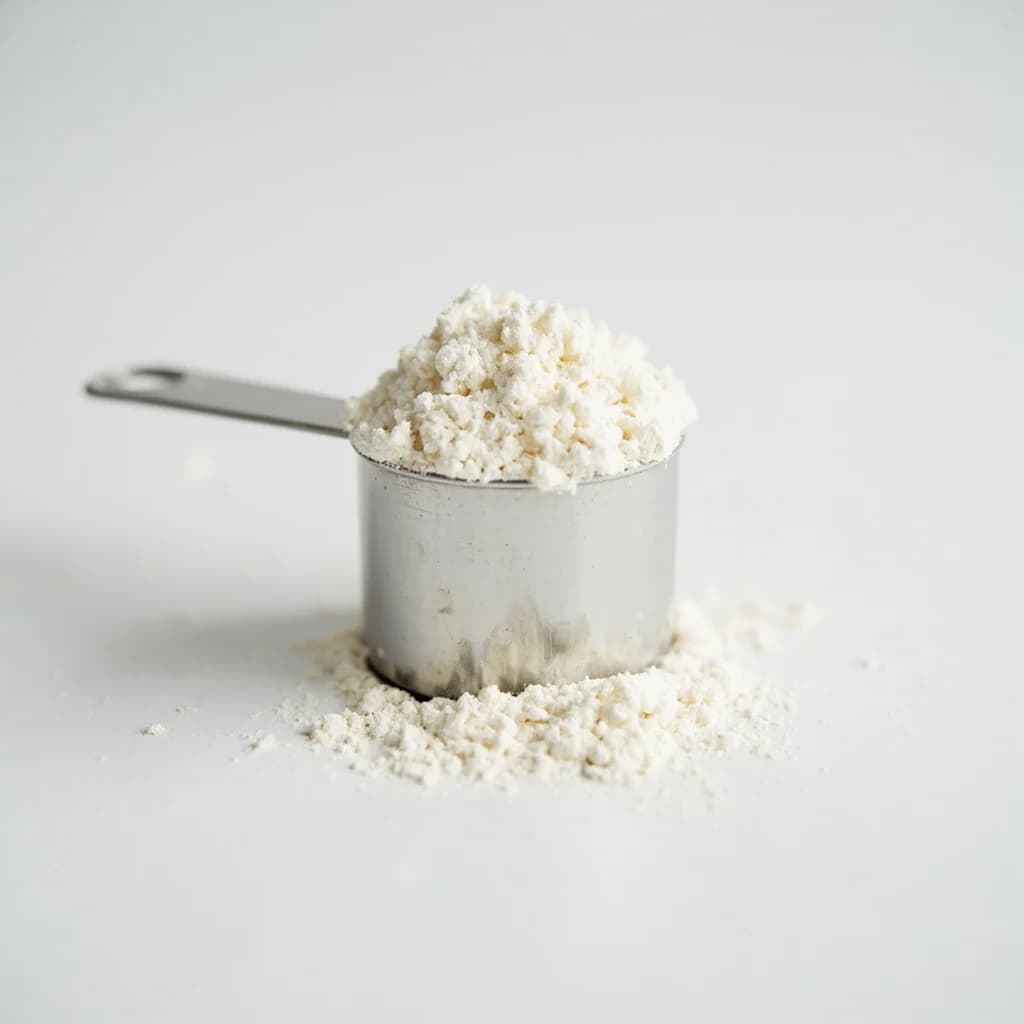
Cake Flour
Fine, low-protein flour for tender, delicate cakes
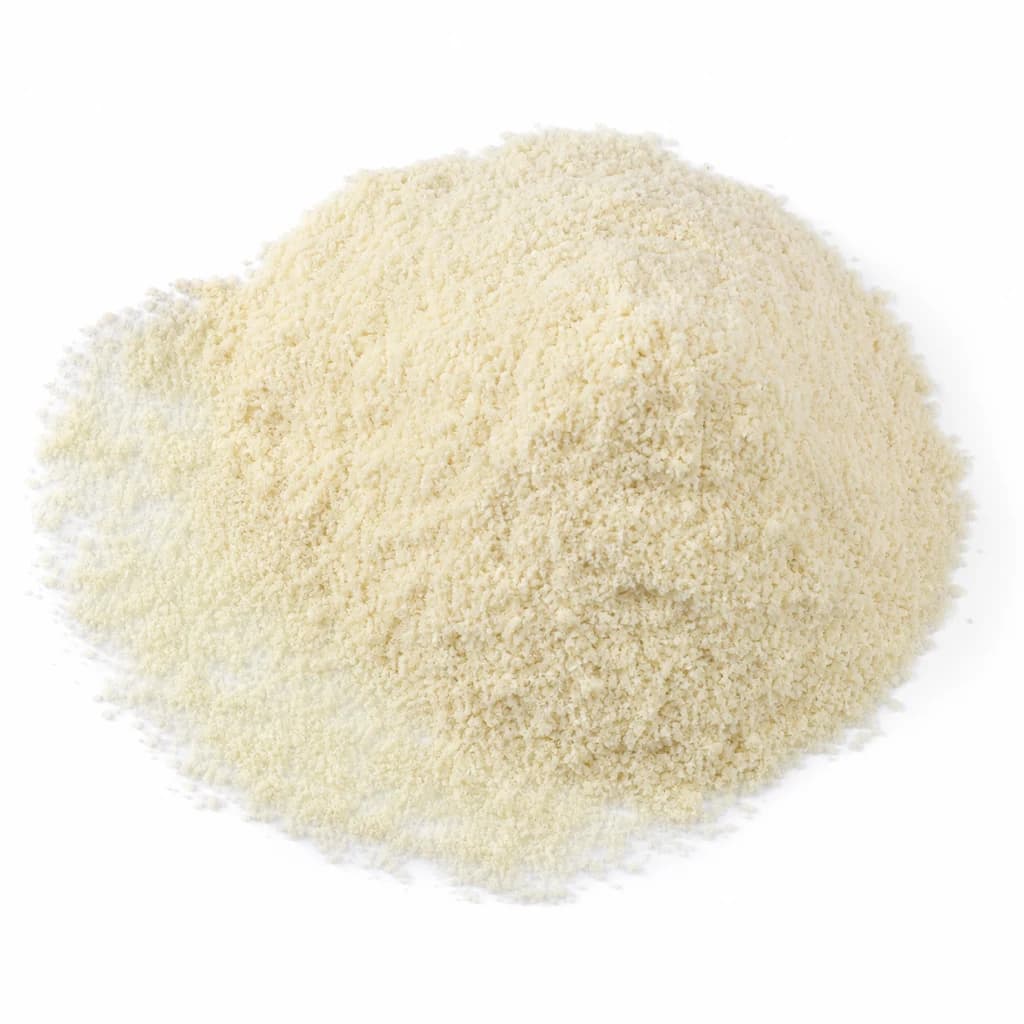
Almond Flour
Nutty, gluten-free flour for macarons and tender bakes

Baking Powder
All-in-one leavener for fluffy cakes, pancakes, and biscuits

Baking Soda
Pure leavener that needs acid to lift — and tenderize
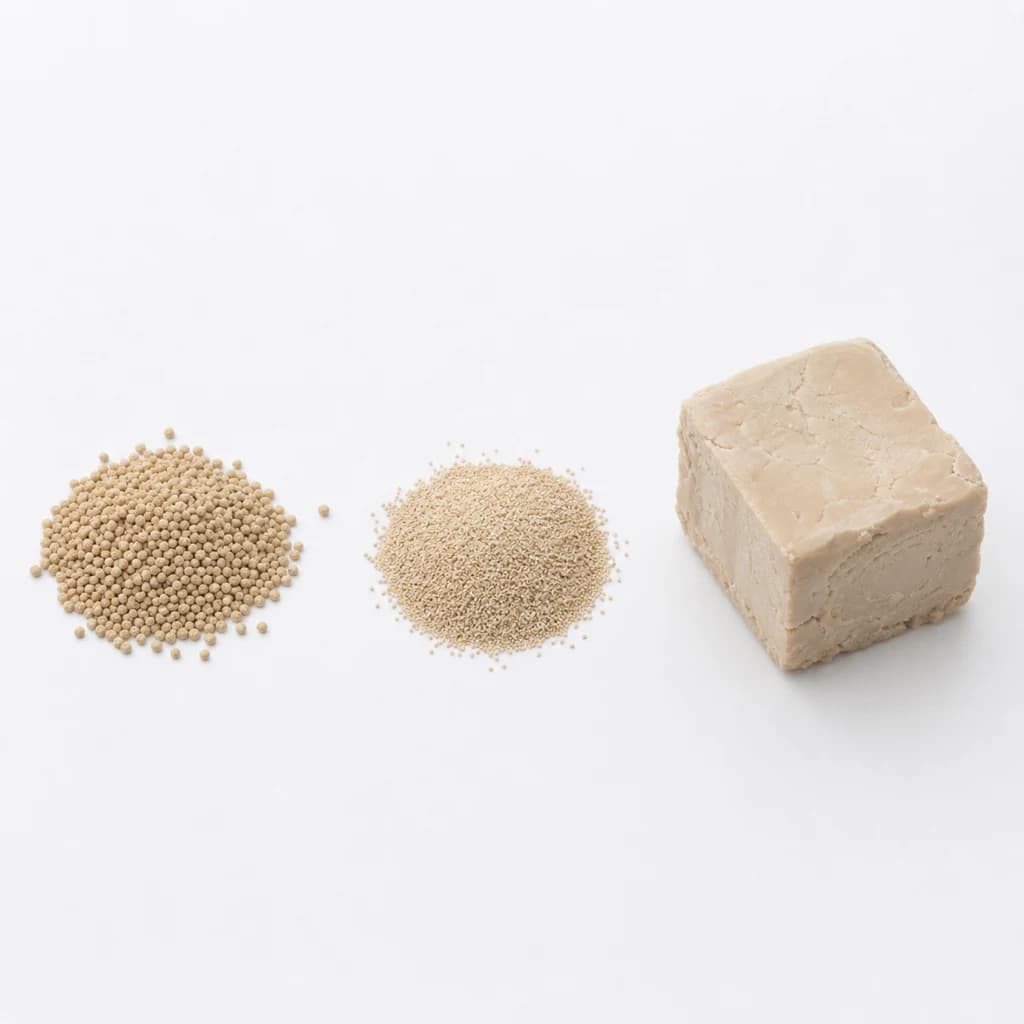
Yeast
Living leaven that makes bread rise and dough come alive