Natural form
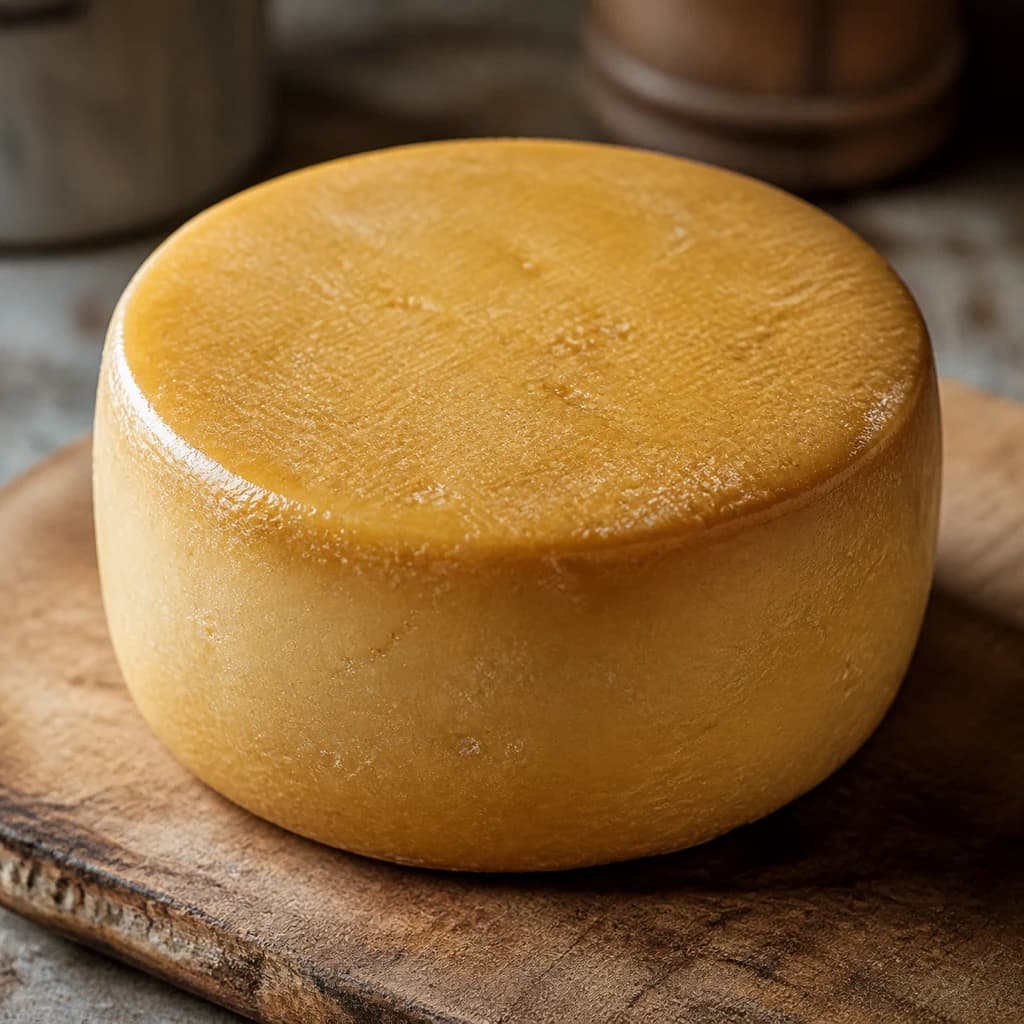
A firm wheel of Appenzeller cheese showing its pale golden rind and compact form.
Shows the cheese in its whole aged form so readers recognize it by rind color, shape, and size before cutting.
Dairy & Eggs
Appenzeller Cheese
Swiss alpine cheese washed in herbal brine for a bold, spicy, fruity tang; melts well.
Appenzeller is a firm Swiss cow's-milk cheese washed during aging with a secret herbal brine that gives it a bold, spicy, fruity flavor. It is eaten in slices, melted into fondue and gratins, and served on cheese boards. The longer it ages the sharper and more pungent it becomes, with a characteristic tangy, savory bite.
Appenzeller is a traditional Swiss alpine cheese produced in the Appenzell canton of northeastern Switzerland, with documented production dating to 1282. What distinguishes it from other alpine cheeses is the centuries-old practice of washing the rind with herbal brine—known locally as "Räss chrüt" (fierce herbs)—a closely guarded blend of alpine herbs traditionally steeped in cider or white wine. This brine is applied repeatedly throughout aging, creating the cheese's characteristic orange-gold rind and driving its flavor development from mild, subtly herbal notes to a bold, spicy, fruity tang as it matures. The cheese holds AOC/AOP protection, meaning authentic wheels must originate from the Appenzell Ausserrhoden and Innerrhoden cantons using milk from local Swiss cows. The interior paste is firm but slightly supple with small to medium eyes, ranging from pale straw to golden yellow. Appenzeller is an exceptional melter, making it a versatile choice both for raw applications and cooked dishes where you want a cheese with genuine character rather than mere bland richness.
- Measured in
- g
- Storage
- Fridge
Allergens
Types & varieties
Mild, aged 3–4 months; subtle herbal notes, excellent melting quality for sandwiches and sauces
Premium grade, aged minimum 4 months; more complex, balanced flavor with developed nuttiness
Aged 6+ months; bold, pungent, intense herbal-spicy character ideal for cheese boards
Extra-sharp version; traditionally vacuum-sealed to preserve intensity, the most assertively flavored option
The Herbal Brine Washing Method
The defining technique behind Appenzeller's character is the repeated washing of the rind with herbal brine during aging. The exact botanical blend is a trade secret, but alpine herbs—typically including sage and thyme—dissolved in cider or white wine form the base. Wheels are washed by hand every few days, which encourages beneficial surface bacteria, creates the distinctive orange rind color, and gradually drives flavor into the paste. For the most complex, authentic cheese, look for wheels showing visible hand-washing marks on the rind.
- Wheels with hand-washing marks indicate traditional production
- The brine aging develops flavor from the outside inward
- The rind develops its characteristic orange-gold color through repeated brine washings
Selecting and Buying
When purchasing whole wheels, examine the rind for uniform color and integrity—reject any showing cracks, which allow the interior to dry. For cut cheese, the rind should smell pleasantly earthy and herbal; avoid any with sharp ammonia notes, which indicate age degradation. The interior should be dry to the touch and spring back when pressed. For the freshest, most vibrant herbal character, buy from sources with high turnover and inquire about receipt dates.
- Whole wheels should have no cracks or discoloration
- Cut cheese should smell earthy, not ammonia-like
- Ask about receipt dates for highest quality
Common uses
Tips & pitfalls
- Bring cheese to room temperature 30–60 minutes before serving for optimal flavor release and texture
- The rind is edible; do not discard it when using in cooking unless a recipe specifically requires peeled cheese
- Store in cheese paper or loosely wrapped in parchment, then plastic, in the warmest part of your refrigerator (typically the vegetable drawer)
- For melting, grate or slice thinly and add off high heat to prevent the cheese from greasing out and becoming grainy
- When buying whole wheels, look for uniform color and reject any with cracks in the rind
- The brine-washed rind should smell pleasantly earthy and herbal, not ammonia-like—ammonia indicates age degradation
- For best quality, consume cut cheese within 2–3 weeks; whole wheels will keep longer when properly stored
- To prevent cut surfaces from drying out, seal them with a light coating of butter before wrapping
- When substituting in fondue, blend Appenzeller with milder cheeses to balance its assertiveness
- Look for visible hand-washing marks on the rind as a sign of traditional, authentic production
Nutrition
Energy
1628 kJ · per 100 g
Where the calories come from
Protein
25.6g
51% DV
Carbs
1.6g
1% DV
Fat
31.1g
40% DV
Fiber
0g
0% DV
Sugars
1.6g
of which
Sodium
800mg
35% DV
Source · USDA FoodData Central · approx. Cheese, fontina
View on FDC →In the shops
Matched grocery products
No matched grocery products for Appenzeller Cheese yet.
Good to know
- Origin
- Appenzell canton, northeastern Switzerland; documented since 1282
- Milk Type
- Cow's milk (traditionally unpasteurized; pasteurized versions available for export)
- Fat Content
- 48–55% in dry matter
- Aging Period
- 3 months (Classic) to 6+ months (Extra)
- Wheel Size
- 6–7 kg (approximately 13–15 lbs)
- Rind
- Orange-gold, created by repeated washings with herbal brine
- Protected Status
- AOC/AOP (Swiss Protected Designation of Origin)
- Texture
- Firm, slightly supple; small to medium holes
- Interior Color
- Pale straw to golden yellow
Substitutes
- Gruyère — Closest texture and melting quality; slightly sweeter profile and lacks Appenzeller's herbal complexity, but an excellent all-purpose substitute
- Comté — French alpine cheese with similar nutty depth and excellent melting; slightly less pungent and herbal than aged Appenzeller
- Raclette — Swiss melting cheese with comparable behavior; milder and less complex, best suited for replacing Classic rather than Extra grades
- Emmental — Mild, reliable melter; lacks the spicy-herbal character entirely but works acceptably in fondue where you want neutral melting
- Jarlsberg — Norwegian cheese with comparable melting quality and mild sweetness; more neutral flavor profile lacks the alpine herbal notes
Pairs with
Also called
Appenzeller
Appears in these dishes
Related

Whole Milk
Rich, full-fat milk for drinking, coffee, sauces, and baking
Butter
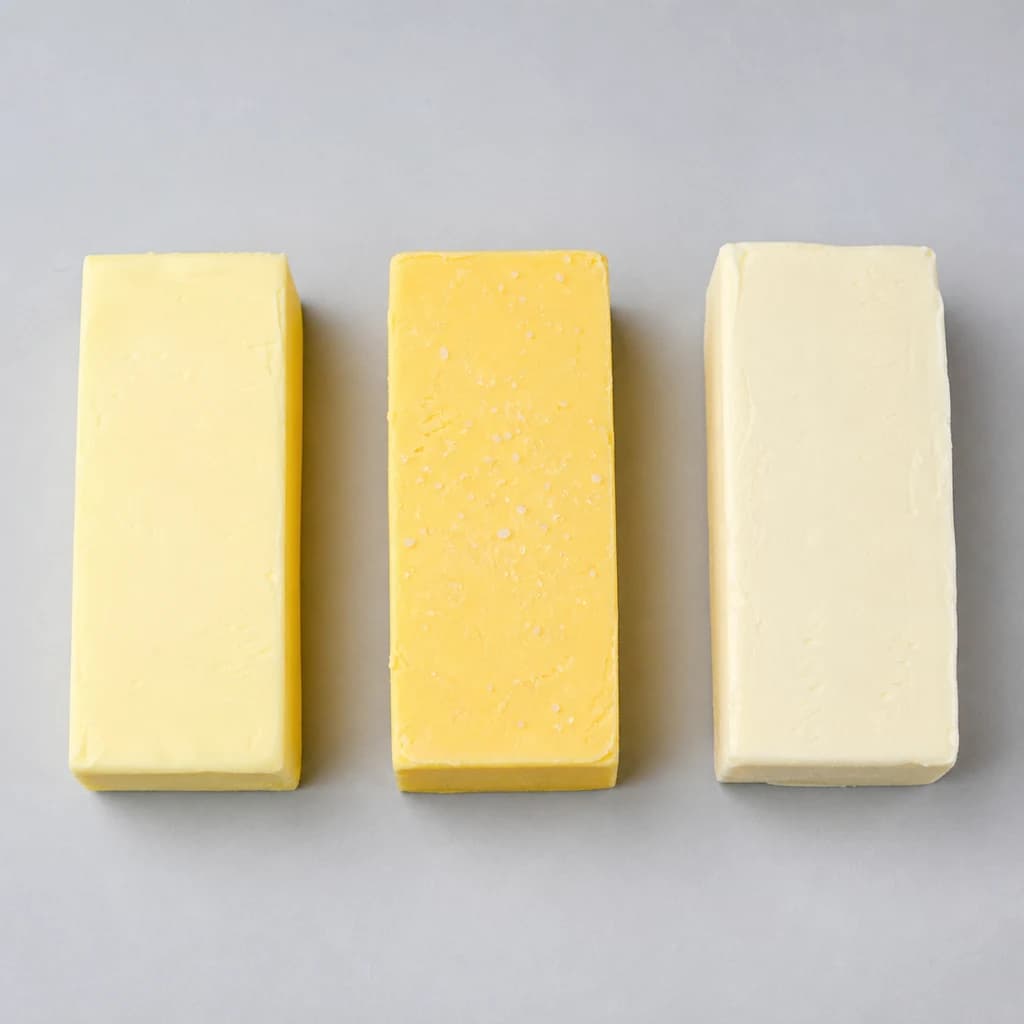
Golden fat for searing, baking, and finishing a sauce
Yogurt
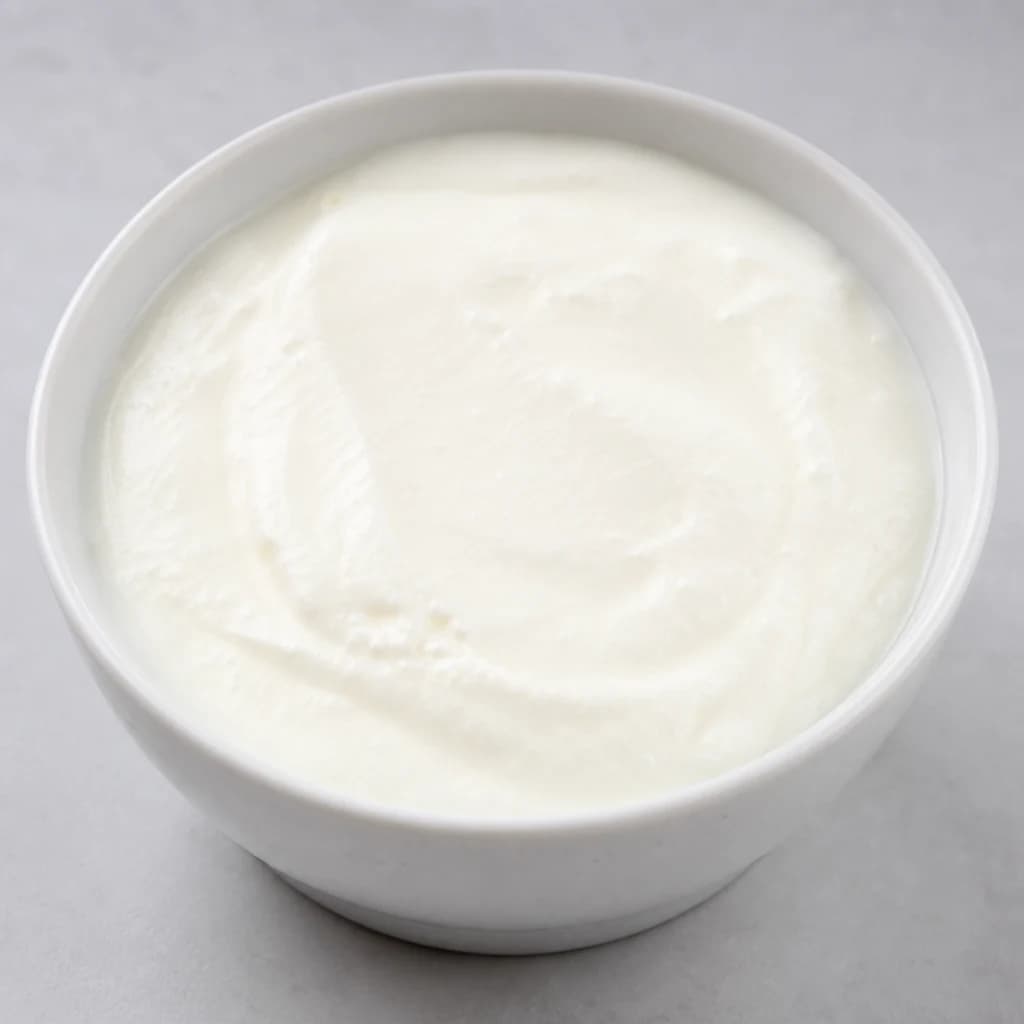
Tangy, creamy culture for breakfast, sauces, and marinades
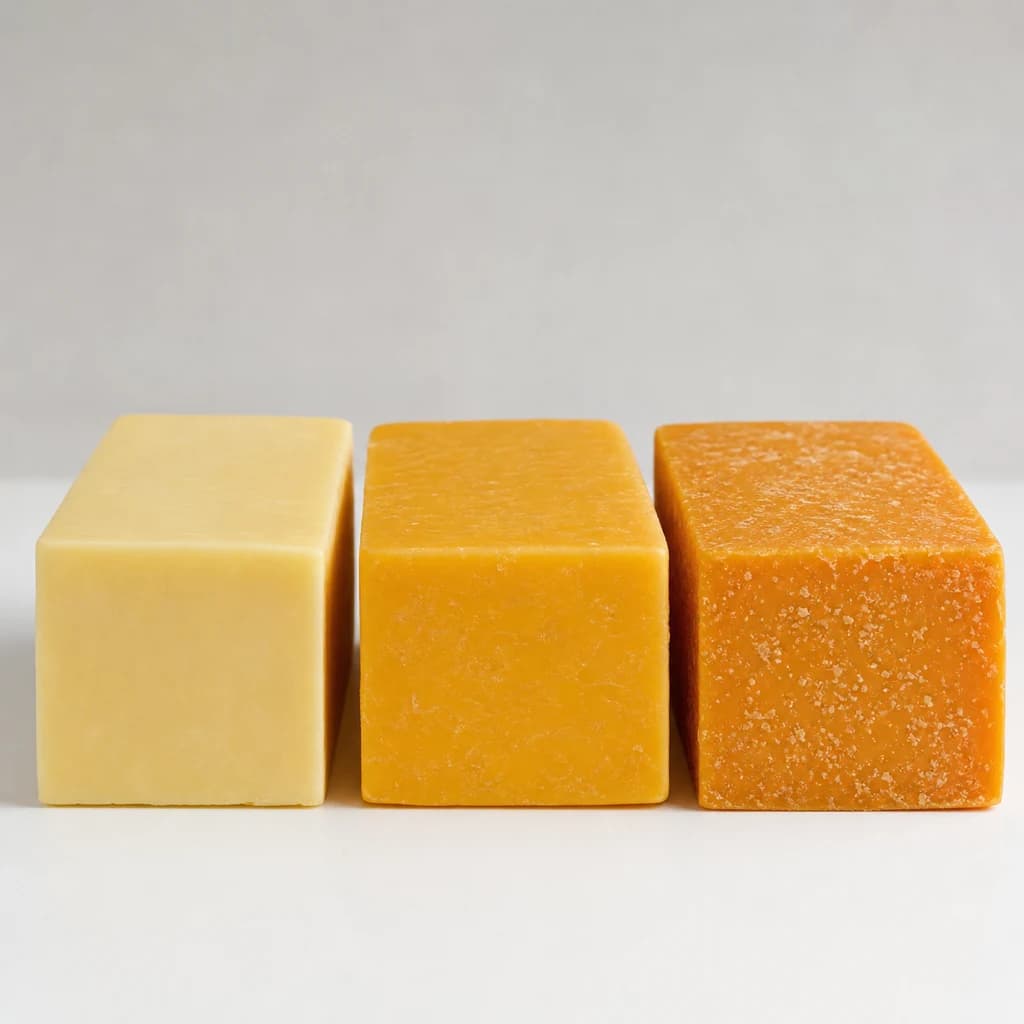
Cheddar Cheese
Sharp, melty cheese for sandwiches, gratins, and grating
Skim Milk
Fat-free milk for lighter drinking, coffee, and cooking
Heavy Cream
Rich cream that whips, enriches sauces, and sets ganache

Sour Cream
Tangy, thick cream for dolloping, baking, and dips
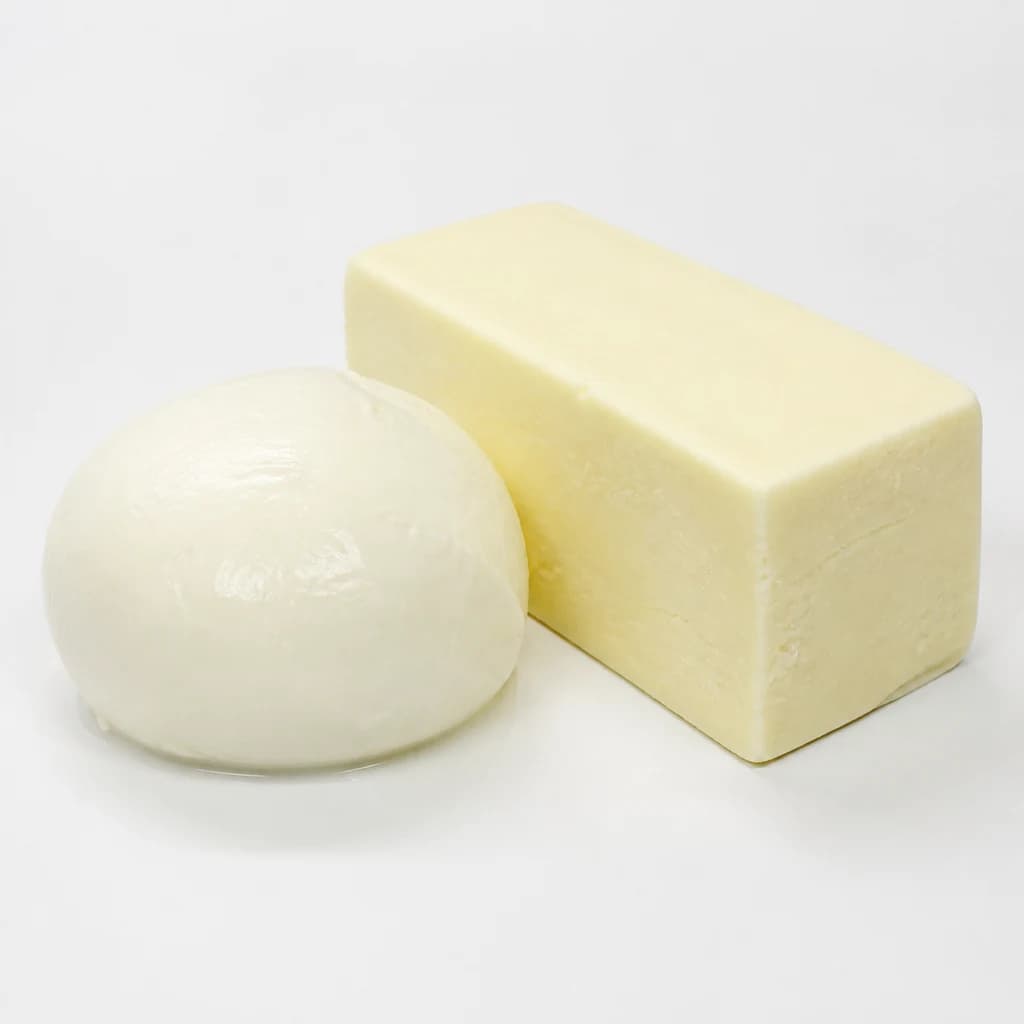
Mozzarella
Soft, milky cheese that melts into stretchy pizza pulls