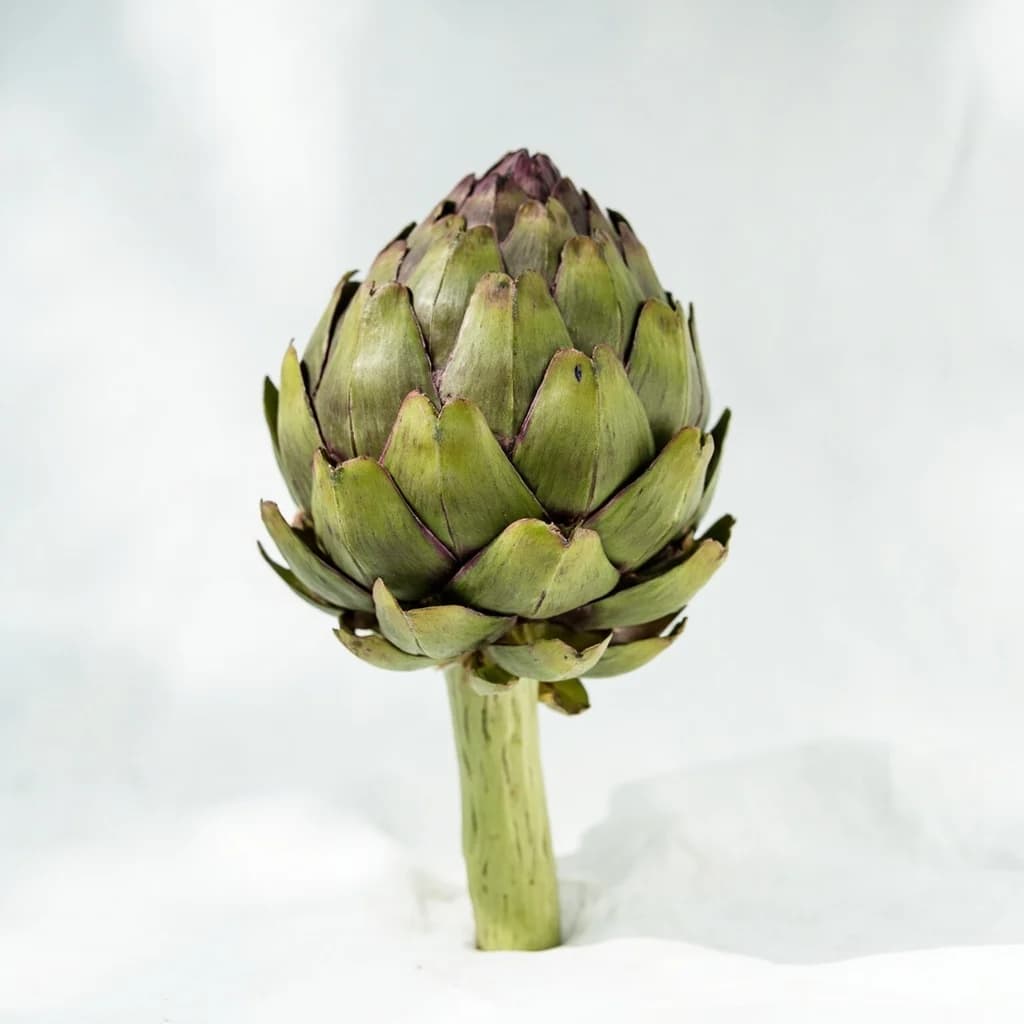
Natural form
Whole globe artichoke bud with tightly layered green-purple bracts and prominent stem.
Shows the intact thistle bud form, scale, and the characteristic overlapping bract structure readers need to recognize artichokes at a market.
Produce
Artichoke
Tender, nutty thistle for steaming, braising, and dips
Beneath its armor of leaves lies a nutty, tender heart — steam the whole bud or trim down to the prized center. A spring delicacy. Keep them cold and use soon.
The globe artichoke is an edible flower bud — an armor of tough leaves guarding a tender, nutty heart that's one of spring's great delicacies. Eating a whole steamed artichoke is a tactile ritual: pull off each leaf, scrape the soft base against your teeth, and work down to the prized heart beneath the fuzzy choke. Trimmed and braised, the hearts go into pastas, dips, and antipasti. A little fiddly, deeply rewarding.
- Measured in
- piece
- Storage
- Refrigerate
- Shelf life
- 7 days
Find it in
Types & varieties
Large, round; the classic for steaming whole
Small, no developed choke; tender enough to eat nearly whole
Elongated, purple-tinged; tender, often eaten young
How to choose
Want artichokes that feel heavy and dense for their size, with tightly packed leaves that squeak when squeezed — a sign of freshness. The leaf tips can show some brown 'frost-kissed' bronzing (often a flavor bonus) but avoid dried-out, splayed-open leaves or black, soft spots. A firm stem signals freshness too.
How to store
Sprinkle a little water on them, bag loosely, and refrigerate for up to a week, though they're best soon after buying. Once cut, artichoke flesh oxidizes and browns fast — rub cut surfaces with lemon, or drop trimmed pieces into acidulated water (water with lemon juice) to keep them pale.
- Refrigerate loosely bagged, slightly damp
- Cut surfaces brown fast — use lemon water
- Best eaten soon after buying
How to prep and eat
For a whole one: trim the stem, snip the thorny leaf tips, and steam or boil until a leaf pulls away easily (30–45 min). Eat by pulling each leaf and scraping the tender base with your teeth, then spoon out and discard the hairy 'choke' to reach the heart. To prep hearts, strip the tough outer leaves, trim down to the pale core, scoop the choke, and cook. Serve with melted butter, aioli, or vinaigrette for dipping.
Common uses
Tips & pitfalls
- Rub all cut surfaces with lemon immediately to stop browning
- A whole one is done when an outer leaf pulls off with a gentle tug
- Always remove the fuzzy choke before eating the heart
- Baby artichokes have no choke — trim and eat nearly the whole thing
- Serve steamed leaves with melted butter or lemon aioli for dipping
Nutrition
Energy
197 kJ · per 100 g
Where the calories come from
Protein
3.3g
7% DV
Carbs
10.5g
4% DV
Fat
0.2g
0% DV
Fiber
5.4g
19% DV
Sugars
1g
of which
Sodium
94mg
4% DV
Source · USDA FoodData Central · Artichokes, (globe or french), raw
View on FDC →In the shops
Matched grocery products
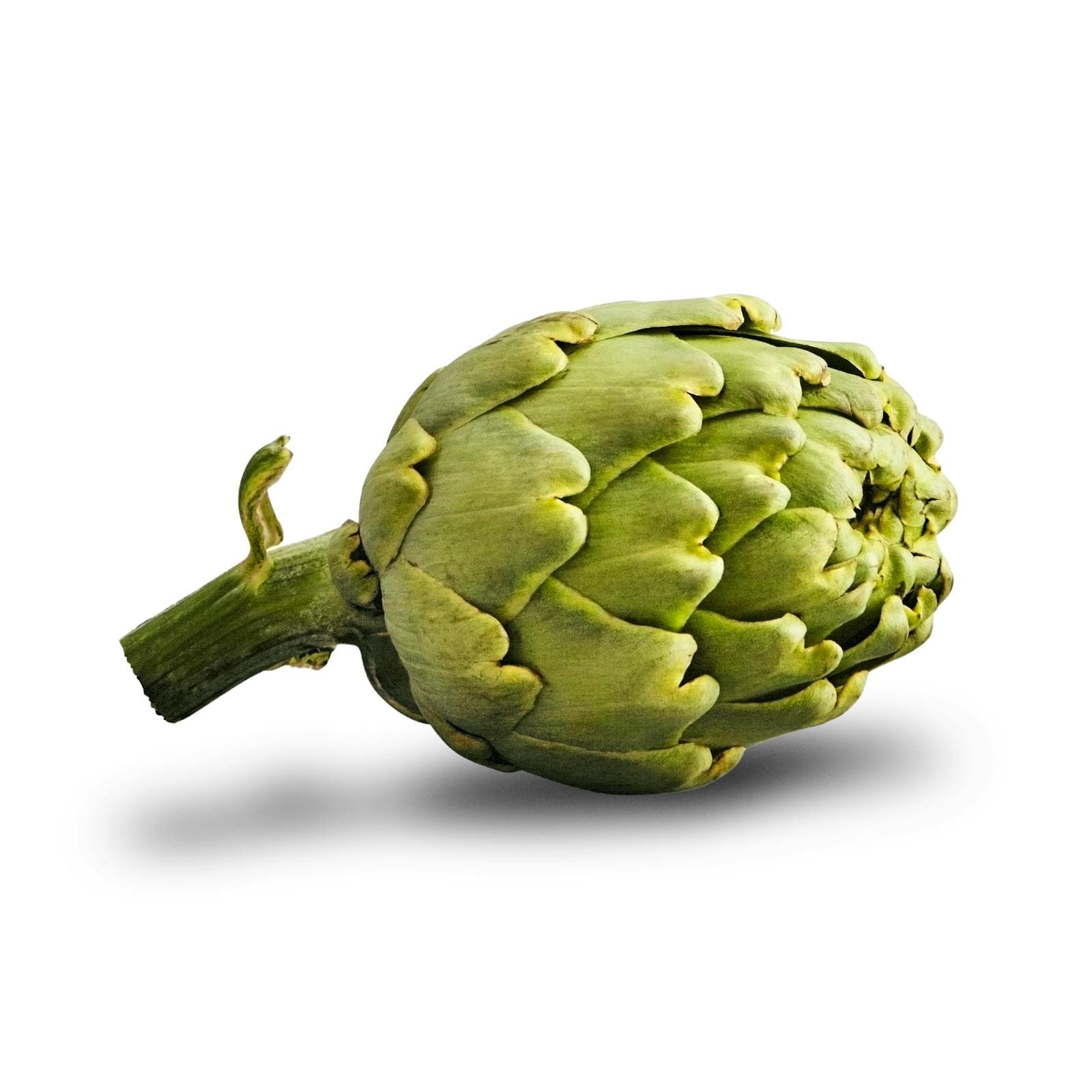 €0.48
€0.48Artichoke
190 g · Mercadona
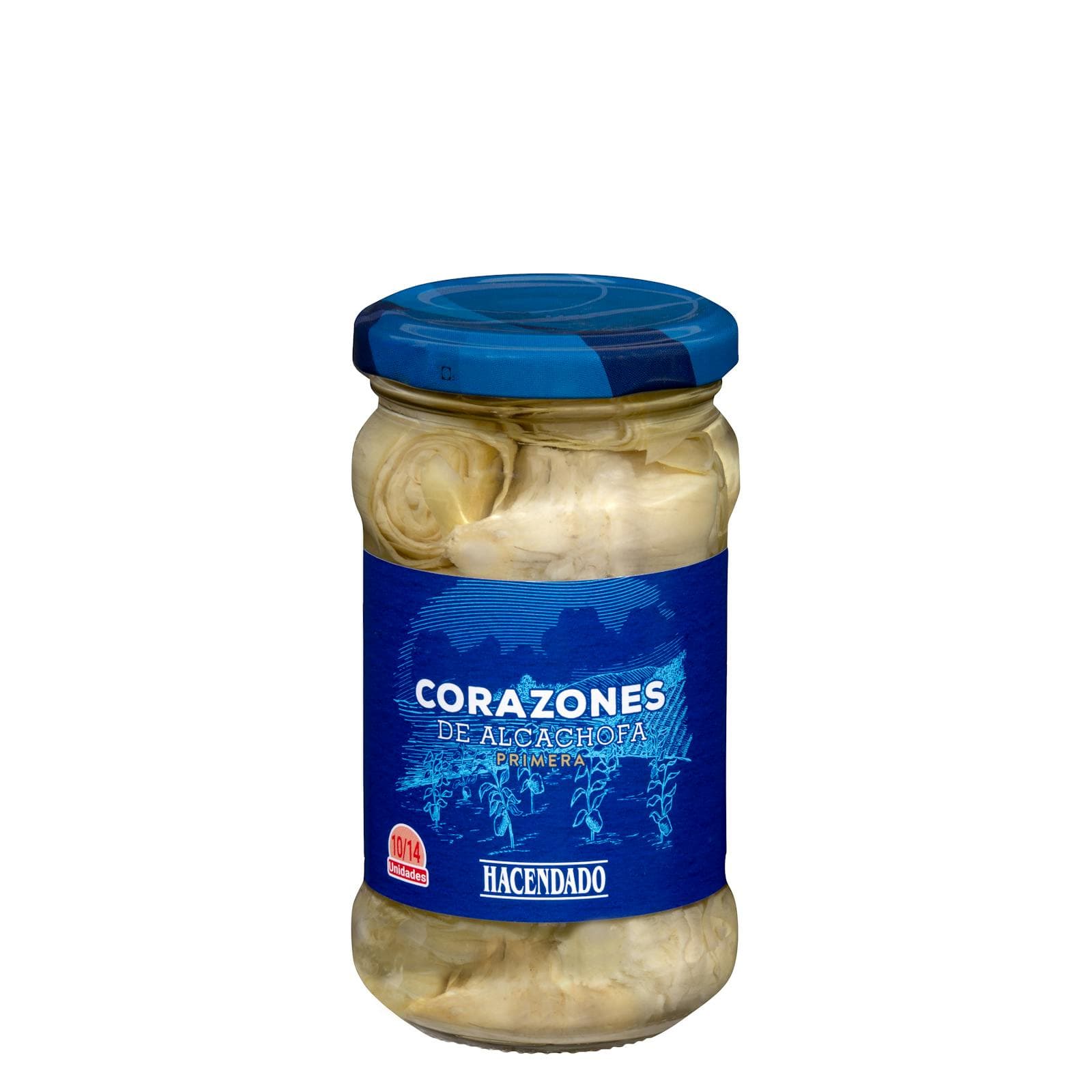 €1.85
€1.85Artichoke Hearts
Hacendado · 290 g · Mercadona
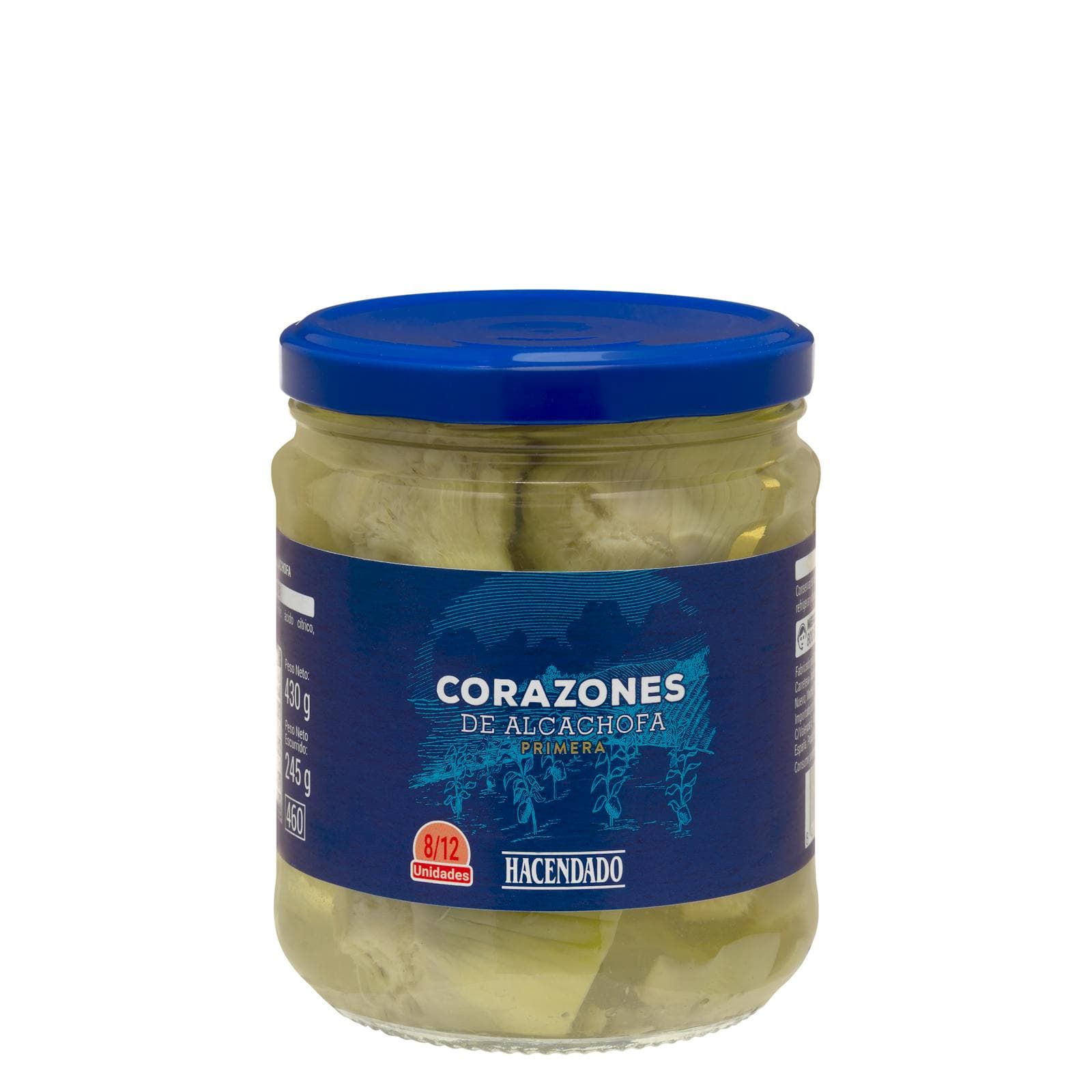 €2.15
€2.15Artichoke Hearts
Hacendado · 430 g · Mercadona
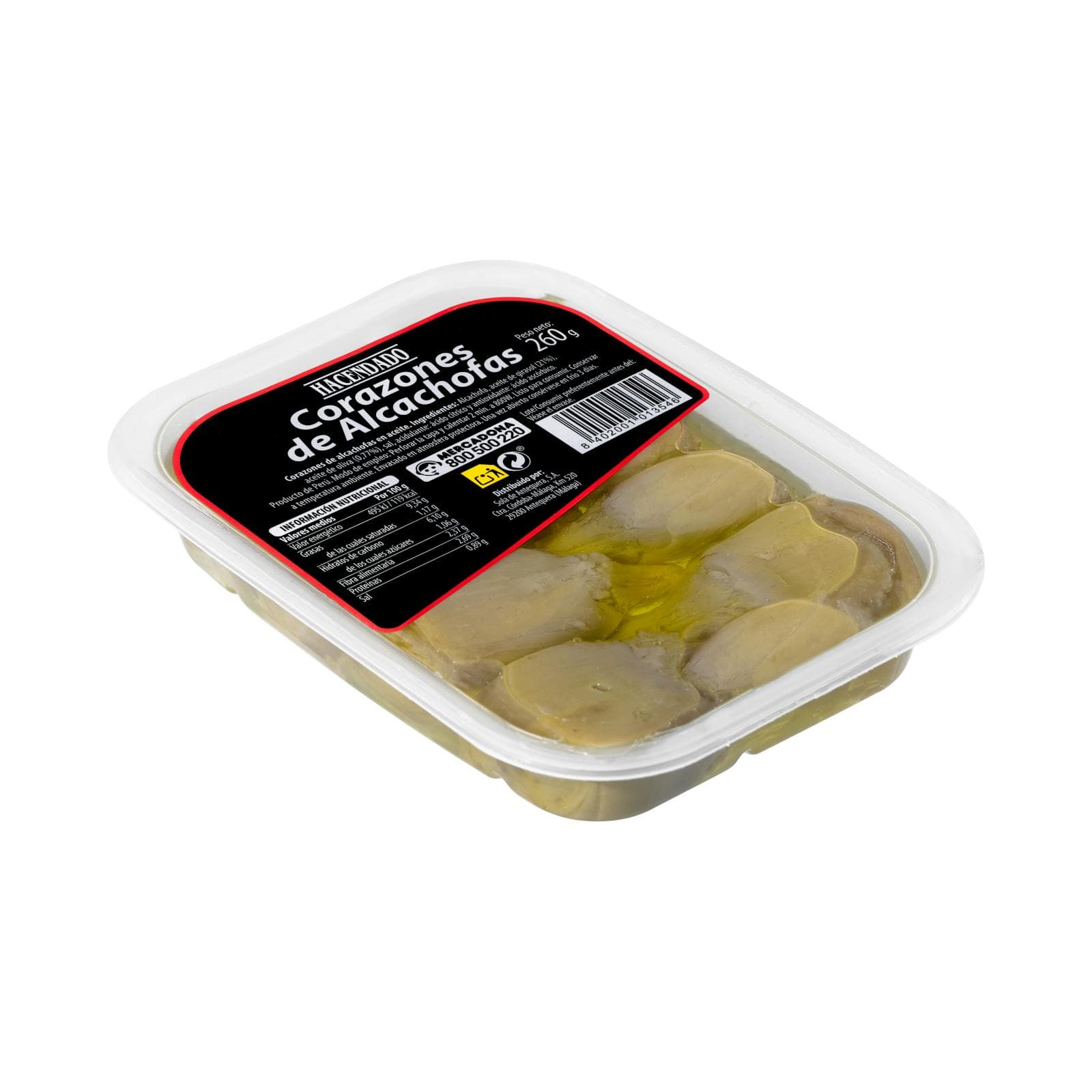 €3.00
€3.00Artichoke Hearts
Hacendado · 260 g · Mercadona
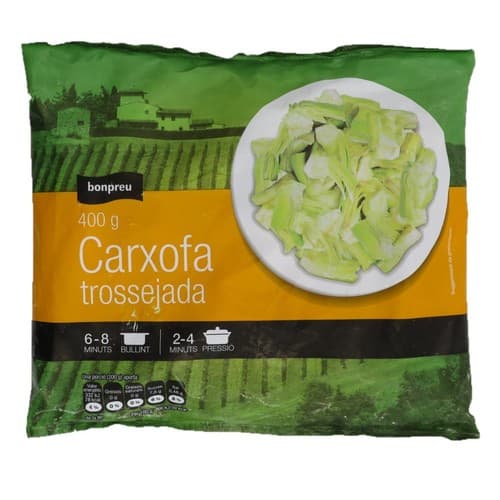 €2.65
€2.65Chunked Artichoke
BONPREU · kg · Bonpreu
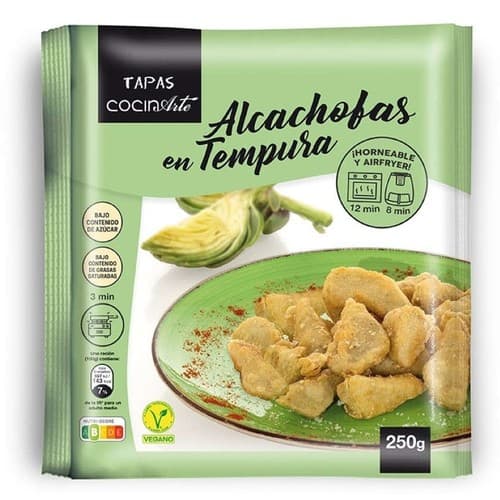 €1.89
€1.89Artichokes in Tempura
COCINARTE · kg · Bonpreu
Good to know
- Peak season
- Autumn through spring (Nov–Apr), peaking in winter — the Alcachofa de Tudela (IGP) is a prized Spanish winter variety
- Flavor
- Nutty, earthy, faintly sweet and herbal; tender heart
- Origin
- Mediterranean; a cultivated thistle
- Nutrition
- ~47 kcal/100g; fiber, folate, vitamin C, antioxidants
- How to buy
- Heavy, tight, squeaky leaves; firm stem; deep color (some bronzing is fine)
Substitutes
- Jarred / canned artichoke hearts — Convenient for dips, pasta, and pizza
- Hearts of palm — For a similar tender, mild bite in salads
- Cardoon — Related thistle; for the stalks' artichoke-like flavor
Also called
alcachofa
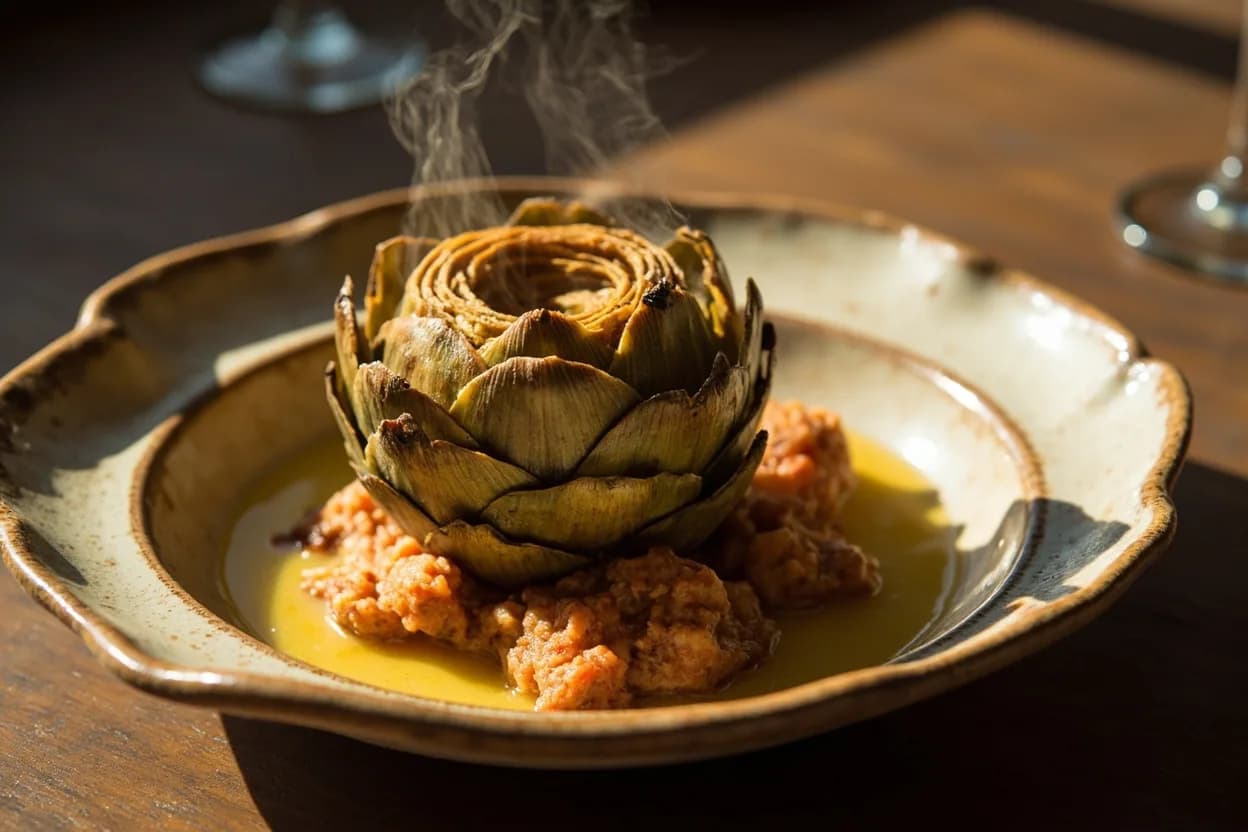
Appears in these dishes
Related
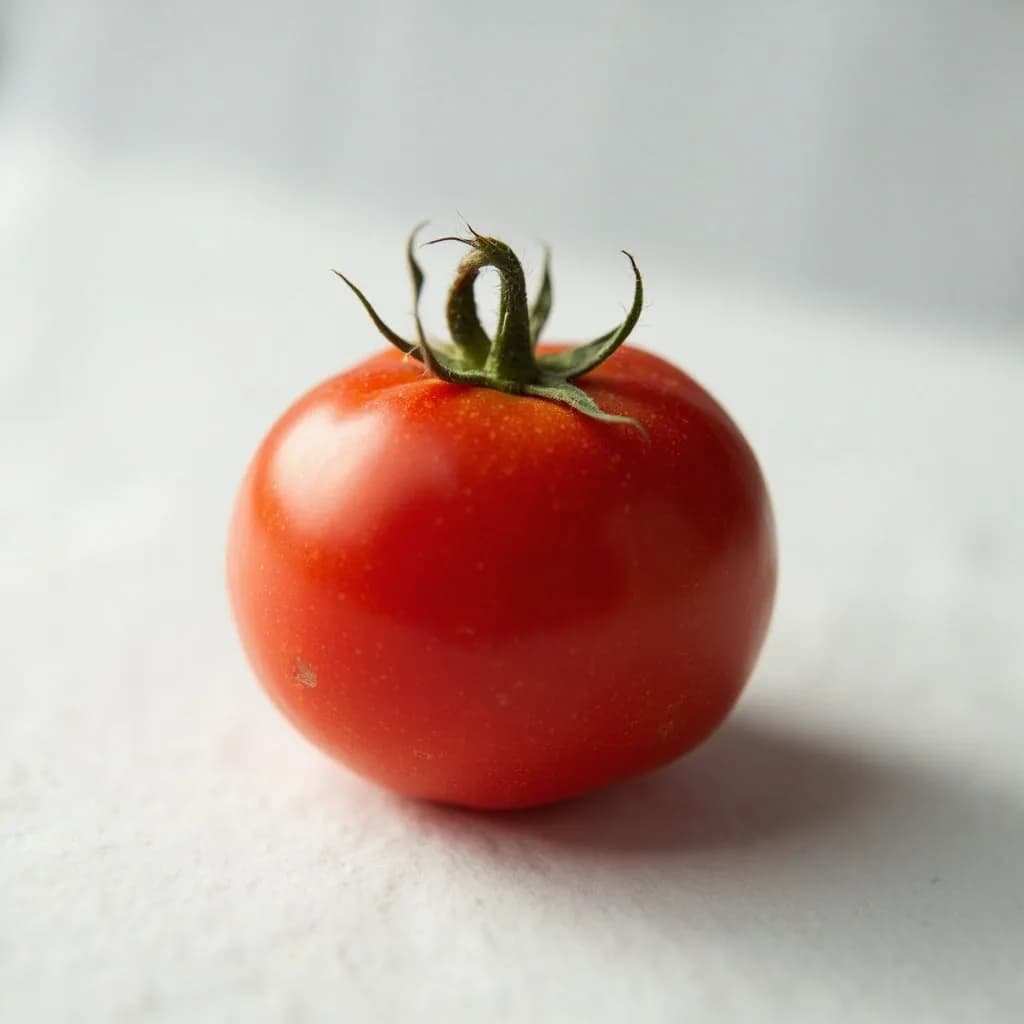
Tomato
Juicy, sun-sweet fruit for sauces, salads, and slow-cooked depth
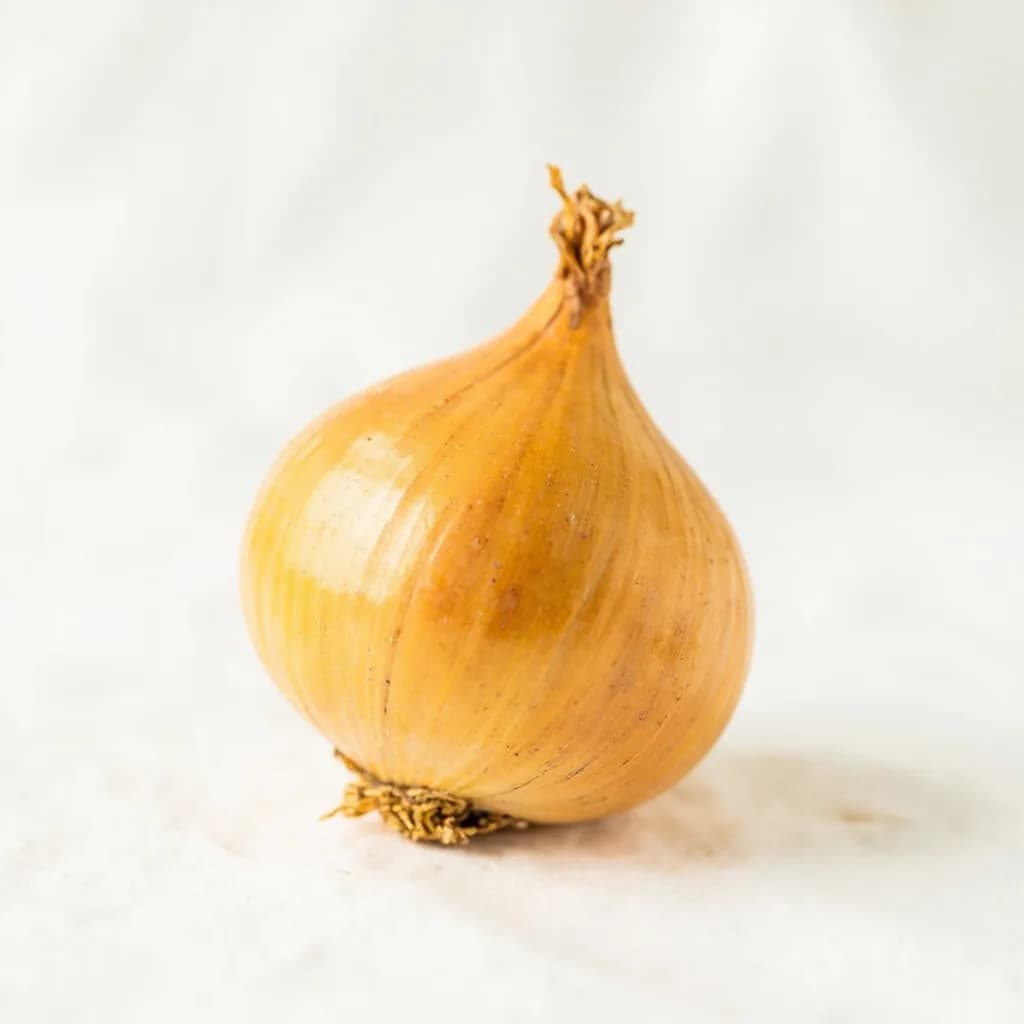
Yellow Onion
The aromatic backbone of soups, sofritos, and braises
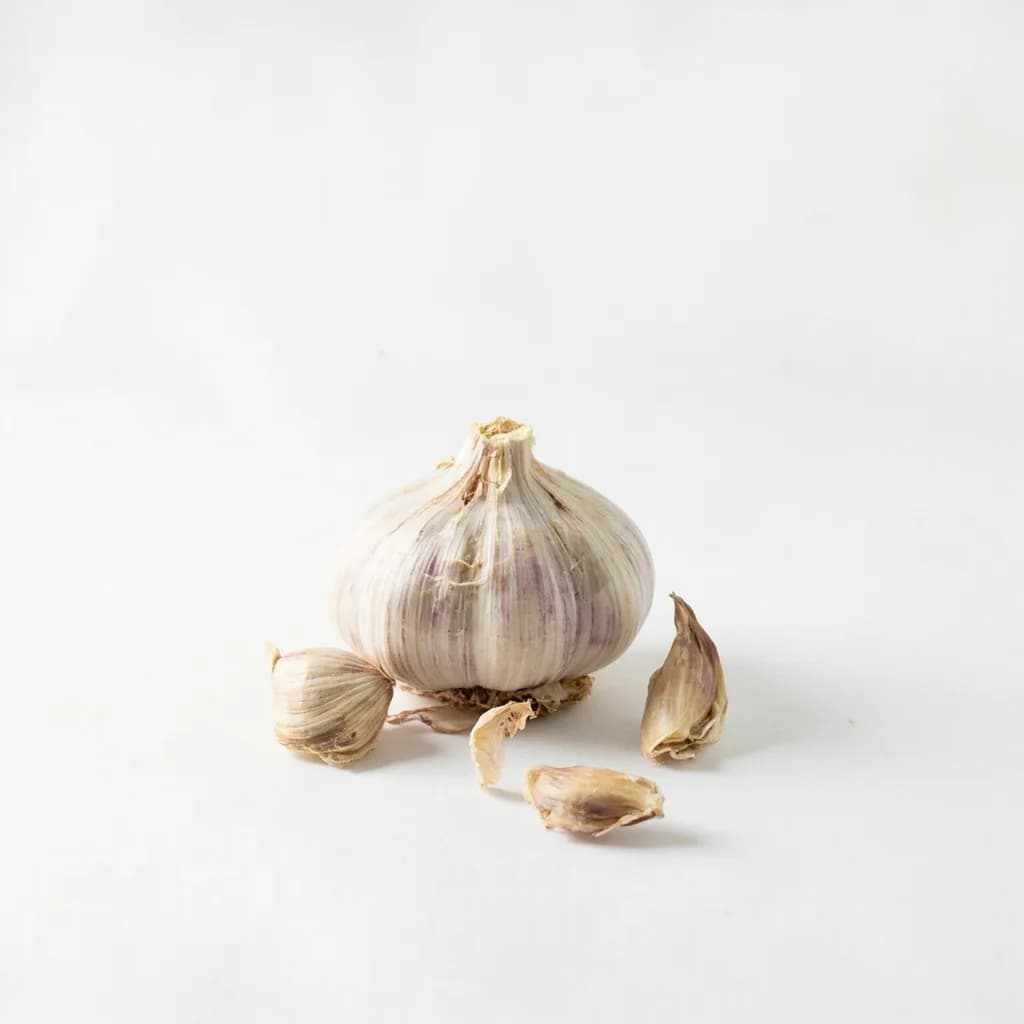
Garlic
Pungent cloves that perfume nearly every savory dish
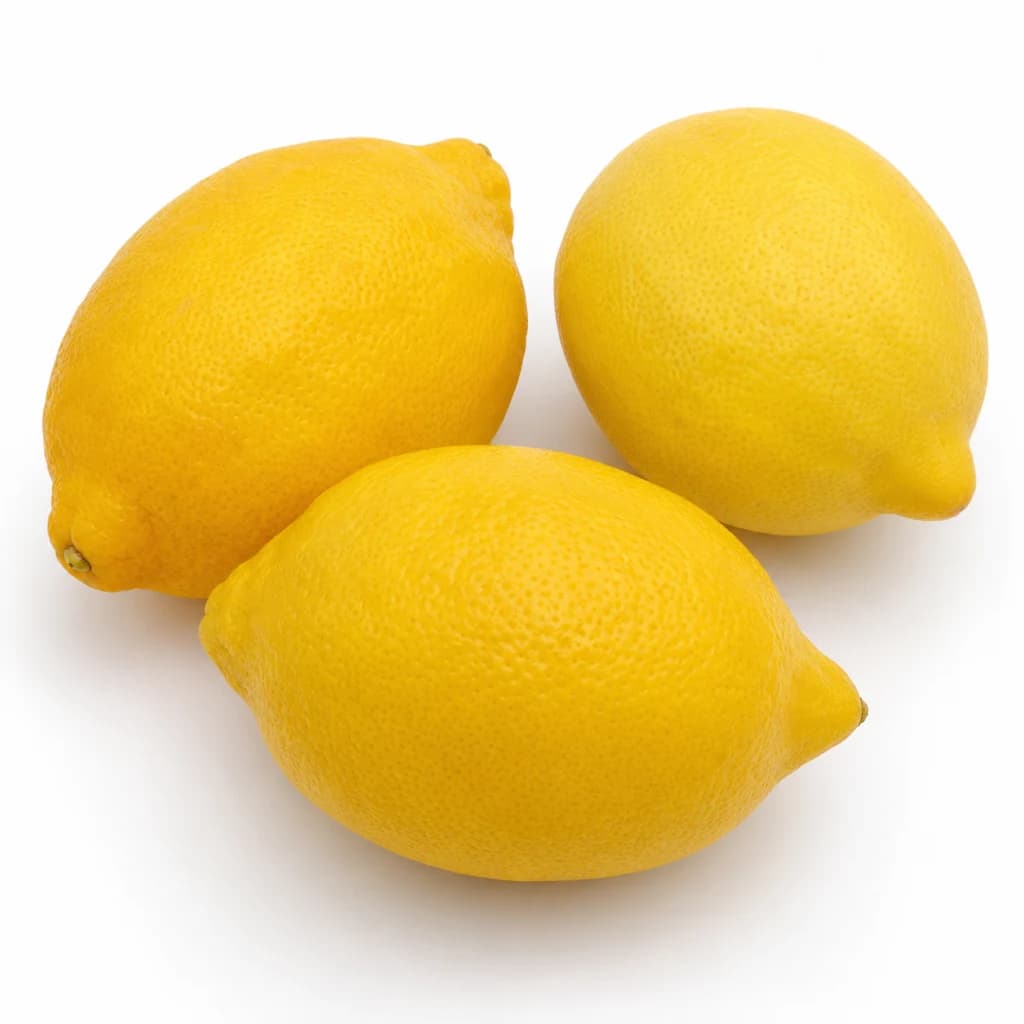
Lemon
Bright, acidic citrus that wakes up almost any dish
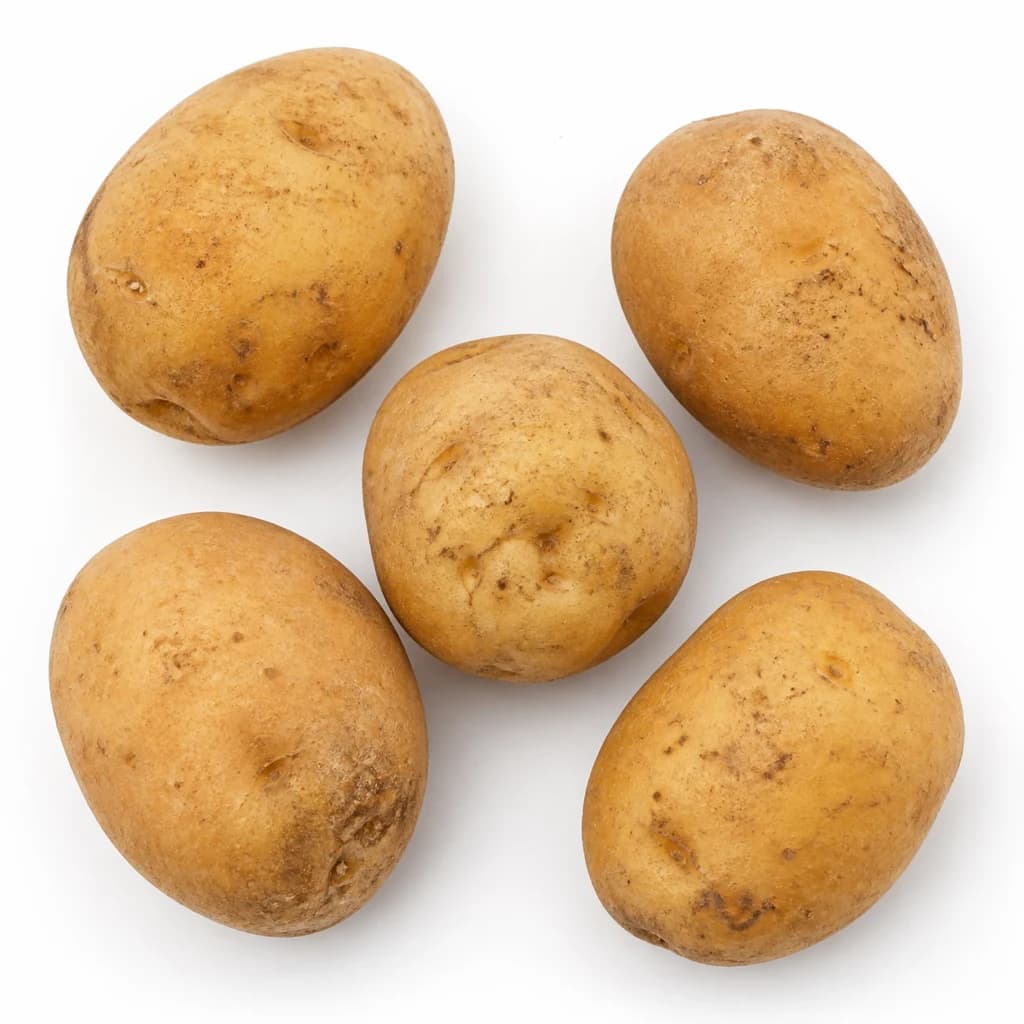
Potato
Humble, hearty staple — roast, mash, fry, or boil
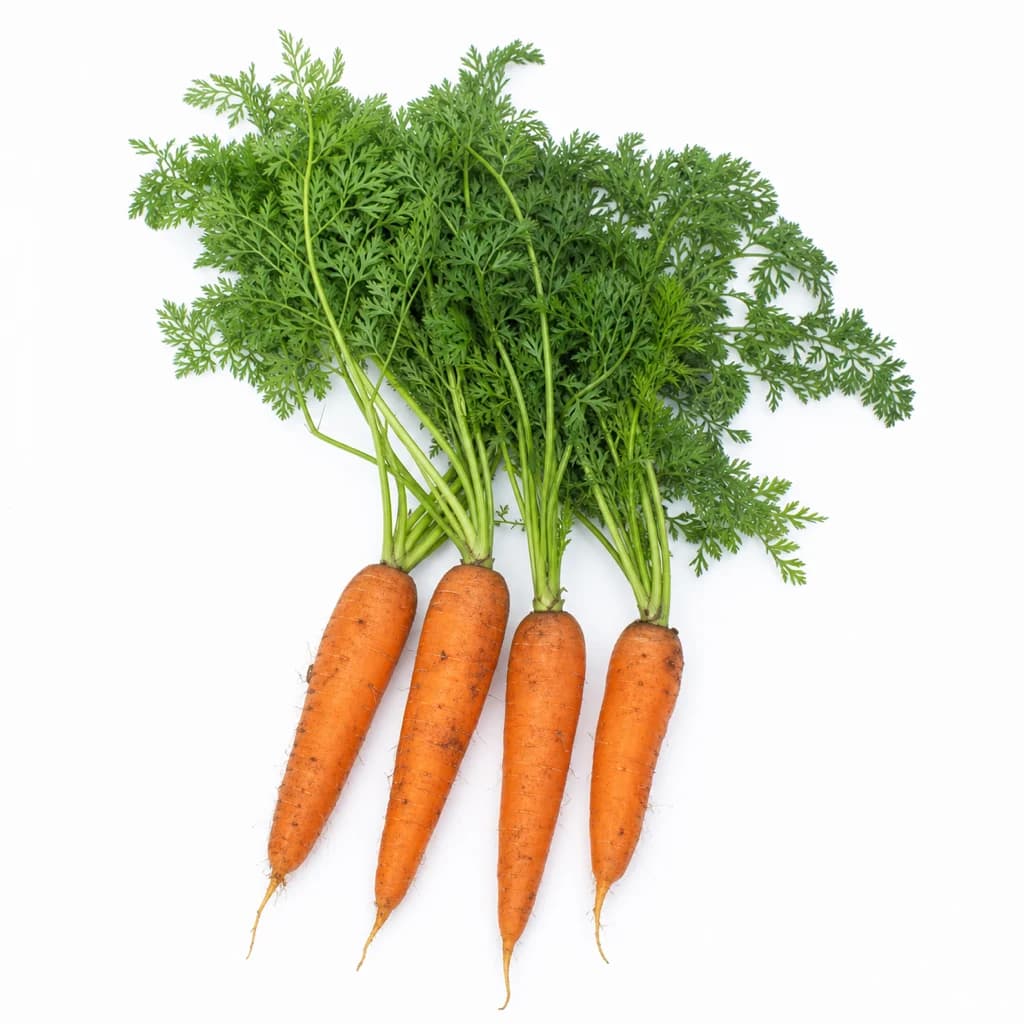
Carrot
Sweet, crunchy root — raw, roasted, or the base of a sofrito

Cucumber
Cool, crisp, and watery — for salads, pickles, and tzatziki

Lettuce
Crisp leaves for salads, wraps, and a fresh crunch