Proteins
Atlantic Salmon
Rich, fatty orange-pink fish — grilled, roasted, cured, or served raw in sushi and gravlax.
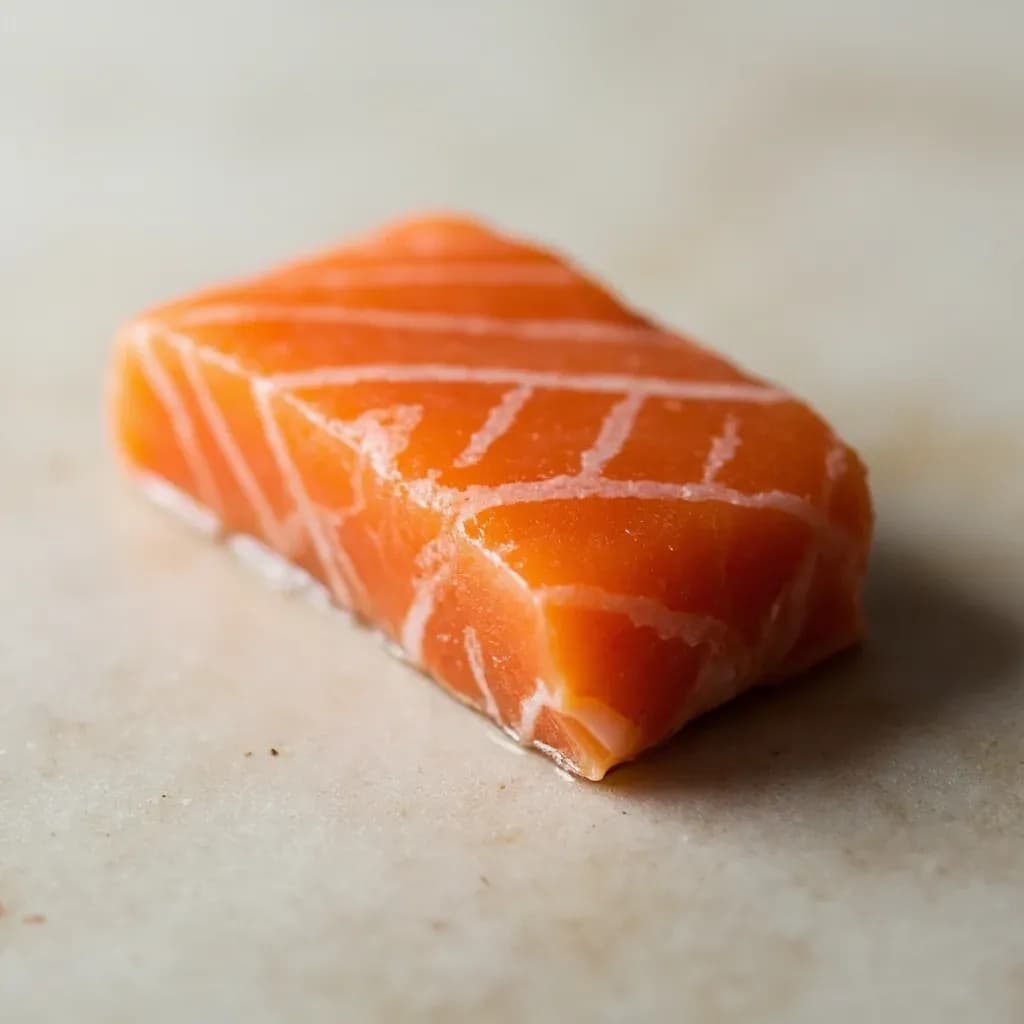
Atlantic salmon is an oily, pink-fleshed fish, mostly farmed today, valued for its rich flavor and high omega-3 content. It is enormously versatile: roasted, grilled, pan-seared, hot- or cold-smoked, cured into gravlax, and eaten raw in sushi and poke. Its generous fat keeps it moist and forgiving even when slightly overcooked.
Atlantic salmon (Salmo salar) is the workhorse of the commercial salmon market, accounting for the vast majority of salmon sold in restaurants and grocery stores worldwide. Native to the North Atlantic, it is biologically distinct from the six Pacific salmon species and has been farmed at scale since the 1970s. What makes this species particularly valuable in the kitchen is its consistently high fat content—typically 10–15% by weight—which gives the flesh a supple, moisture-retaining quality that forgives overcooking far better than leaner fish. The characteristic orange-pink hue comes from astaxanthin added to feed, replicating the pigment wild salmon obtain from crustaceans. Farmed Atlantic salmon offers year-round availability, uniform sizing, and predictable flavor, making it an approachable entry point for cooks building confidence with fish, while wild-caught specimens from limited seasonal fisheries deliver a more assertive, mineral-rich character for those who seek it.
- Measured in
- g
- Storage
- Fridge
Allergens
Types & varieties
Dominant market variety. Raised in net pens with consistent size, flavor, and color year-round. Norway, Chile, and Scotland are leading producers.
Rare and expensive. From rivers in Maine, eastern Canada, and Scandinavia. Leaner than farmed with a more pronounced salmon flavor. Short seasonal window in spring and fall.
Certified under strict standards requiring organic feed, no synthetic pesticides in pens, and reduced stocking density. Available from Norway and Chile.
Not Atlantic salmon (Oncorhynchus mykiss) despite similar appearance. Often substituted in recipes; milder flavor and slightly lower fat content.
Selecting Atlantic Salmon
Avoid fillets with a gray or brownish tint, a pronounced fishy odor, or flesh that yields under light pressure—these are hallmarks of diminished freshness. The fat marbling in farmed salmon should be visible as thin white striations running through the flesh; this fat is what keeps the fish succulent during cooking. When buying whole fish or fillets with skin, look for taut, adherent skin and bright, clear eyes (on whole fish). For raw applications like sushi or tartare, purchase previously frozen salmon to mitigate parasite risk; reputable fishmongers will indicate which products meet this standard. For sustainability, look for certifications from the Aquaculture Stewardship Council (ASC) or Global Aquaculture Alliance (BAP).
- Look for vivid orange-pink color with visible fat marbling
- Avoid fish with a strong, sour, or ammonia-like odor
- Press gently—fresh flesh springs back; avoid anything that stays dented
- Ask your fishmonger for the catch date and source for traceability
Understanding Farmed vs. Wild
The farmed-versus-wild distinction affects more than price. Farmed Atlantic salmon's consistent fat content means it performs predictably under high heat and stands up to bold sauces without drying out. Wild Atlantic salmon, by contrast, is leaner and cooks roughly 20% faster; its flavor is more mineral-forward and less buttery. These differences matter in the kitchen: use farmed fish when you want reliability and richness, reserve wild fish for preparations where a clean, pronounced salmon flavor is the point—barely治疗后 with good olive oil and sea salt, for instance, or as a special-occasion tartare.
- Farmed: higher fat, more consistent, year-round availability
- Wild: leaner, more assertive flavor, seasonal availability
- Wild cooks faster; reduce time by approximately 20%
- Both are Salmo salar—only Pacific species are biologically distinct
Common uses
Tips & pitfalls
- Always check for pin bones with fingertips or tweezers before cooking; a thin fillet knife makes this quick and ensures a smooth eating experience.
- Salt the fish 20–30 minutes before cooking (or dry brine overnight) to firm the flesh and improve both flavor and skin crispness.
- For skin-on fillets, score the skin lightly every inch or so to prevent curling in a hot pan—this also allows fat to render more evenly.
- Pat the fish completely dry before searing; residual moisture creates steam and prevents the skin from developing a golden, crisp crust.
- Use high heat and resist moving the fish for the first 3–4 minutes when pan-searing; this is how you build a proper crust before flipping.
- Do not overcook—the center should still appear translucent when you remove the fish from heat, as residual carryover cooking will finish it.
- Wild Atlantic salmon cooks faster than farmed due to its lower fat content; reduce cooking time by roughly 20% and monitor closely.
- If using frozen salmon, thaw slowly in the refrigerator overnight; quick-thaw methods in cold water can rupture cells and degrade texture.
Nutrition
Energy
594 kJ · per 100 g
Where the calories come from
Protein
19.8g
40% DV
Carbs
0g
0% DV
Fat
6.3g
8% DV
Fiber
0g
0% DV
Sodium
44mg
2% DV
Source · USDA FoodData Central · approx. Fish, salmon, Atlantic, wild, raw
View on FDC →In the shops
Matched grocery products
 €11.99
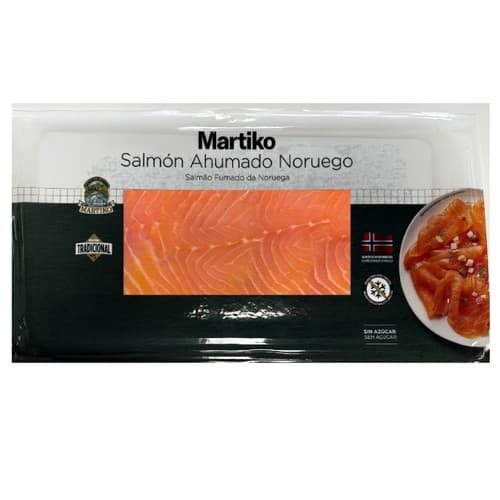
Smoked Atlantic Salmon
MARTIKO · kg · Bonpreu
 €5.49
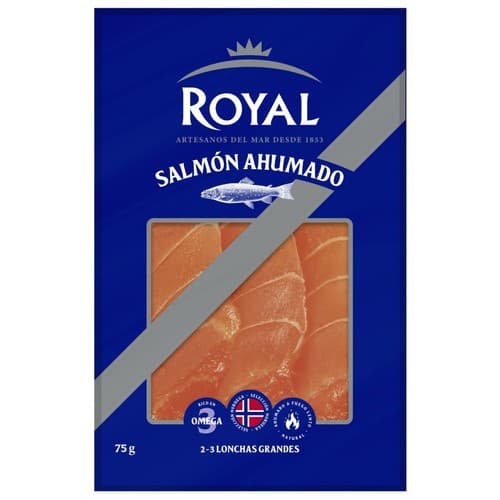
€5.49Royal Smoked Atlantic Salmon
ROYAL · kg · Bonpreu
 €17.85
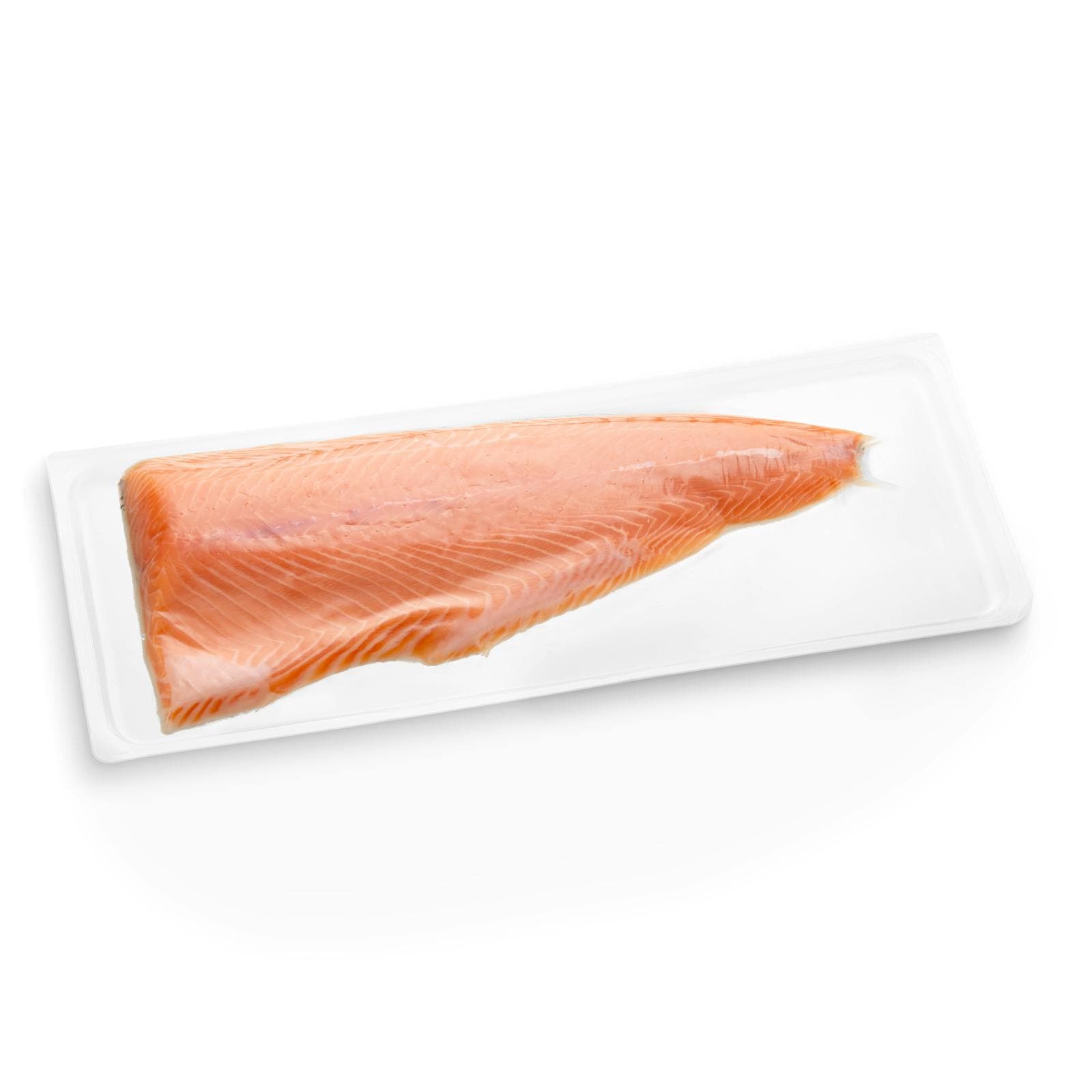
Half Salmon
850 g · Mercadona
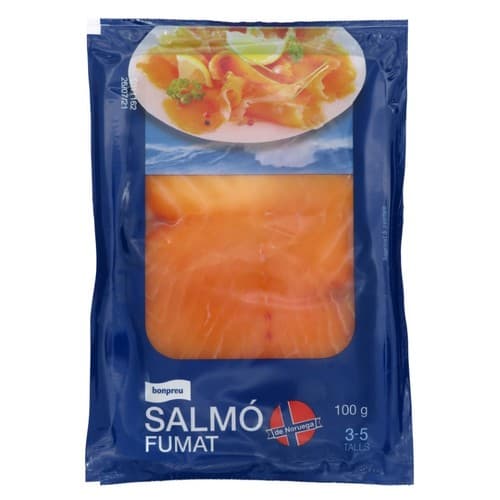 €3.80
€3.80Smoked Salmon
BONPREU · kg · Bonpreu
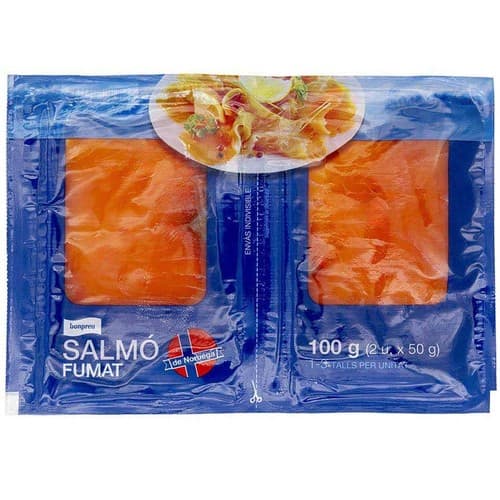 €4.69
€4.69Smoked Salmon
BONPREU · kg · Bonpreu
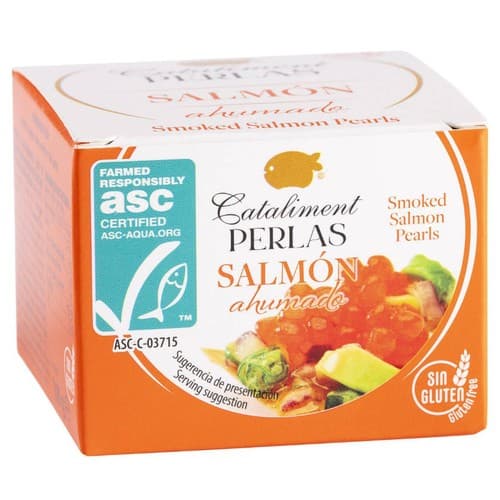 €5.29
€5.29Salmon Pearls
CATALIMENT · kg · Bonpreu
Good to know
- Scientific Name
- Salmo salar
- Origin
- Native to the North Atlantic; today primarily farmed in Norway, Chile, Scotland, Canada, and Maine
- Season
- Farmed: year-round. Wild: limited seasonal fisheries in spring and fall.
- Color
- Pink to deep orange-red depending on diet and astaxanthin content; color graded on a 1–6 scale (pale to vivid).
- Flavor
- Mild and buttery with a clean finish; less pronounced than Pacific salmon varieties.
- Texture
- Medium-firm, fatty, and moisture-retaining when cooked properly.
- Fat Content
- 10–15% by weight in farmed salmon; high in omega-3 fatty acids.
- Typical Serving
- 4–6 oz (115–170 g) per person for a main course.
- Storage
- Refrigerate at 28–32°F on ice or in the coldest part; use within 1–2 days. Freeze up to 2–3 months for best quality.
- Doneness
- 125–130°F (52–54°C) for medium-rare; FDA recommends no more than 145°F (63°C).
Substitutes
- Sockeye Salmon (Red Salmon) — Richer, deeper-flavored; cooks similarly but is leaner. Use 1:1 ratio.
- King Salmon (Chinook) — Fattier and more luxurious texture; excellent for raw applications. Use 1:1 ratio.
- Arctic Char — Comparable buttery texture and mild flavor; often farmed sustainably. Cook identically.
- Steelhead Trout — Milder and slightly leaner; behaves similarly in all preparations.
- Rainbow Trout — Smaller and milder; may need shorter cooking times. Suitable for portion-controlled servings.
Pairs with
Also called
Salmon · Farmed Salmon
Appears in these dishes
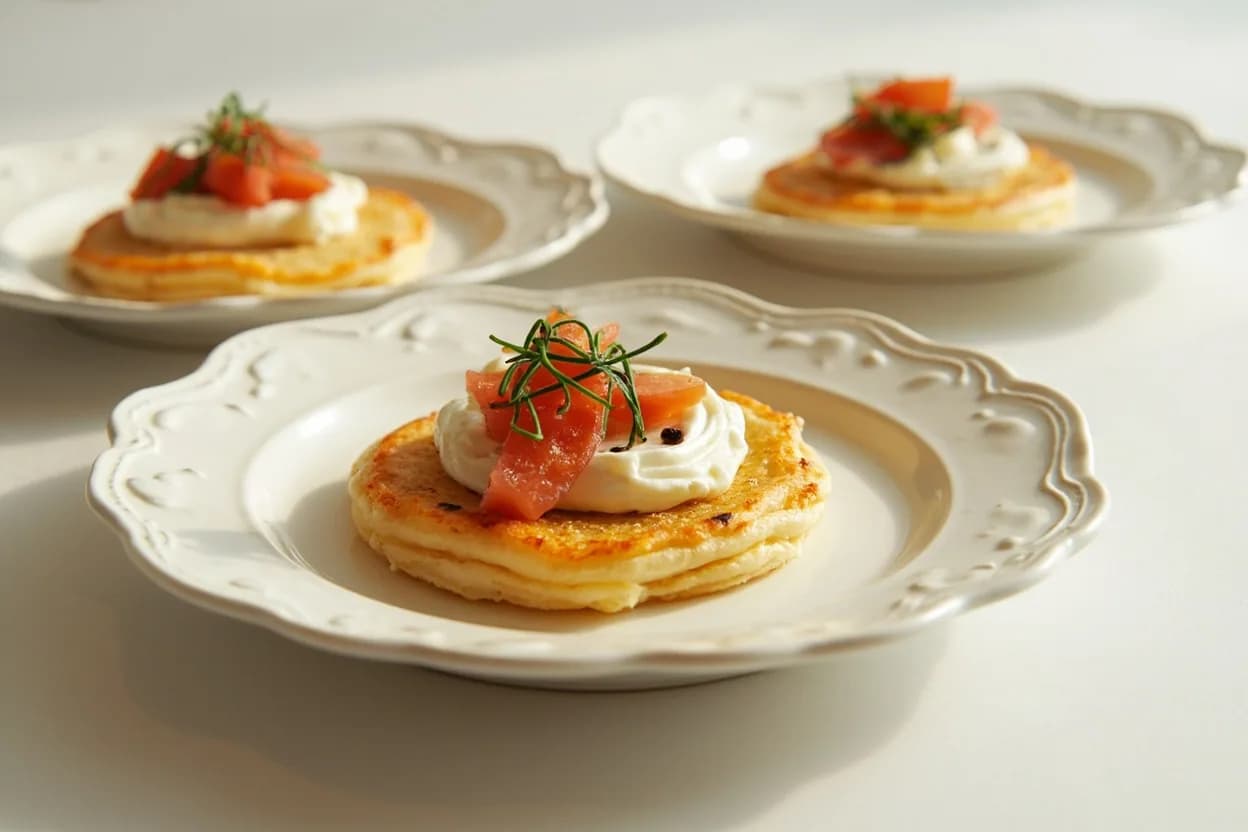
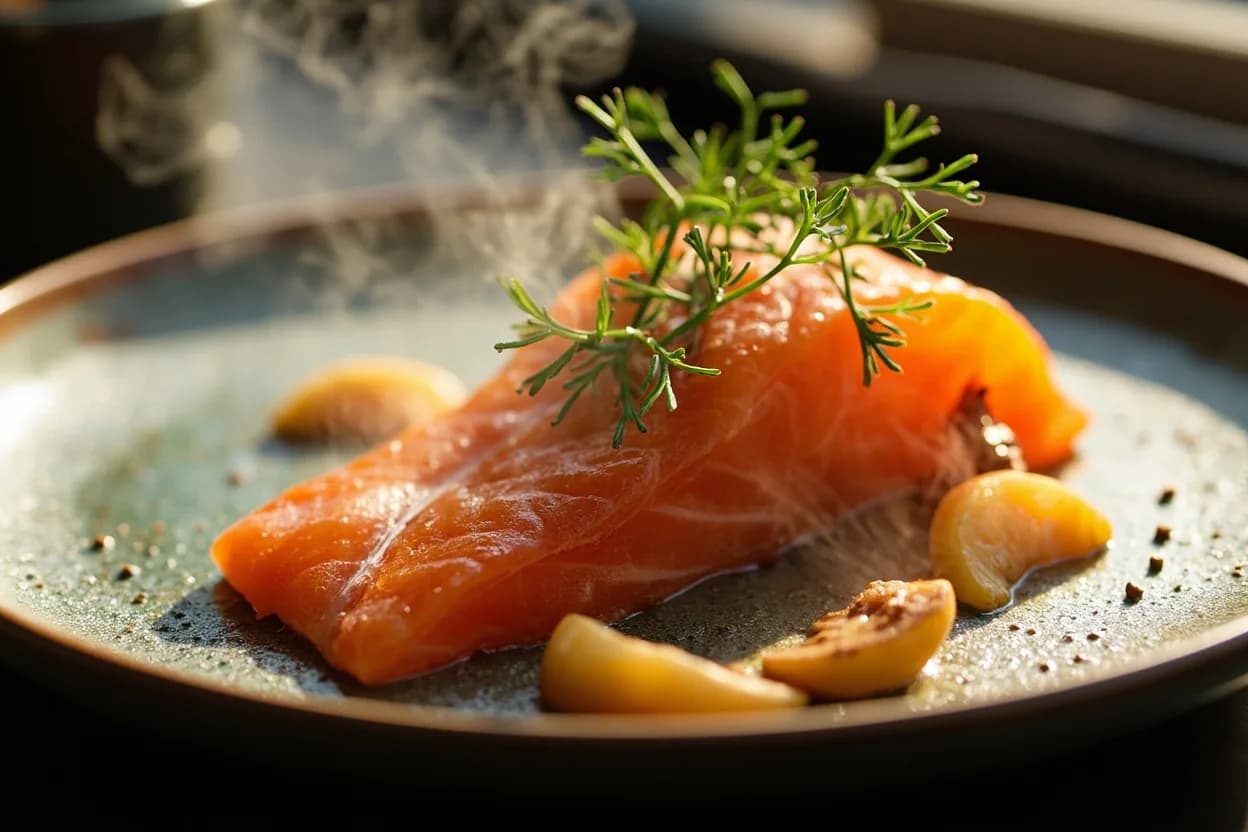
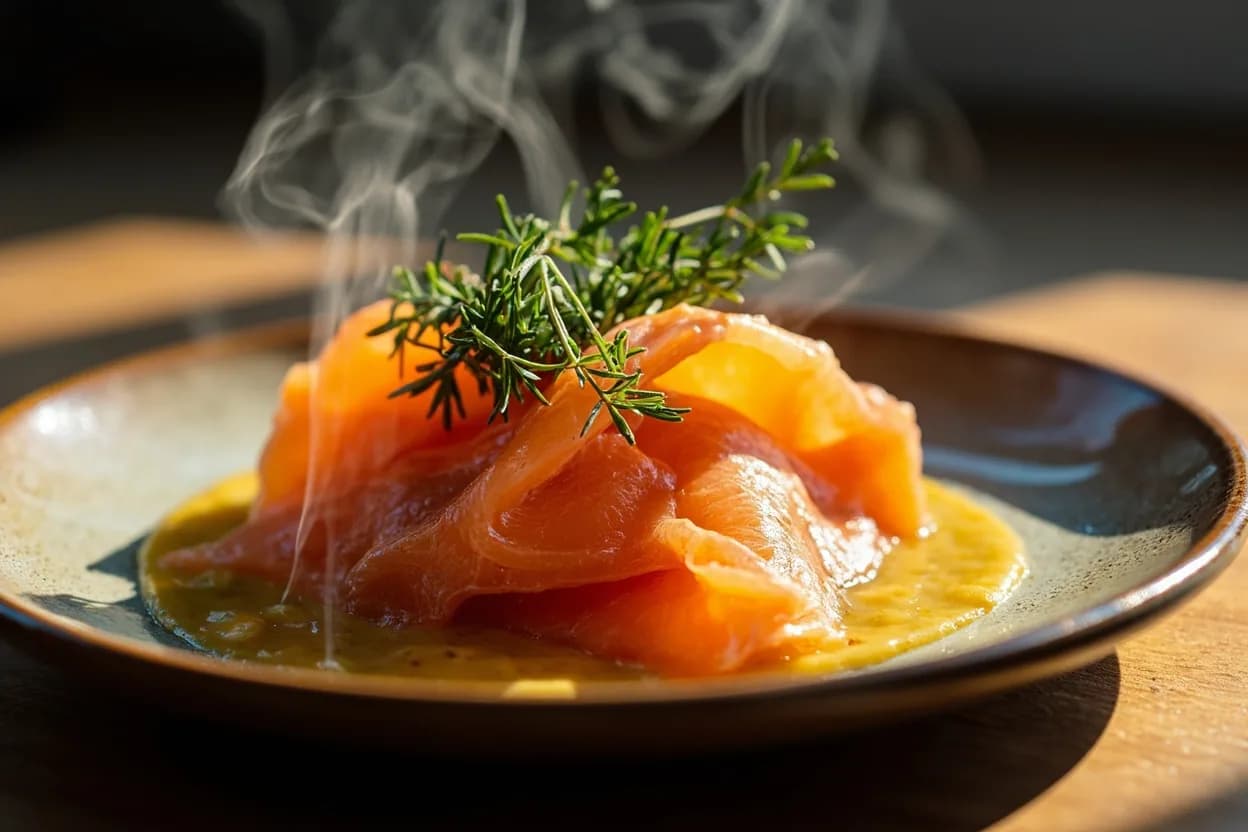
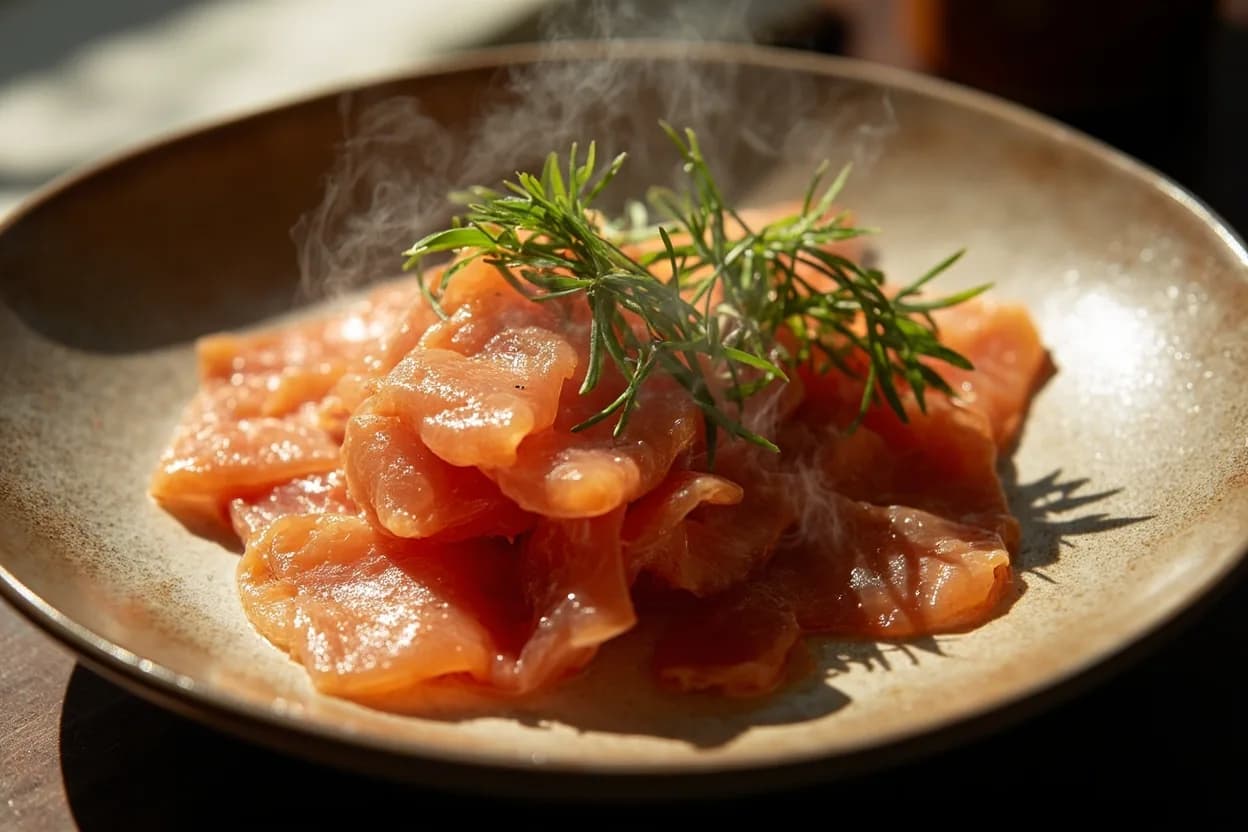
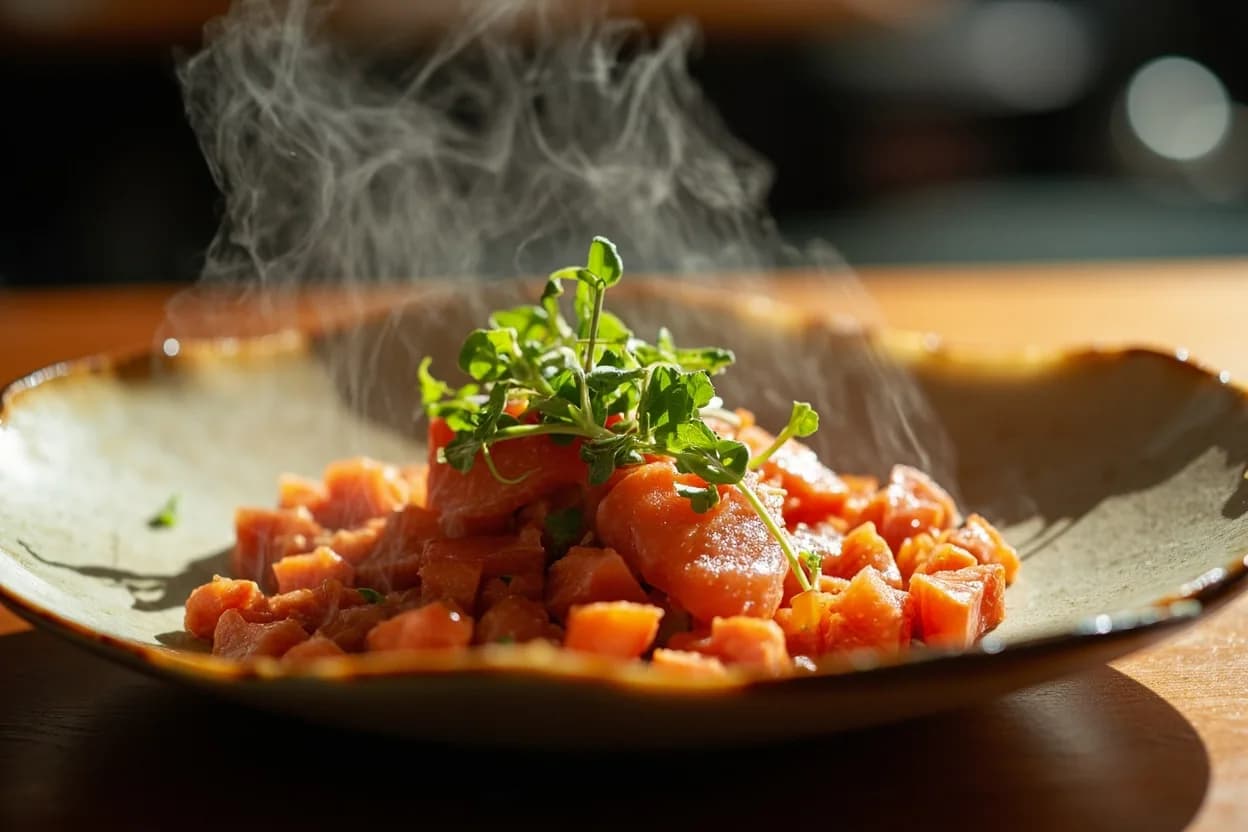
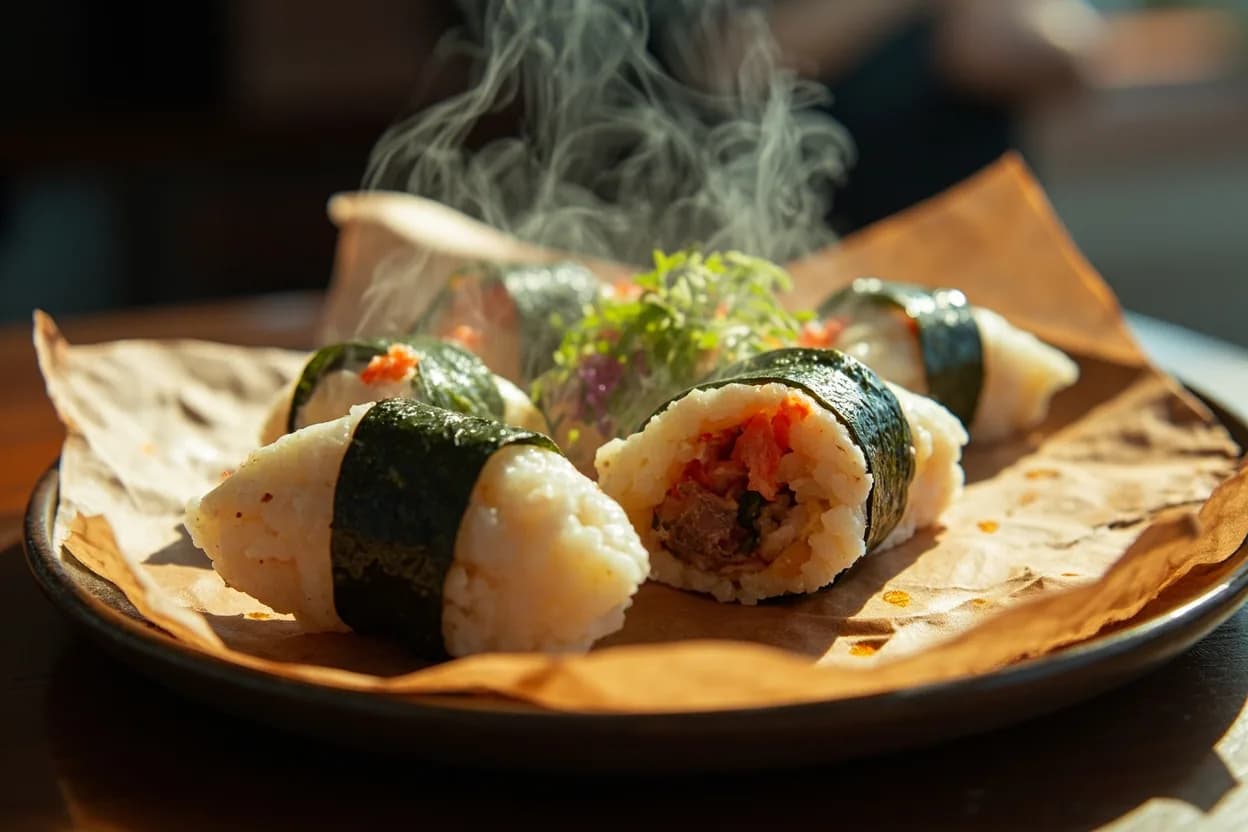
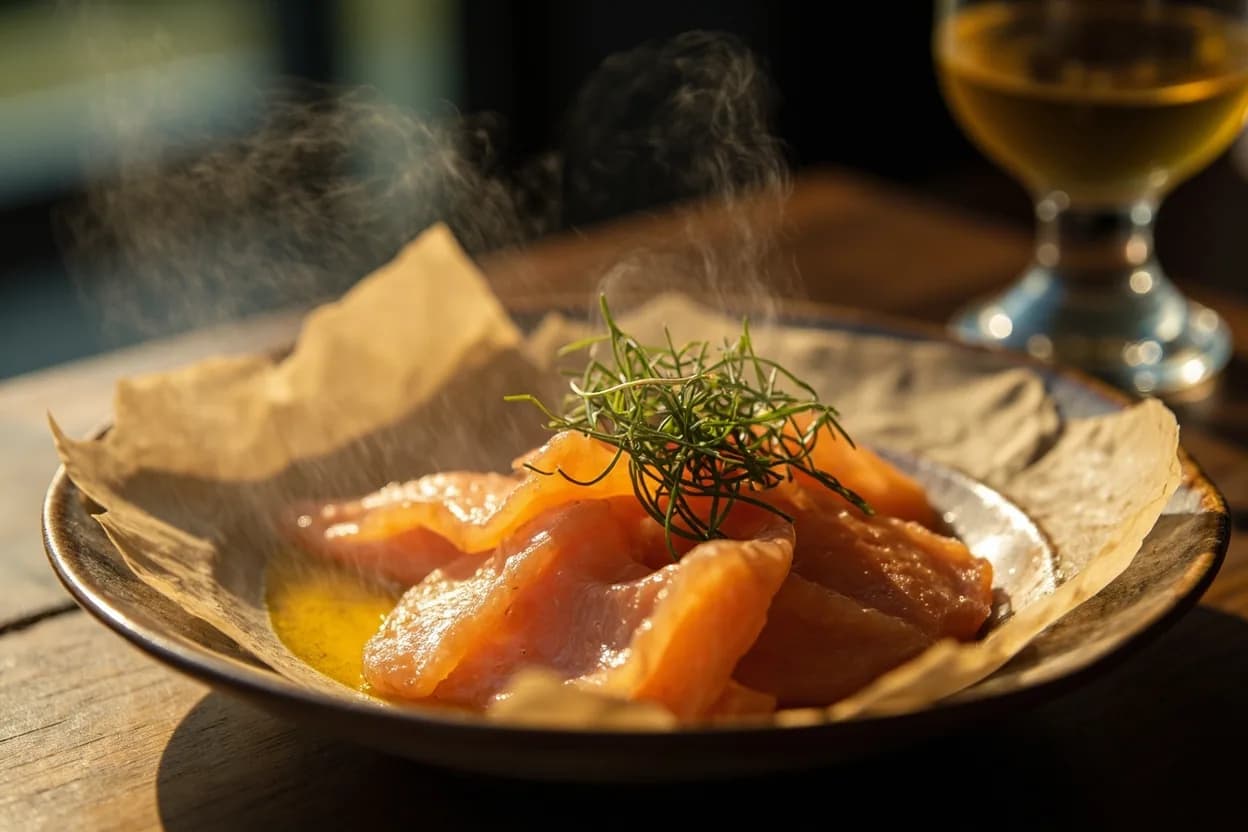
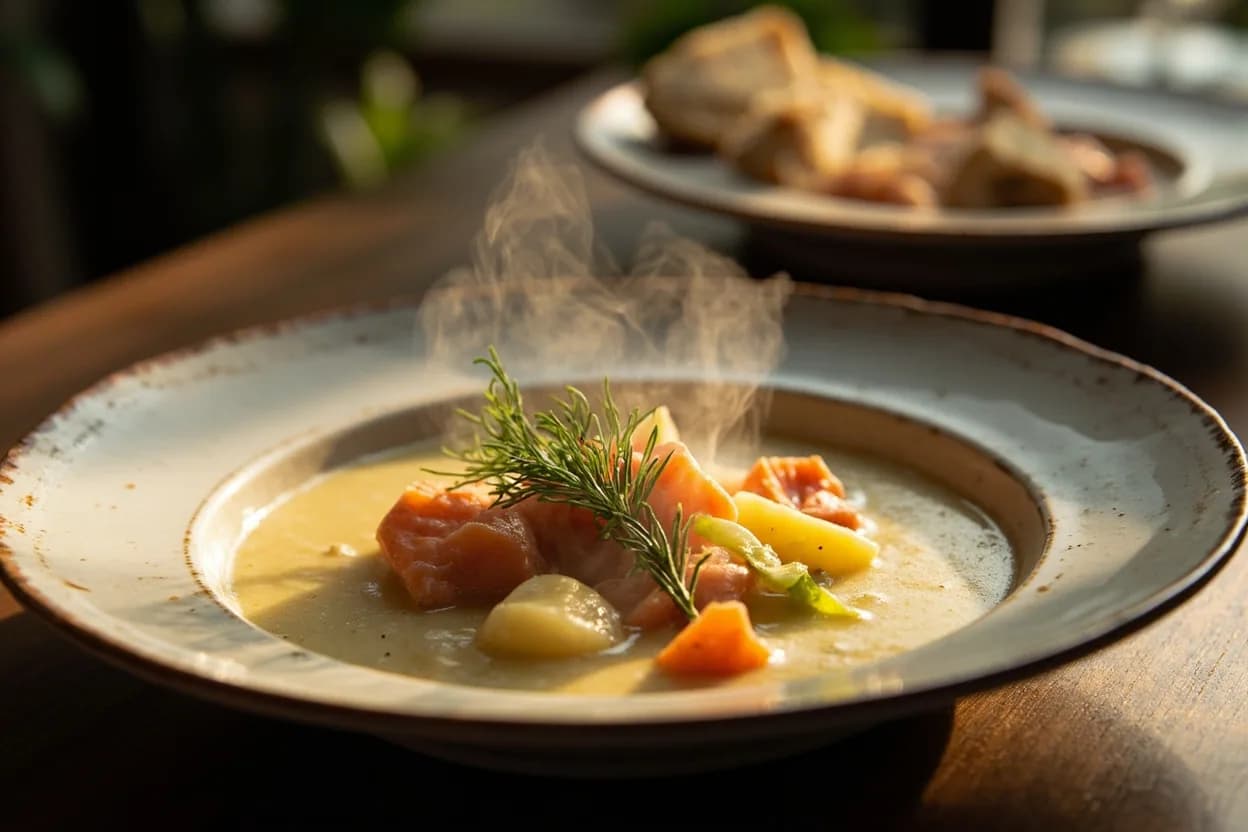
Related
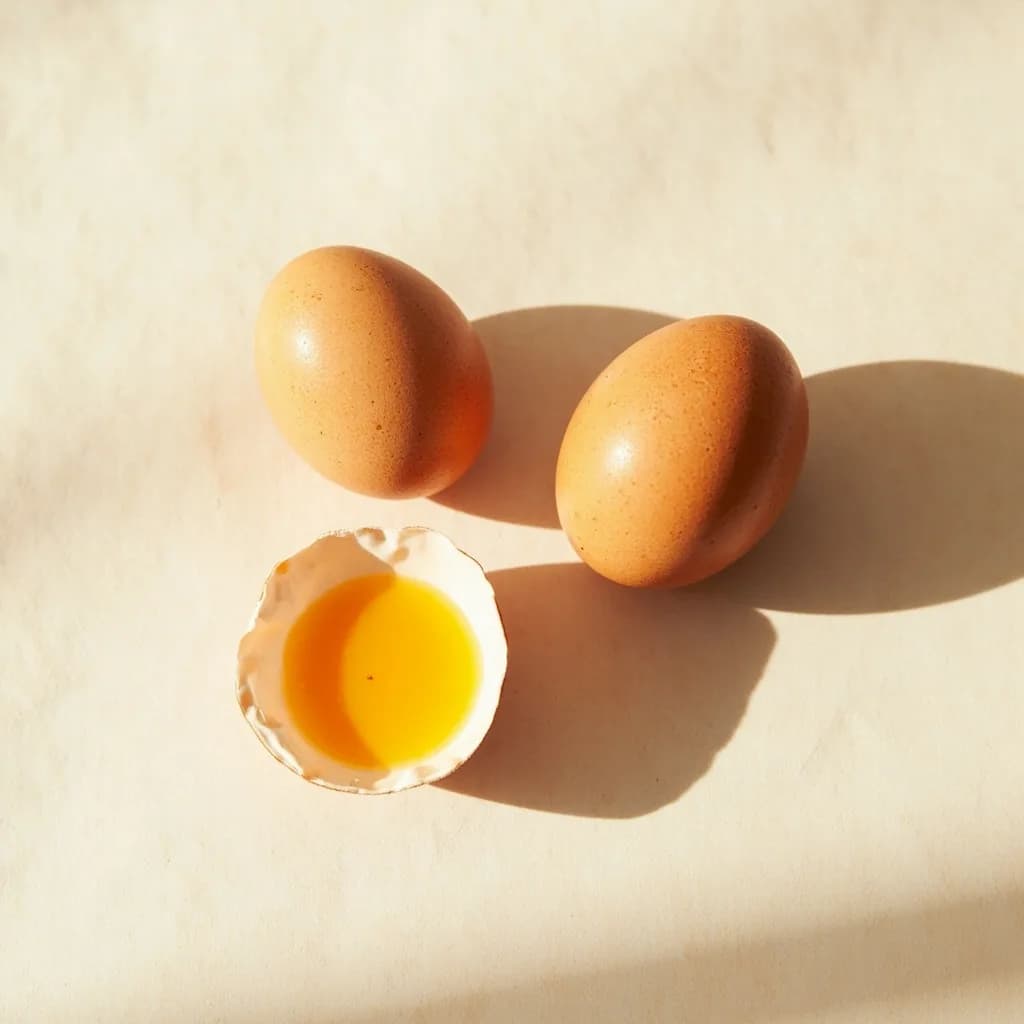
Egg
The kitchen's everything ingredient — bind, leaven, enrich, or fry
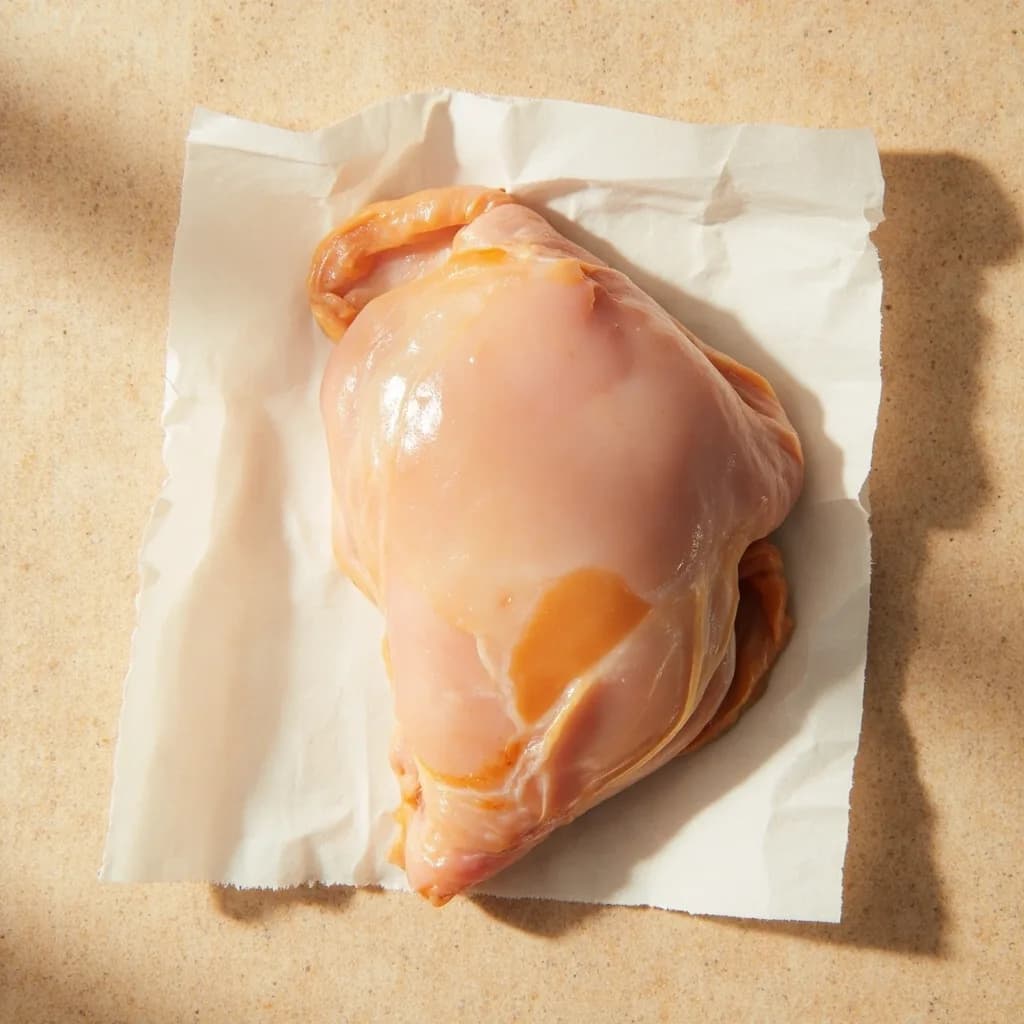
Chicken Breast
Lean, quick-cooking white meat for everyday dinners

Ground Beef
Versatile minced beef for burgers, ragù, tacos, and meatballs
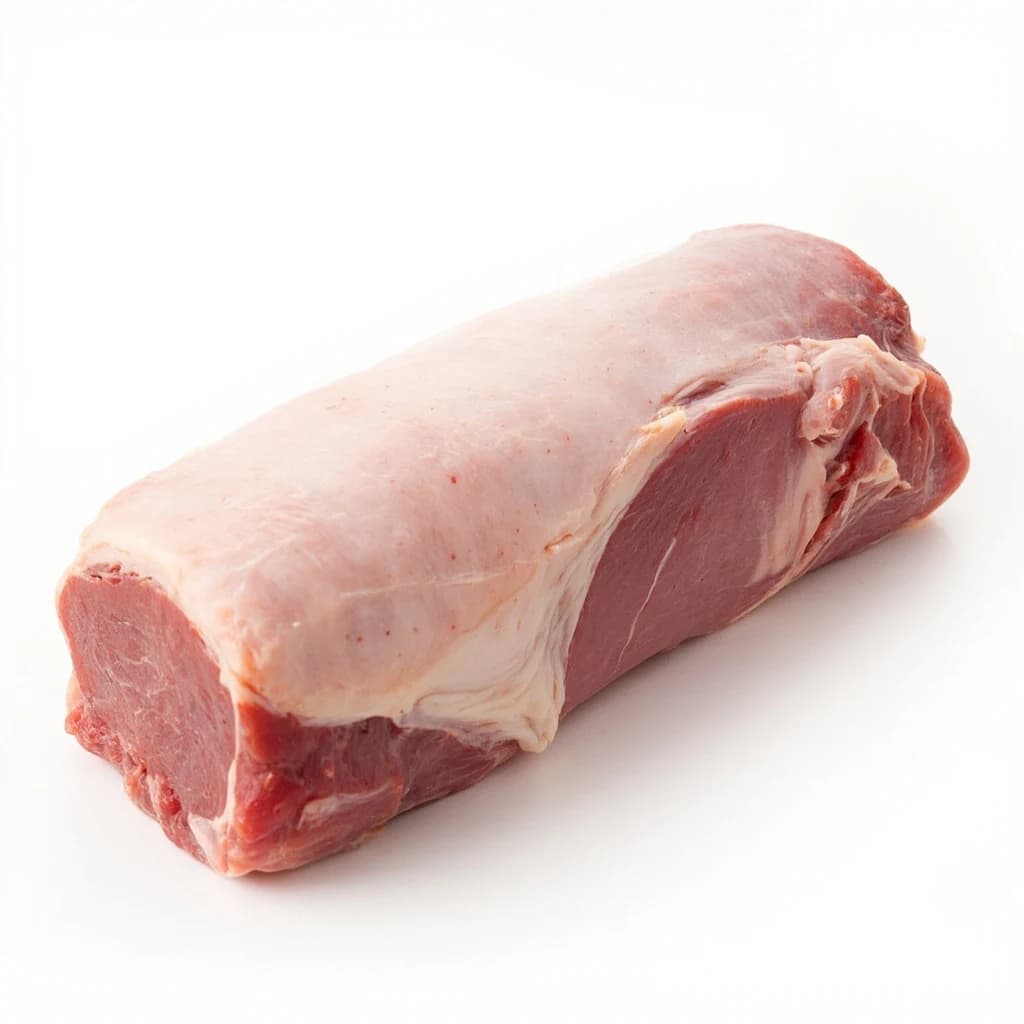
Pork Loin
Lean, tender roasting cut that stays juicy with care
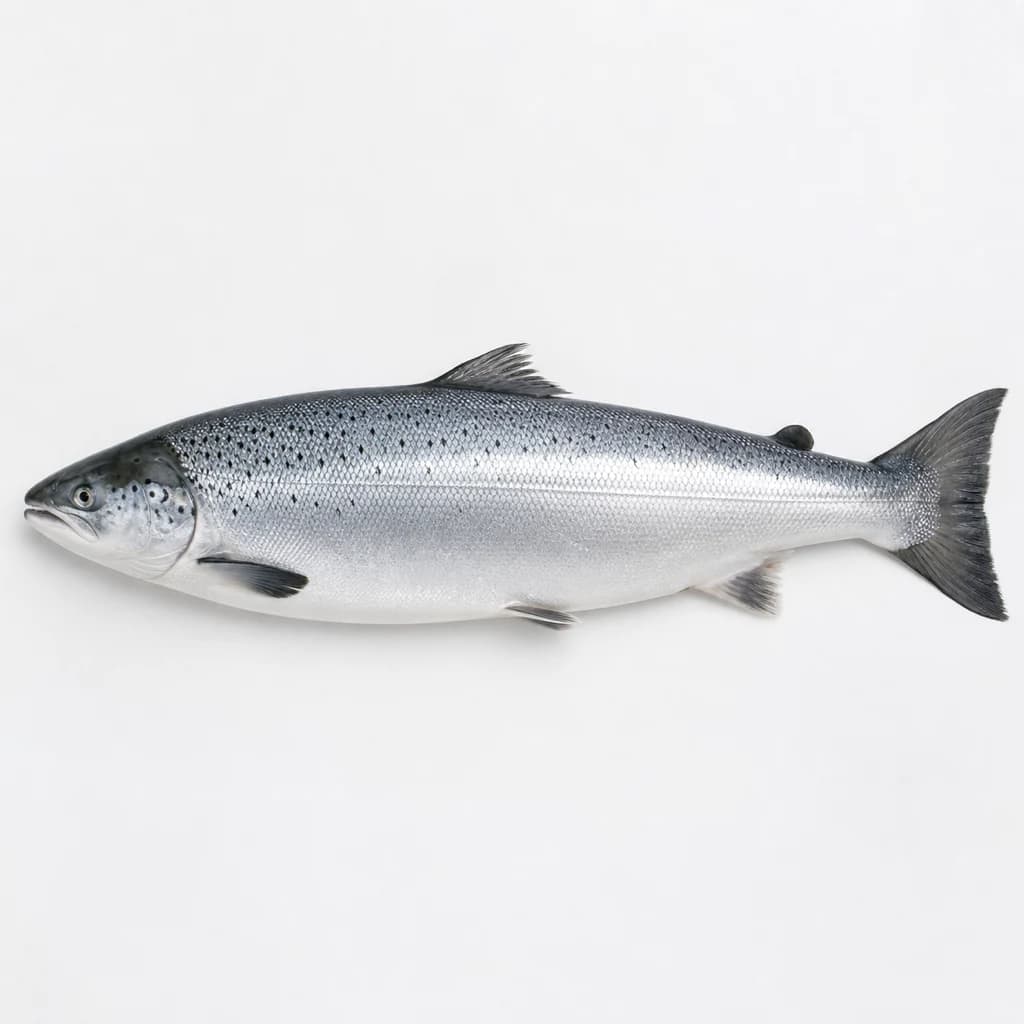
Salmon
Rich, rosy fish that roasts, grills, or cures beautifully

Egg White
Pure protein that whips to airy peaks for meringue and more
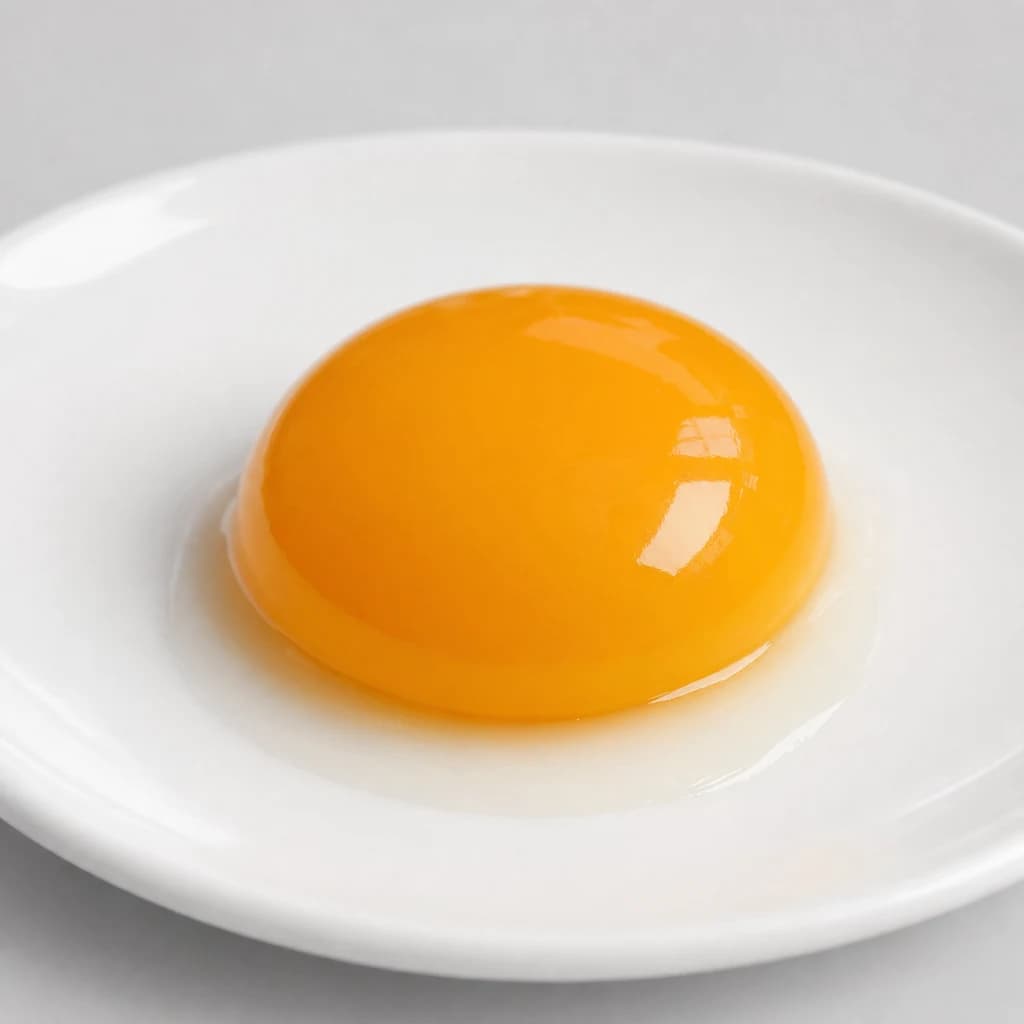
Egg Yolk
Rich, golden yolk for custards, mayonnaise, and pasta

Quail Egg
Tiny, speckled eggs for garnishing and elegant bites