Legumes & Beans
Bambara Groundnut
African underground legume eaten boiled, roasted, or ground for okpa.
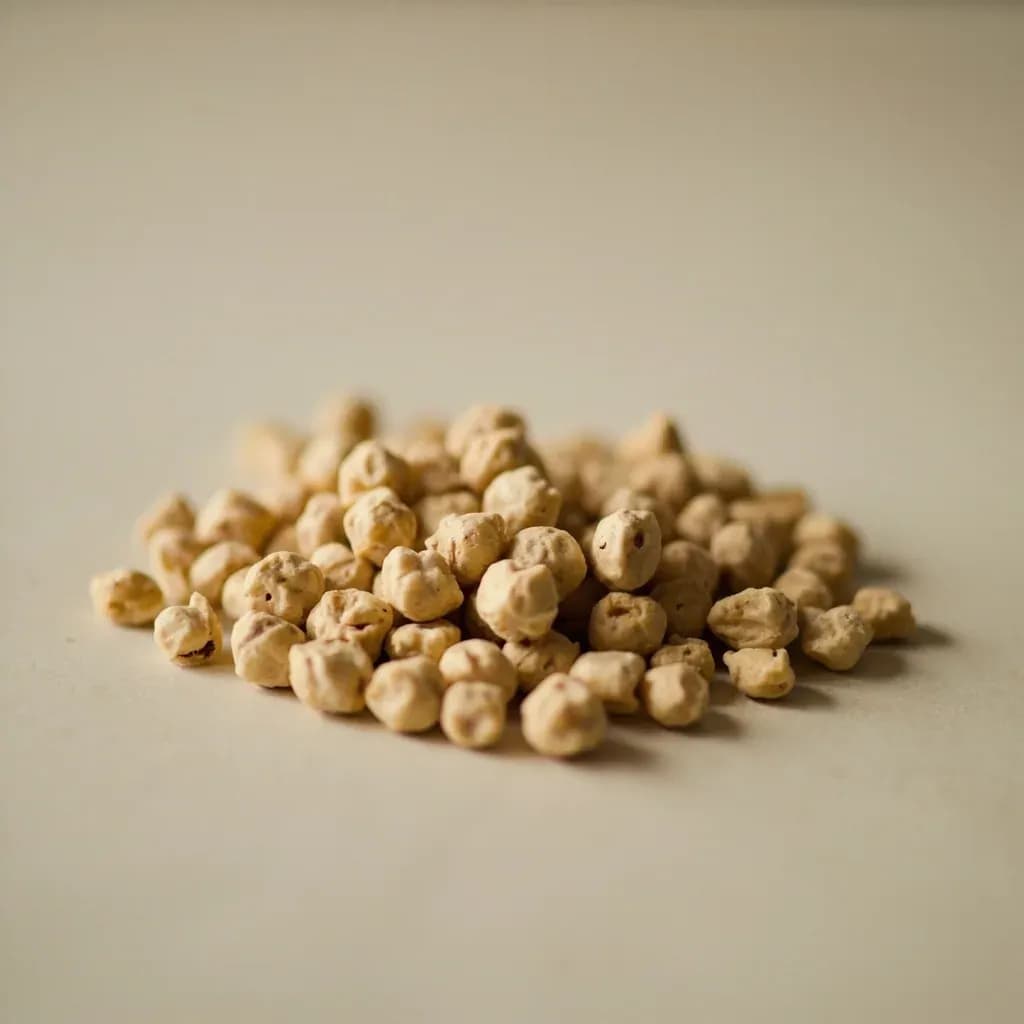
Bambara groundnut is a drought-resistant African legume that, like the peanut, develops its pods underground. The hard, round seeds are boiled, roasted, or milled into flour for dishes such as Nigerian okpa, a steamed savory pudding. It is protein-rich with a starchy, slightly nutty flavor.
Bambara groundnut (Vigna subterranea) is one of Africa's most ancient cultivated legumes, a drought-tolerant crop that produces its pods entirely underground—similar to the peanut, though it belongs to a different genus. The plant is remarkable for its ability to thrive in arid and semi-arid conditions where other crops fail, and like other legumes, it fixes atmospheric nitrogen, actually improving soil fertility rather than depleting it. Despite its exceptional nutritional profile—16–20% protein by dry weight, rich in lysine and methionine (unusual among legumes), with good iron, calcium, and magnesium—bambara remains largely unknown outside the African continent, earning it the dismissive label of "poor man's crop" in regions where it has been overshadowed by more commercially viable legumes.
The seeds have a mildly sweet, nutty flavor that is less "beany" than many legumes, with a creamy interior that becomes tender and slightly mealy when cooked. The seed coats range from cream to reddish-brown, black, or mottled, and the dehulled flour is increasingly recognized as a promising gluten-free baking alternative. The slight natural sweetness sets bambara apart from most legumes, making it unusually versatile—equally at home in savory stews and sweetened porridges. Its texture when cooked is dense but not grainy, holding up well in soups while also mashing smoothly for puddings and porridges. The dehulled seed grinds into a surprisingly fine flour that behaves well in baked goods and flatbreads, with a flavor that complements both honey and chili.
The crop's relative neglect by global markets has preserved an impressive diversity of regional landraces, each with distinct characteristics prized in local cuisines. In West Africa, particularly Nigeria and Ghana, bambara is central to traditional dishes like okpa—a steamed pudding wrapped in bamboo leaves and cooked with palm oil. In Central and Southern Africa, it appears in porridges, roasted as a snack like peanuts, and fermented into traditional beverages. This diversity of preparation reflects both the legume's adaptability and its deep cultural roots across the continent.
- Measured in
- g
- Storage
- Pantry
Types & varieties
Most common commercial variety; mildest flavor, smoothest texture, best for purées and flour
Slightly earthier flavor; popular in Nigeria and Ghana; holds shape well in soups
Smaller seed; more intensely nutty; common in Cameroon and Central Africa; best roasted
Variegated seed coat; often associated with specific regional landraces; variable cooking properties
Nutritional significance
Bambara groundnut stands apart from most legumes because it contains methionine—an essential amino acid that is typically the limiting factor in legume proteins. This makes it one of the few legumes that can serve as a relatively complete protein source, particularly valuable in regions where animal protein is scarce or expensive. Its lysine content complements cereal grains, making the two food groups nutritionally complementary when eaten together. The iron and calcium content is notably higher than in many common legumes, addressing micronutrient deficiencies common in subsistence farming communities. The combination of high protein, good fats, and complex carbohydrates gives bambara an unusually balanced nutritional profile for a single crop.
- Contains methionine—unusual for legumes and essential for protein completeness
- Complementary to cereals: high lysine balances grain proteins low in lysine
- Good source of iron, calcium, and magnesium
- Higher fat content than many legumes, giving it more caloric density
Cooking behavior
Bambara behaves differently from common beans in several important ways. The seeds do not split or disintegrate easily when cooked—they hold their shape well in soups, making them more similar to chickpeas than to black beans. The interior becomes tender and slightly mealy, similar to a cooked chestnut in texture. When mashed or ground, the paste is smooth and cohesive, which is why it works so well in steamed puddings and porridges. The seed coat can be slightly astringent when chewed raw but softens considerably with cooking; dehulling after soaking eliminates any trace of this.
- Does not split or disintegrate easily during cooking
- Interior becomes tender and slightly mealy when fully cooked
- Grinds into a smooth, cohesive paste—excellent for puddings and porridges
- Seed coat softens with cooking; astringency eliminated by dehulling
Common uses
Tips & pitfalls
- Always soak overnight (8–12 hours) before cooking—unsoaked seeds take 3+ hours and often remain hard in the center despite extended boiling.
- Add a tablespoon of cooking oil or fat to the boiling water; this softens the seed coat and noticeably reduces cooking time.
- Dehull seeds after soaking for a smoother texture in purées and flour—the skin can be slightly astringent and affects mouthfeel.
- For okpa and similar steamed dishes, mix ground flour with palm oil and spices before steaming, not water alone—the fat carries the flavor and prevents a gritty texture.
- Season aggressively with onion, garlic, and chili; bambara is bland on its own and requires bold seasoning to develop character.
- Undercooking is the most common mistake. The seeds must be completely tender with no chalky core. Test by pressing between fingers—they should crush easily without resistance.
- When roasting as a snack, watch carefully—bambara is smaller than peanuts and can scorch quickly due to its higher fat content.
- For flour, dry the dehulled seeds completely before grinding; any residual moisture leads to clumping and shortens shelf life.
Nutrition
Energy
1619 kJ · per 100 g
Where the calories come from
Protein
6.2g
12% DV
Carbs
40.8g
15% DV
Fat
23.9g
31% DV
Sodium
0mg
0% DV
Source · USDA FoodData Central · approx. Nuts, acorns, raw
View on FDC →In the shops
Matched grocery products
No matched grocery products for Bambara Groundnut yet.
Good to know
- Scientific name
- Vigna subterranea
- Also known as
- Bambara bean, earth pea, Congo goober, hog peanut, jugo bean, voandzou
- Protein content
- 16–20% by dry weight; notably high in lysine and methionine
- Flavor
- Mildly sweet and nutty; less "beany" than most legumes
- Cooking time
- 1–2 hours after soaking; 3+ hours unsoaked
- Storage (dry)
- 1–2 years in airtight container in cool, dark place
- Seed colors
- Cream, reddish-brown, black, or mottled
Substitutes
- Peanut (roasted) — Closest flavor match; works well in snacks and sauces; reduce cooking time as peanuts cook faster
- Cowpea (black-eyed or brown) — Different texture but similar protein function; cooking time is similar after soaking
- Pigeon pea — Acceptable in soups and stews; slightly firmer texture; may need longer cooking
- Soya bean (dry, cooked) — Higher protein but distinct flavor; best suited to porridges and flour-based dishes
Pairs with
Also called
Voandzou · Jugo Bean · Ditloo · Bambara Bean · Bambara Nut · Okpa
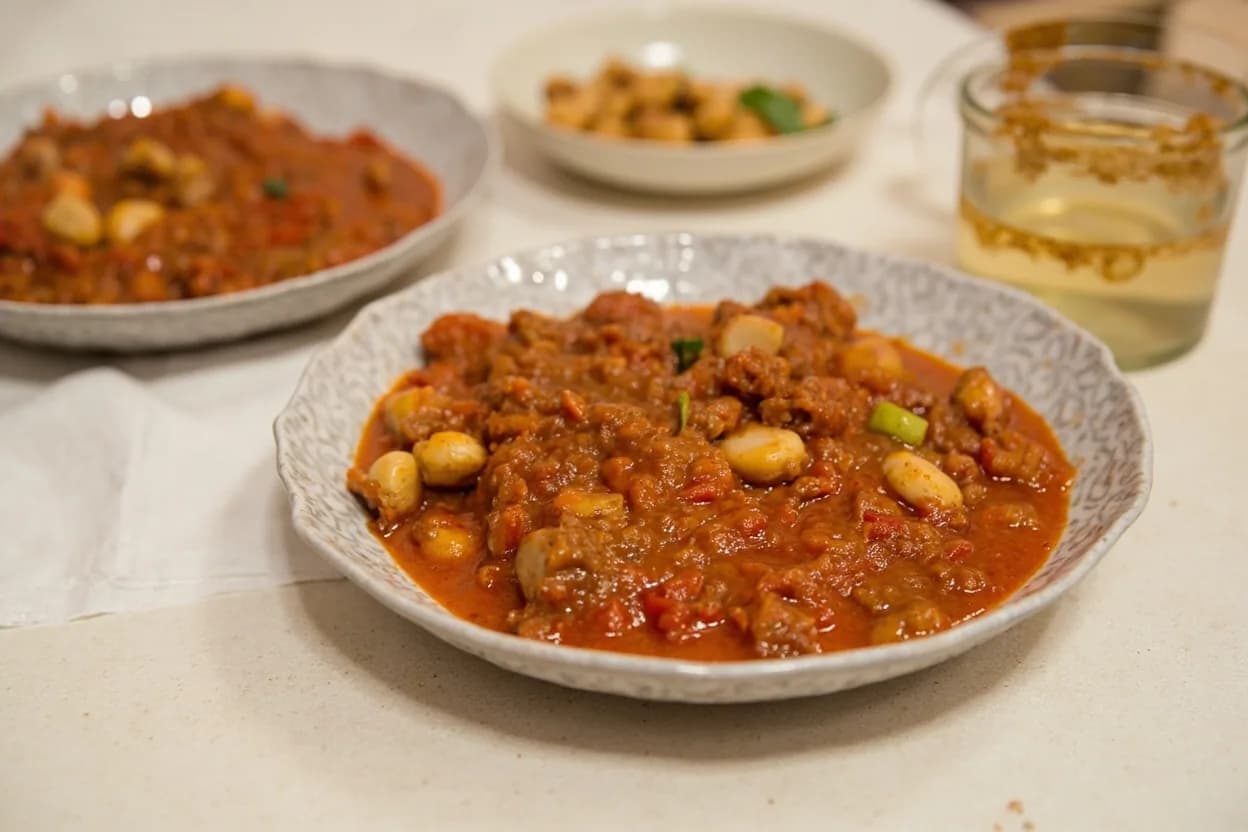
Appears in these dishes
Related
Black Beans
Earthy, creamy beans for bowls, soups, and tacos
Kidney Beans
Hearty red beans that hold their shape in chili and stews
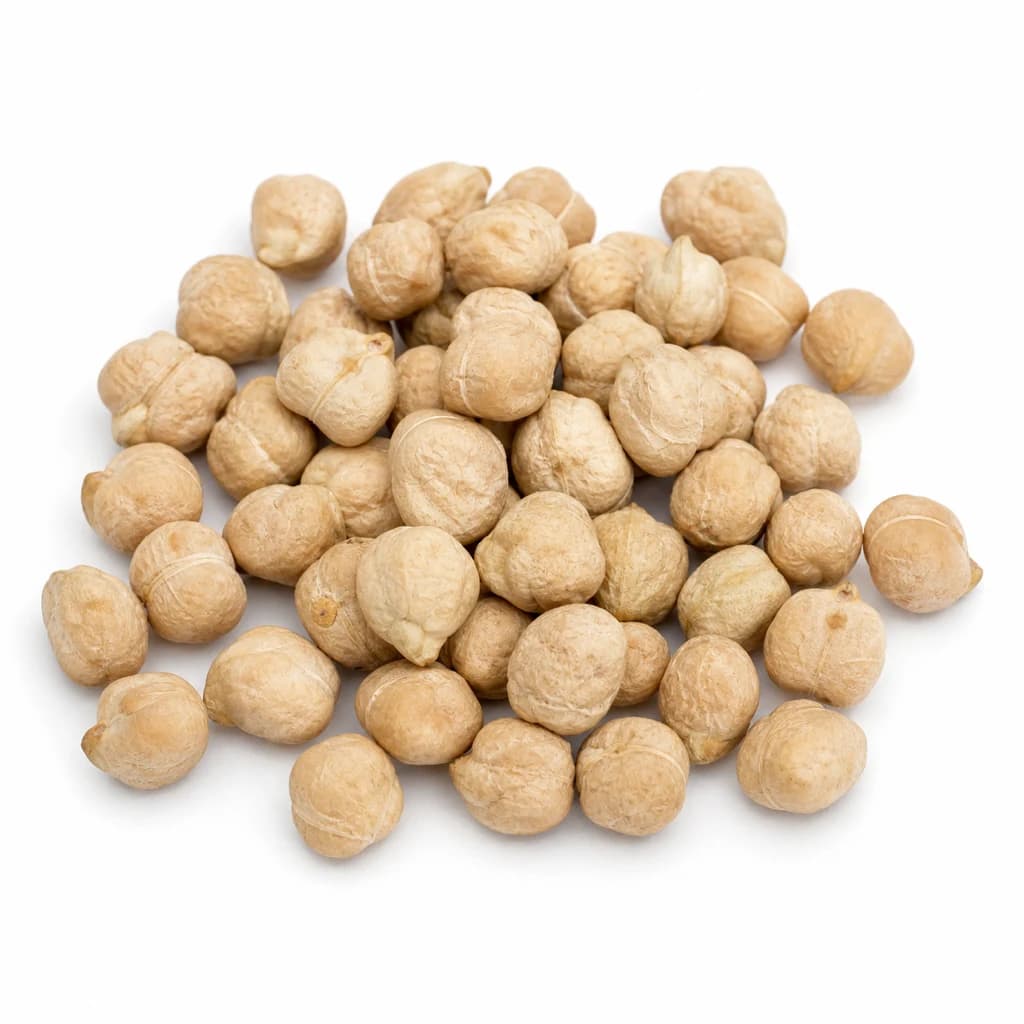
Chickpeas
Nutty, versatile beans for hummus, curries, and roasting
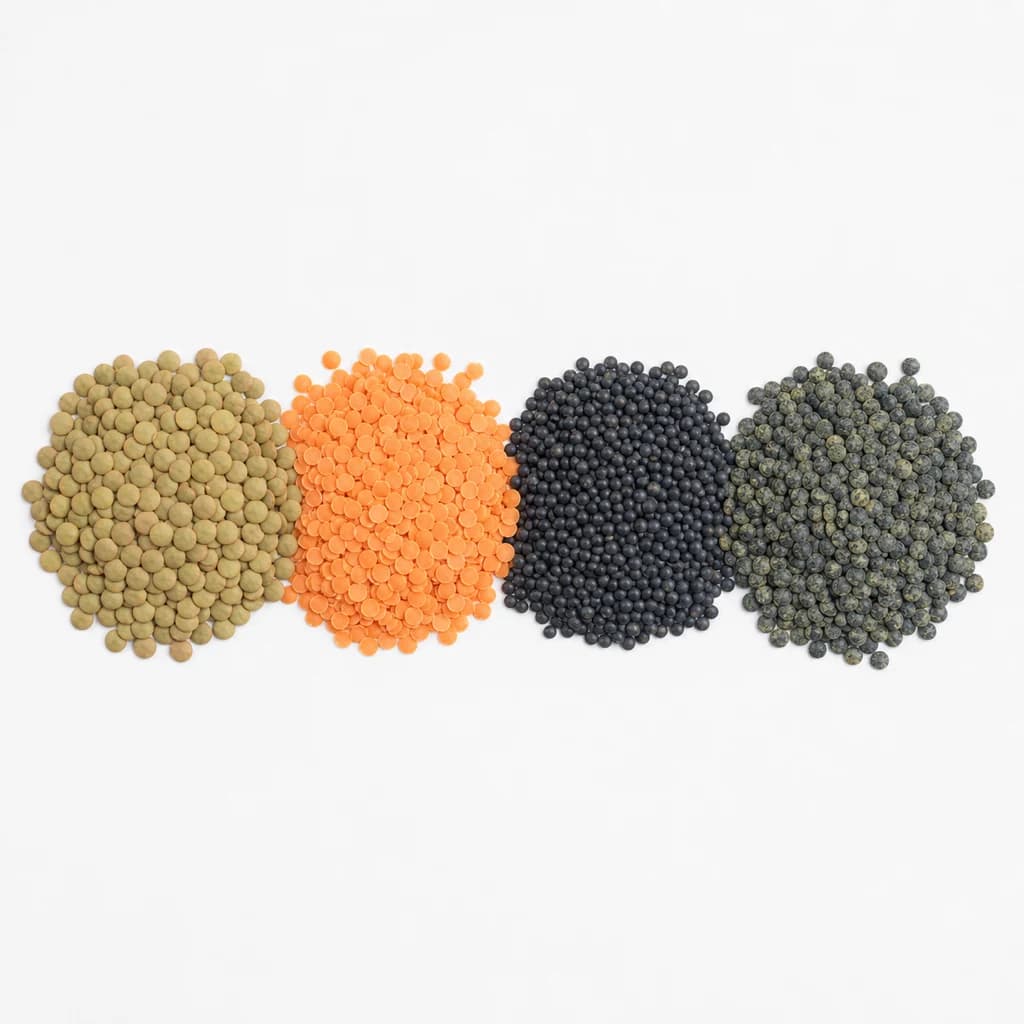
Lentils
Quick-cooking pulses for soups, dals, and hearty salads

White Beans
Creamy, mild beans for soups, stews, and silky purées
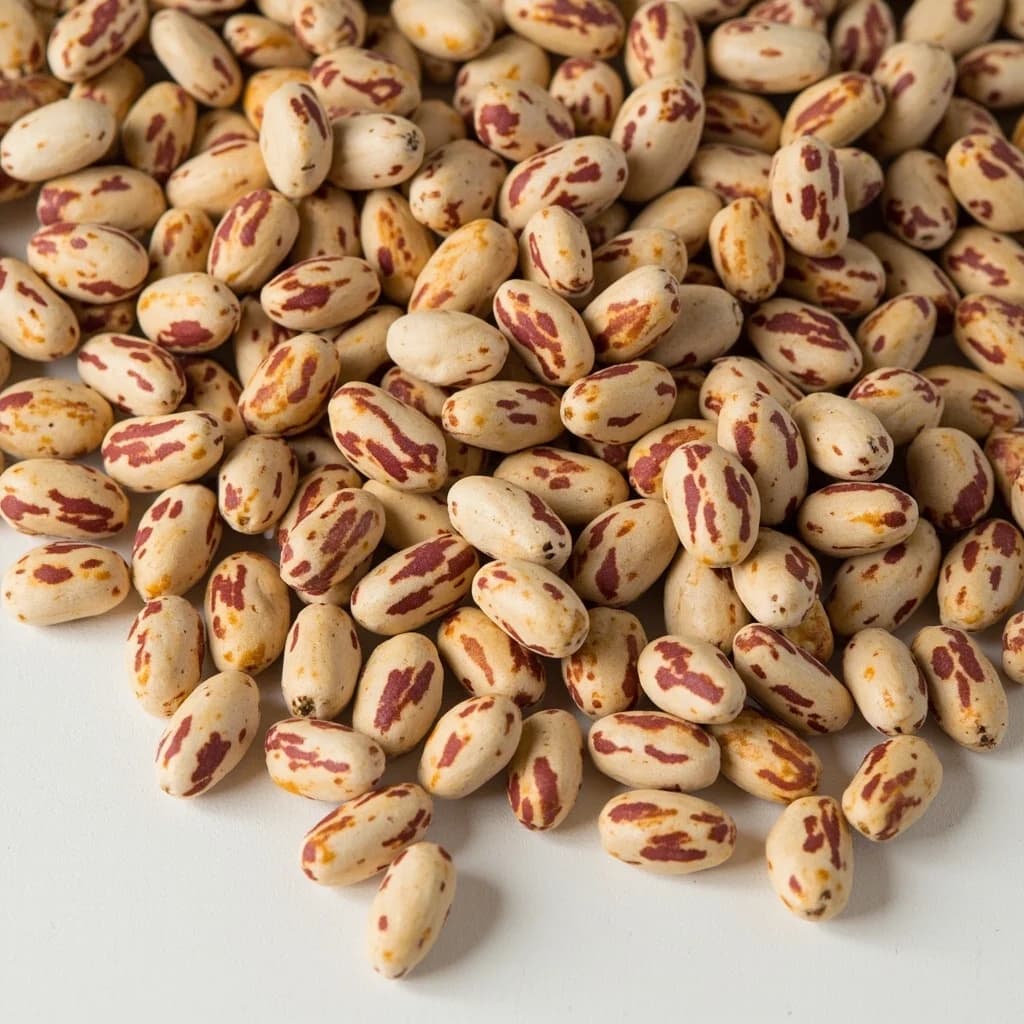
Pinto Beans
Creamy, speckled beans for refried beans and stews

Split Peas
Quick-cooking peas that melt into thick, comforting soups
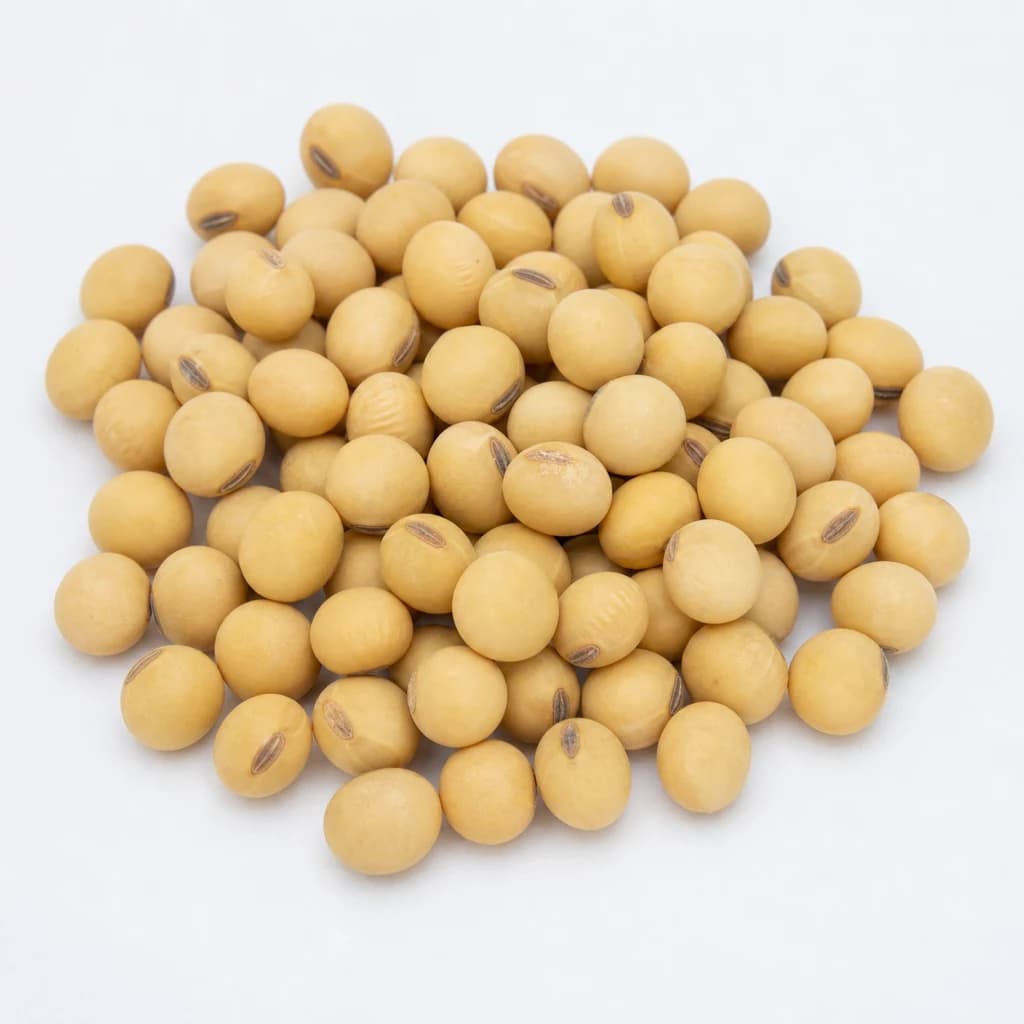
Soybeans
Protein-packed beans, the base for tofu and miso