Legumes & Beans
Soybean
High-protein yellow legume that's the base for tofu, soy milk, miso, and edamame.
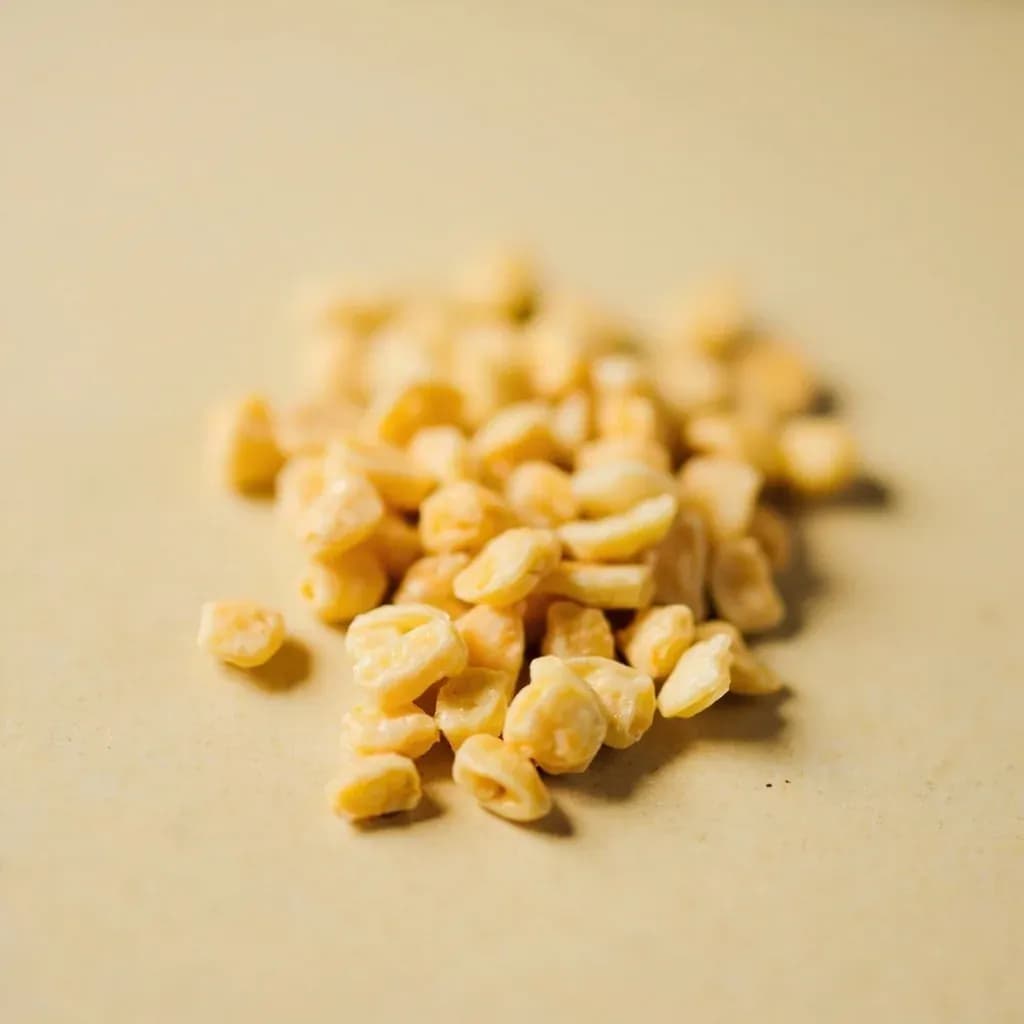
Soybeans are small, oval, protein-dense legumes that anchor much of East Asian cooking. Dried yellow soybeans are soaked and cooked or processed into tofu, soy milk, miso, tempeh, and soy sauce, while immature pods are eaten as edamame. They are unusually rich in complete protein and oil among beans.
Soybean (Glycine max) is a legume native to East Asia that has been cultivated for over 5,000 years, making it one of humanity's oldest domesticated crops. Unlike most beans, soybeans are rarely eaten as a simple starchy side dish. Instead, they serve as the foundation for an extraordinary range of foods: the fresh, grassy edamame pod; the mild, dense tofu block; the deeply savory fermented pastes of miso and douchi; the rich milk that fills coffee cups across the world; and the oil that fries countless dishes. This versatility stems from soybeans' exceptionally high protein content—36 to 56 percent by dry weight—which is among the highest of any plant food, combined with roughly 20 percent fat that yields the prized cooking oil. The bean's behavior in the kitchen depends heavily on preparation: dried soybeans require extended soaking and cooking to become tender and digestible, while fresh edamame needs only brief steaming.
What makes soybean truly unique among beans is its role as a culinary building block rather than a finished ingredient. When processed—ground into milk and coagulated into tofu, fermented into miso or tempeh, or pressed for oil—the soybean transforms into products that bear little resemblance to the original legume. This transformability is possible because of the bean's particular protein structure, which curdles predictably when exposed to calcium or magnesium salts, producing tofu, or becomes bound into a dense cake when fermented with Rhizopus mold, producing tempeh. Soybeans are a complete protein, containing all essential amino acids, and their high protein density makes them nutritionally significant; when combined with grains, the overall protein quality is further enhanced for human nutrition. Commercial production of soy milk, tofu, and fermented soy products is now global, but the techniques originate in East Asian traditions where these foods have long provided primary protein sources.
Raw soybeans contain antinutrients—primarily trypsin inhibitors and phytic acid—that interfere with digestion and mineral absorption. These compounds are significantly reduced through traditional processing: soaking and cooking for whole beans, grinding and boiling for soy milk, and fermentation for miso, tempeh, and natto. If you cook dried soybeans, always discard the soaking water and use fresh water for cooking. Undercooked soybeans retain active trypsin inhibitors and can cause genuine digestive distress; they should be tender throughout with no chalky core when properly done. Canned soybeans are already fully cooked and safe to eat straight from the can, though rinsing improves flavor and reduces sodium.
- Measured in
- g
- Storage
- Pantry
Allergens
Types & varieties
Most common commercial variety; the primary source for tofu, soy milk, flour, oil, and texturized vegetable protein. Creamy white when cooked and split.
Smaller and rounder than yellow, with a sweeter, slightly earthier flavor. Used in Korean and Chinese cuisine for fermented pastes and jang; skin remains intact after cooking.
Harvested immature while still green in the pod; typically steamed or boiled and salted. Sold in pods or shelled. Mild, sweet, grassy flavor.
Less common; used in traditional Korean cuisine. Hulls do not slip off as easily as yellow varieties after cooking.
Understanding Soybean's Antinutrients
The primary antinutrients in raw soybeans—trypsin inhibitors and phytic acid—deserve attention from any cook working with dried beans. Trypsin inhibitors block the digestive enzyme trypsin, reducing protein digestion and potentially causing gastric distress. Phytic acid binds minerals like iron, zinc, and calcium, making them less bioavailable. These compounds are not dangerous in moderate consumption, but regular intake of poorly prepared soybeans can contribute to mineral deficiencies over time.
The solution is straightforward: soak dried soybeans in cold water for 8 to 12 hours, discard that water, then cook the beans in fresh water until fully tender. This two-step process removes roughly half of the phytic acid and inactivates most trypsin inhibitors through heat. Fermentation takes this further—by the time miso, tempeh, or natto is ready to eat, fermentation has broken down antinutrients almost entirely. Commercial soy milk and tofu production includes cooking steps that accomplish the same goal, which is why these products are safe to consume without additional preparation.
- Soak dried soybeans 8–12 hours, discard water, cook in fresh water
- Pressure cooking reduces antinutrients more effectively due to higher temperatures
- Fermented soy products (miso, tempeh) have the lowest antinutrient content
- Undercooked soybeans cause digestive distress; always test for tenderness throughout
Choosing Between Fresh, Frozen, and Dried
The form you choose determines how you'll work with soybeans. Fresh edamame in the pod is a seasonal specialty found at Asian markets during harvest; it has the brightest, sweetest flavor and the tenderest texture. Frozen edamame, available year-round in most supermarkets, is actually preferable for most purposes—it is flash-blanched before freezing, which preserves color and texture, and requires only 3–5 minutes of steaming or boiling before serving. Canned soybeans are fully cooked and convenient for salads, dips, and quick soups, though they have a softer texture and milder flavor than home-cooked dried beans.
Dried soybeans demand the most effort but offer the best texture for many applications and the lowest cost per serving. They also require planning—a minimum of 8 hours soaking plus 45–90 minutes cooking. Older dried beans take noticeably longer to cook and may never fully soften; if your cooked soybeans remain chalky or firm at the center despite extended cooking, the beans were likely too old. Store dried soybeans in airtight containers in a cool, dark place; they keep 1–2 years but degrade over time.
- Frozen edamame: steam 3–5 minutes, season, serve as snack or salad addition
- Canned soybeans: rinse before using to reduce sodium and improve flavor
- Dried soybeans: plan ahead with overnight soak; best texture for salads and soups
- Older beans take longer to cook and may never soften fully
Common uses
Tips & pitfalls
- Always soak dried soybeans 8–12 hours in cold water before cooking; they expand to roughly 2.5 times their dried volume
- Discard soaking water and cook soybeans in fresh water; this reduces antinutrient content significantly
- Cook dried soybeans thoroughly—45–90 minutes—until tender throughout; undercooked soybeans cause digestive distress and retain active trypsin inhibitors
- Add baking soda (1/4 teaspoon per pound) to cooking water only if beans are very old; it softens hard water but can darken color and affect flavor for some uses
- Canned soybeans are already cooked and safe to eat straight from the can; rinse to reduce sodium and improve flavor
- For better texture in cooked whole soybeans, use a pressure cooker (30–40 minutes from soaked beans, or 45–60 minutes from dry) which reduces cooking time and improves digestibility
- Freeze fresh edamame in pods, then thaw briefly before steaming—this helps preserve bright color and texture
- Do not confuse immature green soybeans (edamame) with mature green soybeans; only edamame is eaten as a quick-cooking snack; mature green soybeans require longer cooking and have a different, less pleasant flavor
- Store dried soybeans in airtight containers in a cool, dark place; older beans take longer to cook and may never soften fully
Nutrition
Energy
615 kJ · per 100 g
Where the calories come from
Protein
13g
26% DV
Carbs
11.1g
4% DV
Fat
6.8g
9% DV
Fiber
4.2g
15% DV
Sodium
15mg
1% DV
Source · USDA FoodData Central · Soybeans, green, raw
View on FDC →In the shops
Matched grocery products
No matched grocery products for Soybean yet.
Good to know
- Scientific name
- Glycine max
- Origin
- East Asia (China, Japan, Korea); cultivated for over 5,000 years
- Protein content
- 36–56% protein by dry weight, one of the highest among plant foods
- Cooking time (dried)
- 45–90 minutes after soaking 8–12 hours; 30–40 minutes in pressure cooker from soaked
- Key antinutrients
- Trypsin inhibitors, phytic acid, saponins — reduced by soaking, cooking, and fermentation
- Fat content
- About 20%; primary source of soybean cooking oil
- Yield
- 1 cup dried soybeans yields 2.5–3 cups cooked
- Notable compounds
- Isoflavones (phytoestrogens), omega-3 fatty acids (alpha-linolenic acid)
Substitutes
- Other white beans (cannellini, navy) — For whole cooked soybeans in salads and soups; different flavor and slightly lower protein content; texture similar when cooked.
- Lentils — For soups and stews; cook faster and have different texture; not a direct substitute for processed soybean products.
- Chickpeas — For hummus and spreads; distinctly nutty flavor; similar protein content but different texture and taste.
- Tempeh — For tofu in savory applications; fermented soy product with different texture and flavor; not interchangeable in all recipes.
Pairs with
Also called
Yellow Soybean · Soya Bean
Appears in these dishes
Related
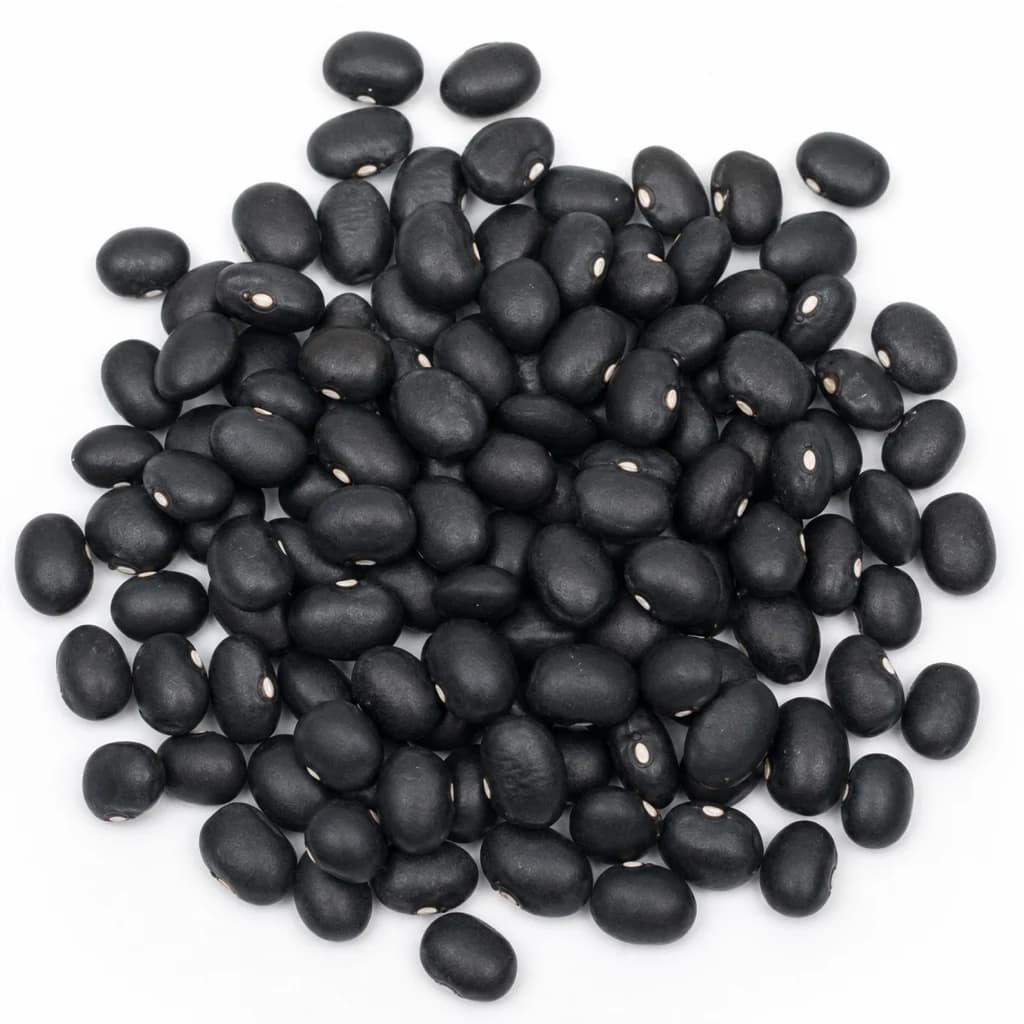
Black Beans
Earthy, creamy beans for bowls, soups, and tacos
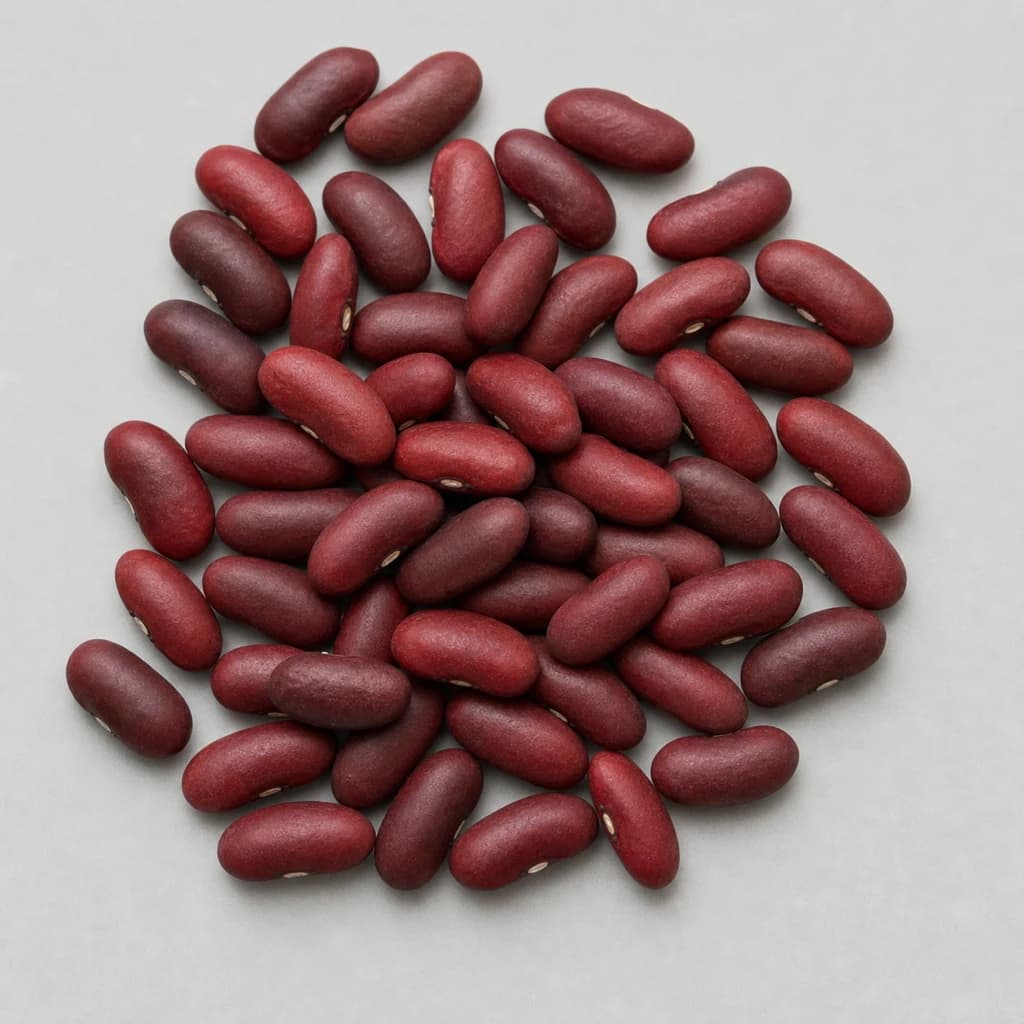
Kidney Beans
Hearty red beans that hold their shape in chili and stews
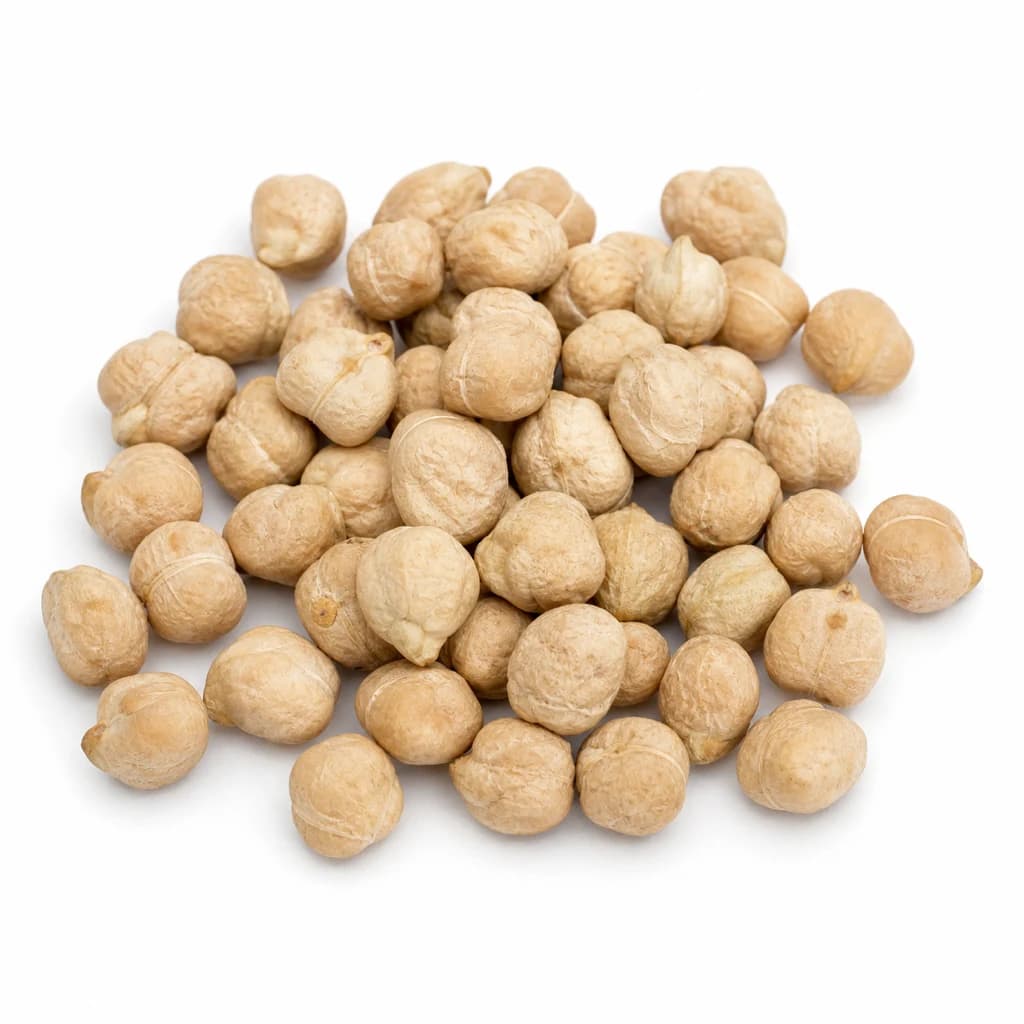
Chickpeas
Nutty, versatile beans for hummus, curries, and roasting
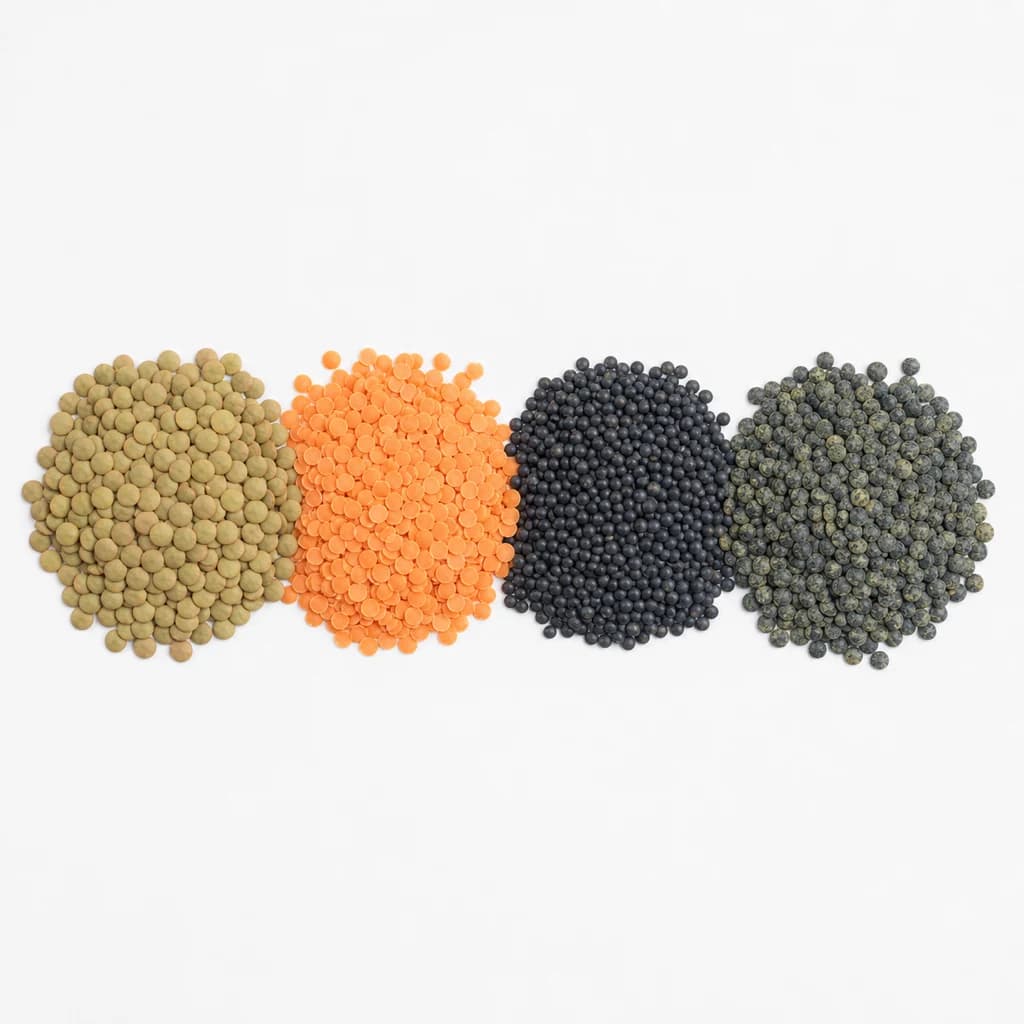
Lentils
Quick-cooking pulses for soups, dals, and hearty salads

White Beans
Creamy, mild beans for soups, stews, and silky purées
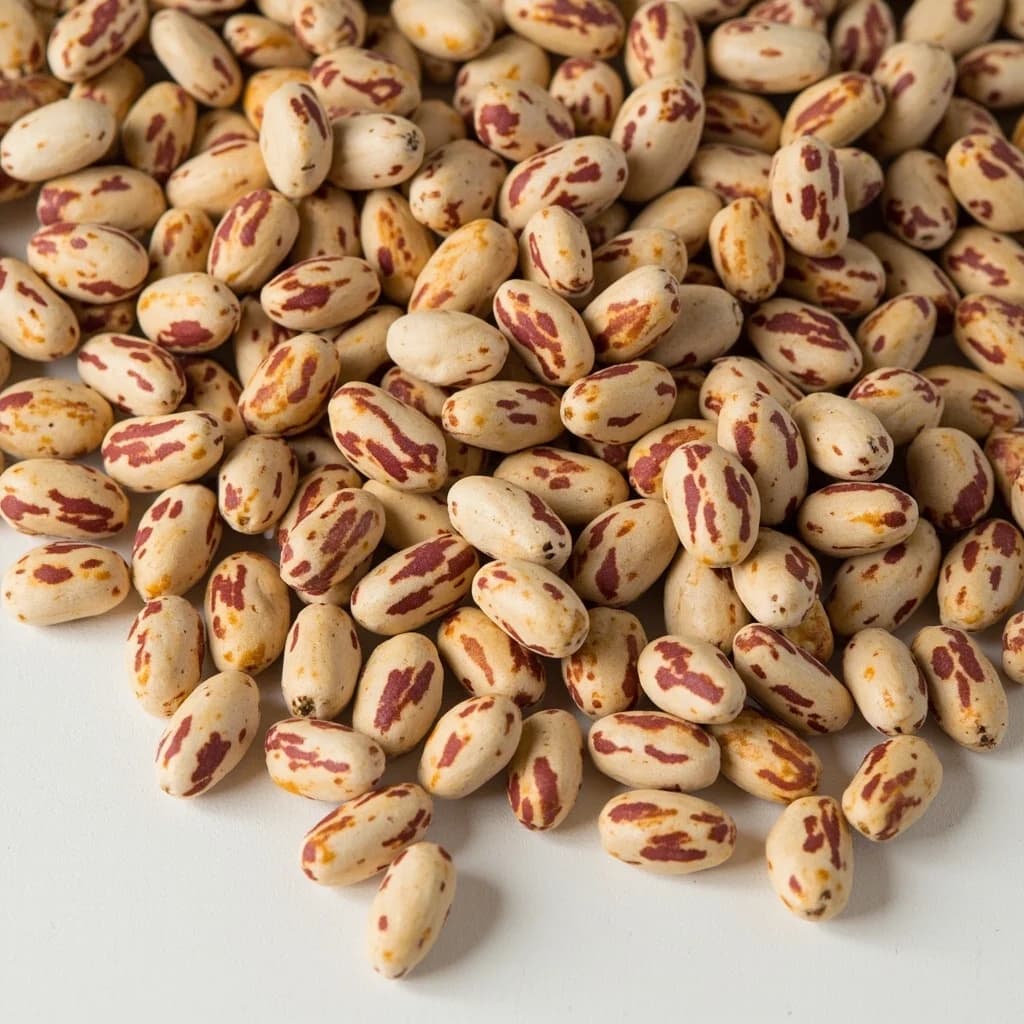
Pinto Beans
Creamy, speckled beans for refried beans and stews

Split Peas
Quick-cooking peas that melt into thick, comforting soups
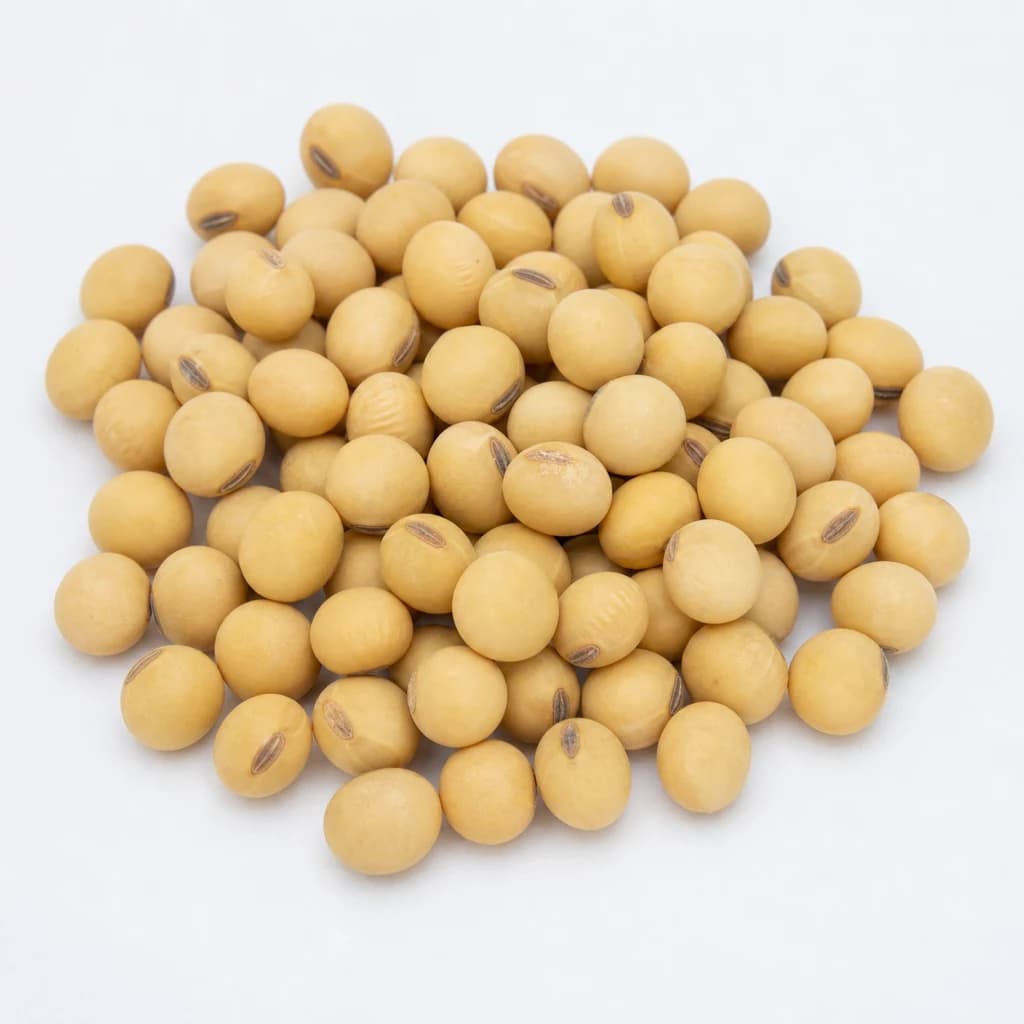
Soybeans
Protein-packed beans, the base for tofu and miso