Legumes & Beans
Pigeon Pea
Nutty tropical pea used fresh, dried, or split as toor dal.
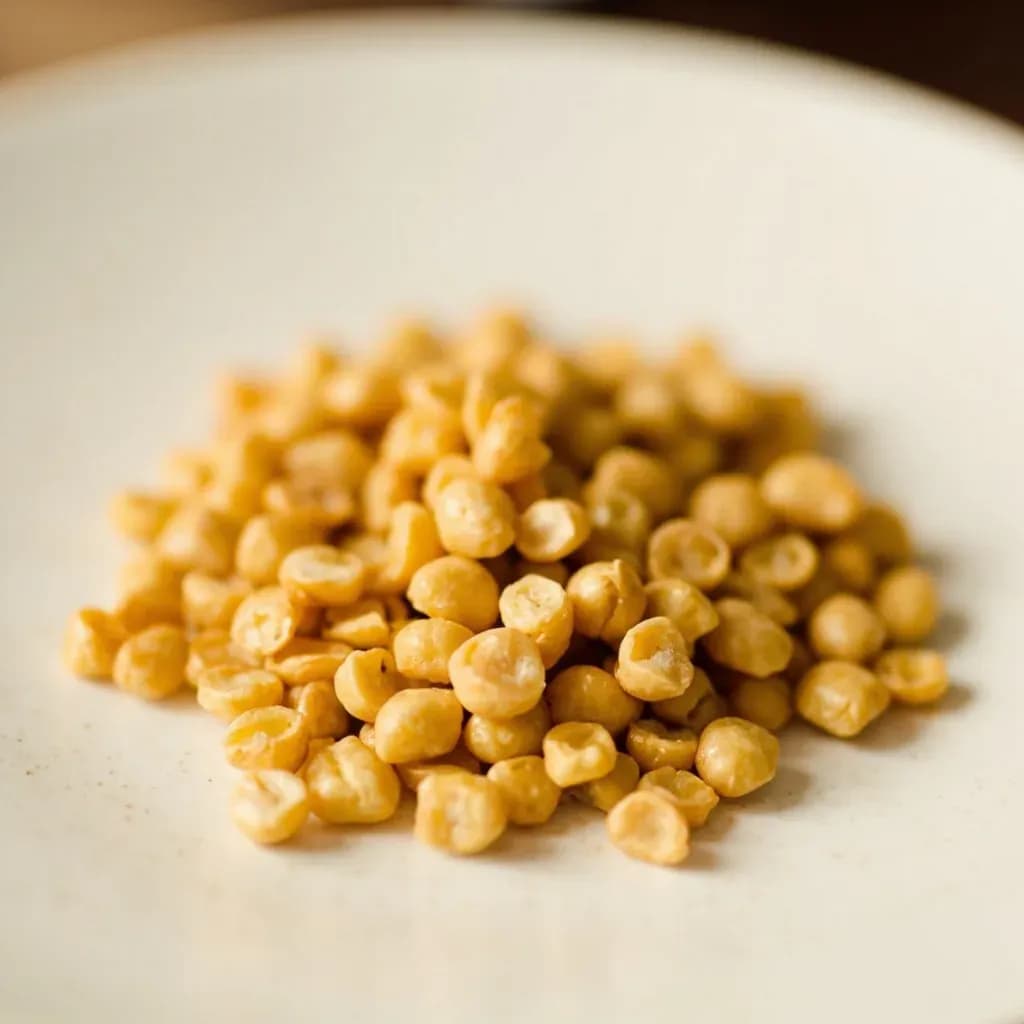
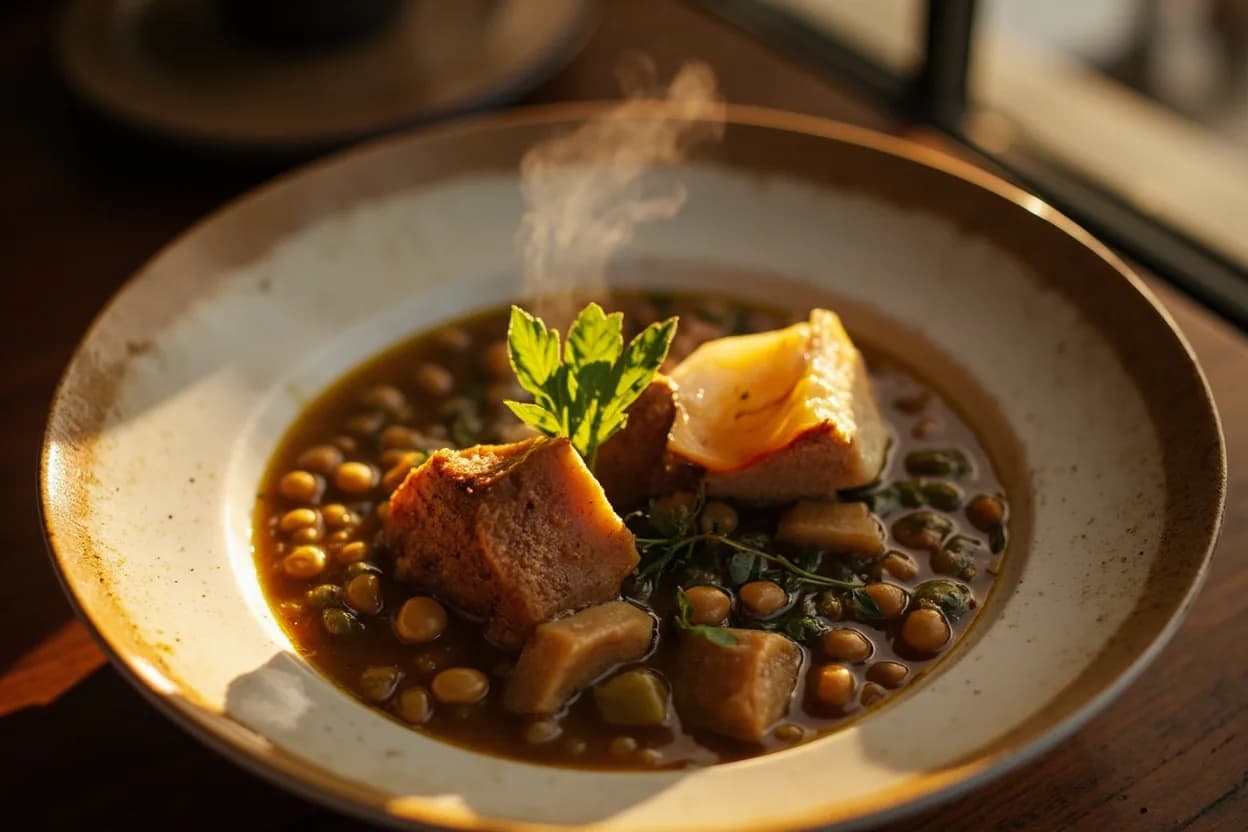
Pigeon peas are small, drought-hardy legumes used across the Caribbean, Africa, and South Asia. Fresh green peas go into rice-and-peas and stews, while the dried split form, toor dal, is the backbone of Indian dals and sambar. They have a mild, nutty, slightly sweet flavor.
Pigeon pea (Cajanus cajan) is a tropical legume native to the Indian subcontinent where it has been cultivated for over 3,000 years, and it remains a dietary cornerstone across the tropical belt—from the Caribbean to East Africa to South America. The dried, split legume—known as toor dal, tur dal, or arhar dal in India—is among the most consumed legumes in the world. In India alone, toor dal outsells every other dal; it provides critical plant protein for vegetarian and vegan populations and appears on the table multiple times daily in most households.
The plant is a perennial shrub reaching 1–4 meters, notable for its ability to fix atmospheric nitrogen into the soil, making it valuable in crop rotation and sustainable farming. The seeds measure 5–8 mm whole and 4–6 mm when split, ranging from cream-yellow to reddish-brown depending on variety. Fresh green pigeon peas, harvested immature, have a sweeter, more vegetal character and require only 10–15 minutes of cooking; they are highly perishable (2–3 days refrigerated) and treated as a seasonal delicacy. Dried toor dal needs 45–60 minutes unsoaked or 30–40 minutes soaked, and develops a creamy, slightly granular texture that retains structure in soups and stews.
The legume traveled from India via colonial trade routes to East Africa, the Caribbean, and Latin America, where it was adopted into local cuisines under names like gungo pea, congo pea, and kadios. Despite these different names and preparations, the underlying ingredient behaves the same way: it holds its shape when cooked properly, absorbs seasonings readily, and provides body to liquid without becoming gluey. This reliability is why it anchors so many regional comfort foods across four continents.
- Measured in
- g
- Storage
- Pantry
Types & varieties
Split, hulled, yellow; the standard for Indian cooking and the most consumed variety worldwide
Caribbean designation; slightly smaller than toor dal, used in rice and peas dishes and soups
Philippine variety; often cooked in coconut milk in dishes like kadios with pigeon peas
A cultivar with a spotless hilum; common in the Caribbean and parts of Africa
Reddish-skinned variety with a slightly nuttier flavor; popular in Maharashtra and Gujarat
Shorter plants, earlier harvest; developed for mechanized farming in commercial production
Harvested immature and fresh; sold in pods or shelled; perishable, sweeter and more vegetal than dried
Fresh vs. Dried Pigeon Peas
The processing method fundamentally changes how the ingredient behaves and what it tastes like. Fresh green pigeon peas have a bright, almost sweet corn-like quality and cook in 10–15 minutes; they are best used within 2–3 days of purchase and never require soaking. Dried toor dal, by contrast, needs hydration and heat to become edible—the cooking process dissolves some of the starches and softens the cell walls, creating the characteristic creamy-but-granular texture. Once dried, the peas can be stored for 12–24 months and become more versatile, absorbing spices and acids throughout long simmers. Do not substitute one for the other in recipes expecting a specific texture: fresh peas will disintegrate in a 45-minute dal; dried dal will remain raw if given only 15 minutes.
- Fresh: 10–15 min cook time, sweet and vegetal, perishable in 2–3 days
- Dried: 30–60 min cook time depending on soaking, nutty and earthy, stores 12–24 months
- Do not substitute fresh for dried in long-cooking recipes or vice versa
Achieving the Right Texture
The single most common complaint with toor dal is either mushiness or undercooking. The line between the two is narrower than many cooks realize. Properly cooked toor dal should retain visible granularity—you should be able to see individual splits even after mashing a portion for body. The skins should be tender but not dissolved. This texture is not accidental; it is the goal, especially in dishes like sambar where the dal provides substance without disappearing into the liquid. Achieving it requires controlling heat, liquid, and timing: a gentle simmer, water covering by 2–3 cm, and salt added only at the end.
- Gentle simmer, not vigorous boil—the skins will burst and make the dal gluey
- Salt only after dal has softened completely
- For smoother dal, mash a portion against the pot wall with a ladle or use an immersion blender
- For firmer dal, drain cooking water after dal softens and add back to the pot
Common uses
Tips & pitfalls
- Rinse thoroughly in cold water until the water runs clear to remove dust and debris before cooking.
- Soak split toor dal for 30 minutes minimum to reduce cooking time by roughly 15–20 minutes and improve texture.
- Cook with a pinch of turmeric and just enough water to cover by 2–3 cm; a vigorous boil tears the skins and creates mushy dal.
- Add salt only after the dal has softened completely—adding it earlier toughens the skins and dramatically increases cooking time.
- For a smoother dal, mash a portion against the pot wall with a ladle, or use an immersion blender for 10–15 seconds.
- In Indian cooking, the finishing tadka (tempering) is not optional—it is the flavor foundation: heat ghee or oil, add cumin seeds until they sputter and pop, then add aromatics and pour over the cooked dal.
- For firmer dal in sambar, add tamarind and tomato early; for a creamier consistency, simmer uncovered to reduce the liquid.
- Fresh green pigeon peas require only 10–15 minutes of cooking and should never be soaked—overcooking makes them taste flat and starchy.
- Common mistake: overcooking until mushy. Dal should retain some granularity, especially for dishes like sambar where texture is structural.
Nutrition
Energy
1435 kJ · per 100 g
Where the calories come from
Protein
21.7g
43% DV
Carbs
62.8g
23% DV
Fat
1.5g
2% DV
Fiber
15g
54% DV
Sodium
17mg
1% DV
Source · USDA FoodData Central · Pigeon peas (red gram), mature seeds, raw
View on FDC →In the shops
Matched grocery products
No matched grocery products for Pigeon Pea yet.
Good to know
- Scientific Name
- Cajanus cajan
- Origin
- Indian subcontinent; cultivated for over 3,000 years
- Major Producers
- India, Myanmar, Kenya, Tanzania, Uganda, Caribbean, Brazil
- Protein Content
- 21–22% by dry weight
- Seed Diameter
- 5–8 mm (whole); 4–6 mm (split)
- Dried Color
- Cream-yellow (split) or reddish-brown (whole)
- Cooking Time, Dried (unsoaked)
- 45–60 minutes
- Cooking Time, Dried (soaked)
- 30–40 minutes
- Cooking Time, Fresh Green
- 10–15 minutes
- Shelf Life (dried)
- 12–24 months in cool, dry, airtight container
- Key Nutrients
- Iron, potassium, fiber, B vitamins
- Fresh Season
- Late summer to early autumn in tropical climates
Substitutes
- Yellow Split Peas — Most direct substitute; similar texture and cooking time but slightly milder in flavor; use 1:1 ratio
- Red Lentils (Masoor Dal) — Cook faster and break down more easily; better for smooth dal preparations; reduce liquid by about 20%
- Yellow Mung Beans — Sweeter and more delicate in flavor; good for lighter dal dishes; requires slightly longer cooking time
- Chana Dal (Split Bengal Gram) — Nutty flavor, holds its shape better through cooking; cook time is longer; use where a firmer texture is acceptable
- Urad Dal (Black Gram, split) — Becomes more sticky/gummy when cooked; not ideal but works in South Indian preparations
Pairs with
Also called
Gungo Pea · Gungo Peas · Guandú · Toor Dal · Arhar Dal · Split Pigeon Pea · Fresh Green Pigeon Peas · Pigeon Peas
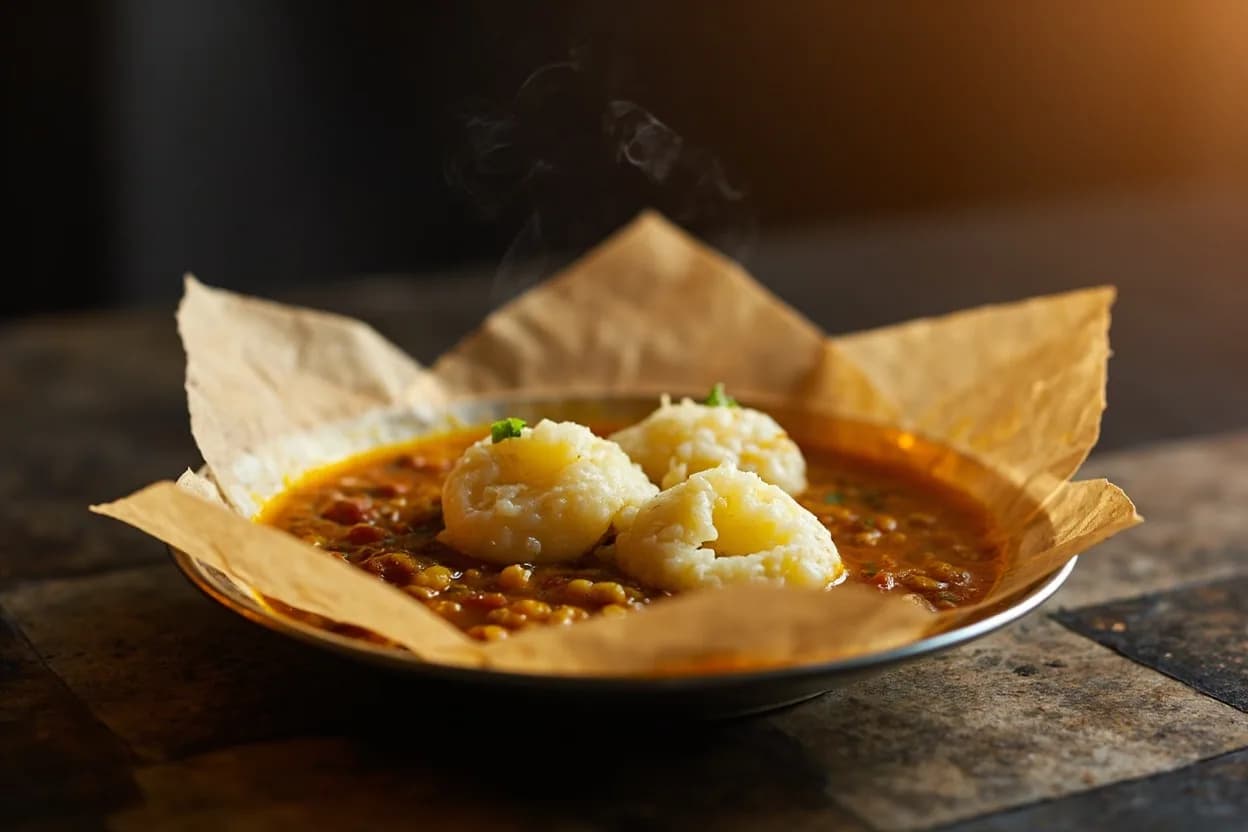
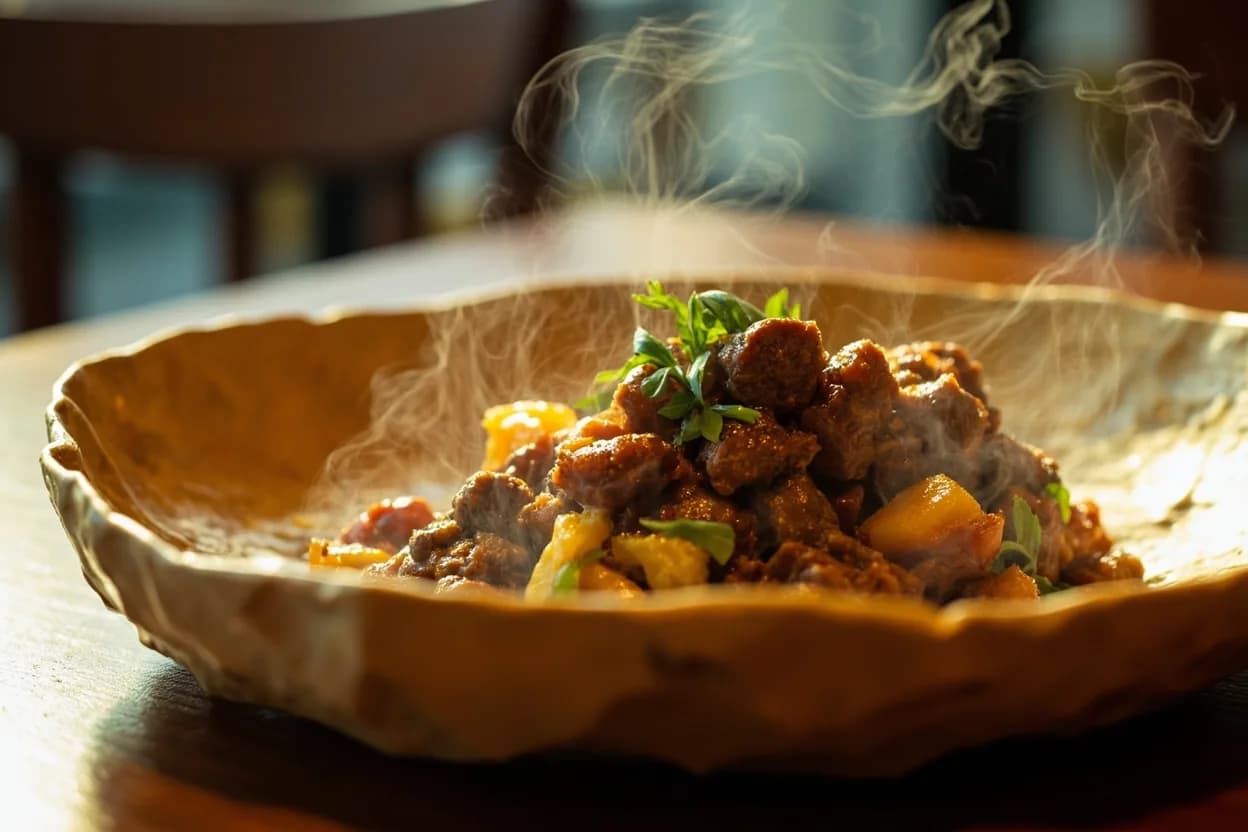
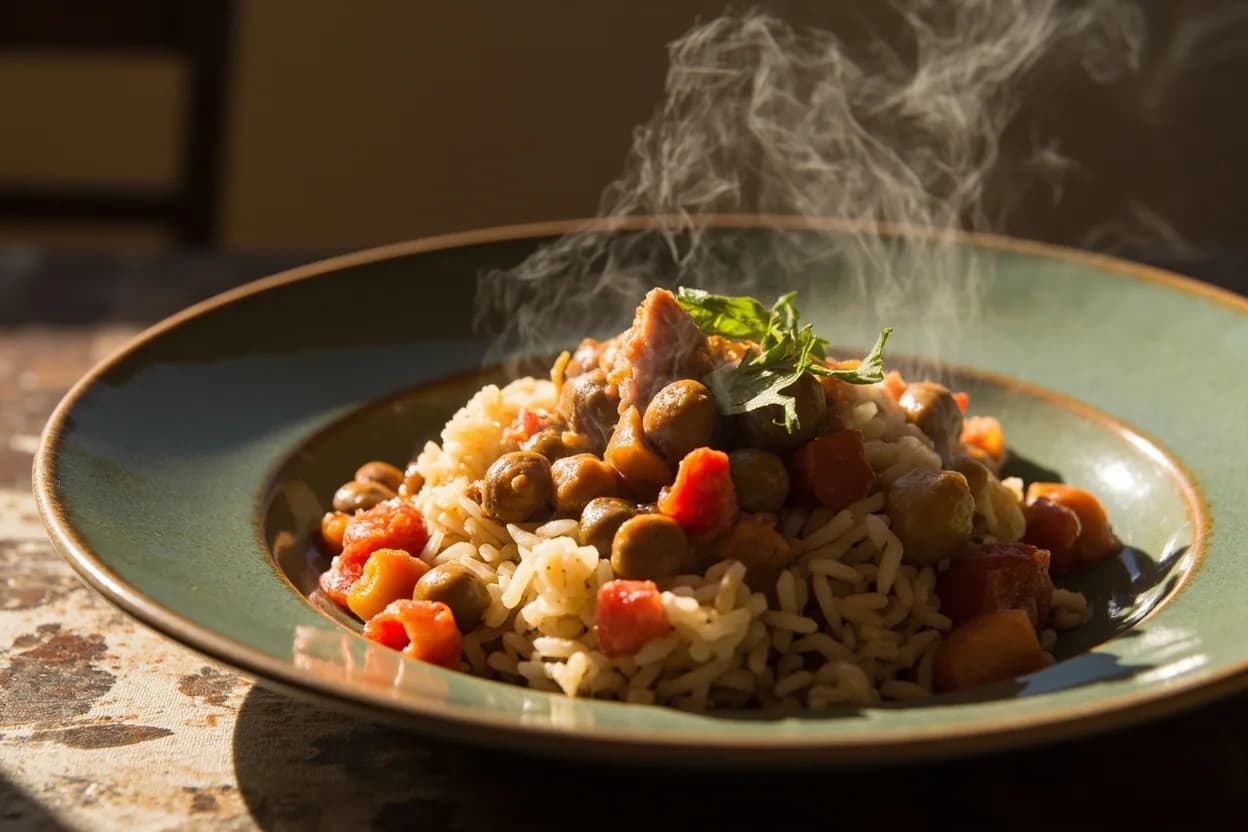
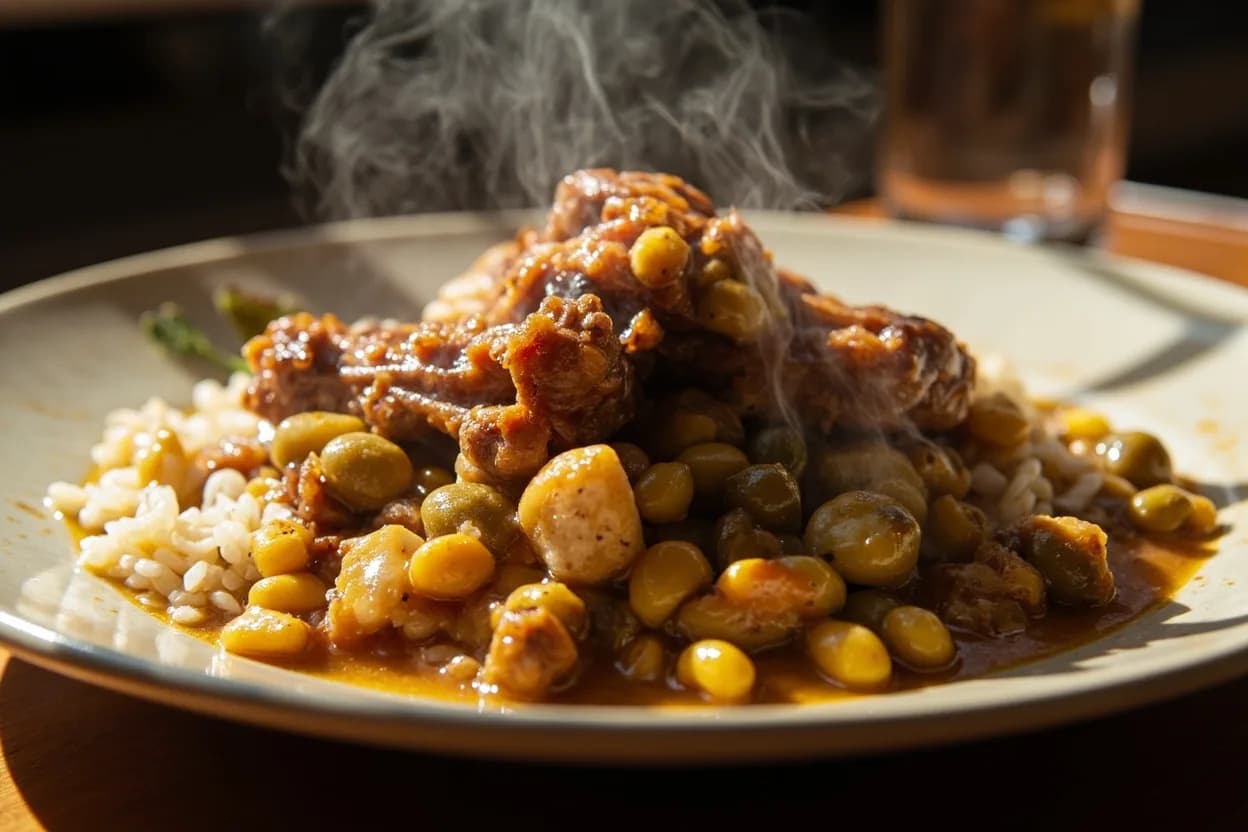
Appears in these dishes
Related
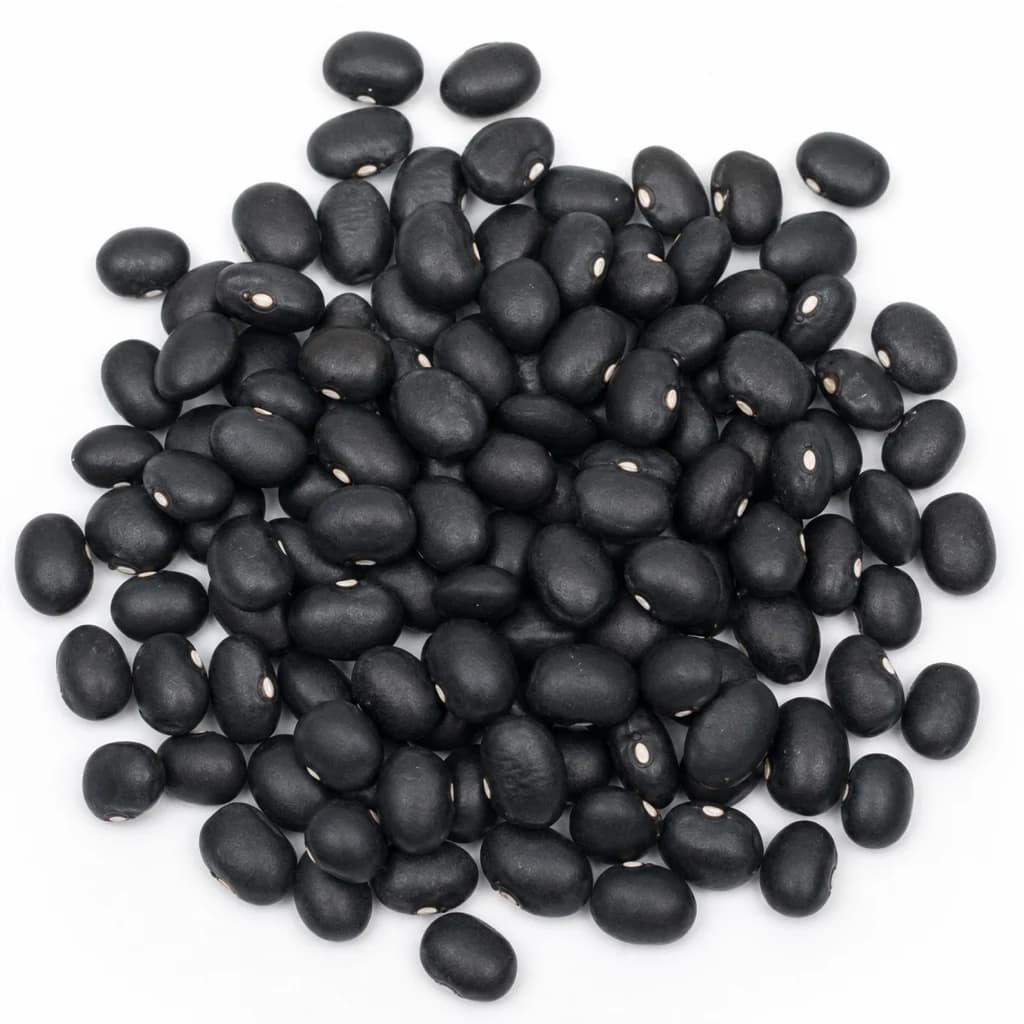
Black Beans
Earthy, creamy beans for bowls, soups, and tacos
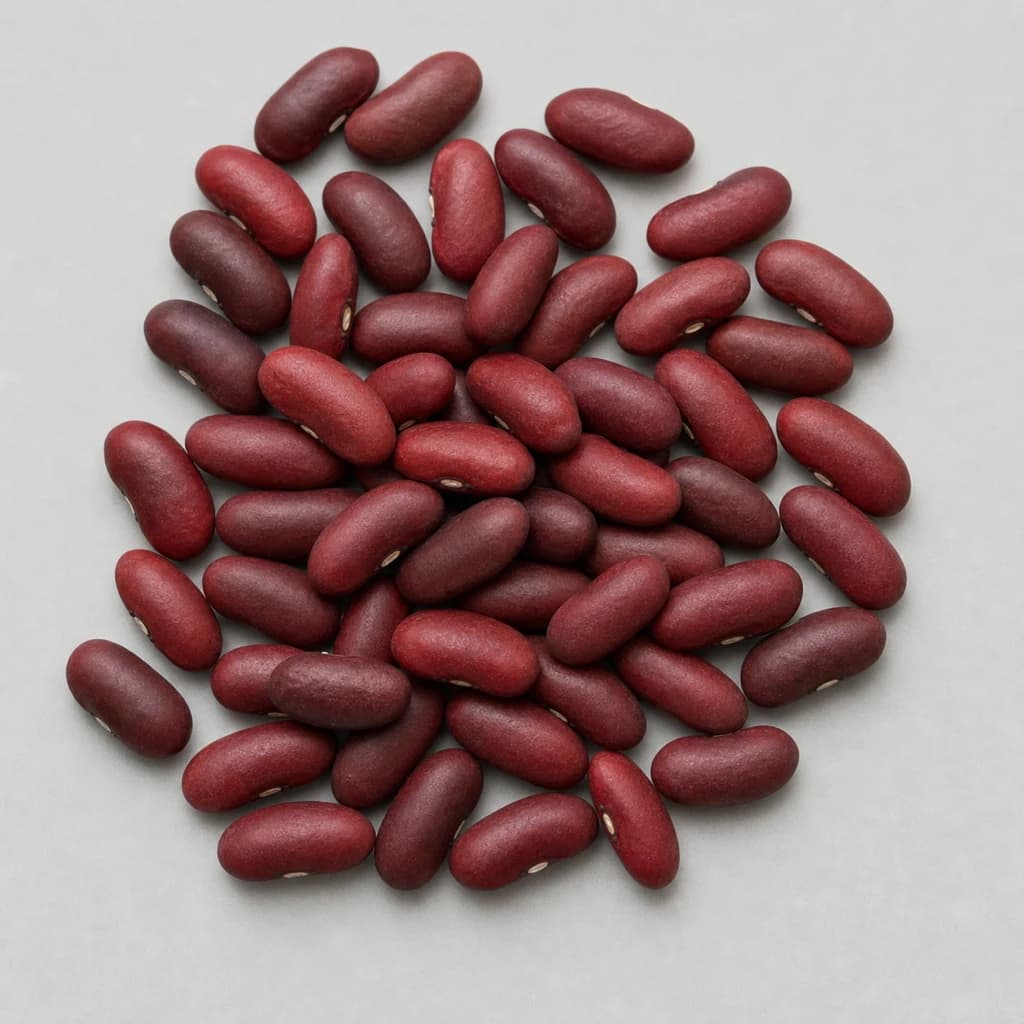
Kidney Beans
Hearty red beans that hold their shape in chili and stews
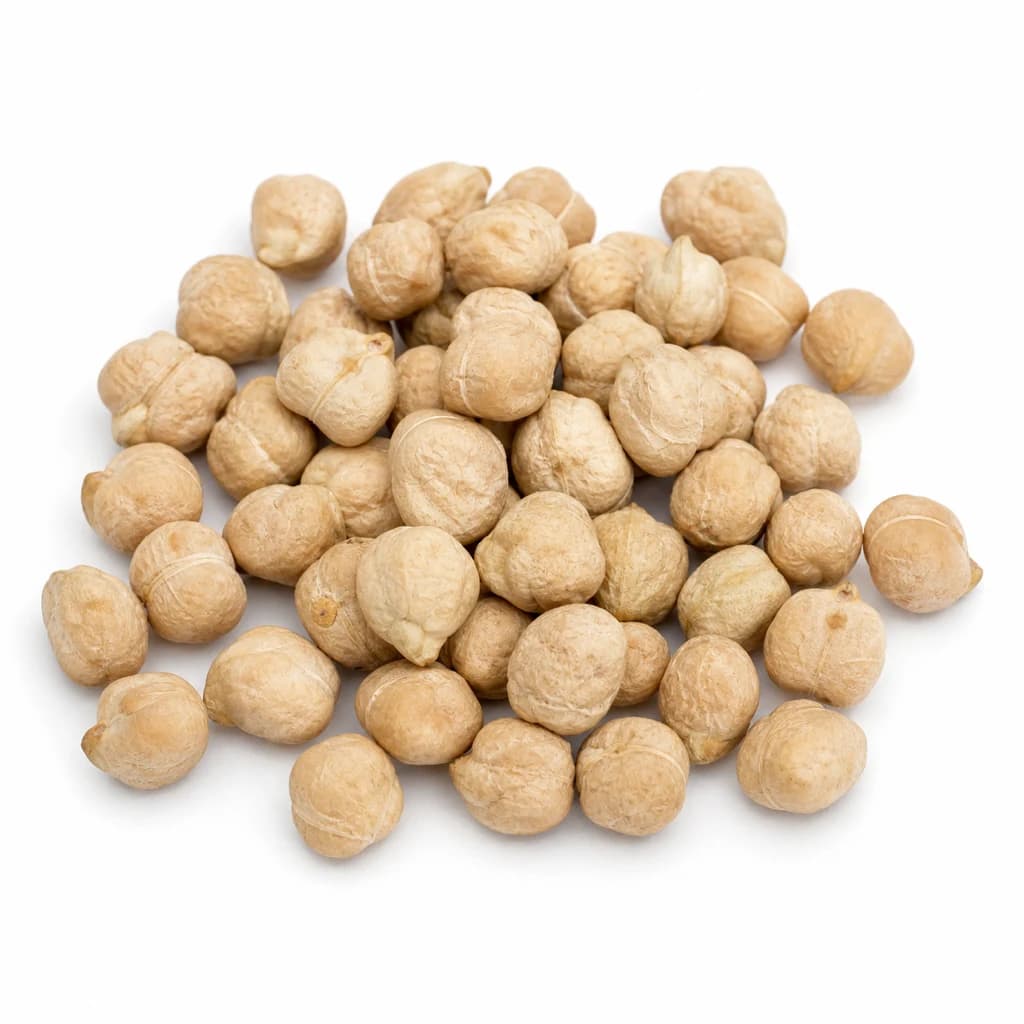
Chickpeas
Nutty, versatile beans for hummus, curries, and roasting
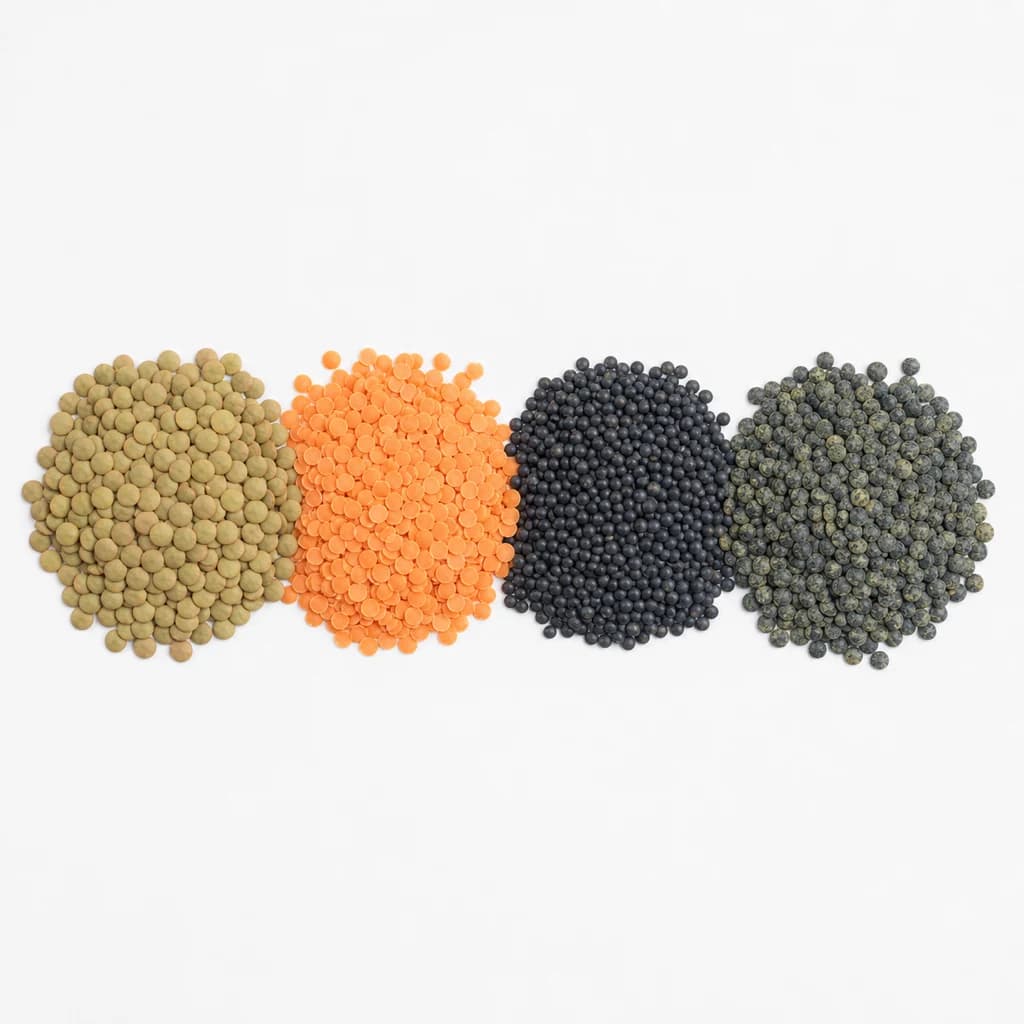
Lentils
Quick-cooking pulses for soups, dals, and hearty salads

White Beans
Creamy, mild beans for soups, stews, and silky purées
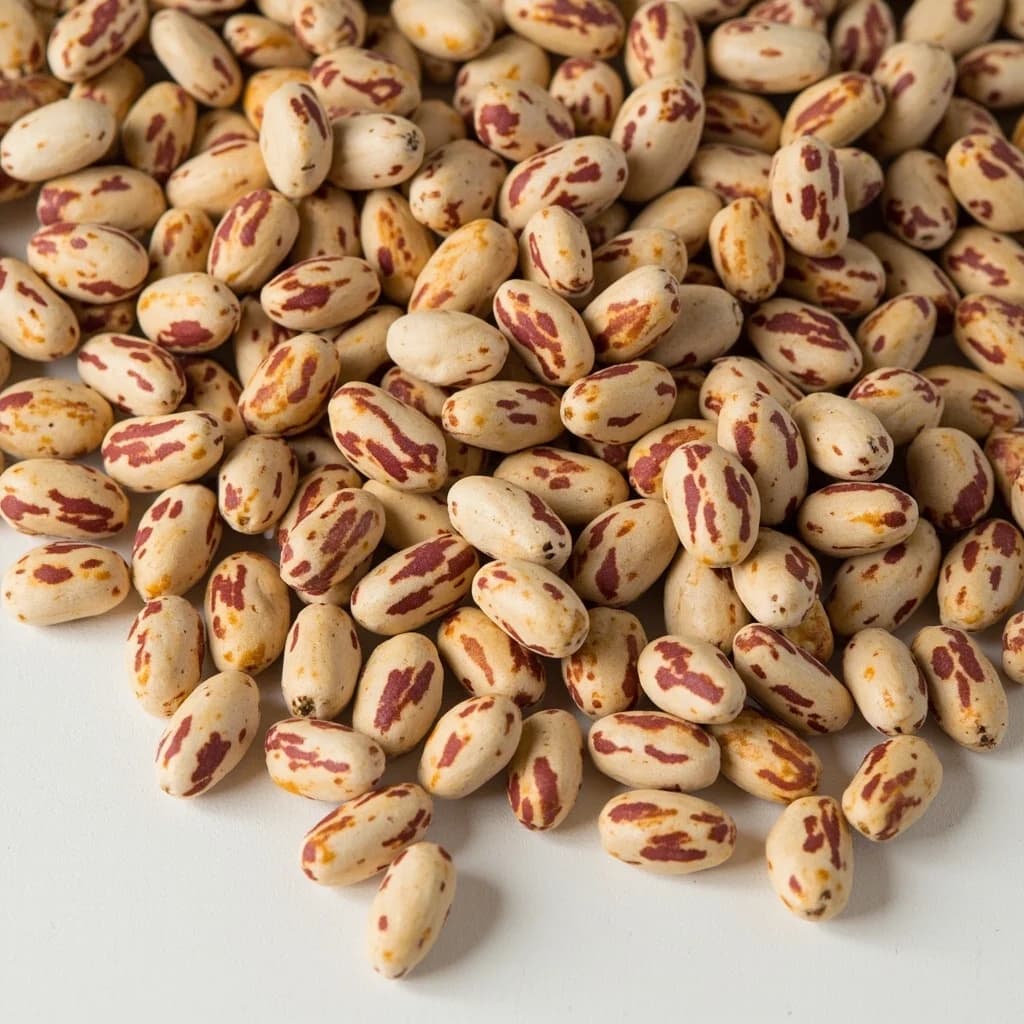
Pinto Beans
Creamy, speckled beans for refried beans and stews

Split Peas
Quick-cooking peas that melt into thick, comforting soups
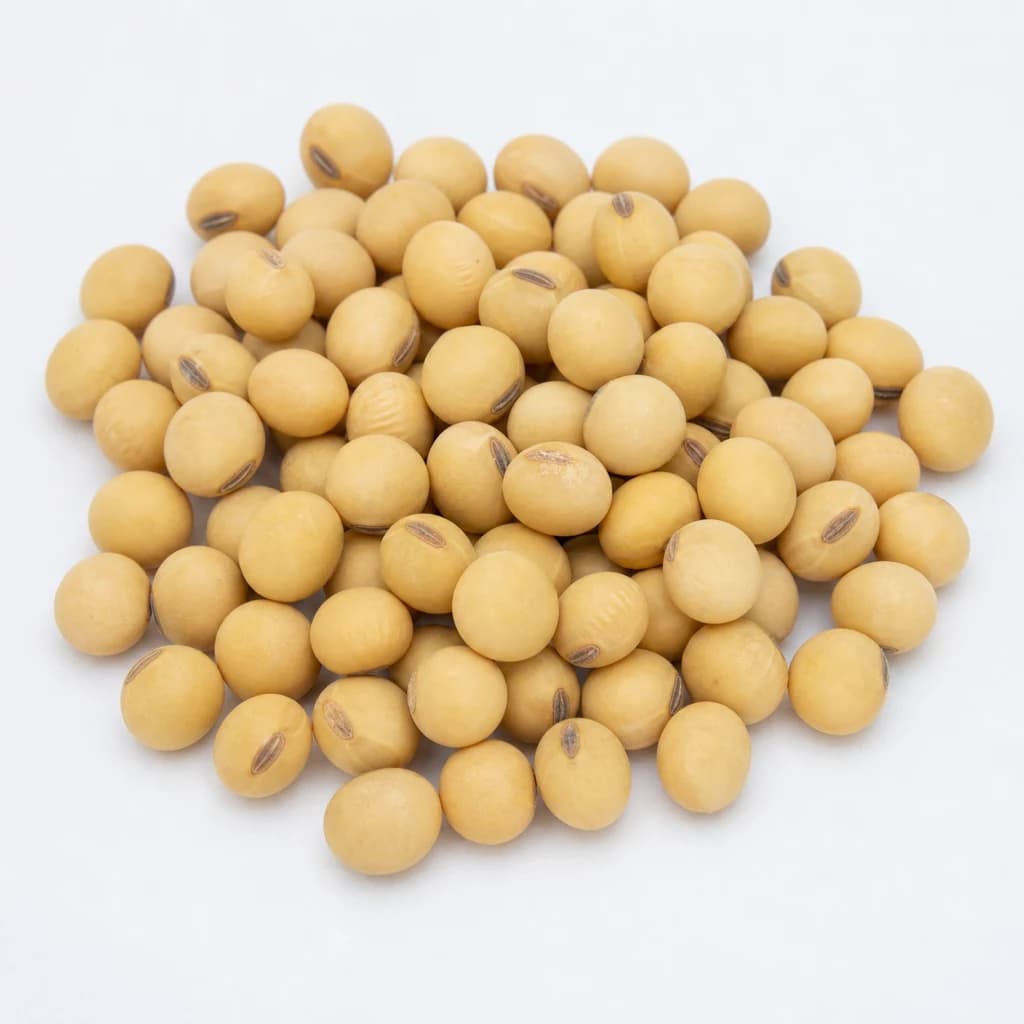
Soybeans
Protein-packed beans, the base for tofu and miso