
Natural form
A whole banana flower showing its deep purple-red teardrop blossom hanging on a wooden surface.
Shows readers the distinctive whole blossom as they would encounter it at a market or on the plant.
Produce
Banana Flower
Large purple blossom of the banana plant, used in Southeast Asian salads and curries.
The banana flower is the deep purple-red teardrop blossom that hangs from the banana plant, with tender pale inner bracts and florets. The inner layers are shredded for Southeast Asian salads, simmered in curries, or fried, after soaking in acidulated water to prevent browning. It has a mild, slightly astringent flavor and an artichoke-like texture.
The banana flower (also called banana blossom or banana heart) is the massive inflorescence that emerges at the end of a banana plant's life cycle, signaling the end of fruit production for that stalk. Each plant produces only one flower bud, which can weigh 1–2 kg (2–4 lbs) fresh. The bud consists of tightly layered outer bracts—deep maroon to purple—that must be peeled away to reveal the edible pale core and the small white florets nestled within. Its flavor is mildly sweet and nutty with a faint bitterness, often compared to an artichoke. The texture varies by preparation: tender when cooked, with the florets offering a pleasing crunch. What makes this ingredient demanding is the sticky white latex that exudes from cut surfaces—it stains, tastes bitter, and must be leached out through soaking in acidulated water before cooking.
- Measured in
- piece
- Storage
- Fridge
Types & varieties
Smaller and more delicate; commonly used raw in salads after thorough cleaning
Darker bracts with reddish tinge; slightly more tender texture
From the common commercial variety; widely available in markets
Used in tinola and pinakbet; often shredded and formed into fritters
Cleaning and Preparation
Proper cleaning is essential before any cooking method. The latex is the primary challenge—left on, it makes the flower bitter and turns the flesh gray. Work quickly once you begin cutting, and keep all pieces submerged in acidulated water.
- Gather 1 tablespoon lemon or lime juice per cup of cold water in a large bowl
- Slice the bud in half lengthwise or into sections
- Immediately submerge cut pieces in the acidulated water
- Peel bracts from outside inward, setting aside each layer to check for edibility
- The innermost pale bracts are the only ones worth eating; discard tough outer layers
- Remove the central column (core) if tough
- Separate the small white florets from the spongy base; rinse and soak florets separately
- Taste a piece raw—if too bitter, soak longer in fresh acidulated water
- Drain and pat dry before cooking
Common uses
Tips & pitfalls
- Soak cut pieces immediately in water with lime or lemon juice (1 tablespoon per cup) to prevent oxidation and remove bitter latex
- Work quickly or keep submerged—exposed surfaces turn brown within minutes
- Peel bracts from outside inward; the innermost pale bracts are the only edible part
- The small white florets inside are edible but time-consuming to clean; they can be pickled or added to fritter batter
- Do not overcook—3–5 minutes in boiling water or 2–3 minutes in a stir-fry is sufficient; mushiness indicates overcooking
- Taste a small piece raw first—if excessively bitter, continue soaking in fresh acidulated water
- For curries, blanch briefly then refresh in cold water before adding to prevent mushiness
- Canned versions require thorough rinsing to remove brine taste; press and squeeze out excess liquid
Nutrition
Energy
243 kJ · per 100 g
Where the calories come from
Protein
2.1g
4% DV
Carbs
9.1g
3% DV
Fat
1.4g
2% DV
Fiber
0g
0% DV
Sugars
7.4g
of which
Sodium
41mg
2% DV
Source · USDA FoodData Central · approx. SILK Mocha, soymilk
View on FDC →In the shops
Matched grocery products
 €0.26
€0.26Banana
170 g · Mercadona
 €0.22
€0.22Banana 1 unit
ud · Bonpreu
 €0.81
€0.81Plantain
280 g · Mercadona
 €0.41
€0.41Canary Islands Banana IGP
150 g · Mercadona
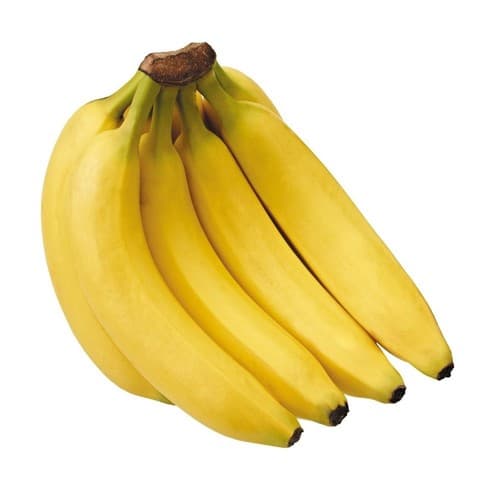 €1.49
€1.49Banana Cluster 800 g
kg · Bonpreu
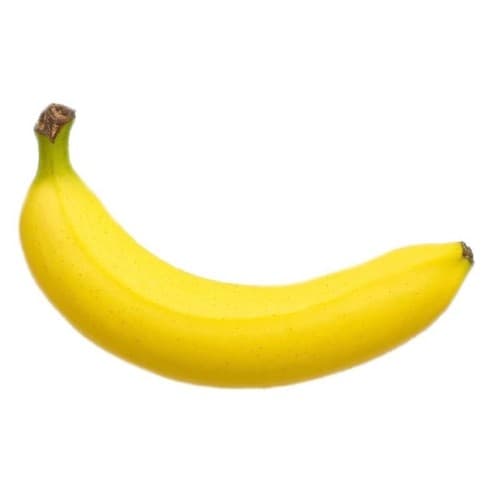 €0.68
€0.68Canary Islands IGP Banana
LA COLLITA · ud · Bonpreu
Good to know
- Part used
- Inner pale core (spathe) and bracts; small white florets inside may also be cooked
- Flavor
- Mildly sweet and nutty, faintly bitter; often compared to artichoke
- Texture
- Tender when cooked; layers must be separated; florets have a slightly crunchy texture
- Color
- Outer bracts deep maroon to purple; inner edible portion creamy white to pale yellow
- Latex
- Exudes sticky white sap that stains and tastes bitter; must be removed by soaking
- Season
- Year-round in tropical climates; spring through summer in subtropical regions
- Origin
- Southeast Asia and South Asia; now grown in all tropical regions worldwide
- Yield
- Low—outer bracts and bitter portions discarded; approximately 20–30% edible
- Storage
- Refrigerate unwrapped up to 3 days; store in acidulated water (lemon juice) to prevent browning
- Available forms
- Fresh in Asian markets; also canned in brine (pre-cleaned, convenient but saltier)
Substitutes
- Hearts of palm — Most neutral-tasting substitute; texture is similar but slightly crunchier; use raw in salads or cook briefly
- Artichoke hearts — Comparable mild, slightly sweet flavor and similar cooking behavior; blanch before using
- Jicama — Provides crunch but lacks the subtle banana flavor; best in raw preparations
- Green papaya — Similar texture in raw salads; works in Thai-style preparations but changes flavor profile significantly
Pairs with
Also called
Mocha · Banana Blossom
Appears in these dishes
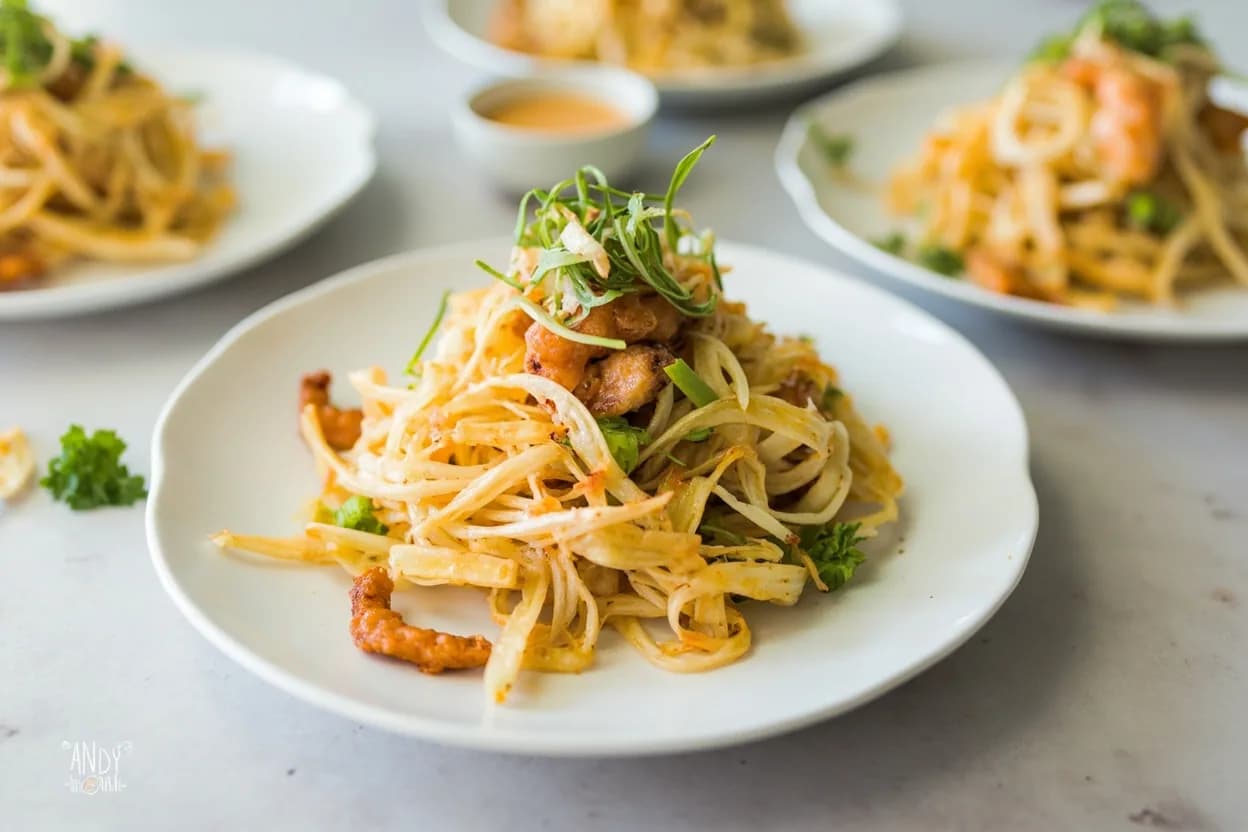
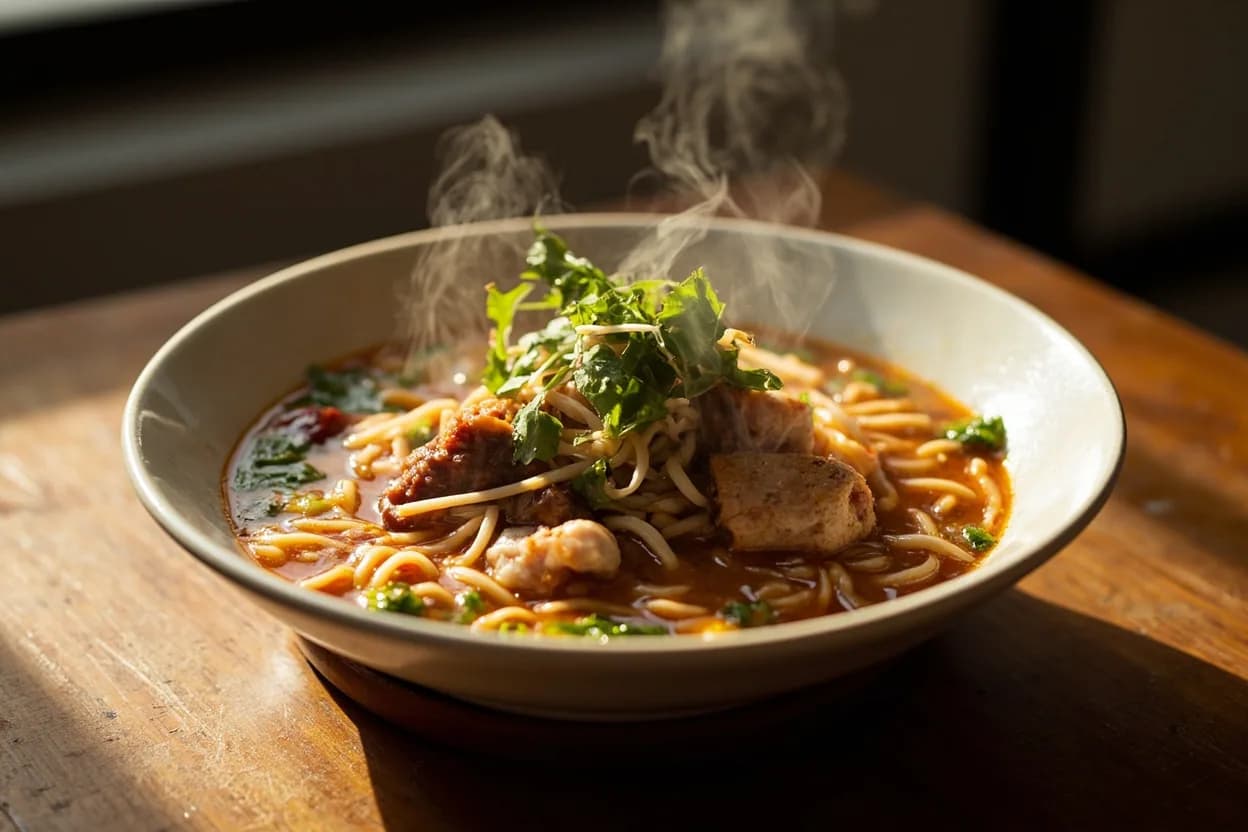
Related
Tomato
Juicy, sun-sweet fruit for sauces, salads, and slow-cooked depth
Yellow Onion
The aromatic backbone of soups, sofritos, and braises
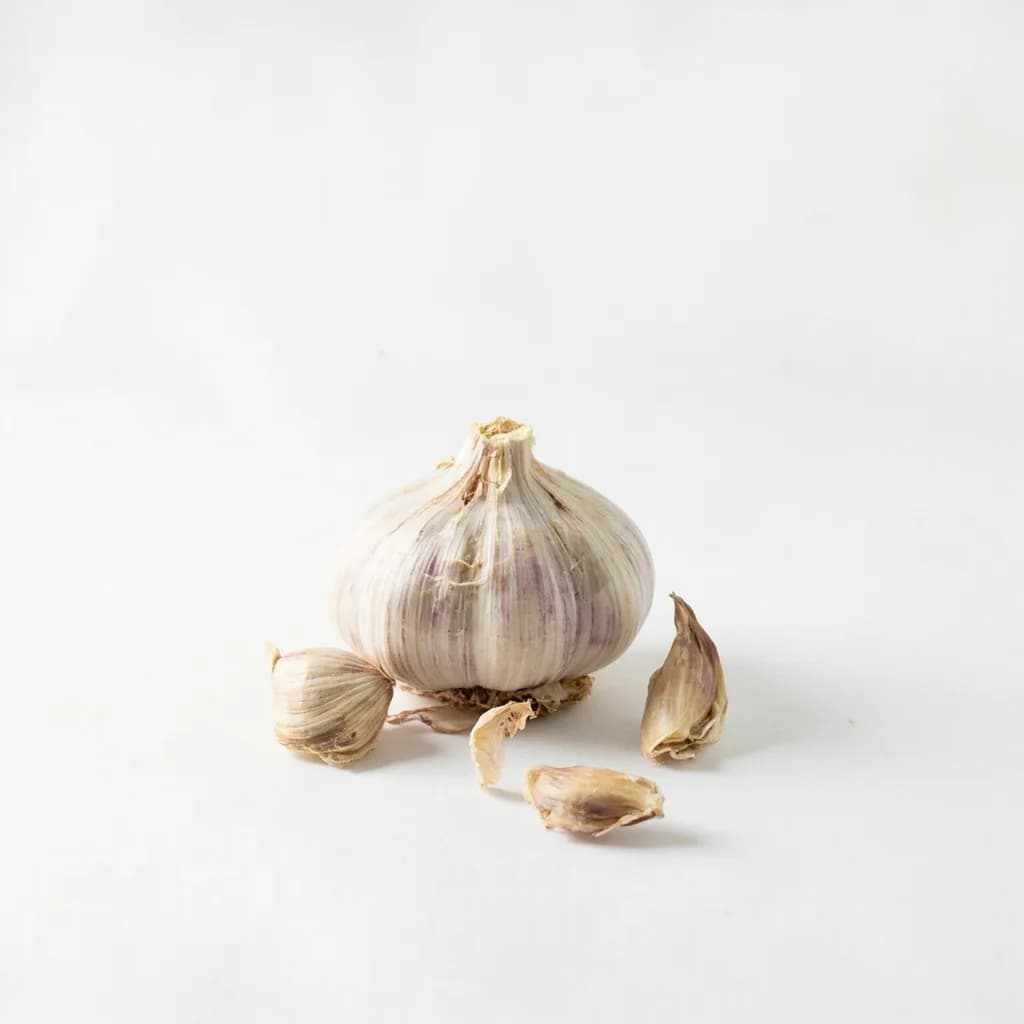
Garlic
Pungent cloves that perfume nearly every savory dish
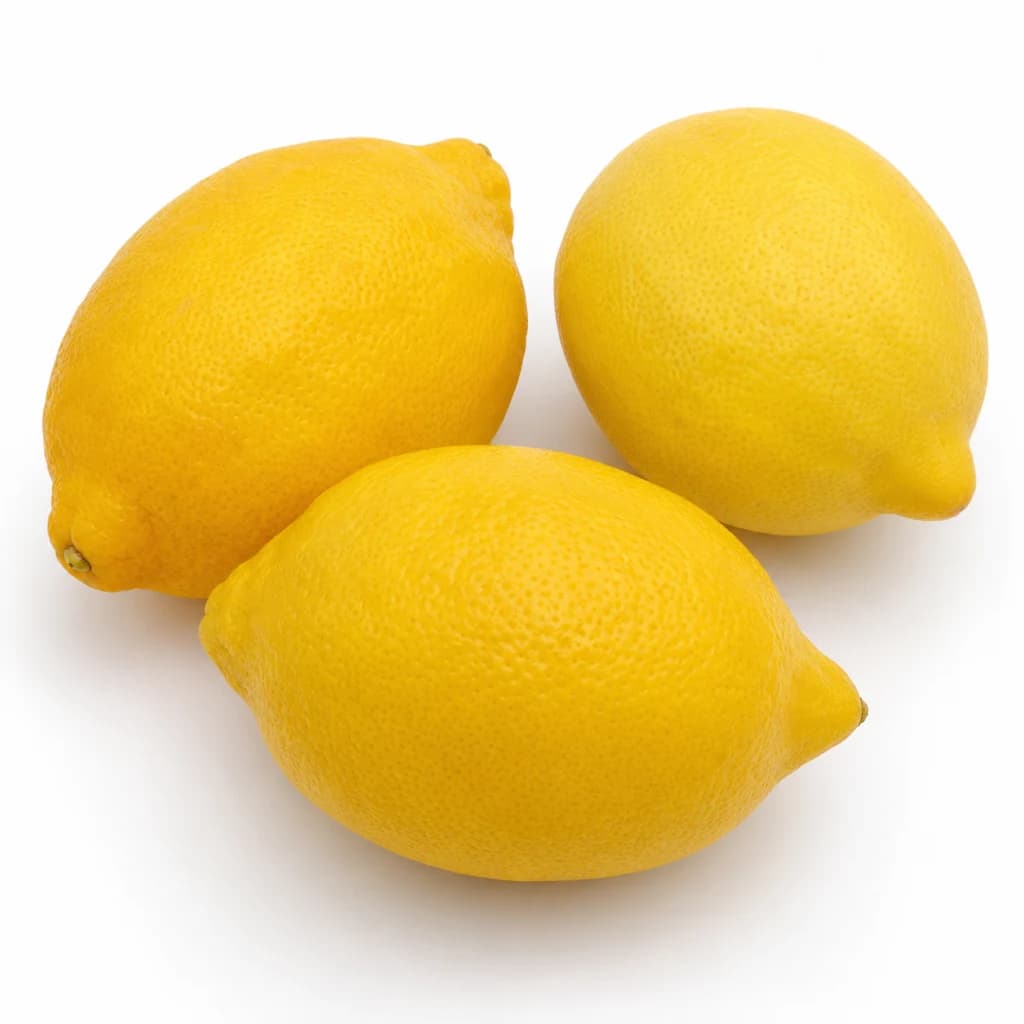
Lemon
Bright, acidic citrus that wakes up almost any dish
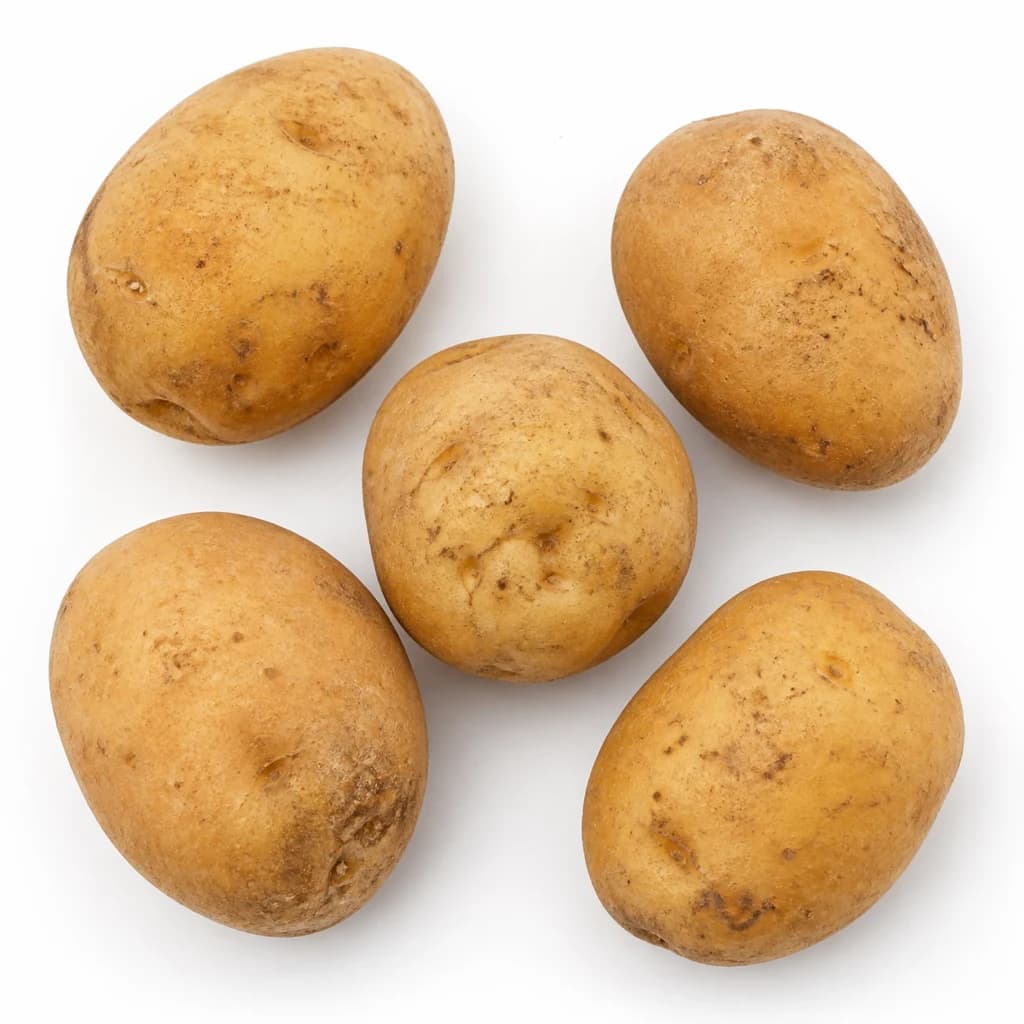
Potato
Humble, hearty staple — roast, mash, fry, or boil
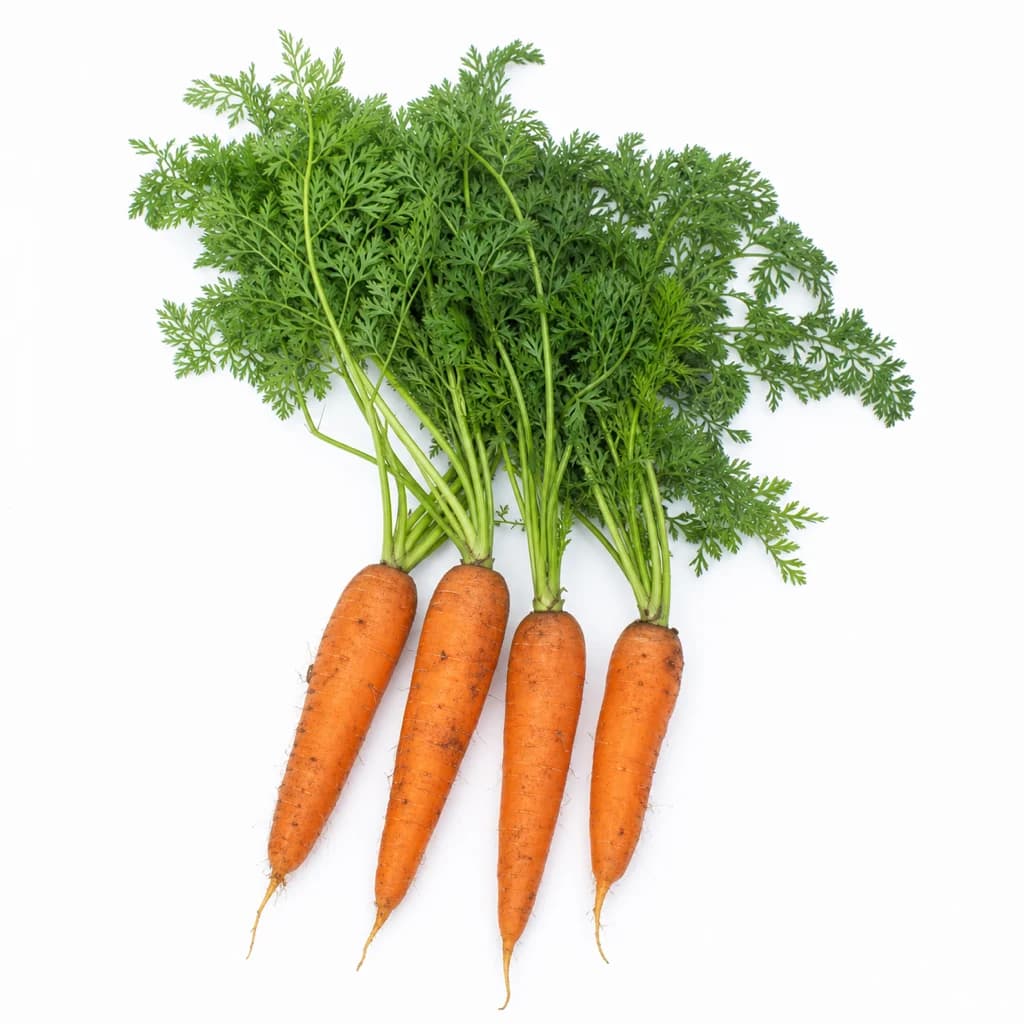
Carrot
Sweet, crunchy root — raw, roasted, or the base of a sofrito
Cucumber
Cool, crisp, and watery — for salads, pickles, and tzatziki

Lettuce
Crisp leaves for salads, wraps, and a fresh crunch