Produce
Barberry (Zereshk)
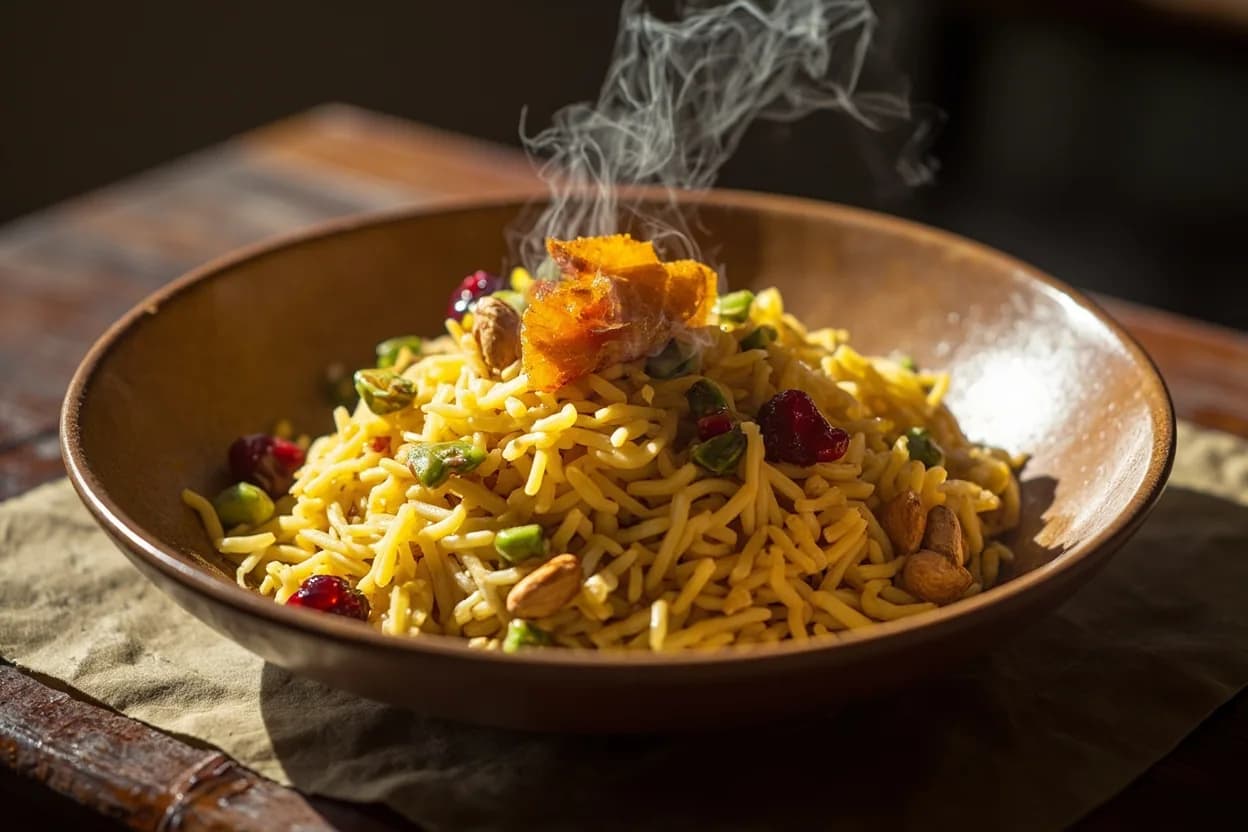
Tiny, tart dried red berries scattered over Persian rice for jewel-like color and zing.
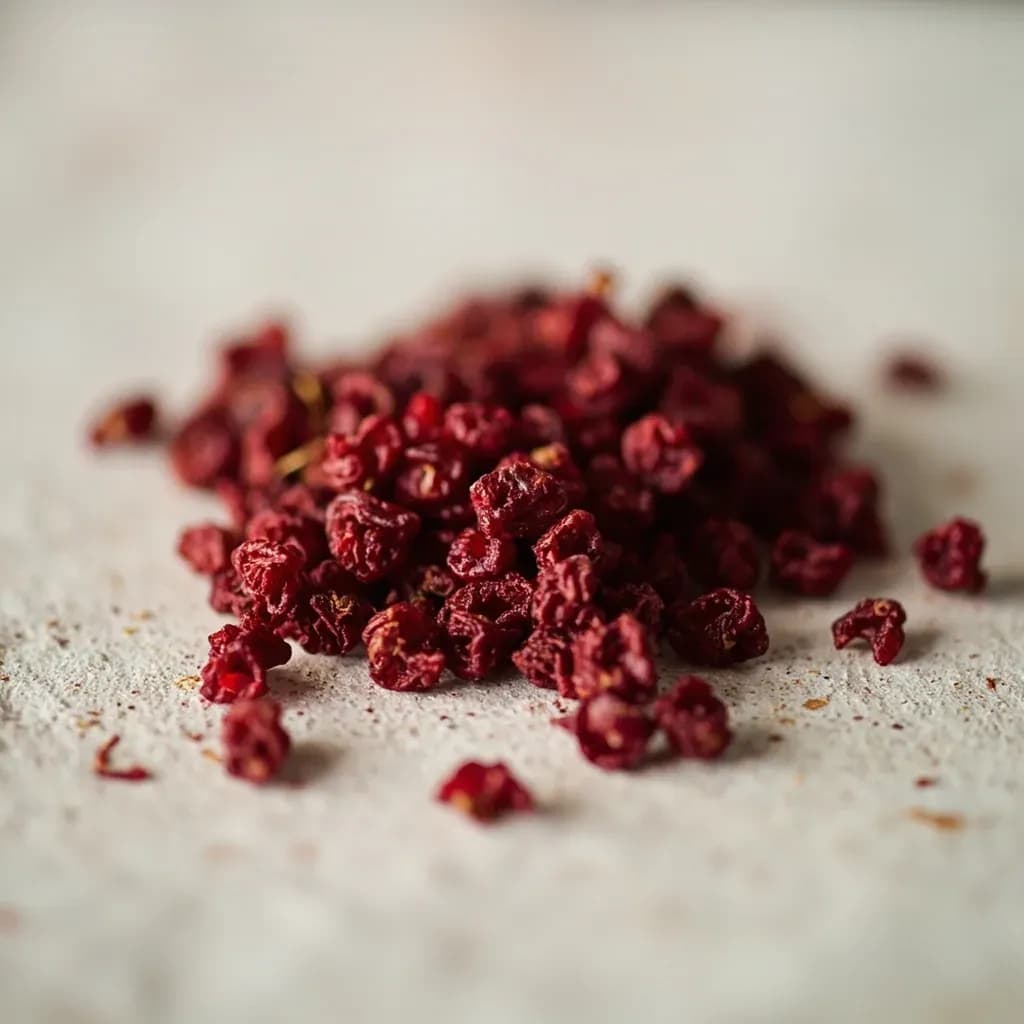
Barberries, or zereshk, are tiny dried red berries with a bright, mouth-puckering sourness. They are a hallmark of Persian cuisine, sautéed briefly in butter and scattered over saffron rice (zereshk polo) and stews for color and tang. Rinse and cook them only briefly, as they burn and turn bitter quickly.
Barberries are the dried fruit of Berberis vulgaris, a thorny shrub native to Iran, Central Asia, and the Caucasus. The berries—only 5 to 8 millimeters in diameter—are hand-picked at peak ripeness in late summer and traditionally sun- or air-dried until they reach a bright scarlet color and a texture like small, wrinkled pearls. What makes zereshk (the Farsi name) irreplaceable in Persian cooking is its concentrated tartness balanced by a faint bitterness and subtle fruity undertones—qualities that set it apart from both sweet dried fruits and fresh berries. The flavor is assertive enough to cut through rich meats and starchy rice, yet the berries are small enough to scatter like garnet jewels across a dish, providing visual drama as well as acidity. In Iran, zereshk Polo—rice studded with barberries, often served with saffron-braised chicken—is a centerpiece of festive and ceremonial tables, from wedding feasts to Nowruz celebrations.
Unlike many dried ingredients that serve primarily as sweeteners or textural elements, barberries exist to provide calculated sourness. Their aggressive acidity makes them a counterpoint to the richness of lamb, the starchiness of basmati, and the fattiness of tahdig. This is not a background player; it demands attention. When properly handled—added late in cooking, bloomed briefly in fat, or scattered over finished dishes—the berries retain their color, their texture, and their bright, almost electric tartness. Mismanaged, they turn mushy and gray, their flavor dulled to a flat, papery sourness. Understanding when and how to add them is the key to working with this ingredient successfully.
Sourcing matters. The barberries sold in Middle Eastern and Iranian grocery stores—particularly those from Khorasan and Razavi provinces—are the standard culinary variety: smaller, brighter, and more intensely flavored than European or North American types, which are often intended for jam, cordials, or medicinal use. Some commercial barberries are coated with rice flour or chalk to prevent clumping during storage and shipping; rinse the berries briefly in cold water before using to remove any such coating. Stored in an airtight container in a cool, dark place, they keep for six months to a year; freezing extends their shelf life and better preserves their vivid color.
- Measured in
- g
- Storage
- Pantry
Types & varieties
The standard culinary variety; smaller, brighter red, and more intensely flavored than European types. Sourced primarily from Khorasan and Razavi provinces.
Berberis vulgaris; slightly larger berries, traditionally used in Eastern European jams and cordials. Less common in savory Persian cooking.
Berberis canadensis; native to eastern North America. Less widely cultivated for culinary use.
Newer varieties bred for reduced acidity; still relatively uncommon in commercial trade.
On Buying and Storing
Seek whole, bright-red berries from Middle Eastern or Iranian grocery suppliers. Avoid products marketed for medicinal use, as these may be processed differently. Check labels: some barberries are coated with rice flour or chalk to prevent clumping—this coating should be rinsed off before use. Store in an airtight container in a cool, dark cupboard for up to a year, or freeze for longer-term storage, which also better preserves color and flavor. Like many dried ingredients, barberries absorb neighboring odors easily, so keep them away from strongly scented foods.
- Rinse briefly before using to remove dust, debris, or anti-caking coatings
- Avoid berries that appear dull, brownish, or clumped together
- Freezing preserves both color and flavor better than room-temperature storage
- Store away from strong-smelling ingredients
Common uses
Tips & pitfalls
- Rinse barberries briefly in cold water before using to remove dust, debris, or any rice-flour coating used during commercial processing.
- Add barberries late in cooking—5 to 10 minutes before the end—or scatter over the finished dish to preserve their jewel-like color and prevent them from turning mushy and gray.
- Soak rinsed barberries in warm water for 10 to 15 minutes if you want to tame their intensity; drain before using.
- To bloom their flavor, sauté briefly in butter or oil for 30 seconds before adding to a dish—this also helps the berries distribute more evenly.
- Balance their tartness with a small amount of sugar, honey, or sweet spices like cinnamon in the same dish.
- Store away from strong odors; barberries absorb neighboring flavors easily.
- Roughly chop the berries if you want them to distribute more evenly through a dense rice or stew.
- Remember their small size makes them seem innocuous, but their tartness is concentrated—a little goes far; start with less than you think you need and taste before adding more.
- Avoid barberries that appear dull, brownish, or clumped together—these are signs of age, moisture exposure, or improper storage.
Nutrition
Nutrition
No USDA FoodData Central match for Barberry (Zereshk) yet. We surface a per-100 g profile once a generic whole-food entry is matched and verified.
In the shops
Matched grocery products
No matched grocery products for Barberry (Zereshk) yet.
Good to know
- Scientific name
- Berberis vulgaris
- Plant family
- Berberidaceae
- Form
- Dried whole berries, 5–8mm diameter
- Flavor
- Intensely tart, faintly bitter, with subtle fruity undertones
- Origin
- Native to Iran, Central Asia, and the Caucasus; cultivated throughout the Middle East and parts of Europe
- Primary cuisine
- Persian/Iranian (zereshk is the Farsi name)
- Shelf life
- 6–12 months in an airtight container in a cool, dark place; freeze to extend
- Color
- Bright scarlet red when properly dried; dull or brownish berries indicate age or improper storage
Substitutes
- Dried unsweetened cranberries — Closest in size and tartness; slightly sweeter and softer in texture. Use sparingly as they lack barberry's subtle bitterness. Add a squeeze of lemon juice to better approximate the flavor profile.
- Dried tart cherries — Good tartness and pleasant flavor, but significantly larger and softer; chop roughly before using. Adds color but not the jewel-like visual effect.
- Pomegranate molasses — Provides concentrated tart-fruity acidity, but adds no texture or visual contrast. Useful in braises and sauces where color doesn't matter.
- Dried currants (Zante raisins) — Similar size and chew, but lack any meaningful tartness. Not a flavor substitute—only textural. Avoid as a standalone replacement.
- Fresh or frozen lingonberries — Closest fresh equivalent; very tart with small seeds. Cook briefly before using. Not a direct substitute for dried, but closer in flavor than cranberries.
Pairs with
Also called
dried-barberry · zereshk · zirinc
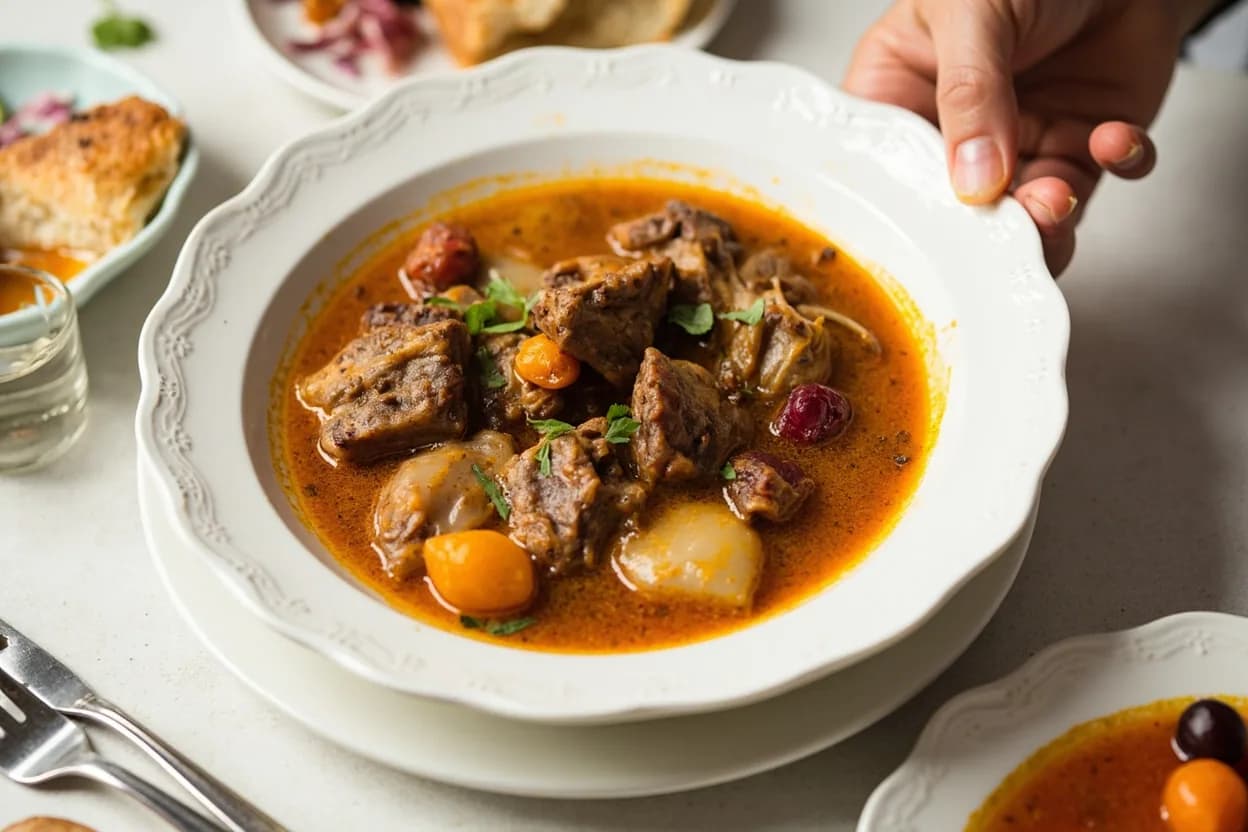
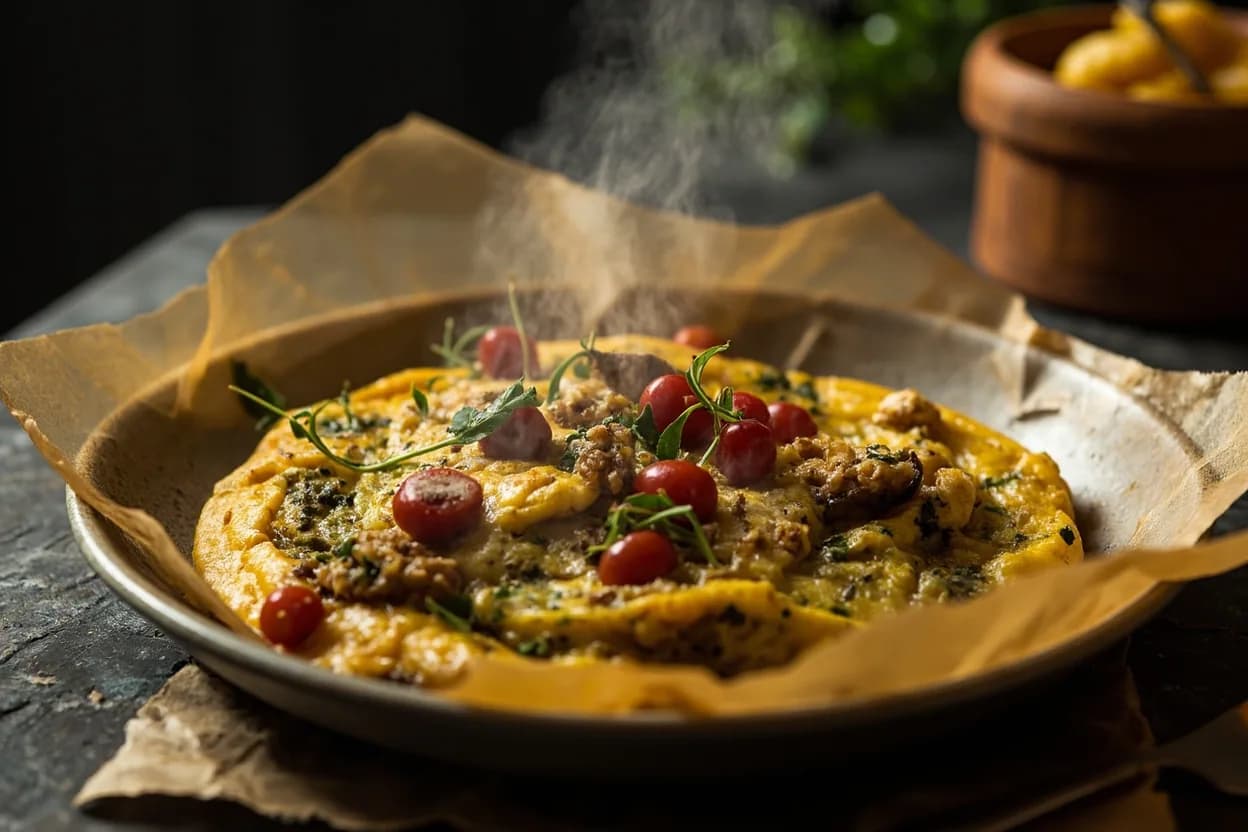
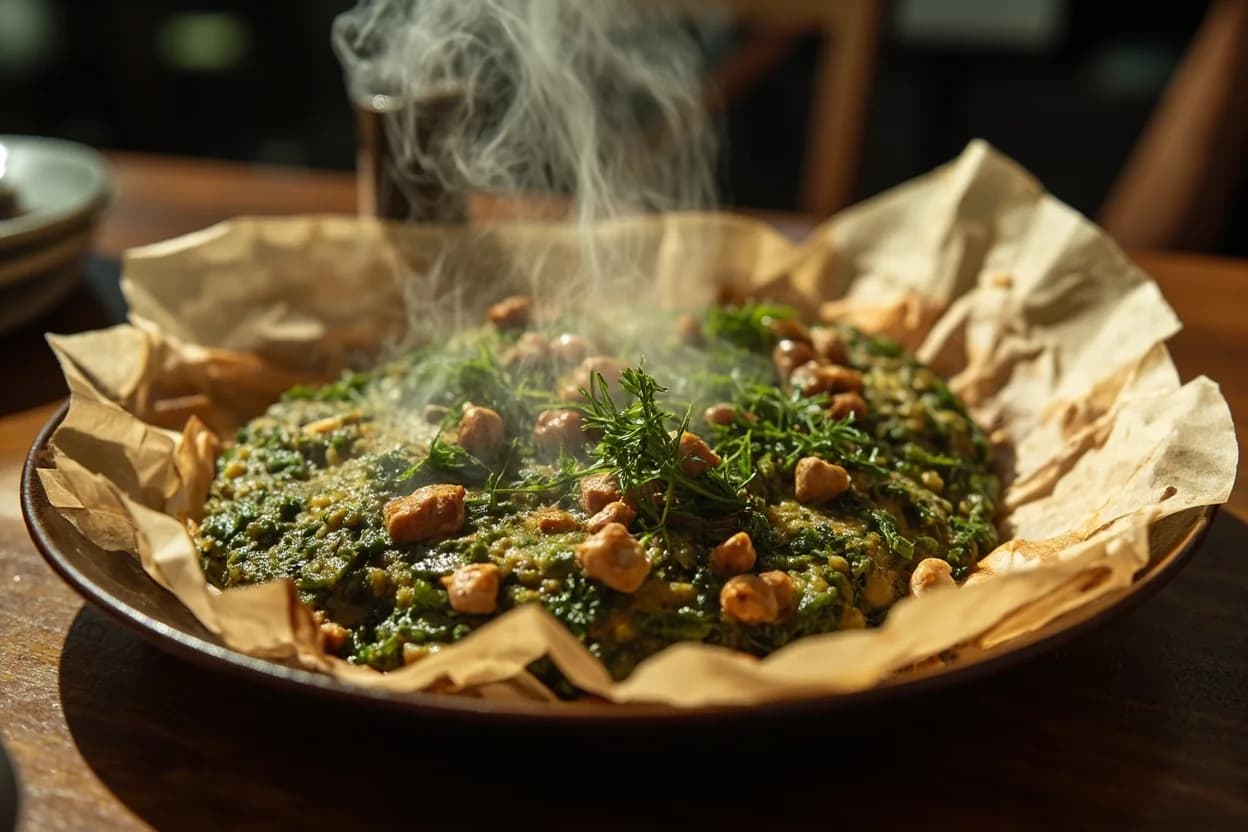
Appears in these dishes
Related

Tomato
Juicy, sun-sweet fruit for sauces, salads, and slow-cooked depth

Yellow Onion
The aromatic backbone of soups, sofritos, and braises

Garlic
Pungent cloves that perfume nearly every savory dish

Lemon
Bright, acidic citrus that wakes up almost any dish

Potato
Humble, hearty staple — roast, mash, fry, or boil

Carrot
Sweet, crunchy root — raw, roasted, or the base of a sofrito

Cucumber
Cool, crisp, and watery — for salads, pickles, and tzatziki

Lettuce
Crisp leaves for salads, wraps, and a fresh crunch