Proteins
Barracuda
A firm, full-flavored saltwater fish, grilled or fried whole across tropical coastal cuisines.
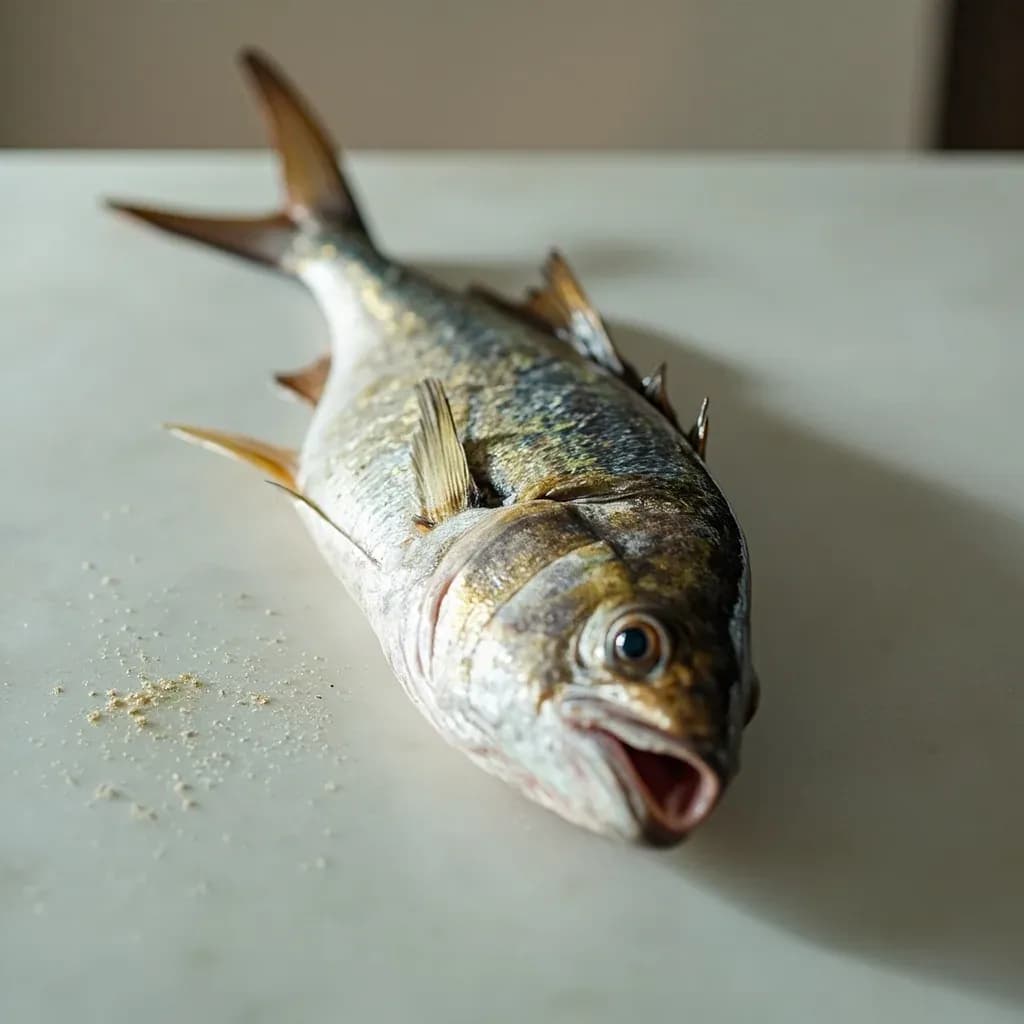
Barracuda is a long, predatory saltwater fish with firm, fairly oily flesh and a pronounced, savory flavor. It is grilled, fried, or stewed whole or in steaks, popular in West African, Caribbean, and Southeast Asian coastal cooking. Smaller specimens are preferred, as large reef barracuda can carry ciguatera toxin.
Barracuda is a predatory saltwater fish belonging to the family Sphyraenidae, evolved for speed in tropical and subtropical oceans worldwide. Its muscular, streamlined body translates directly to the kitchen: the flesh is exceptionally firm, with tight protein bonds that make it remarkably forgiving on the grill or in the pan. Unlike delicate white fish that fall apart at the slightest provocation, barracuda holds its structure through high heat and aggressive cooking methods—a characteristic prized in Caribbean, Pacific, and Southeast Asian cuisines where fish is often cooked whole over open flame.
The flavor profile ranges from mild to assertively savory depending on species, diet, and size. Smaller specimens (under 10 pounds) typically offer clean, moderately oily flesh with a pleasant mineral edge, while larger fish develop a stronger, sometimes muddy taste that some diners find overwhelming. This variability is compounded by ciguatera risk, a food-borne illness caused by toxins that accumulate up the marine food chain. Larger barracuda from endemic areas—particularly the Caribbean and Pacific island chains—pose higher risk. North American commercial supply largely comes from Pacific fisheries with lower reported incidence, making barracuda a reliable ingredient when sourced thoughtfully from trusted suppliers.
For cooks willing to navigate sourcing considerations, barracuda offers qualities that few other fish provide: it absorbs bold marinades without disintegrating, yields clean large flakes when properly cooked, and stands up to aggressive spices and char. The firm texture makes it ideal for grilling whole, pan-searing as steaks, or cutting into chunks for tacos and fritters. Its natural oil content keeps it moist even when cooked to lower internal temperatures, though the flesh dries quickly if overcooked—making precise temperature control more valuable here than with many other species.
- Measured in
- g
- Storage
- Fridge
Allergens
Types & varieties
Largest species; worldwide tropical distribution; most commonly caught for table; highest ciguatera risk in specimens over ~20 lbs
Found from Baja California to Alaska; milder flavor; important to California and Mexican fisheries; smaller maximum size than Great Barracuda
Smaller species; distinctive yellowish tail; popular in Australian and Southeast Asian cuisines
West African species; important in Senegalese and Gambian cuisines
Understanding Ciguatera Risk
Ciguatera poisoning occurs when large predatory fish accumulate toxins produced by dinoflagellates in marine algae. Barracuda sits high in the food chain, making it particularly susceptible. The toxin affects nervous and gastrointestinal systems, with symptoms including numbness, tingling, temperature reversal, and digestive distress that can persist for months. This is not a matter of freshness—proper refrigeration and cooking do not neutralize the toxin.
The practical implication: catch location matters more than almost any other factor. Barracuda from reef systems in the Caribbean, Pacific islands, and Indian Ocean carries higher risk than fish from pelagic or temperate waters. When purchasing, ask your fishmonger specifically where the fish was caught and how large it was. Smaller barracuda (under 10 pounds) have had less time to accumulate toxins and present substantially lower risk. Many chefs who regularly work with barracuda maintain relationships with specific fishermen or fisheries they trust explicitly.
- Always verify catch location; avoid barracuda from known ciguatera hotspots
- Smaller fish (under 10 lbs) accumulate less toxin than larger specimens
- North American commercial supply from Pacific fisheries has lower reported incidence
- The toxin is not destroyed by cooking or freezing—source is the only preventive measure
Common uses
Tips & pitfalls
- Verify catch location before purchasing; ask specifically about source and size from your fishmonger
- Smaller barracuda (under 10 lbs) present significantly lower ciguatera risk and milder flavor
- Scale before cooking; scales are firmly attached and nearly impossible to remove after cooking
- Remove the dark lateral line flesh during filleting—it contributes a stronger, muddy flavor
- Score steaks deeply before grilling to allow fat and marinade penetration and prevent curling
- Do not overcook; barracuda's firm flesh dries out quickly—target 130–135°F internal for medium
- For frying, use a light batter or breading; the flesh is naturally flavorful and does not need heavy coating
- When grilling whole, baste frequently to prevent leaner portions from drying out
- If unsure about ciguatera risk in your region, substitute with wahoo, mahi-mahi, or bluefish for similar texture
Nutrition
Energy
519 kJ · per 100 g
Where the calories come from
Protein
20g
40% DV
Carbs
0g
0% DV
Fat
4.2g
5% DV
Fiber
0g
0% DV
Sodium
60mg
3% DV
Source · USDA FoodData Central · approx. Fish, bluefish, raw
View on FDC →In the shops
Matched grocery products
No matched grocery products for Barracuda yet.
Good to know
- Family
- Sphyraenidae (Barracuda family)
- Flavor
- Firm, moderately oily white to pinkish flesh; ranges from mild to strongly flavored depending on species and diet
- Texture
- Dense, muscular; holds together well when cooked; yields clean flakes when properly prepared
- Typical Size
- Small specimens 2–5 lbs; Great Barracuda can exceed 100 lbs; smaller fish under 10 lbs have lower ciguatera risk and milder flavor
- Yield
- Approximately 45–55% edible flesh after heading, scaling, and filleting
- Shelf Life
- 2 days refrigerated on ice; up to 6 months frozen at 0°F
- Caution
- Larger specimens from ciguatera-endemic areas (Caribbean, Pacific islands) carry higher toxin risk; verify source before purchasing
- Skill Level
- Intermediate; firm flesh forgiving for beginners, but quality and safety depend heavily on sourcing decisions
Substitutes
- Mackerel — Similar fat content and firm texture; stronger flavor; excellent for grilling and smoking; lower ciguatera concern
- Wahoo (Ono) — Closely related; very similar texture and mild flavor; excellent substitute in Hawaiian and Pacific cuisines
- Bluefish — Comparable firm texture and bold flavor; requires careful sourcing for freshness; good for grilling and broiling
- Mahi-Mahi (Dolphinfish) — Firm flesh that holds up to high heat; milder flavor; widely available and safe; good for those concerned about ciguatera
Pairs with
Also called
Barracuda Fish
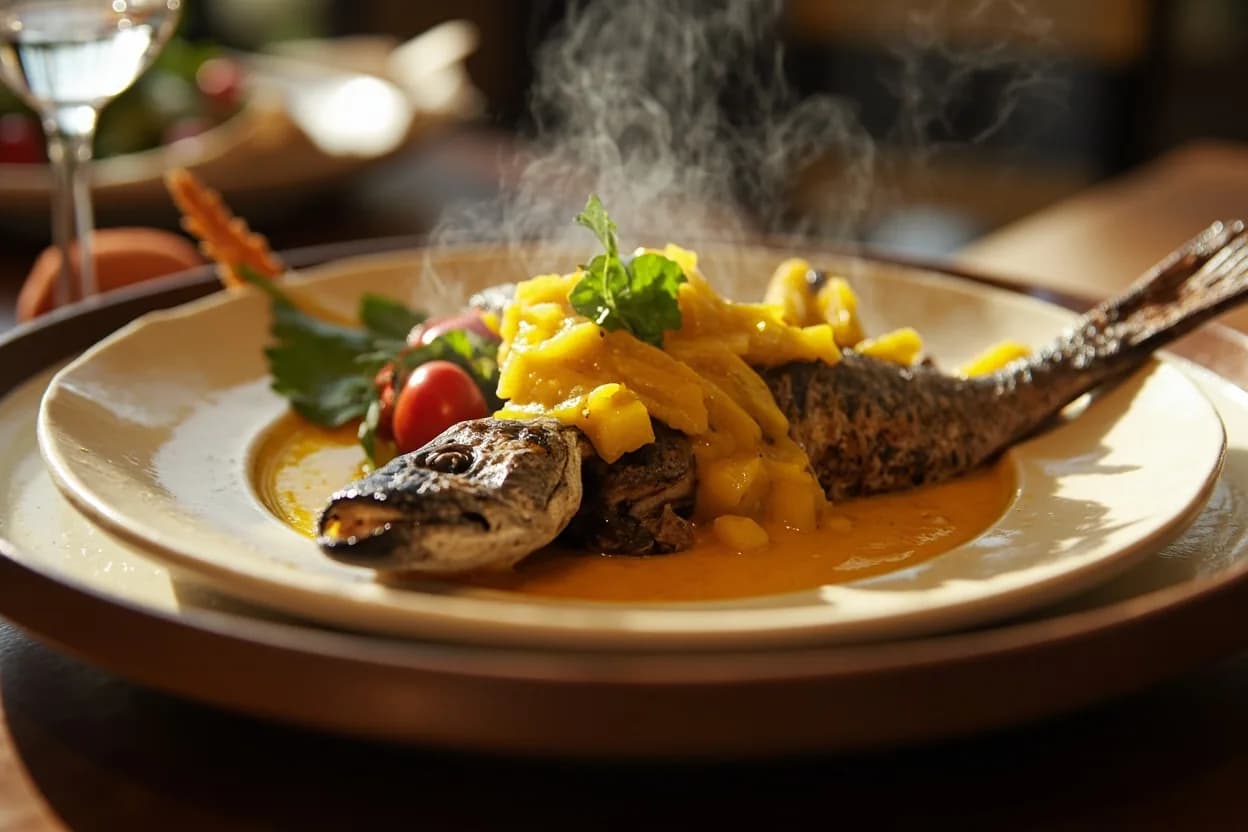
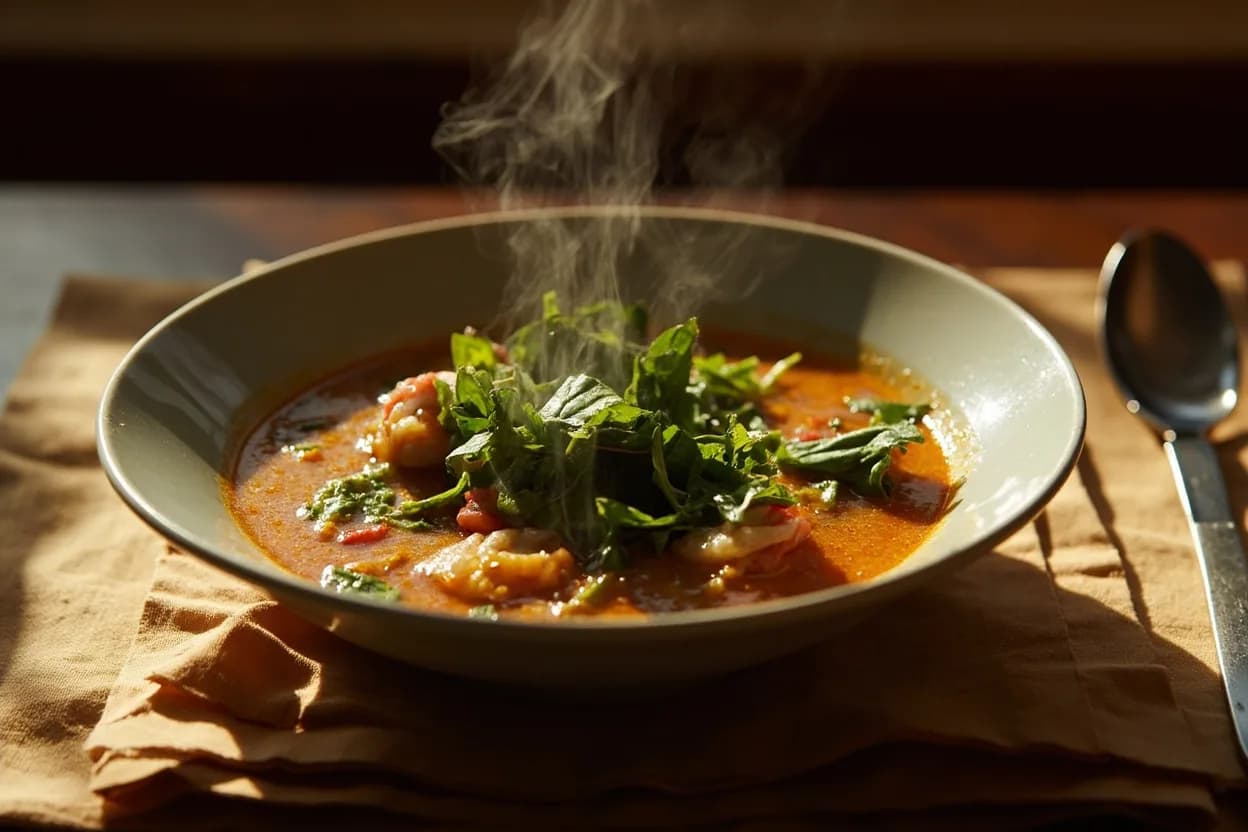
Appears in these dishes
Related
Egg
The kitchen's everything ingredient — bind, leaven, enrich, or fry
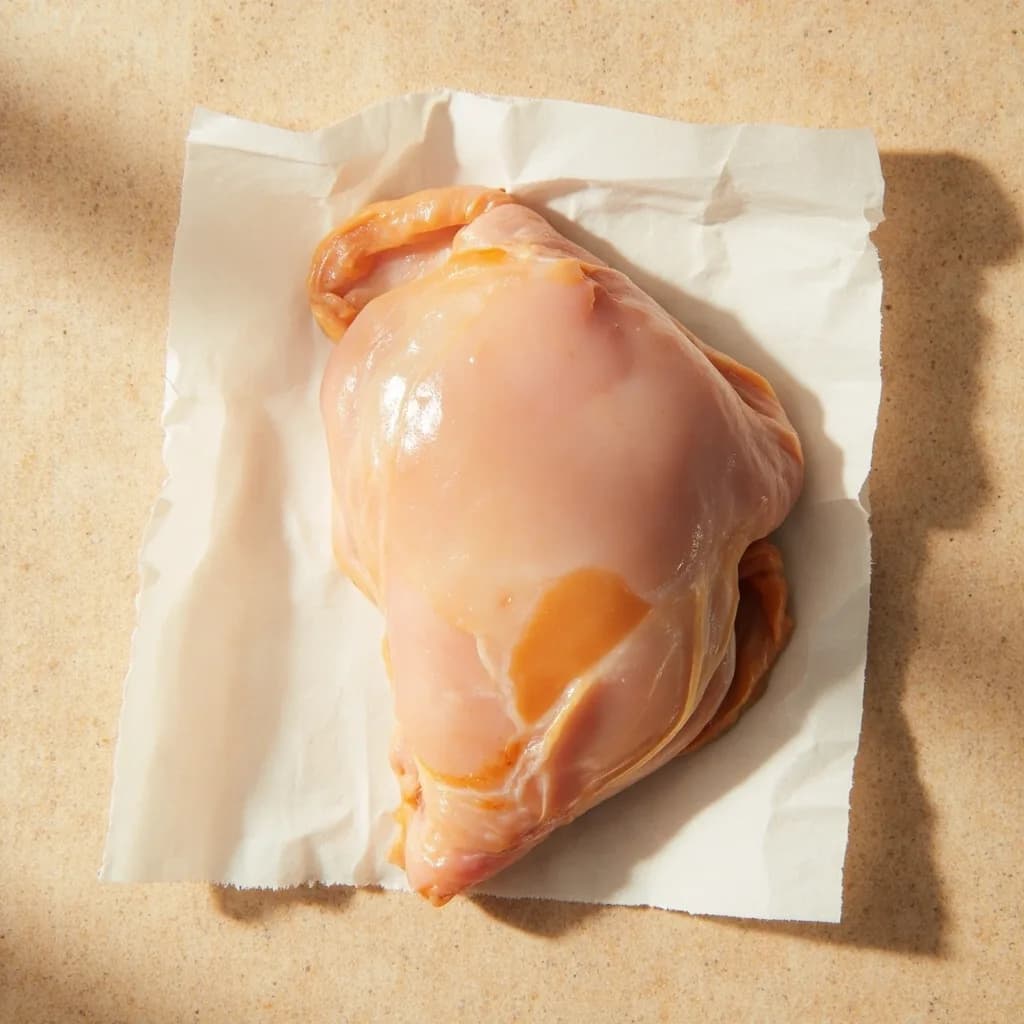
Chicken Breast
Lean, quick-cooking white meat for everyday dinners

Ground Beef
Versatile minced beef for burgers, ragù, tacos, and meatballs
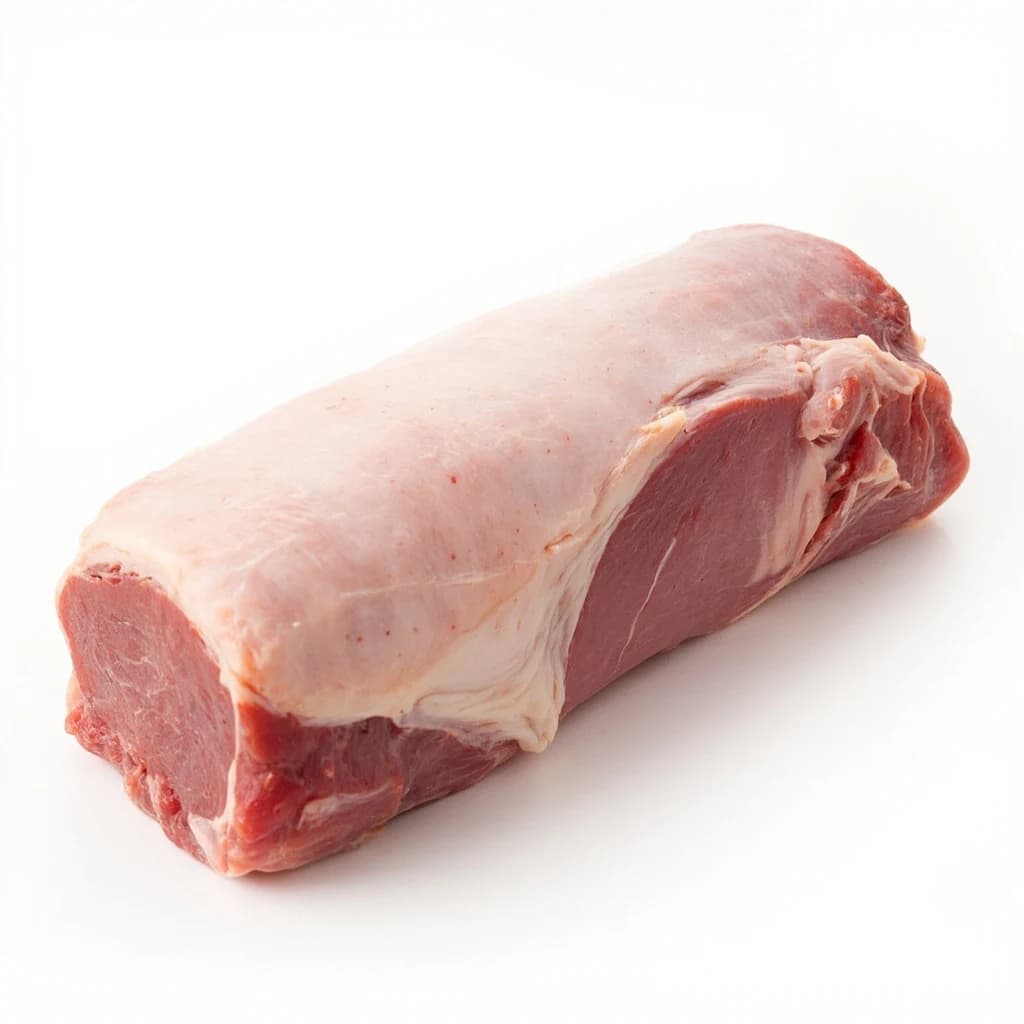
Pork Loin
Lean, tender roasting cut that stays juicy with care
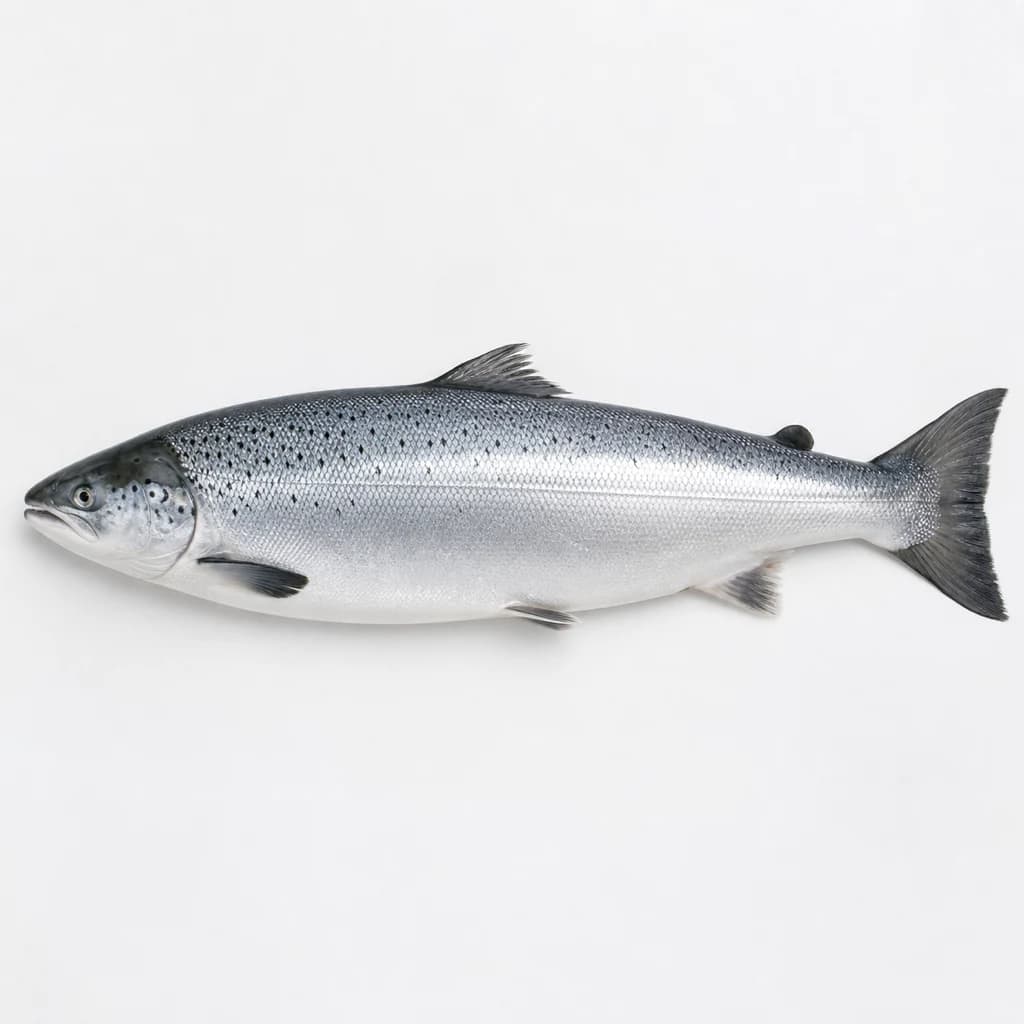
Salmon
Rich, rosy fish that roasts, grills, or cures beautifully

Egg White
Pure protein that whips to airy peaks for meringue and more
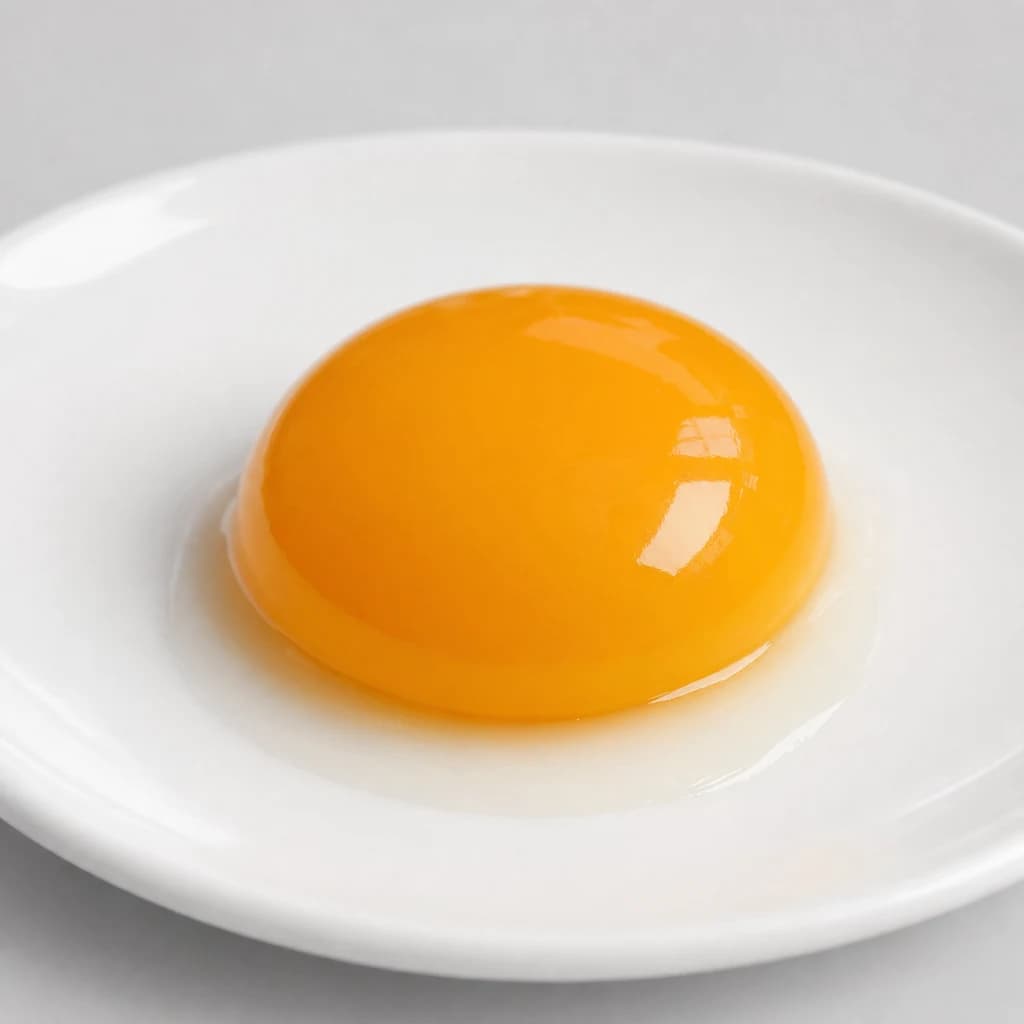
Egg Yolk
Rich, golden yolk for custards, mayonnaise, and pasta

Quail Egg
Tiny, speckled eggs for garnishing and elegant bites