Proteins
Beef Eye of Round
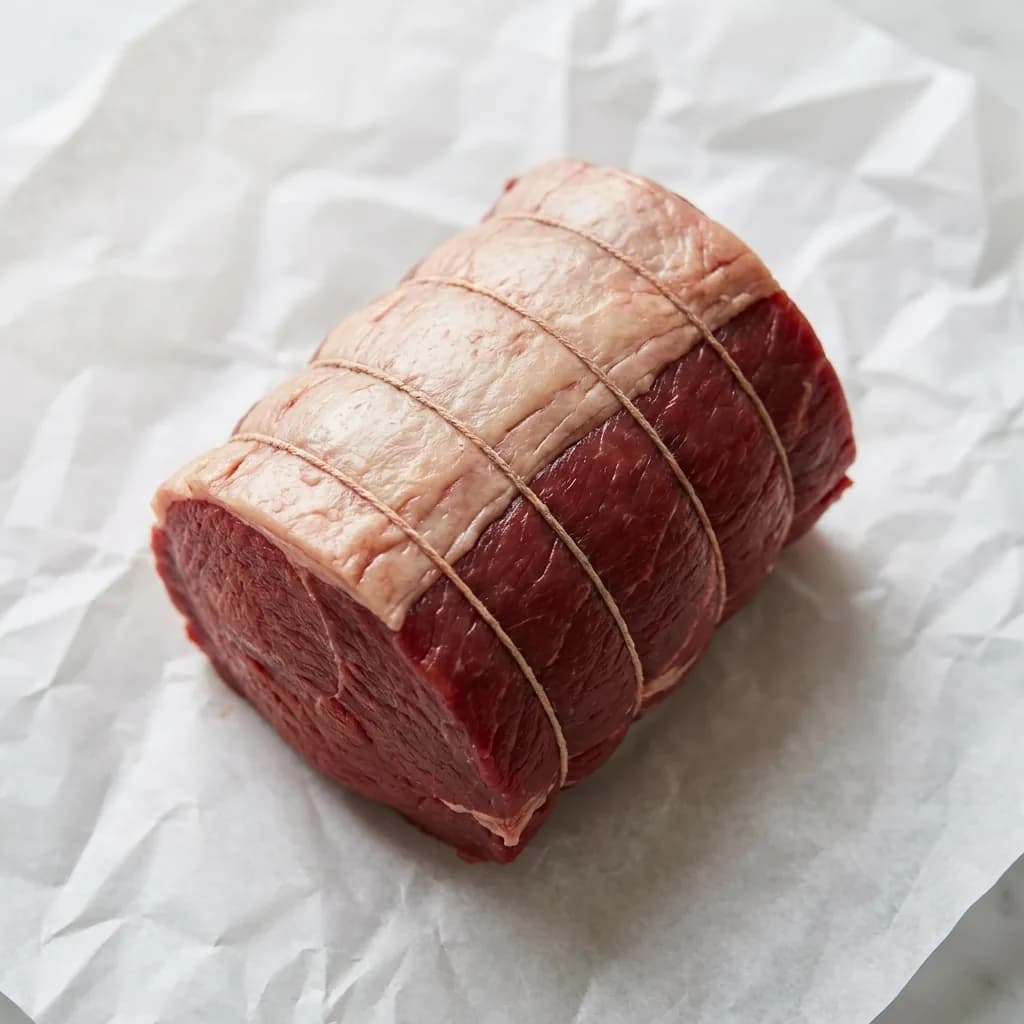
Lean, uniform cylinder of beef from the hind leg — ideal for bresaola, roast beef, or jerky.
Eye of round is a very lean, fine-grained cut from the rear leg of the cow, prized for its even cylindrical shape. Because it has little fat, it is best cooked rare to medium-rare and sliced thin, and it is the traditional cut for Italian air-dried bresaola. It also works well as roast beef or thinly sliced for sandwiches.
The eye of round is a single cylindrical muscle from the center of the beef round primal—the hind leg. This muscle does the animal's heavy lifting, literally, which explains its dense, coarse-grained texture and near-complete lack of intramuscular fat. What it lacks in marbling it partially compensates for with moderate myoglobin content, allowing it to hold a pink center when cooked carefully, and moderate collagen that will fully dissolve only under the right conditions. The grain runs the full length of the roast, which makes grain direction non-negotiable: every cut must be perpendicular to the axis, slicing fibers as short as possible. At retail it sometimes appears mislabeled as "London broil," which is a cooking method, not a specific cut. In Italian markets look for fesa in Veneto or spinacino when butterflied and stuffed. The eye of round rewards cooks who understand its fundamental nature: lean and unforgiving of overcooking, but remarkably versatile when treated with precision.
- Measured in
- g
- Storage
- Fridge
Types & varieties
Whole muscle, tied for roasting — the standard form
Cross-section slices, typically 1-inch thick; best braised or carefully pan-roasted
Cap tissue removed from the eye; slightly more connective tissue, often ground
Understanding the Grain
This is the critical principle for working with eye of round: the muscle fibers run the entire length of the roast, from the hip end to the shank end. This is not a guideline—it is the structural reality that governs every decision from knife angle to cooking method. Slice with the grain and you serve long, chewy fibers that fight the jaw. Slice perpendicular and you serve short, tender fibers that yield easily. There is no shortcut, no technique, no tenderizing method that replaces this understanding. The coarse grain also means mechanical tenderizing (pounding, needling) is ineffective; the fibers are too long and too dense for that approach to penetrate meaningfully.
- Slice perpendicular to the long axis of the roast — not diagonally, not at an angle, perpendicular
- Use a sharp carving knife, not a chef's knife rocking motion — you want clean, decisive strokes through the entire width
The Overcooking Problem
Eye of round's single greatest vulnerability is moisture loss. Without marbling to lubricate and baste from within, the meat relies on its water content for juiciness—and water boils off aggressively above 140°F (60°C). The difference between a 125°F (52°C) roast and a 150°F (66°C) roast is not a few degrees; it is the difference between sliced roast beef and a dry, gray hockey puck. Carryover heat alone can push a 130°F pull temperature to 145°F (63°C) at the center during resting. Factor this in. If you are targeting 130°F (54°C) at the table, pull at 120–125°F (49–52°C).
- Use a reliable probe thermometer with a probe placed in the geometric center
- Account for 5–10°F (3–5°C) of carryover during resting
- Pull at medium-rare or lower — there is no 'just a bit more' with this cut
Common uses
Tips & pitfalls
- Always cook to medium-rare maximum — anything beyond yields dry, chewy meat; carryover heat will push it further if you pull at higher temps
- Let rest 15–20 minutes after roasting before slicing; this allows juices to redistribute and firm up the protein for clean cuts
- Slice perpendicular to the grain (across the fibers) for the shortest possible fiber length — this is not optional for tenderness
- For traditional roast beef: sear in a hot pan or under a broiler, then roast at 250–275°F (120–135°C) until internal temp reaches 125–130°F (52–54°C)
- Marinate 4–24 hours in acid (vinegar, citrus, wine) plus oil and aromatics before high-heat cooking to begin breaking down coarse fibers
- When buying for jerky, ask your butcher to trim all surface fat — fat rancidifies during dehydration and ruins the product
- Do not salt heavily before roasting unless you plan a sear-then-roast method; heavy dry-brining draws moisture out before a crust forms
- Bresaola requires 3–4 weeks of curing with salt, pepper, and often juniper and bay; the finished product should be firm and dark red throughout
- Never pound this cut — the grain is too coarse and long for mechanical tenderizing to help; instead, slice thin against the grain
Nutrition
Energy
485 kJ · per 100 g
Where the calories come from
Protein
20.2g
40% DV
Carbs
1.4g
0% DV
Fat
3.4g
4% DV
Fiber
0g
0% DV
Sugars
0g
of which
Sodium
40mg
2% DV
Source · USDA FoodData Central · Beef, New Zealand, imported, eye round, separable lean only, raw
View on FDC →In the shops
Matched grocery products
No matched grocery products for Beef Eye of Round yet.
Good to know
- Primal cut
- Round (hind leg)
- Sub-primal
- Full round, center of the round muscle
- Fat content
- Very lean — typically 3–5% by weight, negligible marbling
- Typical weight
- 3–6 lbs (1.4–2.7 kg) per piece
- Texture
- Dense, coarse-grained; becomes tough if overcooked past medium-rare
- Myoglobin
- Moderate — holds a pink/red center well when properly cooked
- Collagen
- Moderate — dissolves fully only with moist, long cooking or slow roasting
- Yield (cooked)
- Approximately 70–75% of raw weight after roasting to medium-rare
- Shelf life
- 3–5 days raw refrigerated; up to 12 months frozen if airtight
Substitutes
- Top round — Nearest substitute; slightly larger grain but comparable leanness; works for roasting and carpaccio
- Bottom round — Tougher; acceptable for braising or stew but not ideal for roasting
- Sirloin tip (knuckle) — More tender, slightly more marbling; lean and similar profile; good for thin-sliced roast beef
- Flank steak — Comparable leanness and fiber direction concerns but broader grain structure; not a true equivalent
Pairs with
Also called
Bresaola Cut · Eye Round
Appears in these dishes
Related

Egg
The kitchen's everything ingredient — bind, leaven, enrich, or fry
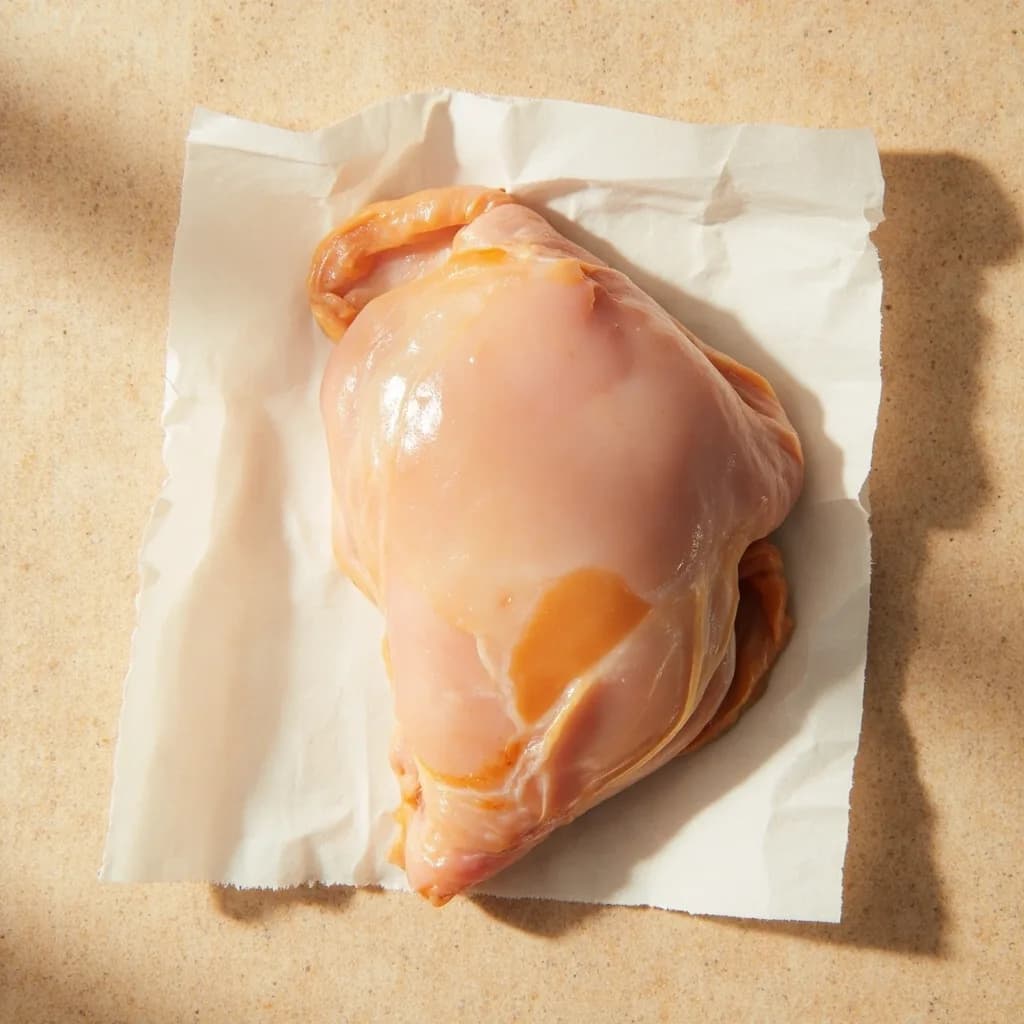
Chicken Breast
Lean, quick-cooking white meat for everyday dinners

Ground Beef
Versatile minced beef for burgers, ragù, tacos, and meatballs
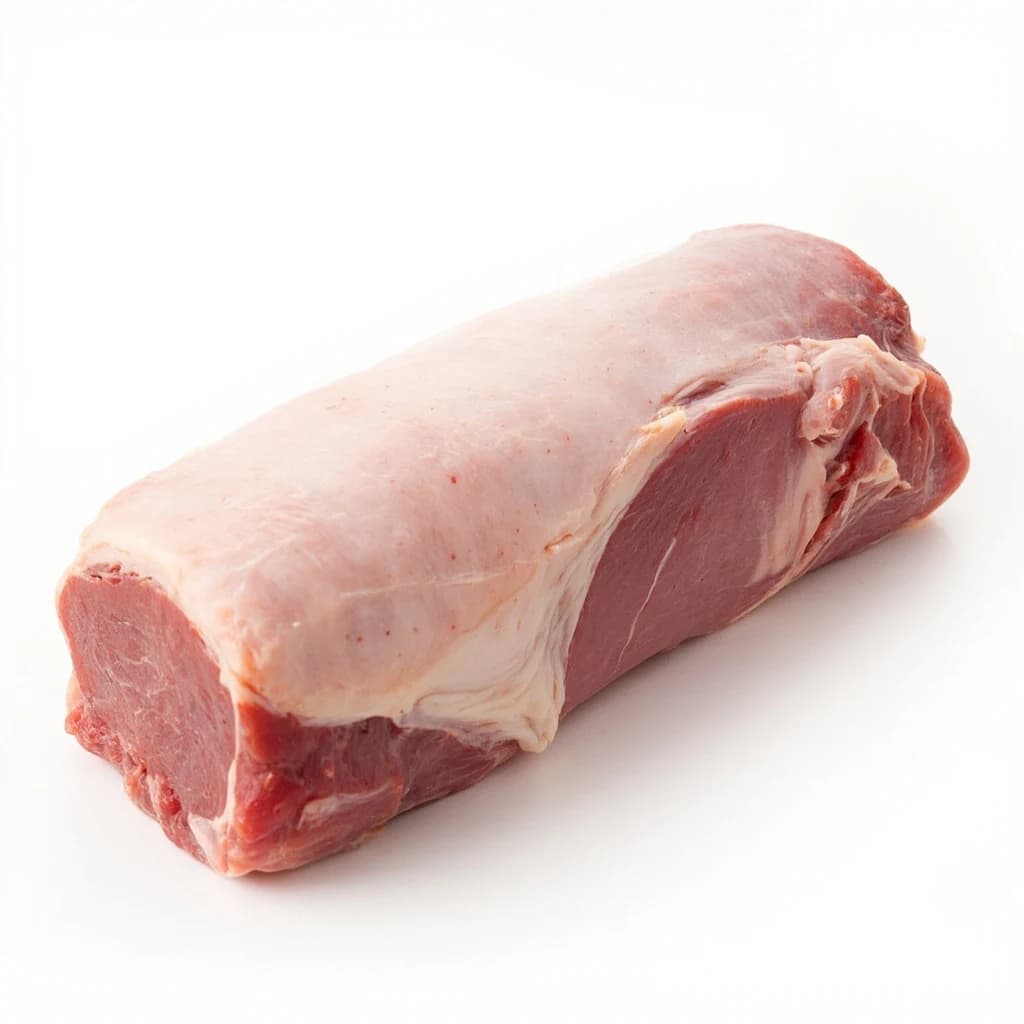
Pork Loin
Lean, tender roasting cut that stays juicy with care
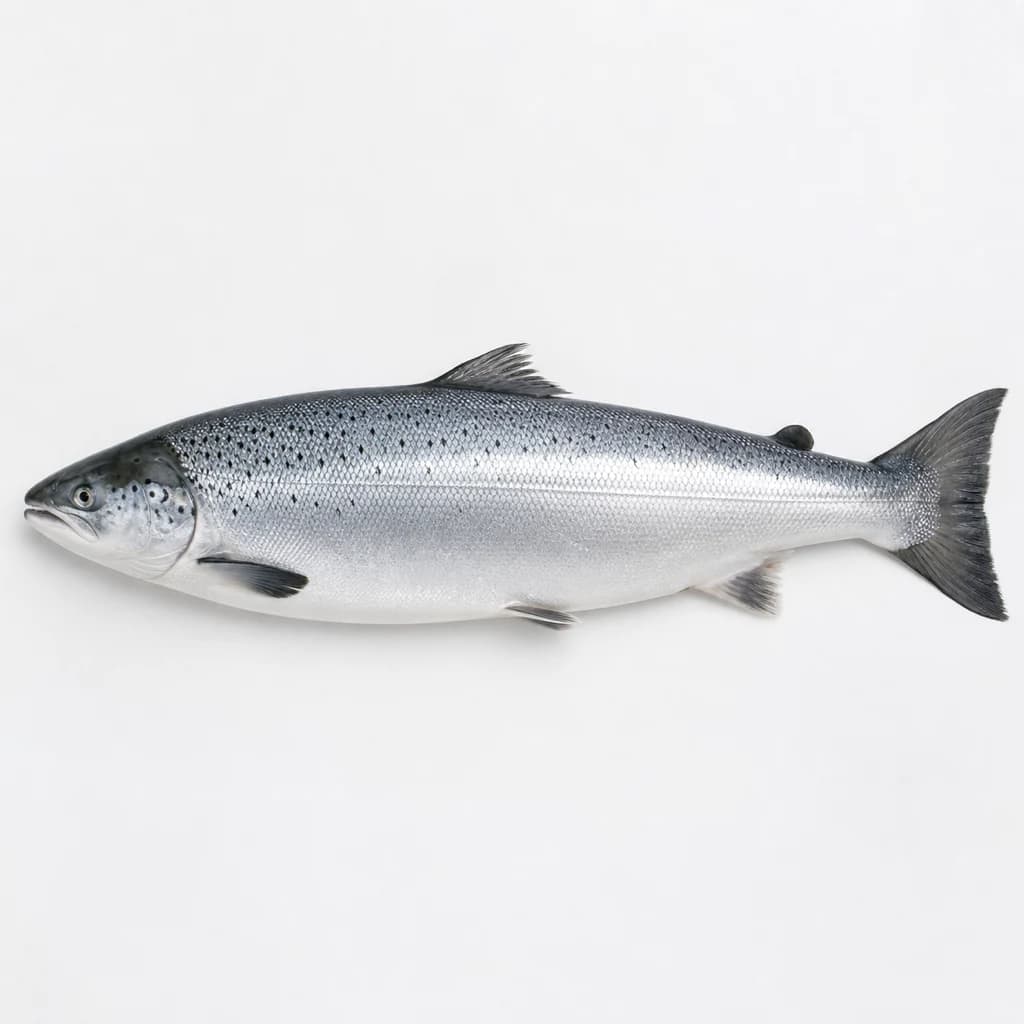
Salmon
Rich, rosy fish that roasts, grills, or cures beautifully

Egg White
Pure protein that whips to airy peaks for meringue and more
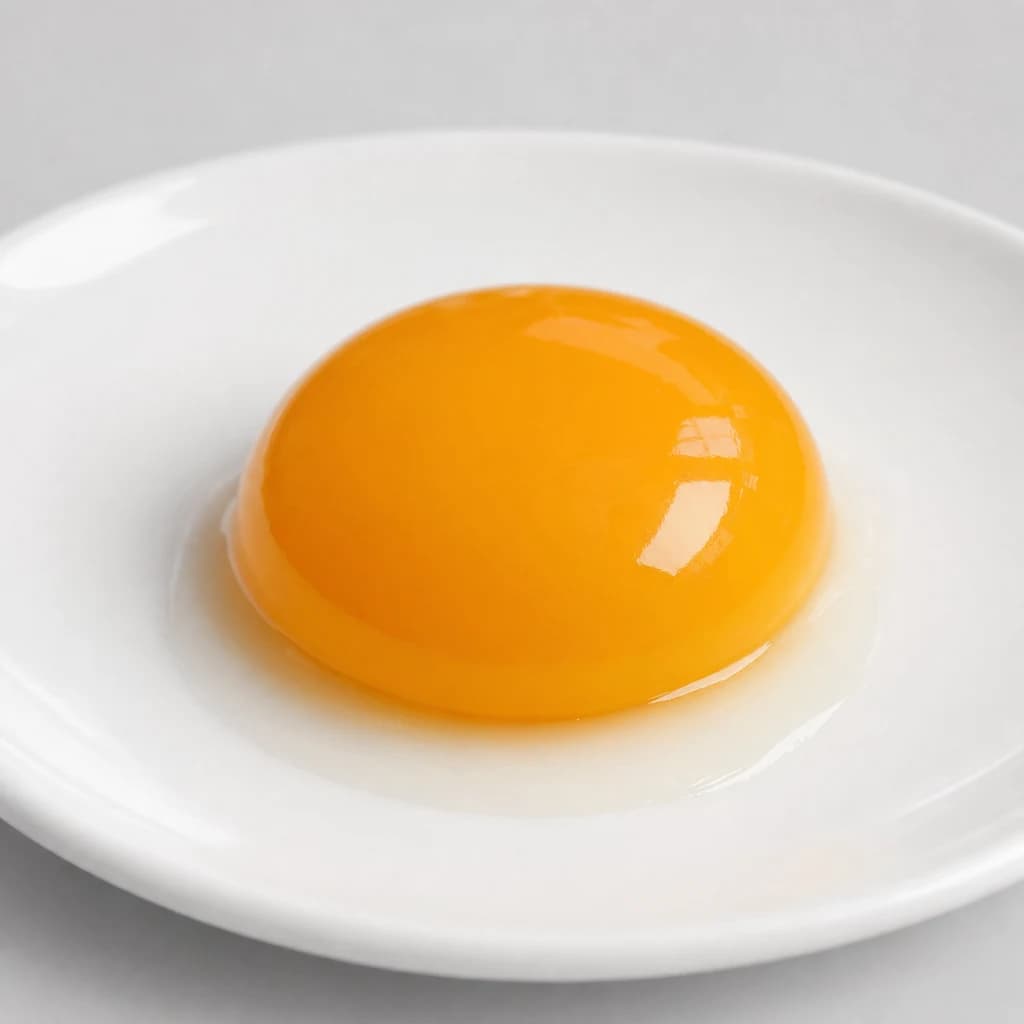
Egg Yolk
Rich, golden yolk for custards, mayonnaise, and pasta

Quail Egg
Tiny, speckled eggs for garnishing and elegant bites