Proteins
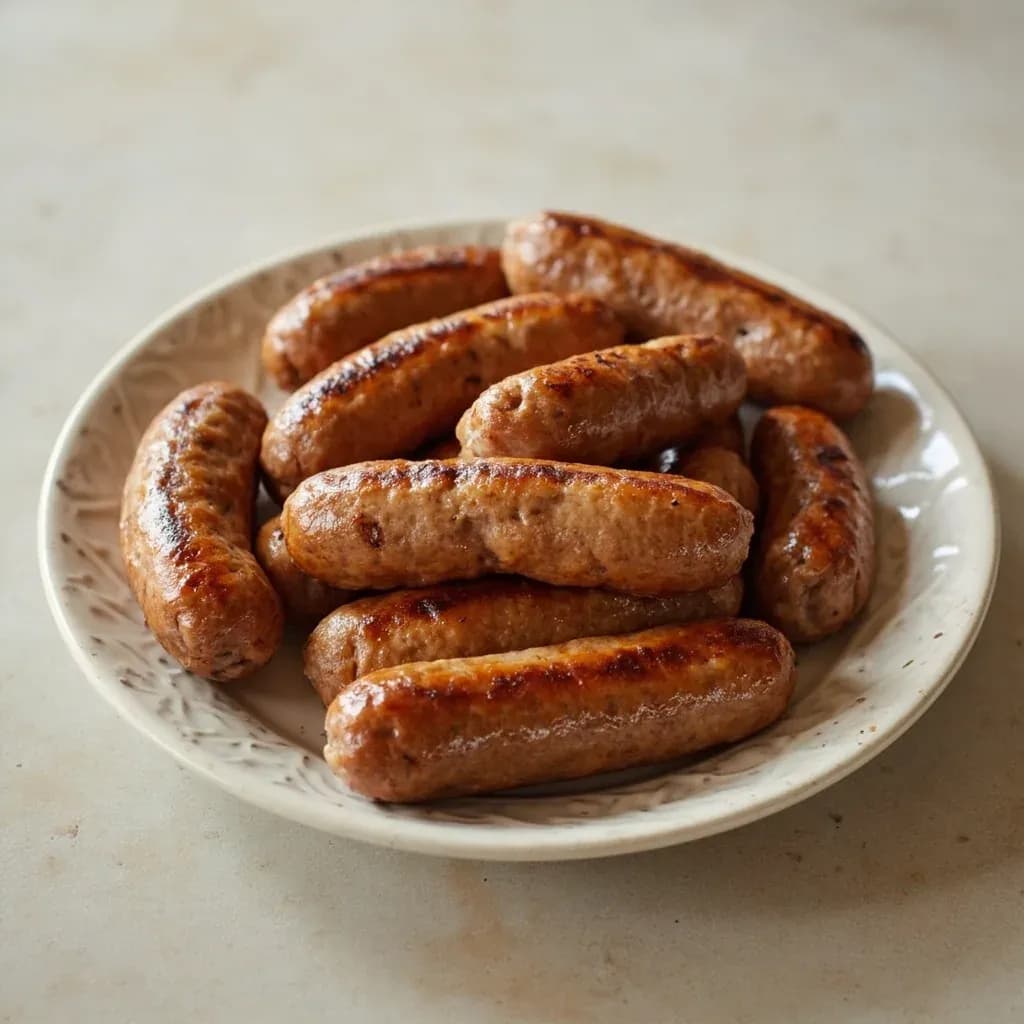
Breakfast Sausage
Fresh seasoned pork sausage in links or patties, sage-and-pepper forward, fried for the breakfast plate.
Breakfast sausage is a fresh (uncured) pork sausage seasoned heavily with sage, black pepper, and sometimes maple or red pepper. It is formed into small links or flat patties and pan-fried until browned, a staple of American and British breakfasts. Its tender, mildly spiced crumb also makes it popular in gravies and stuffings.
Breakfast sausage is a fresh, seasoned pork product distinguished by its sage-and-pepper forward flavor profile. Unlike cured or smoked sausages, it is sold raw or par-cooked and requires thorough cooking before serving. The fat content—typically 25 to 35 percent—is essential to its character: it lubricates the pan, bastes the meat as it renders, and contributes moisture and flavor. Most commercial American breakfast sausage uses hog casings for links or is formed into flattened patties, and it is almost always pre-seasoned at the factory, making it a nearly foolproof starting point for a cook.
The behavior of breakfast sausage in the pan depends almost entirely on heat management. Because the sausage already contains ample fat, adding oil is unnecessary and leads to greasy results. Medium heat is the reliable choice: it allows the casing to firm and snap, the exterior to brown, and the interior to reach a safe 160°F without the casing splitting. The fat rendered during cooking is a legitimate cooking medium—use it to sauté potatoes, wilt greens, or build a pan sauce. Discarding it means discarding flavor and utility.
Regional variation exists within the category. Southern country-style sausage typically uses a coarser grind and heavier hand with sage, sometimes including onion powder. Maple and spicy varieties add secondary flavor layers that alter pairing options. The British equivalent, bangers, shares the sage-pepper seasoning but traditionally uses pork casing and carries higher fat content, making it more prone to casing rupture under high heat—a problem solved by heat control, not by pricking.
- Measured in
- g
- Storage
- Fridge
Types & varieties
Hog casings, small 2–3 inch links; most common in the US Midwest and South
Ground pork formed into flat rounds; popular for sandwiches and quick service
Coarser grind, heavier sage, sometimes includes onion powder; associated with Southern US
Pork seasoned with sage and maple syrup or maple flavoring; sweet-savory balance
Contains fresh or pickled jalapeño, sometimes cayenne; heat forward
Similar sage-pepper seasoning but traditionally higher fat (up to 30%); prone to burst if heat is too high
Heat Control: The Make-or-Break Factor
Medium heat is the only heat setting you need for breakfast sausage. The high internal fat content renders beautifully at moderate temperatures, basting the meat from within. High heat browns the exterior rapidly while leaving the interior underdone, and it frequently ruptures casings. If your sausage casing splits, the problem is your stove, not the sausage.
- For links: start in a cold skillet, then apply medium heat. This allows gradual, even rendering throughout the 10–12 minute cook time.
- For patties: press lightly with a spatula during the first minute to maximize surface contact with the pan for an even sear.
- If the casing bursts: reduce heat immediately. Persistent splitting indicates excessive heat, not a faulty sausage.
The Rendered Fat Is an Ingredient
Do not pour off the fat left in the pan after cooking breakfast sausage. This sage-scented pork fat is a seasoned cooking medium with full utility.
- Cook hash browns or home fries directly in the rendered fat for infused flavor.
- Sauté bell peppers, onions, or greens in the fat to build breakfast hashes.
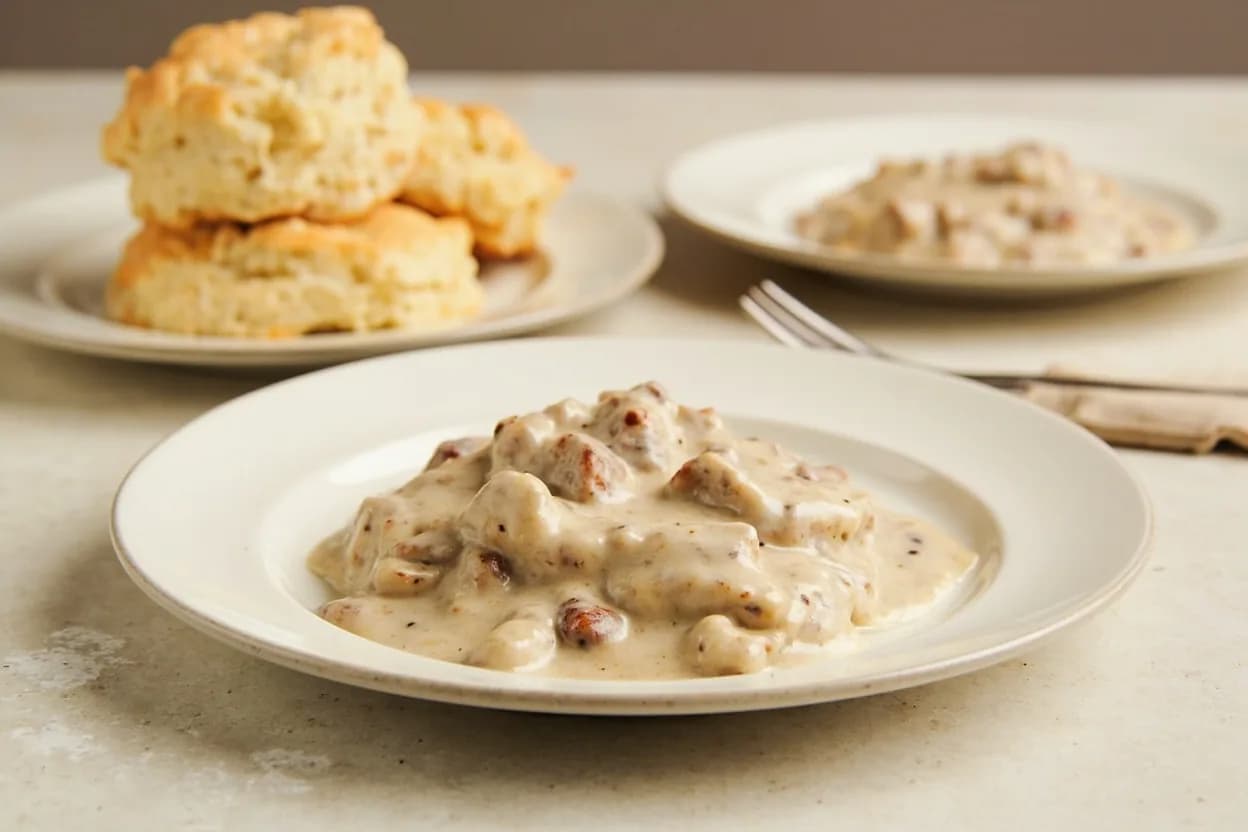
- Use the fat as the base for biscuits and gravy—the fond (browned bits) is essential to proper gravy flavor.
- Scrape the pan with a wooden spoon to incorporate all the fond before deglazing.
Common uses
Tips & pitfalls
- Never prick or pierce sausage casings before cooking—this releases the fat and juices that keep the sausage moist and flavorful, resulting in dry, shriveled links. The casing bursts only if heat is too high; control the heat instead.
- Use medium heat without added oil. Breakfast sausage contains enough internal fat to render and lubricate the pan on its own.
- For links: place in a cold skillet, then turn heat to medium. This allows gradual fat rendering and even cooking through. Cook 10–12 minutes, turning every 2–3 minutes.
- For patties: press lightly with a spatula during the first minute of cooking to maximize surface contact with the pan and achieve an even sear.
- For crispy edges on patties: leave the skillet uncovered while cooking. Covering traps steam and prevents proper browning.
- If browning for a dish, brown first in a dry skillet, then add aromatics. The fond (browned bits) is flavor—scrape it up when deglazing.
- Check the package: some breakfast sausage is fully cooked and needs only reheating to 140°F; most fresh/raw sausage requires cooking to 160°F throughout.
- Leftover cooked sausage reheats well in a 350°F oven for 8–10 minutes or quickly in a skillet.
Nutrition
Energy
728 kJ · per 100 g
Where the calories come from
Protein
15.9g
32% DV
Carbs
3.2g
1% DV
Fat
10.4g
13% DV
Fiber
0g
0% DV
Sugars
0g
of which
Sodium
714mg
31% DV
Source · USDA FoodData Central · Sausage, turkey, breakfast links, mild, raw
View on FDC →In the shops
Matched grocery products
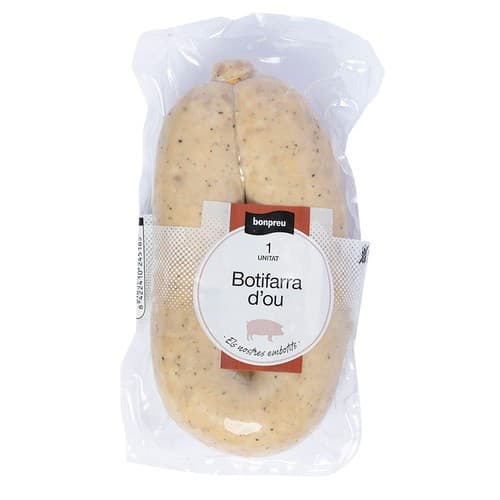 €3.79
€3.79Egg Sausage
BONPREU · kg · Bonpreu
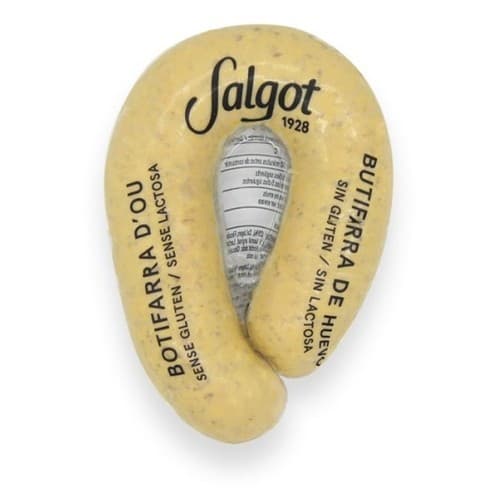 €4.99
€4.99Egg Sausage
SALGOT · kg · Bonpreu
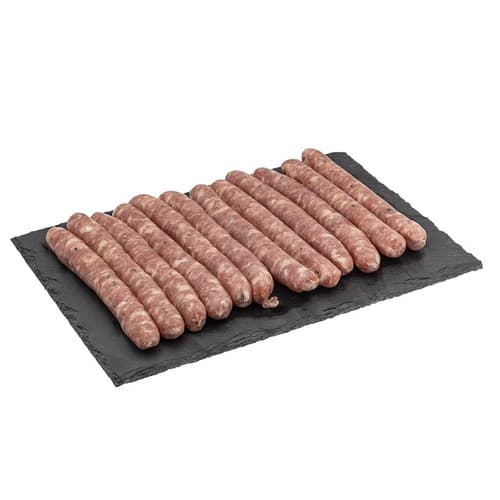 €5.99
€5.99Pork Sausage
BONPREU DE L'ERA · kg · Bonpreu
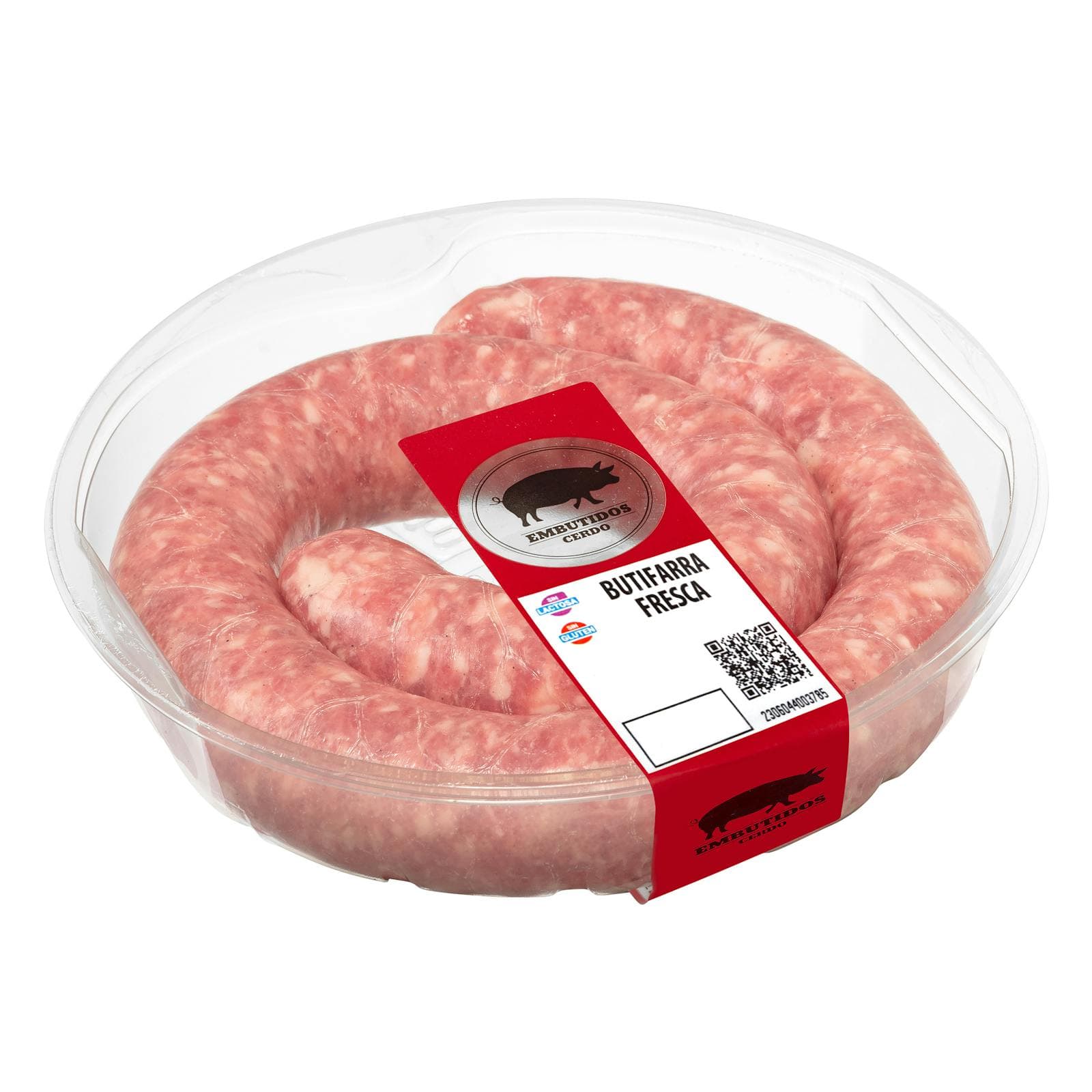 €3.62
€3.62Fresh Sausage
640 g · Mercadona
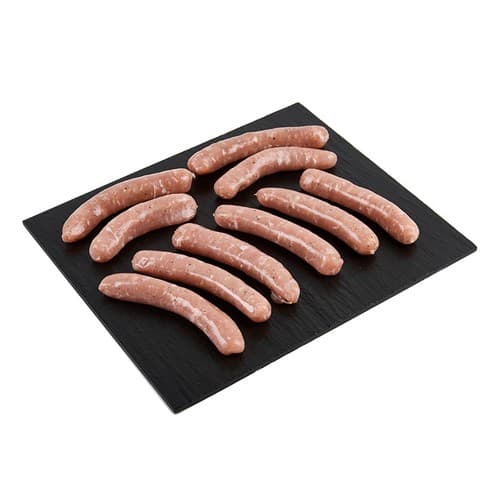 €6.75
€6.75Rabbit Sausage
BONPREU · kg · Bonpreu
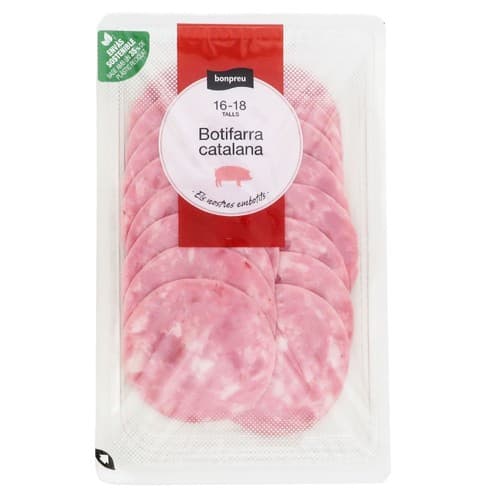 €1.89
€1.89Catalan Sausage
BONPREU · kg · Bonpreu
Good to know
- Type
- Fresh seasoned pork sausage; raw or par-cooked (check label)
- Primary seasonings
- Ground sage, black pepper; often thyme, marjoram, white pepper, nutmeg
- Forms
- Small links (hog casings) or flattened patties
- Pork content
- 70–85% lean pork shoulder; often pork belly added for fat
- Fat content
- Typically 25–35%; fat renders during cooking and is a cooking medium, not waste
- Storage (fresh, sealed)
- Refrigerator 1–2 days; freeze up to 1–2 months
- Storage (opened, cooked)
- Refrigerator up to 4 days; freeze up to 1 month
- Doneness
- Cook to 160°F throughout; some par-cooked varieties need only reheating to 140°F
Substitutes
- Italian sausage (sweet or mild) — Different seasoning profile (fennel and anise rather than sage); acceptable in pasta and breakfast dishes but less traditional for the breakfast plate.
- Bulk pork sausage (seasoned) — Essentially the same product without casings; can be formed into patties or used crumbled. Check seasonings as they vary by brand.
- Chicken apple sausage — Lower fat, different flavor; acceptable for low-fat diets but not a true flavor substitute for sage-forward pork sausage.
- Homemade blend — Ground pork shoulder (80/20) seasoned with 1 tsp ground sage, ½ tsp black pepper, ¼ tsp each: thyme, marjoram, white pepper per pound.
Pairs with
Also called
Pork Sausage Link · Breakfast Links
Appears in these dishes
Related

Egg
The kitchen's everything ingredient — bind, leaven, enrich, or fry
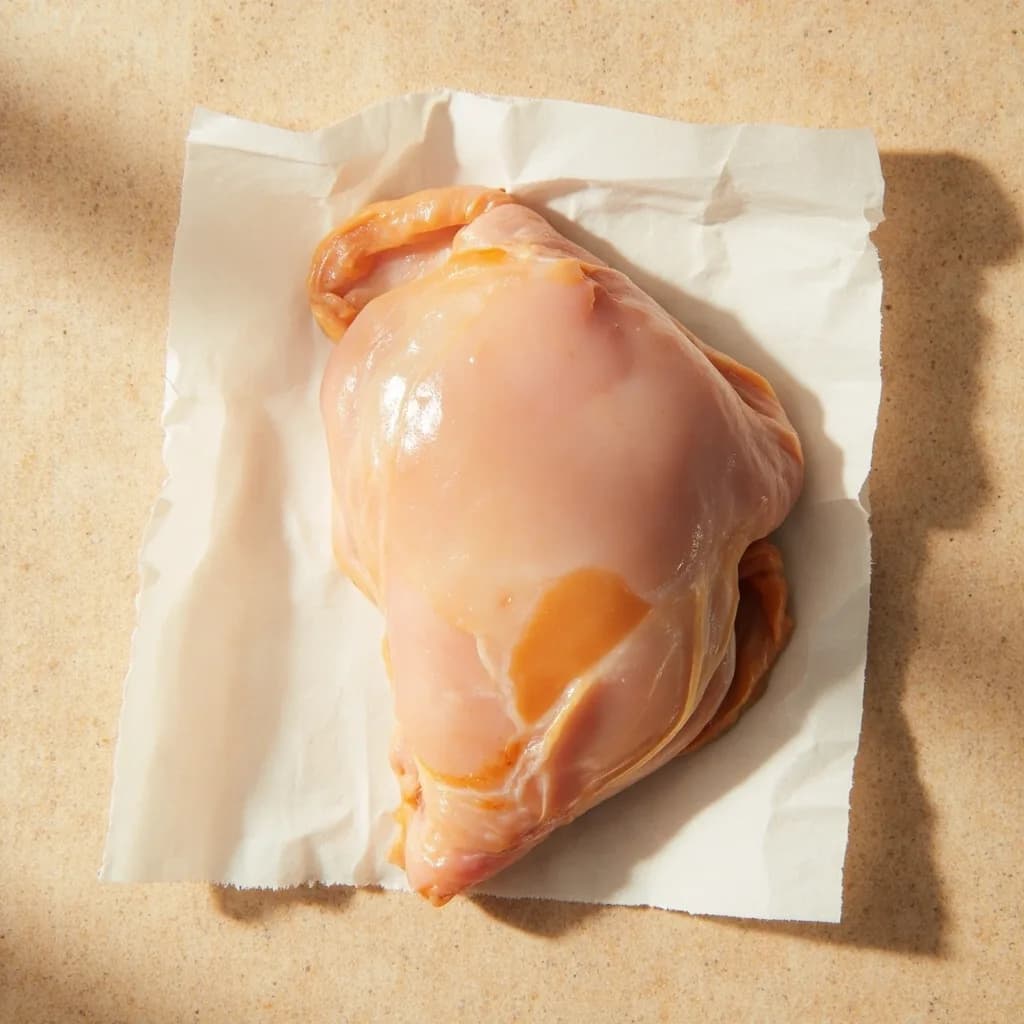
Chicken Breast
Lean, quick-cooking white meat for everyday dinners

Ground Beef
Versatile minced beef for burgers, ragù, tacos, and meatballs
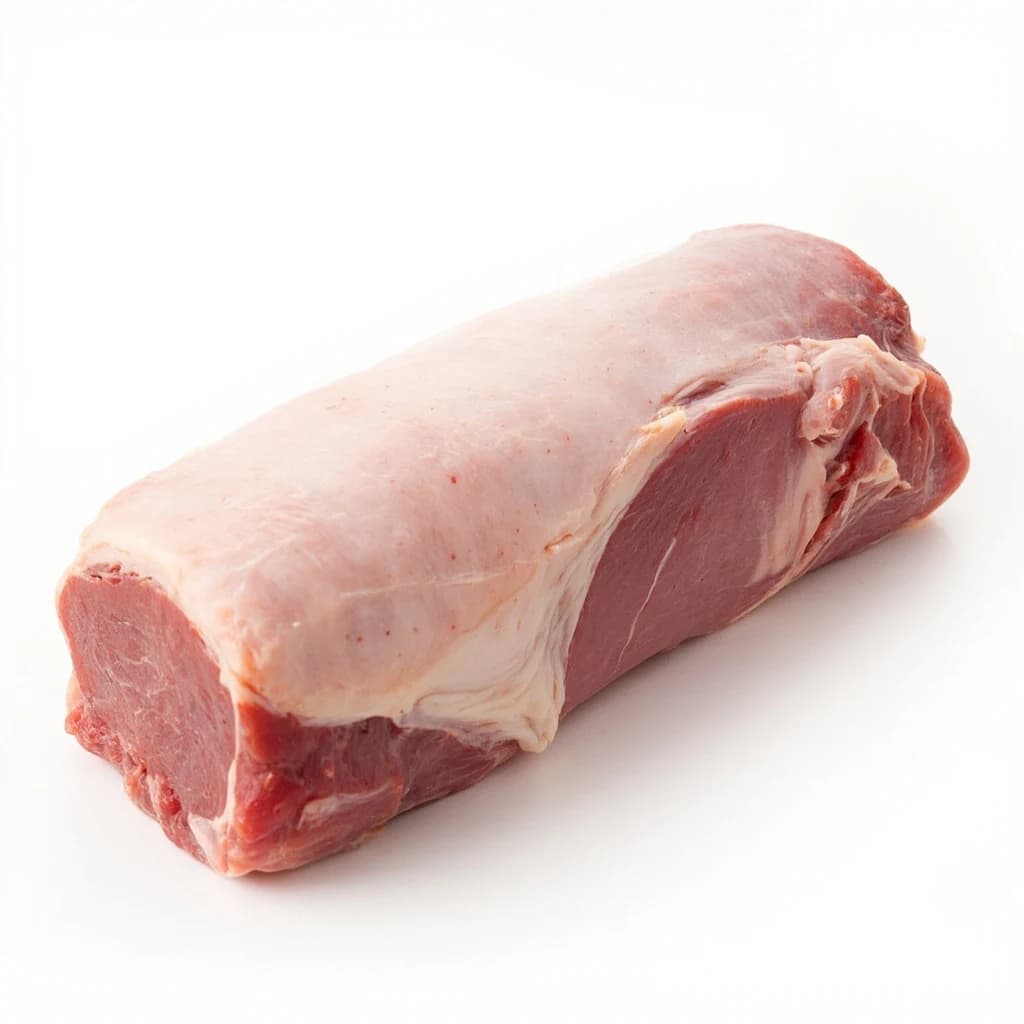
Pork Loin
Lean, tender roasting cut that stays juicy with care
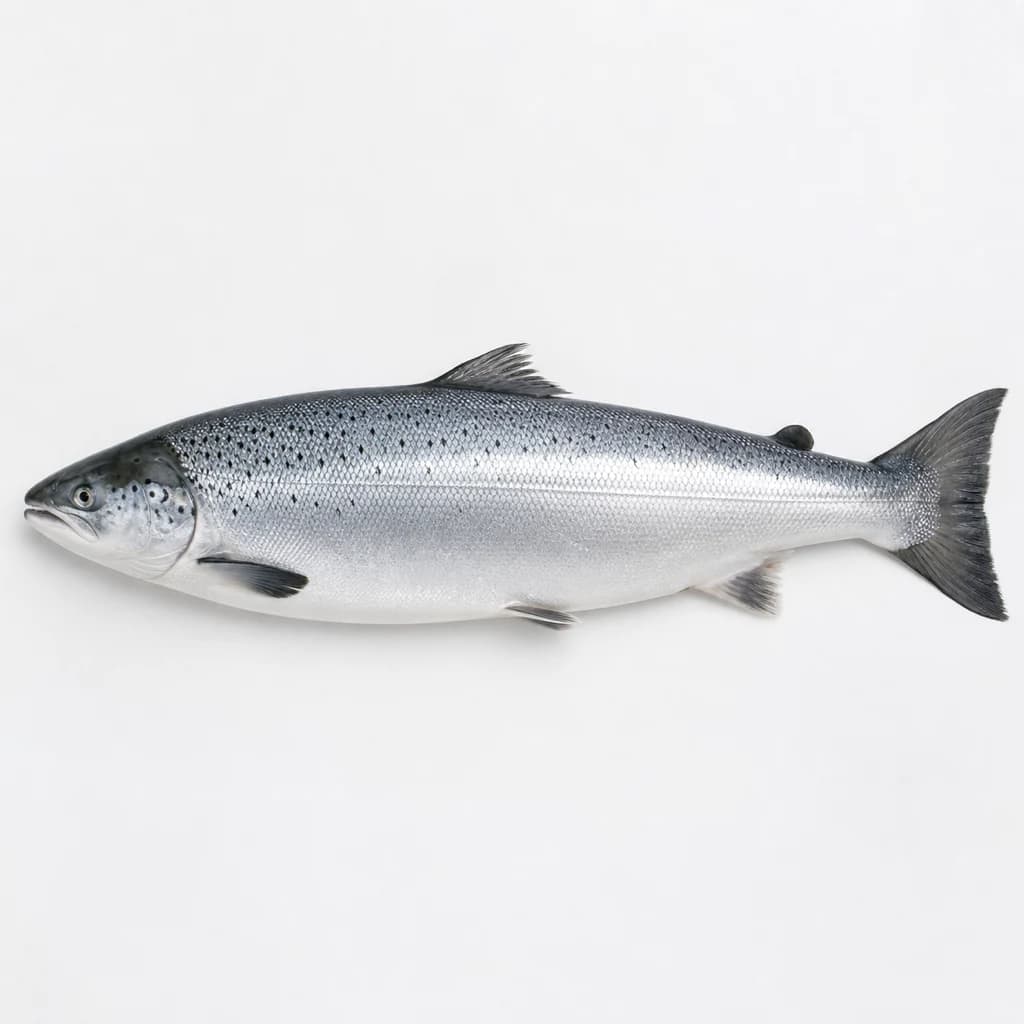
Salmon
Rich, rosy fish that roasts, grills, or cures beautifully

Egg White
Pure protein that whips to airy peaks for meringue and more

Egg Yolk
Rich, golden yolk for custards, mayonnaise, and pasta

Quail Egg
Tiny, speckled eggs for garnishing and elegant bites