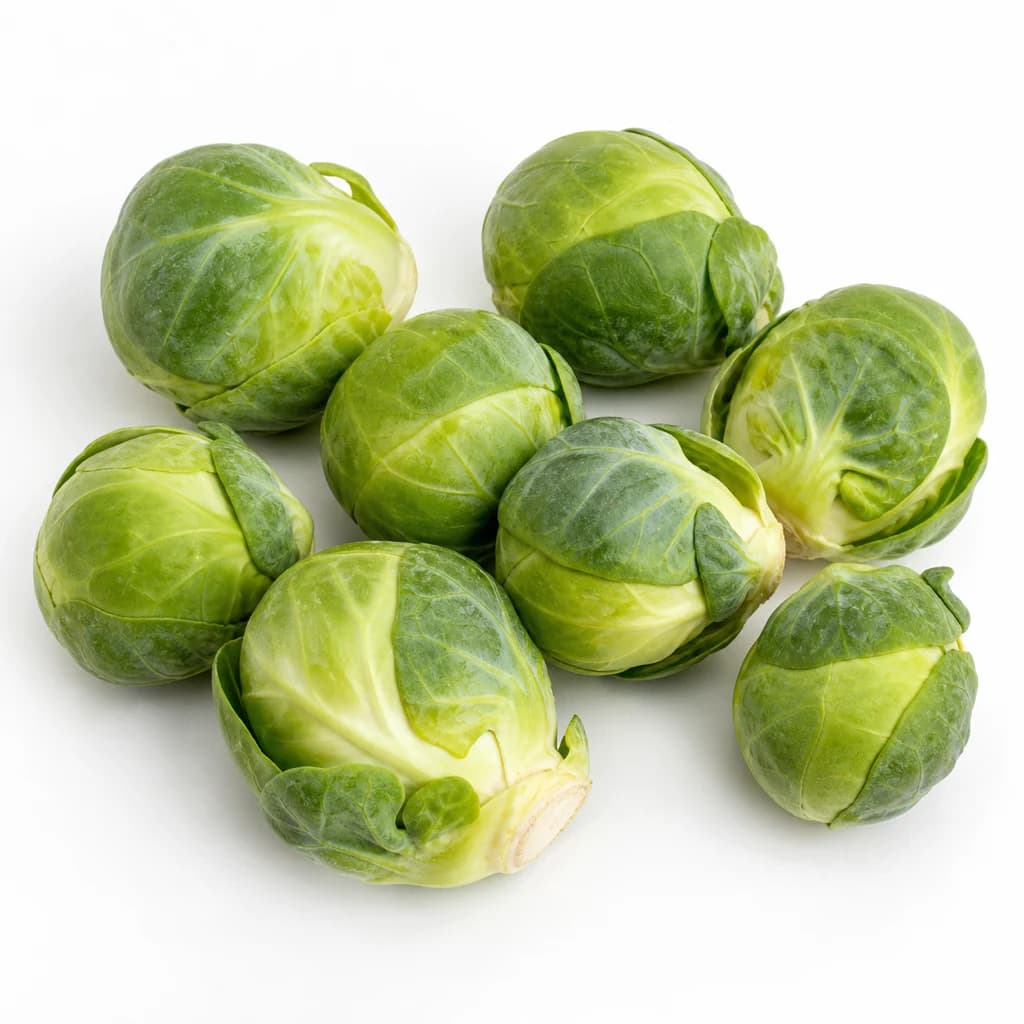
Natural form
Whole Brussels sprouts showing tightly layered green leaves and compact rounded heads.
Establishes the defining visual identity — compact spherical bud, tightly wrapped pale-green to deep-green leaves — so a reader can recognize the vegetable at a glance.
Produce
Brussels Sprout
Mini cabbages that caramelize sweet when roasted
Roasted hot, Brussels sprouts go crisp and nutty-sweet, shedding their bitter reputation; shaved raw, they make a sturdy slaw. Keep them cold and roast cut-side down.
Brussels sprouts are tiny cabbages that grow in rows up a thick stalk, and they've shed their soggy, bitter reputation entirely — the secret was always high heat. Roasted hard or fried until the outer leaves crisp and char, they go nutty, sweet, and addictive. Shaved raw, they make a sturdy, peppery slaw. Boiled to death they're miserable; given a hot oven and a little acid, they're a vegetable people fight over.
- Measured in
- g
- Storage
- Refrigerate
- Shelf life
- 14 days
Find it in
Types & varieties
The standard; small ones are sweetest and most tender
Sold whole on the stem; freshest and longest-keeping
Anthocyanin-tinged; slightly milder, pretty
How to choose
Want firm, compact, bright-green sprouts with tightly closed leaves and no yellowing, black spots, or loose, ragged outer leaves. Smaller sprouts are sweeter and more tender; large ones can be more bitter and need halving. Buying them still on the stalk keeps them freshest.
How to store and prep
Keep sprouts unwashed in the crisper, loosely bagged (or left on the stalk), for up to a week. To prep, trim the dry stem end, peel off any loose or yellowed outer leaves, and halve them through the core — the cut side is what caramelizes. Tiny ones can stay whole; big ones quartered.
- Refrigerate; on the stalk lasts longest
- Trim the stem, peel ragged leaves
- Halve so the cut face browns
Why high heat is everything
Slow, wet cooking releases the sulfurous compounds that give boiled sprouts their bad name. Dry, high heat does the opposite — roasting at high temperature or pan-searing cut-side down caramelizes the sugars, crisps the leaves, and turns bitterness into nutty sweetness. Finish with acid (lemon, balsamic, vinegar) or something sweet-savory (honey, bacon, maple) to balance.
Common uses
Tips & pitfalls
- Roast hot and cut-side down for the crispiest, most caramelized result
- Don't crowd the pan — sprouts need space or they steam instead of brown
- Shave them raw for a sturdy, peppery salad or slaw
- Balance with acid (balsamic) or sweet-salty partners (bacon, maple)
- The crispy loose leaves that fall off are the best part — keep them
Nutrition
Energy
180 kJ · per 100 g
Where the calories come from
Protein
3.4g
7% DV
Carbs
9g
3% DV
Fat
0.3g
0% DV
Fiber
3.8g
14% DV
Sugars
2.2g
of which
Sodium
25mg
1% DV
Source · USDA FoodData Central · Brussels sprouts, raw
View on FDC →In the shops
Matched grocery products
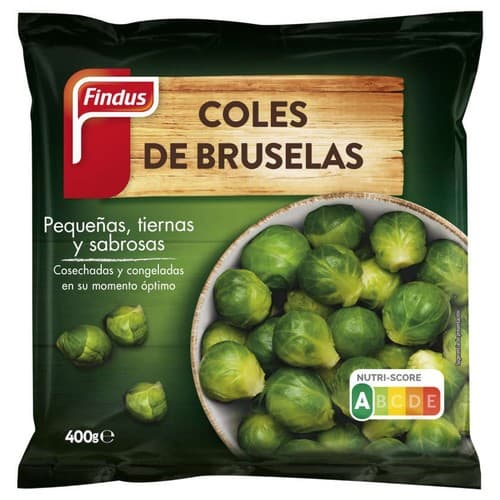 €2.99
€2.99Findus Brussels Sprouts
FINDUS · kg · Bonpreu
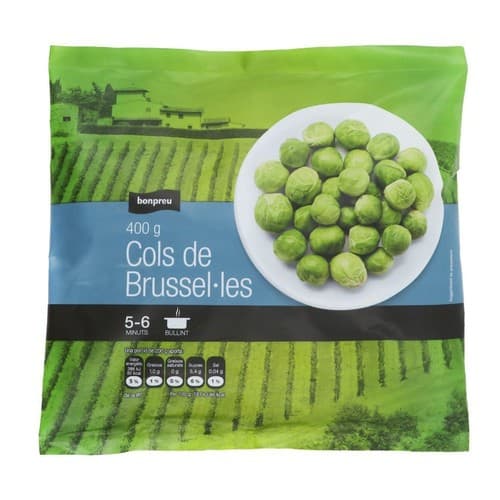 €1.47
€1.47Bonpreu Brussels Sprouts
BONPREU · kg · Bonpreu
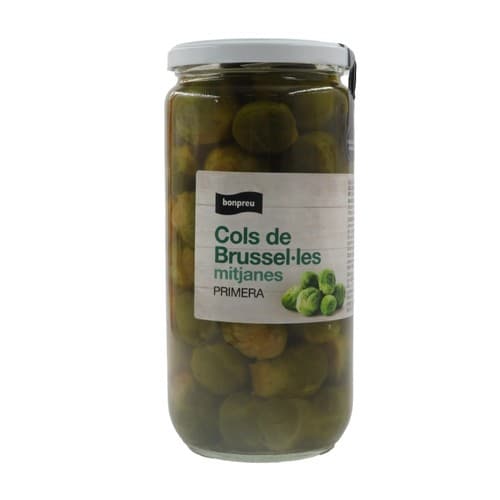 €1.50
€1.50Medium First Quality Brussels Sprouts
BONPREU · kg · Bonpreu
Good to know
- Peak season
- Late fall through winter; sweeter after frost
- Flavor
- Nutty, cabbagey, faintly bitter; sweet and caramelized when roasted
- Origin
- Cultivated near Brussels, Belgium (hence the name)
- Nutrition
- ~43 kcal/100g; very high vitamin C, K; fiber, folate
- How to buy
- Firm, tight, bright-green heads; small is sweeter; no yellowing
Substitutes
- Cabbage — Wedges or shreds roast similarly (they're close kin)
- Broccoli — For roasted florets with char
- Savoy cabbage — Shredded, for a tender braise or slaw
Also called
coles de Bruselas
Related
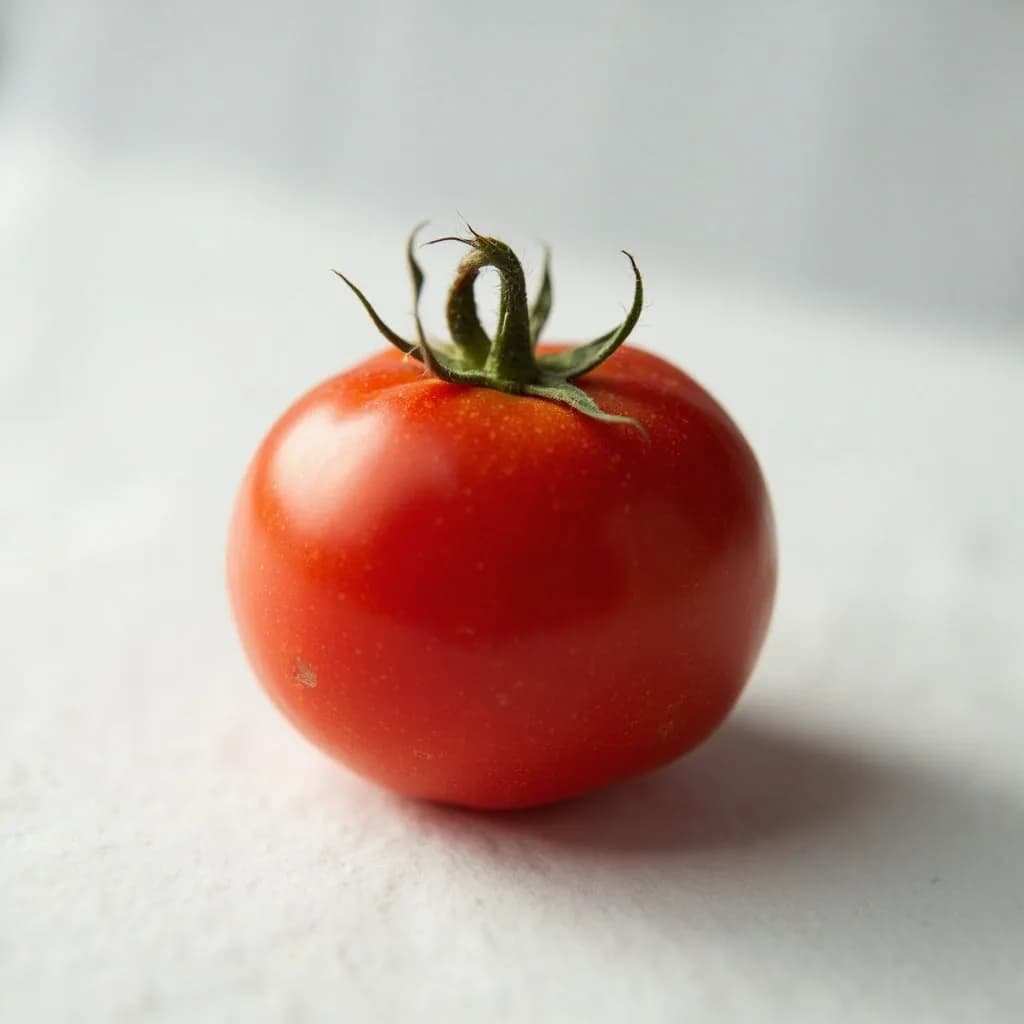
Tomato
Juicy, sun-sweet fruit for sauces, salads, and slow-cooked depth
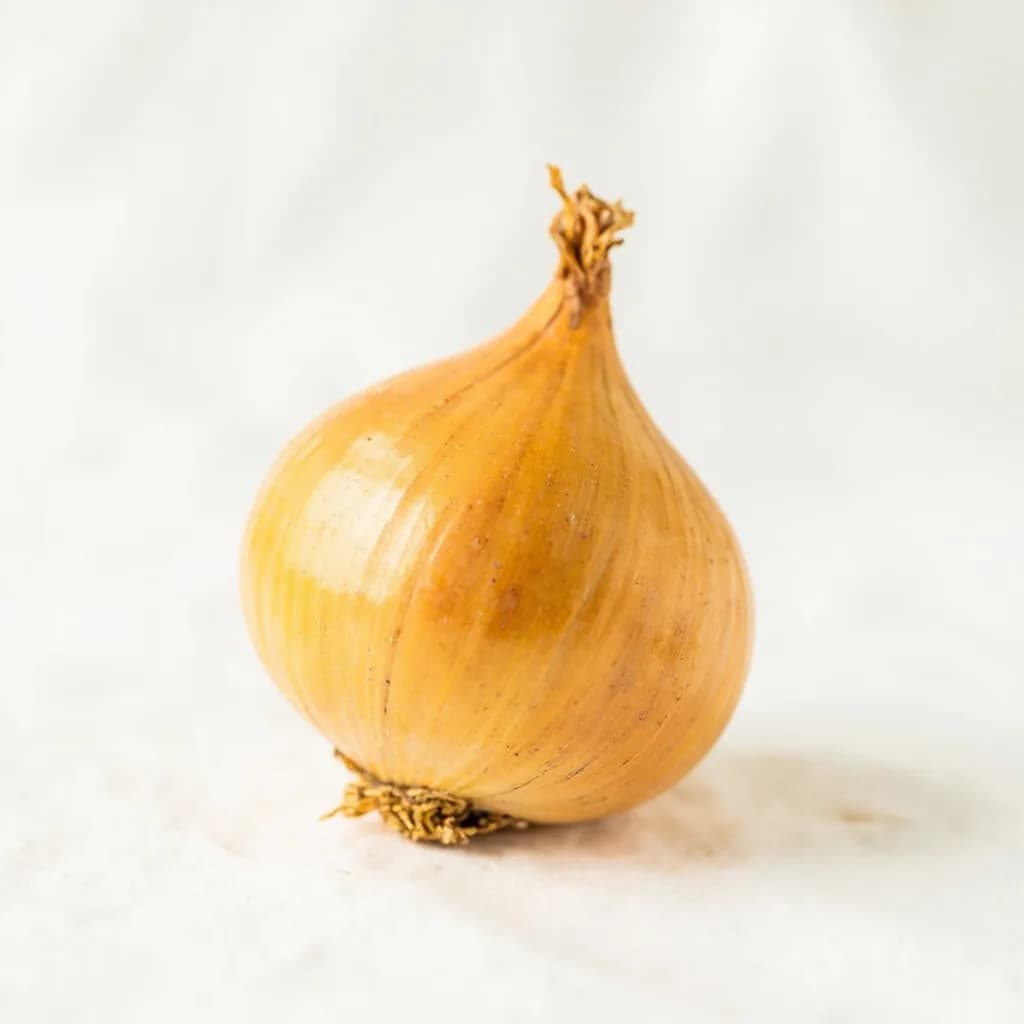
Yellow Onion
The aromatic backbone of soups, sofritos, and braises
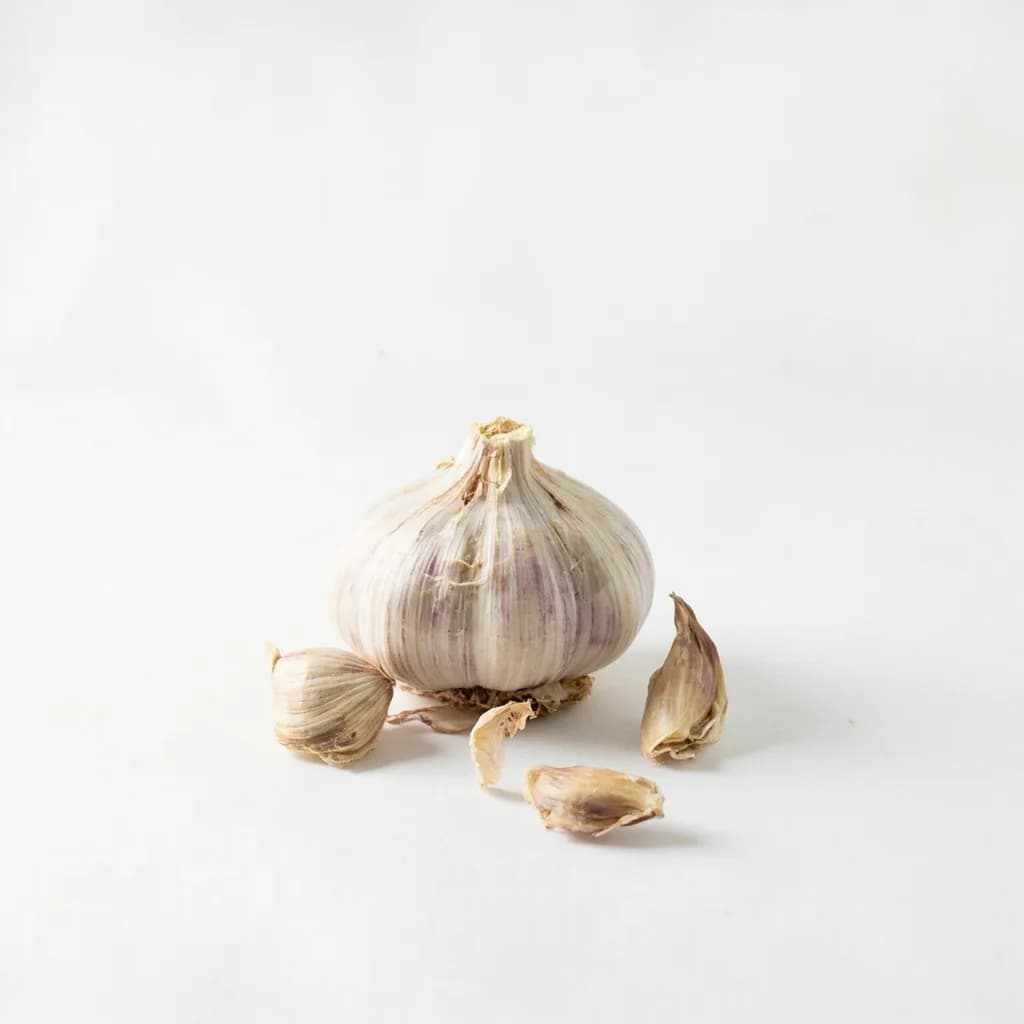
Garlic
Pungent cloves that perfume nearly every savory dish
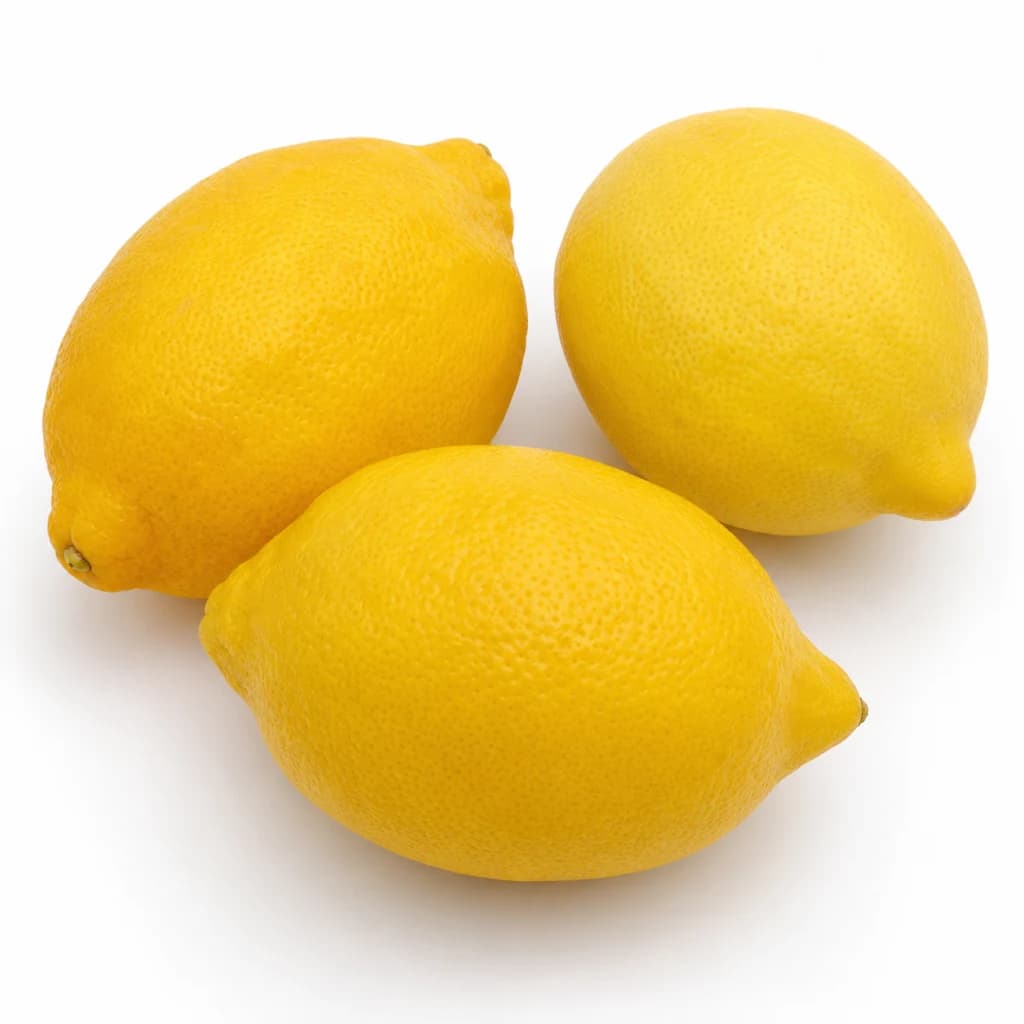
Lemon
Bright, acidic citrus that wakes up almost any dish
Potato
Humble, hearty staple — roast, mash, fry, or boil
Carrot
Sweet, crunchy root — raw, roasted, or the base of a sofrito
Cucumber
Cool, crisp, and watery — for salads, pickles, and tzatziki

Lettuce
Crisp leaves for salads, wraps, and a fresh crunch