Grains & Rice
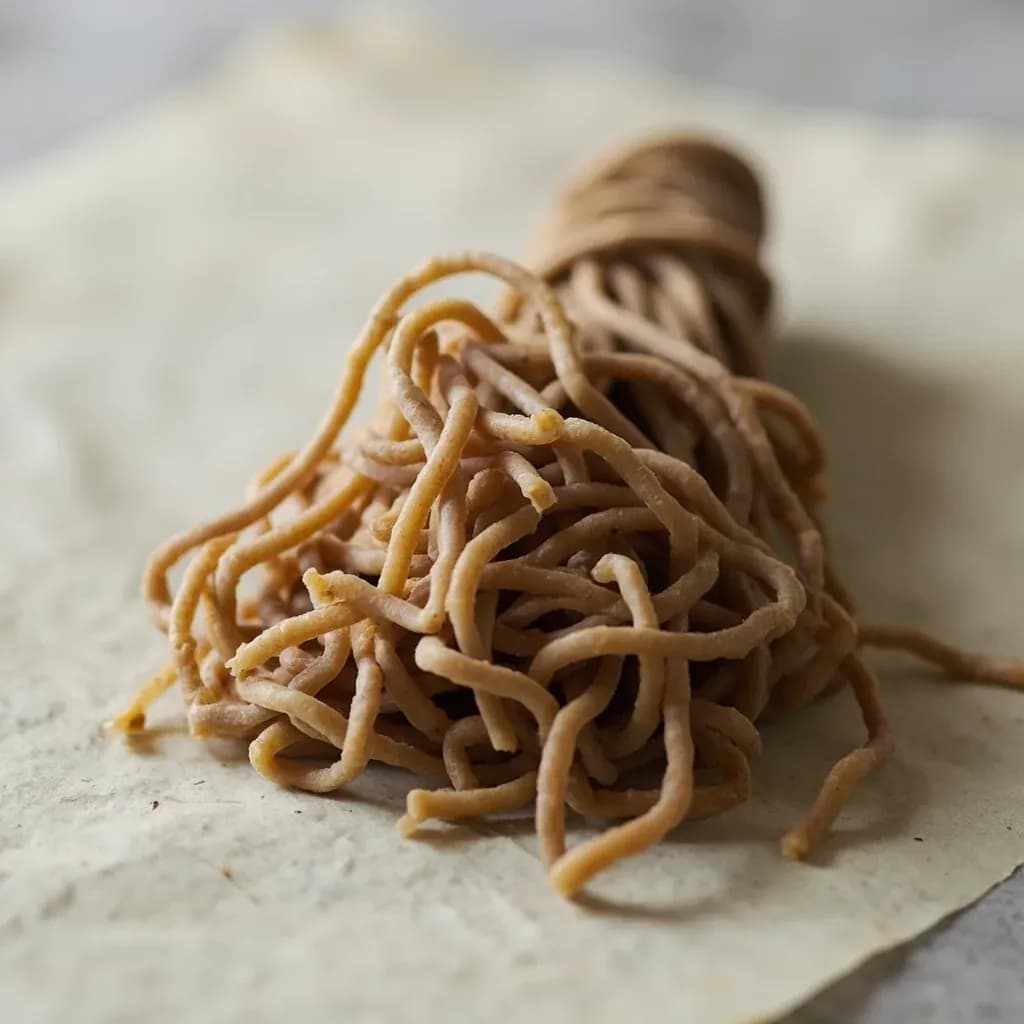
Buckwheat Noodle
Chewy noodles made from buckwheat, used in Korean naengmyeon and similar cold-noodle dishes.
Buckwheat noodles are made from buckwheat flour, often blended with other starches for elasticity, giving a springy, chewy texture and nutty flavor. In Korea they form the base of naengmyeon, served cold in icy broth or with spicy sauce. They are also the foundation of Japanese soba and other regional noodle dishes.
Buckwheat noodles are chewy, earthy noodles ground from the seeds of the Fagopyrum esculentum plant—not a grain at all, but a seed related to rhubarb and sorrel. This botanical fact matters: pure buckwheat noodles are naturally gluten-free, though commercial varieties frequently blend in wheat flour to improve elasticity and reduce cost. The noodles have a distinctive nutty, slightly bitter flavor that intensifies with higher buckwheat content, and a firm, resilient chew that holds up beautifully in both icy cold broths and hot soups. Buckwheat was first cultivated around 6000 BCE in Southeast Asia, spreading eastward to Korea and Japan, where these noodles anchor two of the region's most beloved noodle traditions: Korean naengmyeon and Japanese soba. Korean buckwheat noodles tend toward the very thin (1–1.5 mm) and are prized for their exceptional chew, while Japanese soba runs slightly thicker (1.5–2 mm) and ranges from simple weeknight kake soba to the ceremonial heights of chilled zaru soba served on a bamboo draining rack. The texture is the key identifier—properly cooked buckwheat noodles should offer real resistance when you bite, not the soft give of wheat noodles.
- Measured in
- g
- Storage
- Pantry
Allergens
Types & varieties
Traditional Korean 100% buckwheat noodles, thin and very chewy—the canonical base for cold naengmyeon in broth or mixed with sauce
Extra-thin Korean buckwheat noodles, the standard choice for mul-naengmyeon (cold broth version)
Korean buckwheat noodles served on a plate with sauce for tableside mixing, not in broth
Simple Japanese hot buckwheat noodle soup in light dashi-based broth with minimal garnishes, a winter staple
Chilled Japanese soba served on a bamboo draining rack with cold dipping sauce (mentsuyu), nori, and wasabi
Japanese soba topped with grated daikon radish, served either hot or cold
Truly gluten-free; more fragile, cooks faster, stronger bitter flavor, prone to breaking if handled roughly
The most common commercial dried soba; easier to shape and handle, more elastic, longer shelf life, milder flavor
Reading the Ingredient Label
Not all buckwheat noodles are equal. Japanese soba packages often list buckwheat as a minority ingredient—30–50% is common—with wheat flour providing body and workability. In some cases, wheat flour may even appear as the first ingredient. Korean naengmyeon noodles labeled as '100% buckwheat' or 'memil' are the real thing but cost significantly more and require more careful cooking. If gluten is a concern, look for explicit 'gluten-free' labeling, not just high buckwheat percentages, since cross-contamination occurs in facilities that also process wheat.
- First ingredient should be buckwheat flour for authentic flavor
- Look for '100% buckwheat' or 'memil' on Korean products for true gluten-free
- Toasted buckwheat flour (kuro-iri) creates darker noodles with roasted intensity
The Ice-Cold Tradition
The defining characteristic of Korean naengmyeon is the broth temperature—chilled to near-freezing with visible ice crystals at the edges. This isn't theatrical; the dramatic temperature contrast is central to the eating experience. Cool the beef broth completely, then place the pot in a larger vessel filled with ice water and a handful of salt, which lowers the temperature below 4°C (39°F). The cold broth numbs the lips slightly and makes the noodles seem even chewier. Korean pear in the broth isn't just garnish—the enzymes help keep the broth clear while providing sweetness that balances the vinegar and the slight bitterness of the buckwheat.
- Chill broth until ice crystals form at the edges—agar or xanthan are never used to thicken
- Korean pear (bae) keeps the broth clear; regular pear may cause cloudiness
- Serve in pre-chilled bowls to maintain temperature throughout the meal
Common uses
Tips & pitfalls
- Salt the boiling water generously—about 1 tablespoon per 4 liters—to help noodles hold their shape and season from within
- Never add noodles to water that isn't at a rolling boil; add them gradually and stir once gently when they first float to prevent sticking to the pot bottom
- Test doneness 1–2 minutes before the package time; they should be just tender with definite chew remaining, not soft throughout
- Drain immediately and rinse under cold running water for 2–3 full minutes until completely cool—this removes surface starch and stops cooking instantly
- After rinsing cold noodles, toss with a few drops of sesame oil to prevent clumping while you prepare the rest of the dish
- For hot dishes, briefly blanch rinsed noodles in warm water or ladle hot broth over them—never return them to a full boil or they'll turn mushy
- 100% buckwheat noodles require gentler handling; use a wide strainer, never stir aggressively, and expect some breakage—this is normal, not a flaw
- Store dried noodles away from strong odors—buckwheat is highly porous and will absorb flavors from nearby garlic, onions, or spices
- The most common mistake is overcooking; buckwheat noodles should feel firm when you bite, with perceptible resistance, even in hot soups
- If noodles break excessively during cooking, the flour was likely ground too coarsely or the dough was too dry—this is more common in handmade or artisan noodles
- Check ingredient lists carefully if avoiding gluten; many Japanese soba brands contain mostly wheat flour despite the buckwheat-forward flavor and color
Nutrition
Energy
1971 kJ · per 100 g
Where the calories come from
Protein
10.9g
22% DV
Carbs
63.6g
23% DV
Fat
21.2g
27% DV
Fiber
6.7g
24% DV
Sugars
0g
of which
Sodium
866mg
38% DV
Source · USDA FoodData Central · approx. Noodles, chinese, chow mein
View on FDC →In the shops
Matched grocery products
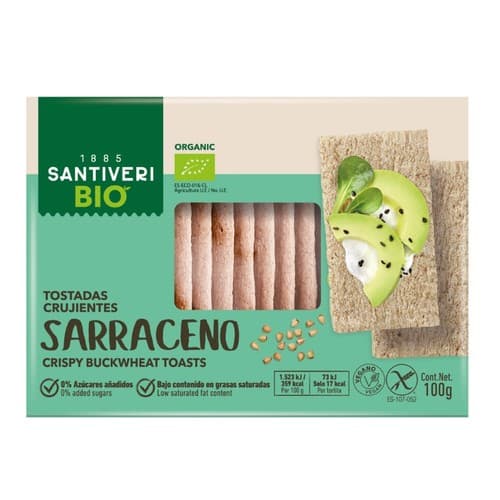 €2.85
€2.85Organic Buckwheat Toasts
SANTIVERI · kg · Bonpreu
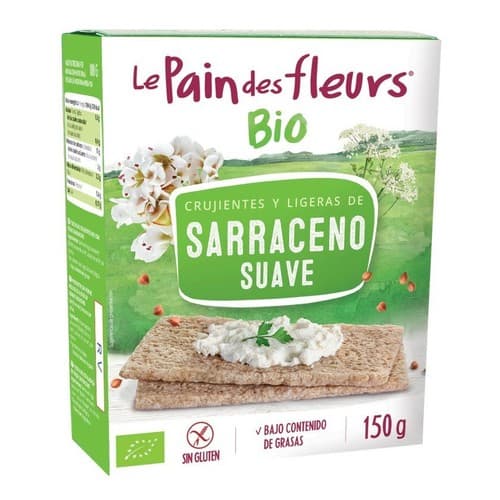 €2.99
€2.99Organic Buckwheat Toasts
PAIN FLEURS · kg · Bonpreu
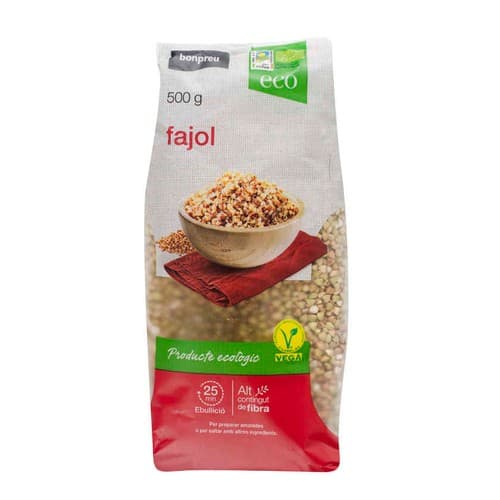 €1.99
€1.99BONPREU Organic Buckwheat
BONPREU · kg · Bonpreu
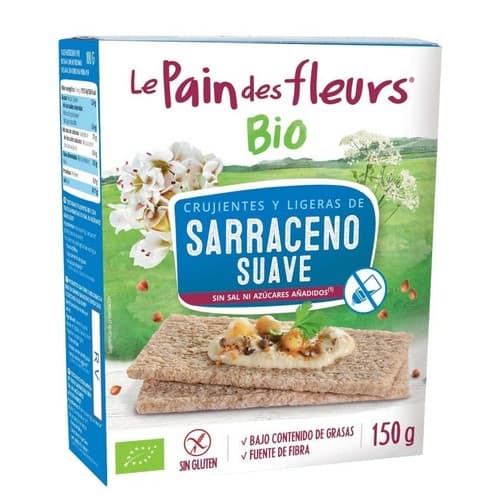 €2.99
€2.99Organic Buckwheat Salt-Free Toasts
PAIN FLEURS · kg · Bonpreu
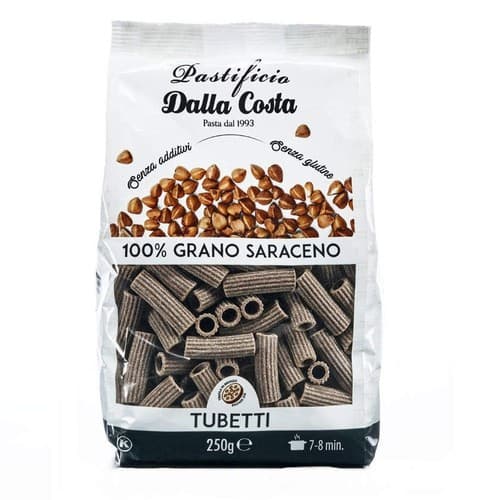 €1.75
€1.75DALLA COSTA Buckwheat Pasta Tubetti
DALLA COSTA · kg · Bonpreu
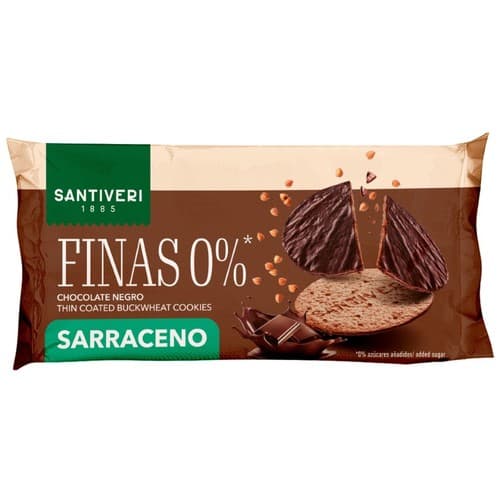 €2.85
€2.85Thin Buckwheat Dark Chocolate Cookie
SANTIVERI · kg · Bonpreu
Good to know
- Scientific Name
- Fagopyrum esculentum (buckwheat plant)
- Typical Diameter
- Thin (1–1.5 mm) for naengmyeon; medium (1.5–2 mm) for Japanese soba
- Cooking Time
- 4–7 minutes for dried; 1–2 minutes for fresh
- Gluten Status
- Pure buckwheat is gluten-free; most commercial varieties blend with wheat flour—check the label
- Primary Flavor
- Nutty, slightly bitter, earthy; intensifies in 100% buckwheat varieties
- Yield
- Dried noodles triple in weight when cooked
- Protein Content
- ~13–15% by weight in buckwheat flour
- Shelf Life (Dried)
- 12–18 months in cool, dry storage, away from strong odors
Substitutes
- Japanese Soba (commercial blend) — Use any dried buckwheat-wheat blend soba; cooking time and method are identical, though flavor will be milder and texture more elastic
- Cellophane Noodles (glass noodles) — For cold Korean-style dishes, mung bean starch noodles offer similar chewy resilience but lack the nutty buckwheat flavor entirely; adjust cooking time to 5–8 minutes
- Udon Noodles — Wheat noodles with a softer, broader chew; acceptable for hot noodle soups but lack the earthy nuttiness and work poorly in cold preparations
- Ramen (wheat-based) — Comparable chewiness but neutral flavor; acceptable only for hot soups, not for cold applications where buckwheat's earthiness defines the dish
Pairs with
Also called
Naengmyeon · Memil Guksu
Related

White Rice
Fluffy long-grain rice — the neutral base for almost any meal

White Bread
Soft sandwich loaf for toast, sandwiches, and crumbs
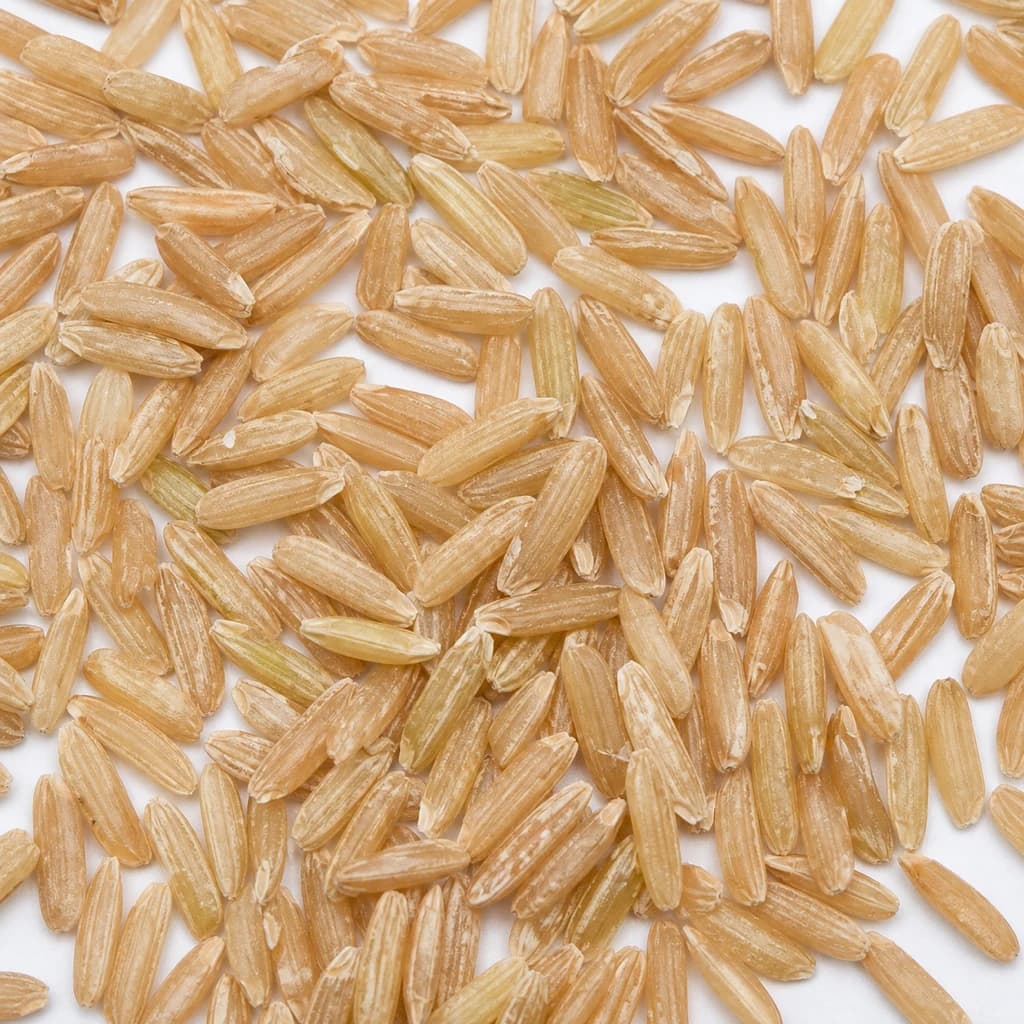
Brown Rice
Nutty, whole-grain rice with chew and extra fiber

Basmati Rice
Fragrant, long-grain rice that cooks up light and separate
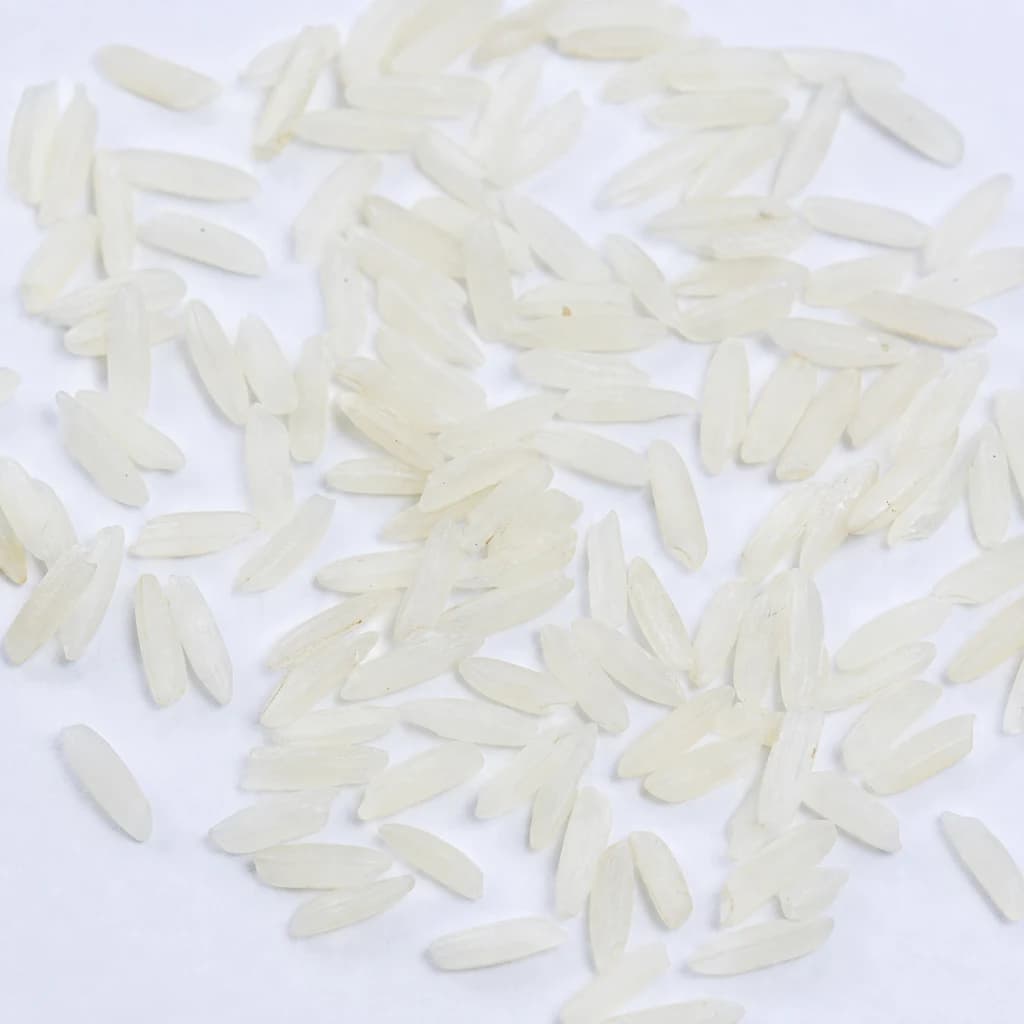
Jasmine Rice
Soft, floral-scented rice that's the pillar of Thai meals
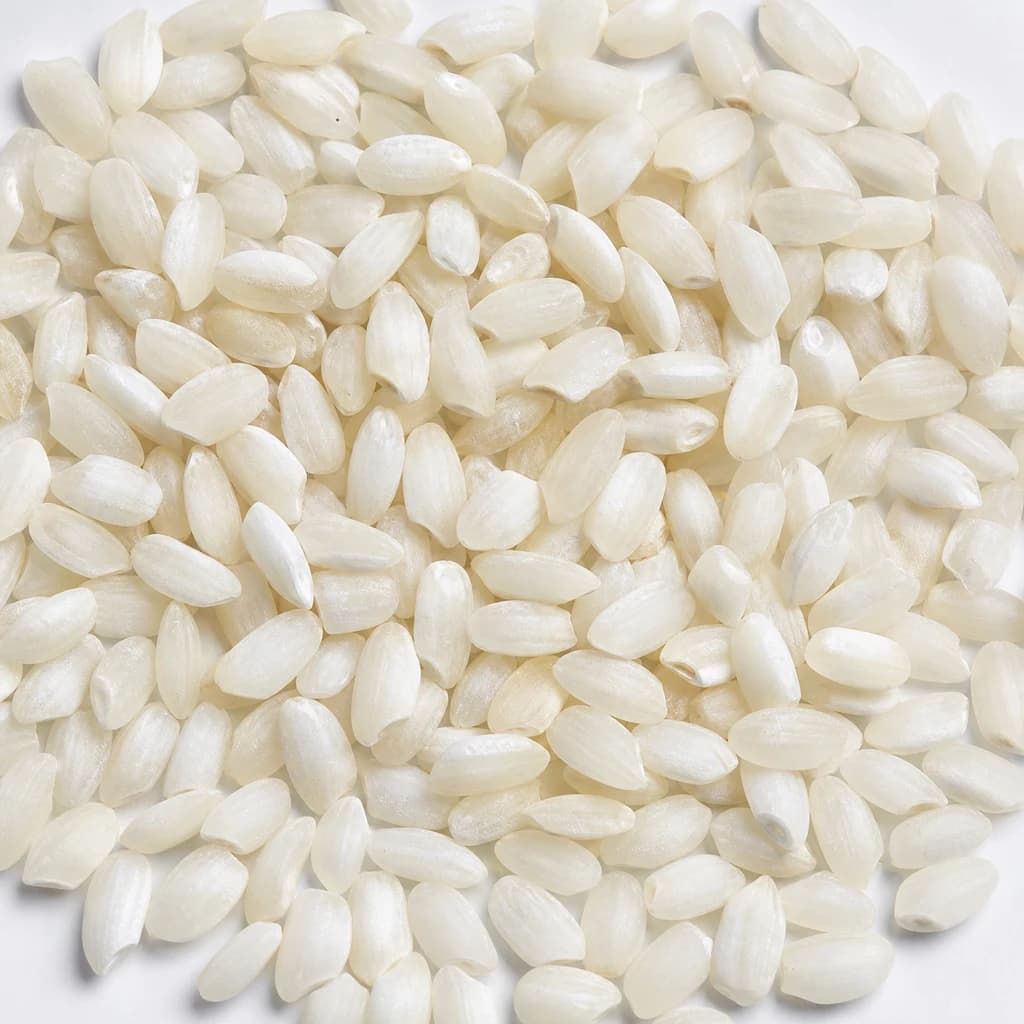
Arborio Rice
Plump, starchy rice that makes risotto creamy
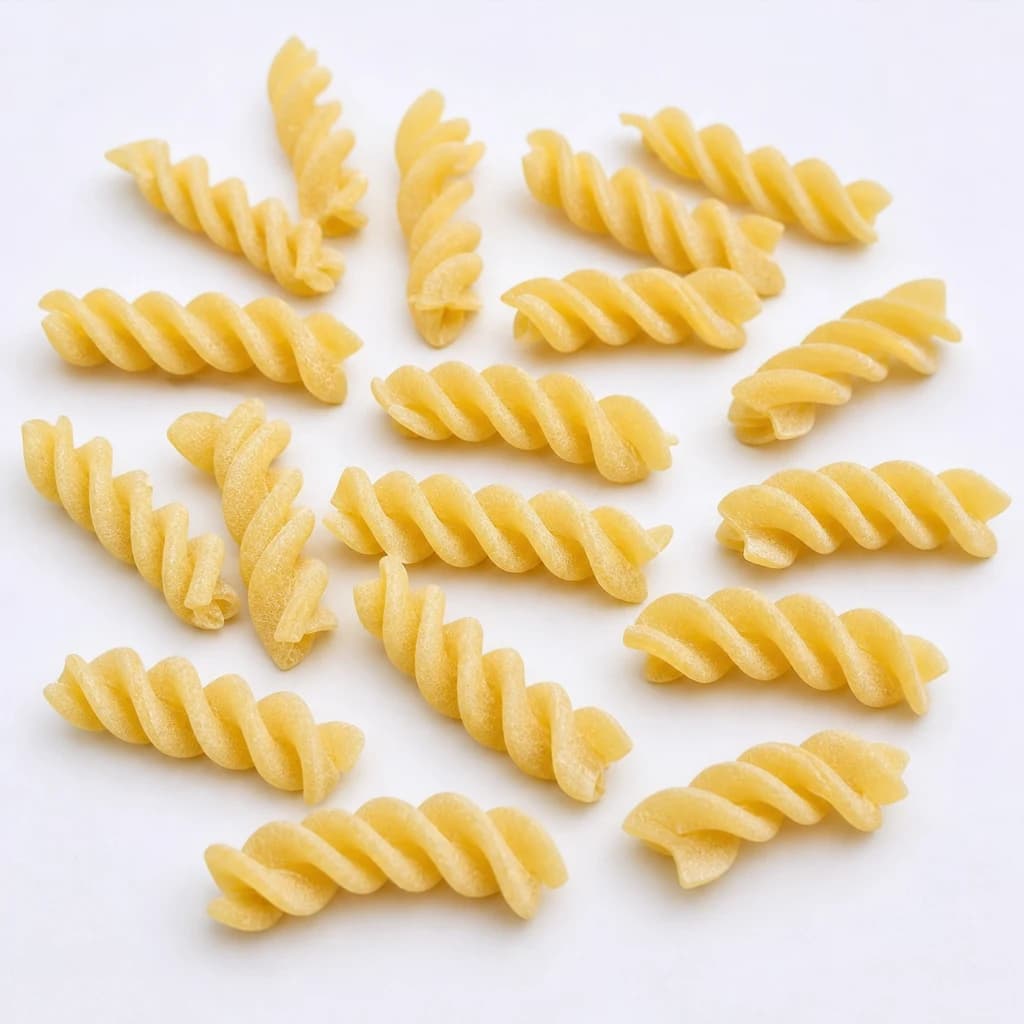
Fusilli
Spiraled pasta that twirls up sauce and dresses cold salads
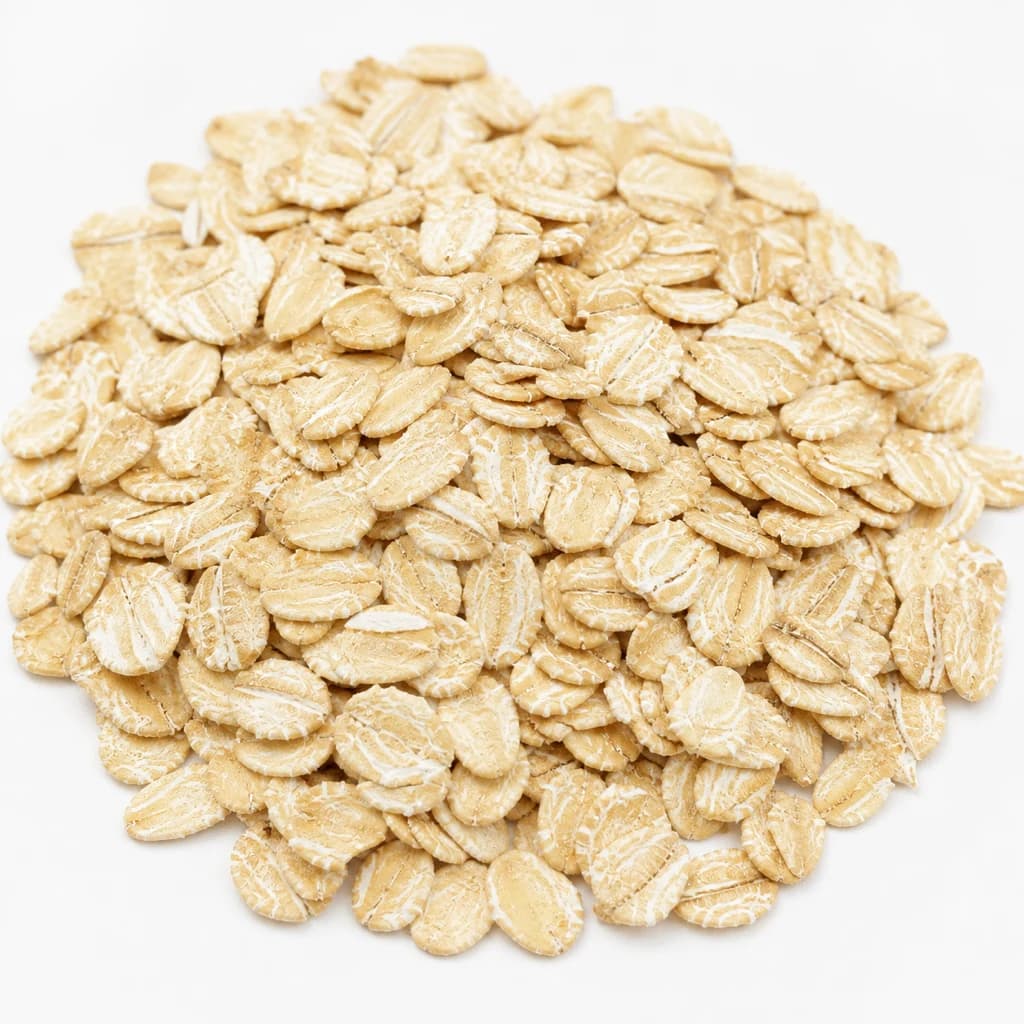
Rolled Oats
Hearty flakes for porridge, granola, and chewy cookies