Legumes & Beans
Canary Bean
Yellow Peruvian bean prized for its creamy texture in stews and frijoles.
Canary beans are small, pale-yellow beans popular in Peru and across the Andes, named for their bright color. They cook into a notably smooth, creamy texture with a mild flavor, making them ideal for soupy frijoles, stews, and purées. They are a staple legume in Peruvian home cooking.
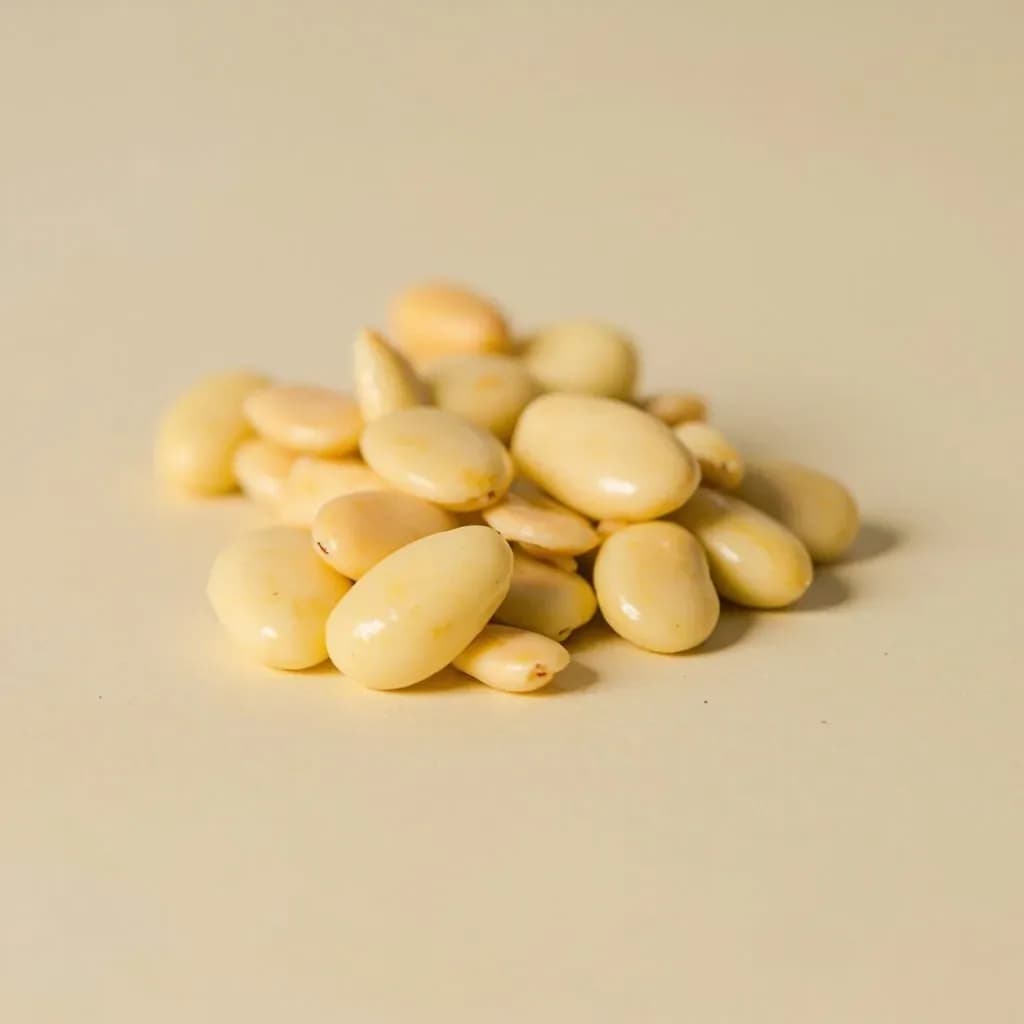
The Canary Bean (Phaseolus vulgaris) is a small, oval to kidney-shaped legume distinguished by its vivid canary-yellow color—a striking visual quality that makes it one of the most photographically appealing beans in the pantry. Native to Peru and cultivated across South and Central America for centuries, it has spread to become a staple in Mexican cuisine and the southwestern United States, where it is prized in home cooking and restaurant kitchens alike. The bean holds its shape exceptionally well during cooking while developing a creamy, buttery interior that resists mushiness better than pintos—making it reliable for everything from rustic frijoles to refined braises. Its mild, slightly sweet, nutty flavor profile absorbs seasonings without overpowering them, which explains its versatility across Latin American, Caribbean, and even European preparations like cassoulet.
The canary bean's structural integrity is its defining cooking characteristic. Unlike black beans that turn silky or pintos that break down readily, canary beans maintain distinct edges even when fully cooked through—a quality that makes them ideal for salads and dishes where visual definition matters. This same resilience means they benefit from patient cooking: a gentle simmer produces tender beans with intact skins, while vigorous boiling ruptures them. Because they absorb seasoning readily, build flavor into the cooking liquid itself, not just the finished dish.
For practical purposes, dried canary beans are available year-round with peak harvest in late summer and fall. They store for up to two years in an airtight container in a cool, dark, dry place, though younger beans cook faster. Cooked beans keep refrigerated in their liquid for five days or frozen for three months, making them convenient for batch preparation.
- Measured in
- g
- Storage
- Pantry
Types & varieties
The standard bright yellow bean; the common name in the United States and Mexico
The original name preferred in Peru and Latin America; may be slightly larger and more kidney-shaped
A rounder cousin sometimes grouped with yellow beans; popular in New Mexican cuisine
From Field to Table
The journey from dried canary bean to the pot requires respect for the legume's structure. Unlike faster-cooking lentils, dried beans demand time—for soaking, for gentle simmering, for the slow hydration that transforms a hard, wrinkled seed into a creamy, yielding bite. Old dried beans may require double the soaking time and longer simmering; test a few by pressing them between your fingers to gauge readiness. Freshly dried beans—those from the most recent harvest, identifiable by their bright color and quick cooking time—are worth seeking out for better texture and more reliable results.
- Sort every batch: spread dried beans on a light-colored surface and pick through by hand, removing any stones, debris, or discolored beans
- Rinse thoroughly under cold water before soaking to remove dust and field residue
- A long soak (8–12 hours) in cold water with a pinch of salt softens beans evenly and reduces cooking time significantly
- Test doneness by pressing a bean between your fingers—it should offer no resistance and feel creamy throughout with no chalky center
Common uses
Tips & pitfalls
- Always sort dried beans thoroughly—discard any stones, debris, or discolored beans before soaking
- A long soak (8–12 hours) reduces cooking time significantly and produces a more evenly creamy texture
- Add salt only after beans are fully tender; salt added early can toughen the skins and extend cooking time dramatically
- Use aromatics (onion, garlic, bay leaf, cumin) in the cooking water to build baseline flavor the beans will absorb
- Simmer gently—rapid boiling ruptures skins and makes beans split; maintain a lazy bubble, just a whisper of movement
- Test for doneness by pressing a bean between your fingers; it should be creamy throughout with no chalky center
- For firmer salad beans, stop cooking when just tender; for creamier refried applications, cook until very soft
- Never discard cooking liquid—it's starchy and flavorful; use it as braising liquid or to thin purées
- Old beans cook slower than fresh ones—if your beans seem stubborn, the batch may simply be older; extend soaking and simmering as needed
- Freshly harvested beans (brighter color, faster cooking) are worth seeking out over older, duller stock
Nutrition
Energy
130 kJ · per 100 g
Where the calories come from
Protein
1.8g
4% DV
Carbs
7.1g
3% DV
Fat
0.1g
0% DV
Fiber
3.4g
12% DV
Sugars
3.3g
of which
Sodium
6mg
0% DV
Source · USDA FoodData Central · approx. Beans, snap, yellow, raw
View on FDC →In the shops
Matched grocery products
No matched grocery products for Canary Bean yet.
Good to know
- Origin
- Peru; cultivated in South and Central America for centuries, now widely grown in Mexico and the southwestern United States
- Scientific Name
- Phaseolus vulgaris
- Color
- Bright canary yellow when dried and cooked; the defining visual characteristic
- Shape
- Small, oval to kidney-shaped, slightly elongated; approximately 1–2 cm long
- Texture
- Firm outer skin with a creamy, buttery interior when cooked; holds shape well under prolonged cooking
- Flavor
- Mild, nutty, slightly sweet; absorbs seasonings without overpowering them
- Typical Prep (Dried)
- Sort thoroughly, rinse, soak 6–8 hours or overnight, simmer 60–90 minutes until tender
- Yield
- 1 cup dried yields approximately 2–2.5 cups cooked; dried beans roughly double in volume
- Storage (Dried)
- Cool, dark, dry place in airtight container; up to 2 years; fresher beans cook faster
- Storage (Cooked)
- Refrigerate in liquid up to 5 days; freeze up to 3 months
- Nutrition
- High in protein, dietary fiber, iron, magnesium, and folate; low fat
- Season
- Dried beans available year-round; peak harvest late summer/fall
Substitutes
- Cannellini Beans — Similar creamy texture but larger and white; good for soups and stews
- Great Northern Beans — Mild flavor and firm texture; cook time similar to canary beans
- Rinconada Bean — A white bean with similar cooking properties; interchangeable in most applications
- Yellow Eye Beans — Maine heirloom with a yellow spot; comparable size and texture
Also called
Frijol Canario · Mayocoba Bean · Peruano Bean
Related
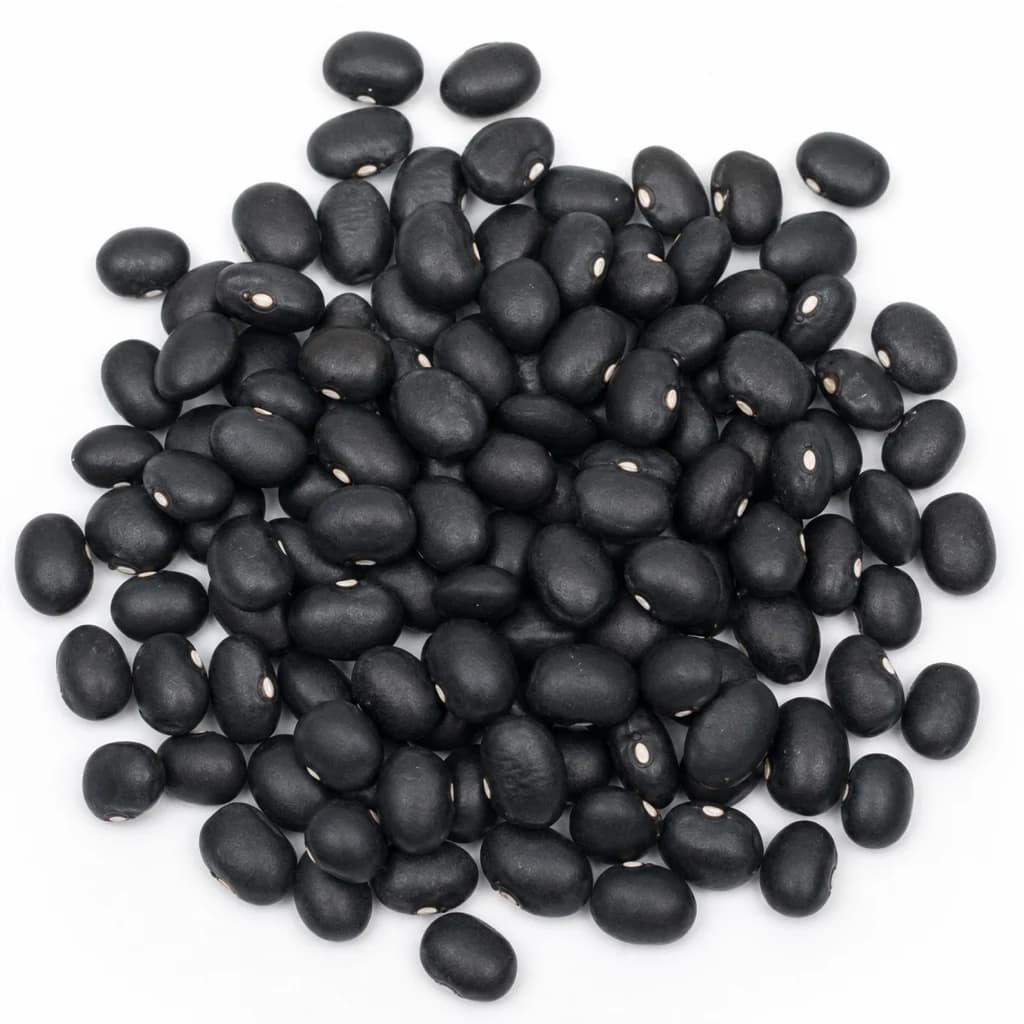
Black Beans
Earthy, creamy beans for bowls, soups, and tacos
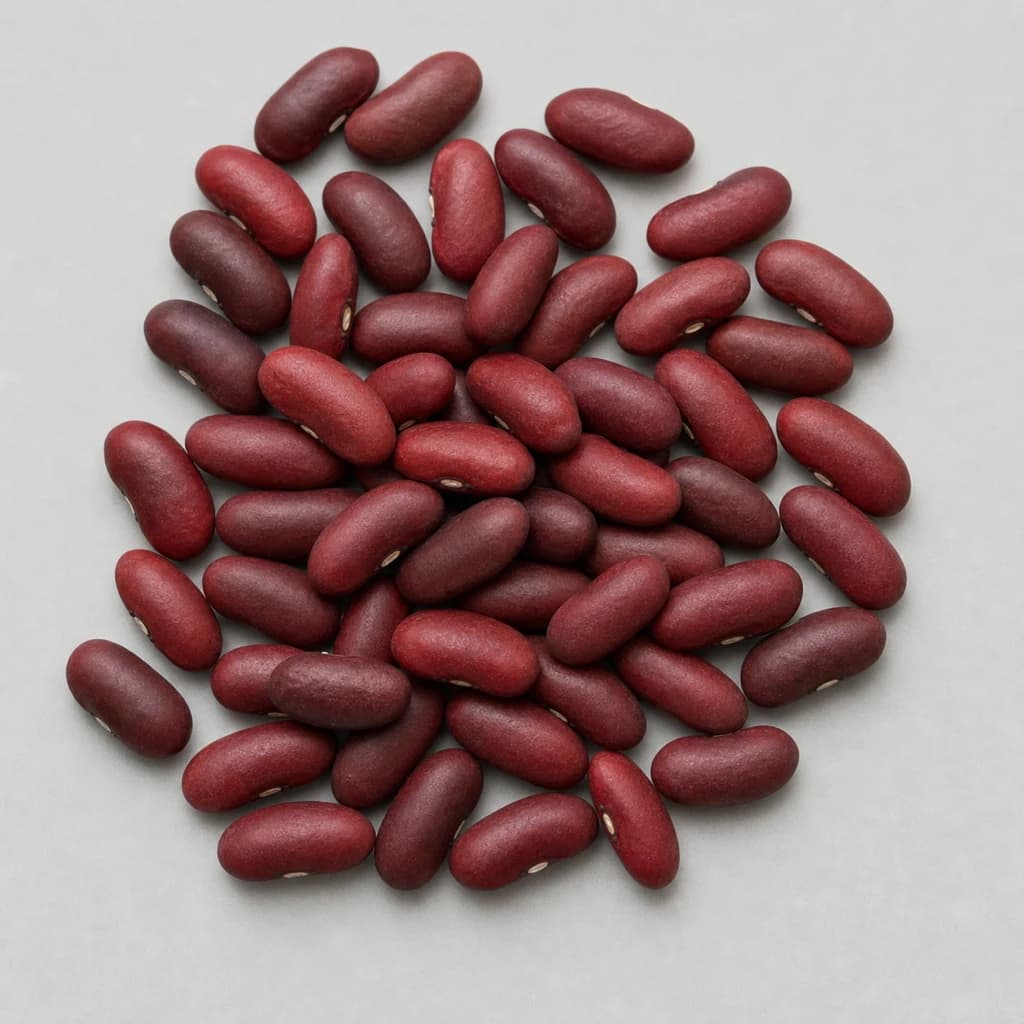
Kidney Beans
Hearty red beans that hold their shape in chili and stews
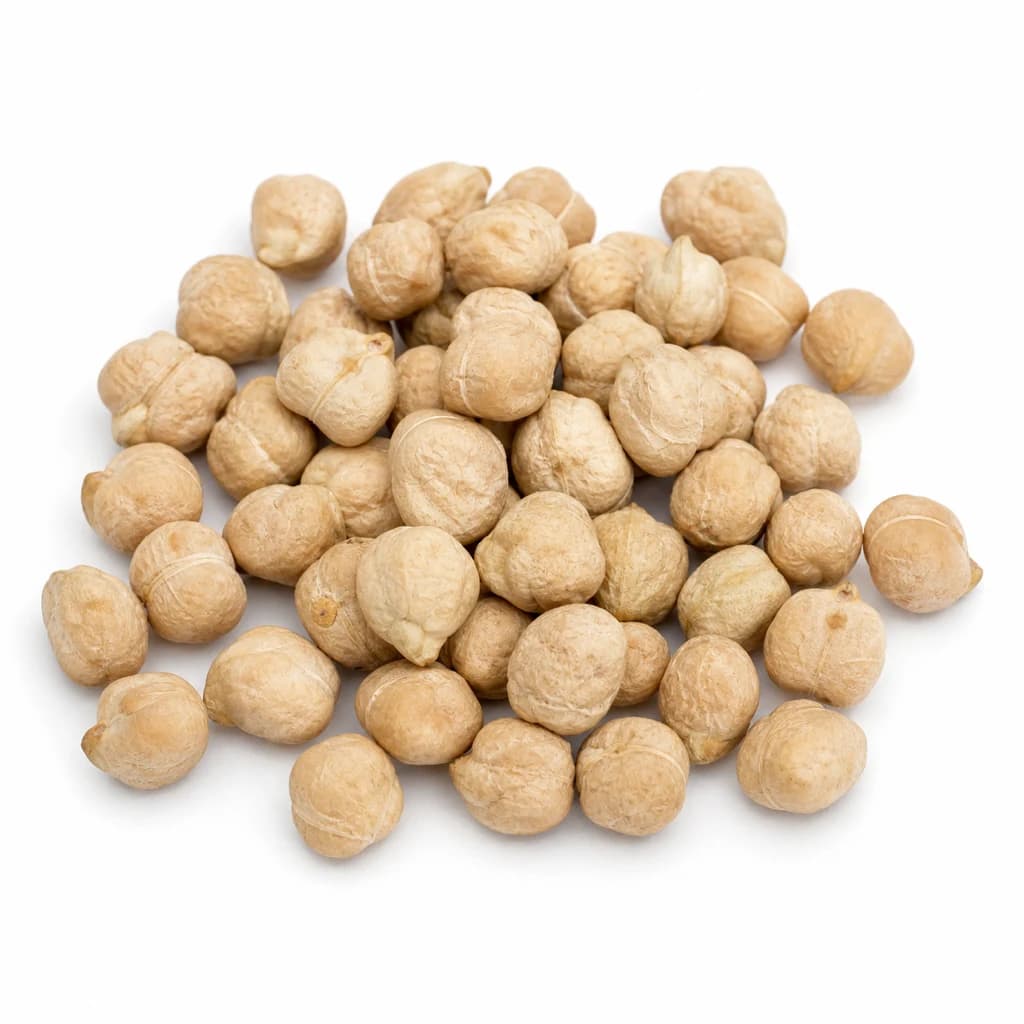
Chickpeas
Nutty, versatile beans for hummus, curries, and roasting
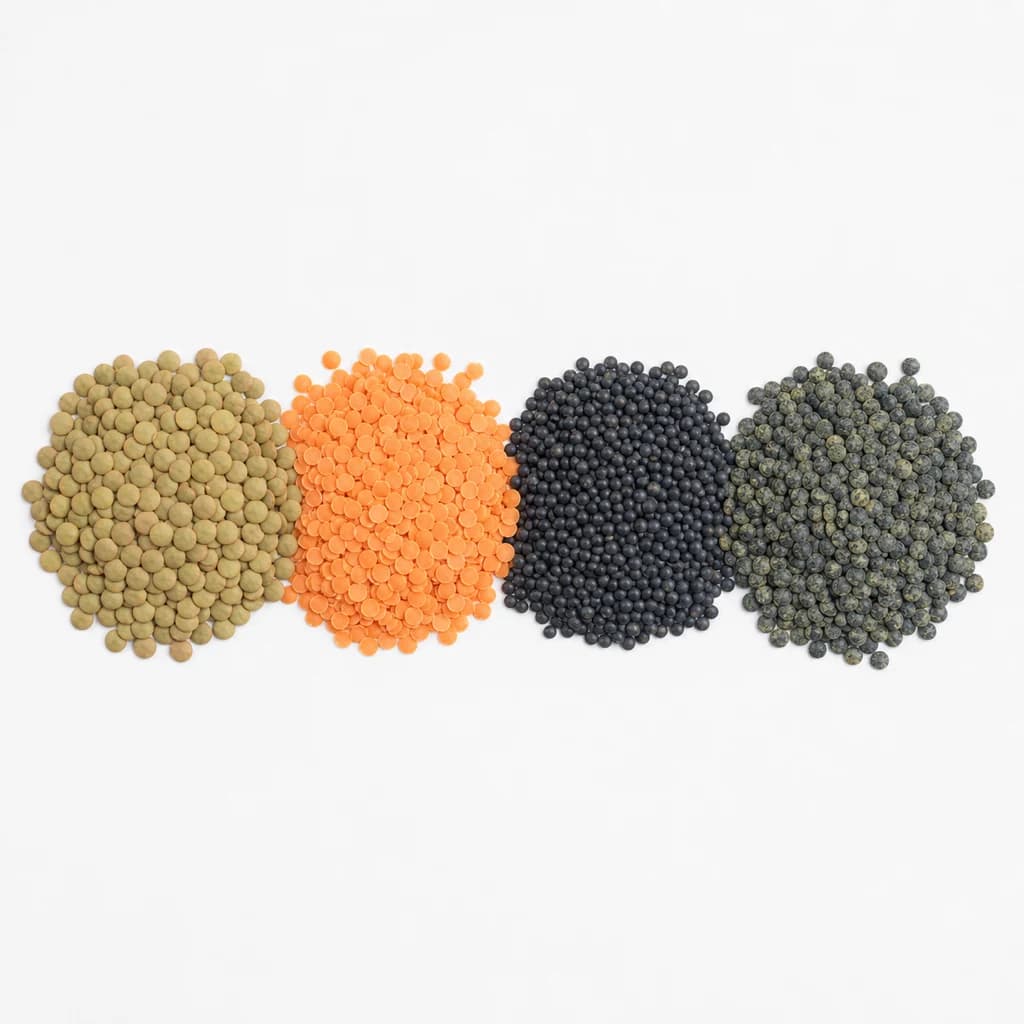
Lentils
Quick-cooking pulses for soups, dals, and hearty salads

White Beans
Creamy, mild beans for soups, stews, and silky purées
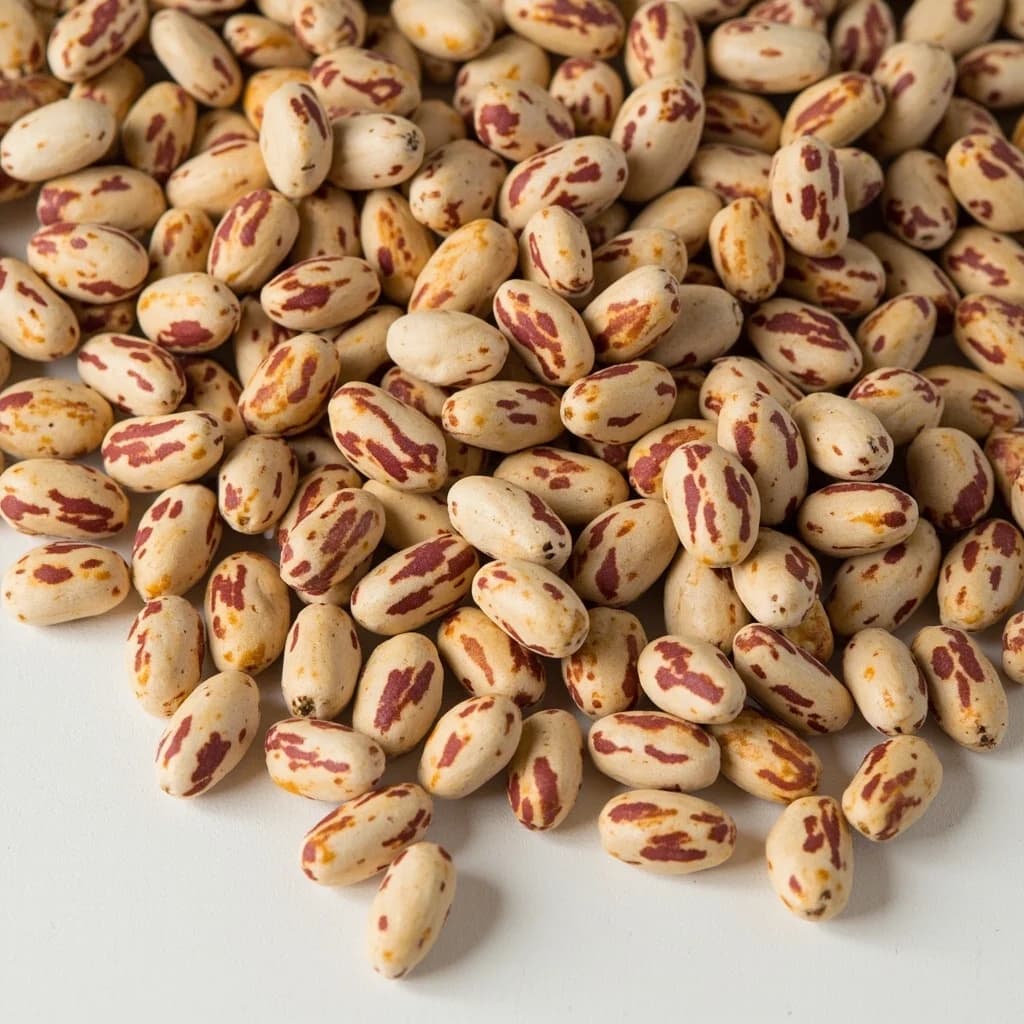
Pinto Beans
Creamy, speckled beans for refried beans and stews

Split Peas
Quick-cooking peas that melt into thick, comforting soups
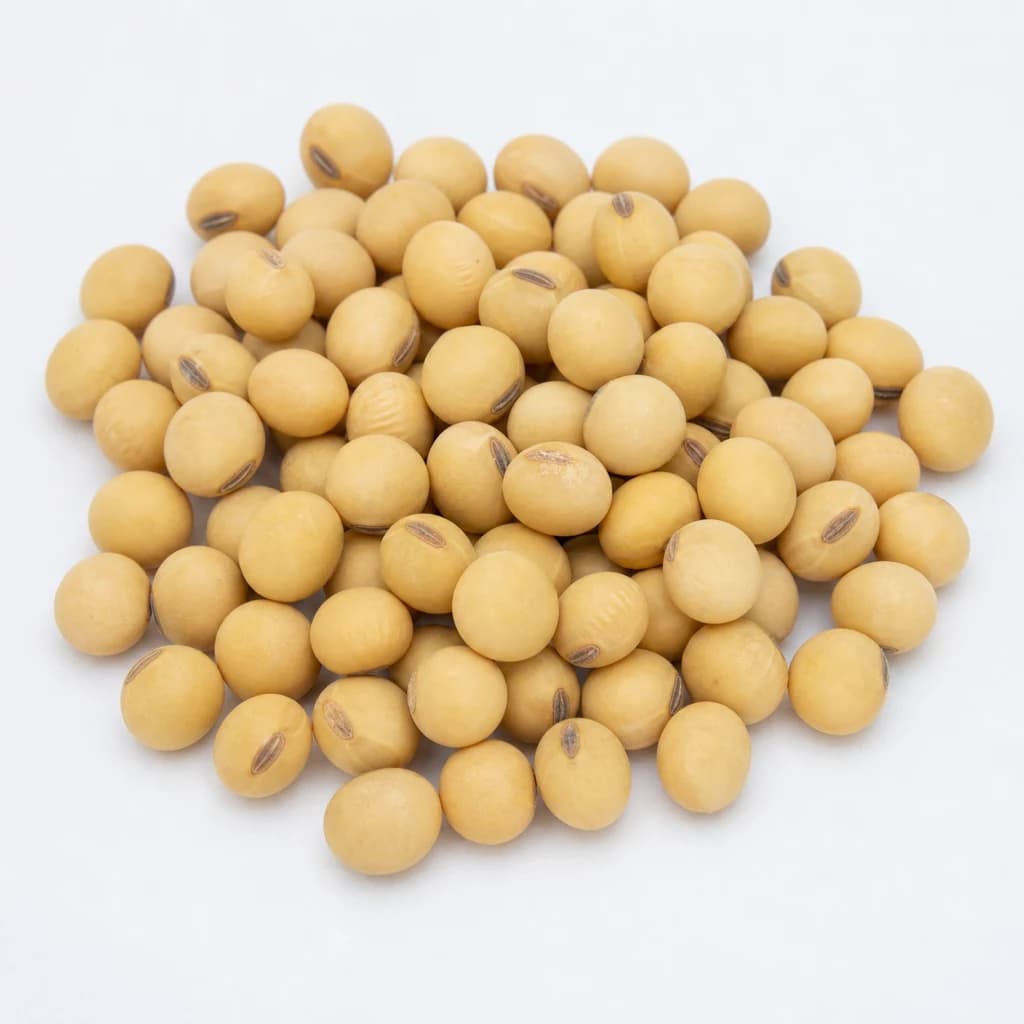
Soybeans
Protein-packed beans, the base for tofu and miso