Natural form
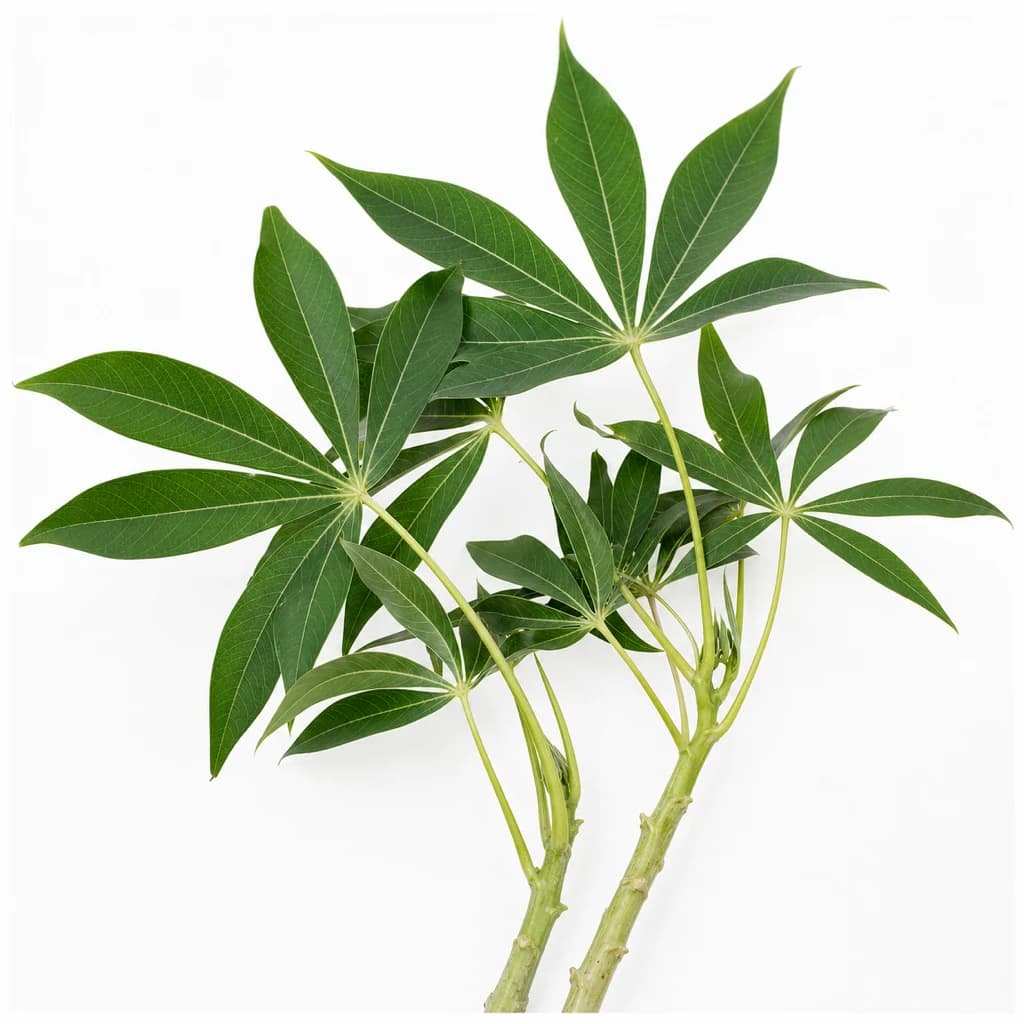
Fresh cassava tops showing the star-shaped leaf clusters and pale green stems.
Shows the reader how cassava leaves look when freshly harvested, with their distinctive palmate shape and color.
Produce
Cassava Leaf
Pounded young cassava greens slow-cooked into rich West and Central African stews.
Cassava leaves are the young green tops of the cassava plant, finely pounded or ground before long, slow cooking. They are simmered with palm oil, fish or meat into hearty stews like saka-saka and pondu across Central and West Africa. Thorough cooking is essential to remove the leaves' natural toxins.
Cassava leaf is the edible foliage of the cassava plant (Manihot esculenta), a tropical shrub originally domesticated in South America's Amazon basin. While the starchy tuber is far more widely known globally, the leaves constitute a nutritional cornerstone across West Africa, Central Africa, and parts of Southeast Asia—regions where the plant thrives and protein sources are often scarce. The leaves are unusually protein-rich for a vegetable, sometimes rivaling soybeans on a dry-weight basis, making them nutritionally irreplaceable in their native culinary cultures.
Unlike most leafy greens that are wilted briefly, cassava leaves demand extended treatment. They contain cyanogenic glycosides (linamarin and lotaustralin) that release cyanide when raw cells are damaged—this is not a matter of preference but of safety, requiring a minimum 20-minute rolling boil before any other cooking method. Once this critical step is completed, the leaves transform: their mild bitterness softens into something earthy and almost nutty, their fibrous texture breaks down into a silky body that thickens sauces profoundly, and they become a canvas for bold aromatics and fats.
The leaves reduce dramatically when cooked—roughly four volumes of fresh leaf collapse into one when pounded and slow-simmered. Traditional preparation involves either pounding the raw leaves first (a method requiring careful attention to subsequent boiling) or boiling before pounding (the safer approach). The result is a deeply flavored, dark green to olive-brown stew base that anchors meals across an enormous geographic range, from Sierra Leone's gbureh to Congo's pondu to Ghana's palaver sauce to Filipino ginataan.
- Measured in
- g
- Storage
- Freezer
Types & varieties
Preferred for gbureh and kawule; pounded to fine texture; traditionally cooked very long (3–4 hours) with smoked fish and palm oil
Used in pondu and related dishes; cooked with palm oil and peanut paste; simmered 1–2 hours with protein
Combined with cocoyam leaves (kontomire) in palm oil–based stew; cooked until very soft and sauce is thoroughly thickened
Common uses
Tips & pitfalls
- ALWAYS boil cassava leaves for at least 20 minutes before any other cooking method—this is non-negotiable for safety
- Traditional pounding (mortar and pestle) breaks down tough fibers and helps release bitter compounds; machine-chopping works but produces a different, less silky texture
- The longer you cook, the milder the bitterness becomes—1.5 to 2 hours minimum for best flavor development and most tender texture
- Palm oil is traditional and adds authentic flavor, but coconut oil or vegetable oil work; the fat also aids absorption of fat-soluble nutrients
- Add a squeeze of lemon or lime juice during cooking—acid helps break down oxalates and brightens the color
- If using frozen cassava leaf, do not thaw before adding to pot; cook from frozen to minimize texture degradation
- Store-bought frozen cassava leaf may already be parboiled—check package and reduce initial boiling time accordingly
- If leaves taste bitter or cause any mouth numbing sensation, cook longer and drain the cooking water—this is a warning sign of undercooking
- Adding peanut butter or ground peanuts is traditional in many Central African preparations and adds protein, richness, and body
- Cassava leaf is extremely perishable—buy fresh and use the same day if possible; accept that frozen is often safer when sourcing outside traditional markets
Nutrition
Nutrition
No USDA FoodData Central match for Cassava Leaf yet. We surface a per-100 g profile once a generic whole-food entry is matched and verified.
In the shops
Matched grocery products
No matched grocery products for Cassava Leaf yet.
Good to know
- Scientific Name
- Manihot esculenta (leaf)
- Origin
- South America (Amazon basin); primary culinary use developed in West and Central Africa, also Southeast Asia
- Flavor Profile
- Mildly bitter, earthy, slightly nutty; develops rich, deep flavor with 1–4 hours of cooking
- Toxicity
- Contains cyanogenic glycosides; MUST be boiled minimum 20 minutes before any other cooking
- Key Nutrients
- 6–8g protein per 100g fresh (exceptional for a leaf); high in vitamins A, C, iron, calcium
- Typical Prep
- Pounded or chopped fine, then slow-simmered 1–4 hours in stews
- Storage (Fresh)
- Refrigerate up to 2 days; use same day for best quality
- Storage (Frozen)
- 3–6 months; cook from frozen to minimize texture loss
Substitutes
- Collard Greens — Closest texture when cooked long; lacks cassava leaf's mild bitterness but works in West African–style stews
- Spinach — Cooks faster; add at end; not traditional but acceptable substitute when cassava leaf is unavailable
- Sweet Potato Leaves — Similar mild flavor profile; good option in Southeast Asian preparations
- Kale (lacinato/dinosaur) — Hardier texture, requires long cooking; works in West African stews
- Frozen Mustard Greens — Slight bite, holds up to long cooking; acceptable substitute when cassava leaf unavailable
Pairs with
Also called
Saka-Saka · Pondu · Sombe · Pounded Cassava Leaf
Related
Tomato
Juicy, sun-sweet fruit for sauces, salads, and slow-cooked depth
Yellow Onion
The aromatic backbone of soups, sofritos, and braises
Garlic
Pungent cloves that perfume nearly every savory dish
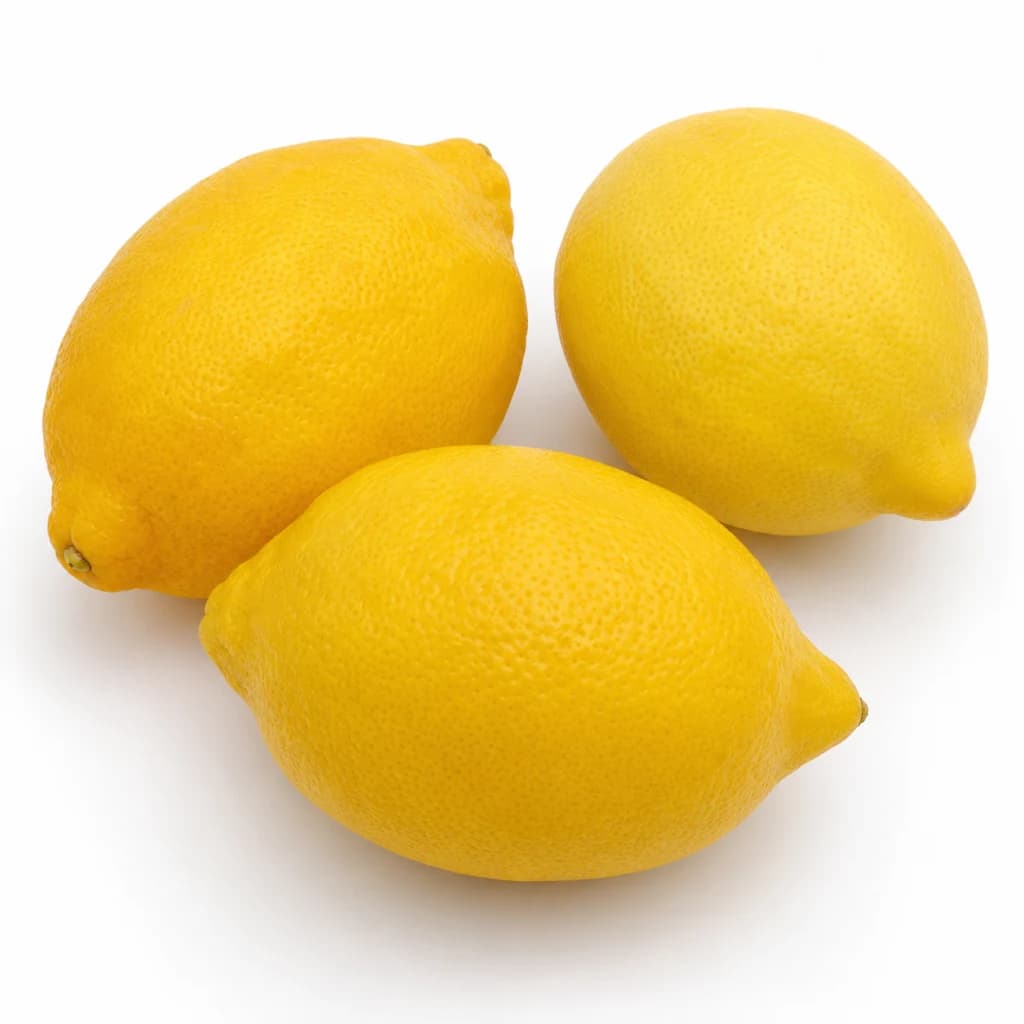
Lemon
Bright, acidic citrus that wakes up almost any dish
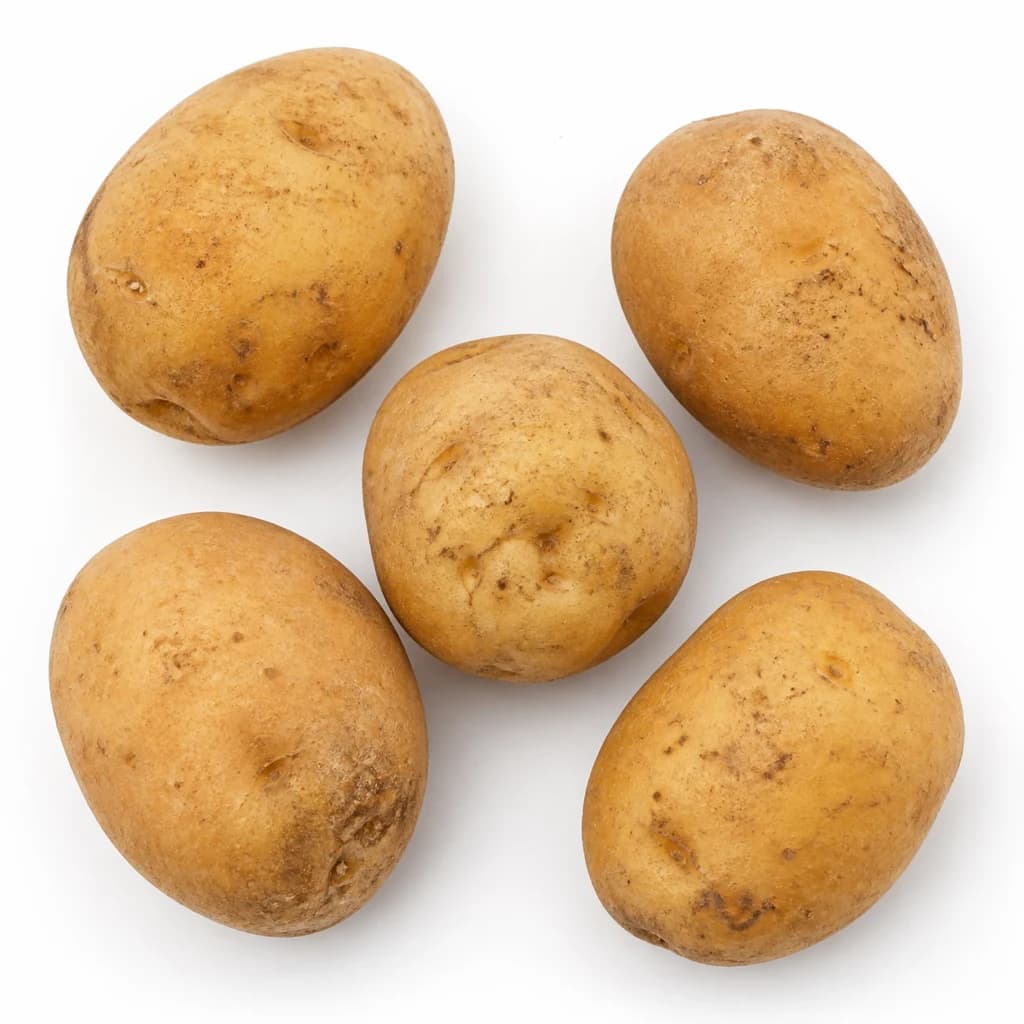
Potato
Humble, hearty staple — roast, mash, fry, or boil
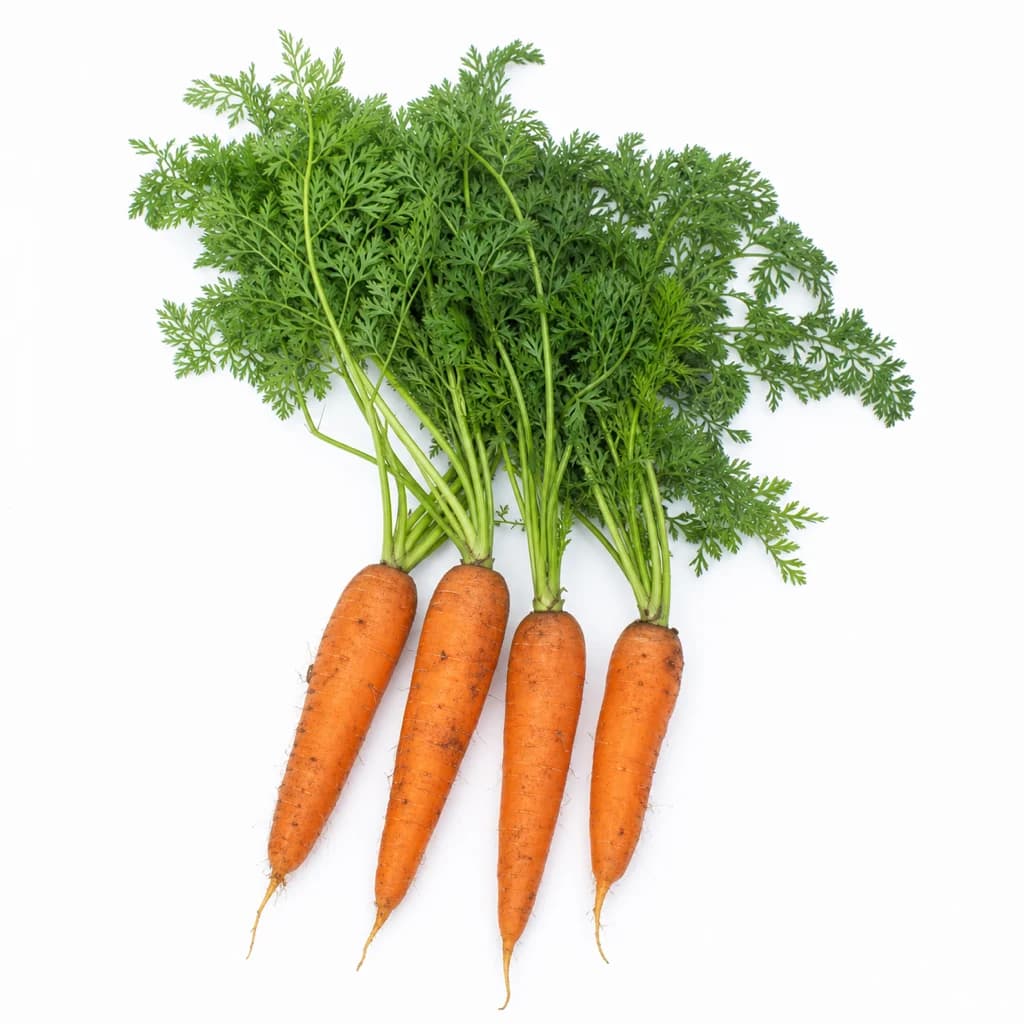
Carrot
Sweet, crunchy root — raw, roasted, or the base of a sofrito
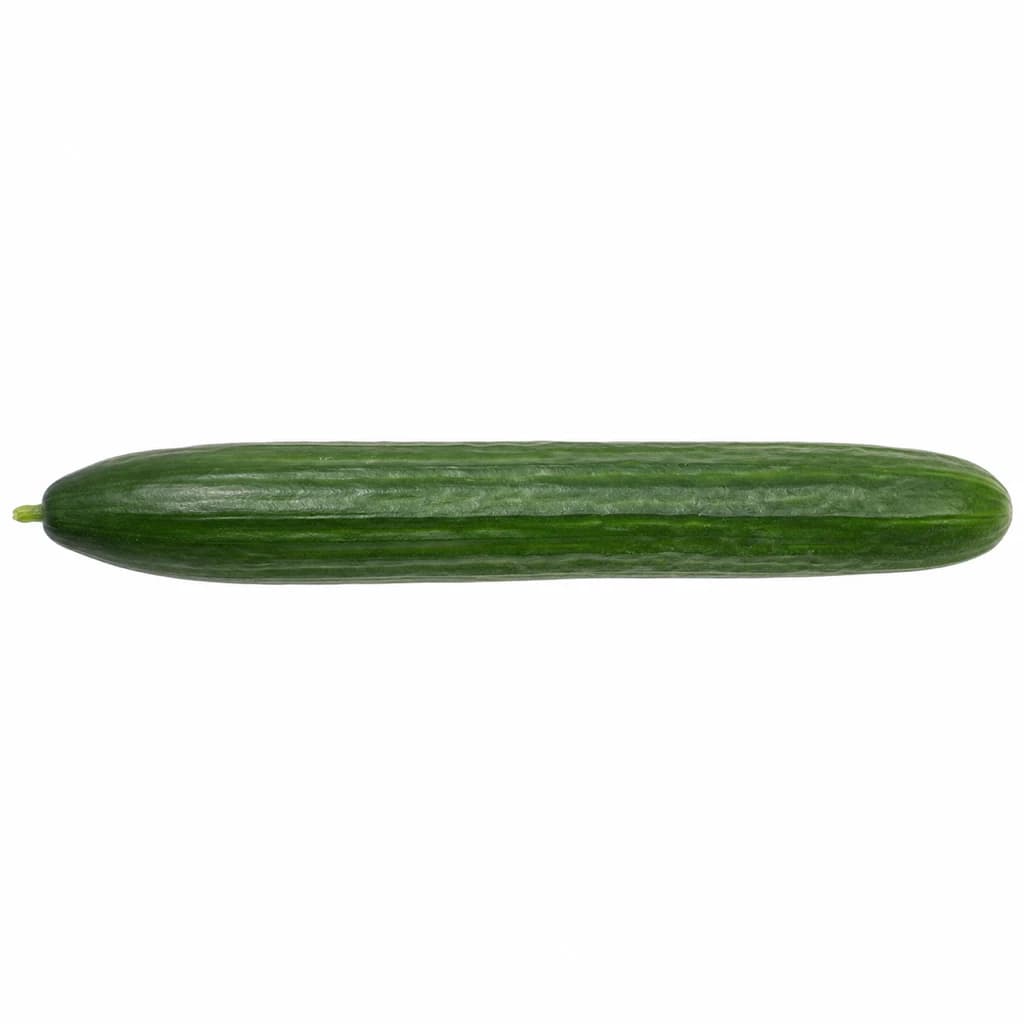
Cucumber
Cool, crisp, and watery — for salads, pickles, and tzatziki

Lettuce
Crisp leaves for salads, wraps, and a fresh crunch