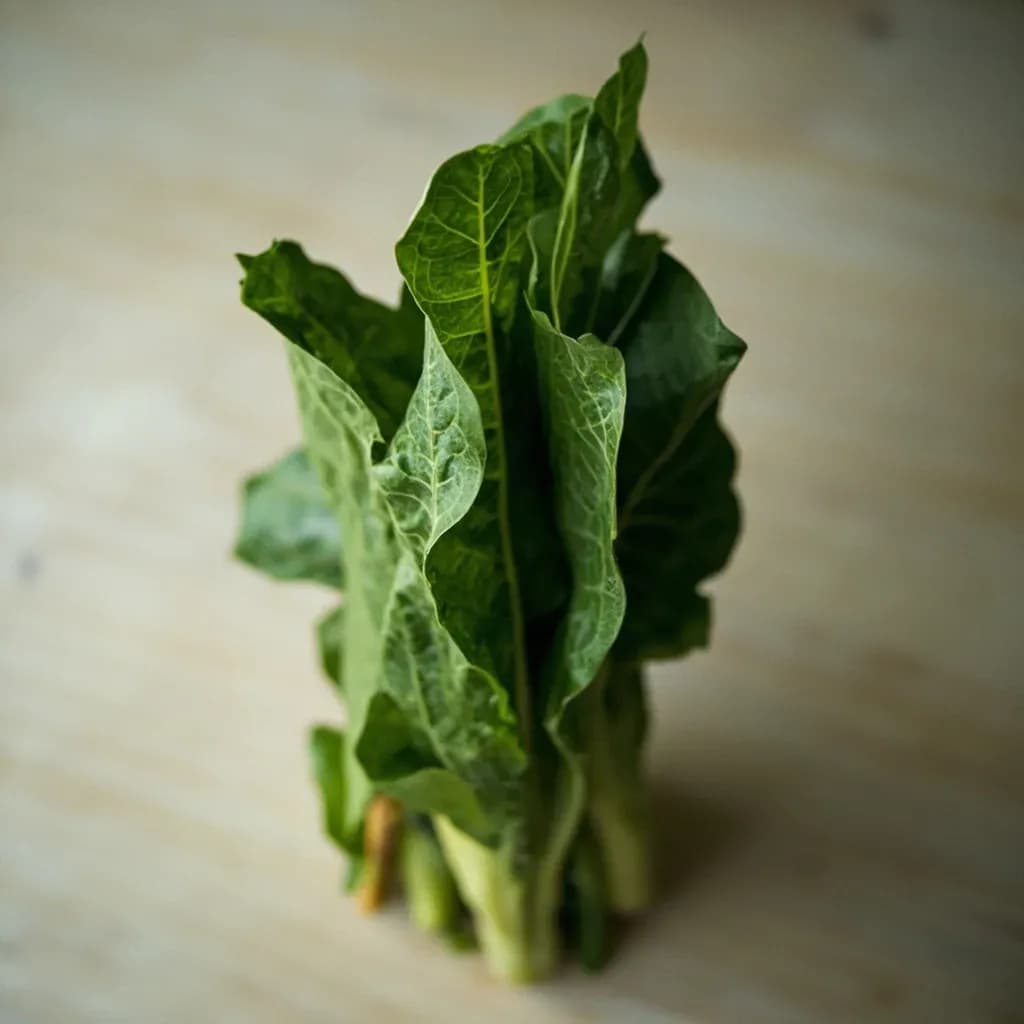
Produce
Chaya (Tree Spinach)
Nutrient-dense Mesoamerican leafy green that must be cooked before eating.
Chaya, or tree spinach, is a large-leafed shrub native to the Yucatán and Central America, eaten as a highly nutritious cooking green. The leaves are boiled or sautéed into stews, tamales, and drinks, tasting mild and spinach-like once cooked. Raw leaves contain compounds that require cooking to make them safe to eat.
Chaya, also called tree spinach, is a robust leafy green native to the Yucatán Peninsula and Mesoamerica, where the Maya have cultivated it for centuries. A member of the Euphorbiaceae (spurge family), it grows as an evergreen shrub or small tree reaching 2–5 meters, producing large tender leaves year-round in tropical climates. What distinguishes chaya from common spinach is its dense, almost meaty texture — it holds up remarkably well in soups and stews without dissolving into mush — and a pleasantly earthy, mildly bitter flavor that gains complexity with cooking. The plant's productivity is remarkable: a single shrub can provide continuous harvests, making it a valuable food security crop in its native region. Nutritionally, chaya ranks among the most protein-dense leafy greens available, delivering roughly 6–7 grams of protein per 100 grams of raw leaves, comparable to legumes, along with exceptional levels of iron, calcium, and vitamins A and C.
The critical distinction between chaya and many other greens is its mandatory cooking requirement. Like cassava and almonds, raw chaya contains cyanogenic glycosides — compounds that convert to hydrogen cyanide when plant cells are damaged or consumed raw. This toxicity is not a minor consideration; ingestion of raw chaya can cause dizziness, stomach cramping, and in severe cases respiratory failure. The only reliable neutralization method is thorough boiling: a minimum of 10–15 minutes in plain water. Stir-frying, wilting, or brief blanching are insufficient. The blanching water must be discarded entirely, as it carries the leached compounds. Once properly cooked, chaya is completely safe and has been a dietary cornerstone throughout Mexico and Central America for generations.
Outside its traditional range, chaya remains a rarity but is increasingly found in specialty markets, sometimes labeled as "Mayan spinach" or "Chaya de la Tierra." Its robust character makes it more versatile than it might first appear: beyond the standard boiled-and-sautéed preparations, it works well in egg dishes, tamales, empanadas, and even smoothies and verde sauces when cooked properly. The leaves shrink considerably during cooking — expect roughly 150–200 grams of finished product from 500 grams raw — so plan portions accordingly.
- Measured in
- g
- Storage
- Fridge
Types & varieties
Most common culinary variety; smoother leaves with fewer stinging hairs
Deeply lobed leaves; also widely cultivated; slightly more fibrous texture
Purple-tinged stems and veins; same safety requirements apply
Understanding the Cyanogenic Risk
The toxicity in chaya stems from cyanogenic glycosides, the same compounds that make cassava and almonds require careful preparation. These compounds are inert within intact plant cells, but when the leaves are chewed, cut, or otherwise damaged, enzymes convert the glycosides into hydrogen cyanide. This is why raw leaves are dangerous even in small amounts. The critical point: long boiling for at least 10–15 minutes is the only reliable method. Some older sources mention fermentation as an alternative, but boiling remains the standard and recommended approach. Never season the blanching water; it has no effect on toxin removal and the water must be discarded regardless.
- Never taste raw leaves, even a small piece
- Seasoning the blanching water does not affect toxin removal
Common uses
Tips & pitfalls
- Always boil chaya leaves in plain water for at least 10–15 minutes before any other preparation; do not season the blanching water
- Discard the blanching water entirely — never use it as stock
- If leaves have stinging hairs, remove them carefully before handling — avoid touching your face and wash hands thoroughly after handling raw leaves
- Unlike spinach, chaya holds its texture well in soups without going mushy
- Young leaves are more tender and require less cooking time than mature leaves
- Use within 2–3 days; refrigerate unwashed in a perforated bag
Nutrition
Energy
96 kJ · per 100 g
Where the calories come from
Protein
2.9g
6% DV
Carbs
3.6g
1% DV
Fat
0.4g
1% DV
Fiber
2.2g
8% DV
Sugars
0.4g
of which
Sodium
79mg
3% DV
Source · USDA FoodData Central · Spinach, raw
View on FDC →In the shops
Matched grocery products
No matched grocery products for Chaya (Tree Spinach) yet.
Good to know
- Origin
- Yucatán Peninsula and Mesoamerica; cultivated by Maya peoples for centuries
- Family
- Euphorbiaceae (spurge family)
- Scientific Names
- Cnidoscolus chayamansa, Cnidoscolus aconitifolius
- Flavor
- Mildly bitter, earthy; denser and more robust than common spinach
- Toxicity
- Contains cyanogenic glycosides; MUST be cooked before eating
- Cooking Water
- Discard after boiling; contains leached cyanogenic compounds
- Boiling Time
- Minimum 10–15 minutes to neutralize toxins
- Yield
- Leaves shrink considerably; 500 g raw yields roughly 150–200 g cooked
- Storage
- Use within 2–3 days; refrigerate unwashed in perforated bag
Substitutes
- Spinach — Milder flavor; does not require blanching; texture is more delicate
- Collard Greens — Similar density and ability to hold up in cooking; more bitter edge
- Swiss Chard — Comparable texture and structural integrity in cooked dishes; sweeter
Also called
Tree Spinach · Chaya · Chaya Mansa
Related
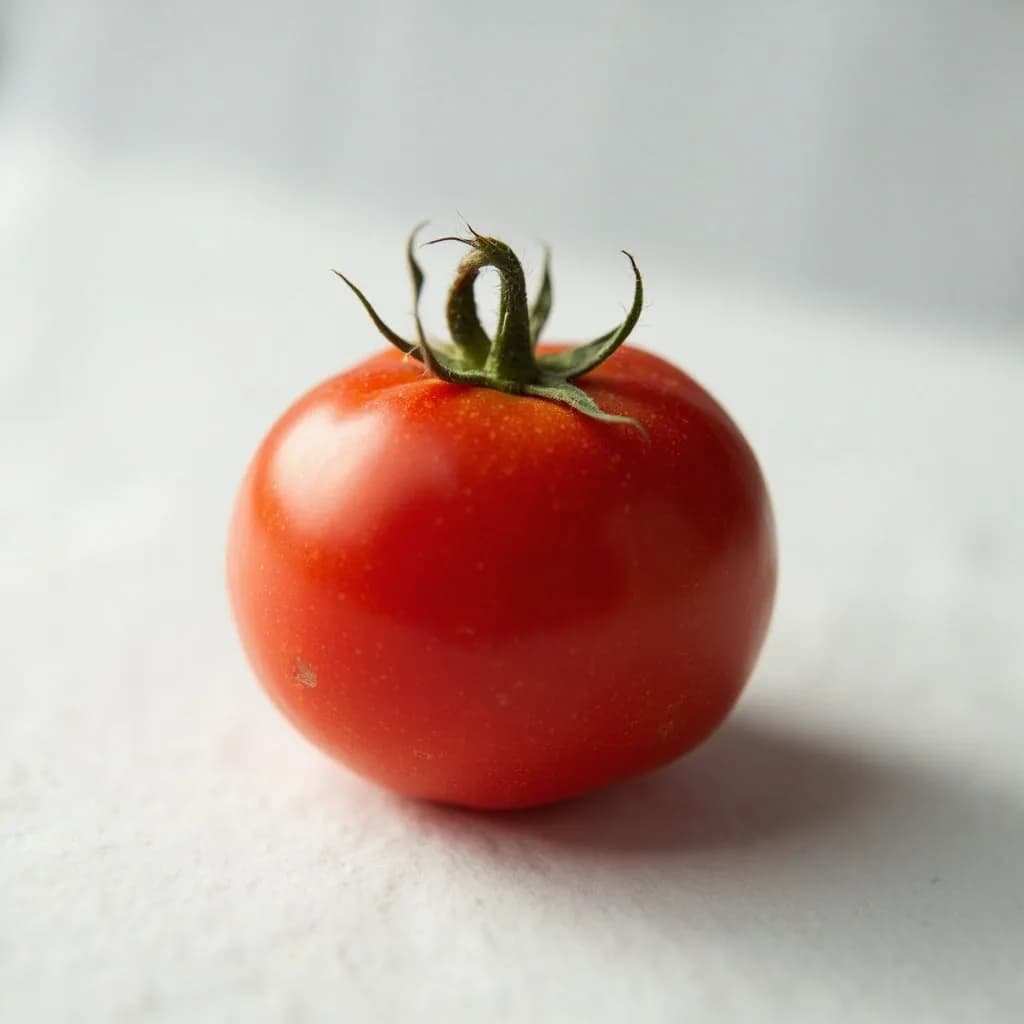
Tomato
Juicy, sun-sweet fruit for sauces, salads, and slow-cooked depth
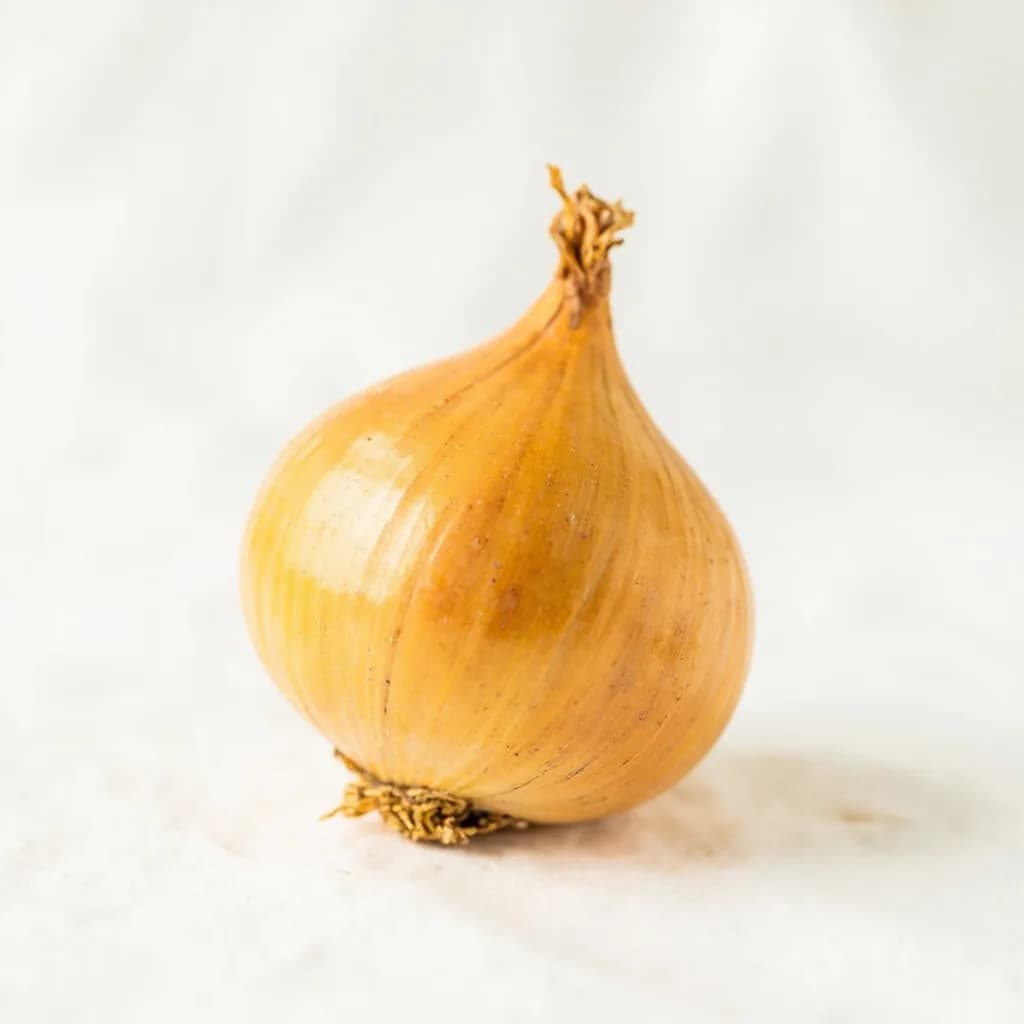
Yellow Onion
The aromatic backbone of soups, sofritos, and braises
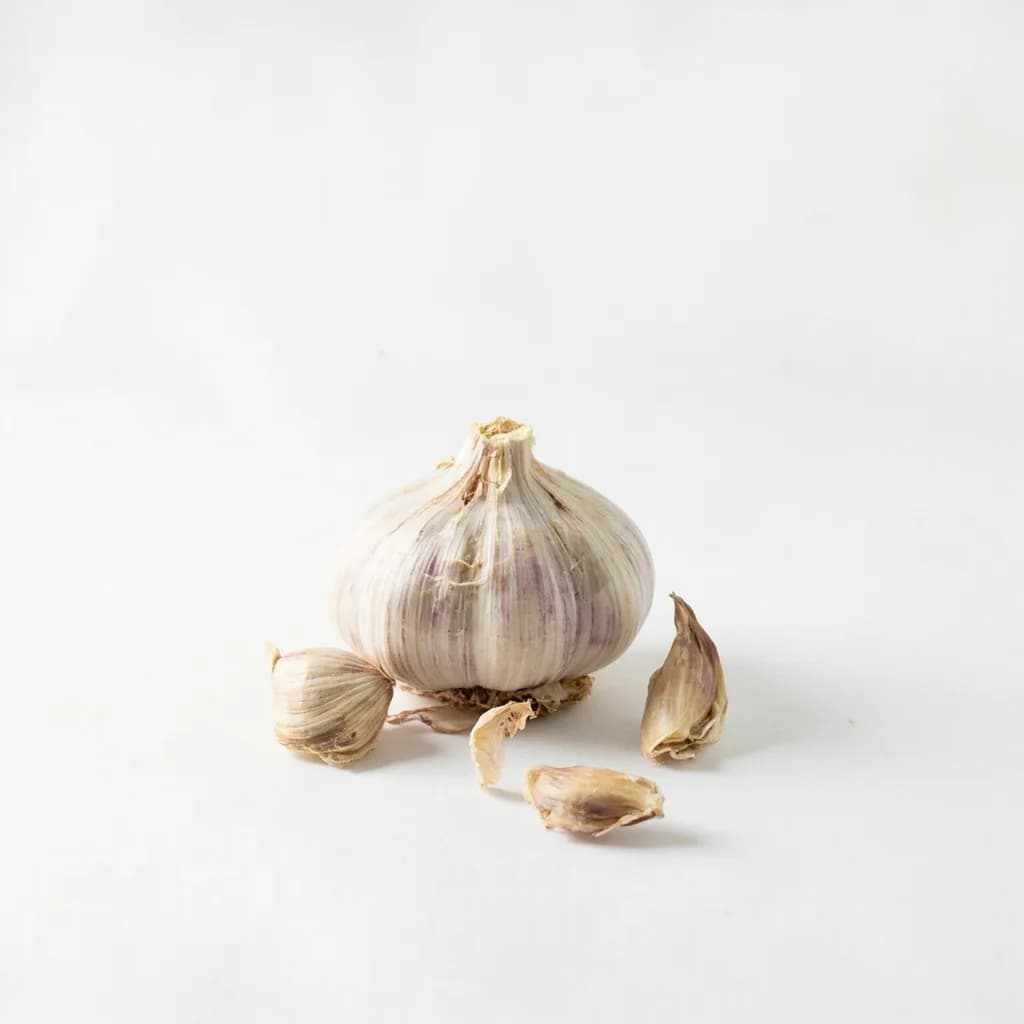
Garlic
Pungent cloves that perfume nearly every savory dish
Lemon
Bright, acidic citrus that wakes up almost any dish
Potato
Humble, hearty staple — roast, mash, fry, or boil
Carrot
Sweet, crunchy root — raw, roasted, or the base of a sofrito
Cucumber
Cool, crisp, and watery — for salads, pickles, and tzatziki

Lettuce
Crisp leaves for salads, wraps, and a fresh crunch