Proteins
Chicken Wings
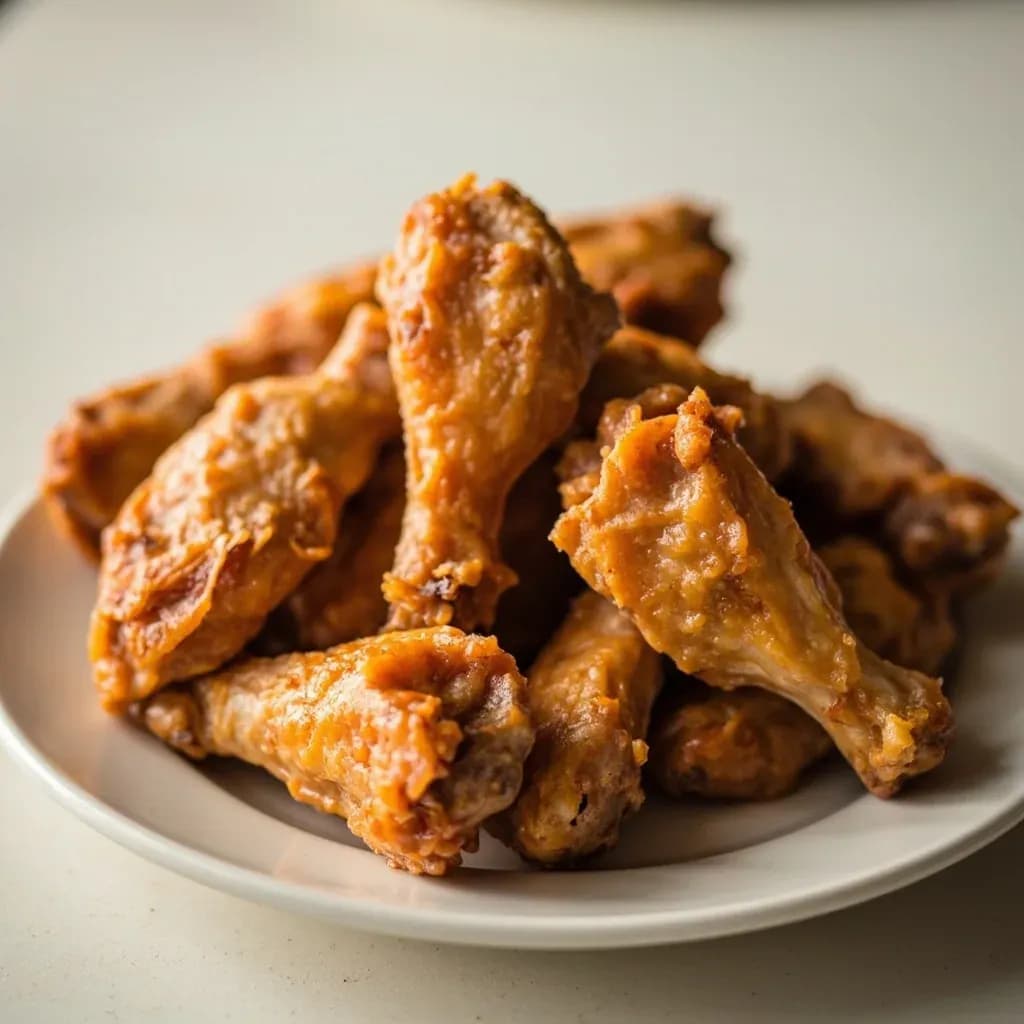
Jointed wing sections of chicken, fried, grilled, or roasted as snacks and mains.
Chicken wings are the wing portion of the bird, usually separated into drumette and flat sections. They are popular fried, baked, or grilled and tossed in sauces from buffalo to soy-glaze, and also enrich braises and stocks thanks to their skin and gelatin. The high skin-to-meat ratio makes them especially crisp when cooked at high heat.
The chicken wing is a three-part cut—drummette, flat (wingette), and tip—each behaving differently in the pan. The drummette, attached to the breast, is the meatiest piece with a single centered bone that makes it structurally ideal for saucing and eating by hand. The flat has two parallel bones and more surface area, crisping more readily and holding sauce well. The tip is small, bony, and best reserved for stock. Wings are almost entirely a post-1964 American invention: before the Anchor Bar's accidental creation of Buffalo wings that year, wings were considered scrap meat, simmered for broth or discarded. The modern wing craze transformed this humble cut into a multi-billion-dollar industry.
Wings carry a mild, slightly savory flavor with dark-meat richness and, critically, skin that renders its fat and crisps beautifully—the defining quality that makes wings rewarding to cook. Their high fat content means you need little added oil; the skin self-bastes as it cooks. Because wings are all surface and bone with relatively little actual meat (yield is roughly 50% after cooking), they depend heavily on bold seasoning and sauce to deliver impact. This is not a subtle cut. Treat it accordingly.
Freshness matters more than most home cooks realize. Water-chilled wings (the commercial standard) carry excess surface moisture that fights crispiness. Air-chilled wings, cooled by circulating air rather than water, shed moisture faster and produce noticeably better results—whether fried, roasted, or grilled. If you can find air-chilled, do. Always store fresh wings in the coldest part of your refrigerator, in original packaging or wrapped airtight, and use within one to two days. Frozen wings keep well for up to six months, but thaw slowly in the refrigerator over one to two days—never on the counter, never from frozen.
- Measured in
- g
- Storage
- Fridge
Types & varieties
Meatiest section, single bone, shaped like a miniature drumstick; most structurally stable for saucing; best for grilling and sauce-heavy applications
Two parallel bones, more surface area; crisps more readily than drummettes; favored for Buffalo-style, fried, and any preparation where maximum crackle is the goal
Includes drummette, flat, and tip; typically butterflied or scored for even cooking; less common at retail but preferred by some pitmasters
Pre-cut into drummettes and flats; may include tips; convenient but sizing can be inconsistent—sort before cooking if uniformity matters
Pre-solution treated for moisture retention and flavor; convenient but check label for sodium content, which can be substantial
Cooled by air rather than water immersion; significantly less surface moisture, superior crisping; preferred by serious cooks and available at better butcher shops
From chickens raised without antibiotics or on pasture; typically darker color and slightly firmer texture; flavor tends to be more pronounced
Common uses
Tips & pitfalls
- Pat wings completely dry with paper towels before any cooking method—surface moisture is the enemy of crispiness and the primary cause of soggy skin
- For baked wings: Roast at 400°F/200°C for 45–50 minutes, then broil 3–5 minutes to finish crisping the skin; a wire rack over a sheet pan ensures air circulation underneath
- For fried wings: Fry at 350°F/175°C in batches until cooked through (about 10–12 minutes), rest briefly, then fry again at 375°F/190°C for extra crispiness—the double-fry method is worth the effort
- Season aggressively—wings need bold flavors to stand out; a light dusting of baking powder (not baking soda) on dry skin before roasting creates an alkalized surface that enhances Maillard browning and crispiness
- Score the skin with shallow cuts before grilling or smoking to allow rendered fat to escape rather than pool under the skin
- Avoid crowding when roasting, baking, or frying; use a rack and work in batches to maintain even heat and airflow
- Rest sauced wings 2–3 minutes before serving so the sauce adheres properly rather than sliding off
- Common mistake: Cooking wings from frozen causes uneven cooking and soggy skin—always thaw completely and pat dry
- Common mistake: Using nonstick cookware prevents proper browning; use stainless steel, cast iron, or a well-seasoned carbon-steel pan or sheet pan
- Use a meat thermometer—wings are done at 165°F/74°C at the thickest point, but they continue cooking during rest, so pulling them at 160°F/71°C is fine
- Air-chilled wings are worth seeking out; the reduced surface moisture compared to standard water-chilled wings makes a measurable difference in crispiness without any other technique changes
Nutrition
Energy
799 kJ · per 100 g
Where the calories come from
Protein
17.5g
35% DV
Carbs
0g
0% DV
Fat
12.9g
16% DV
Fiber
0g
0% DV
Sugars
0g
of which
Sodium
84mg
4% DV
Source · USDA FoodData Central · Chicken, broilers or fryers, wing, meat and skin, raw
View on FDC →In the shops
Matched grocery products
No matched grocery products for Chicken Wings yet.
Good to know
- Cut sections
- Three parts: drummette (attached to breast, meatiest), flat (two-bone middle section, crisps best), tip (small, bony, usually discarded or simmered for stock)
- Flavor and texture
- Mild, slightly savory; dark-meat richness; skin renders fat and crisps beautifully when dry and hot
- Fat content
- High in fat, especially the skin; drummette has the most meat per piece (~55% yield vs. ~45% for flats)
- Protein
- Approximately 27g protein per 100g cooked; yields roughly 50% meat by weight after cooking
- Origin
- Domesticated chickens trace to Southeast Asia; wing-centric cooking popularized in America with Buffalo wings (1964, Anchor Bar, Buffalo, NY)
- Typical retail cut
- Most stores sell wings already separated into drummettes and flats; tips sold separately for stock or discarded
- Storage (refrigerated)
- 1–2 days in original packaging or wrapped airtight, in the coldest part of the fridge
- Storage (frozen)
- Up to 6 months at 0°F/-18°C; best quality within 4 months; thaw 1–2 days in refrigerator
Substitutes
- Chicken drumettes — Same flavor profile; easier to handle with more meat per piece, but less visually authentic for saucy Buffalo-style preparations
- Chicken thighs (boneless, cut into chunks) — Similar cooking time and fat content; lacks bone and the traditional presentation, but works well for saucy dishes and salads
- Turkey wings — Larger with a gamier flavor; require significantly longer cooking; ideal for smoking or braising rather than quick frying or roasting
- Pork belly (cubed) — Similar fat-to-meat ratio; crisps similarly; requires adaptation for internal temperature (145°F/63°C minimum) and flavor profile changes
- Cauliflower wings (vegan) — Dramatically different texture and behavior; acceptable for plant-based applications but not a true substitute for the chicken experience
Pairs with
Appears in these dishes
Related
Egg
The kitchen's everything ingredient — bind, leaven, enrich, or fry
Chicken Breast
Lean, quick-cooking white meat for everyday dinners

Ground Beef
Versatile minced beef for burgers, ragù, tacos, and meatballs
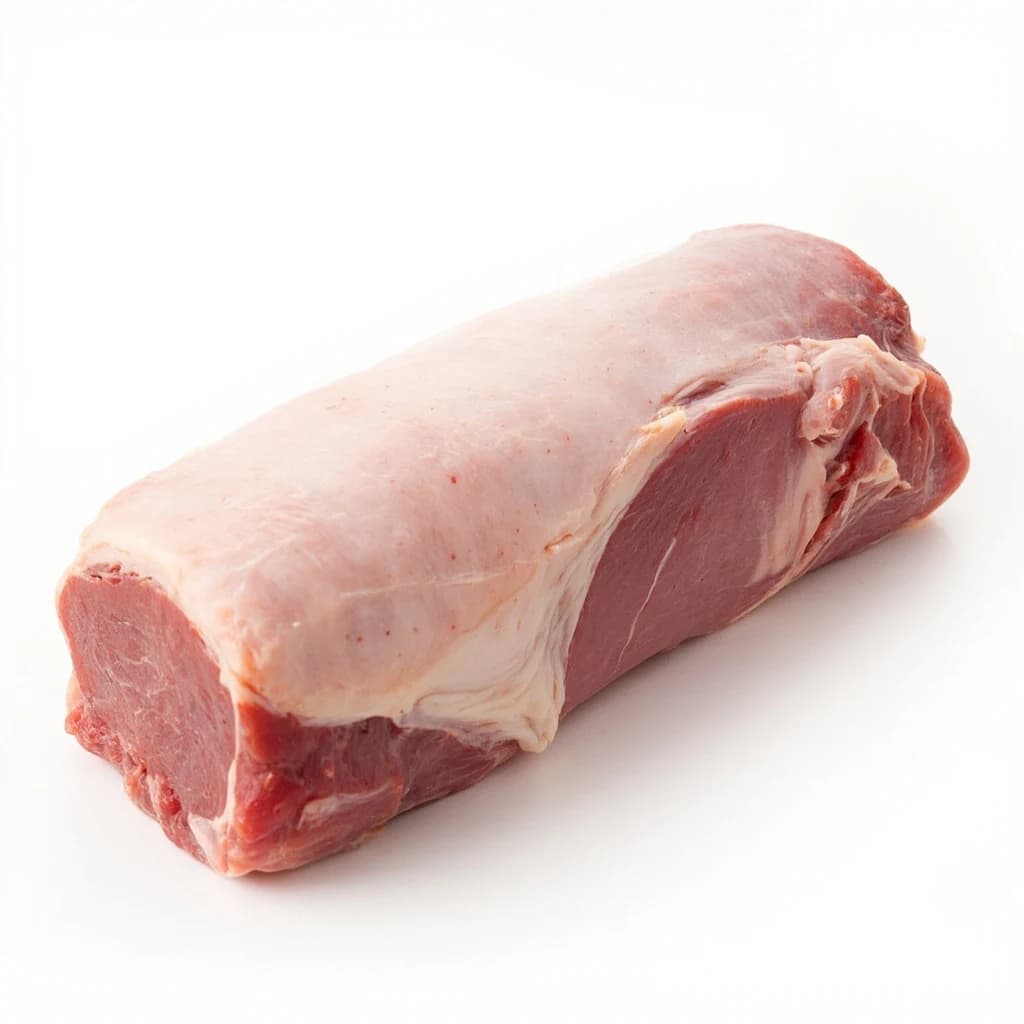
Pork Loin
Lean, tender roasting cut that stays juicy with care
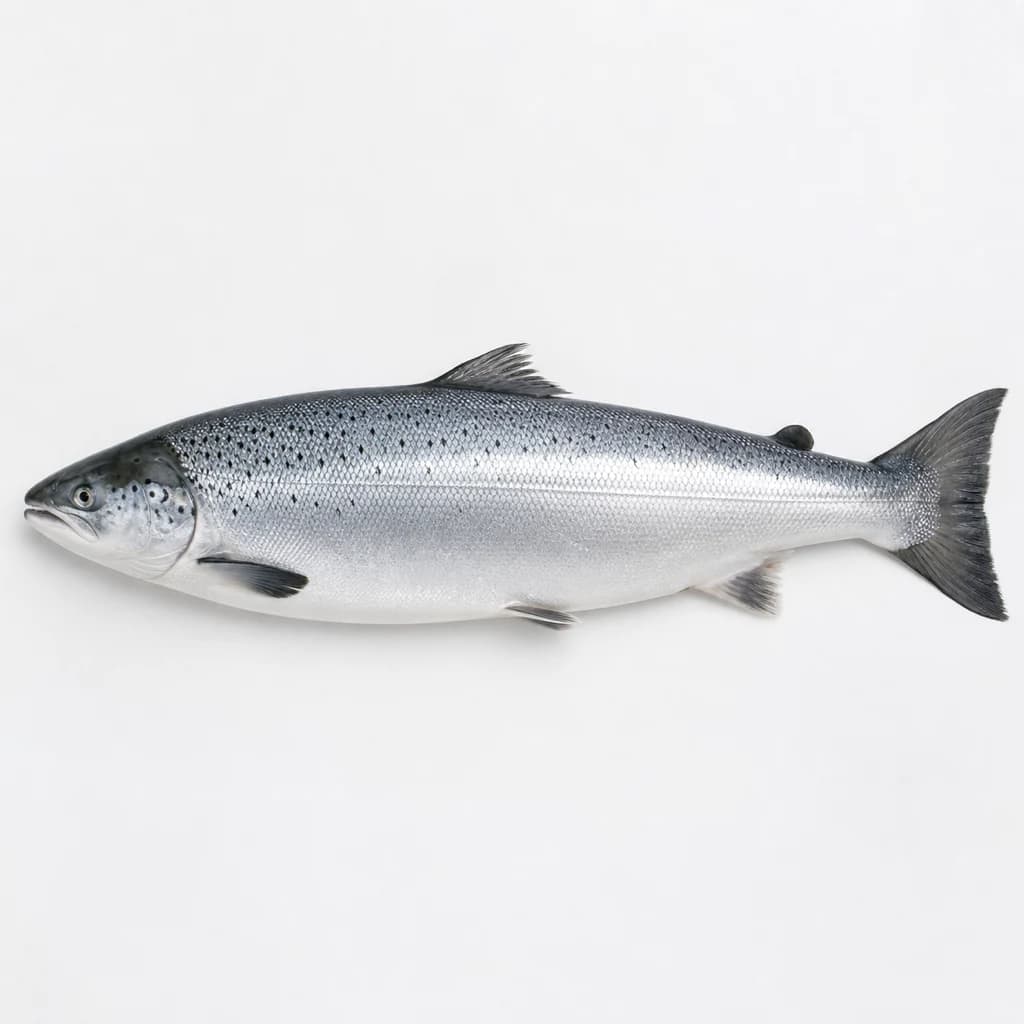
Salmon
Rich, rosy fish that roasts, grills, or cures beautifully

Egg White
Pure protein that whips to airy peaks for meringue and more
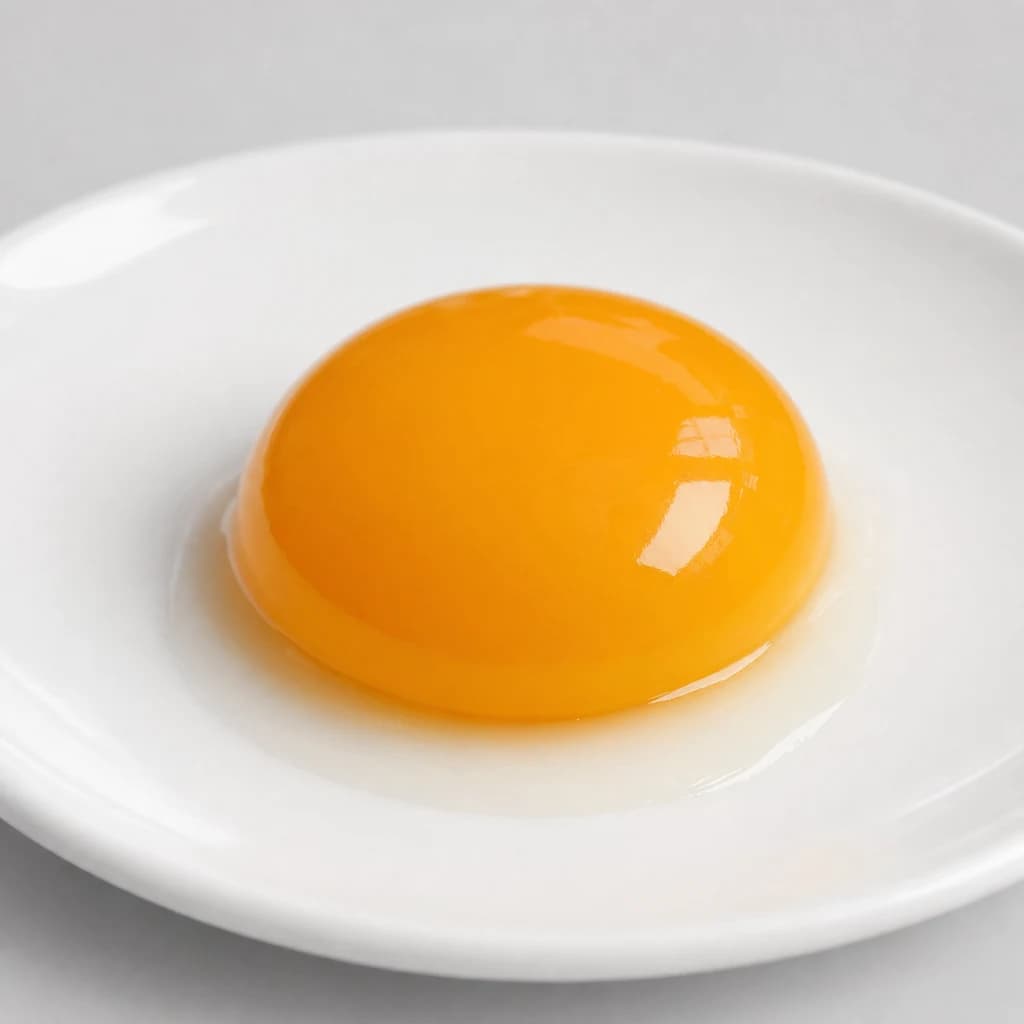
Egg Yolk
Rich, golden yolk for custards, mayonnaise, and pasta

Quail Egg
Tiny, speckled eggs for garnishing and elegant bites