Legumes & Beans
Chickpea Pasta
Gluten-free pasta made from chickpea flour, higher in protein and fiber.
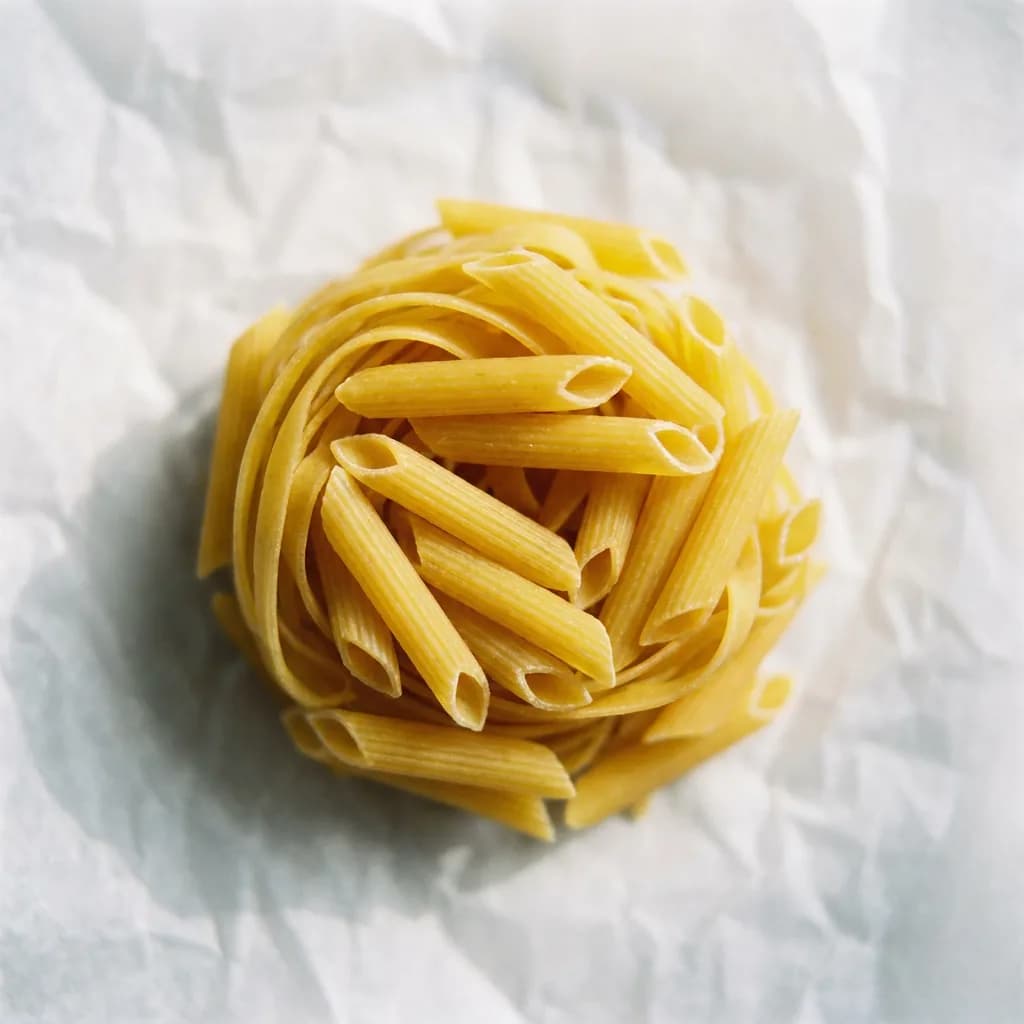
Chickpea pasta is a pasta substitute made primarily from chickpea flour, giving it a higher protein and fiber content than wheat pasta. Naturally gluten-free, it is shaped into penne, fusilli, and spaghetti and cooked like ordinary pasta, with a slightly nuttier flavor and firmer bite. It is popular for higher-protein and gluten-free diets.
Chickpea pasta is a legume-based alternative to traditional wheat pasta, made primarily from chickpea flour (also called besan or gram flour) ground from dried chickpeas. Some brands add tapioca or potato starch, and a few include gellan gum or xanthan gum to improve texture and binding. The result is a pasta that is naturally gluten-free while delivering roughly double the protein and significantly more fiber than semolina pasta. This nutritional profile makes it especially valuable for those managing blood sugar, following a gluten-free diet, or simply seeking more plant-based protein in their meals.
Unlike the neutral canvas that wheat pasta provides, chickpea pasta has a mildly nutty, distinctly bean-like flavor that contributes its own character to a dish. Its texture is softer and slightly grainier than wheat pasta, with a more absorbent surface that clings well to sauce. When cooked, chickpea pasta ranges from beige to tan-brown in color—this darker appearance is normal and not a sign of overcooking. The pasta cooks faster than traditional pasta, typically in 6–9 minutes, and it continues absorbing liquid even off the heat, so timing and saucing technique matter more than with wheat pasta.
Commercial chickpea pasta entered the mainstream around 2017–2018 with brands like Banza, followed by others including Barilla, Jovial, and Tinkyada. Today the category includes both 100% chickpea varieties and blended legume pastas that combine chickpea flour with red lentil, pea, or black bean flours. The ingredient list is worth reading carefully: some blends include rice flour or tapioca starch that alter texture and flavor, while others rely solely on chickpeas with added vitamins and minerals. Leftover chickpea pasta dishes thicken significantly overnight due to continued liquid absorption—add a splash of water or broth when reheating to restore the proper consistency.
- Measured in
- g
- Storage
- Pantry
Types & varieties
Most widely available chickpea pasta shape
Good for holding chunky sauces
Requires extra care when stirring to prevent breakage
Excellent for pasta salads; florets catch dressing well
Ideal for soups and stews
Less common; check brands like Banza and Tinkyada
Brands like Banza use only chickpeas; higher protein and fiber
Mix chickpea with red lentil, pea, or black bean flours; slightly different texture and flavor
Why Chickpea Pasta Behaves Differently
The protein and fiber content that make chickpea pasta nutritious also change how it cooks and holds sauce. Wheat pasta relies on gluten strands for structure; chickpea pasta lacks gluten entirely, so it cannot be stretched or kneaded into an elastic dough. Instead, it holds together through the starch and protein matrix in the flour itself. This gives the cooked pasta a softer bite and a rougher surface that actually helps sauce cling—an advantage over some gluten-free alternatives. However, it also means the pasta absorbs liquid readily, continuing to swell even after draining, which is why finishing in the pan with sauce immediately after draining produces better results than letting it sit.
- Chickpea pasta has a lower glycemic index than regular pasta, making it a better choice for blood sugar management
- The darker color when cooked (beige to tan-brown) is normal and not a sign of overcooking
- 100% chickpea varieties will list only chickpeas and possibly vitamins/minerals; blends often include rice flour, pea protein, or tapioca starch
Cooking Challenges and Solutions
The most common complaint with chickpea pasta is mushiness, which results from overcooking or insufficient water during boiling. Because the pasta is more absorbent than wheat pasta, it requires a generous pot of actively boiling water (about 4–6 quarts per 8 oz of pasta) to maintain consistent cooking temperature and prevent pieces from sticking together. Stir gently once or twice in the first 2 minutes to keep pieces separate without breaking the more fragile shapes like spaghetti. Undercooking by 1–2 minutes less than package directions accounts for carryover cooking that continues off the heat. Finally, do not use chickpea pasta in long-simmered soups where it would cook for 20 or more minutes—this guarantees a dissolved, starchy mess.
- Always reserve ¼–½ cup pasta cooking water to loosen sauces; chickpea pasta absorbs liquid faster than wheat pasta
- If browning is desired in baked dishes, increase oven time by 5–10 minutes; legume-based pastas brown less readily than wheat pasta
- For freezing, toss cooked pasta with a little oil first to reduce freezer burn
Common uses
Tips & pitfalls
- Undercook by 1–2 minutes less than package directions; carryover cooking continues off heat
- Use a large pot with abundant boiling salted water (about 4–6 quarts per 8 oz pasta) to prevent clumping
- Stir gently once or twice in the first 2 minutes to keep pieces separate without breaking them
- Rinse briefly after draining only if serving cold or in a salad (removes excess surface starch); otherwise, drain and sauce immediately
- Reserve ¼–½ cup pasta cooking water to loosen sauces, as chickpea pasta absorbs liquid faster than wheat pasta
- Saucing tip: toss hot pasta directly in the pan with sauce off the heat for 30 seconds to let it absorb flavor
- Do not use for long-simmered soups where pasta would cook for 20+ minutes
- If freezing cooked pasta, toss with a little oil first to reduce freezer burn
- Legume-based pastas brown less in oven dishes; increase baking time by 5–10 minutes if crisp edges are desired
- If the dish thickens significantly overnight, add a splash of water or broth when reheating to restore proper consistency
Nutrition
Energy
1552 kJ · per 100 g
Where the calories come from
Protein
13g
26% DV
Carbs
74.7g
27% DV
Fat
1.5g
2% DV
Fiber
3.2g
11% DV
Sugars
2.7g
of which
Sodium
6mg
0% DV
Source · USDA FoodData Central · approx. Pasta, dry, unenriched
View on FDC →In the shops
Matched grocery products
No matched grocery products for Chickpea Pasta yet.
Good to know
- Main ingredient
- Chickpea flour (besan/gram flour) ground from dried chickpeas, sometimes blended with tapioca or potato starch
- Protein content
- About 13–14 g per 2-oz (57 g) serving, roughly double that of regular semolina pasta
- Fiber content
- About 6–8 g per serving versus 2–3 g in traditional pasta
- Gluten status
- Naturally gluten-free (verify brand; cross-contamination varies)
- Calories
- Approximately 190–210 calories per cooked cup (uncooked portions are about 360 per 100g)
- Cooking time
- Generally 6–9 minutes, shorter than wheat pasta; overcooking causes mushiness
- Texture
- Softer, slightly grainier, and more absorbent than wheat pasta; sauce clings well
- Shelf life (dry)
- 12 months in a cool, dry pantry; cooked pasta keeps 3–5 days refrigerated
Substitutes
- Red lentil pasta — Similar protein and fiber; slightly milder flavor; tends to hold shape better
- Black bean pasta — Comparable protein; earthier flavor; best with Mexican or Southwestern preparations
- Edamame pasta — Higher protein; mild soy flavor; firm texture
- Quinoa pasta — Gluten-free and mild; lower protein than chickpea; good all-purpose substitute
- Brown rice pasta — Widely available; softer texture; may require shorter cooking time; Tinkyada is a reliable brand
- Polenta/corn pasta — Corn flavor; softer texture; avoid with tomato sauces if not treated
- Regular semolina pasta — If gluten is not a concern; significantly lower protein and fiber
- Zucchini noodles or shirataki noodles — Lower carb alternatives but entirely different texture and cooking method
Pairs with
Also called
Chickpea Penne · Garbanzo Pasta · Legume Pasta
Related
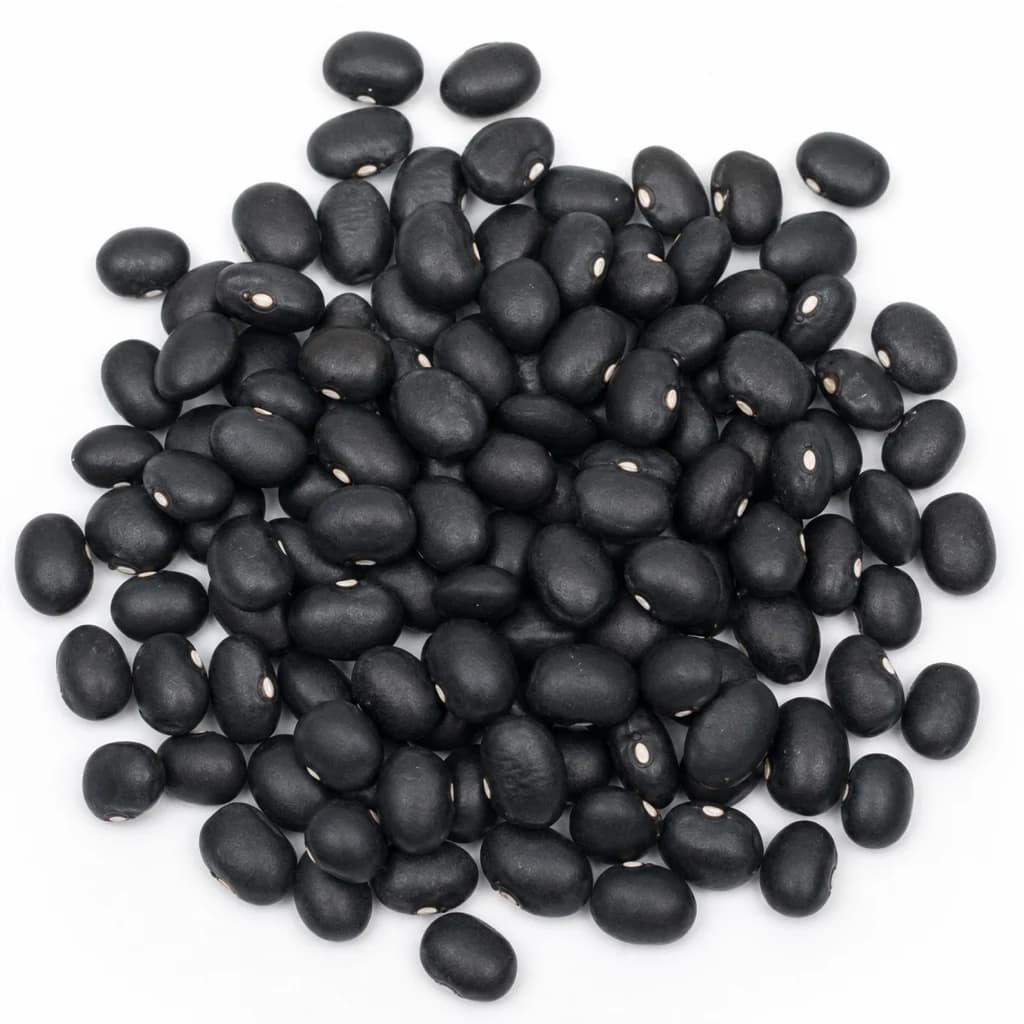
Black Beans
Earthy, creamy beans for bowls, soups, and tacos
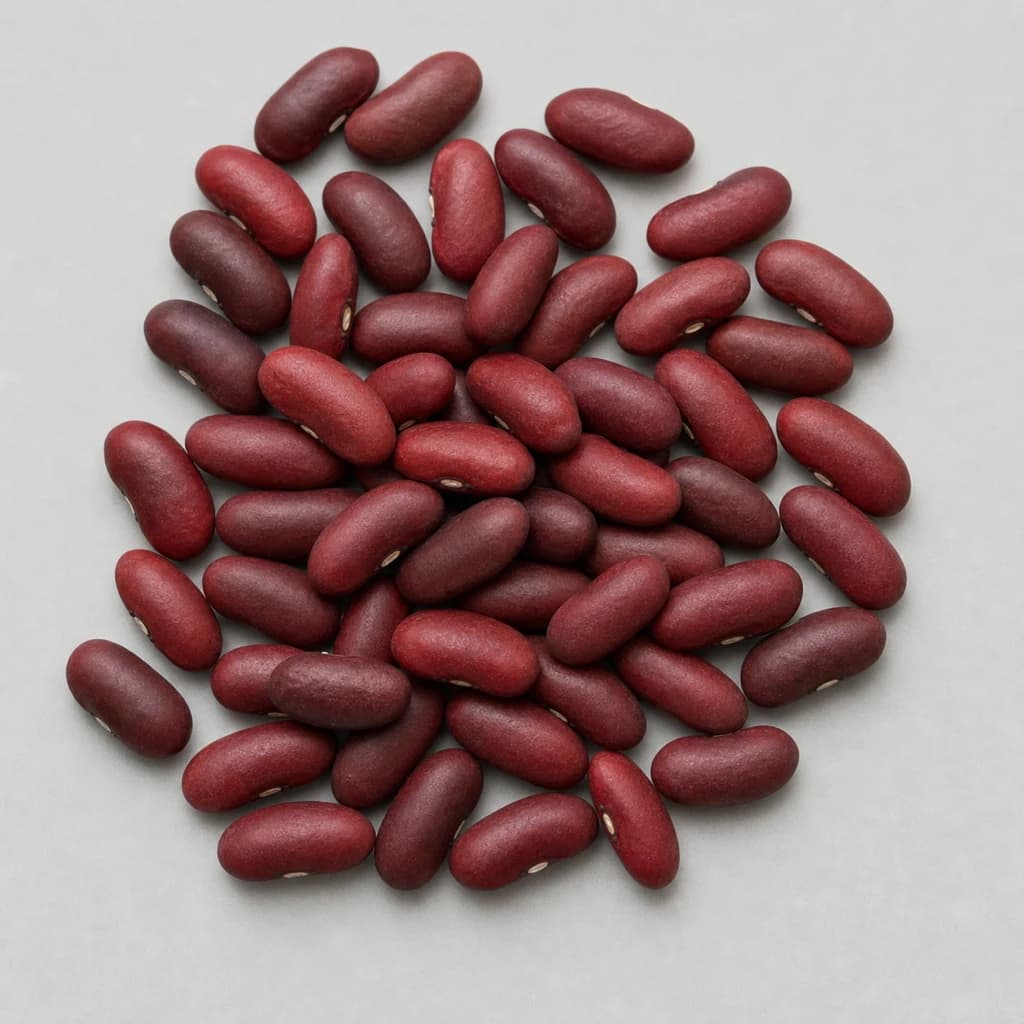
Kidney Beans
Hearty red beans that hold their shape in chili and stews
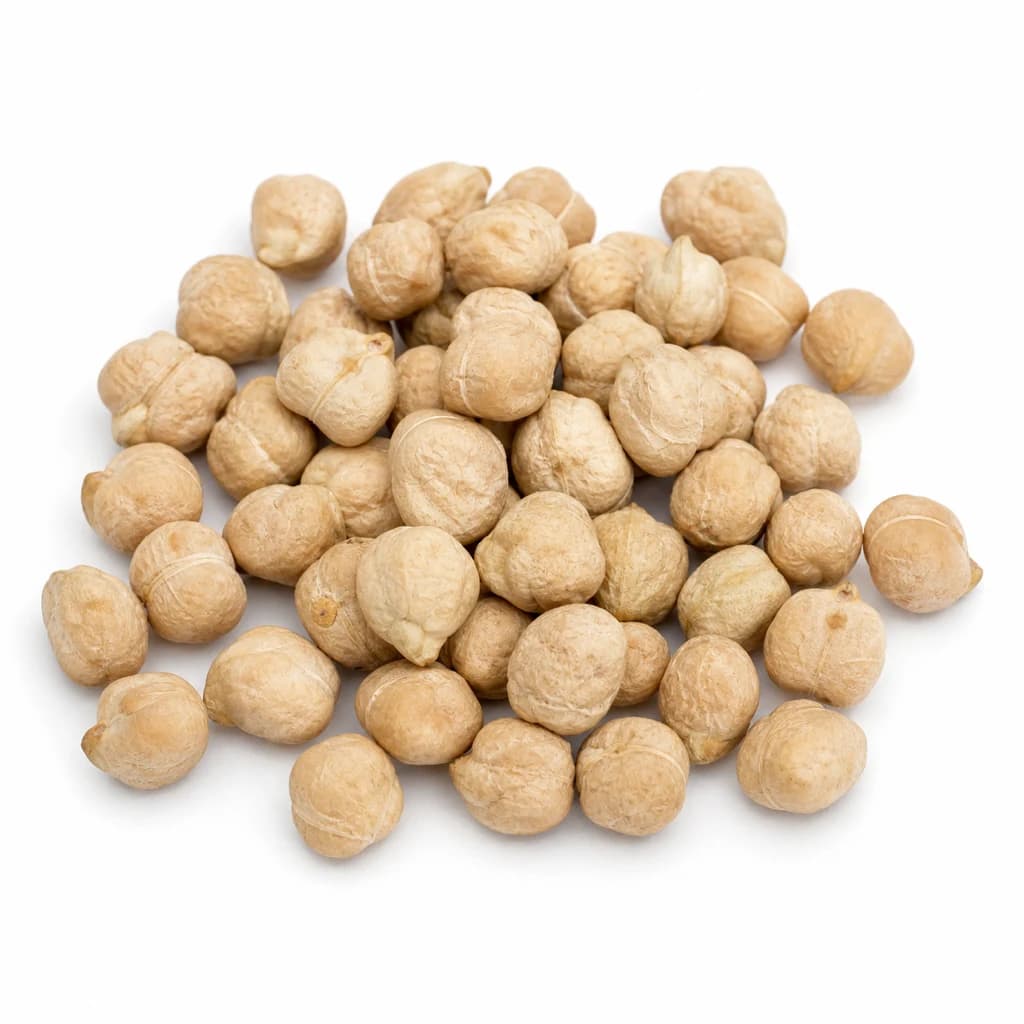
Chickpeas
Nutty, versatile beans for hummus, curries, and roasting
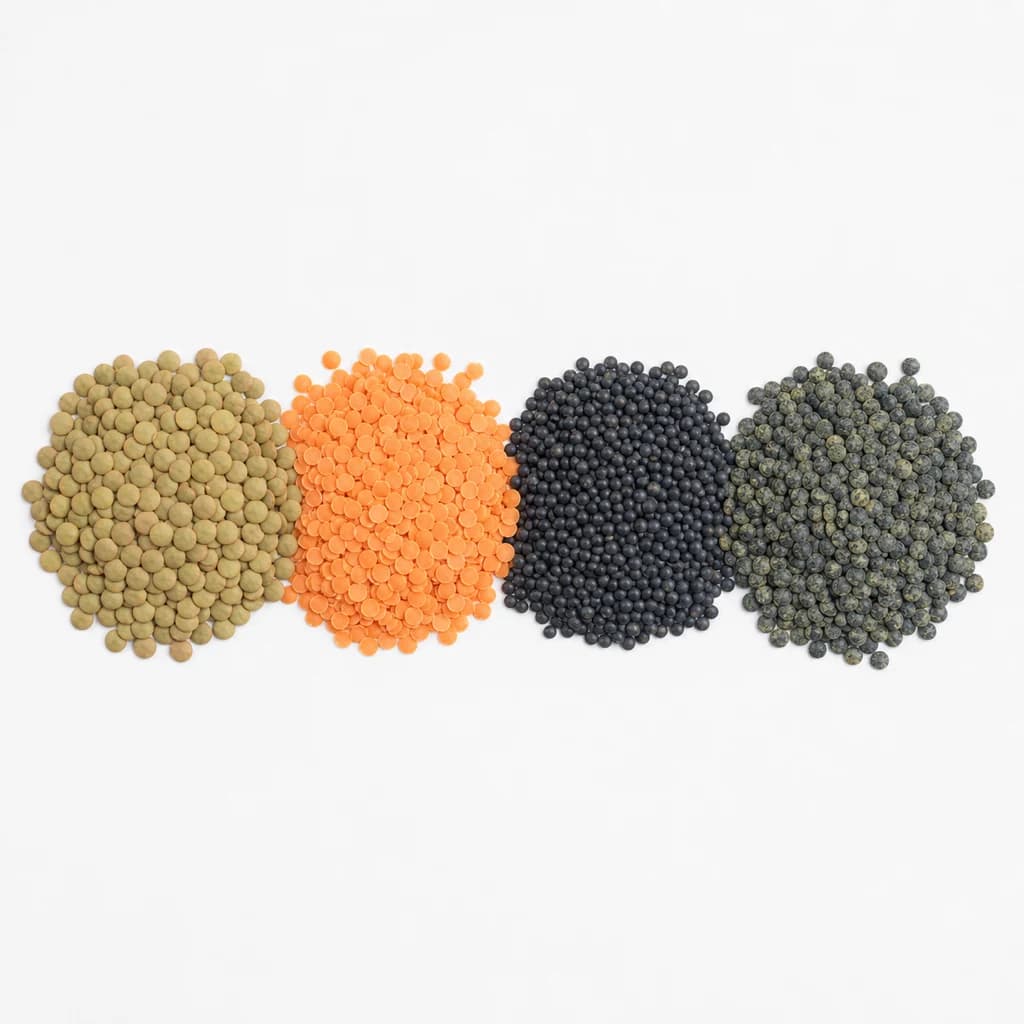
Lentils
Quick-cooking pulses for soups, dals, and hearty salads

White Beans
Creamy, mild beans for soups, stews, and silky purées
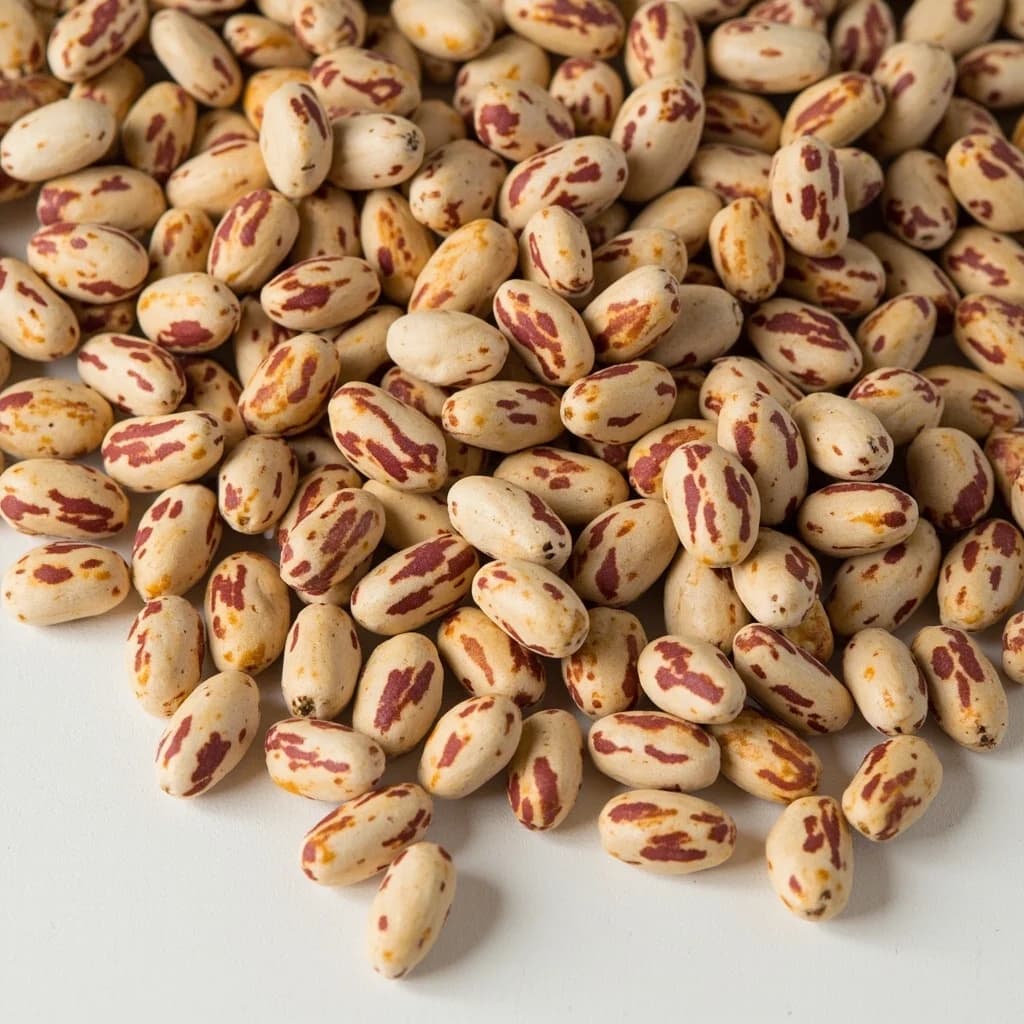
Pinto Beans
Creamy, speckled beans for refried beans and stews

Split Peas
Quick-cooking peas that melt into thick, comforting soups
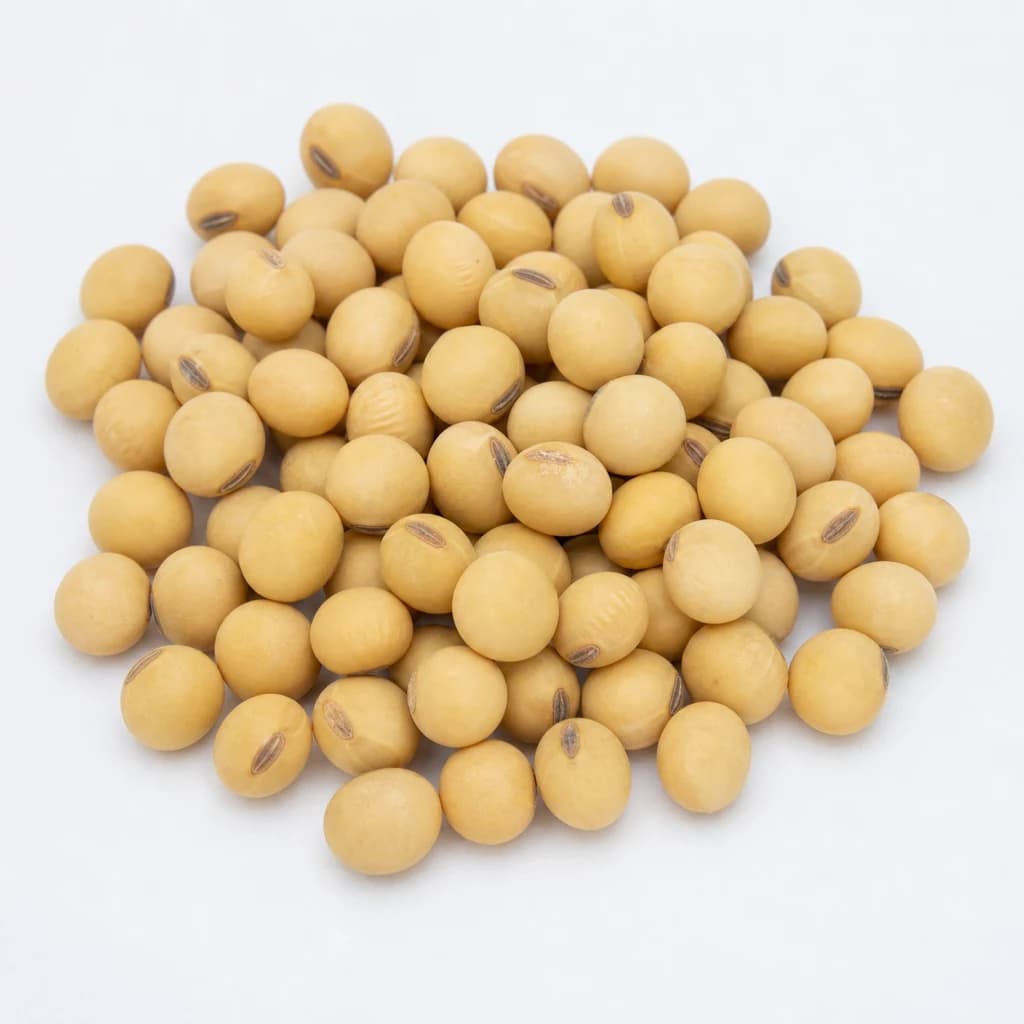
Soybeans
Protein-packed beans, the base for tofu and miso