Proteins
Climbing Perch
Hardy Asian freshwater fish with firm flesh — fried whole or curried in Bengali cooking.
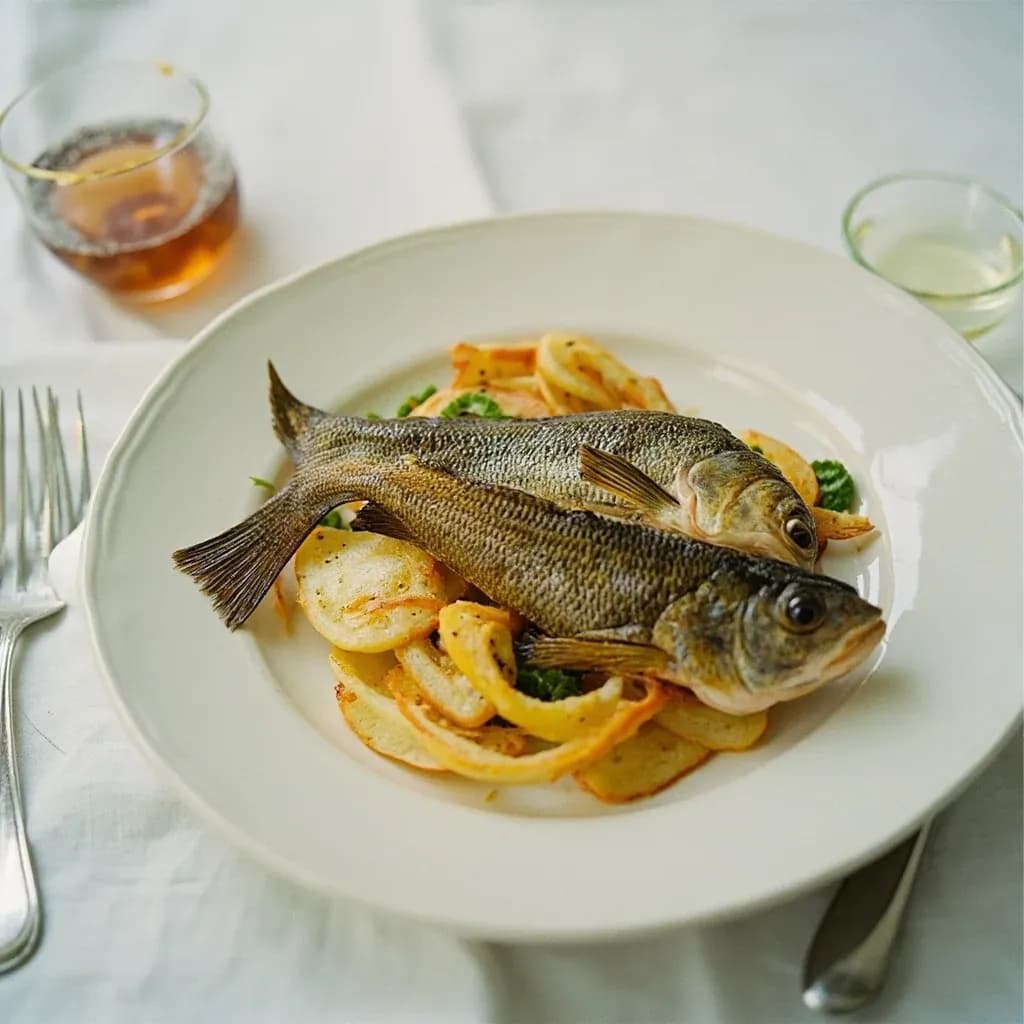
Climbing perch is a hardy freshwater fish of South and Southeast Asia, named for its ability to survive out of water and 'climb' over land. Its firm, slightly sweet flesh is fried whole until crisp or simmered in spiced curries, especially in Bengali and Thai kitchens. It is bony but flavorful, often cooked with the head on.
Climbing perch (Anabas testudineus) is a hardy freshwater fish native to the wetlands, rice paddies, and slow-moving rivers of South and Southeast Asia—from Bangladesh and West Bengal through Myanmar, Thailand, Cambodia, Vietnam, and into Malaysia and Indonesia. It is a staple in regional cuisines from Bengal to the Mekong Delta, yet remains largely unknown outside its native markets. The fish possesses a remarkable physiological trait: a labyrinth organ that allows it to breathe air and survive out of water for hours, which is why it travels to market with remarkable freshness even overland.
What makes climbing perch exceptional in the kitchen is its firm, dense flesh with high protein and low fat content. This is not a delicate, flaky fish—it holds together under the harshest conditions: deep-frying whole, simmering in aggressive Bengali curries, or steaming in coconut milk. The yield is approximately 45–50% edible meat from a whole fish, and the flesh is mild and slightly sweet with few small bones, making it approachable across flavor profiles. In Bangladesh and West Bengal, it is sometimes called a poor-man's fish but is deeply prized for its ability to maintain structure in robust preparations. The fish also carries religious significance in some Hindu communities and is avoided on certain fasting days.
When purchasing climbing perch, look for clear, bright eyes and bright red gills; the flesh should smell of fresh cucumber, never of mud, algae, or sulfur. Cook it the same day for best quality, or keep it on ice for no more than one to two days. Frozen climbing perch loses its firm texture and develops a mealy quality—only freeze if cleaned and vacuum-sealed. The firm texture means it rewards high-heat cooking: scoring the skin deeply before frying prevents bursting, and starting the fish in hot oil sets the exterior before it goes into any curry or braise.
- Measured in
- piece
- Storage
- Fridge
Allergens
Types & varieties
Most common in markets across South and Southeast Asia; stronger, more complex flavor from a varied diet
Increasingly available; cleaner flavor and more consistent size; raised in ponds
Why Climbing Perch Holds Its Shape
The fish's exceptional firmness comes from its high protein density and low fat content. Unlike flakier fish that break apart when boiled or simmered in aggressive curries, climbing perch maintains its structure even in long-cooking preparations. This makes it uniquely suited to Bengali koi curry—where fish is fried first, then simmered in a hot turmeric and chili masala—or to steaming in coconut milk and aromatics. The firm texture also makes it ideal for grinding into fish cakes and pastes.
- High protein, low fat = dense, resilient flesh
- Can withstand long simmers without falling apart
- Grinds well for fish cakes and curry pastes
Bengali Preparation Fundamentals
In Bengali and Bangladeshi cooking, climbing perch is most often prepared as maasor koi (curried climbing perch) or fried whole as a bhaja. The Bengali approach relies on a brief marinade of turmeric and salt—just long enough to season the flesh, not so long that the acid draws out moisture and makes the flesh mushy. The fish is scored deeply on both sides before frying; this allows heat to penetrate evenly and prevents the tough skin from bursting under hot oil. Mustard oil is the traditional cooking medium, bringing a pungent, slightly bitter edge that complements the mild fish.
- Score deeply before any high-heat cooking
- Marinate briefly—turmeric and salt only
- Mustard oil as the traditional cooking medium
Common uses
Tips & pitfalls
- Score the fish deeply on both sides before frying—this allows heat to penetrate evenly and prevents the tough skin from bursting
- Use high heat and sufficient oil when frying whole; the oil must be at 180°C or above to achieve crispy results without sticking
- In Bengali cooking, marinate briefly in turmeric and salt before frying; do not over-marinate or the flesh becomes mushy
- For curries, fry the fish first to set the exterior, then add it to the masala—this prevents the delicate flesh from breaking apart in the liquid
- Avoid fish with a muddy or algae smell; this flavor will dominate the dish and cannot be cooked out
- Cook until the flesh flakes easily and appears opaque throughout—undercooking risks an unpleasant texture
- Do not use fish that has been frozen too long; the texture becomes mealy and the flavor dulls significantly
- Look for clear eyes, bright red gills, and a fresh cucumber scent when purchasing
Nutrition
Energy
519 kJ · per 100 g
Where the calories come from
Protein
20g
40% DV
Carbs
0g
0% DV
Fat
4.2g
5% DV
Fiber
0g
0% DV
Sodium
60mg
3% DV
Source · USDA FoodData Central · approx. Fish, bluefish, raw
View on FDC →In the shops
Matched grocery products
No matched grocery products for Climbing Perch yet.
Good to know
- Scientific Name
- Anabas testudineus
- Origin
- South and Southeast Asia (Bangladesh, India, Myanmar, Thailand, Cambodia, Vietnam, Malaysia, Indonesia)
- Habitat
- Freshwater ponds, rivers, swamps, rice paddies
- Typical Size
- 15–25 cm; maximum around 30 cm
- Flavor
- Mild, slightly sweet; firm, white flesh with low fat content
- Texture
- Firm, dense; holds up well to frying and curries; few small bones
- Yield
- Approximately 45–50% edible meat from whole fish
- Season
- Available year-round in native regions; peak in monsoon
- Storage
- Cook same day for best quality; keeps 1–2 days on ice; freeze only if cleaned and vacuum-sealed
- Special Property
- Contains labyrinth organ allowing it to breathe air and survive out of water for hours
Substitutes
- Snakehead (Murrel) — The closest substitute in texture and culinary role; equally firm flesh suitable for frying and curries
- Catfish — Comparable firmness and mild flavor; widely available; adjust cooking time as catfish cooks faster
- Tilapia — Acceptable where climbing perch is unavailable; softer texture; use quick-cooking methods only
- Carp — Traditional substitute in South Asian cooking; stronger flavor; remove larger bones before using
Pairs with
Also called
Climbing Perch (Koi) · Koi Fish · Anabas
Related

Egg
The kitchen's everything ingredient — bind, leaven, enrich, or fry

Chicken Breast
Lean, quick-cooking white meat for everyday dinners

Ground Beef
Versatile minced beef for burgers, ragù, tacos, and meatballs

Pork Loin
Lean, tender roasting cut that stays juicy with care

Salmon
Rich, rosy fish that roasts, grills, or cures beautifully

Egg White
Pure protein that whips to airy peaks for meringue and more

Egg Yolk
Rich, golden yolk for custards, mayonnaise, and pasta

Quail Egg
Tiny, speckled eggs for garnishing and elegant bites