Proteins
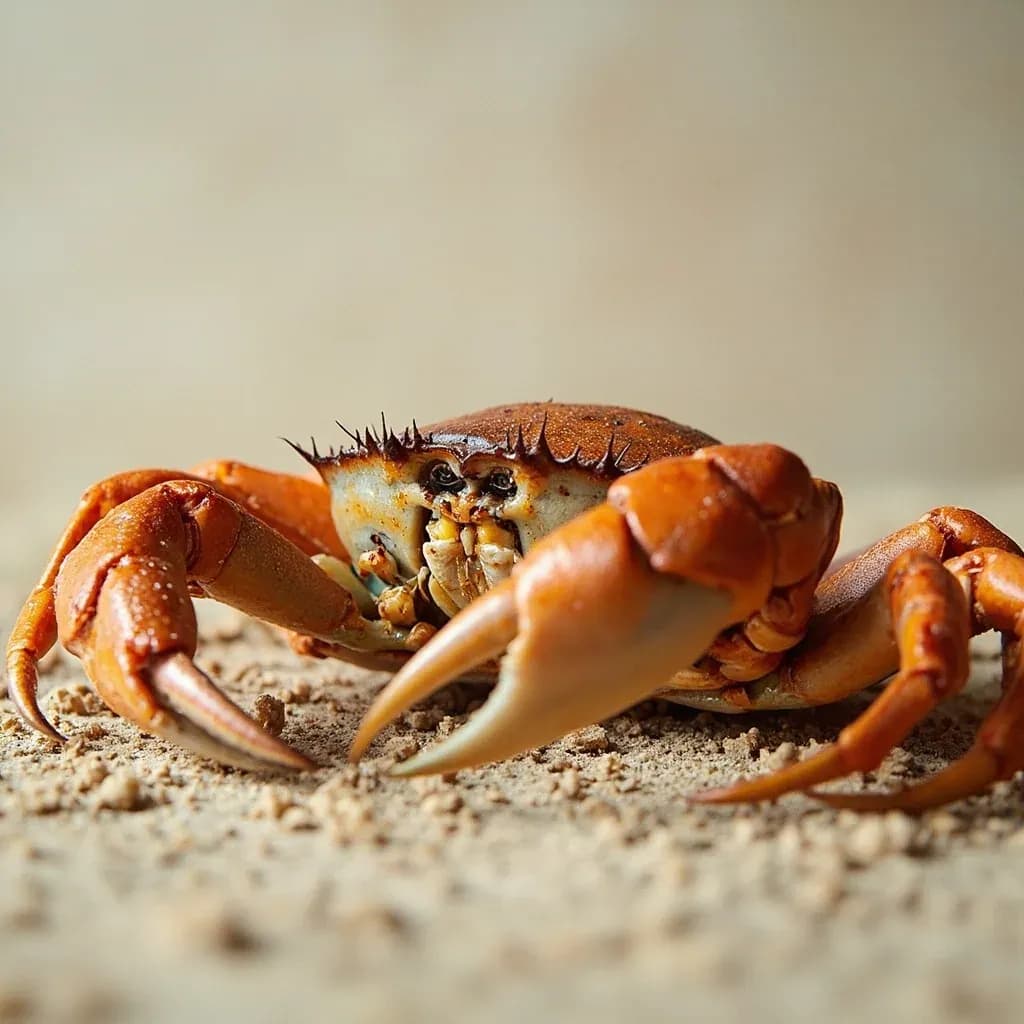
Coconut Crab
Giant land-dwelling crab from Pacific islands, prized for rich coconut-flavored meat.
The coconut crab is the world's largest land-living arthropod, found across Indo-Pacific islands where it feeds on fallen coconuts. Its meat is dense, sweet, and faintly coconut-scented, often steamed, grilled, or cooked in coconut milk as a delicacy. It is a protected species in many regions due to overharvesting.
The coconut crab (Birgus latro), also known as the robber crab or palm thief, is the world's largest terrestrial arthropod, yet it belongs not to the true crabs but to the hermit crab family Coenobitidae. As adults, these remarkable animals have fully adapted to land life, losing the ability to swim—a stark departure from their marine hermit crab relatives. They inhabit Indo-Pacific islands from Guam and the Northern Mariana Islands through the Pacific island chains to the Seychelles and Christmas Island, living in burrows and emerging primarily at night to forage. Their name is well-earned: using claws capable of lifting objects up to 29 kilograms, they can crack coconuts open, though they primarily eat fallen fruit, seeds, and organic debris.
For cooks, the coconut crab is prized chiefly for its claw and leg meat, which yields approximately 30–40% meat by weight and offers a firm, dense texture comparable to lobster tail. The flavor is sweet and mild, often compared to lobster or regular crab, with a subtle coconut or nutty undertone that reflects the animal's diet. The body meat and even the hepatopancreas (green gland) are edible, though the latter carries a much stronger, gamey flavor. Because of their slow growth, late sexual maturity at 4–5 years, and single annual breeding cycle, coconut crab populations recover slowly from harvesting, making them a truly exceptional—and increasingly rare—ingredient where legally available.
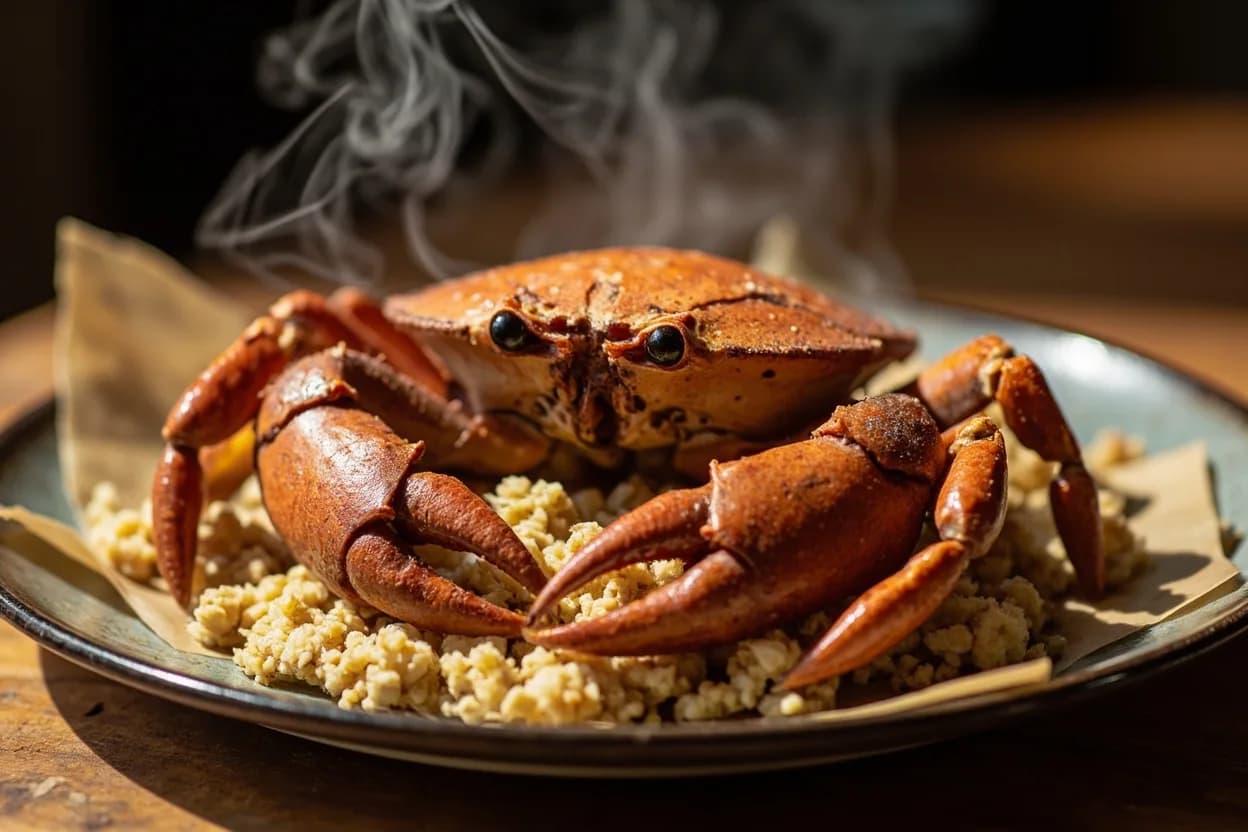
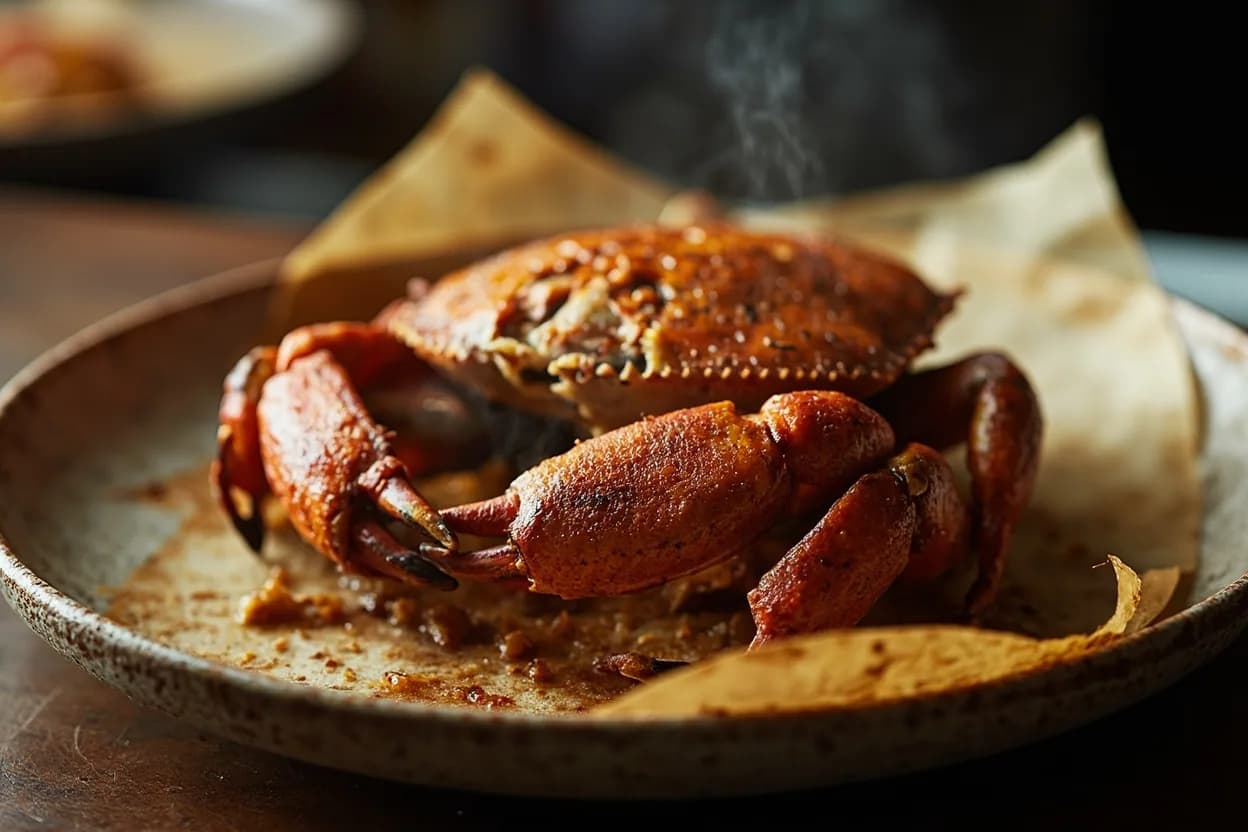
In many Pacific island cultures, coconut crab commands high cultural and culinary value. Traditional preparations include boiling, grilling, steaming, and use in rich stews and curries with coconut milk. On islands where limited harvesting is permitted for subsistence or ceremonial use, local fishermen sometimes fatten crabs before cooking by feeding them coconuts for several days, intensifying the prized sweet flavor. Treat coconut crab similarly to large lobster in the kitchen: the claw meat is the most coveted portion, and thorough cooking is essential.
- Measured in
- piece
- Storage
- Fridge
Allergens
Types & varieties
Commonly harvested where permitted; traditional use in local cuisine
Found on islands like Curieuse; traditionally consumed locally
Significant population; subject to local conservation measures
Conservation and Availability
The coconut crab's slow life history makes it exceptionally vulnerable to overharvesting. It reaches sexual maturity at 4–5 years, breeds only once annually, and produces few offspring. Populations in many areas have declined dramatically, leading the IUCN to list the species as Vulnerable. Several jurisdictions have banned commercial extraction entirely, and others permit only limited subsistence or ceremonial harvesting. Before attempting to source coconut crab, verify local regulations—possession in protected areas can carry serious legal consequences. In areas where limited harvest is permitted, the crab commands high cultural value and is often reserved for special occasions.
- Always verify legal status before sourcing
- Protected status varies significantly by jurisdiction
- Traditional conservation practices exist on many islands
Cooking Properties
The coconut crab's flavor and texture make it a direct analog to large lobster, and cooking techniques translate accordingly. The claw meat is the most prized portion—dense, sweet, and offering the most substantial bite. Body meat is adequate for soups, stocks, and picked preparations. The hepatopancreas (green gland near the head) is technically edible but carries a pronounced, gamey flavor that overwhelms the delicate sweet notes; most cooks discard it or use it only in highly seasoned preparations where its intensity can balance other strong flavors.
- Claw meat yields the highest quality texture and flavor
- Body meat works well for soups and picked meat preparations
- Hepatopancreas is edible but strongly flavored—use sparingly or omit
Common uses
Tips & pitfalls
- Always cook thoroughly—land crustaceans can harbor parasites that cooking eliminates; never eat raw
- If boiling, use well-salted water and ensure the internal temperature reaches safe levels for crustaceans
- Freshness is critical; use immediately or freeze within hours of harvest, as quality deteriorates rapidly
- The hepatopancreas (green gland near the head) is edible but has a much stronger, more gamey flavor than the meat—most cooks reserve it for stocks or discard it
- The large claws can crush coconuts—handle live crabs with extreme care and appropriate protection
- Taste varies significantly with diet; crabs that have eaten primarily coconut produce the sweetest, most prized meat
- On islands where collection is permitted, local fishermen often fatten crabs before cooking by feeding them coconuts for several days
- Never attempt to eat the exoskeleton raw; it must be cooked until it softens
Nutrition
Nutrition
No USDA FoodData Central match for Coconut Crab yet. We surface a per-100 g profile once a generic whole-food entry is matched and verified.
In the shops
Matched grocery products
No matched grocery products for Coconut Crab yet.
Good to know
- Scientific Name
- Birgus latro
- Other Names
- Robber crab, palm thief
- Size
- Up to 1 meter leg span; body shell to 16 inches; weight to 4 kg (9 lbs)
- Flavor Profile
- Sweet, mild; compared to lobster with subtle coconut or nutty undertone
- Texture
- Firm, dense; similar to lobster tail
- Edible Parts
- Claw and leg meat (most prized), body meat; hepatopancreas is edible but strong-flavored
- Yield
- Approximately 30–40% meat by weight
- Protected Status
- Vulnerable (IUCN); harvest prohibited or restricted on many islands
- Typical Preparation
- Boiled, grilled, steamed, or used in stews and curries
Substitutes
- Dungeness crab — Similar texture; milder, sweeter flavor; readily available in North American markets
- King crab legs — Firm texture comparable; sweeter than coconut crab but works well in soups and grilled preparations
- Blue crab — Better for preparations requiring picked meat; less sweet than coconut crab but versatile
Pairs with
Also called
Robber Crab
Appears in these dishes
Related

Egg
The kitchen's everything ingredient — bind, leaven, enrich, or fry

Chicken Breast
Lean, quick-cooking white meat for everyday dinners

Ground Beef
Versatile minced beef for burgers, ragù, tacos, and meatballs

Pork Loin
Lean, tender roasting cut that stays juicy with care

Salmon
Rich, rosy fish that roasts, grills, or cures beautifully

Egg White
Pure protein that whips to airy peaks for meringue and more

Egg Yolk
Rich, golden yolk for custards, mayonnaise, and pasta

Quail Egg
Tiny, speckled eggs for garnishing and elegant bites