
Natural form
Fresh cowpea leaves with their characteristic oval shape and trailing tendrils, harvested from the vine.
Shows the reader exactly what to look for at a market or garden — the distinctive soft, slightly hairy trifoliate leaves of the black-eyed pea plant.
Produce
Cowpea Leaf
Tender leafy green of the cowpea plant, stewed as a vegetable in African cooking.
Cowpea leaves are the soft young greens of the black-eyed pea plant, eaten as a leafy vegetable across sub-Saharan Africa. They are boiled or stewed with onions, tomatoes, and groundnut paste, served alongside staples like ugali or rice. Mild and slightly nutty, they are valued as an everyday, affordable green.
Cowpea leaf is the tender, edible foliage of Vigna unguiculata, the same plant that produces the black-eyed pea and yardlong bean. Unlike the seeds, which are legumes, the leaves are used as a leafy green vegetable—a distinction that matters for cooking. Young cowpea leaves are harvested before the plant sets pods, typically three to five weeks after planting, when they are at their most tender and mild. The flavor sits between spinach and collard greens: slightly earthy with a gentle bitterness that fades as the leaves cook, becoming silky and neutral enough to absorb bold surrounding aromatics. This subtlety makes the leaves extraordinarily adaptable, whether simmered in a rich groundnut stew or tossed with coconut milk on the East African coast.
Cowpea leaves carry exceptional nutritional weight for a leafy green, delivering roughly 3–4 grams of protein per 100 grams raw—far more than most greens—alongside ample iron, calcium, folate, and fat-soluble vitamins A and K. They are a foundational food across Sub-Saharan Africa, where they bridge protein gaps in diets reliant on starchy staples. Historically, the leaves have been a woman's crop: grown, harvested, and preserved by women in household gardens and small plots, playing a quiet but critical role in food security across diverse climates—from the Sahel to the Congo basin to the coastal regions of East Africa.
The leaves are never eaten raw, as they contain oxalates and tannins that are safely reduced through cooking. Dried cowpea leaves (known as kunde in Swahili and by various regional names) are a vital preservation method, allowing the green to remain a year-round food source even in areas with long dry seasons when fresh leaves are unavailable.
- Measured in
- g
- Storage
- Fridge
Types & varieties
Most widely cultivated for leaves; dozens of landrace varieties with regional names and flavor nuances across West and East Africa
More drought-tolerant; leaves are slightly coarser but still commonly eaten in drier regions
Grown primarily for pods but young leaves are harvested and eaten throughout Southeast Asia
The type most familiar to Western markets; leaves are edible and used in African diaspora cooking traditions
Preservation and seasonal availability
Fresh cowpea leaves are highly perishable and lose quality within a day or two of harvest. Drying is the most traditional and widely practiced preservation method. To dry: spread clean leaves in direct sunlight for several days until crisp and brittle, then store in airtight containers. Dried leaves rehydrate in 10–15 minutes of soaking in warm water before cooking. Freezing is a reliable modern alternative: blanch leaves for 1–2 minutes, squeeze completely dry, then freeze in portioned airtight bags. Frozen leaves hold their color and nutrition well for up to three months. In rural households, dried leaves often carry a household through lean dry seasons when fresh greens are unavailable, making them nutritionally as important as the fresh leaves themselves.
- Dried leaves swell significantly when rehydrated—a small handful expands to fill a pot; adjust liquid ratios accordingly
- Freeze only clean, dry leaves; any residual moisture causes ice crystals that degrade texture
- Dried leaves may be ground to a coarse powder and used as a nutrient-dense thickening agent in stews
Why cooking matters
Cowpea leaves contain antinutrients—principally oxalates and tannins—that are reduced to safe levels by thorough cooking. The leaves must never be eaten raw. Cooking also tenderizes the cellulose and pectin in the cell walls, transforming the leaves from raw and slightly chewy to a melting, silky texture. Overcooking, however, destroys the vivid green color and breaks down the leaves into a slimy, muted mass. Ten to fifteen minutes of gentle simmering is the target for fresh leaves. The addition of a small amount of acid—such as tomato or a squeeze of lemon—brightens the color and lifts the flavor, while fat (palm oil, coconut milk, groundnut paste) aids absorption of fat-soluble vitamins A and K that the leaves contain in notable quantities.
- Never eat raw; always cook until leaves are wilted and tender throughout
- A splash of acid at the end of cooking preserves the green color and cuts any dullness in flavor
- Pair with fat to maximize the bioavailability of vitamins A and K
Common uses
Tips & pitfalls
- Harvest leaves young (3–5 weeks after planting) for the most tender texture; older leaves become fibrous and require longer cooking
- Always strip stems and midribs from larger leaves—they remain tough even after prolonged simmering
- Wash in multiple changes of cold water; cowpea leaves trap sand and grit between their layered leaves
- Do not overcook; 10–15 minutes of simmering is sufficient, otherwise the leaves turn slimy and lose their vibrant color
- Add a splash of acidity (tomato, lemon, or tamarind) to brighten the flavor and help preserve the green color during cooking
- For dried leaves, soak 10–15 minutes in warm water before cooking; they swell dramatically and need more liquid than fresh
- Pair with a fat—palm oil, coconut milk, or groundnut paste—to help your body absorb the fat-soluble vitamins A and K
- A common mistake is substituting dried for fresh leaves at a 1:1 ratio; dried leaves expand greatly and change the texture and liquid needs of a dish
- In groundnut stew, toast raw peanuts before making paste to develop a deeper, more resonant flavor
Nutrition
Energy
255 kJ · per 100 g
Where the calories come from
Protein
1.1g
2% DV
Carbs
14.7g
5% DV
Fat
0.5g
1% DV
Fiber
3g
11% DV
Sugars
9g
of which
Sodium
3mg
0% DV
Source · USDA FoodData Central · approx. Kiwifruit, green, raw
View on FDC →In the shops
Matched grocery products
No matched grocery products for Cowpea Leaf yet.
Good to know
- Scientific name
- Vigna unguiculata (young leaves harvested before pod formation)
- Origin
- West Africa; domesticated approximately 5,000–6,000 years ago, one of the oldest cultivated legumes on the continent
- Primary growing regions
- West Africa (Nigeria, Niger, Senegal, Mali), East Africa (Tanzania, Kenya, Uganda), Southern Africa (Zimbabwe, Mozambique, South Africa); also Southeast Asia and South America
- Peak season
- Rainy season; leaves harvested 3–4 weeks after planting, before pods develop
- Flavor
- Slightly earthy, mildly bitter; comparable to spinach or collard greens when cooked; becomes more bland and silky with prolonged cooking
- Color
- Dark to medium green when fresh; dull olive-green when cooked
- Texture
- Tender when young; becomes fibrous if harvested late or if stems and midribs are not removed
- Protein content
- 3–4 g per 100 g raw—exceptional for a leafy green
- Key nutrients
- High in vitamins A, C, and K, folate, iron, calcium, and dietary fiber
- Storage (fresh)
- Refrigerate unwashed in a plastic bag for 1–2 days; best used same day
- Storage (dried)
- Airtight container in a cool, dark place for several months
- Storage (frozen)
- Blanch briefly, squeeze dry, freeze in airtight bags for up to 3 months
- Typical yield
- Approximately 500 g fresh leaves yields 150–200 g cooked
- Equipment needed
- Colander, large pot or skillet, wooden spoon; mortar and pestle useful for traditional pounding preparations
Substitutes
- Amaranth greens — Similar texture and mild bitterness; cook for the same amount of time
- Sweet potato leaves — Comparable nutrition profile and cooking behavior; widely available in tropical and Asian markets
- Collard greens — Tougher texture requires longer cooking; works well in authentic West African-style stews
- Spinach (fresh or frozen) — Shorter cooking time required; monitor closely to avoid overcooking and sliminess
- Kale (lacinato/dinosaur) — Sturdy leaves that hold up similarly; massage with salt first if using mature leaves
- Cassava leaves — Very popular throughout Central and West Africa; similar cooking method but slightly more bitter
Pairs with
Also called
Imbuya · Cowpea Greens · Kunde
Related
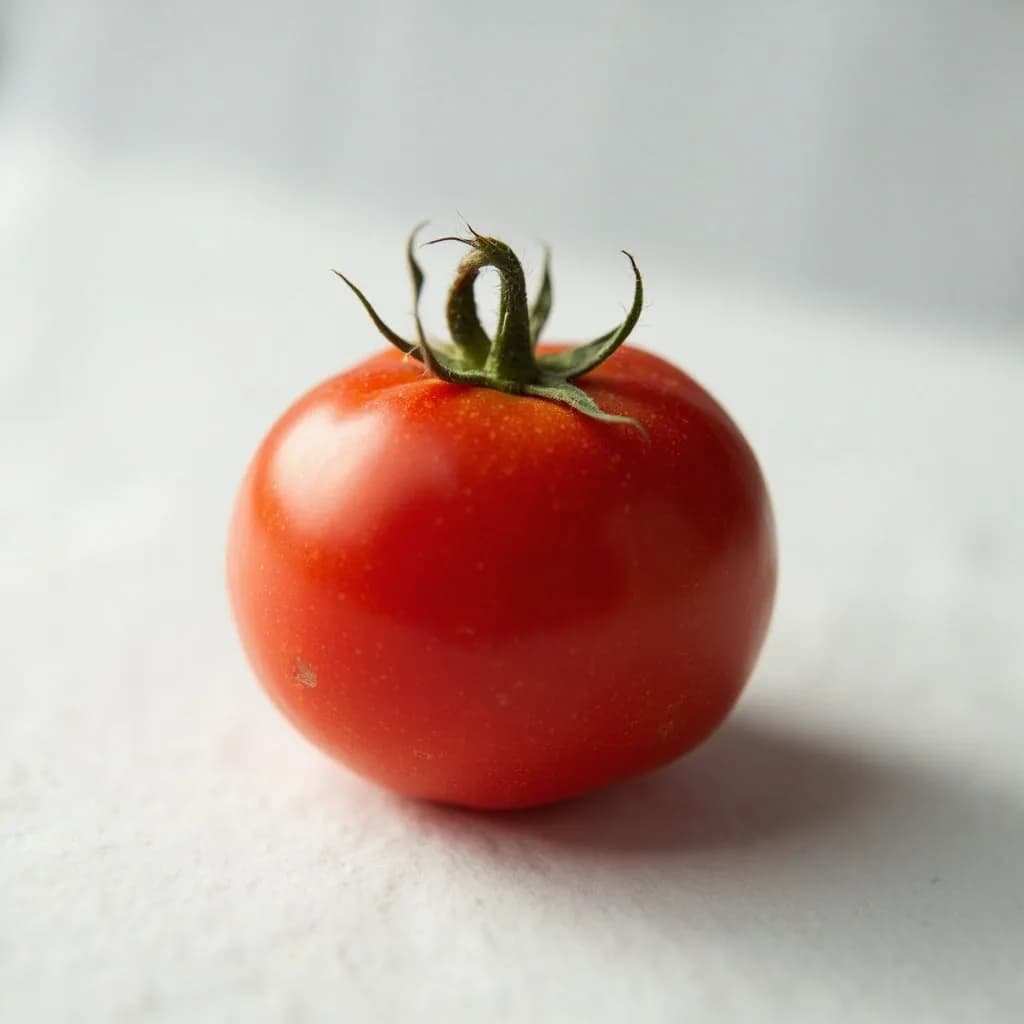
Tomato
Juicy, sun-sweet fruit for sauces, salads, and slow-cooked depth
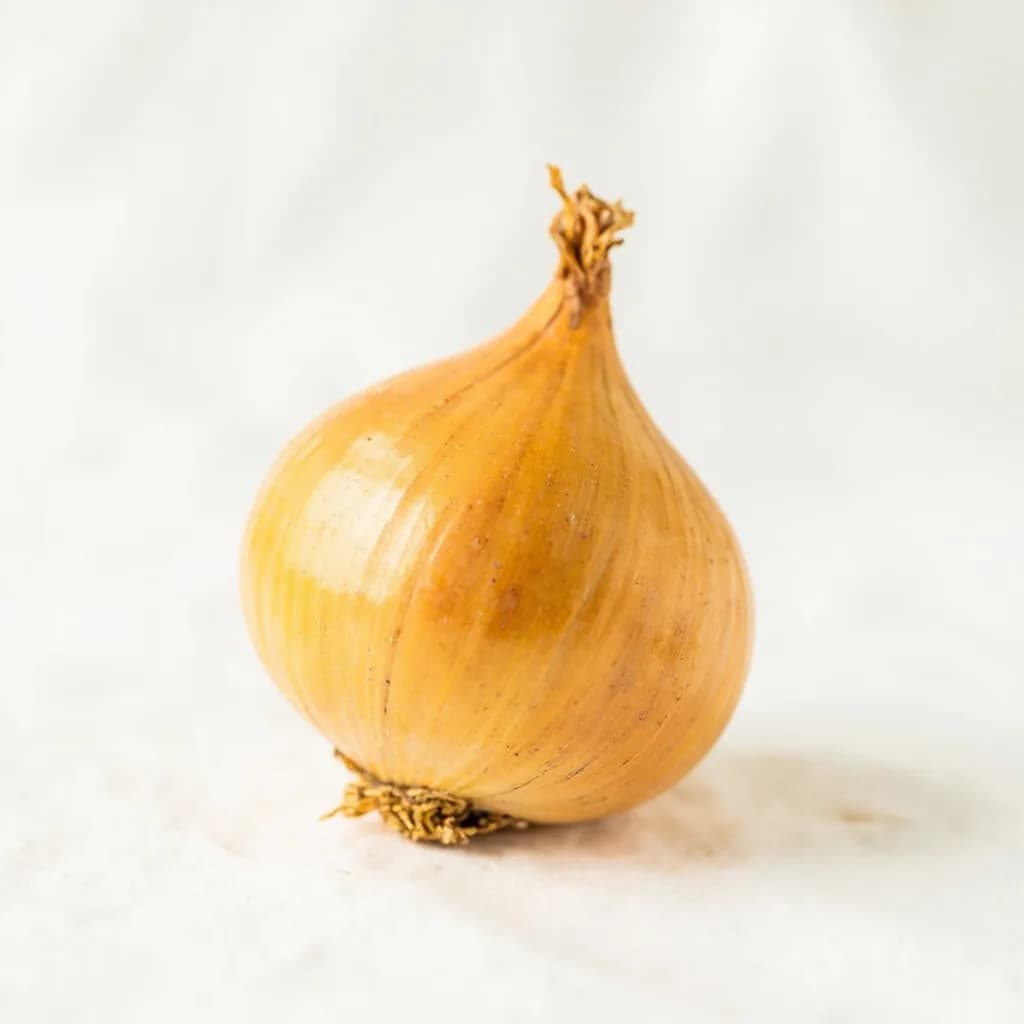
Yellow Onion
The aromatic backbone of soups, sofritos, and braises
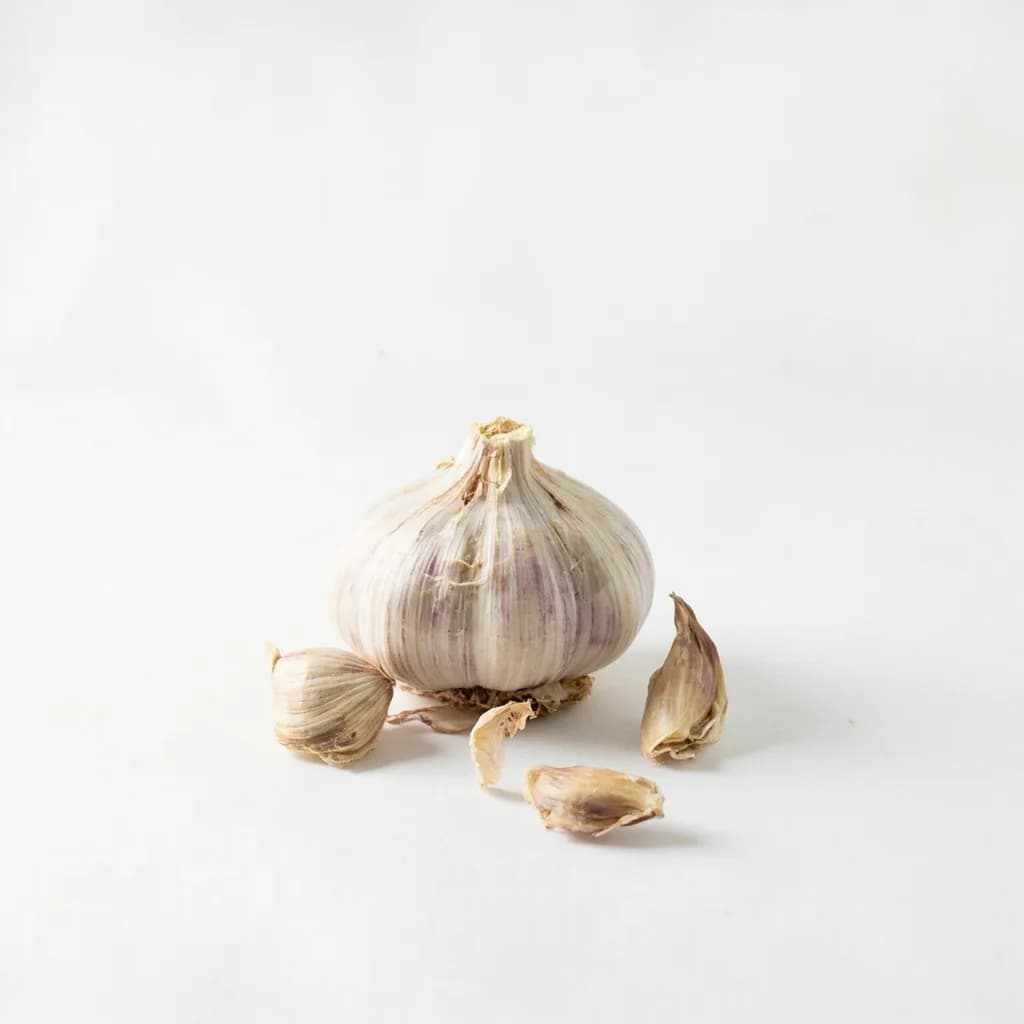
Garlic
Pungent cloves that perfume nearly every savory dish
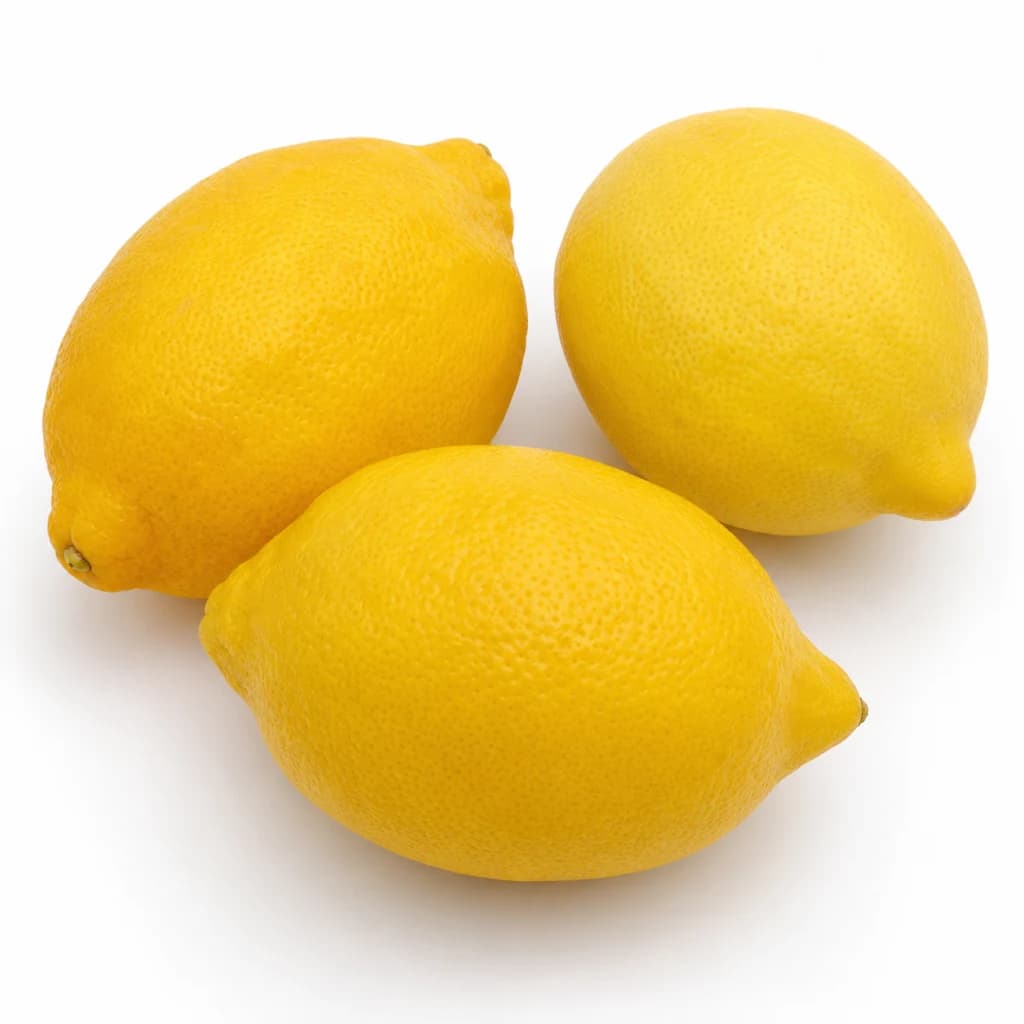
Lemon
Bright, acidic citrus that wakes up almost any dish
Potato
Humble, hearty staple — roast, mash, fry, or boil
Carrot
Sweet, crunchy root — raw, roasted, or the base of a sofrito
Cucumber
Cool, crisp, and watery — for salads, pickles, and tzatziki

Lettuce
Crisp leaves for salads, wraps, and a fresh crunch