Produce
Crowberry
Small black tundra berry, mildly tart, foraged across the Arctic for jams and desserts.
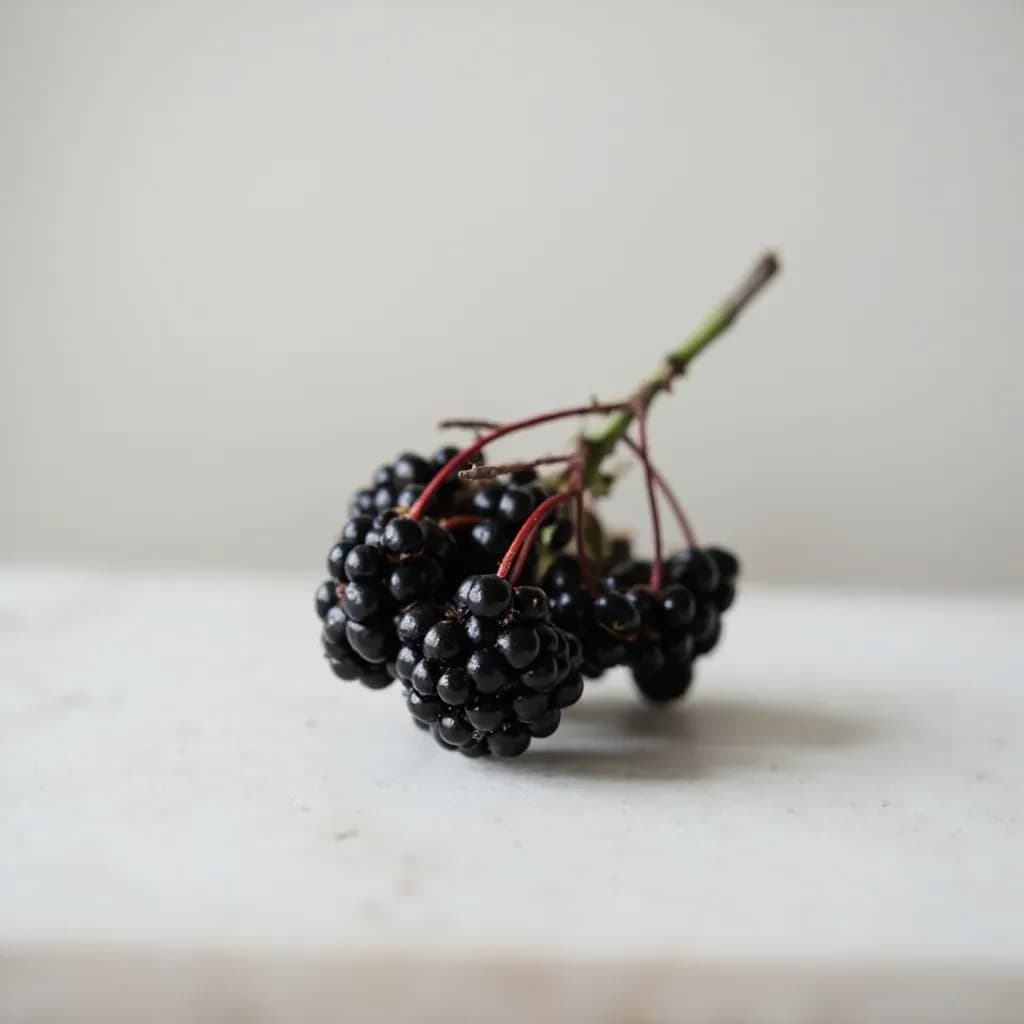
Crowberries are small, glossy black berries from a low evergreen shrub that grows across northern tundra and moorland. They have a mild, slightly watery and tart flavor and are foraged in Scandinavia, Iceland, and Greenland for jams, juices, and traditional desserts. They are frequently mixed with sweeter berries to round out their subtle taste.
Crowberry (Empetrum nigrum) is one of the most northerly distributed edible fruits on earth, thriving in the acidic, boggy soils of circumpolar tundra from Greenland to Siberia, Alaska to northern Britain. Part of the Ericaceae (heath) family, it grows as a low-growing evergreen shrub typically 10–30 cm tall, producing small round berries 4–6 mm in diameter that ripen from green to black with a characteristic waxy bloom. The berry contains 6–9 tiny, hard seeds and yields roughly 75–80% edible weight after cleaning.
In Arctic and sub-Arctic food cultures, crowberry holds particular importance as a reliable late-season fruit—typically harvested August through September when other berries have already passed. Its flavor is mildly tart and subtly sweet with a faint resinous or nutty undertone, notably less acidic than lingonberry. The flesh stains dark purple-black throughout when crushed, distinguishing it from look-alike species. Nutritionally, crowberries are rich in anthocyanins (delphinidin and cyanidin derivatives) and vitamin C, though culinary portions are typically modest.
Commercially, wild-foraged crowberry remains rare outside Scandinavia and northern Canada, where traditional Indigenous knowledge—Inuit, Inuvialuit, Dene, and Sami harvesting practices—continues to guide sustainable collection. Recent revival in Nordic and Arctic gastronomy has brought crowberry from remote tundra into contemporary restaurant kitchens in Finland, Norway, Iceland, and Sweden, where chefs reinterpret traditional preserves, sauces, and desserts with a modern sensibility.
- Measured in
- g
- Storage
- Fridge
Types & varieties
Primary commercial and foraging species; widely distributed across Arctic regions
Red-fruited species found primarily in southern South America and sub-Antarctic islands
Color mutation of E. nigrum; ornamental; flavor similar to black form
Harvesting and Identification
Sustainable crowberry harvesting follows traditional protocols passed through Indigenous knowledge systems. Berries grow on low evergreen shrubs in acidic, often boggy tundra and heathland. Harvest only fully ripe berries—unripe crowberries are markedly bitter and astringent. Test ripeness by gently pressing: ripe berries yield slightly. Reject any with broken skin, fermentation odor, or mold. When crushed, crowberry flesh is dark purple-black throughout, not just skin-deep—this distinguishes it from heather and bearberry, which have lighter interior flesh.
- Strip gently rather than pulling hard; ripe berries release easily
- Leave some berries on each plant to ensure regeneration
- Check multiple locations as berries ripen sequentially across terrain
- Look for dense patches in heathland, tundra edges, and acidic bogs
Preserving Crowberries
The berry's low pectin content requires adjustment when making traditional preserves. Standard jam recipes need a small addition of lemon juice or commercial low-sugar pectin to achieve set. Overcooking produces a tough, rubbery texture rather than a clean gel. For freezing, spread clean, dry berries on a sheet pan in a single layer until solid, then transfer to freezer bags—this prevents clumping and allows portioning. Dried crowberries should be leathery but not brittle; dehydrate at 40–45°C (105–115°F) for 8–12 hours.
- Add 1–2 tablespoons lemon juice per kilogram of berries when making jam
- Use commercial pectin if you want a firm set without overcooking
- Frozen crowberries soften upon thawing; use in cooked applications, not fresh eating
- Dried berries rehydrate reasonably well in warm liquid
Common uses
Tips & pitfalls
- Harvest only fully ripe berries; unripe crowberries are markedly bitter and astringent
- Confirm identification by crushing a berry—the flesh should be dark purple-black throughout, not just at the skin
- Wash thoroughly in cold water, picking out debris and small insects common in low-growing plants
- For jam, add lemon juice or commercial pectin; the berry's naturally low pectin otherwise prevents a proper set
- Do not overcook preserves; excessive boiling makes crowberry tough and rubbery
- Freeze on a sheet pan first, then transfer to bags to prevent clumping; frozen berries can be ground directly into smoothies or baked goods
- Expect softened texture when thawed; frozen-then-thawed crowberries are best in cooked applications, not fresh eating
- Dehydrate at 40–45°C (105–115°F) for 8–12 hours until leathery but not brittle for best rehydration
Nutrition
Nutrition
No USDA FoodData Central match for Crowberry yet. We surface a per-100 g profile once a generic whole-food entry is matched and verified.
In the shops
Matched grocery products
No matched grocery products for Crowberry yet.
Good to know
- Scientific name
- Empetrum nigrum
- Family
- Ericaceae (heath family)
- Origin
- Circumboreal; Arctic and sub-Arctic regions of North America, Greenland, Scandinavia, Russia, northern British Isles
- Season
- Late July through September; peak harvest August–September
- Size
- 4–6 mm in diameter
- Flavor
- Mildly tart, subtly sweet, faint resinous or nutty undertone; less acidic than lingonberry
- pH
- 3.2–3.8 when fully ripe
- Shelf life
- 5–7 days fresh; 12 months frozen; several months dried in airtight container
- Primary pigments
- Anthocyanins (delphinidin and cyanidin derivatives)
Substitutes
- Blackcurrant — More acidic and intensely flavored; use 25% less; best combined with a sweetener
- Lingonberry — More tart and firm-textured; widely available frozen; acceptable one-to-one in preserves
- Bog cranberry — Similar mild tartness and growing region; slightly smaller and more acidic; good one-to-one substitute
- Wild blueberry — Sweeter and less tart; acceptable in desserts and baking; not suitable for traditional savory pairings
Pairs with
Also called
Krækiber · Crakeberry
Appears in these dishes
Related
Tomato
Juicy, sun-sweet fruit for sauces, salads, and slow-cooked depth
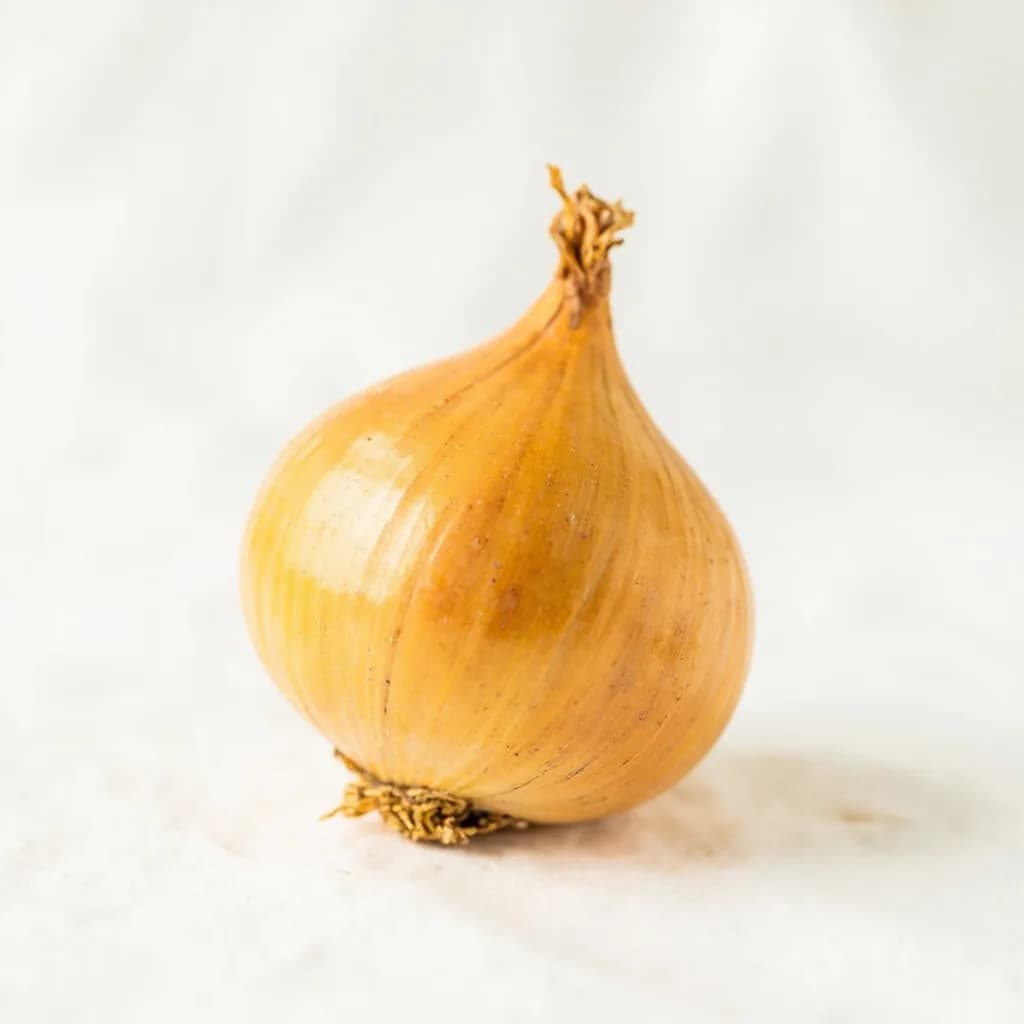
Yellow Onion
The aromatic backbone of soups, sofritos, and braises
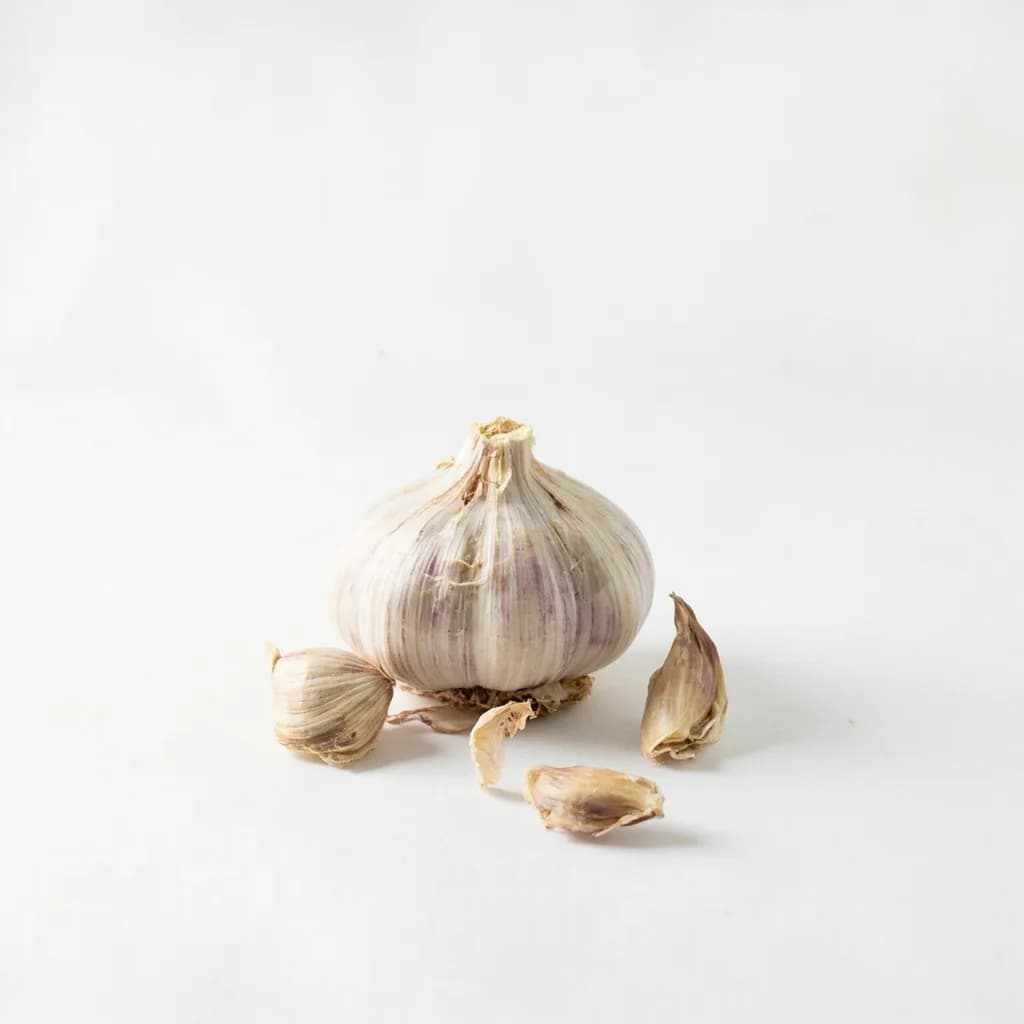
Garlic
Pungent cloves that perfume nearly every savory dish
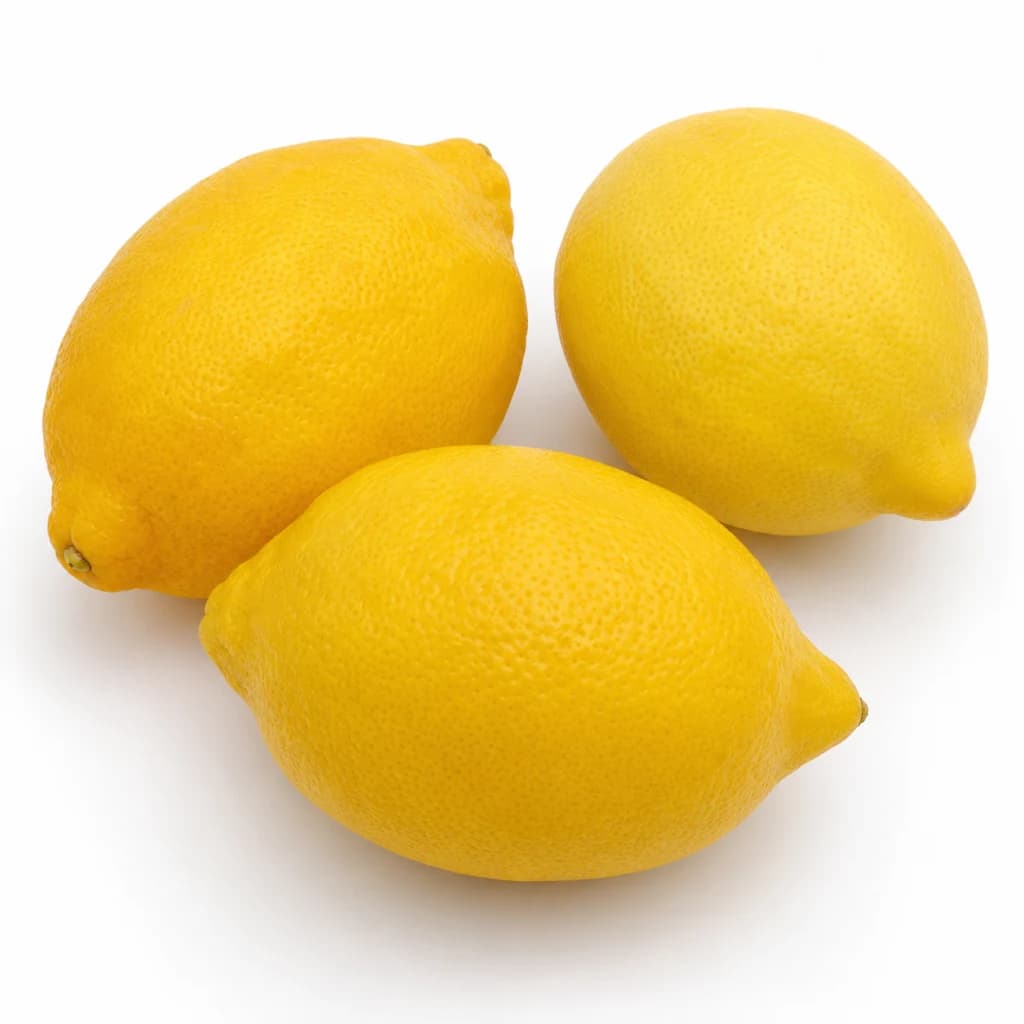
Lemon
Bright, acidic citrus that wakes up almost any dish
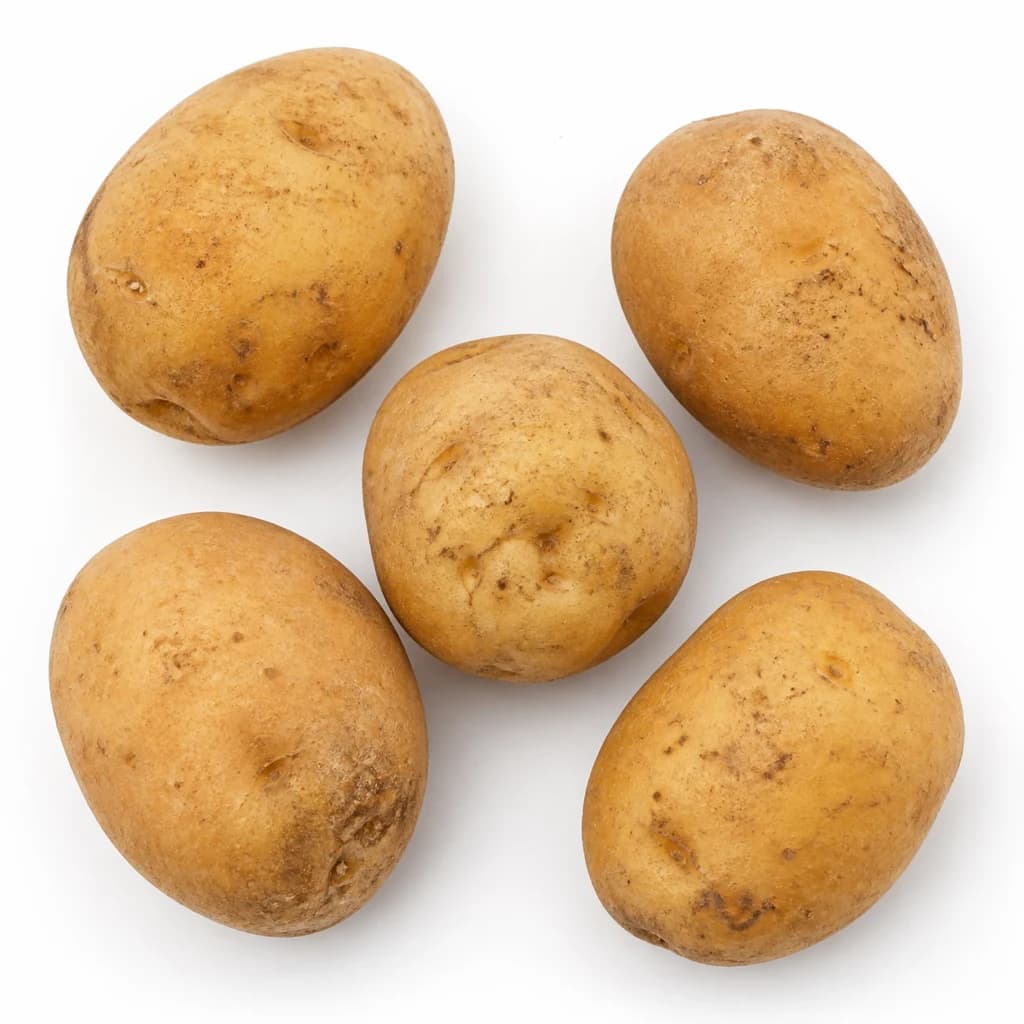
Potato
Humble, hearty staple — roast, mash, fry, or boil
Carrot
Sweet, crunchy root — raw, roasted, or the base of a sofrito
Cucumber
Cool, crisp, and watery — for salads, pickles, and tzatziki

Lettuce
Crisp leaves for salads, wraps, and a fresh crunch