Proteins
Hunan Cured Fish (Layu)
Salt-cured, air-dried and smoked fish from Hunan, steamed or stir-fried for intense umami.
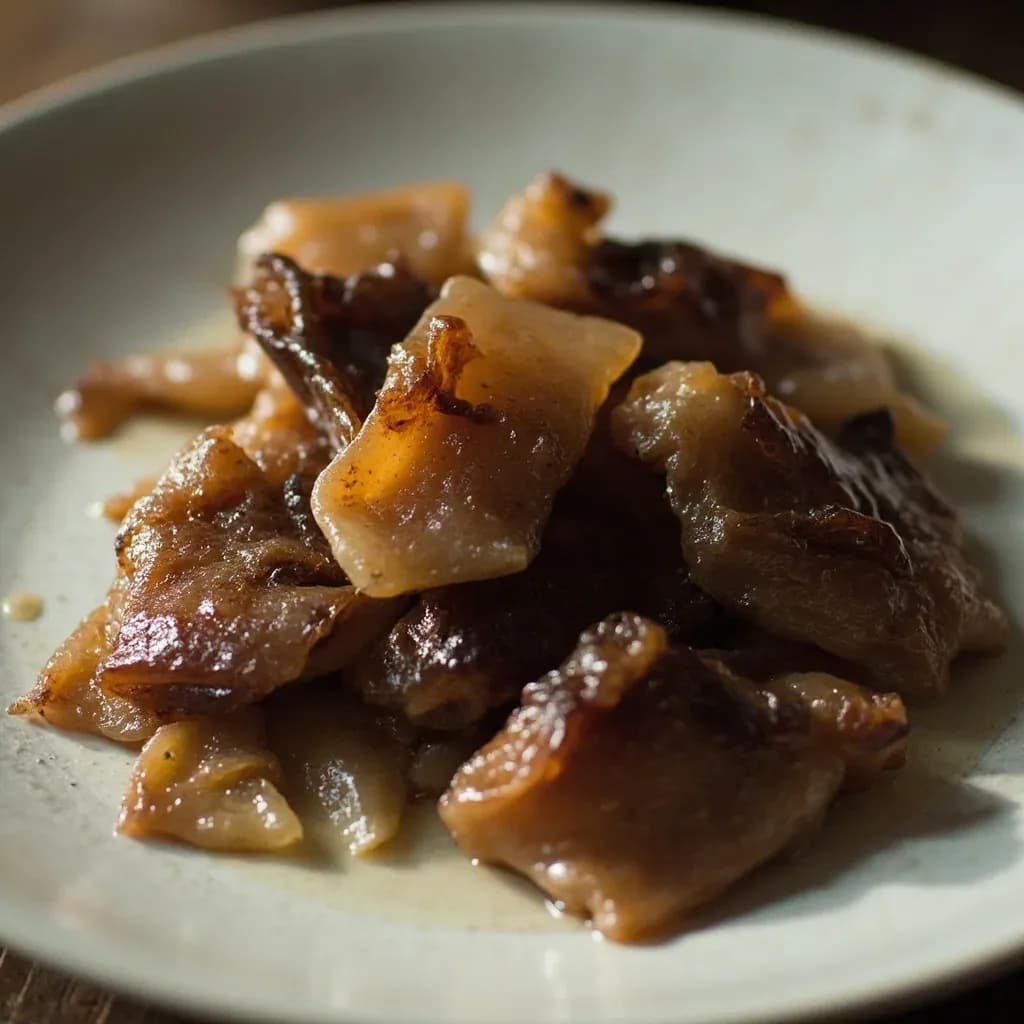
Hunan cured fish (layu, 腊鱼) is freshwater fish salted, air-dried and often smoked during winter, a hallmark of Hunan preserved foods. It has a dense, chewy texture and concentrated salty, smoky flavor. It is steamed with chili and fermented black beans or stir-fried with garlic chives.
Hunan Cured Fish, known as làyú (腊鱼), is a cornerstone of Hunan pantry cooking — a robust, intensely flavored ingredient that bridges the gap between preservation and seasoning. The process transforms fresh grass carp, silver carp, or bighead carp into something entirely new: first dry-cured in salt for one to three days, then air-dried in the cool autumn and winter air, and finally smoked over pine or cypress wood. The triple technique — salting, drying, smoking — creates a product with remarkable shelf stability (six months to a year hanging in a cool, ventilated space) while developing the deep reddish-brown color, pronounced smokiness, and concentrated umami that define the ingredient. In Hunan home cooking, especially around Dongting Lake and the Xiang River region, layu is not a delicacy but a staple — made in quantity during the winter cure season and used throughout the year to build flavor in dishes that require little else to become compelling.
The cooked layu has a firm, dense, slightly fibrous texture that holds together well in stir-fries and braises. Its intensity means a little goes far: one modest-sized fish steak rehydrated and cooked serves two to three people as a main dish. The flavor profile is bold — smoke, salt, umami, and a faint gameiness — which is why layu functions more as a seasoning agent than a featured protein in many preparations. Before use, the fish must be desalted and rehydrated through soaking and steaming, a simple process that softens the flesh and makes it pliable for final cooking. Once rehydrated, it is used immediately; it does not keep after hydration.
Hunan layu differs from Cantonese-style layu primarily in the smoking step. Cantonese layu is salt-cured and air-dried but typically not smoked, giving it a lighter, cleaner saltiness without the complex smokiness. The wood-smoking — traditionally done with pine or cypress — is what gives Hunan layu its characteristic color and the deep, resonant flavor that pairs so well with the province's fiery chilies and bold seasonings.
- Measured in
- g
- Storage
- Fridge
Allergens
Types & varieties
The standard variety — salt-cured, air-dried, and wood-smoked. Deep reddish-brown color, strong smoky flavor. This is the defining variety.
Less smoking, shorter curing time. Lighter color, milder smokiness. Found in some southern Hunan preparations.
Cured with a higher salt ratio for extended storage. Extremely firm texture and very intense saltiness. Common in rural Hunan.
Cured with added spices such as Sichuan peppercorns, star anise, or dried chilies during the salting stage. Regional specialty in parts of western Hunan.
Soaking and Steaming: The Essential Pre-Work
The rehydration and desalination of layu is straightforward but critical — it is the step that makes the difference between a pleasantly smoky, savory ingredient and an inedibly salty one. Soak the fish in cold to lukewarm water (never hot, which makes the flesh mushy), changing the water once midway through. Thinner pieces need one to two hours; thick steaks may need three to four. After soaking, steam over vigorously boiling water for fifteen to twenty minutes until the flesh turns opaque and firms up. This is not cooking — the fish is already cooked through the curing and smoking process. The steam solely rehydrates and softens. Once steamed, the fish is ready for final cooking; do not attempt to store it after steaming.
- Use cold or lukewarm water for soaking — hot water makes the flesh mushy
- Change the soaking water once for very salty fish
- Steam for 15–20 minutes until flesh is opaque and firm
- The steaming step desalinates further and softens, not cooks
Handling the Smoked Exterior
The dark, leathery outer layer of smoked fish is not a skin to be scraped off and discarded — it is the most intensely flavored part of the fish. Handle the steamed fish gently when breaking it into pieces for final cooking. The firm, fibrous flesh breaks along natural lines; tear it into bite-sized pieces rather than cutting with a knife for better texture. Small bones in small carp are often left in during cooking; they soften with steaming and are not hazardous, but can be removed if preferred.
Common uses
Tips & pitfalls
- Soak in room-temperature water for at least 1–2 hours before steaming; change the water once if the fish is very salty. Hot water will make the flesh mushy — use cold or warm only.
- After soaking, steam over high heat for 15–20 minutes until the flesh turns opaque and firms up. This desalinates further and softens the texture.
- Scraping off the dark outer smoked layer removes the most flavorful part of the fish — handle gently and leave it intact.
- The fish is already cooked through curing and smoking; the steaming step is purely to rehydrate and soften, not to cook.
- When stir-frying, cut or tear the steamed fish into pieces after steaming and add it near the end of cooking to avoid breaking it apart.
- Because salt content varies significantly by producer, always taste the steamed fish before seasoning your final dish — you may need little or no additional salt.
Nutrition
Energy
519 kJ · per 100 g
Where the calories come from
Protein
20g
40% DV
Carbs
0g
0% DV
Fat
4.2g
5% DV
Fiber
0g
0% DV
Sodium
60mg
3% DV
Source · USDA FoodData Central · approx. Fish, bluefish, raw
View on FDC →In the shops
Matched grocery products
No matched grocery products for Hunan Cured Fish (Layu) yet.
Good to know
- Literal Name
- 腊鱼 (Làyú) — literally "cured/preserved fish"
- Also Known As
- Hunan Smoked Fish, Hunan Dry-Cured Fish
- Primary Fish Used
- Grass carp (草鱼, Cǎoyú); also silver carp and bighead carp
- Region of Origin
- Hunan Province, China — particularly around Dongting Lake and Xiang River communities
- Curing Method
- Dry salt cure (1–3 days), then air-drying, then wood-smoking (often pine or cypress)
- Color After Smoking
- Deep reddish-brown to amber, from the combination of salt oxidation and wood smoke
- Flavor Profile
- Intense smokiness, pronounced saltiness, deep umami; savory and slightly gamey
- Shelf Life (Unopened)
- 6–12 months when stored in a cool, dry, ventilated space; traditionally hung outdoors in winter
- Traditional Season
- Made in late autumn and winter when temperatures are cool and humidity is low for ideal air-drying
- Salt Content
- High; always desalinate through soaking and steaming before seasoning the dish
Substitutes
- Smoked Salted Cod (or any salt-cured, smoked white fish) — Closest substitute; has similar firm texture and smoky-salt profile. Soak and steam the same way. Use in equal weight.
- Cantonese腊鱼 (Layu) — Cantonese-style cured fish is also salt-cured and air-dried but typically not smoked, resulting in a less smoky flavor. The texture is similar. Reduce or omit additional smoking steps.
- Dried Bonito Flakes (Katsuobushi) — Not a direct substitute — completely different texture and form — but provides similar intense smoky-umami depth when added to stocks or stir-fries.
- Bacalhau (Portuguese Salted Cod) — Salt-cured and air-dried; requires similar soaking and cooking. Works in braised preparations. Does not have the smoky element of Hunan layu.
Pairs with
Also called
腊鱼 · Layu · Hunan Smoked Fish
Appears in these dishes
Related
Egg
The kitchen's everything ingredient — bind, leaven, enrich, or fry
Chicken Breast
Lean, quick-cooking white meat for everyday dinners

Ground Beef
Versatile minced beef for burgers, ragù, tacos, and meatballs
Pork Loin
Lean, tender roasting cut that stays juicy with care
Salmon
Rich, rosy fish that roasts, grills, or cures beautifully

Egg White
Pure protein that whips to airy peaks for meringue and more

Egg Yolk
Rich, golden yolk for custards, mayonnaise, and pasta

Quail Egg
Tiny, speckled eggs for garnishing and elegant bites