Proteins
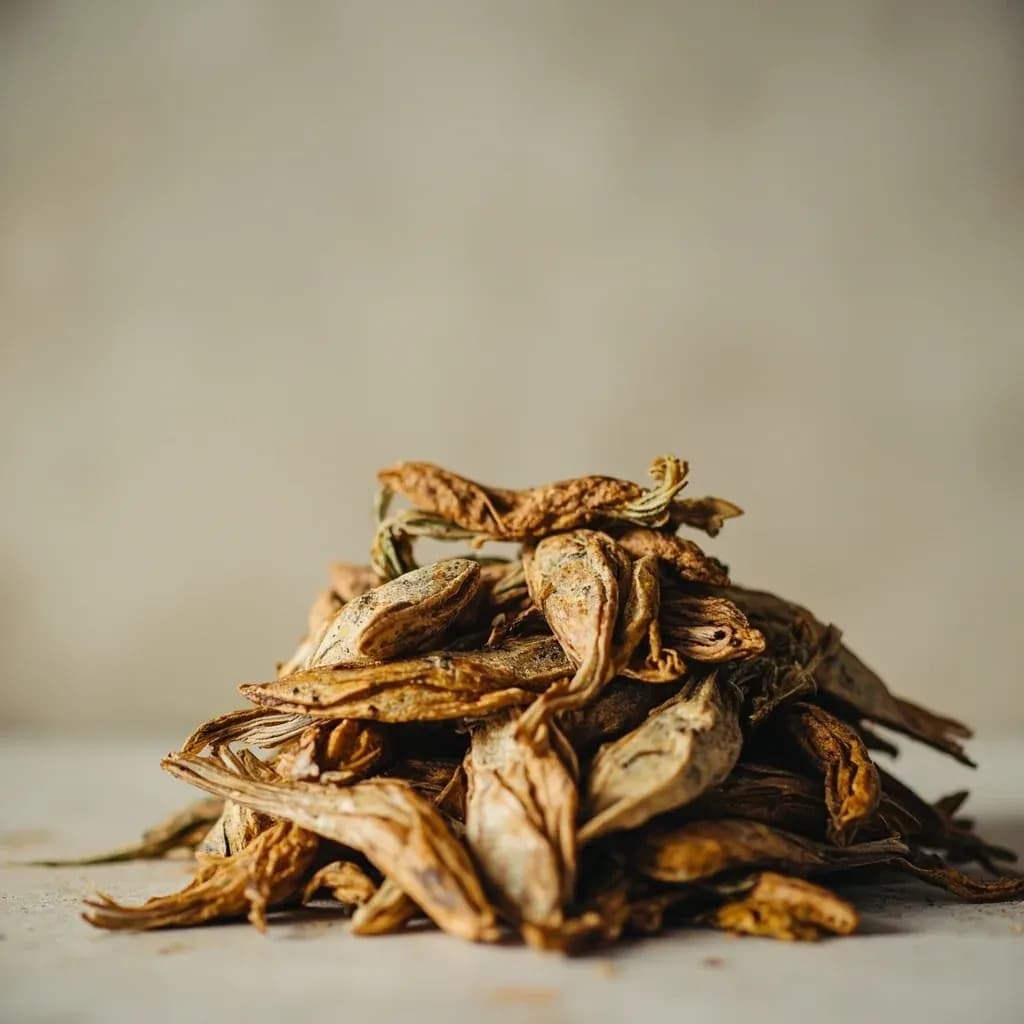
Dried Sardines (Dagaa)
Small sun-dried East African freshwater fish, a protein-rich staple food.
Dagaa are tiny silver freshwater fish from Lake Victoria and other East African lakes, sun-dried for preservation. An affordable, protein-dense staple, they are fried crisp or simmered in tomato and onion stews served with ugali. Their concentrated flavor adds depth to relishes and sauces.
Dagaa refers to the tiny freshwater fish Rastrineobola argentea, harvested almost exclusively from Lake Victoria and neighboring lakes Kyoga, Albert, and Edward. The fish are caught at night using lamp fishing—artificial light attracts the schooling fish to the surface where they are gathered in fine nets. Processing begins immediately after catch: the fish are spread on mats or racks and dried in direct sunlight for one to three days, yielding a small, bone-in, fully edible dried fish typically five to eight centimeters long. This immediacy is critical—the sun does all the work; no salt or chemical preservatives are used.
The result is an ingredient with an intensely savory, salty, umami-rich flavor that is fishy but notably less pungent than marine anchovies. What distinguishes dagaa from most other dried fish is the calcium density of its tiny edible bones and its entirely freshwater mineral profile. For millions across Uganda, Kenya, and Tanzania, dagaa represents not just a pantry staple but one of the most accessible and affordable sources of protein and micronutrients available—a cornerstone of household food security in the Lake Victoria basin.
In East African diaspora communities, dagaa remains a prized ingredient sought from specialty African grocers, valued for its concentrated flavor and the deep connection it carries to home cooking.
- Measured in
- g
- Storage
- Pantry
Allergens
Types & varieties
The most common form; air-dried on mats or racks in direct sunlight for one to three days. Silvery-gray color indicates thorough drying.
Dried over wood fires rather than sun; has a deeper, smokier flavor with darker brown color. More common in Kenya.
Lightly pan-fried or roasted after initial drying to reduce moisture further and concentrate flavor; produces a crispier texture for snacking.
Quality and Storage
When purchasing dagaa, uniform color throughout signals proper, complete drying—white or pale spots indicate sections that dried unevenly and risk mold or spoilage. The fish should feel completely dry with no soft, moist clumps. Store in an airtight container in a cool, dry place; add a bay leaf or dried chili to the container to deter insects, which are attracted to the oil content. Properly stored, dagaa keeps for six months to a year. Before cooking, a quick rinse under cold water removes any residual sand or grit, but do not soak—excessive washing leaches out the natural salts that provide much of the flavor.
- Inspect for uniform color and complete dryness before buying
- Store in airtight containers with bay leaves or dried chilies
- Never soak; a brief rinse is sufficient
From Field to Table
The overnight harvest using light attraction has shaped how dagaa fits into the regional cuisine. Because the fish are processed at dawn, the supply chain from lake to market is remarkably short. In rural households, dagaa is rarely rehydrated—it is added directly to dishes either dry or after a brief fry. This direct use means the fish mellows and integrates into the dish as it cooks, rather than standing out as separate pieces. For cooks new to dagaa, the most important adjustment from Western cooking instincts is this: think of dagaa as a seasoning and nutritional booster, not a centerpiece protein. It enriches and savoryizes other ingredients rather than dominating them. The other critical adjustment is heat management—dagaa fries in minutes due to low moisture content and small size; walk away and it will burn.
- Add dagaa early in cooking so it mellows into the dish
- Fry on medium heat and watch continuously
- Treat dagaa as a seasoning and nutrient boost, not a main protein
Common uses
Tips & pitfalls
- Rinse quickly under cold water before using to remove residual sand or debris, but do not soak—excessive washing strips away the natural salts that provide much of the flavor.
- Fry briefly in oil before adding to stews to mellow the fishy aroma and create a richer, less intrusive flavor profile.
- Toast dry in a pan without oil over medium heat to intensify the umami and achieve a crispier texture ideal for snacking or grinding into powder.
- Store in an airtight container with bay leaves or dried chilies to prevent insect infestation; the oil content makes dagaa attractive to pantry pests.
- When frying dagaa, use medium heat and watch carefully—due to their small size and low moisture, they transition from golden to burnt quickly.
- For grinding into powder: toast until completely dry, then grind while still warm for a finer, more cohesive texture.
- Add dagaa early in the cooking process so the fish softens and integrates into the dish rather than remaining as separate pieces that stand out.
- If the dagaa smells noticeably rancid or musty before cooking, discard it—this indicates the oils have oxidized from improper storage.
Nutrition
Nutrition
No USDA FoodData Central match for Dried Sardines (Dagaa) yet. We surface a per-100 g profile once a generic whole-food entry is matched and verified.
In the shops
Matched grocery products
No matched grocery products for Dried Sardines (Dagaa) yet.
Good to know
- Scientific Name
- Rastrineobola argentea
- Typical Size
- 5–8 cm (2–3 inches) total length
- Protein Content
- 50–60% by dry weight
- Key Nutrients
- Calcium (from edible bones), iron, omega-3 fatty acids, vitamin B12
- Color (dried)
- Silvery-gray to dark brown depending on drying method
- Shelf Life
- 6–12 months in a cool, dry, sealed container
- Regional Names
- Dagaa (Uganda), Omena (Kenya), Mukene (Tanzania)
- Origin
- Lake Victoria basin; also found in Lakes Kyoga, Albert, and Edward
- Habitat
- Freshwater; small pelagic fish schooling in open water
- Typical Price
- Inexpensive; sold by the cup, bag, or loose weight in East African markets
Substitutes
- Dried marine anchovies — Similar size and intensity; rinse saltier varieties before use as the flavor is slightly stronger and more oceanic.
- Dried shrimp — Different flavor—brinier and sweeter—but comparable umami punch; use in smaller quantities to avoid overwhelming dishes.
- Iri (dried silver fish) — Similar tiny dried freshwater fish used in West African cuisine; comparable texture and culinary function.
- Fish sauce or patis — Use only for flavor substitution—not a texture match. Add a few drops at a time to add salty umami without bulk.
Pairs with
Also called
Omena · Mukene · Silver Cyprinid
Related
Egg
The kitchen's everything ingredient — bind, leaven, enrich, or fry
Chicken Breast
Lean, quick-cooking white meat for everyday dinners

Ground Beef
Versatile minced beef for burgers, ragù, tacos, and meatballs
Pork Loin
Lean, tender roasting cut that stays juicy with care
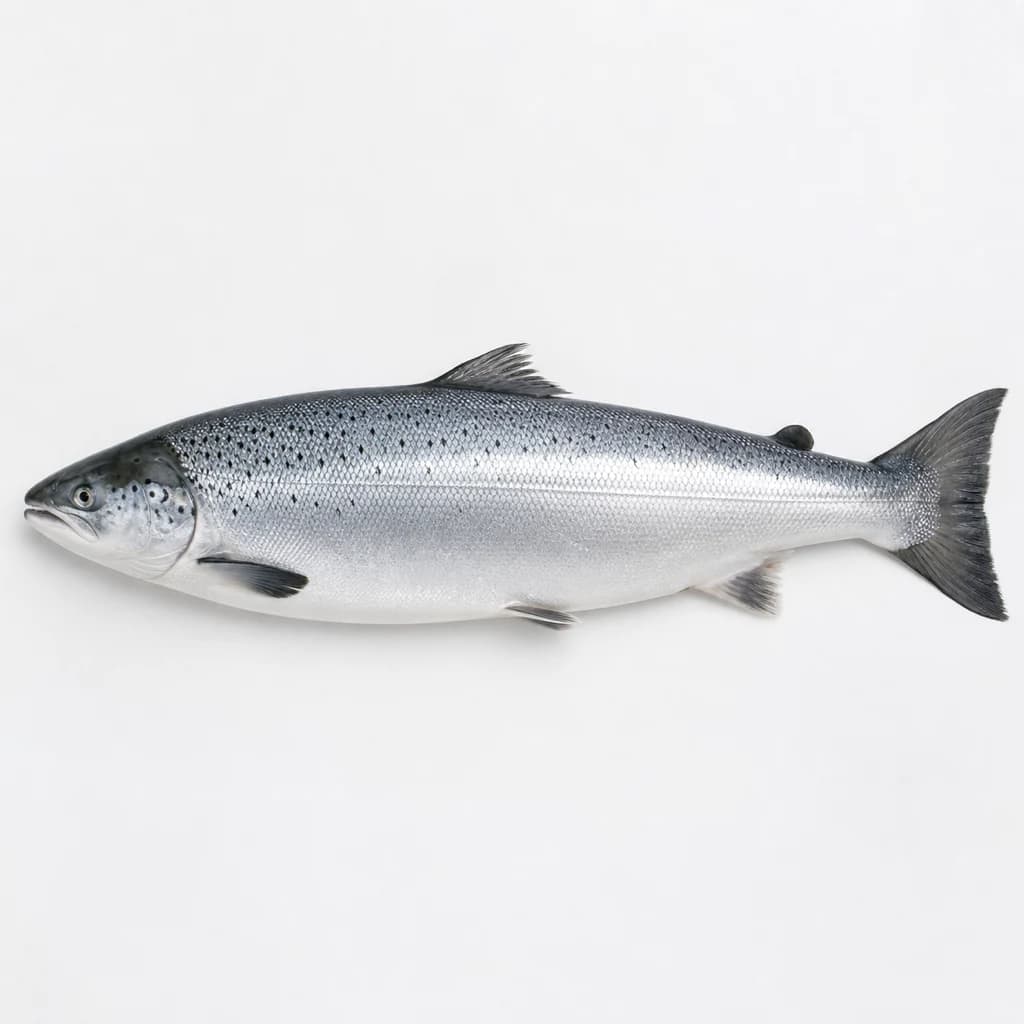
Salmon
Rich, rosy fish that roasts, grills, or cures beautifully

Egg White
Pure protein that whips to airy peaks for meringue and more

Egg Yolk
Rich, golden yolk for custards, mayonnaise, and pasta

Quail Egg
Tiny, speckled eggs for garnishing and elegant bites